
Showing 411-416 of 416

You're on thin ice
The phrase you're on thin ice, or you're walking on thin ice or even you're skating on thin ice means you are in a risky situation. One more mistake could cause trouble. This idiom refers to walking on a frozen lake or river, where you might fall through the thin layer of ice on the surface if you are not careful.After missing two deadlines in a row, he knew he was on thin ice with his manager.

You're only human
When you say you are only human, you mean you are like other people and you have emotions, you make mistakes, and you are imperfect, just like other people.Sorry I got it wrong, but I'm only human.

Your home is your castle
A man's home is his castle is an old proverb that says you should be safe and secure in your own home. It is backed up by laws in many countries that give you rights to defend yourself in your home, and that even authorities have limited rights to come into your home.We tried to get grandpa to move out to a nursing home, but he insists his home is his castle.
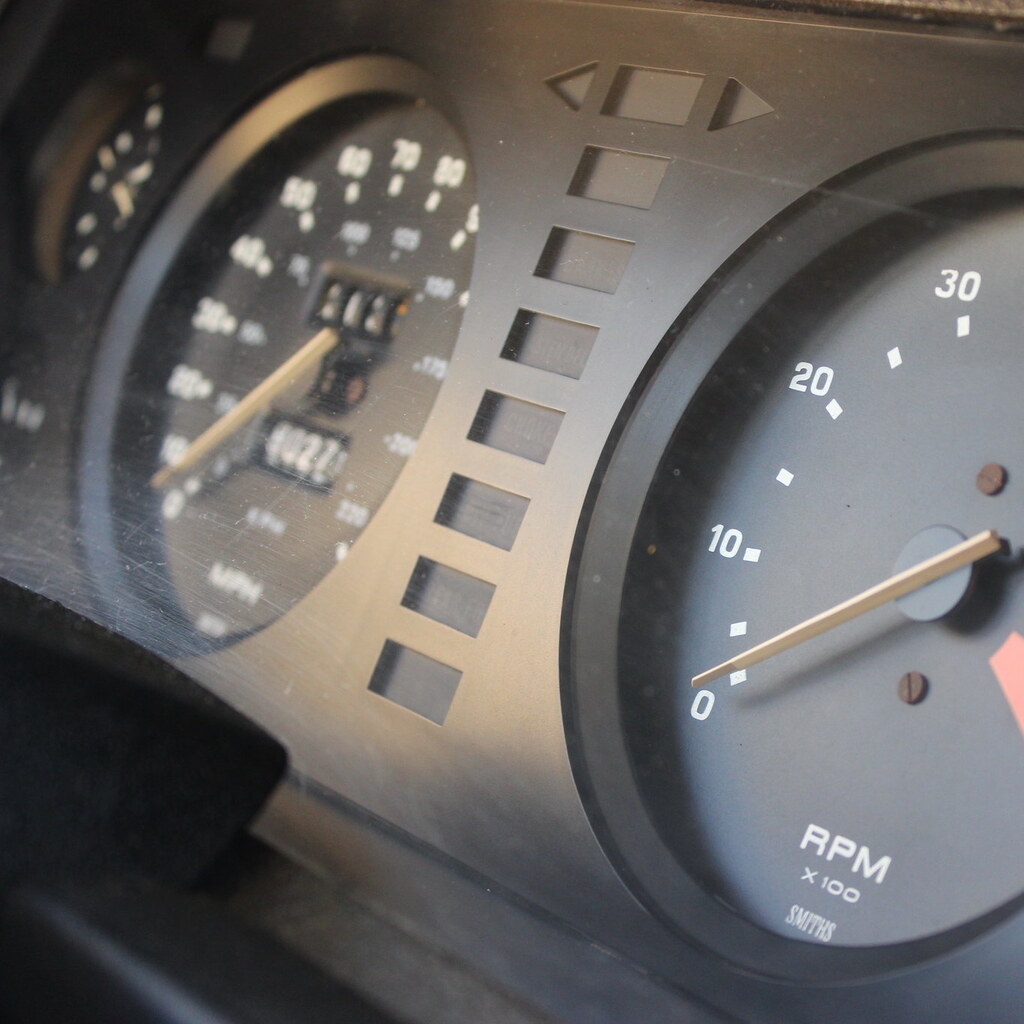
Your milage may vary
Your mileage may vary means that different people may have different results or experiences when doing the same thing. It says that what worked for one person might not work the same way for another.This idiom comes from car advertisements in the United States. Fuel economy could change depending on driving style, road conditions, and vehicle use, so ads included the note your mileage may vary.
This trick helped me save time when cooking, but your mileage may vary.
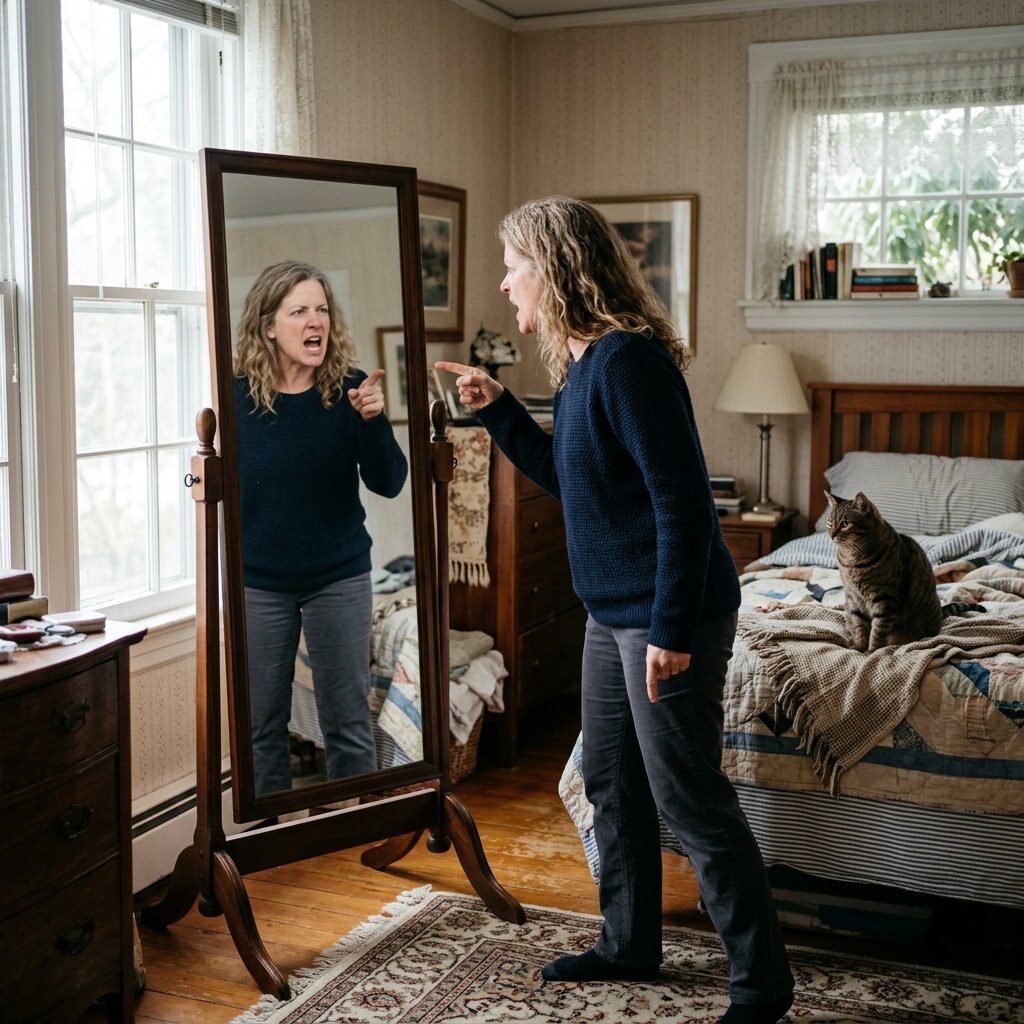
Your own worst enemy
Your own worst enemy means that a person's own actions or decisions cause them more problems than anyone else does. It describes someone who keeps making choices that work against their own success or happiness.The idea behind the phrase is that sometimes the greatest obstacle a person faces is themselves. The expression became common in English as a way to describe self-sabotaging behavior.
He had the talent to succeed, but his constant procrastination made him his own worst enemy.
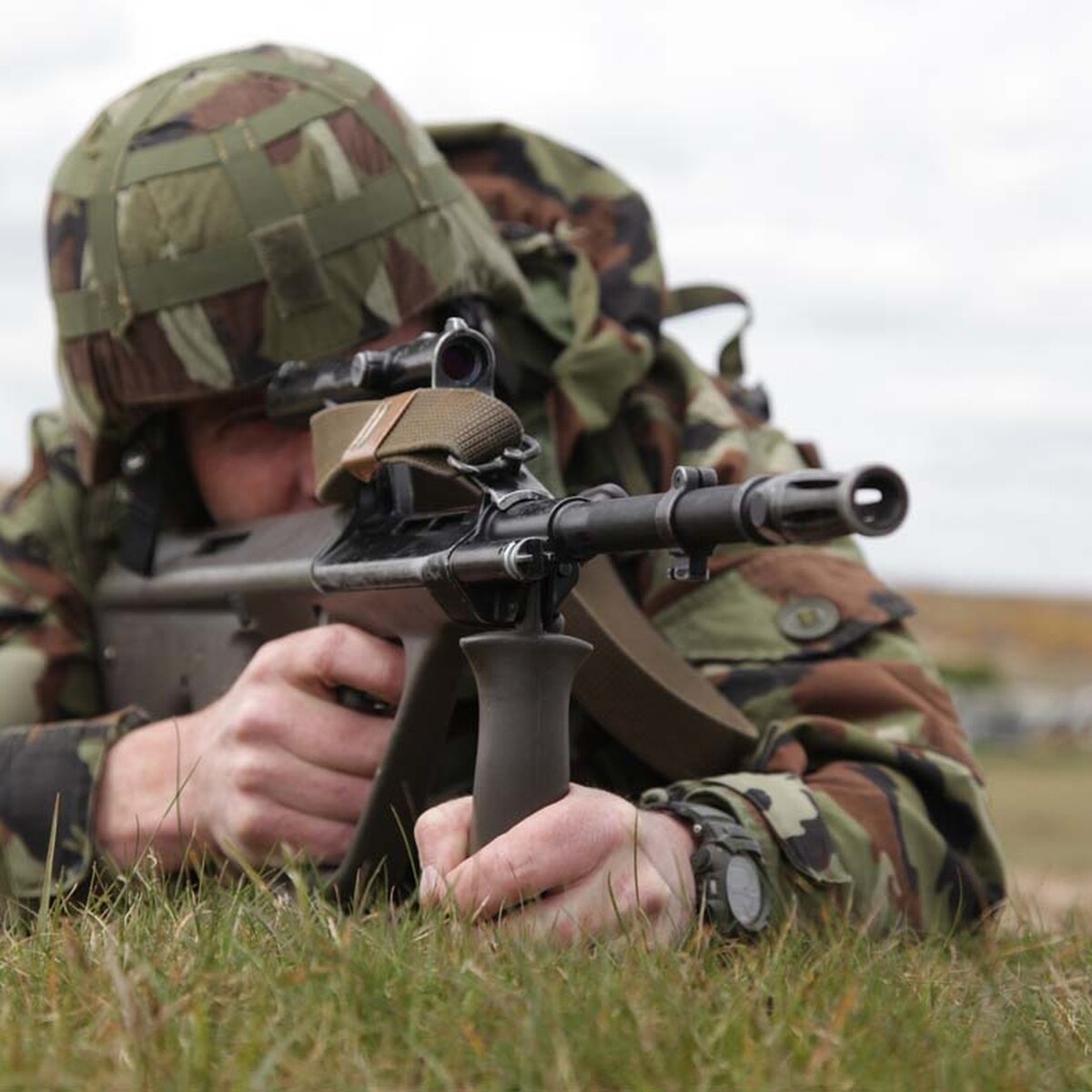
Zero in on
The idiom zero in on means to focus closely on something. Attention becomes more precise and directed. The phrase comes from "zeroing" the sights on a gun to accurately hit the target.Let's zero in on the main problem.