
Showing 391-410 of 416

Vote with your feet
To vote with your feet means to show what you prefer by your actions.The phrase became common in the 1900s and is often used in politics, workplaces, and public events. It refers to the idea that people can express their choices through their actions, much like casting a vote.
When the restaurant raised its prices again, many customers voted with their feet and started eating somewhere else.

Walk on air
To walk on air means to feel extremely happy or excited. It is used when someone feels so joyful that they seem almost weightless.The expression comes from the image of a person being so light with happiness that it feels as if they could float or walk above the ground. It has been used in English since the early 1800s.
After hearing he got the job, he was walking on air.

Walk the plank
To walk the plank means to be forced to face punishment. Today it is most often used jokingly to suggest someone must accept the consequences of their actions.The phrase comes from pirate stories in which a captive was forced to walk along a wooden plank extending from a ship and fall into the sea. Although popular in fiction, historians believe this practice was mostly a legend rather than a common real event.
After breaking the office printer again, he joked that he might have to walk the plank.

Wasn't born yesterday
If a person says I was not born yesterday it means they understand what is really going on and will not be tricked.The phrase became common in American English in the early 1900s. It plays on the idea that someone born yesterday would have no experience of the world and would believe anything they were told.
Do you really expect me to believe that story? I wasn't born yesterday.
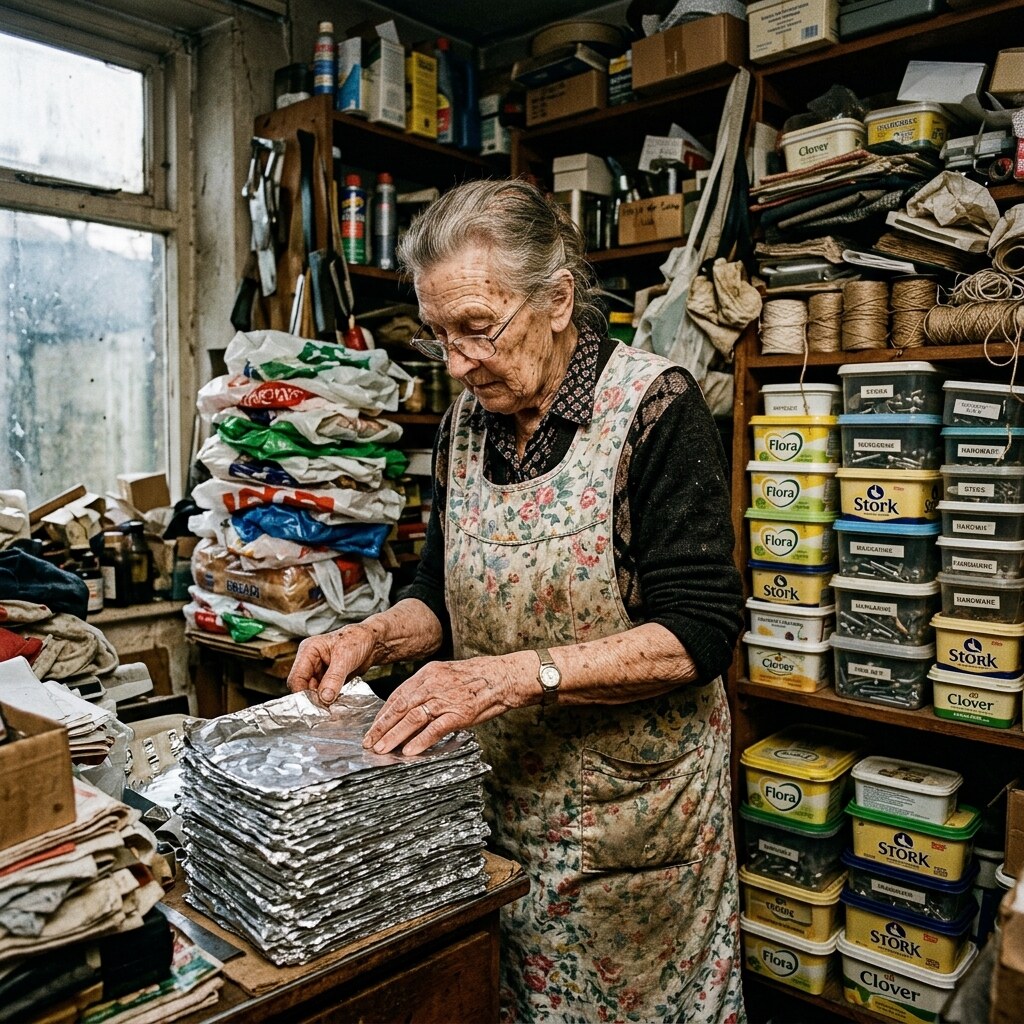
Waste not, want not
Waste not want not means that if you do not waste things, you will not find yourself without them later. It encourages people to use resources carefully and avoid unnecessary waste.The saying has been used in English since the 1700s and reflects the practical idea that saving and reusing things helps prevent future shortages.
She saved the leftover vegetables for soup the next day, saying waste not want not.
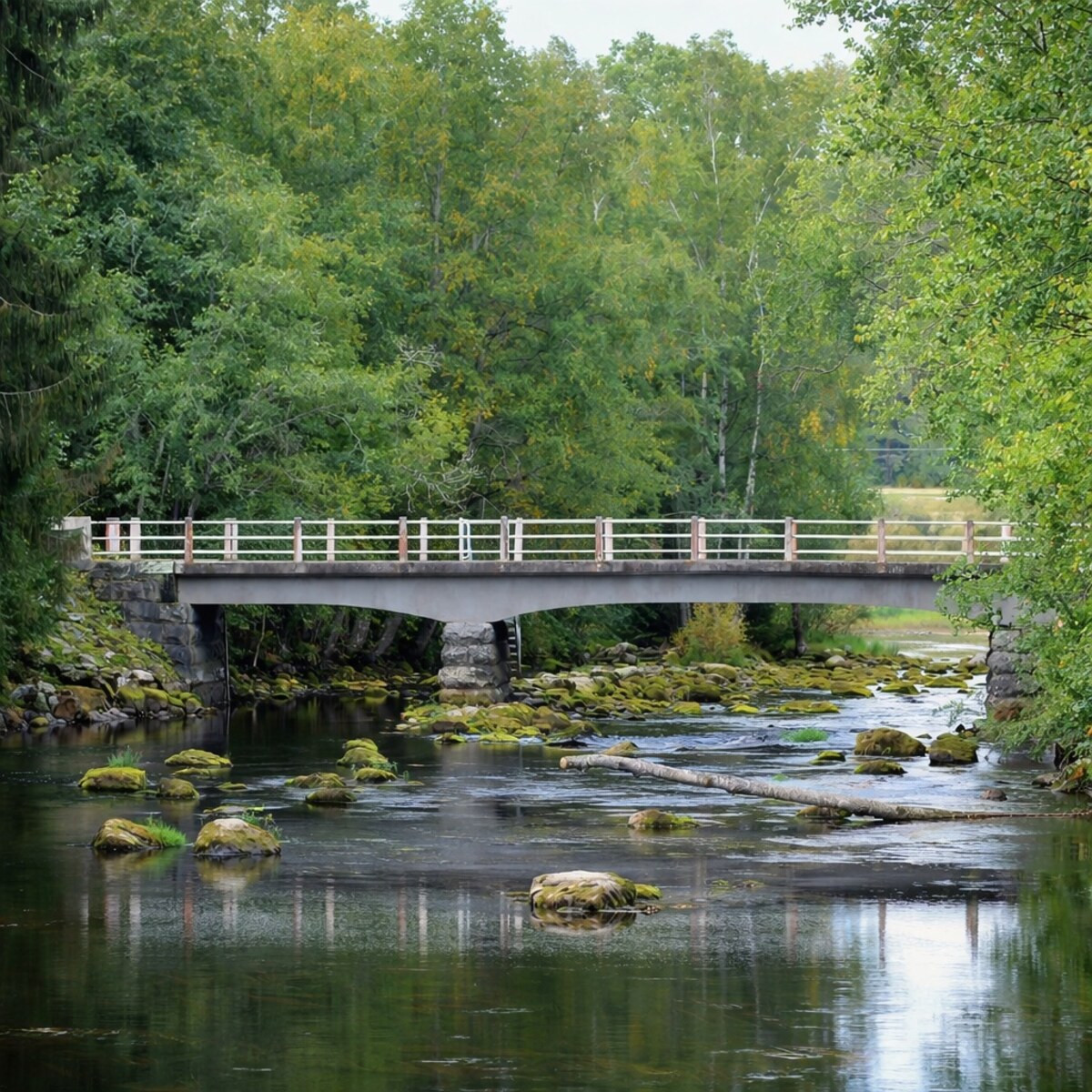
Water under the bridge
The idiom water under the bridge draws from the concept of water flowing under a bridge, and once it has gone past it will never go past again. When you use this phrase, you are talking about events or feelings that are now in the past and cannot be changed, so you shouldn't dwell on them anymore.The two neigbours decided to let their past disagreements be water under the bridge.
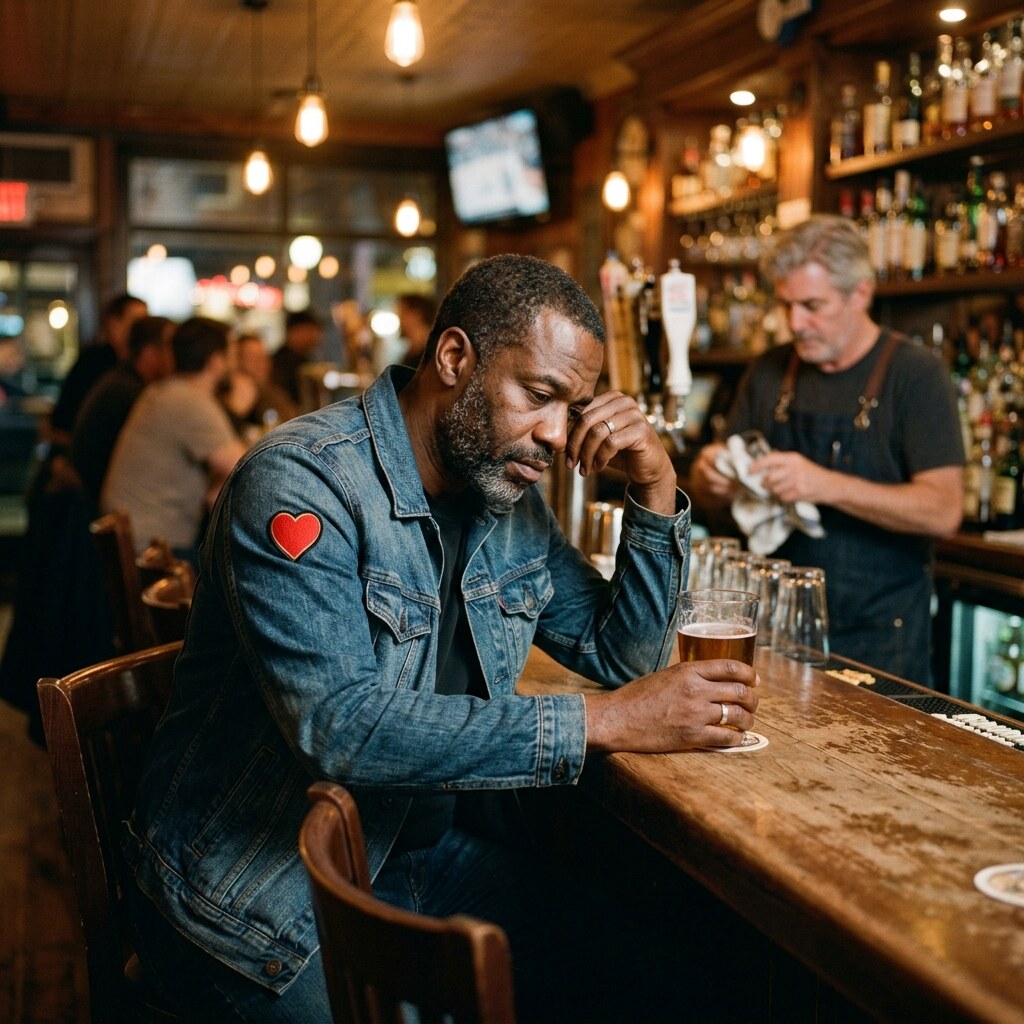
Wear your heart on your sleeve
To wear your heart on your sleeve means to show your feelings openly so that other people can easily see how you feel.The expression may come from old traditions where people wore a token or symbol on their sleeve to show loyalty or affection. Over time it came to describe openly displaying one's emotions.
He tends to wear his heart on his sleeve, so everyone knows when he is upset.

Wears the pants
To wear the pants means to be the person who has the most authority or control in a relationship or group. It usually describes the person who makes the main decisions.The expression comes from older social customs when trousers were traditionally worn by men and were associated with authority in the household. Over time the phrase became a general way to talk about who is in charge.
Everyone jokes that she wears the pants in their family because she is the one who makes all the big decisions.
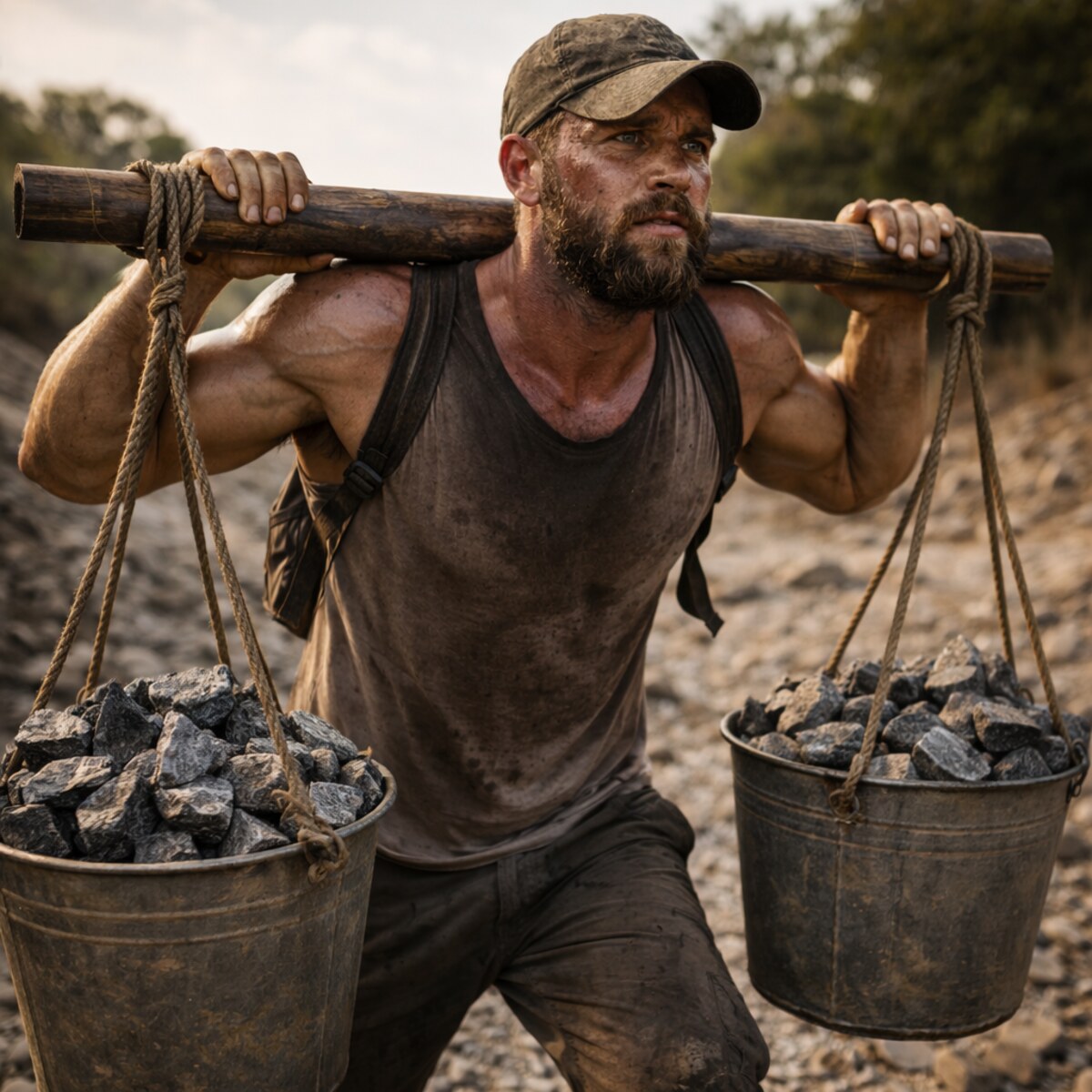
Weight lifted from your shoulders
When you have a weight lifted off your shoulders you have a great sense of relief that a stressful situation has ended or a burden has lifted.This idiom is drawn from the literal feeling of relief when you put down a heavy load that you are carrying.
My friend gave me a small loan, and a weight was lifted from my shoulders.
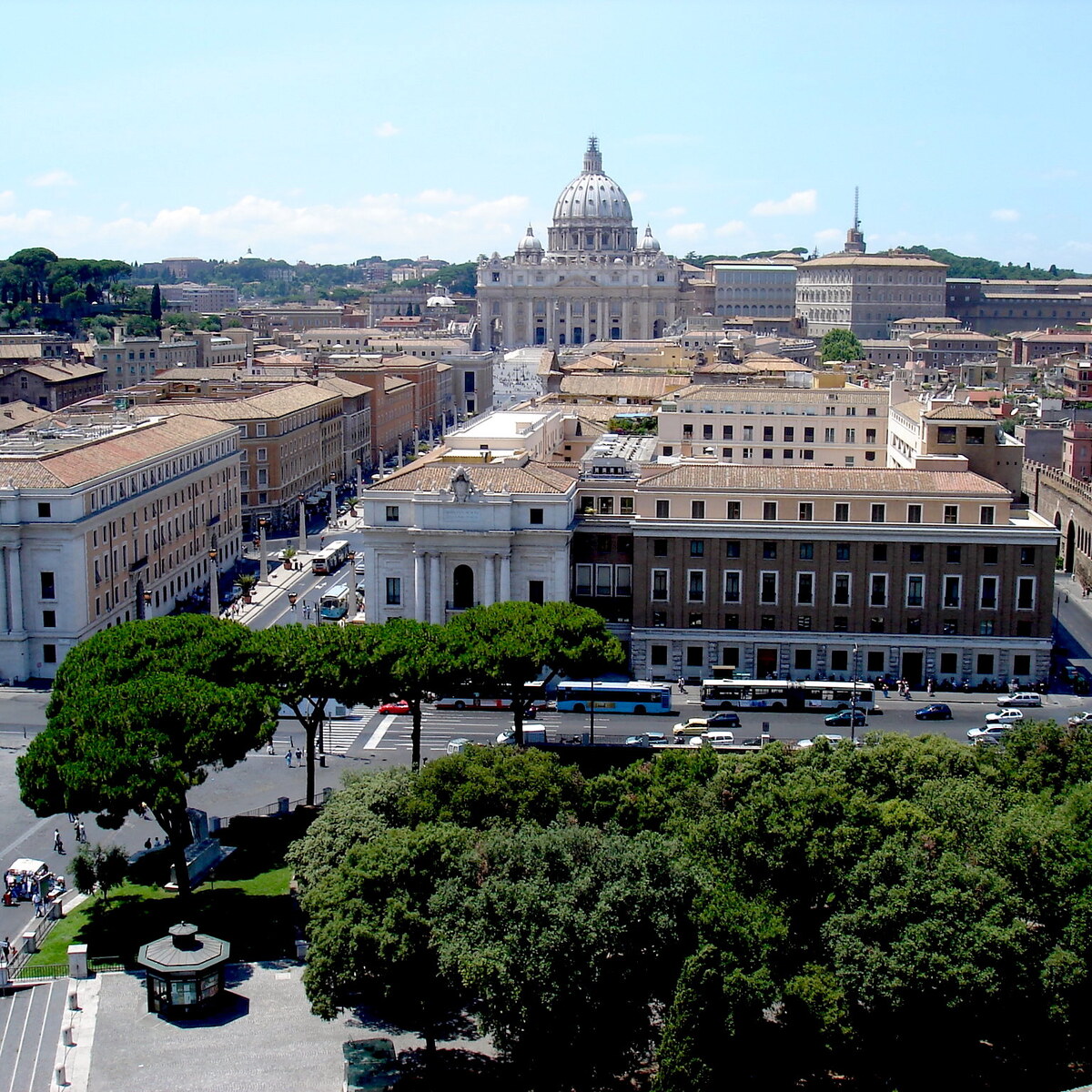
When in Rome
The idiom when in Rome, do as the Romans do means that when you are a visitor, either to another country or just someone else's house or working in their business, you should adapt to how everyone behaves and try and fit in as a mark of respect.Everyone else was taking their shoes off, so when in Rome, do as the Romans do.