Showing 241-260 of 294
18 words are below your SafeSearch level and not shown.
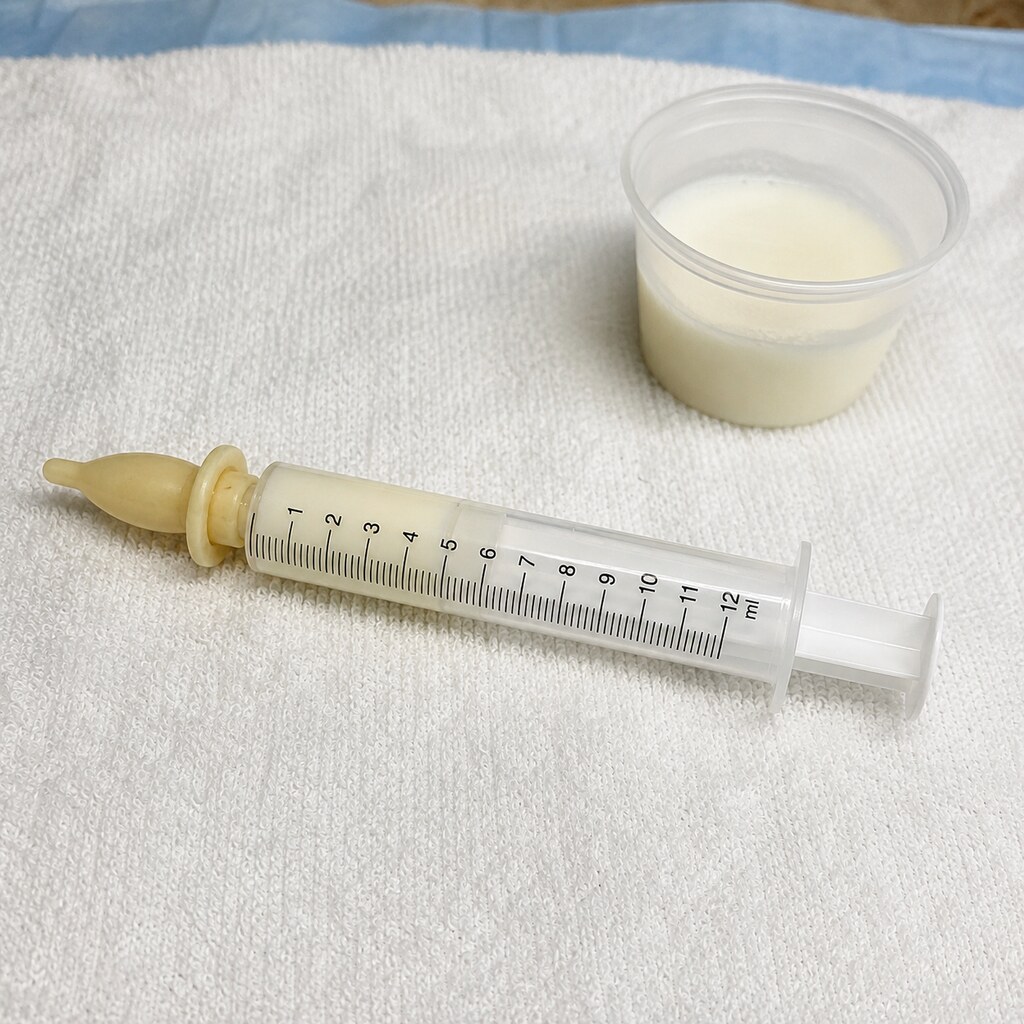
A syringe is a device that is used for putting a measured quantity of fluid into something else. Syringes are often, but not always, fitted with a sharp, hollow point at one end for injecting liquids into things.
Syringes can be used for things as diverse as feeding baby animals, or for injecting medicine into you.
Syringes can be used for things as diverse as feeding baby animals, or for injecting medicine into you.

Tablets, also called pills or capsules depending on their shape, are small objects that you swallow.
Tablets usually have something like medicine in them that makes you better. People most often take pills to stop a headache, or to stop them being sick.
Tablets usually have something like medicine in them that makes you better. People most often take pills to stop a headache, or to stop them being sick.

Most animals have tails - people and apes don't. A tail is just an extension of the animal's backbone. Animals use their tails to communicate - dogs wag their tails when they are happy, cats wave their tails when they are angry and put their tails straight up to say "hello".
Animals like cows and horses use their tails to swat flies away. The kangaroo has a big, heavy tail that it uses to balance itself when it hops.
Animals like cows and horses use their tails to swat flies away. The kangaroo has a big, heavy tail that it uses to balance itself when it hops.
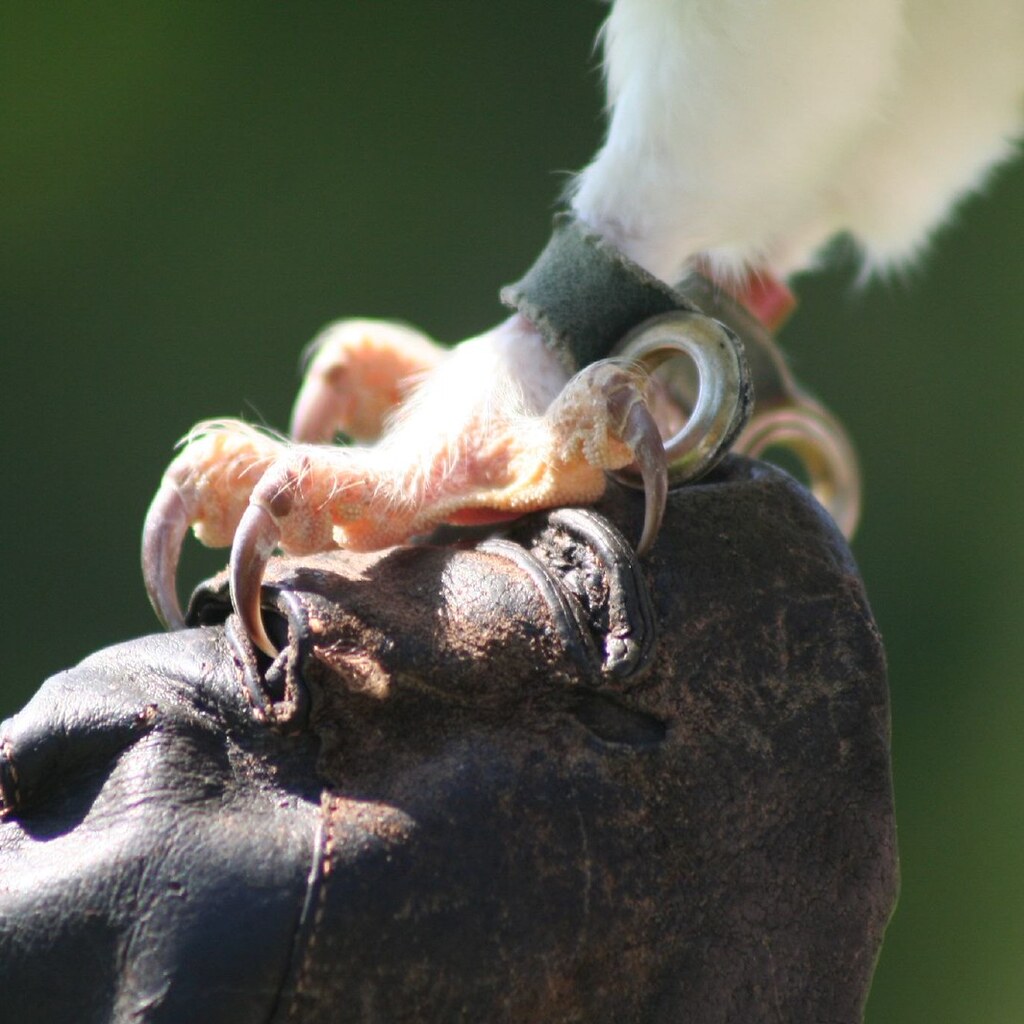
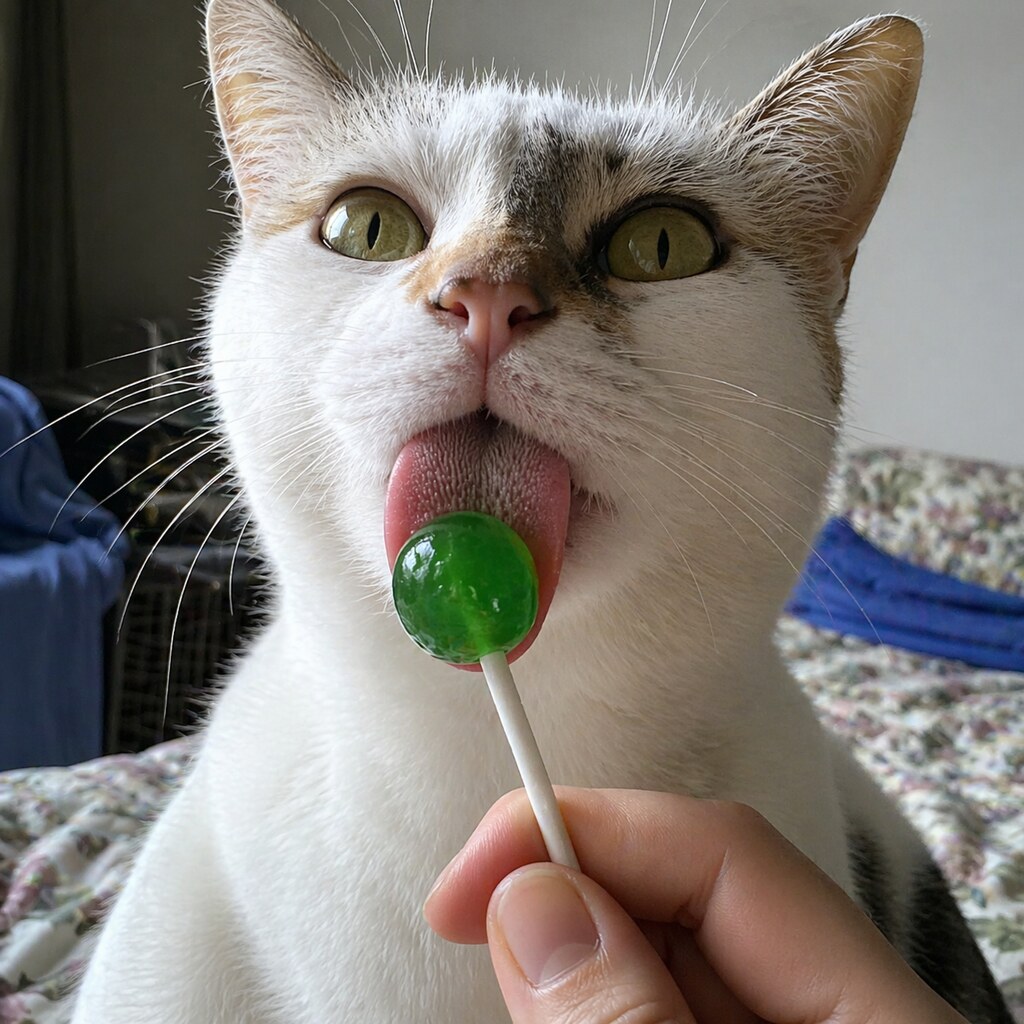
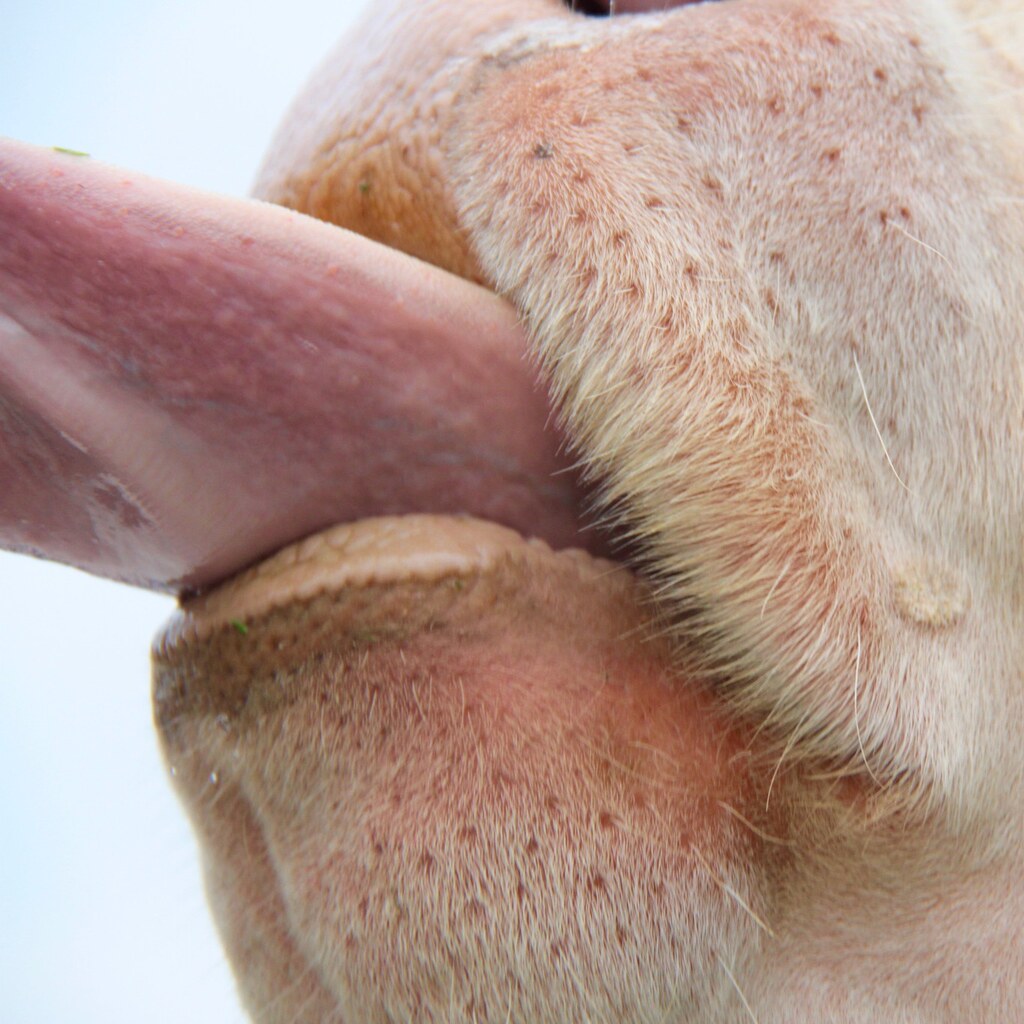
You taste things with your tongue. Food can taste sweet, sour, bitter or salty. Most people like the taste of sweet things best.
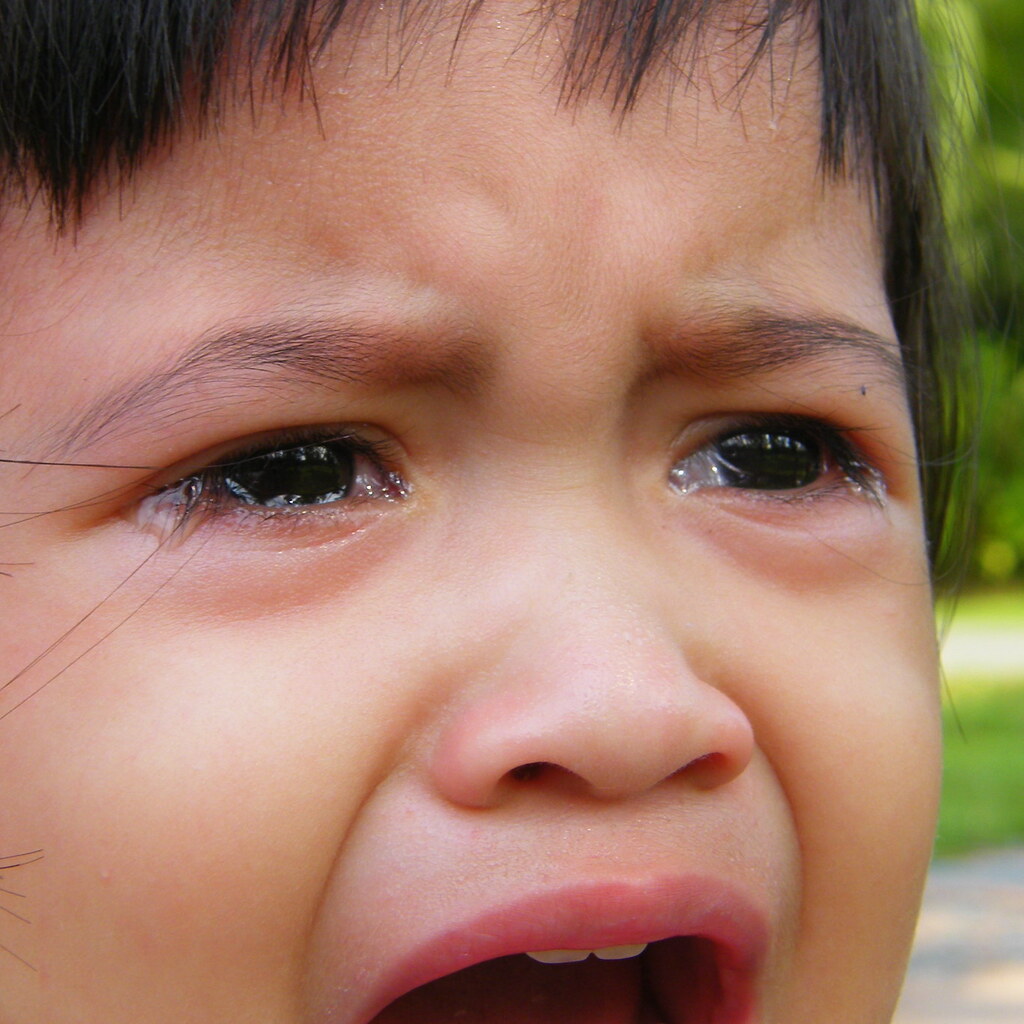
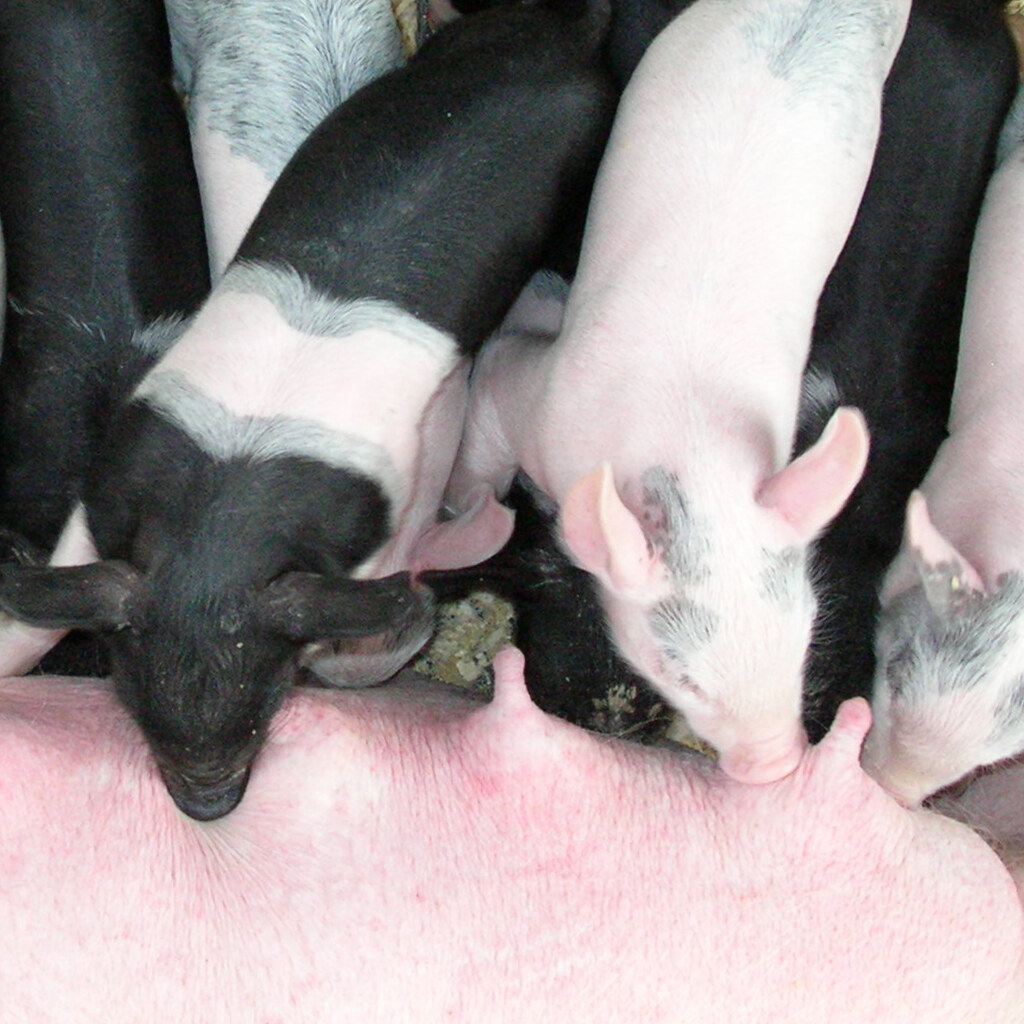
Teat is another word for nipple, particularly on a female animal with babies. Teats are where milk comes from, to feed baby animals.

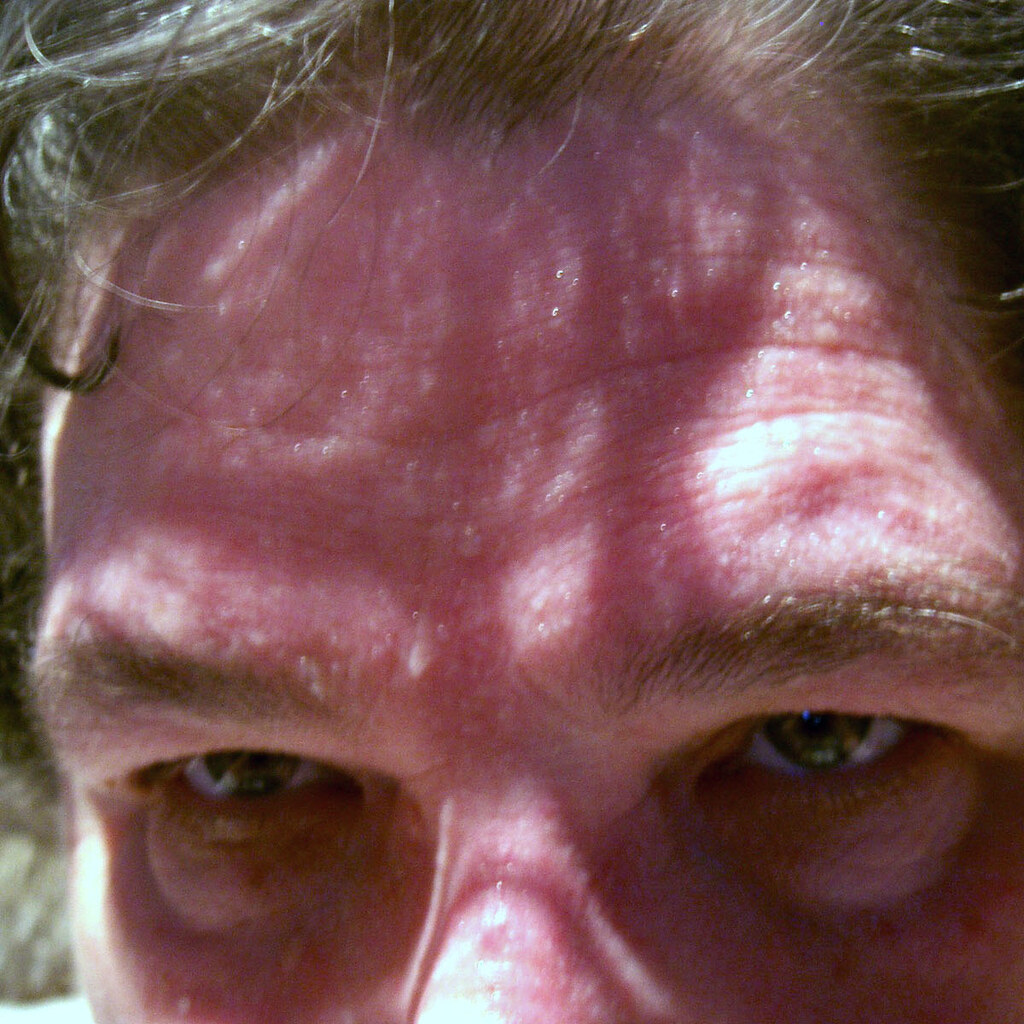
T is for Temple (Head)



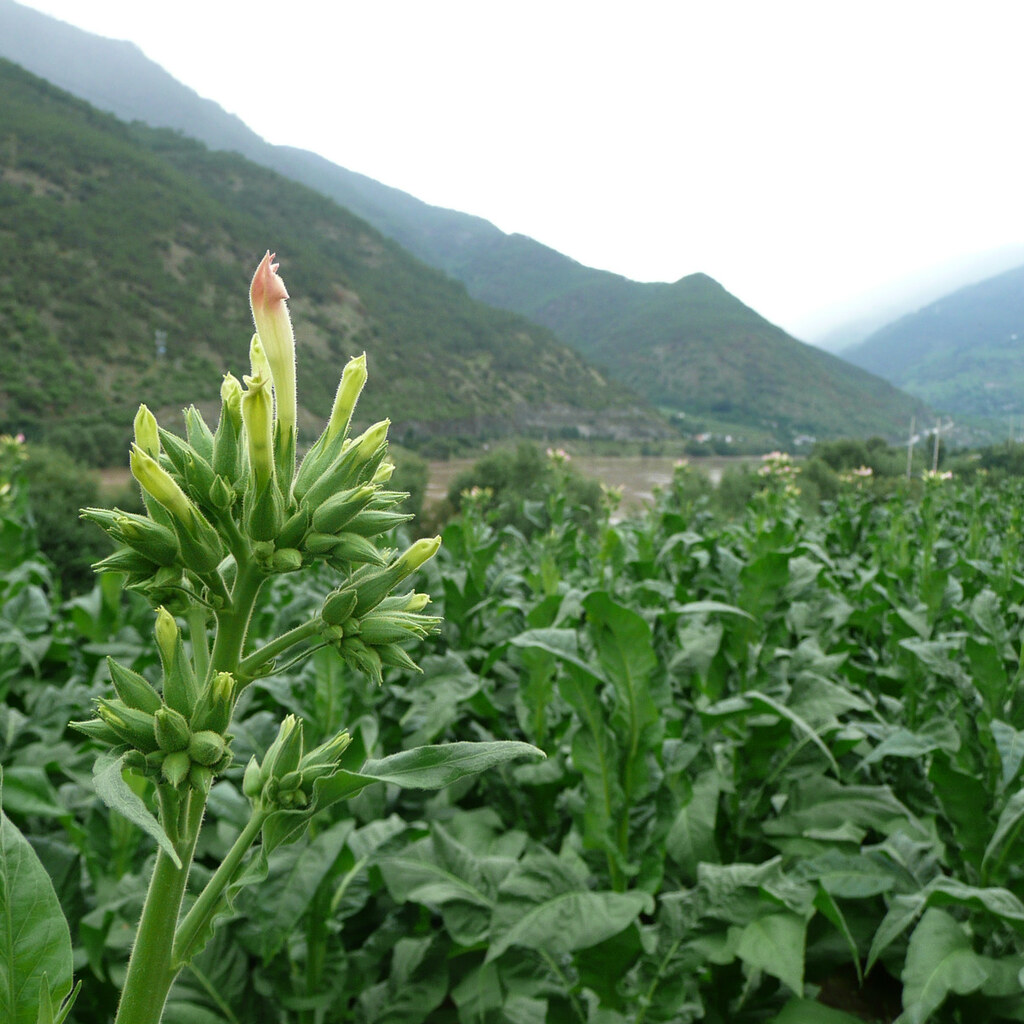
Tobacco is a plant used worldwide as a legal recreational drug. It is also used to make pesticides. Tobacco is most commonly taken by smoking it in cigarettes, cigars or in a pipe but it can also be chewed or snuffed.
Most tobacco is grown in China, India, Brazil and the United States.
Most tobacco is grown in China, India, Brazil and the United States.
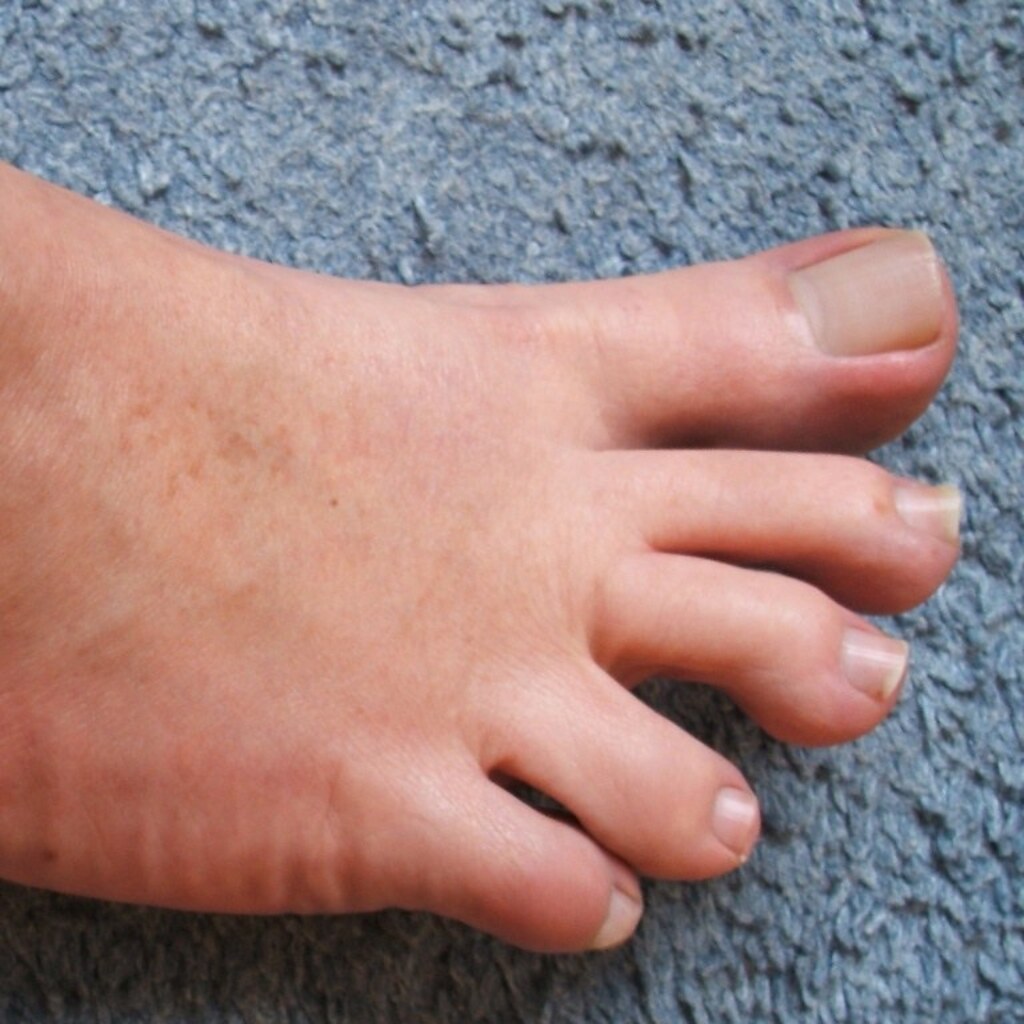
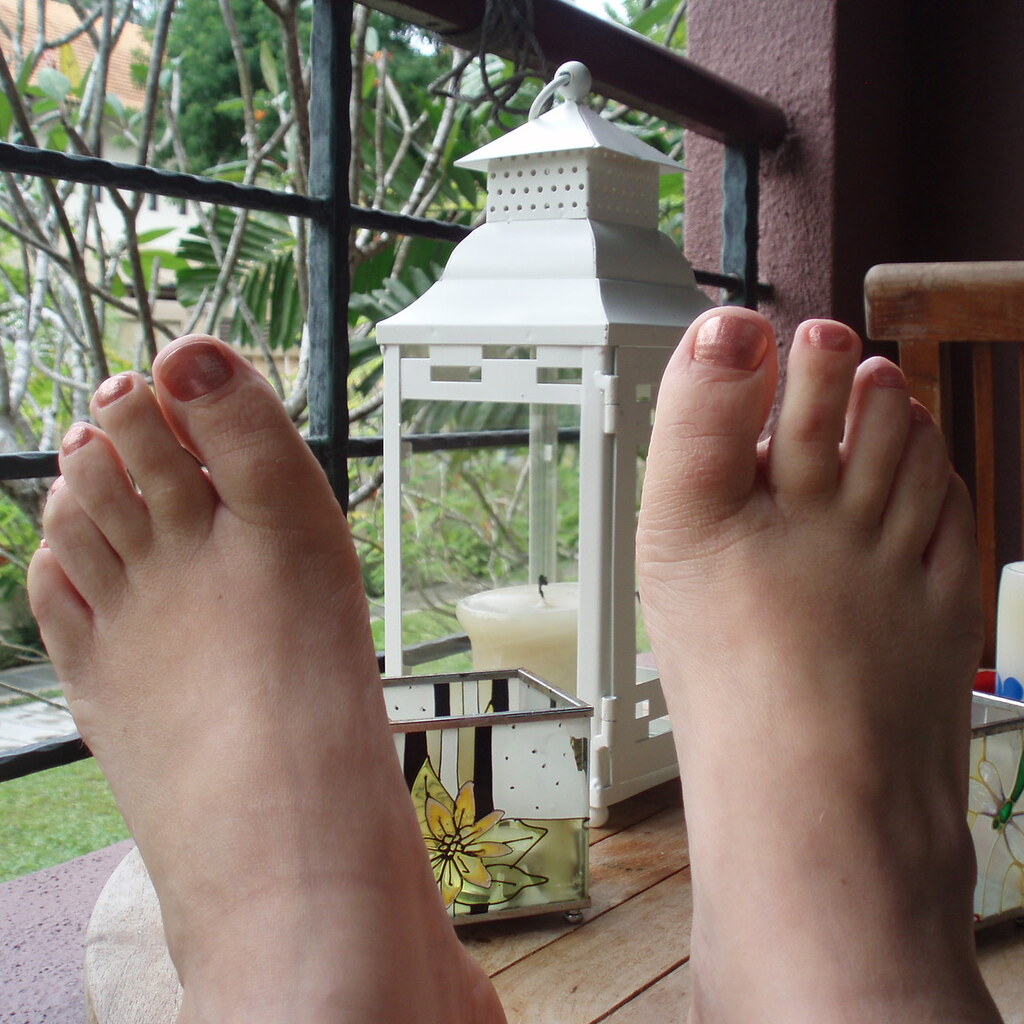
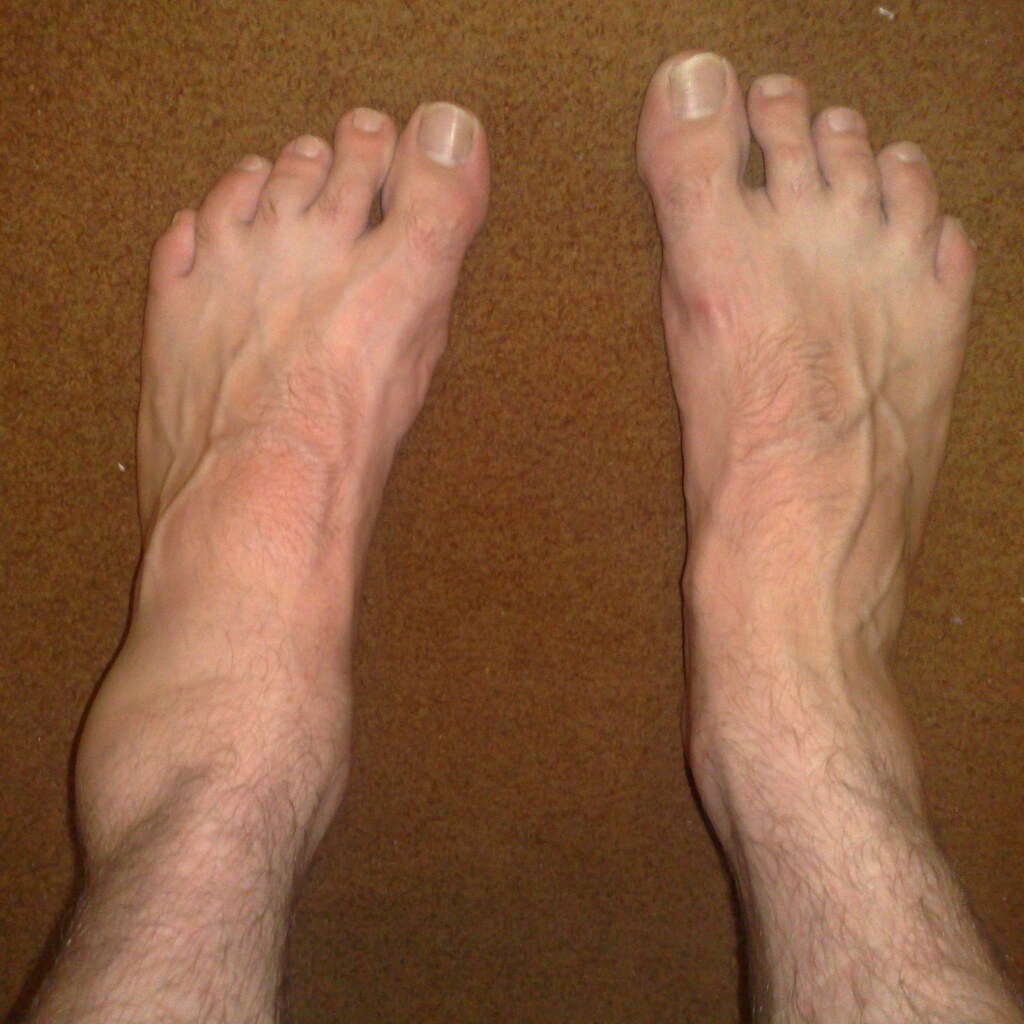
Your toenails are the hard, flat things on the tops of your toes. They help protect your toes from damage. Toenails grow much more slowly than fingernails.