up to Nature

Medical

Medical conditions and body parts. But nothing good enough to self-diagnose with, just the basics!

Subcategories: Body parts (242), Phobias (6), Senses (6), Substances (23), Symptoms (18)

Showing 221-240 of 309

18 words are below your SafeSearch level and not shown.

S is for Sedative

Something has a sedative effect if it makes you calm and sleepy. Many things have a sedative effect. Some are pills, some are herbs like valerian, and some kinds of music also have a sedative effect.

S is for Shank

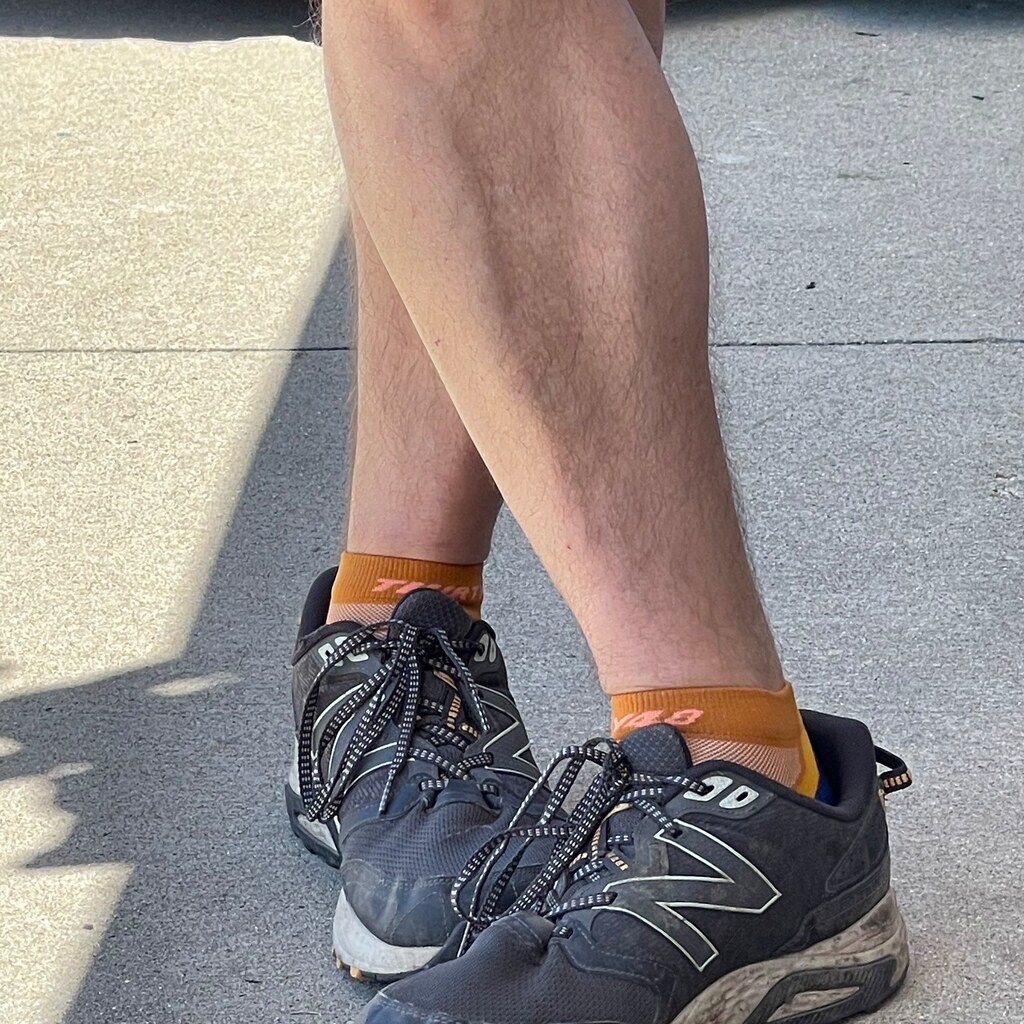
Shank is another word for shin, the lower part of your leg between your knee and your ankle.

S is for Shell

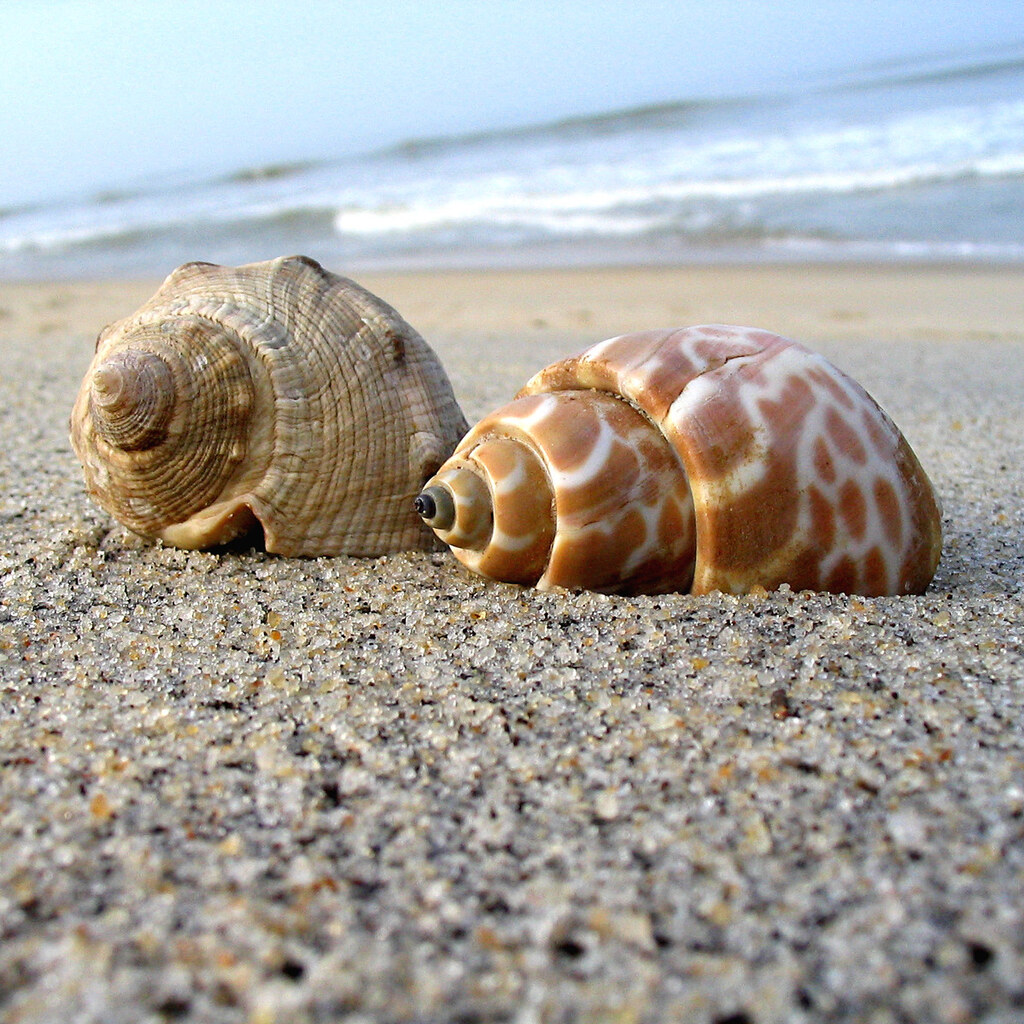
A shell is the hard outside coating found on many animals. Snails have shells that form a spiral that was built up as the snail grew bigger. crabs and turtles have a hard shell that perfectly fits the animal inside. Most animals that have shells can hide inside them if they are scared.

S is for Shin

Your shins are at the front, bottom part of your leg between your knee and your foot. There is not much fat or muscle on your shins, so it hurts to get hit there and shins are usually very easy to bruise.

S is for Shoulder

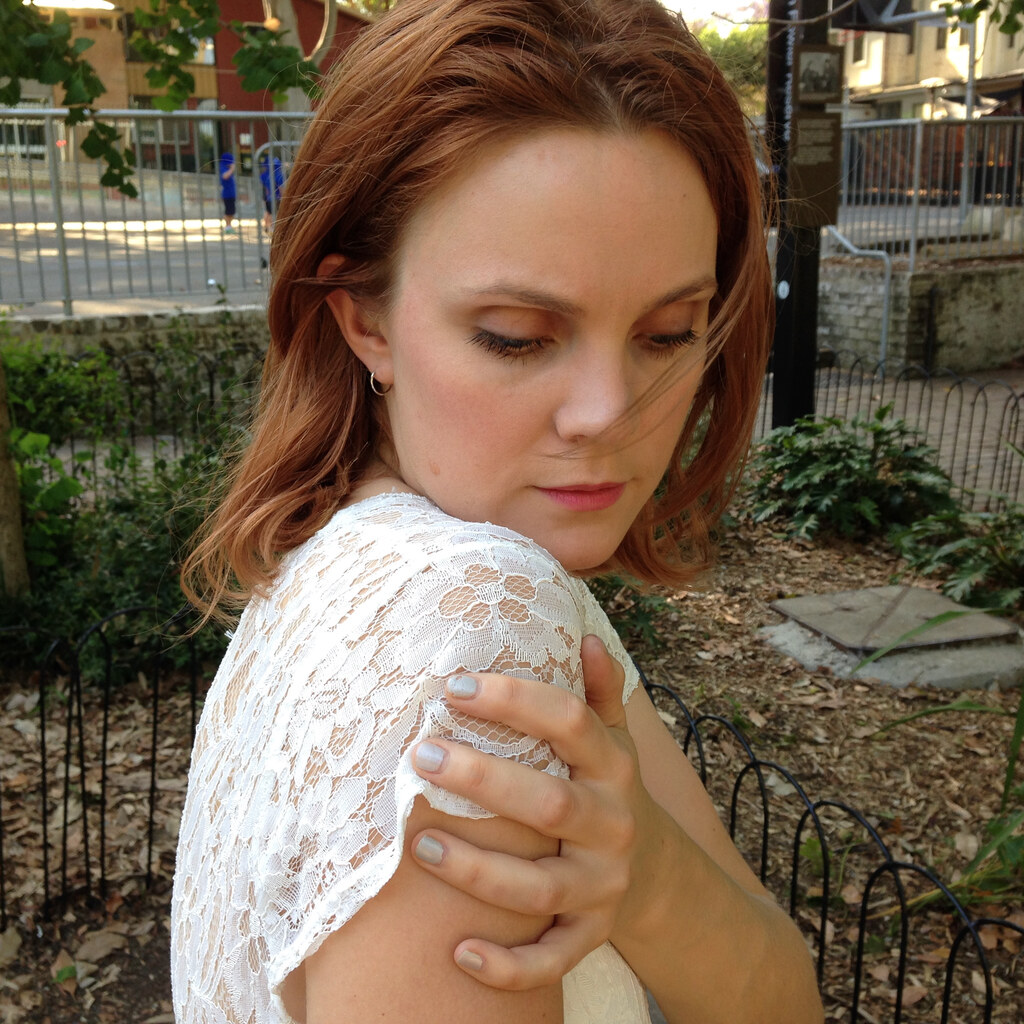
Your shoulder is the joint between your arm and your body. People sometimes tap you on the shoulder to get your attention. The woman in the picture has a rat on her shoulder.

S is for Sick

When you are sick, you don't feel very good. You can get sick by catching a disease like the flu, or from eating food that has gone bad, or even from having an allergic reaction to something like a dog or cat.

S is for Sight

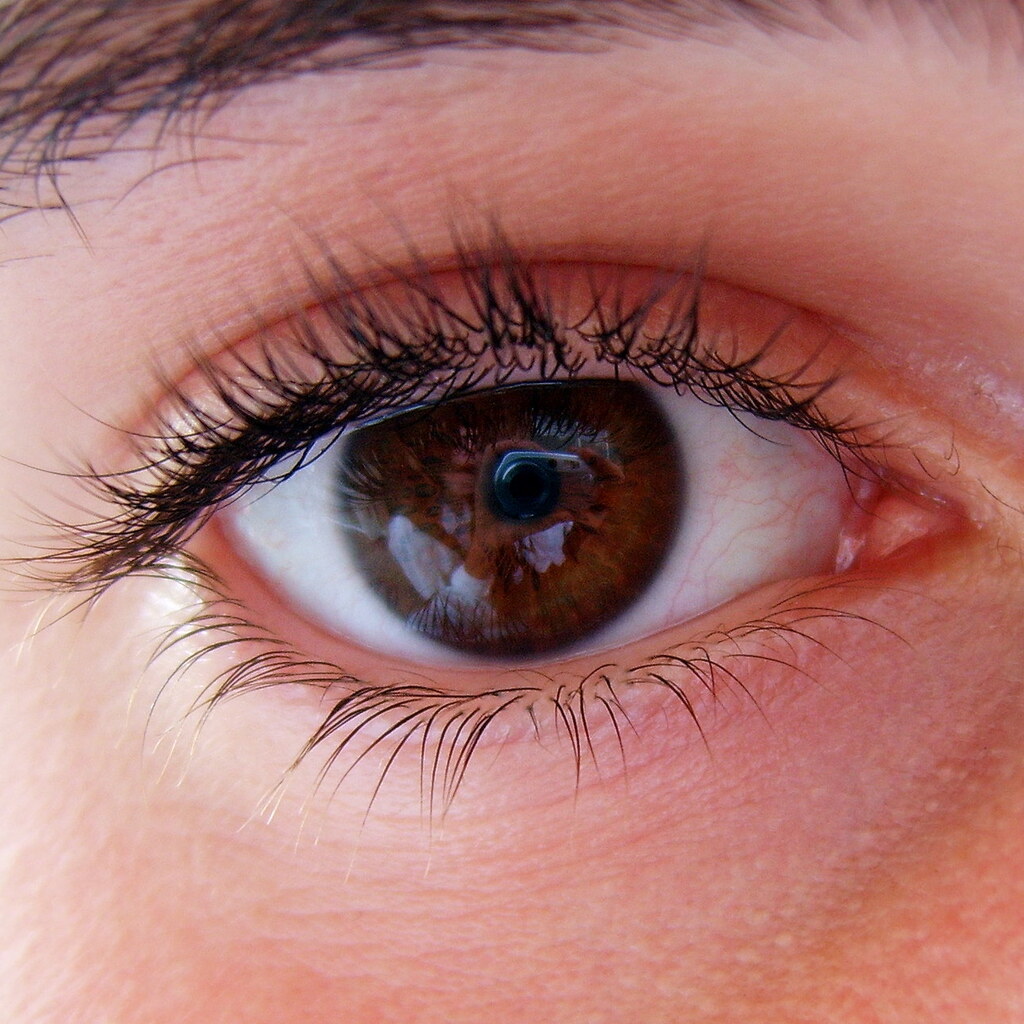
You see with your eyes. Sight is one of the most important senses. Someone who cannot see is blind. If you can't see properly, you probably need glasses.

S is for Skeleton

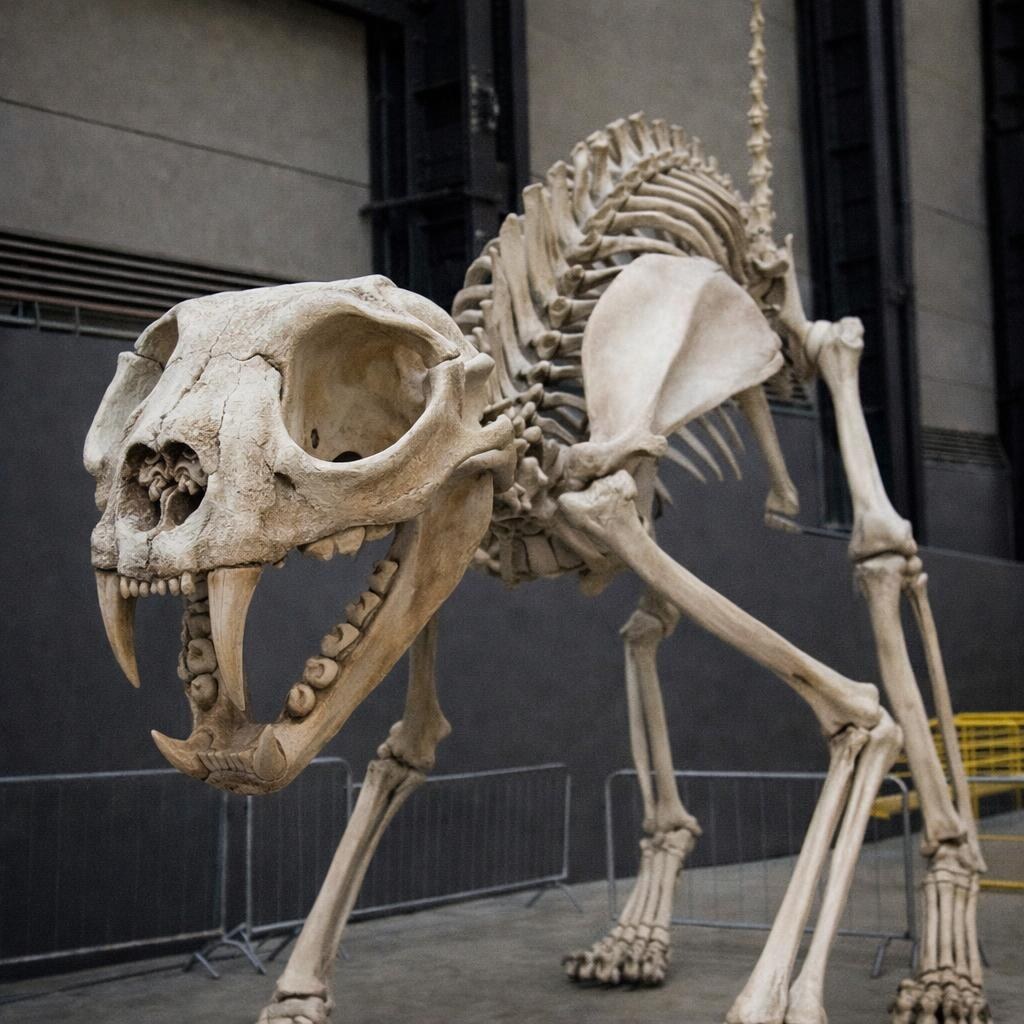
Your skeleton is made up of a number of bones, which hold you up. Your bones are connected to each other by joints, such as your knee and elbow, which let you move around. The skeleton in the picture is a cat skeleton.

S is for Skin

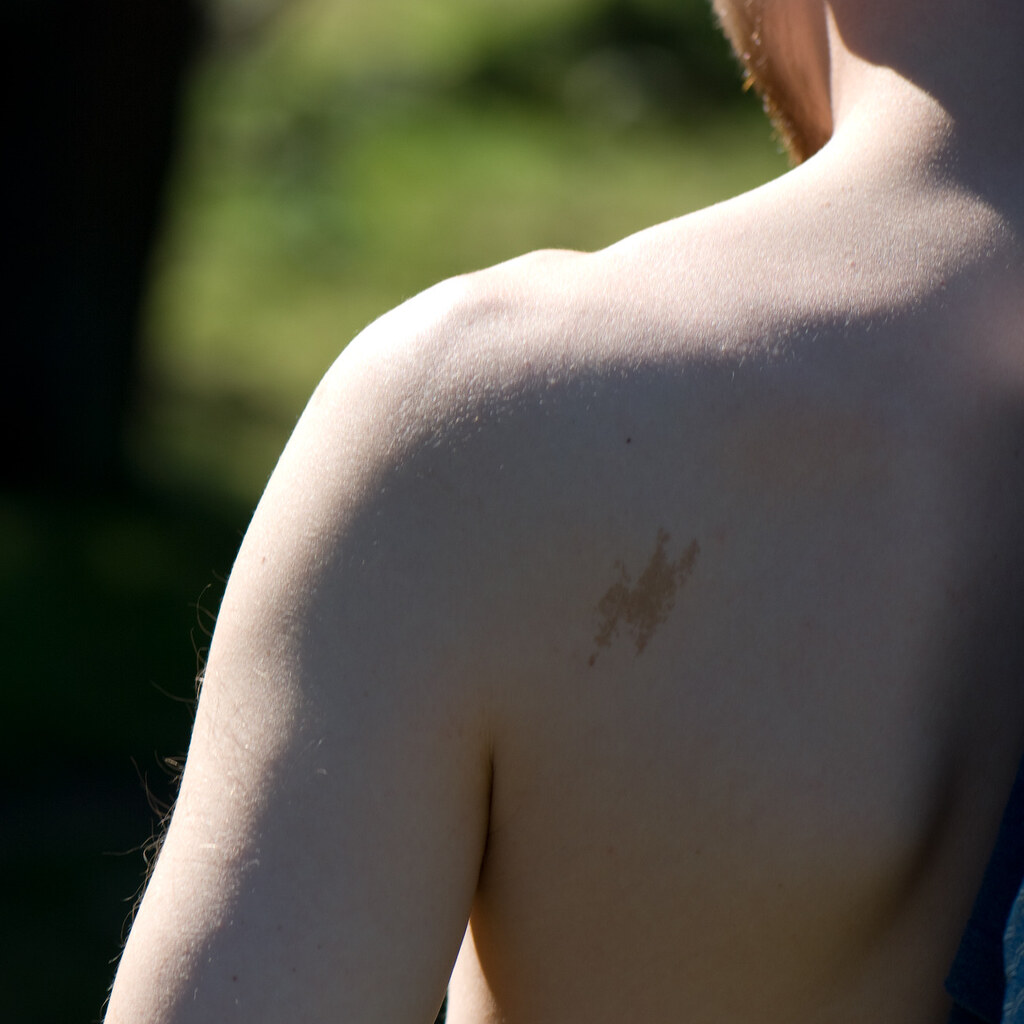
Your skin is the largest organ on your body. It covers you completely and protects your muscles and other organs. Your skin has glands on it that produce oil and sweat, and your skin has follicles in it that grow hairs.

S is for Skull

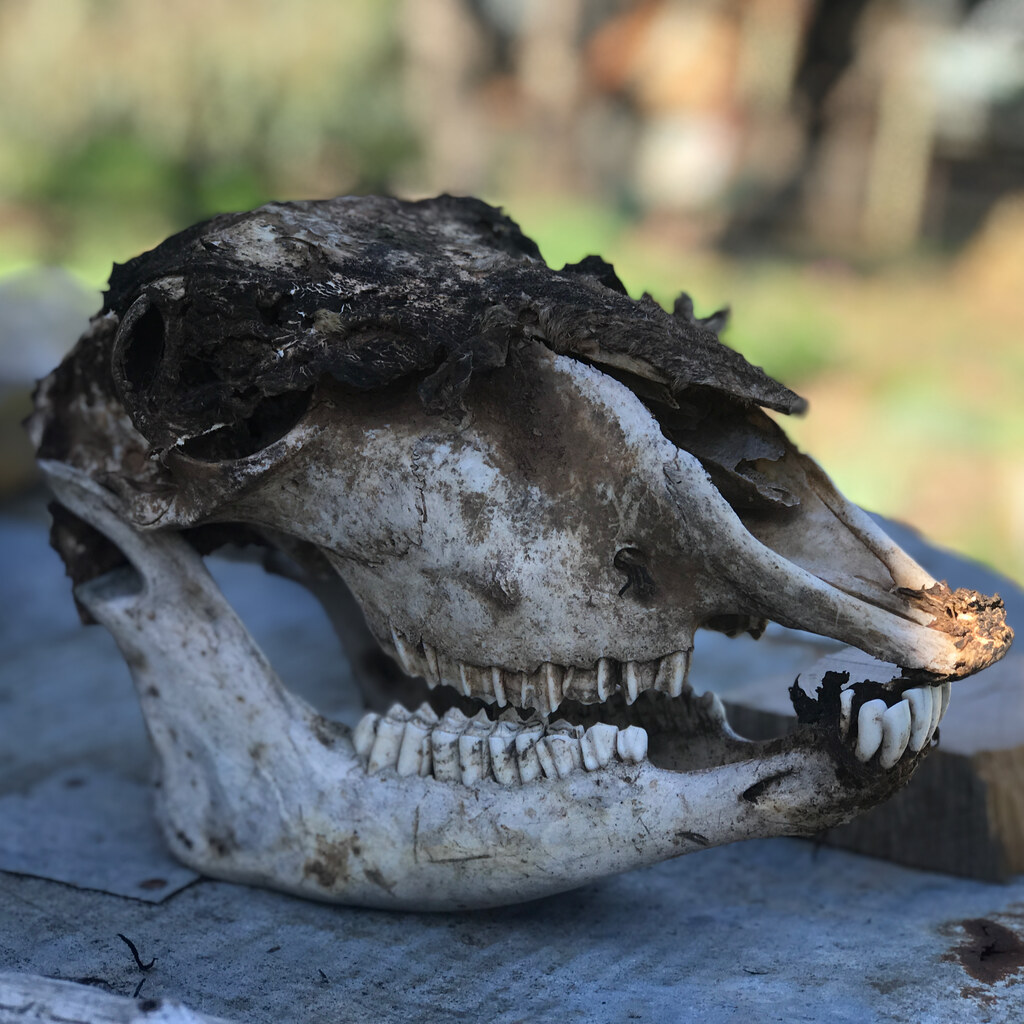
Skulls are a bony structure that is found inside your head, and in the head of almost all animals. The top part of the skull is called the cranium and the bottom part is called the mandible. Your mandible is more commonly called your jaw, and is the part that moves up and down as you chew or open and close your mouth.
The picture is of the top part of a sheep's skull.
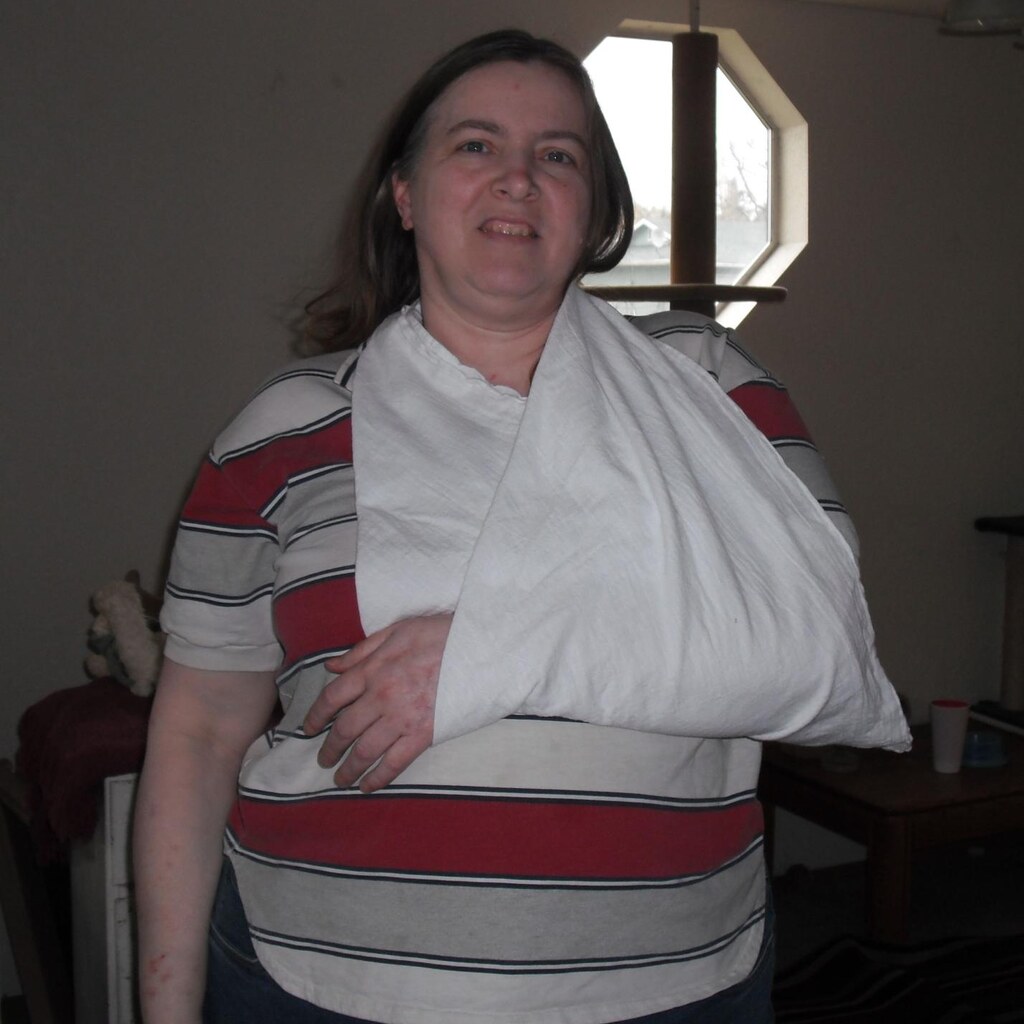
A sling is a kind of bandage, usually for supporting a sprained or broken arm.

S is for Smell

You smell things with your nose. dogs and cats have much better senses of smell than people do. People can only smell very strong smells, like cooking food.

S is for Sneeze

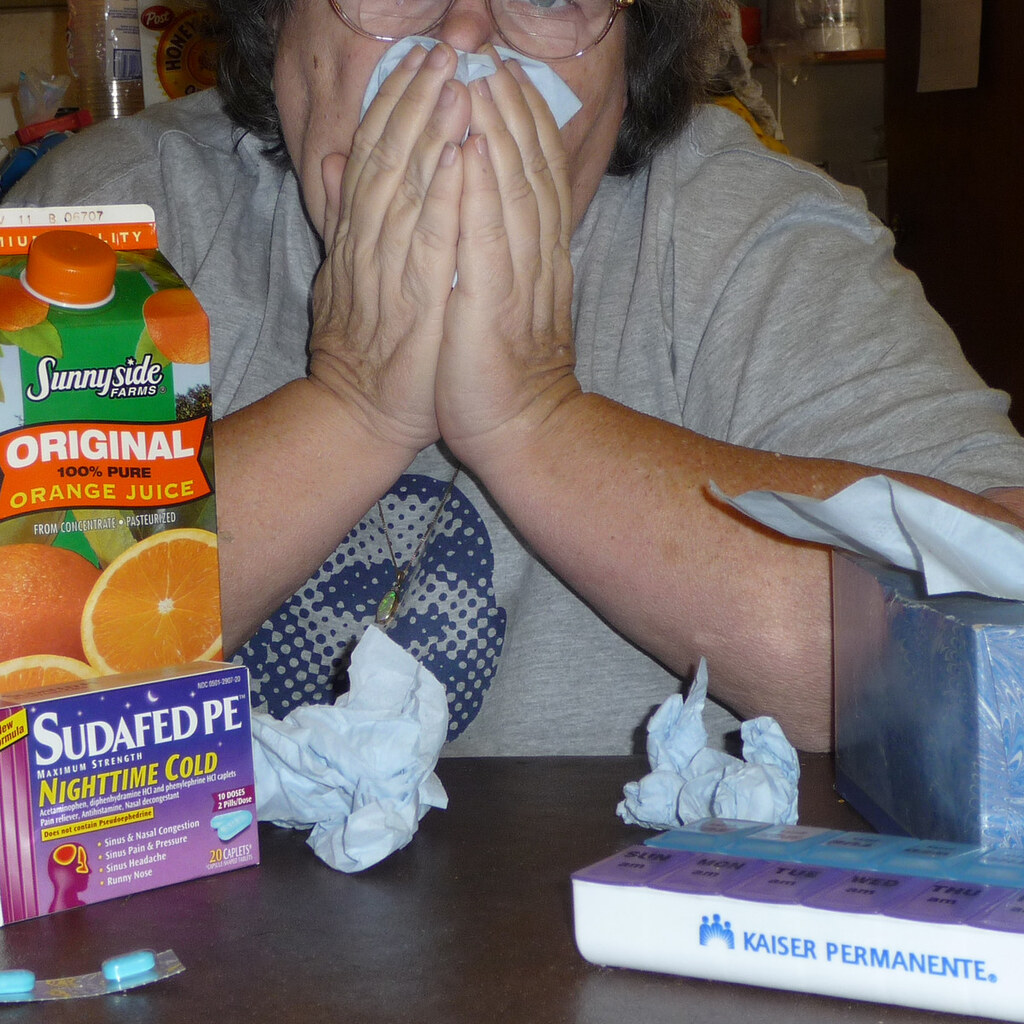
A sneeze is a sudden explosion of air from your nose and mouth. You usually sneeze if something tickles the inside of your nose, or if you have a cold.
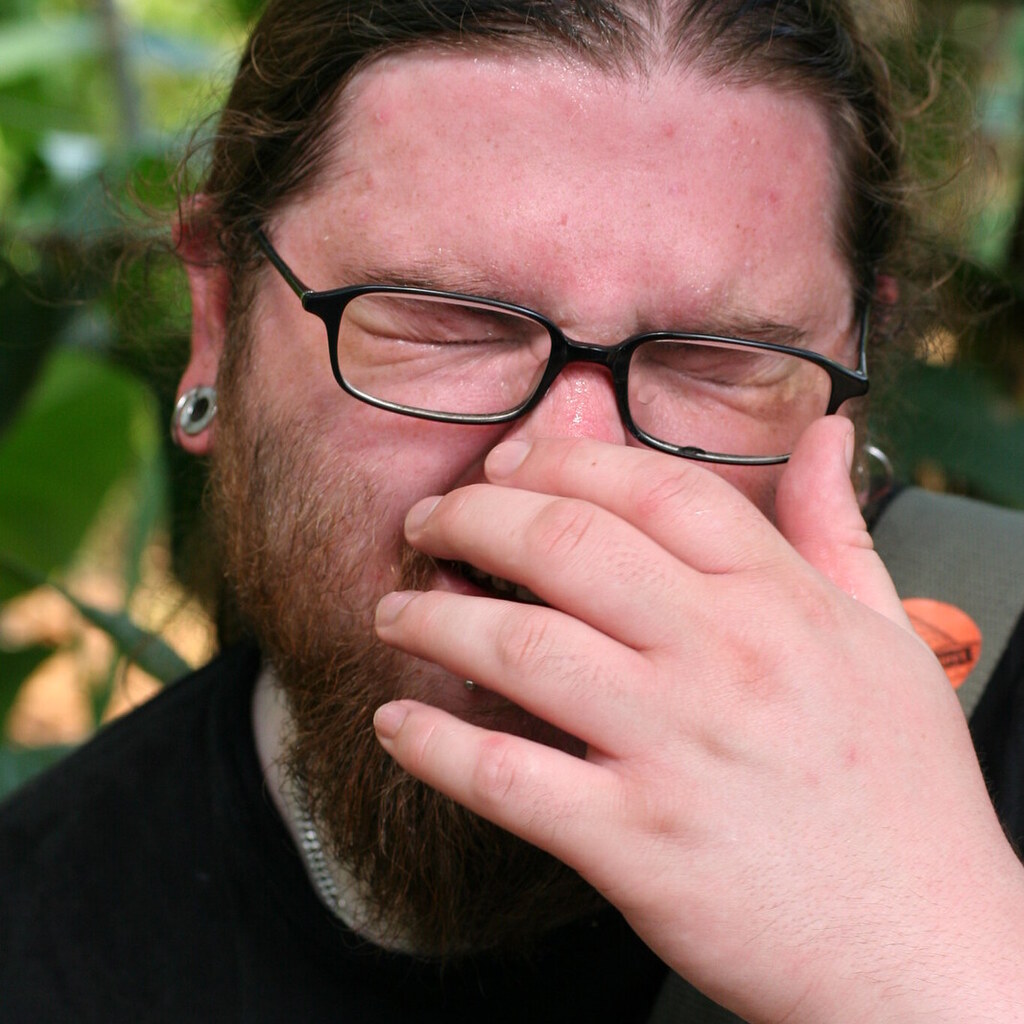
It is a good idea to cover your nose and mouth when you sneeze, like the man in the picture. A lot of mucous can come out when you sneeze and can travel a long way. If you are sick, you can make other people sick by sneezing near them.
S is for Snot

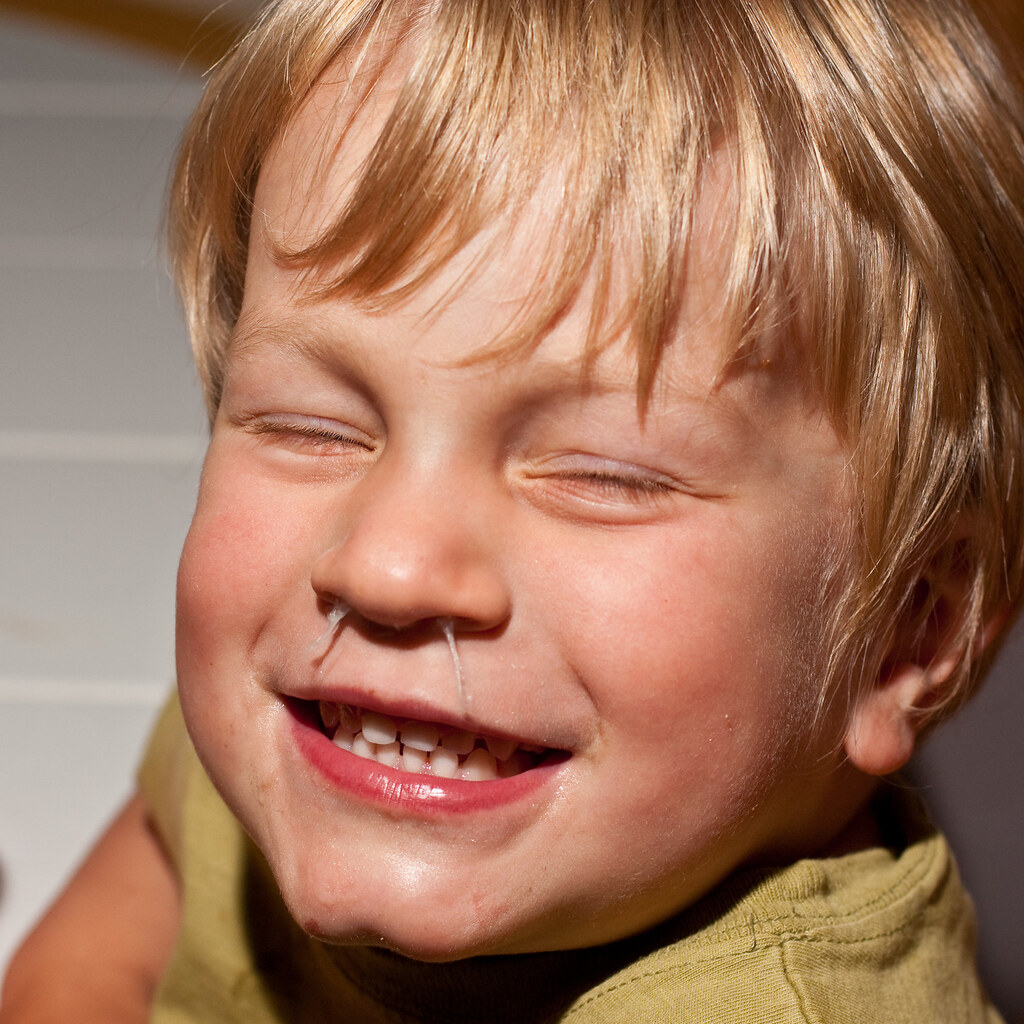
Snot is the thick, wet mucus that comes out of your nose. You get a lot more snot if you have a cold or flu or if you have allergies.

S is for Snout

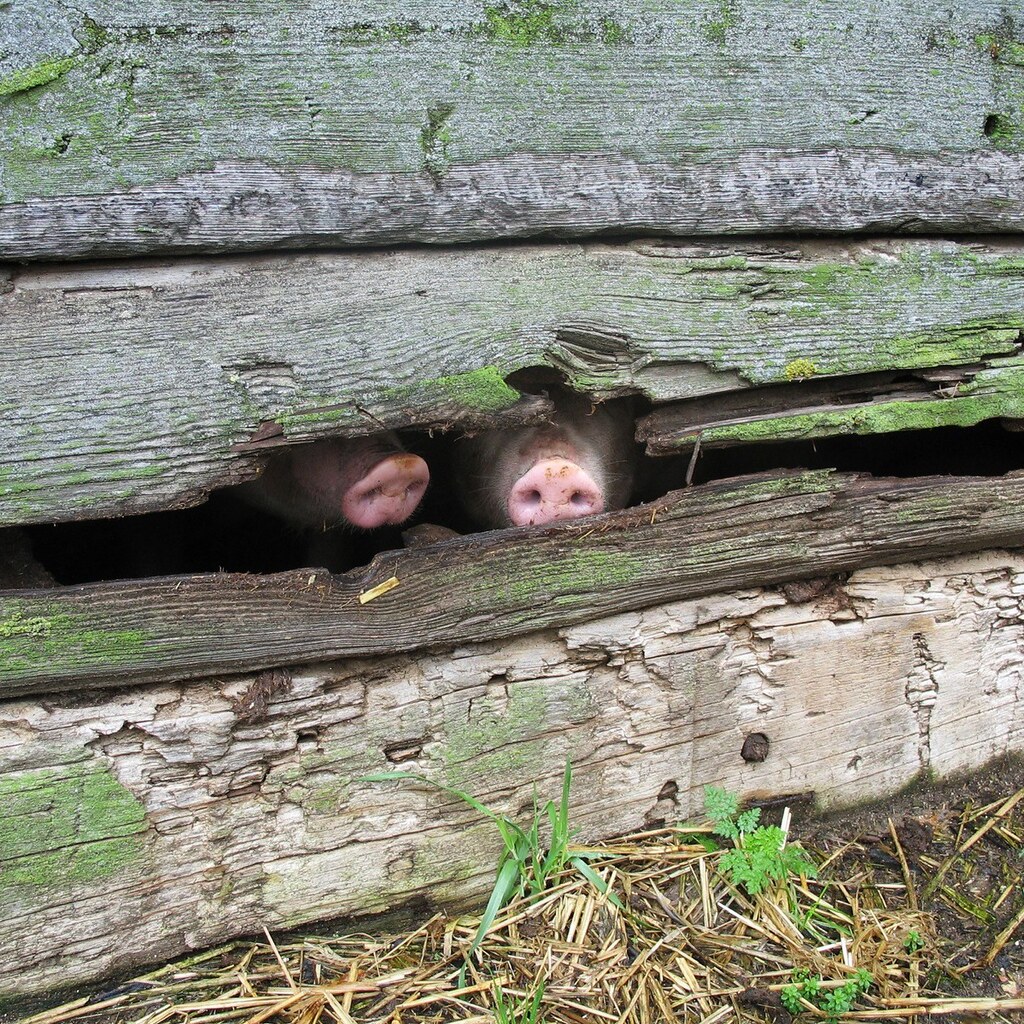
A snout is the front part of an animal's face, where its nose and mouth are. The term snout is usually given to the snout of a pig.

S is for Snuff

Snuff is powdered tobacco leaves, designed to be sniffed through the nose. Snuff was much more popular in the past than it is today. Most people today smoke cigarettes rather than sniff tobacco.
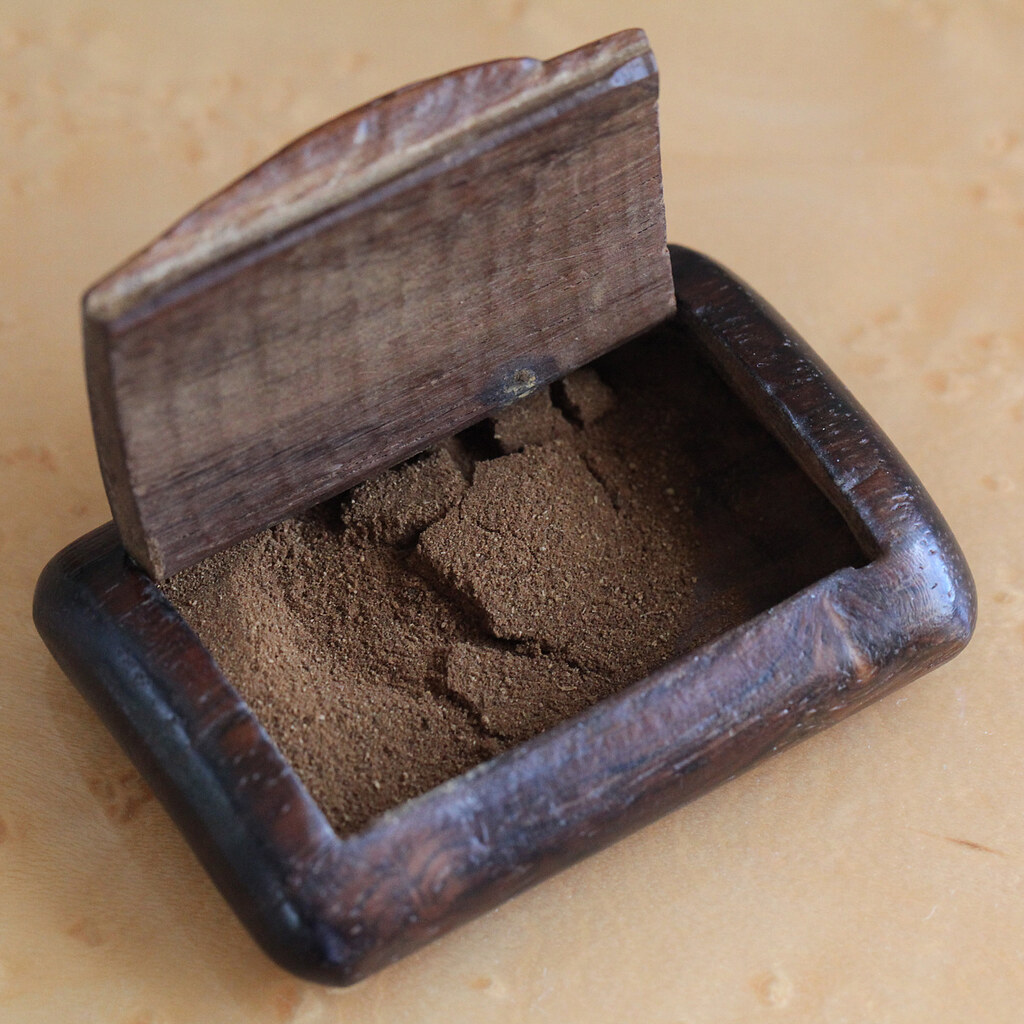
Snuff was carried around by people in their pockets in small, airtight snuff boxes, which ranged from simple wooden boxes like in the picture to quite elaborate and expensive jewelled boxes.
S is for Sole

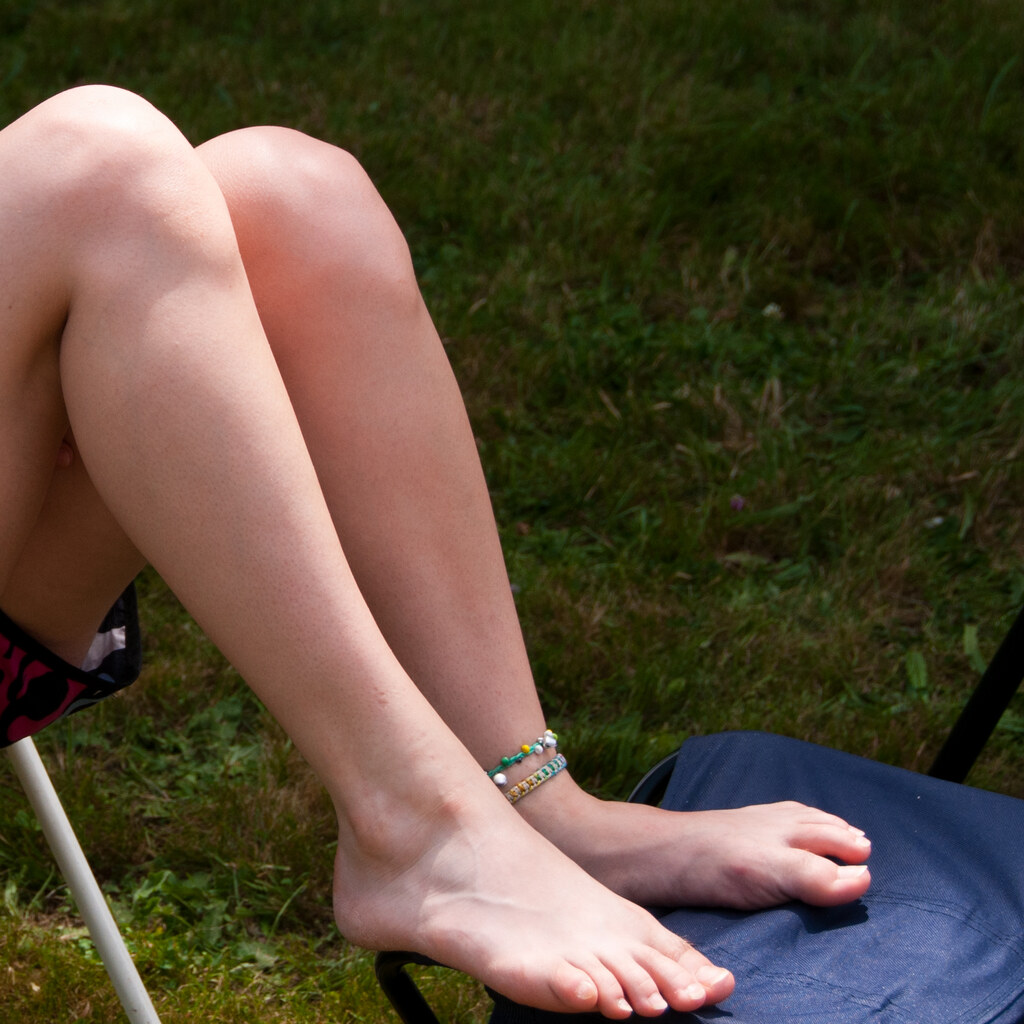
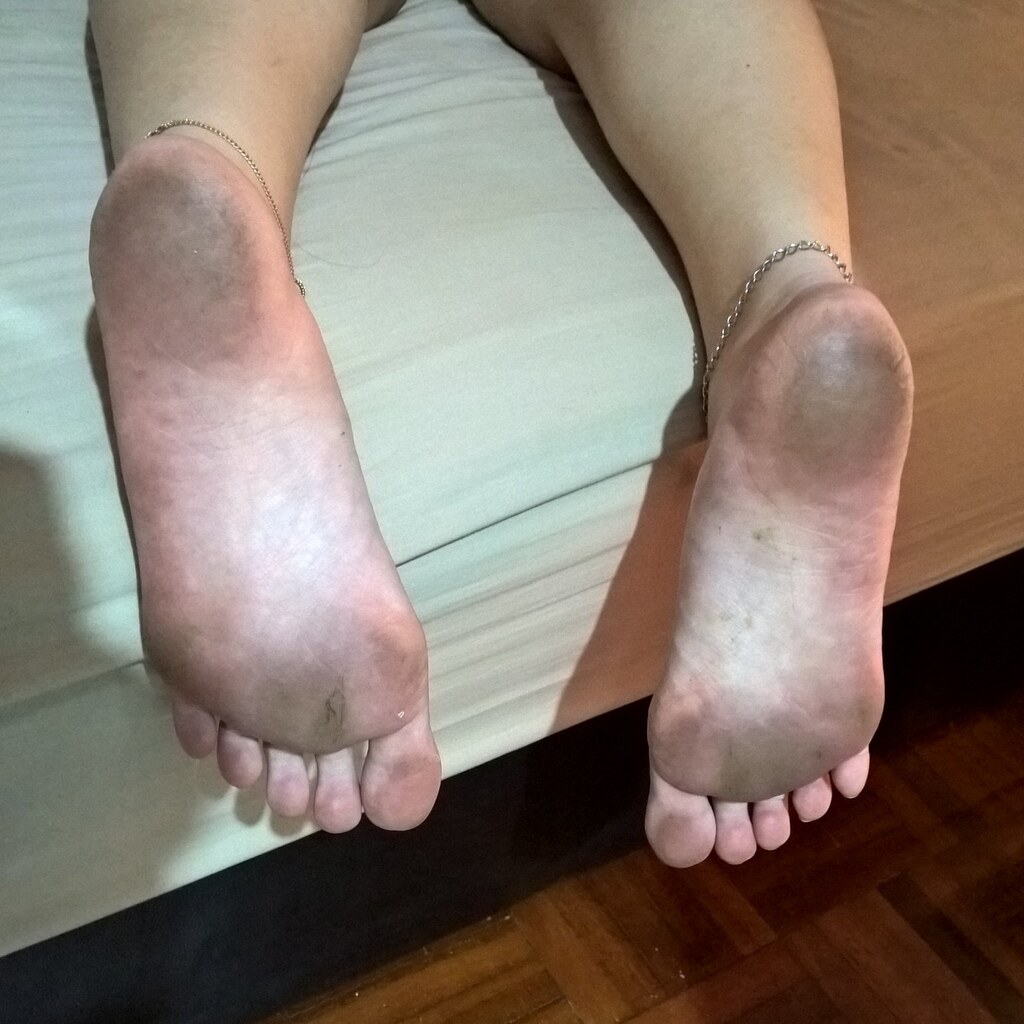
The sole is the bottom of your shoe or the bottom of your foot.

S is for Spinal cord

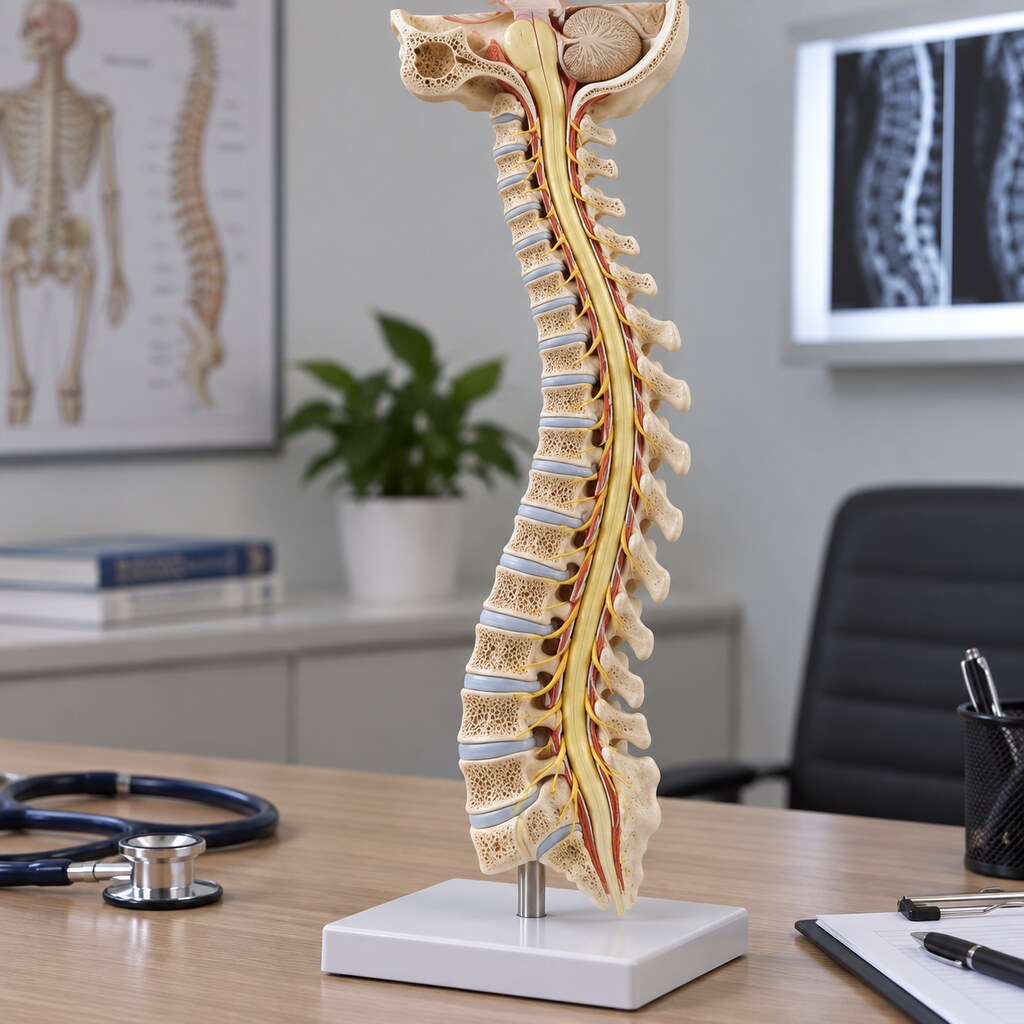
The spinal cord is a long bundle of nerves that connects the brain to the rest of the body.

The spinal cord can also control some reflexes very quickly, without the brain first deciding what to do. It is protected by the vertebrae of the spine and by layers of tissue and fluid around it.
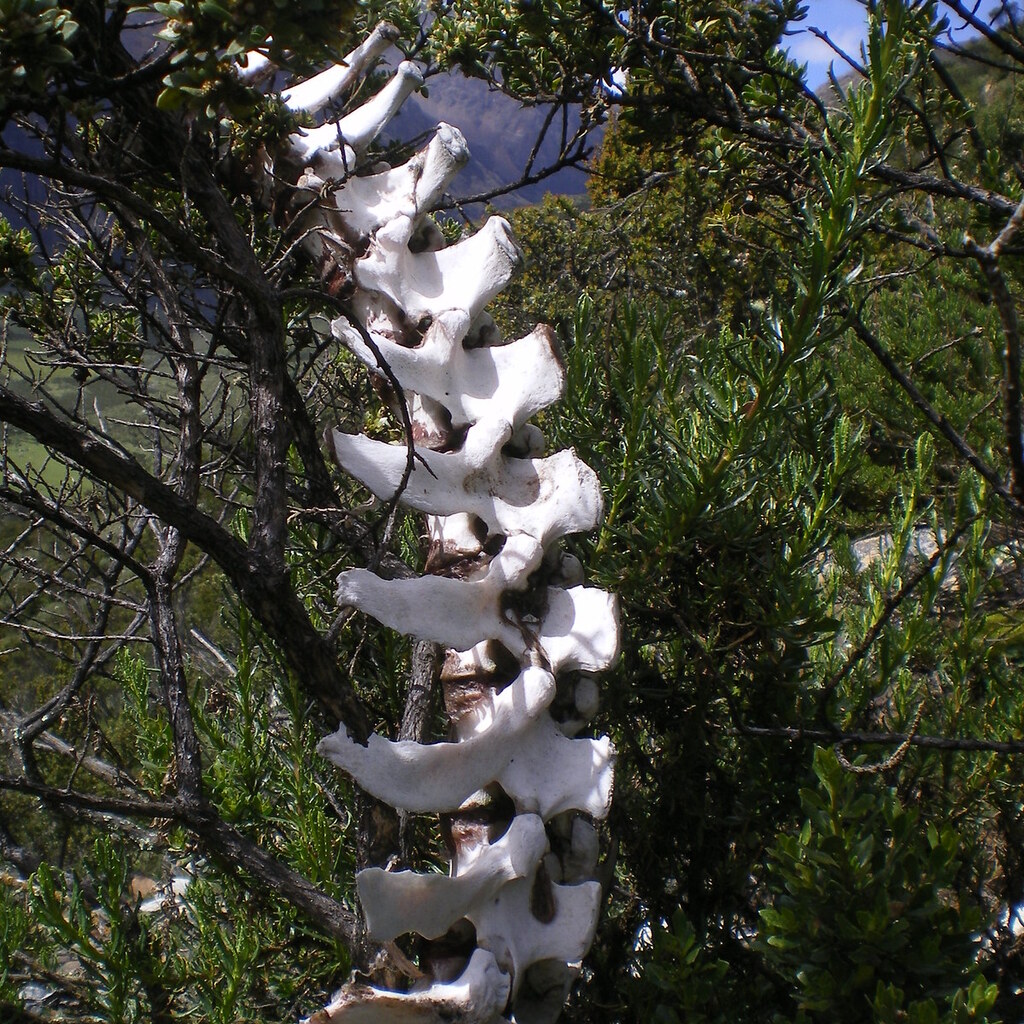
Your spine, or vertebral column is the row of bones that runs along the centre of your back. Your spine is made of lots of small bones called vertebra.

S is for Spleen

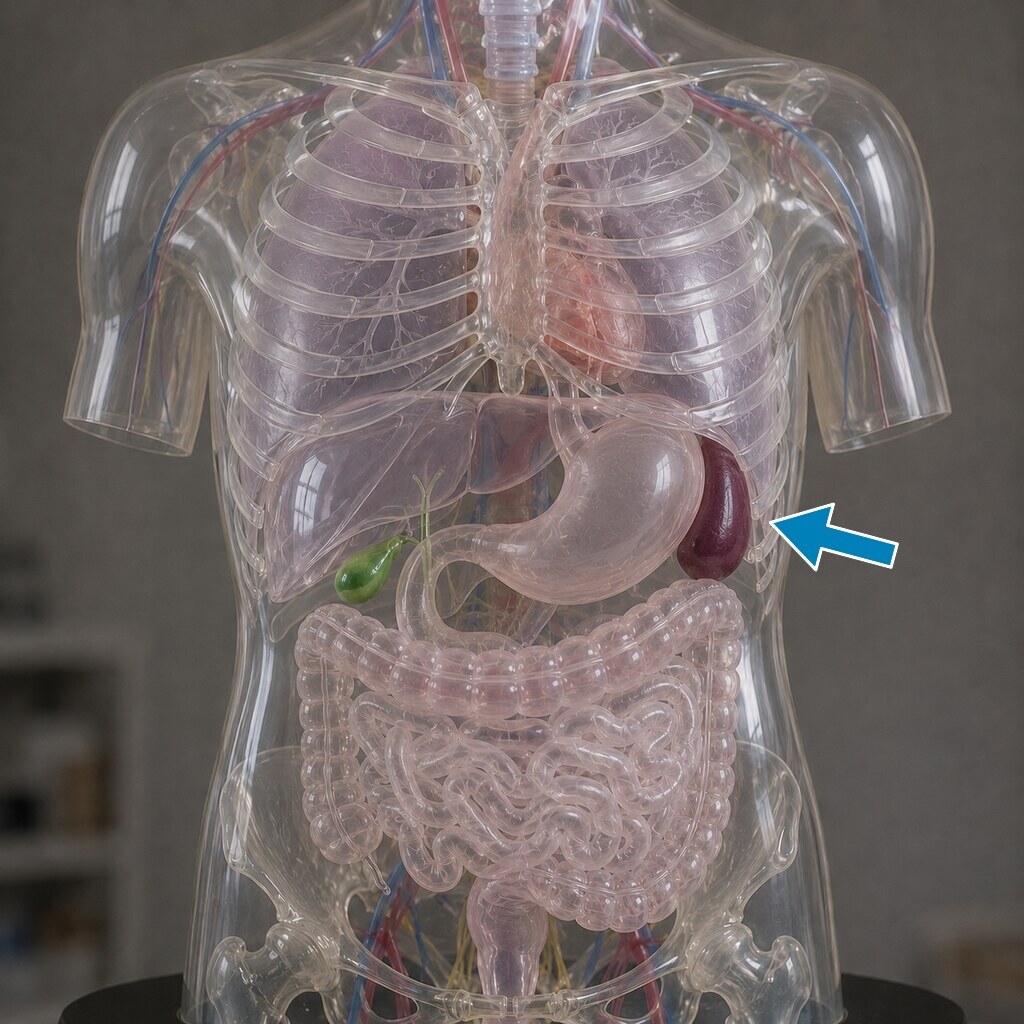
The spleen is an organ located inside the abdomen. The spleen is part of the immune system, and its job is to filter old and abnormal blood cells from the blood stream.