up to Nature

Medical

Medical conditions and body parts. But nothing good enough to self-diagnose with, just the basics!

Subcategories: Body parts (199), Phobias (6), Senses (5), Substances (22)

Showing 261-278 of 278

13 words are below your SafeSearch level and not shown.
Vis forVertebra

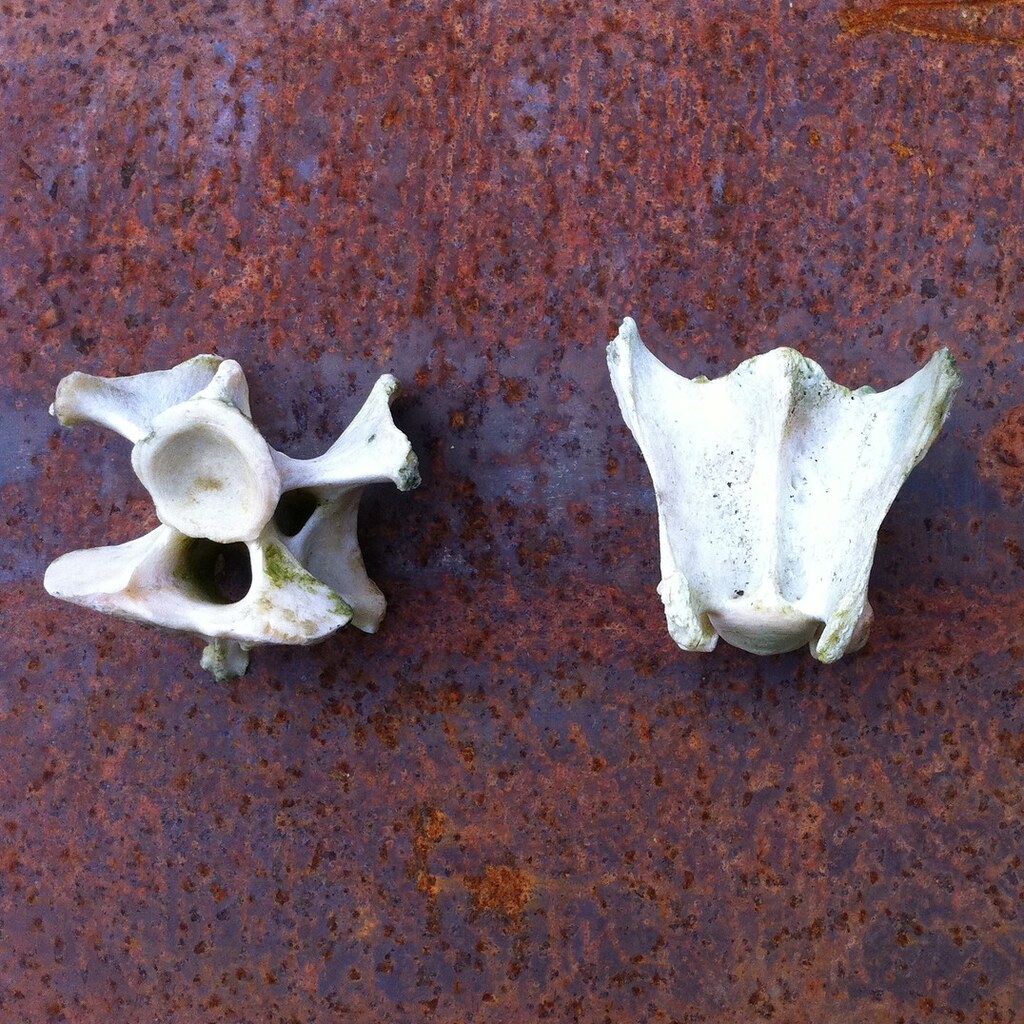
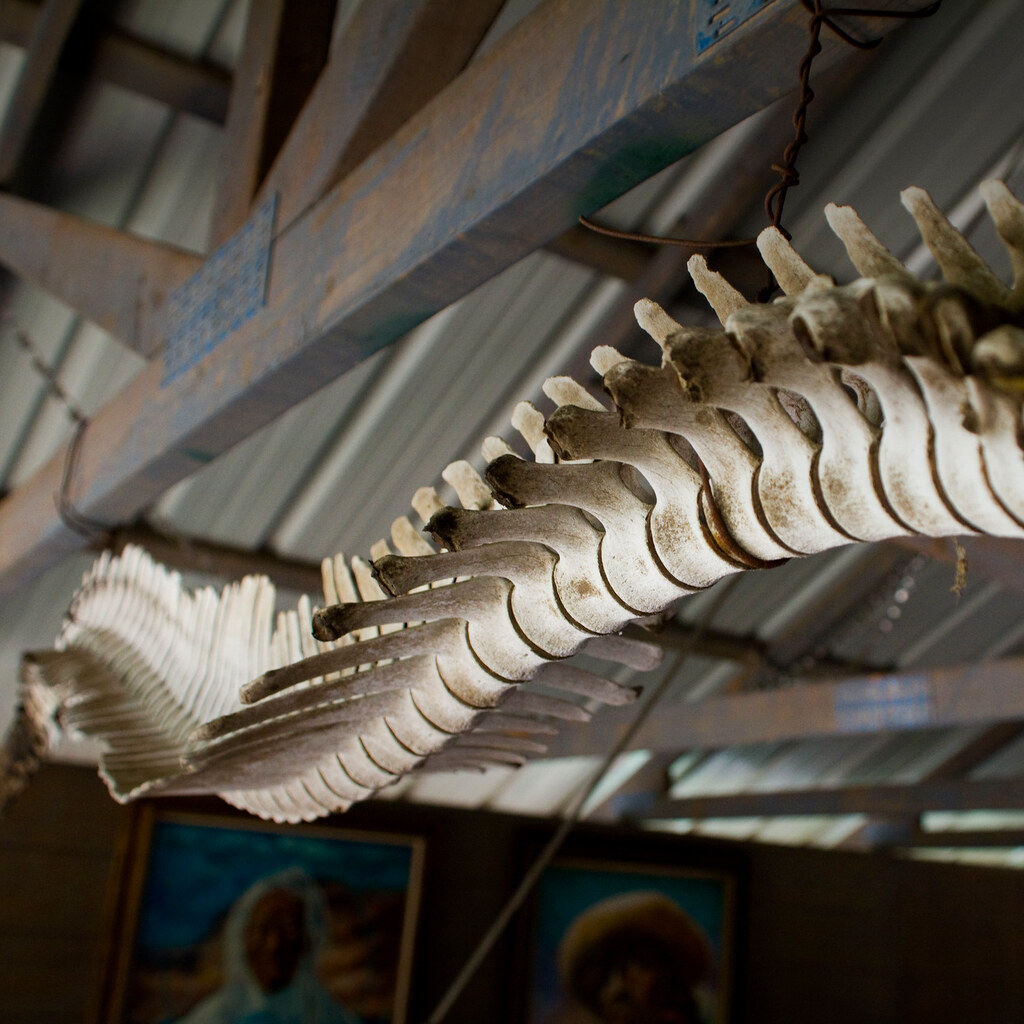
Vertebrae are small bones that make up your spine, which runs down the center of your back. Different animals have different numbers of vertebra. snakes have the most.
Vertebrae is the plural of vertebra. Vertebrae connect together to form your spine, which runs down the centre of your back from your head to your pelvis.
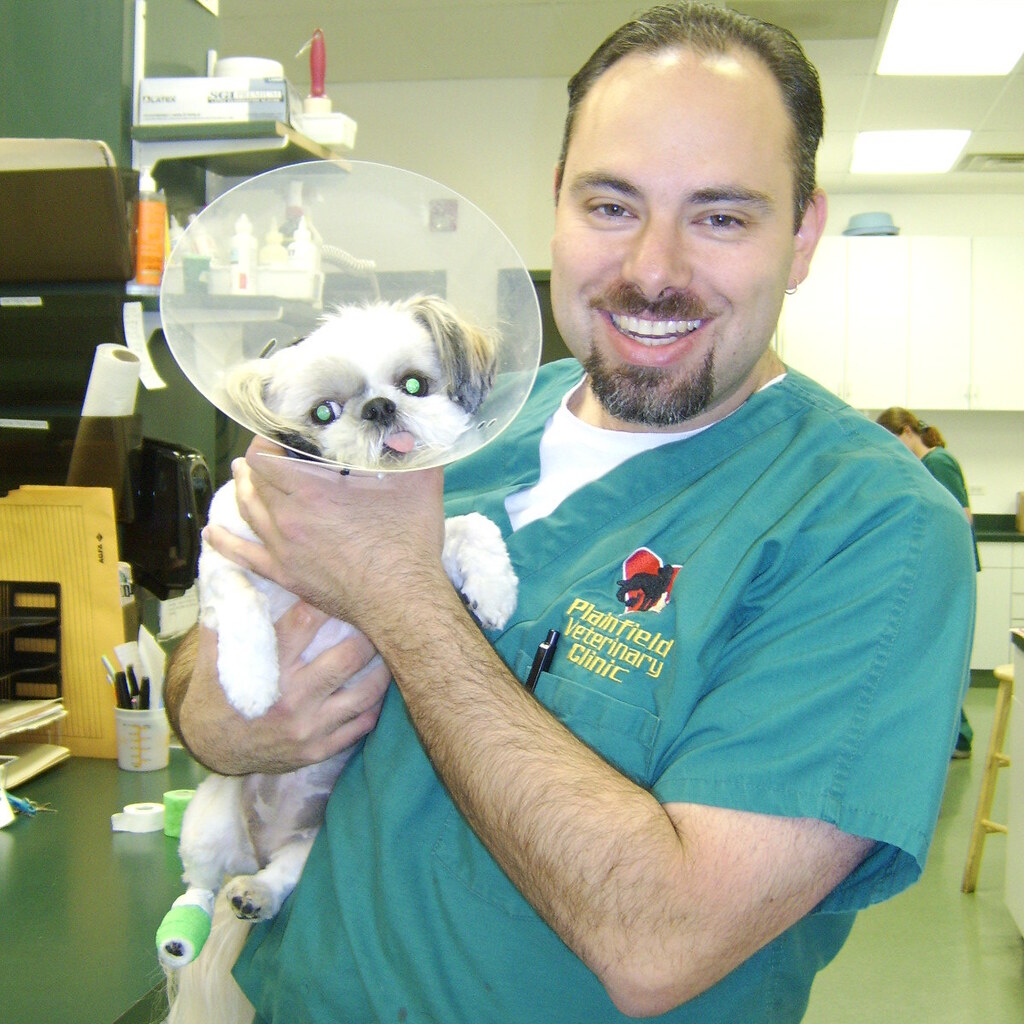
A veterinarian, or vet for short, is an animal doctor. Vets help sick and injured animals get better. Vets can do almost anything a regular doctor can do.
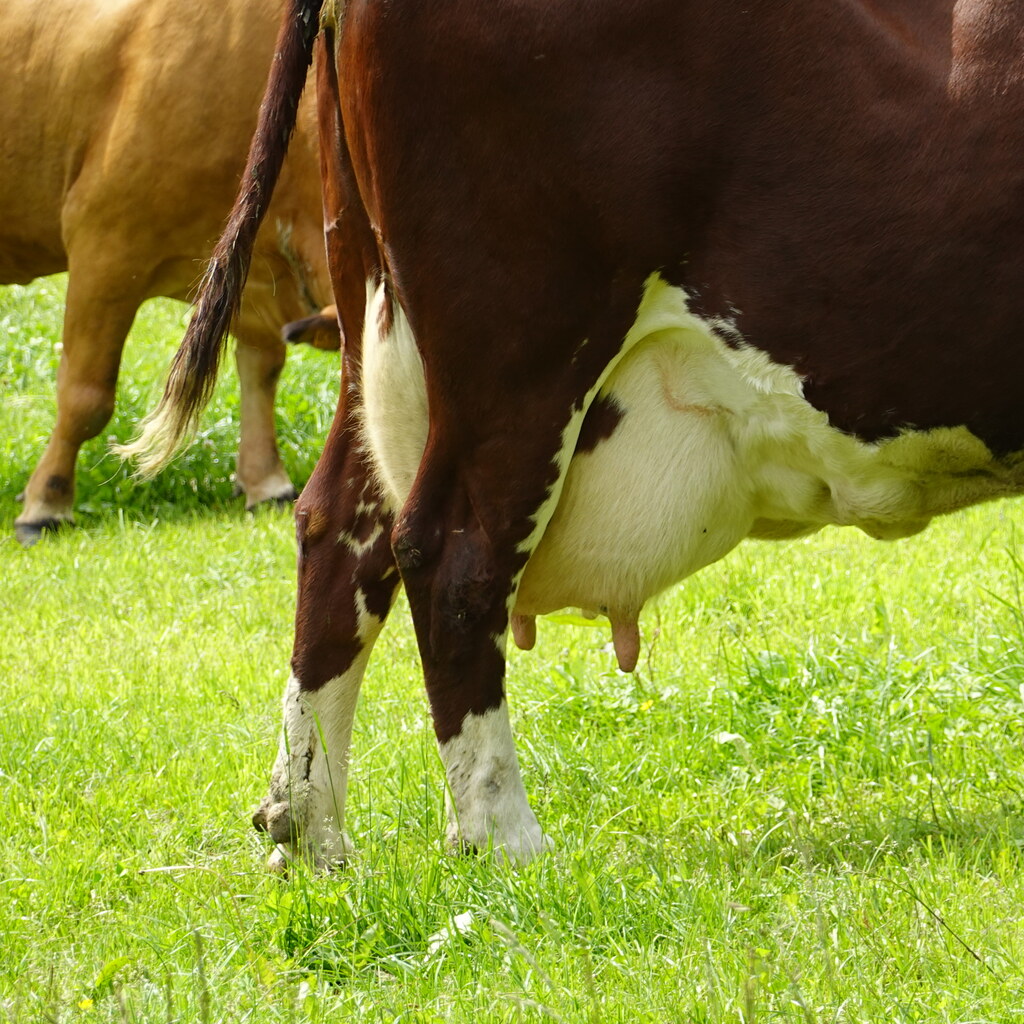
Vets usually specialise in a particular kind of animal, looking after only pets like dogs and cats, or just horses, or just farm animals like cows and sheep.
Some vets work in zoos with exotic animals like lions and elephants. Working as a vet with large animals or wild animals can be very dangerous.
Vis forVomit

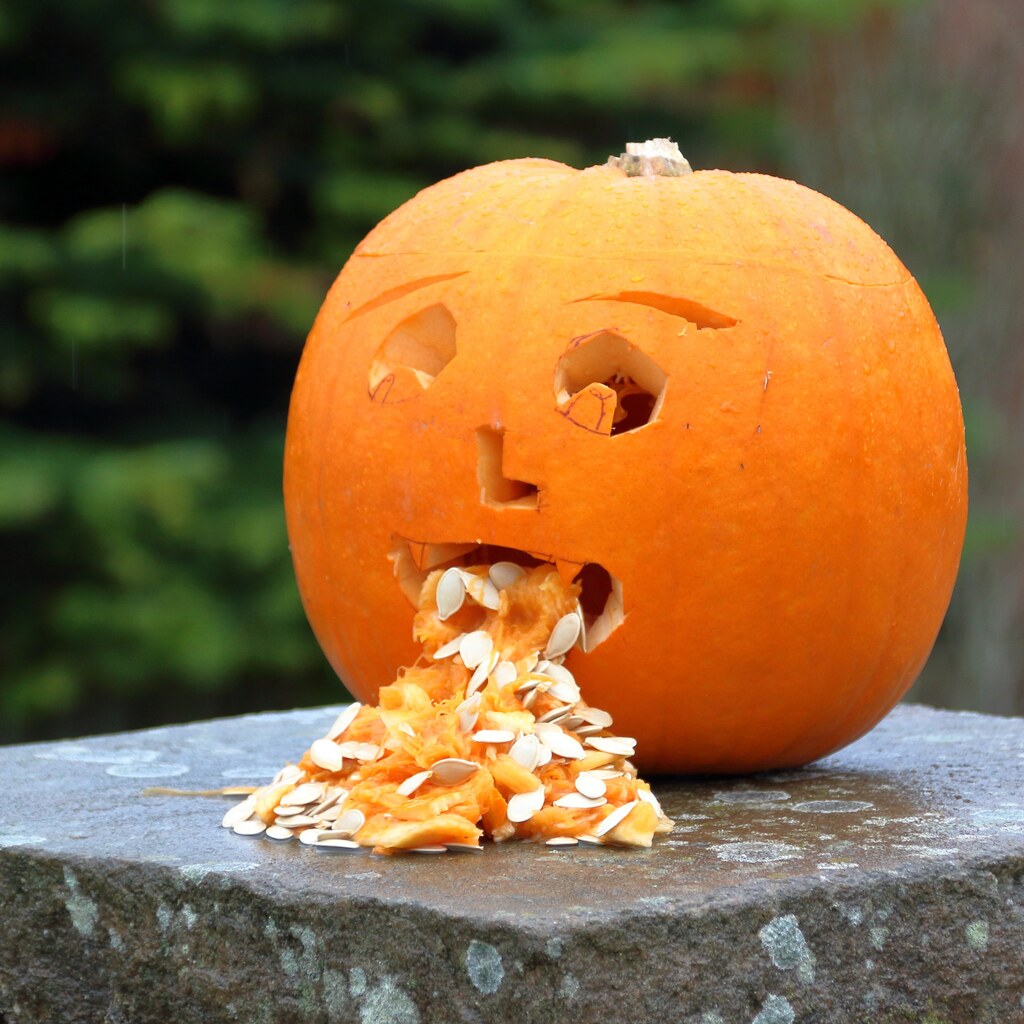
When you vomit, some of the contents of your stomach comes out through your mouth. Vomit has a lot of acid in it and tastes very bad.

Babies vomit a lot when they are young, but they generally grow out of it.

Wis forWaist

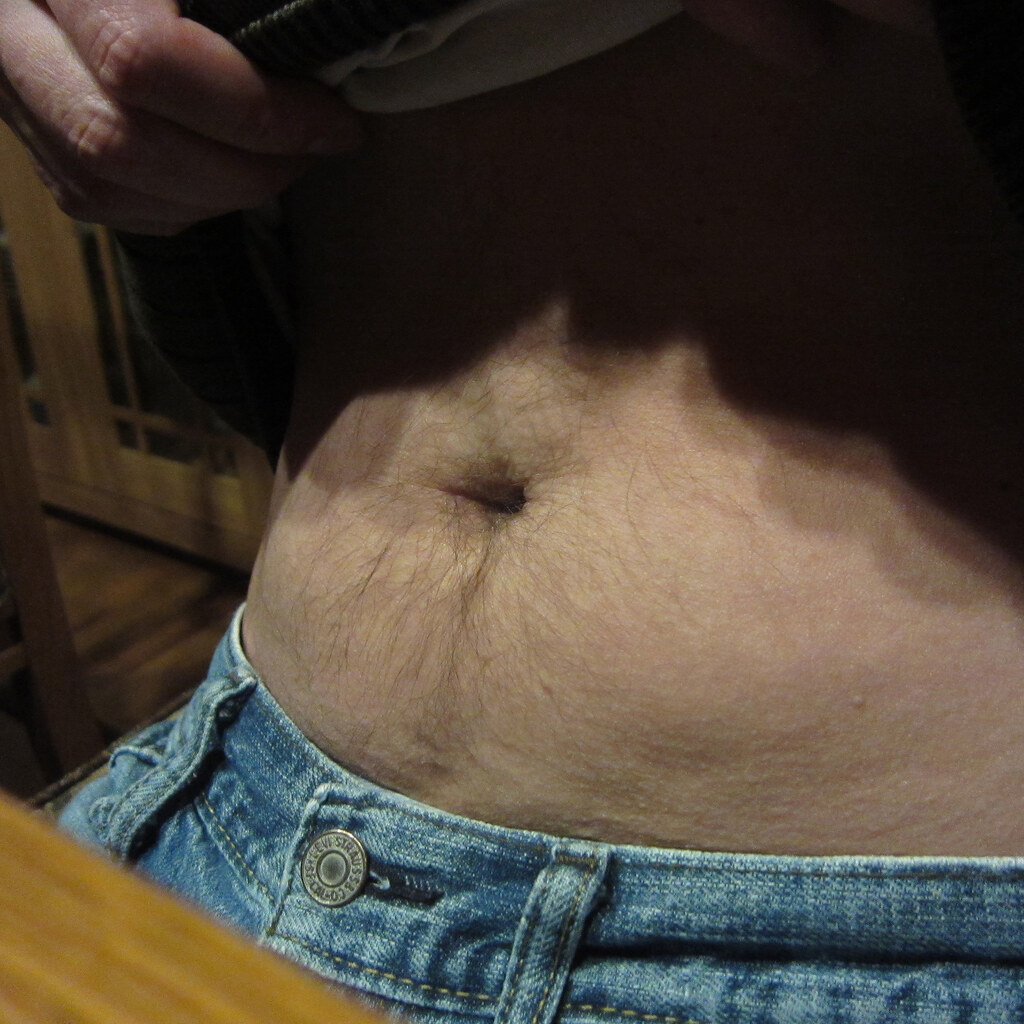
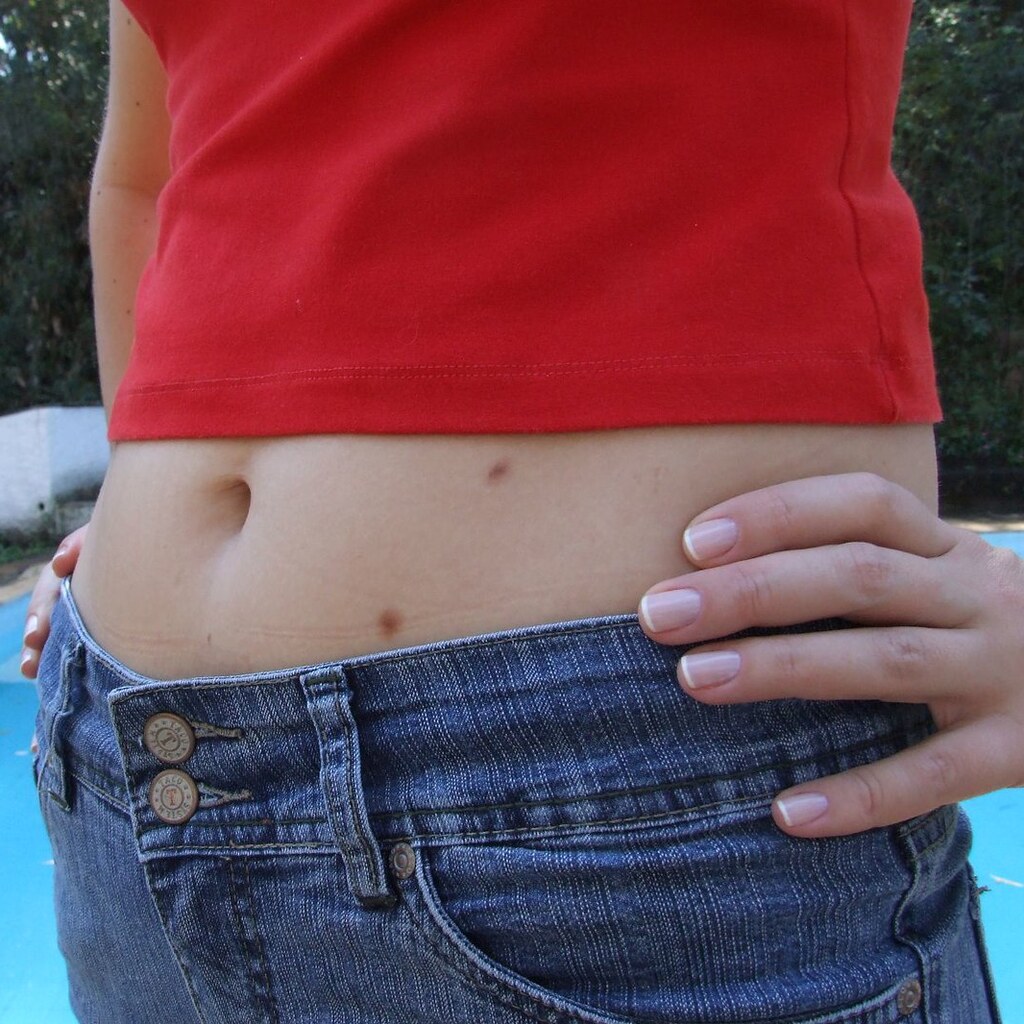
Your waist is the middle part of your body. Your belly button is on your waist. Belts go around your waist, and skirts and jeans fasten around your waist.

Wis forWart

A wart is a lump of abnormal skin growth that is caused by a virus. Depending on where they are, they can be painful. Some warts go away by themselves fairly quickly, others need to be removed by applying acid or by freezing them or cutting them off.
Something that looks like it has warts is described as warty. Toads look very warty, and so does the gourd in the picture.
Many birds and animals that live near water have webbed feet. These creatures have skin stretching between their toes so their feet become little paddles and the animal becomes much better at swimming through the water.
Animals with webbed feet include ducks, swans, geese, seagulls, platypuses, otters, turtles and many, many other birds and animals that can swim.

Wis forWhiskers

Whiskers are hairs that grow around the nose and mouth of most animals. On people, whiskers are usually called a beard or moustache.
Animals use their whiskers to tell when they are near something, as the whisker hairs hit things before the animal's face does. Cats have the most well-known whiskers. The cat in the picture is yawning, and you can clearly see its whiskers.

Wis forWindpipe

The windpipe is a tube inside your neck that helps air get to your lungs.

It is also called the trachea. When you breathe in, air moves through the windpipe. When you breathe out, air moves back out the same way. The windpipe is lined with tissue that helps catch dust and germs. It starts below your voice box and goes down to the chest, where it splits into two smaller airways.

Wis forWings

Animals and insects with wings can fly. This means they can go over things without touching the ground, for much longer distances than if they just jumped over them.

Wis forWithers

An animal's withers is the highest point along their back, generally around their shoulders. Horse's height is measured from the ground to the top of their withers.

Wis forWomb

Womb is another word for uterus, the organ that a baby grows in when a woman is pregnant.

Wis forWrinkle

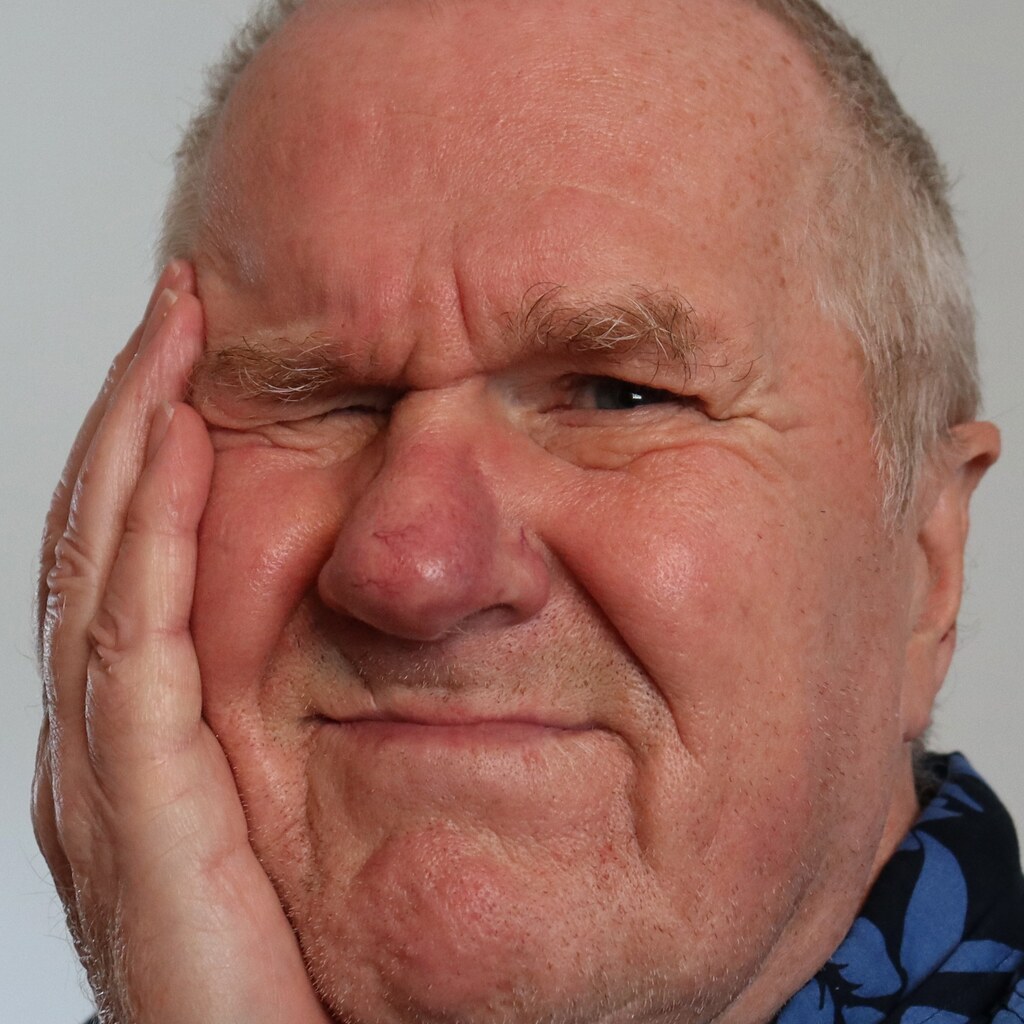
A wrinkle is a fold in something soft that can be bent, like your skin or the fabric in clothing. Clothes often get wrinkled when they are washed, and then they need to be ironed. As people get older, they get wrinkles in their skin. The man in the picture has wrinkles around his eyes.

Wis forWrist

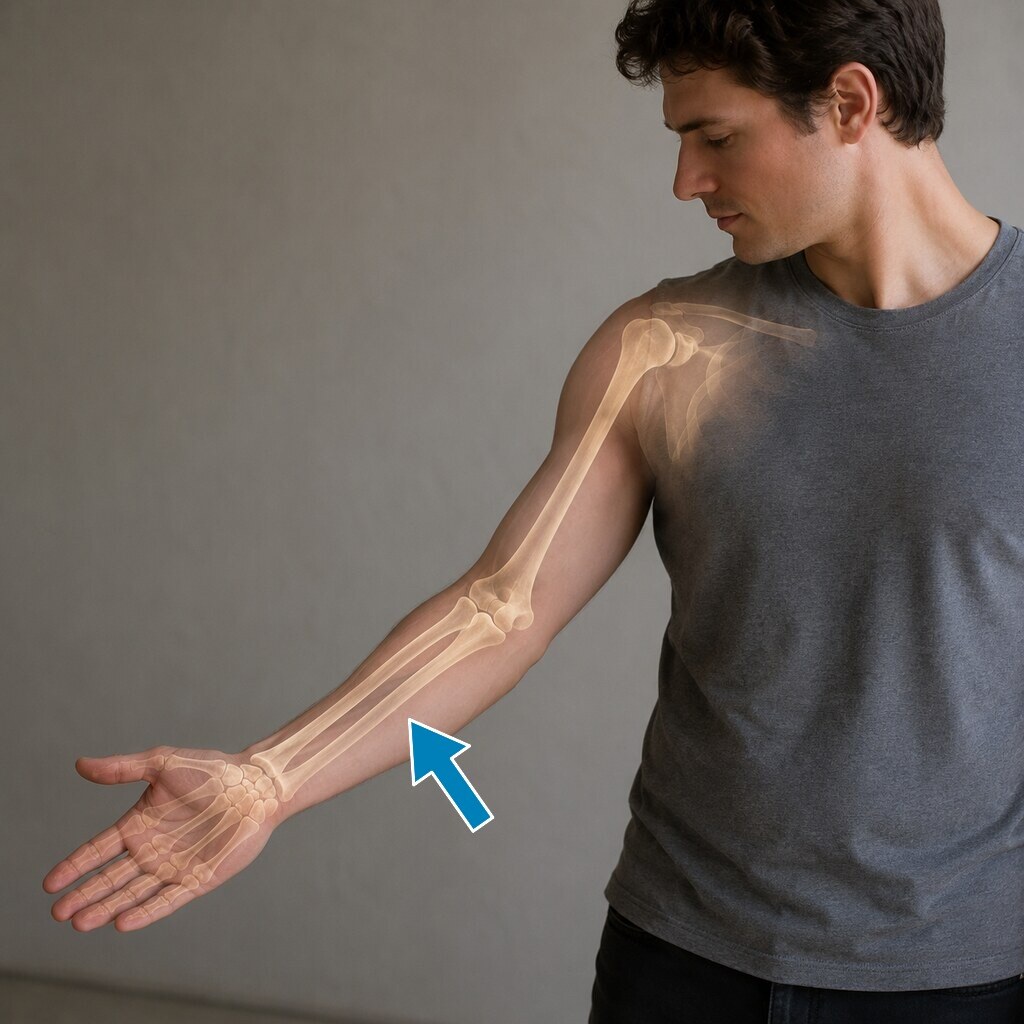
Your wrist is where your hand joins to your arm. People sometimes wear watches or bracelets on their wrists.

Xis forX-ray

An X-ray machine lets doctors take pictures of the bones inside your body. X-rays are a special kind of light which go through all of your body except your bones and other hard parts of your body, so the bones show up as white on the X-ray and the muscle in between shows black.
Someone is xenophobic if they have an irrational fear of people who are different to them, such as strangers or foreigners.

The people in the picture are not xenophobic.

Yis forYew

The yew tree is a kind of conifer originally from parts of Europe, Africa, Iran and Asia. It is a small to medium, slow-growing tree, reaching around 10 to 20 metres high. The leaves and seeds of the tree are very bitter and poisonous. The yew's pine cones are unusual, being more like a berry with a single seed. The berries are eaten by some kinds of birds.

Yis forYolk

The yolk of an egg is the yellow part inside the egg. The clear or yellowy-white part is called the white of the egg. It goes white when you cook it, and the yolk stays yellow but goes crumbly.