Showing 41-57 of 57
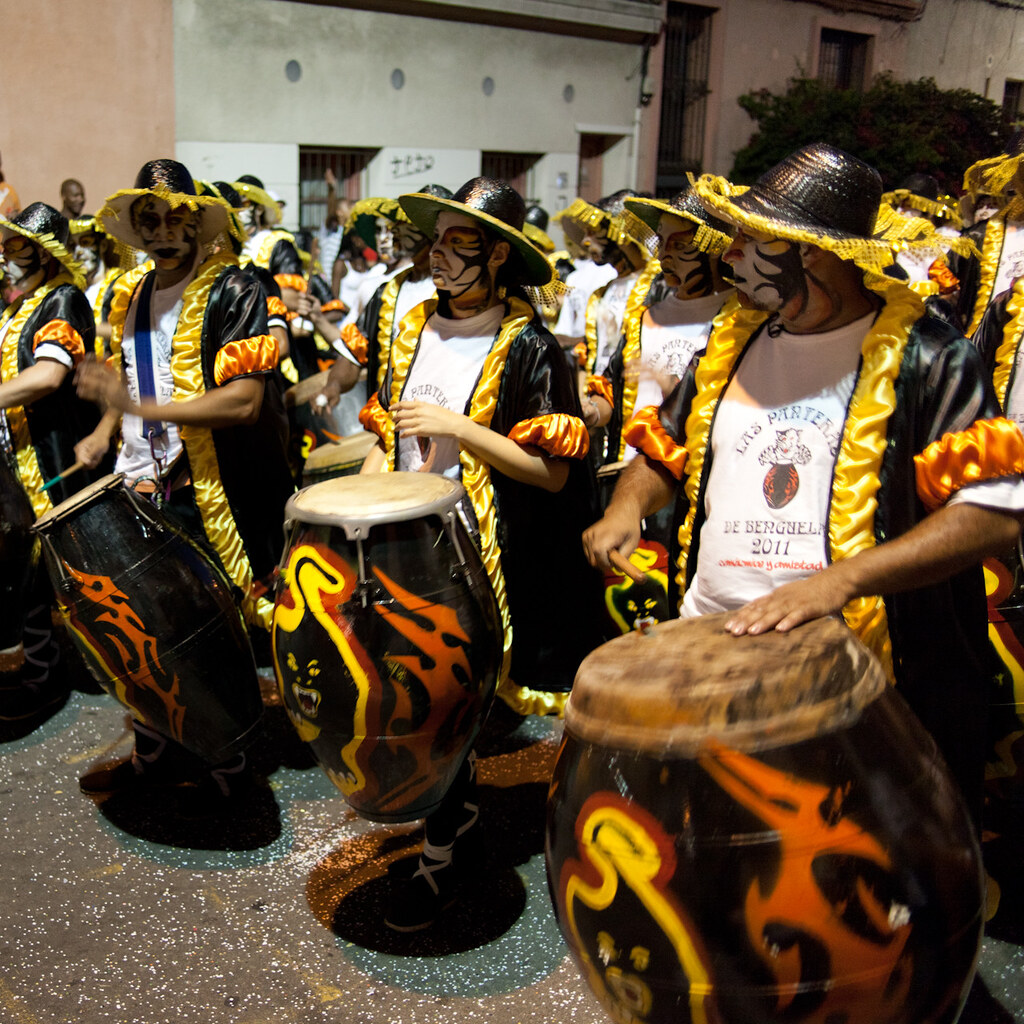
Rhythm is a movement or sound that has an evenly spaced, recurring pattern. Music, especially drumming, typically has a rhythm.

The saxophone was invented in 1841 by Adolphe Sax. He wanted to make an instrument with characteristics from both the woodwind family (including flutes) and the brass family (including trumpets). Saxophones are usually made of brass, but are a member of the woodwind family.
The sound in a saxophone is made by a small cane reed in the mouthpiece that vibrates when you blow air through it. The different notes are made by opening and closing holes along the length of the saxophone.
The sound in a saxophone is made by a small cane reed in the mouthpiece that vibrates when you blow air through it. The different notes are made by opening and closing holes along the length of the saxophone.




Strumming is a way of playing a stringed musical instrument, particularly a guitar. You strum a guitar by moving your fingers or a pick across the strings. You usually strum a guitar in a kind of rhythm.
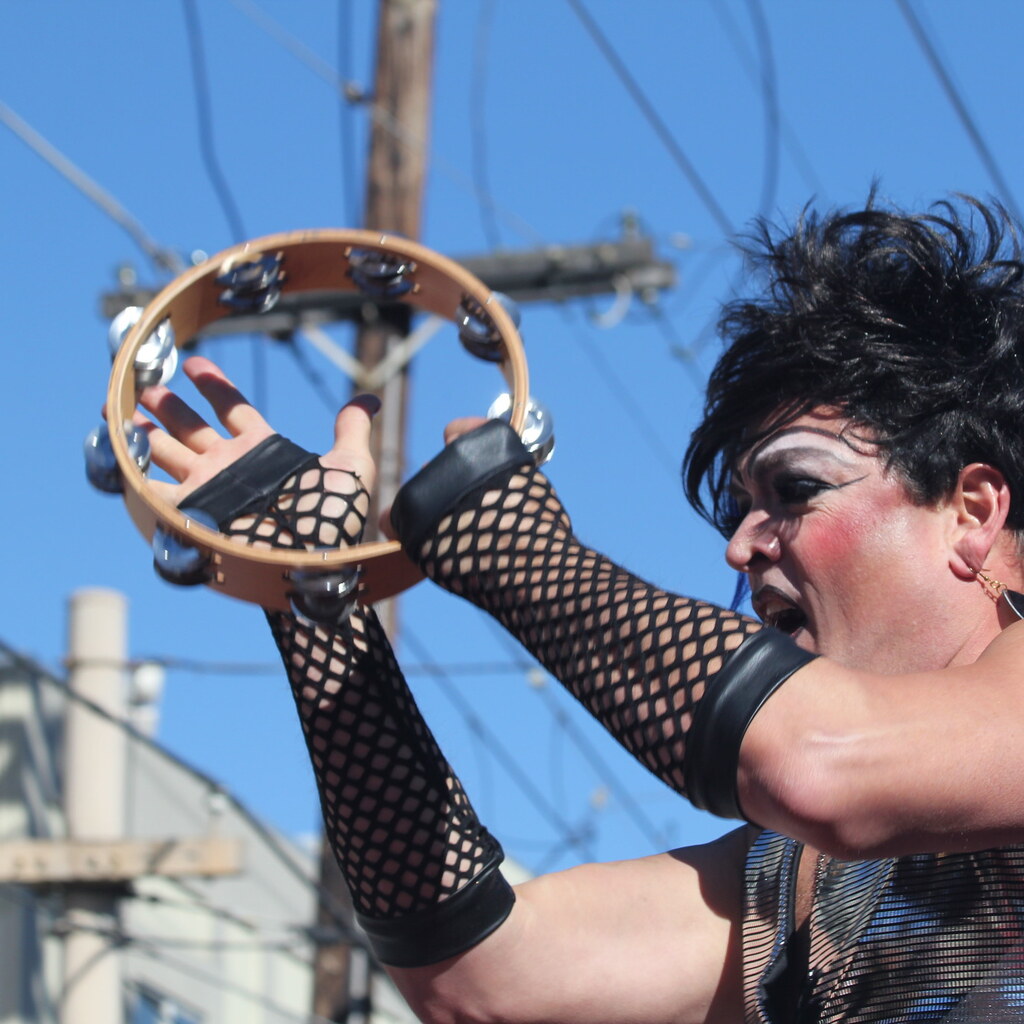
T is for Tambourine
You can play the tambourine by just shaking it to make it jingle, by hitting it against your leg, by tapping it with your hand or many other ways.
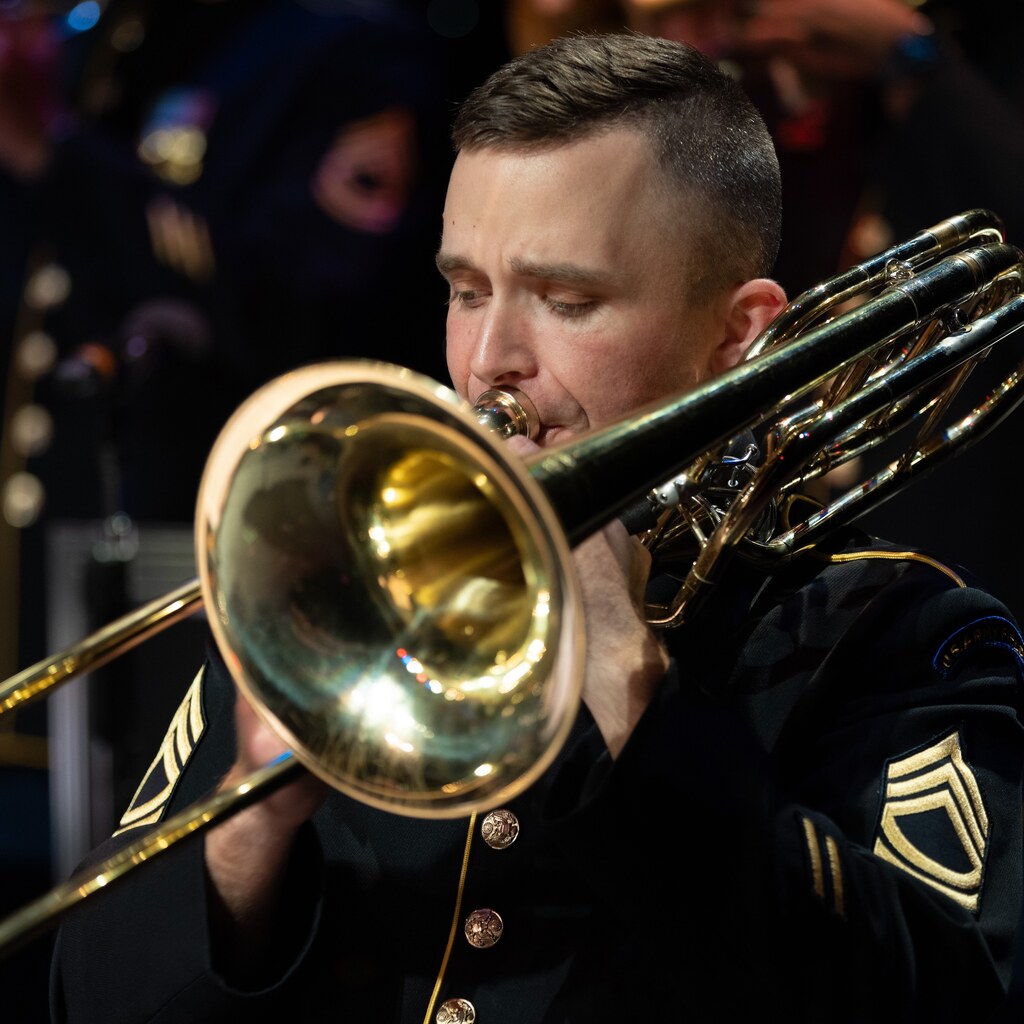
The trombone is a musical instrument in the brass family. It is made from a long tube of brass looped around, and like all brass instruments is played by buzzing your lips into the mouthpiece. Trombones have a slide that you work with one arm. Pulling it out makes the length of brass tubing longer, and changes the note that the trombone plays.
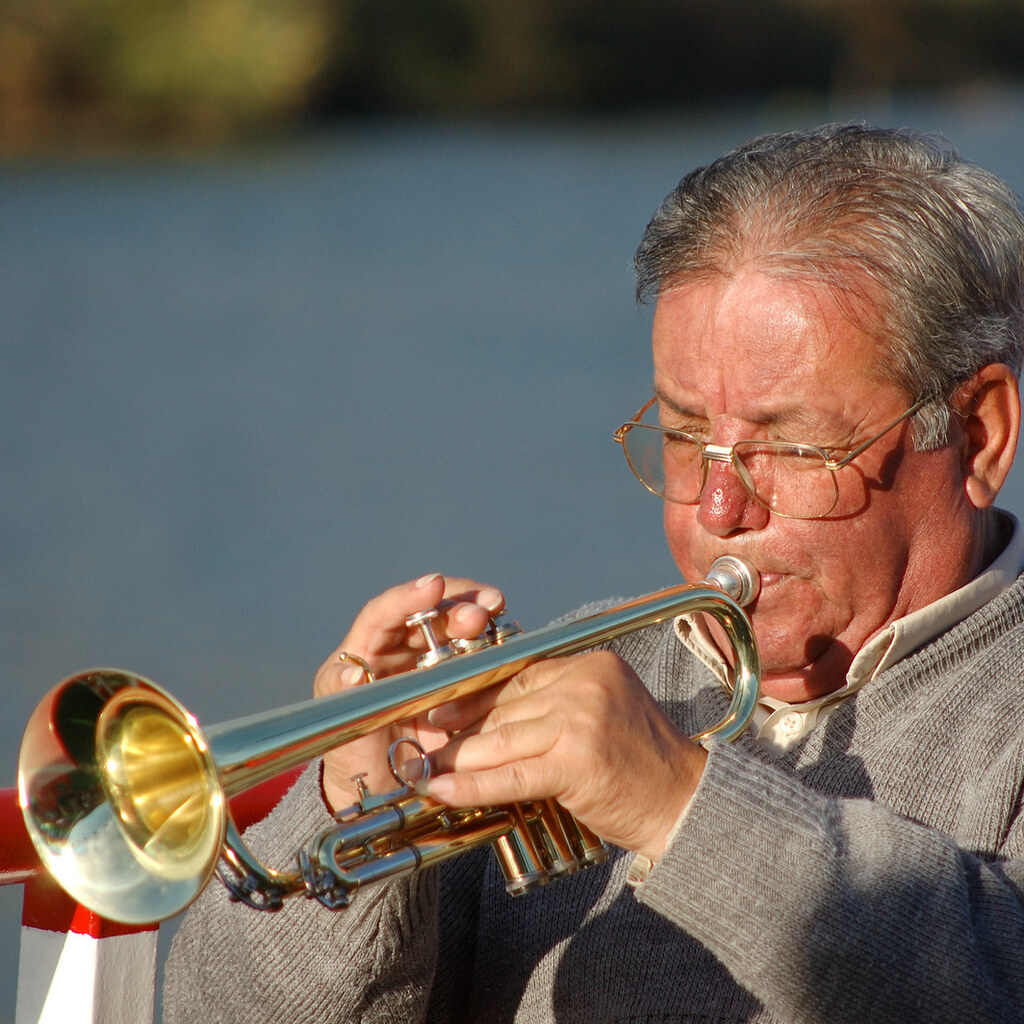
The trumpet is the smallest brass instrument. It is made from a long tube of brass curled around, and like all brass instruments is played by buzzing your lips into the mouthpiece. Trumpets have three valves that you work with your fingers that changes the length of the brass tube, and with it the note that the trumpet plays.
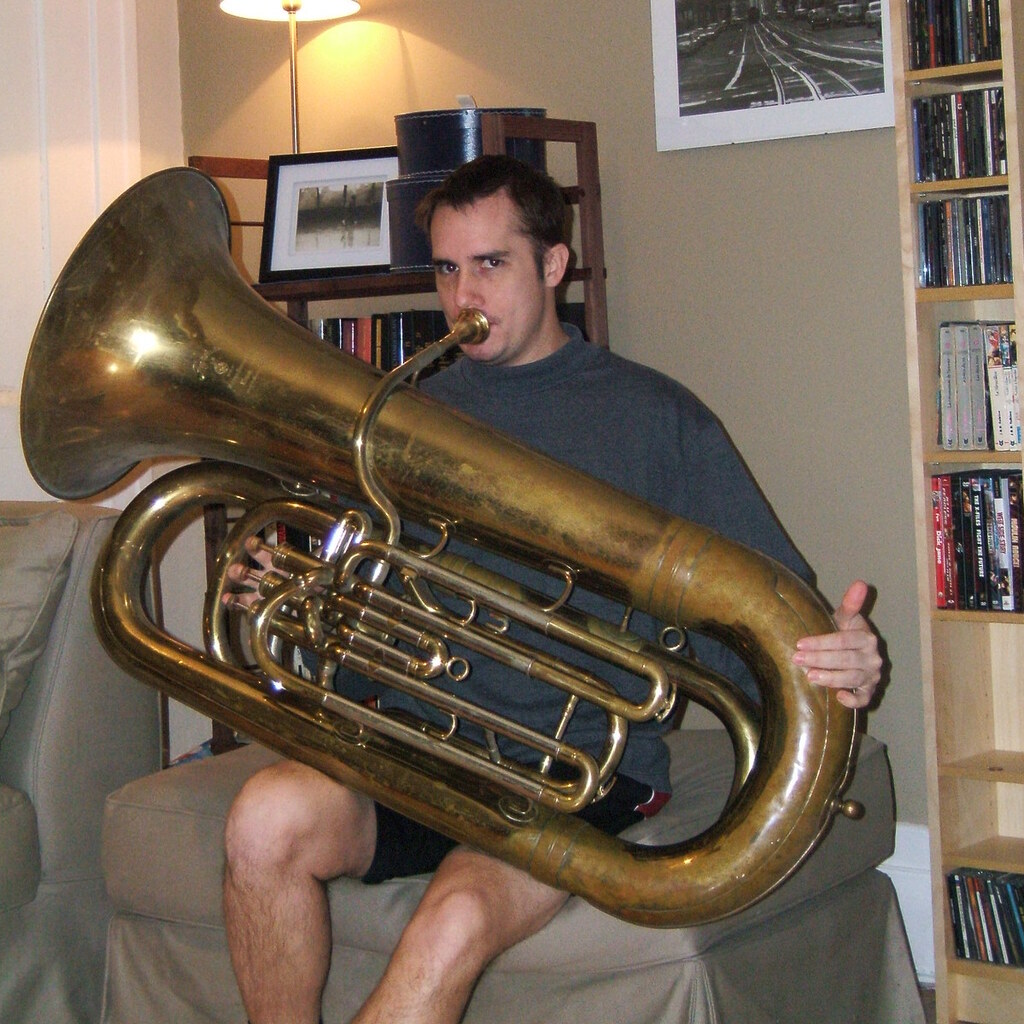
The tuba is the largest brass instrument. It is made from a very long tube of brass curled around, and like all brass instruments is played by buzzing your lips into the mouthpiece. Tubas have four levered valves that you work with your fingers that changes the length of the brass tube, and with it the note that the tuba plays.
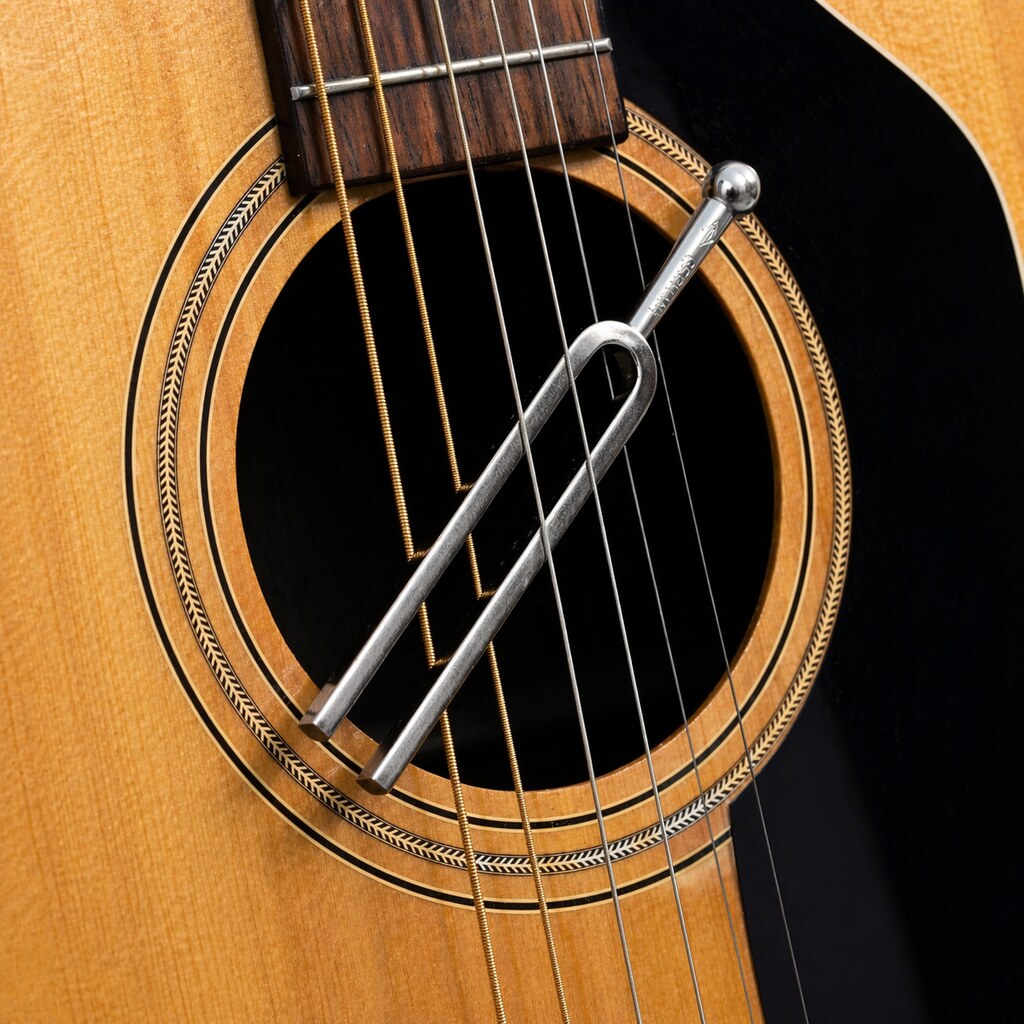
T is for Tuning fork


The violin is a bowed string instrument with four strings. It is the smallest of the violin family of string instruments, which also includes the viola (a slightly larger violin) and cello. The violin is sometimes called a fiddle, and someone who plays the violin is called a violinist or a fiddler. You usually play a violin by drawing a bow across the strings, like the woman in the picture.

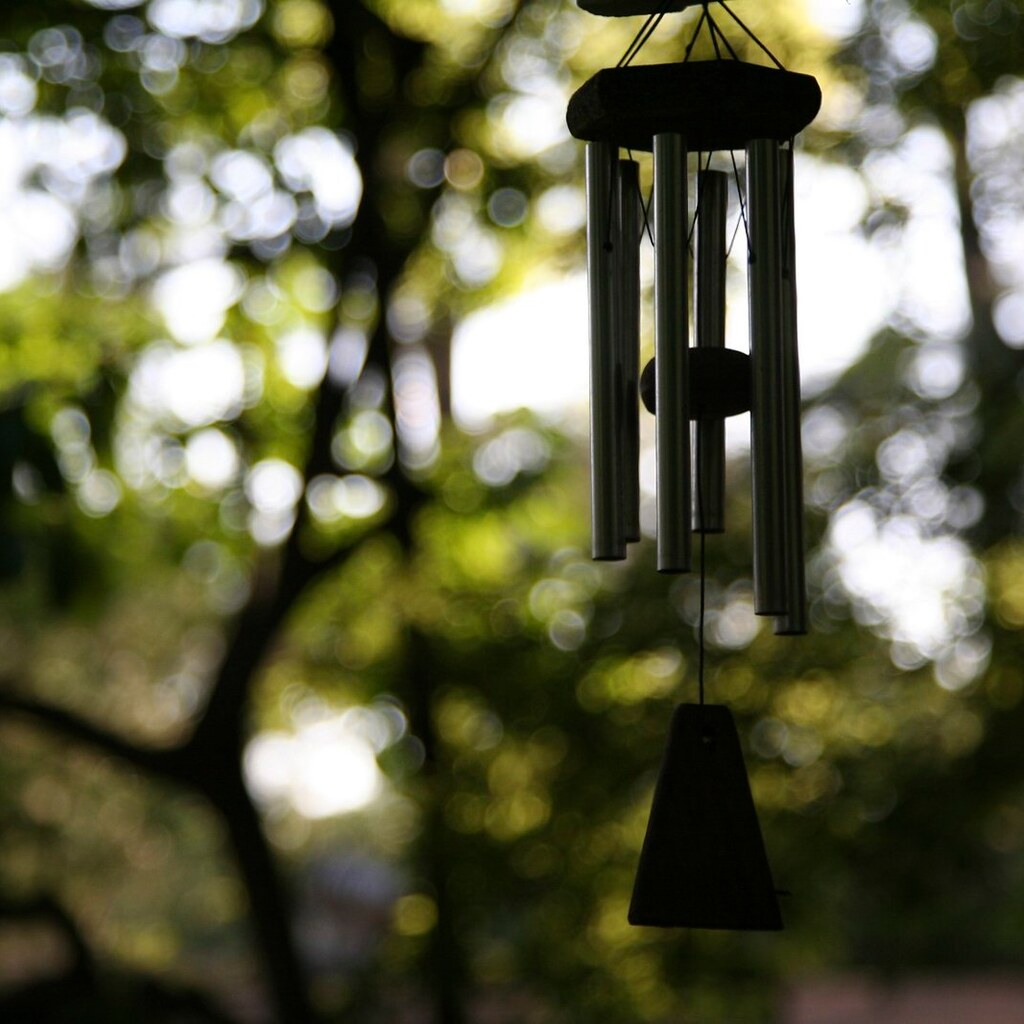
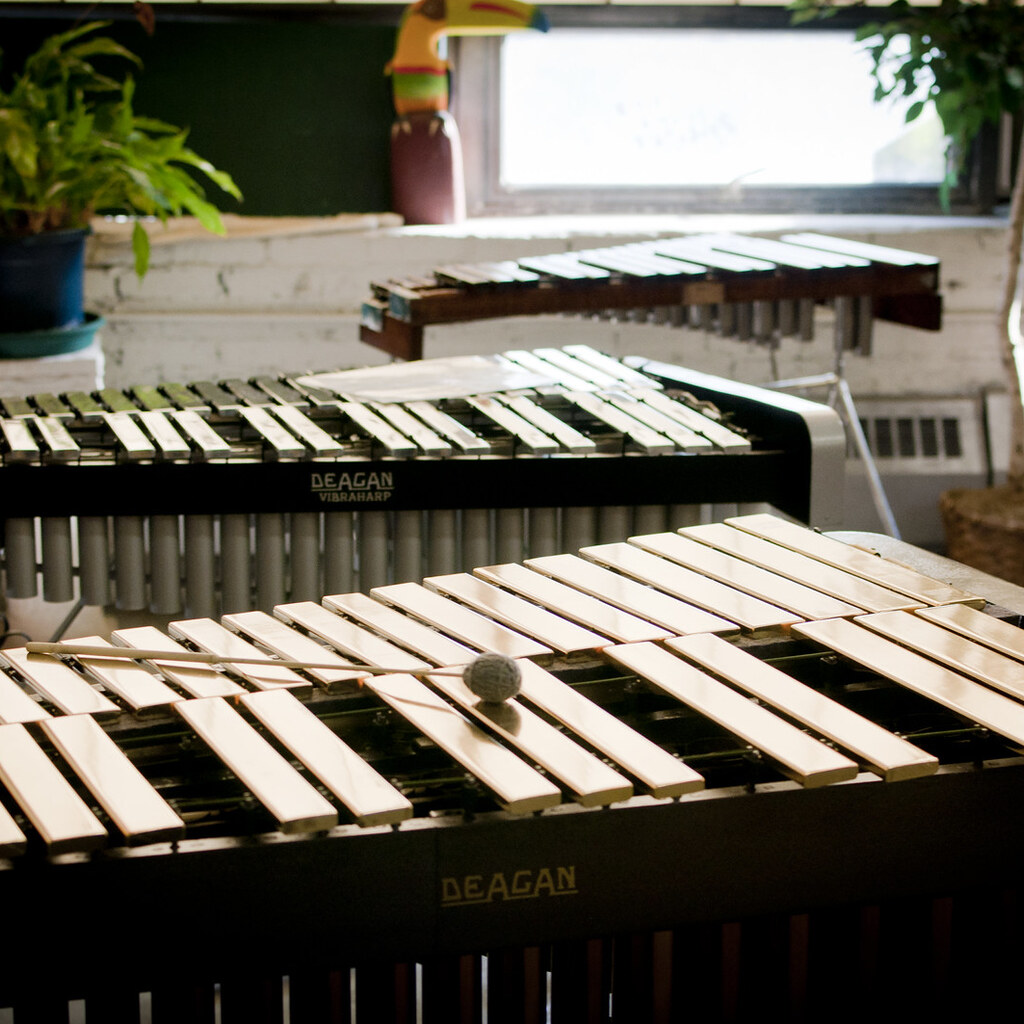
A xylophone is a kind of musical instrument. You make music by hitting the different-sized keys with small hammers to play a tune.
The keys on xylophones are typically made out of wood, although some modern versions are made from plastic or fibreglass. Very early xylophones had keys made from gourds. Xylophones are very similar to glockenspiels and vibraphones. Glockenspiels are made from metal and have a higher pitch, while a vibraphone is also made of metal but is a more modern instrument and has a sustain pedal. The instrument in the picture is actually a vibraphone.
Most people call all of these similar instruments xylophones. The most popular image of a "xylophone" is the children's six or eight key version with brightly colored metal keys commonly seen in toy stores.
The keys on xylophones are typically made out of wood, although some modern versions are made from plastic or fibreglass. Very early xylophones had keys made from gourds. Xylophones are very similar to glockenspiels and vibraphones. Glockenspiels are made from metal and have a higher pitch, while a vibraphone is also made of metal but is a more modern instrument and has a sustain pedal. The instrument in the picture is actually a vibraphone.
Most people call all of these similar instruments xylophones. The most popular image of a "xylophone" is the children's six or eight key version with brightly colored metal keys commonly seen in toy stores.