up to Plants

Plant parts

All the bits and pieces that make up a plant, from tiny plants to towering trees.

Showing 21-40 of 42

N is for Nut (Seed)
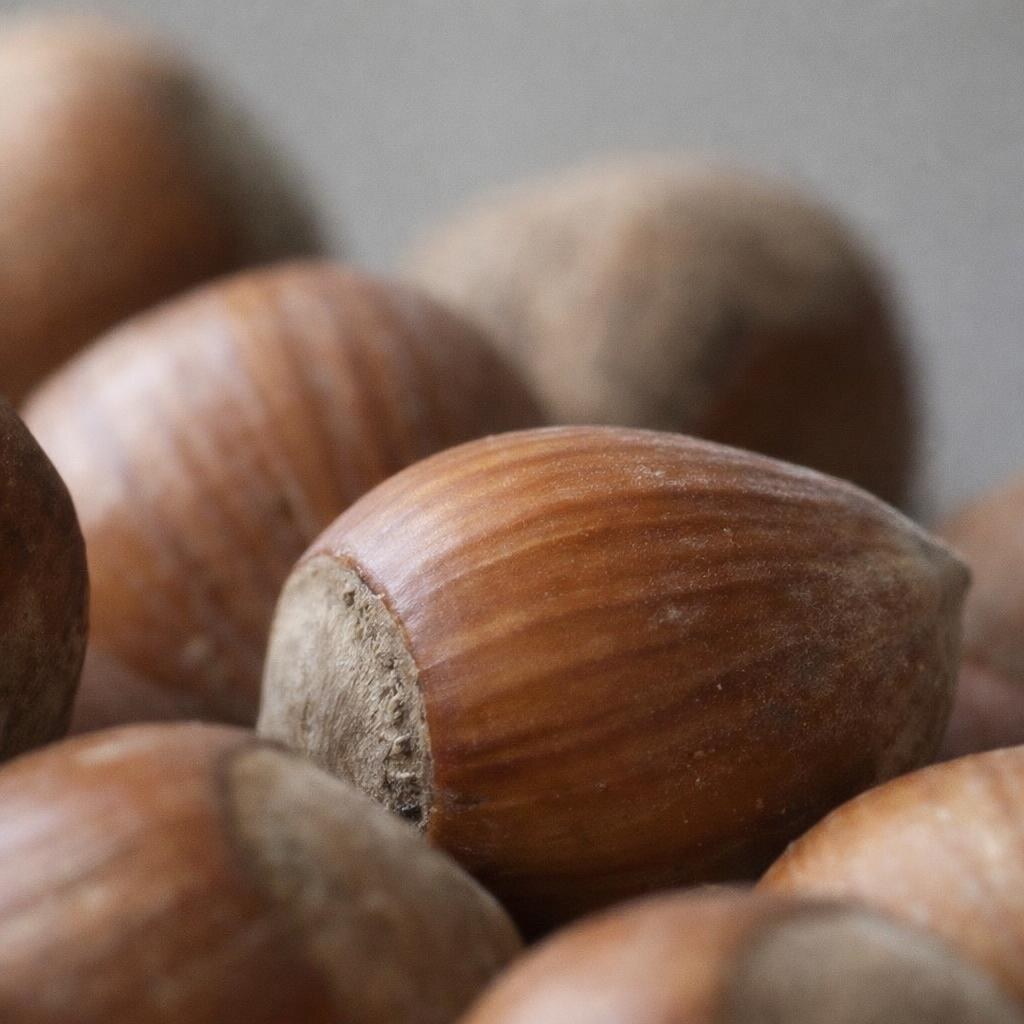
A nut is a seed of a plant that has a very hard outside layer. Some nuts are found inside the plant's fruit, other nuts are actually the fruit itself.

P is for Petal

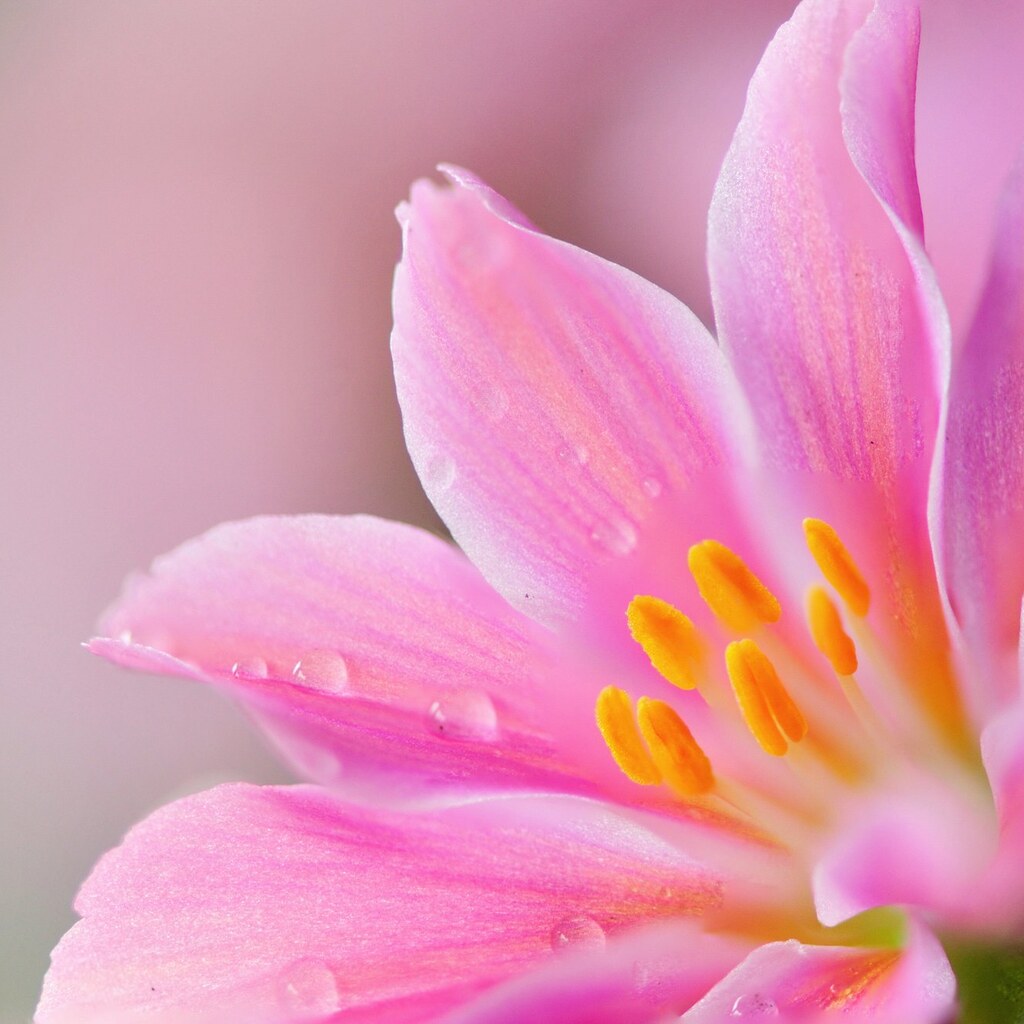
Petals are modified leaves that are found around the reproductive parts of a flower. Petals are usually a very different color to the leaves of a plant. Most plants have green leaves and petals in bright colors like pink or yellow.

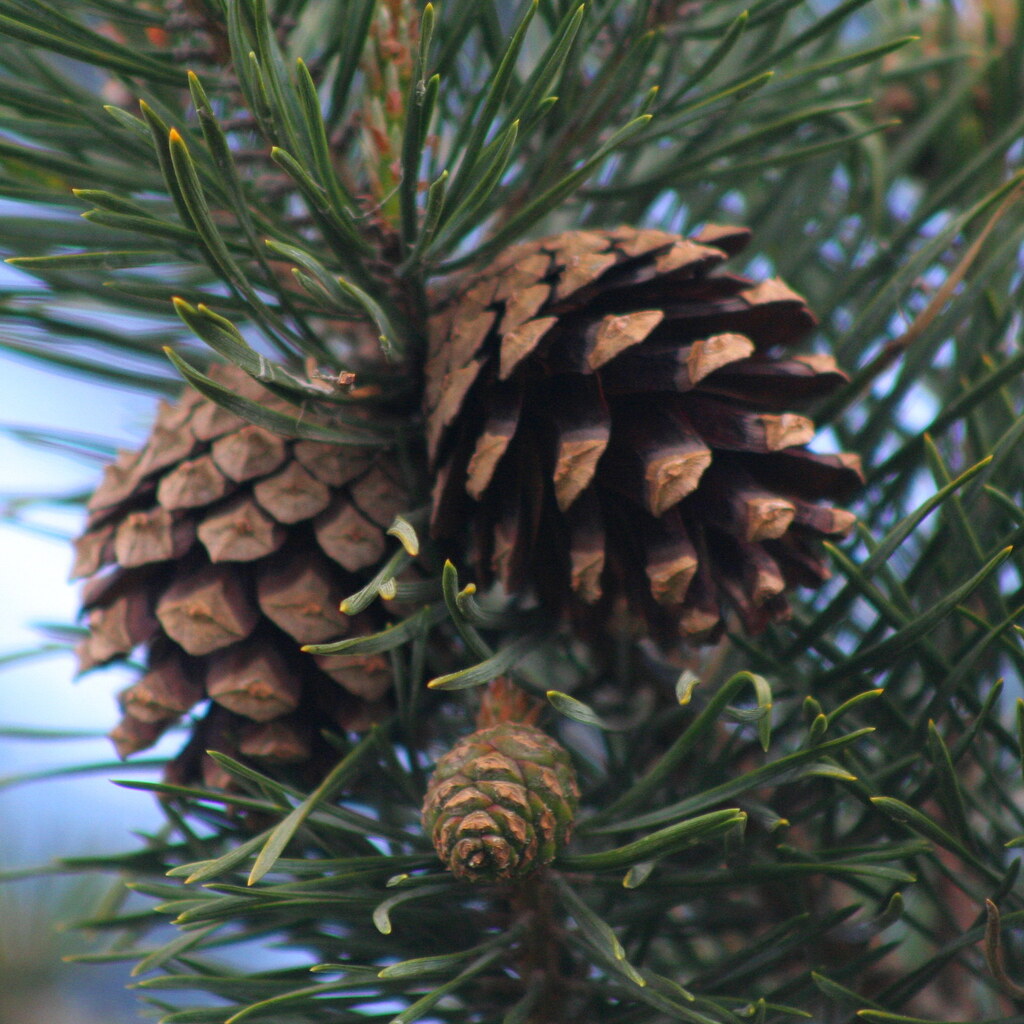
P is for Pine cone

The pine cone is the female part of the pine tree. The pine tree's seeds grow inside the pine cone, and when it is ripe the cone opens so the seeds can fall out.

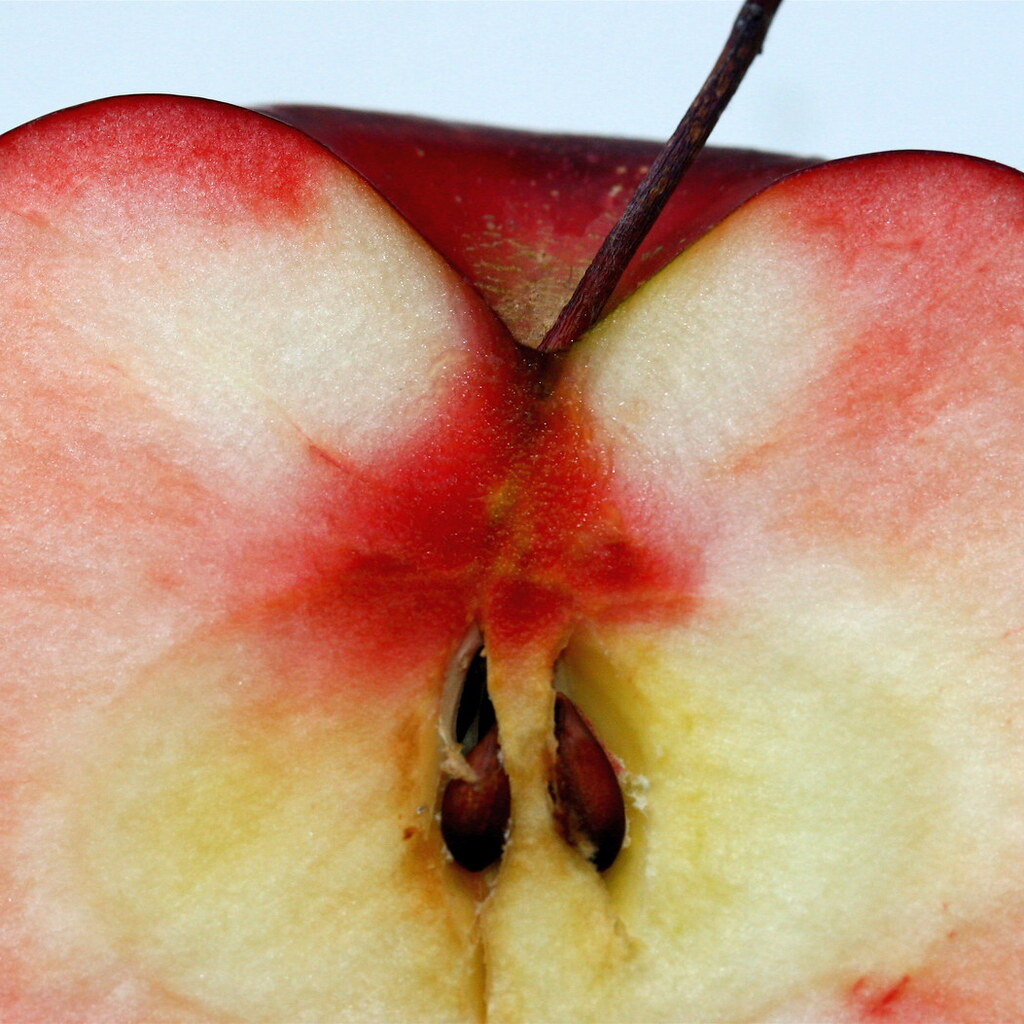
P is for Pip

Pips are another name for the seeds found in fruit like apples, oranges and watermelons.

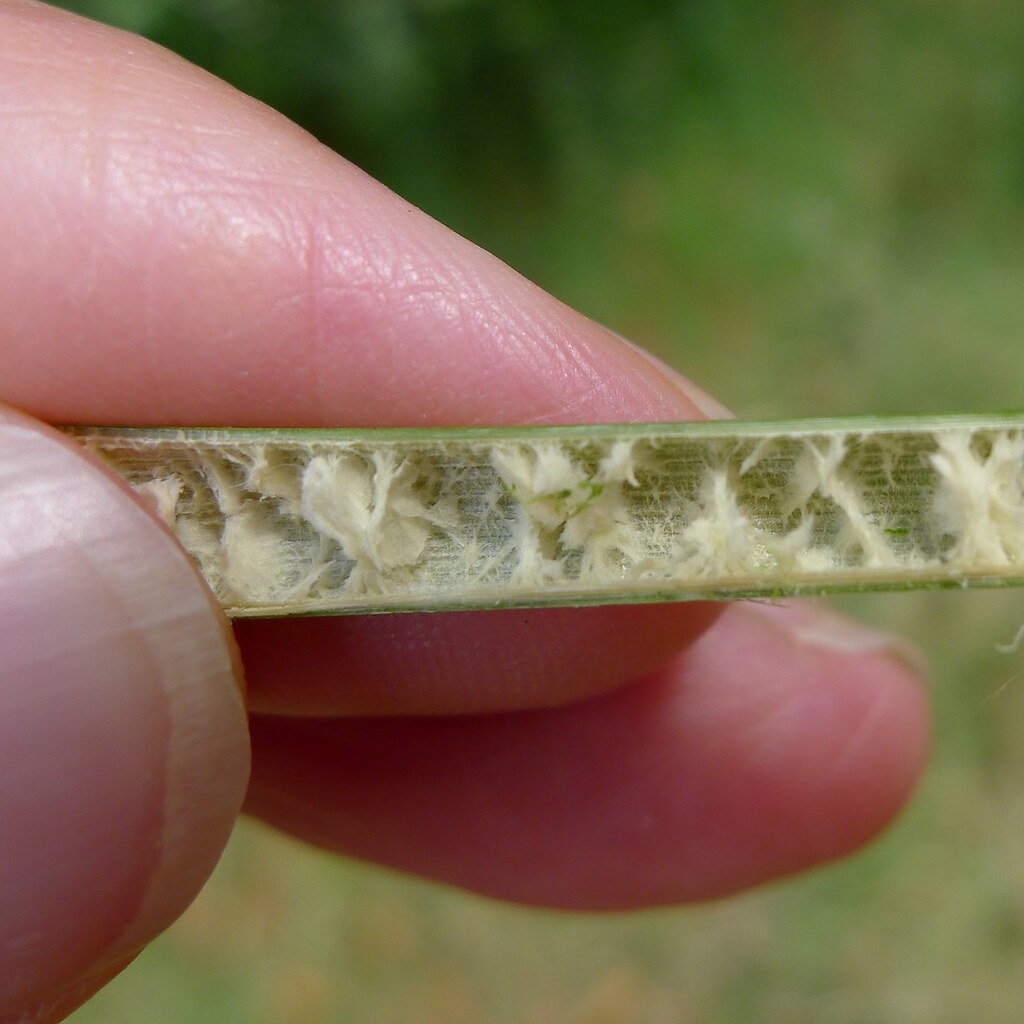
P is for Pith

Pith is the spongy material found inside plant stems. When you are talking about citrus fruit, pith is the bitter white layer surrounding the sweet flesh of the fruit.

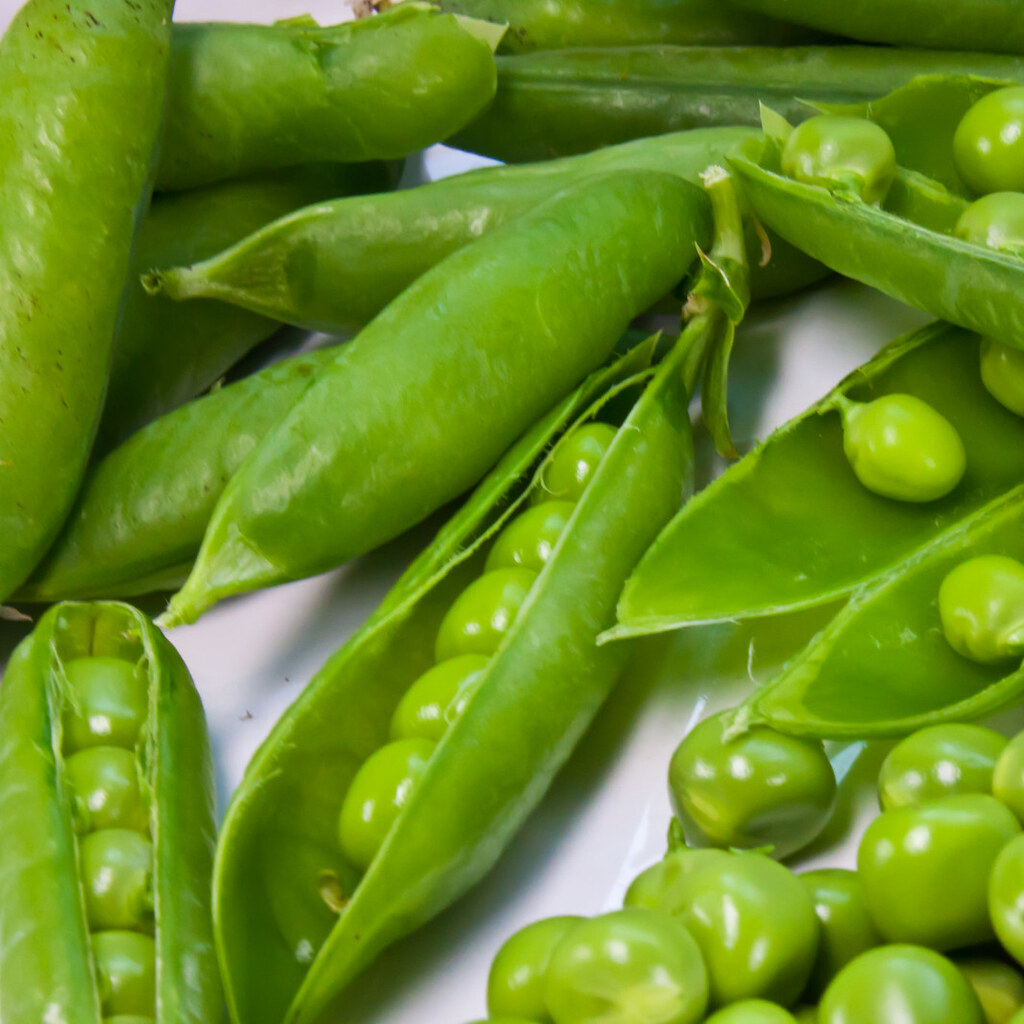
P is for Pod (Pea)

A pod is a long, thin seed casing found on plants like peas and beans. Pods are made from two halves joined together, and when the seeds inside are ripe they split open.
The pods of many kinds of peas and bean can be eaten along with the seeds inside if they are picked early enough.

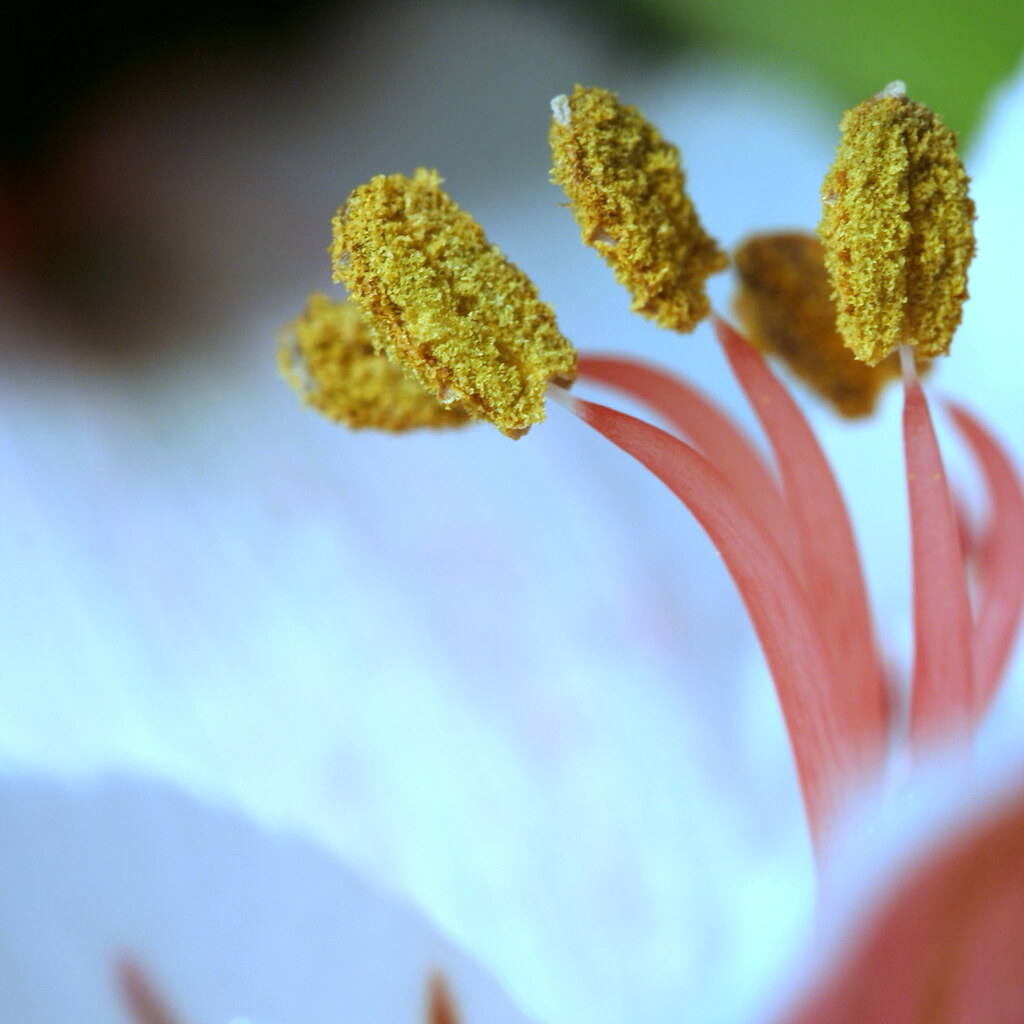
P is for Pollen

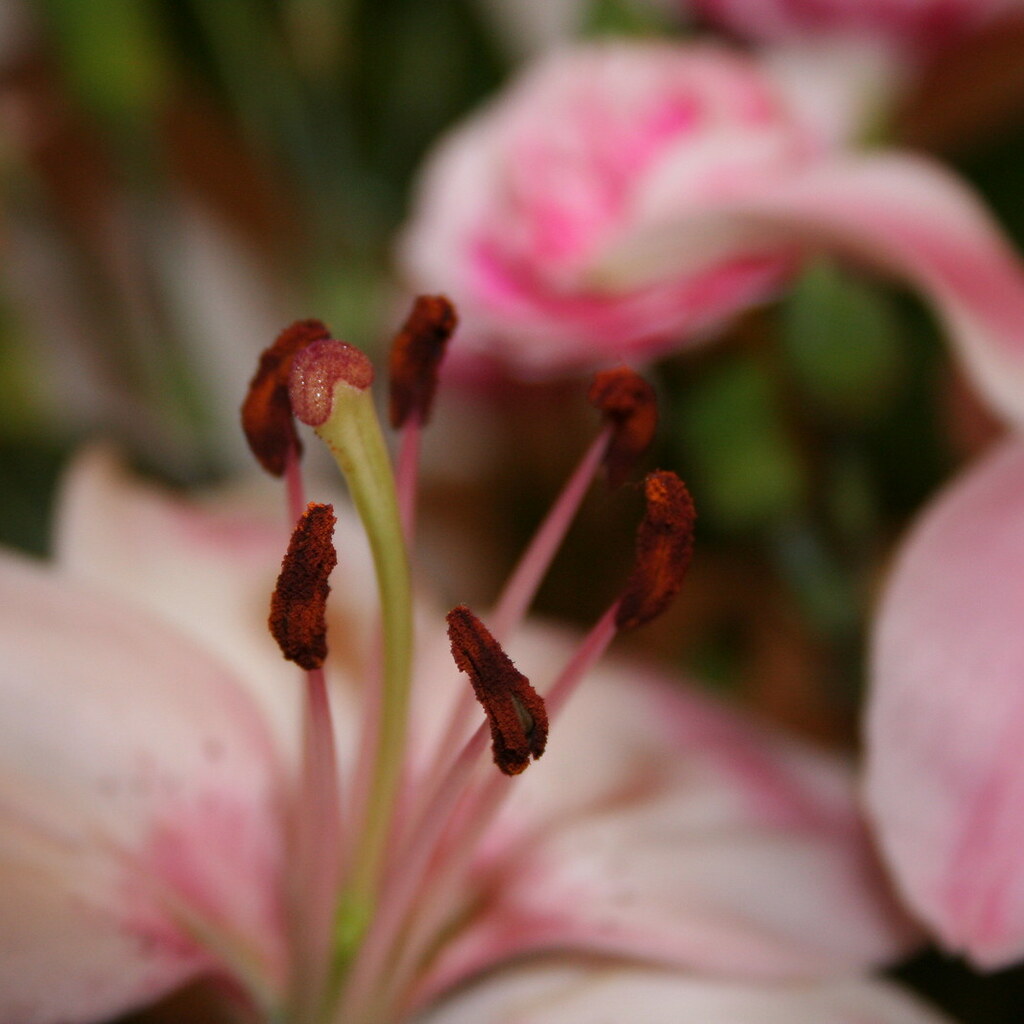
Pollen is made up of fine grains of male genetic material. Bundles of pollen are held inside flowers on the end of stamens, which you can clearly see in the picture. As insects or birds come to the flowers to eat nectar, they brush against the pollen and carry it to the stigma of another flower.

R is for Rind

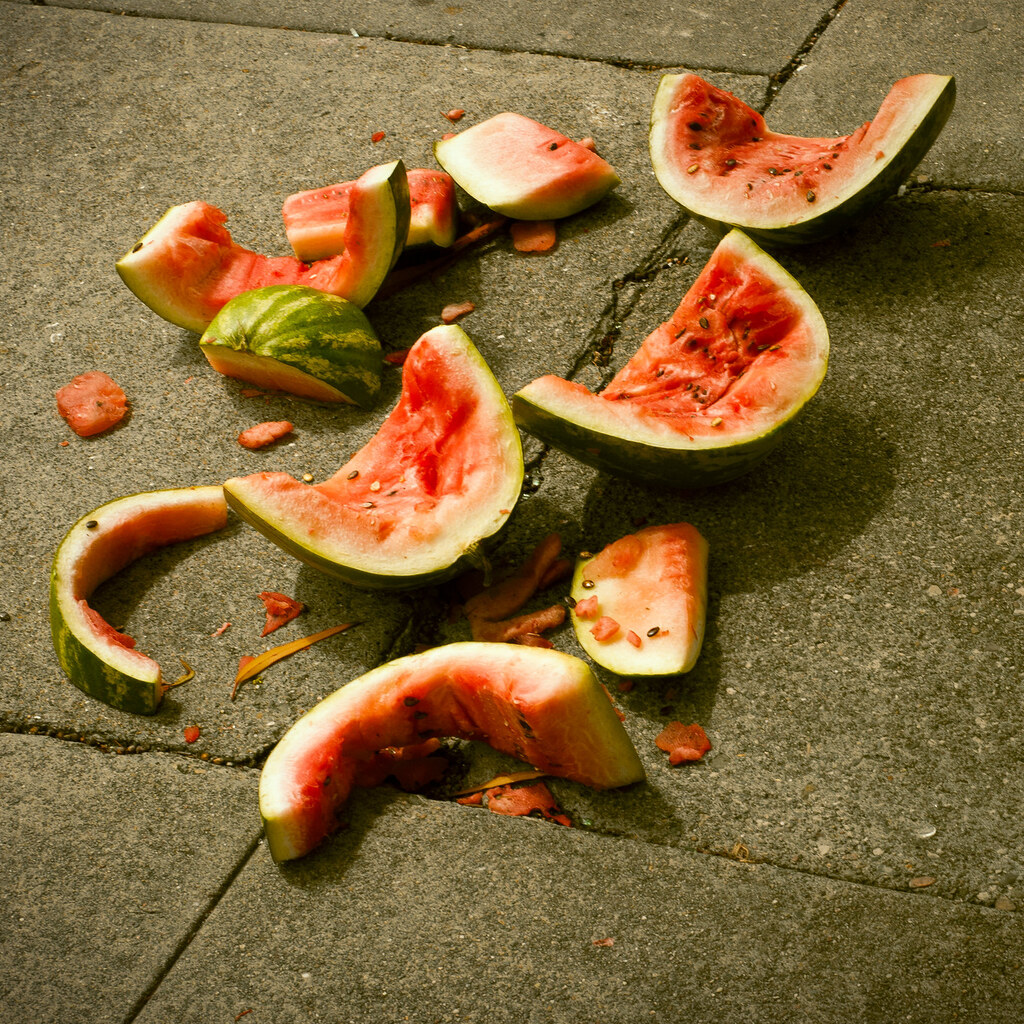
The rind of a fruit is the hard outer layer that you can't eat. Fruits like watermelon and oranges have rinds.
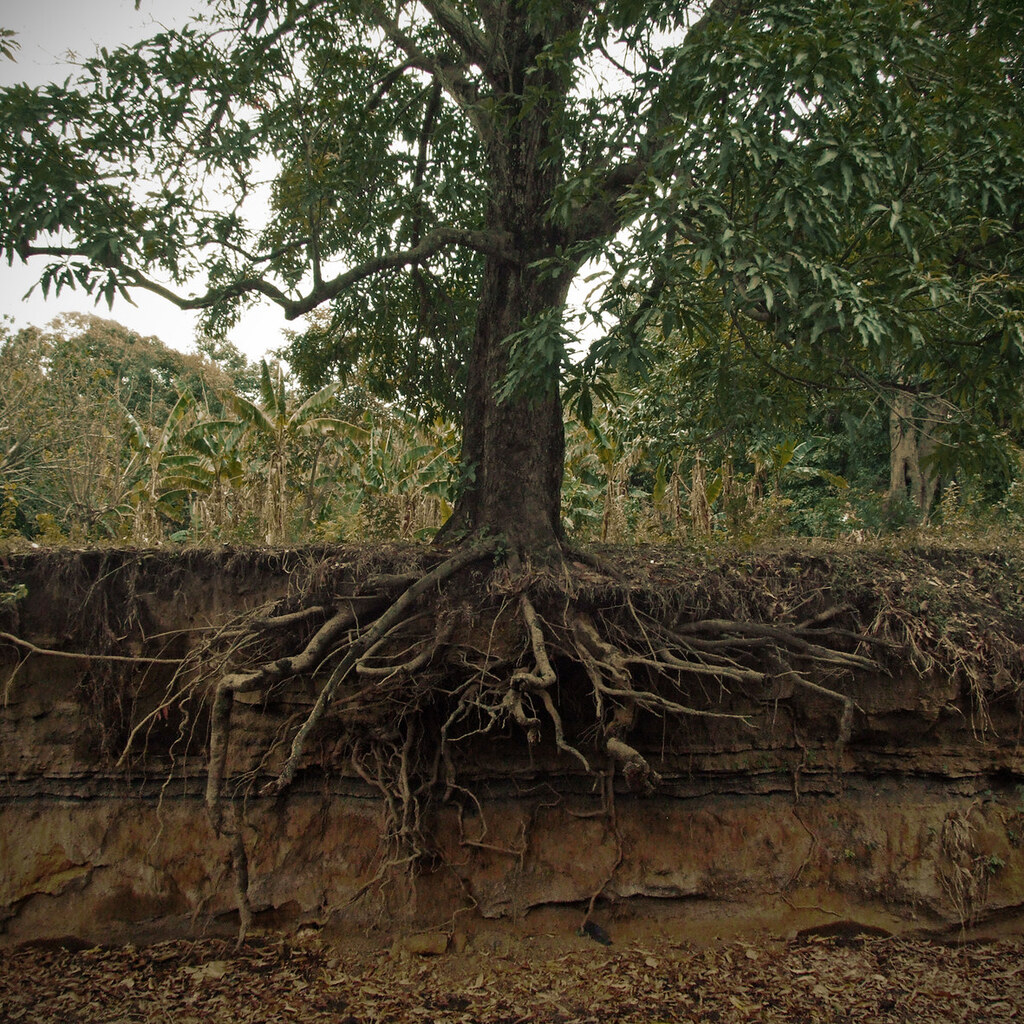
R is for Root

The roots of a plant are usually under the ground, holding the plant in place. The plant absorbs some food through its roots. The picture is of a tree where some of the dirt has washed away, so you can see its roots.

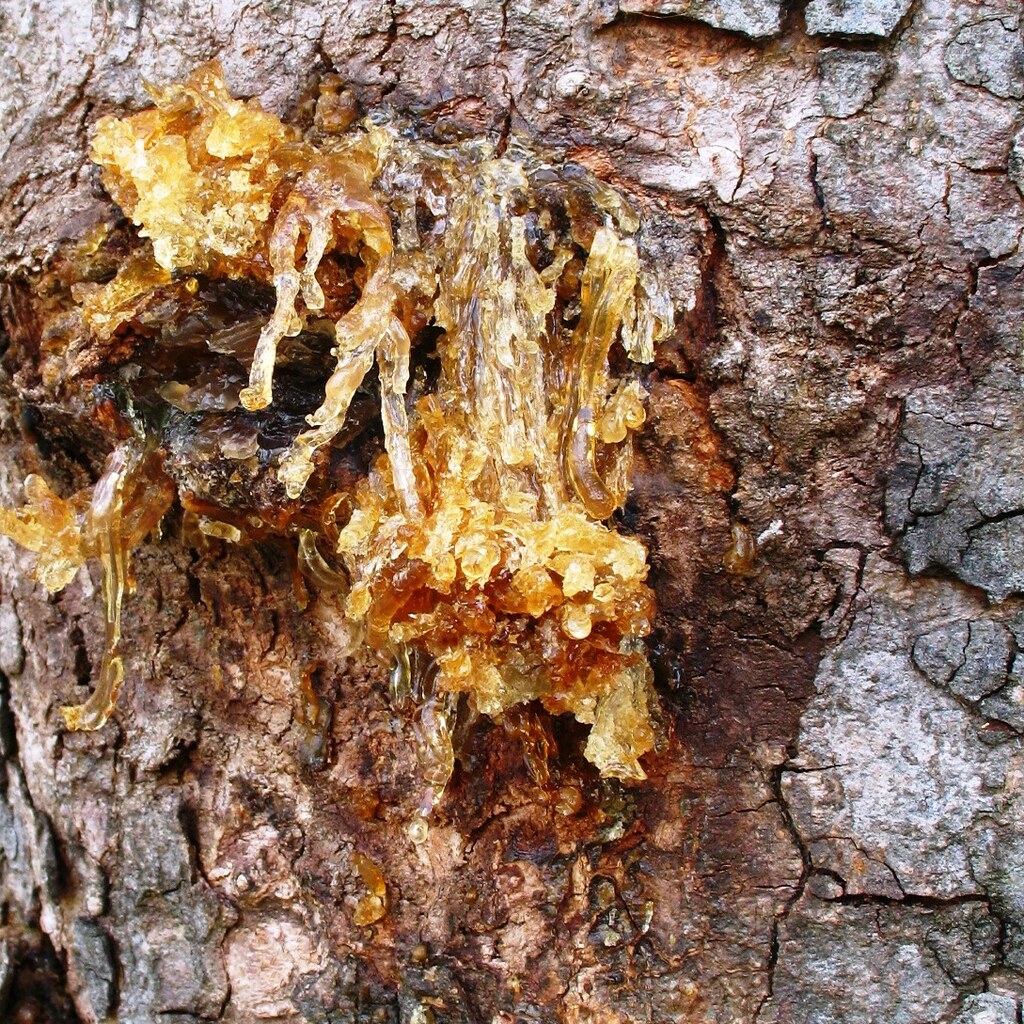
S is for Sap

Sap is the thick, sticky fluid that is inside tree branches and stems. You can't see it until the plant is damaged in some way, like having a branch cut off or some kind of insect bores a hole into it.
Many kinds of sap are sweet and are eaten by birds and insects. People collect the sap from maple trees to make maple syrup. Latex is made from sap as well.

S is for Seed

Baby plants grow from seeds. If you bury a seed in soil and keep it moist, after a few days it will crack open and grow. Roots grow first from the seed, then the leaves. The seeds in the picture are sunflower seeds, just beginning to sprout.

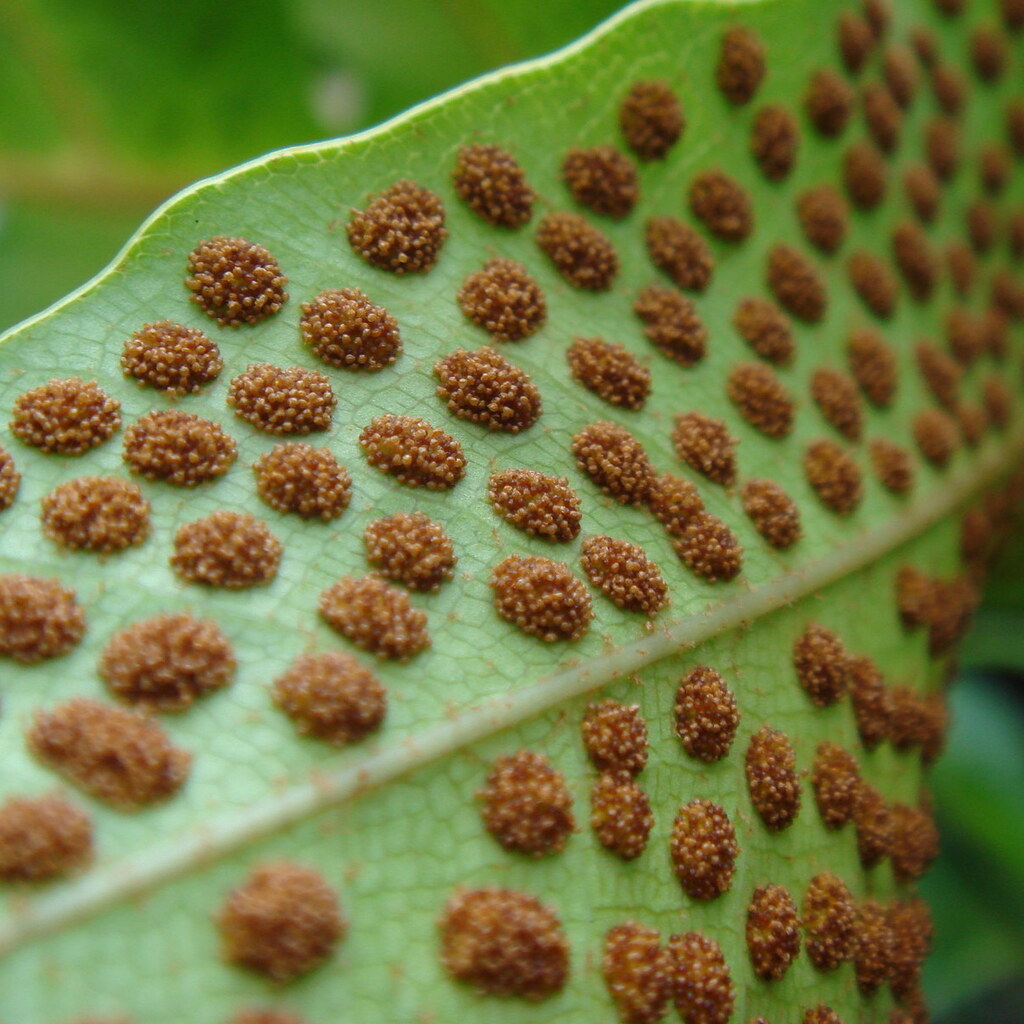
S is for Spore

Spores are the way some bacteria, fungi, ferns and algae reproduce. One spore can grow into a whole new organism.
Spores are similar to seeds but they only need one parent not a male and a female parent like is needed to make seeds. Spores are also much smaller than seeds and do not have food reserves inside them.
S is for Sprig

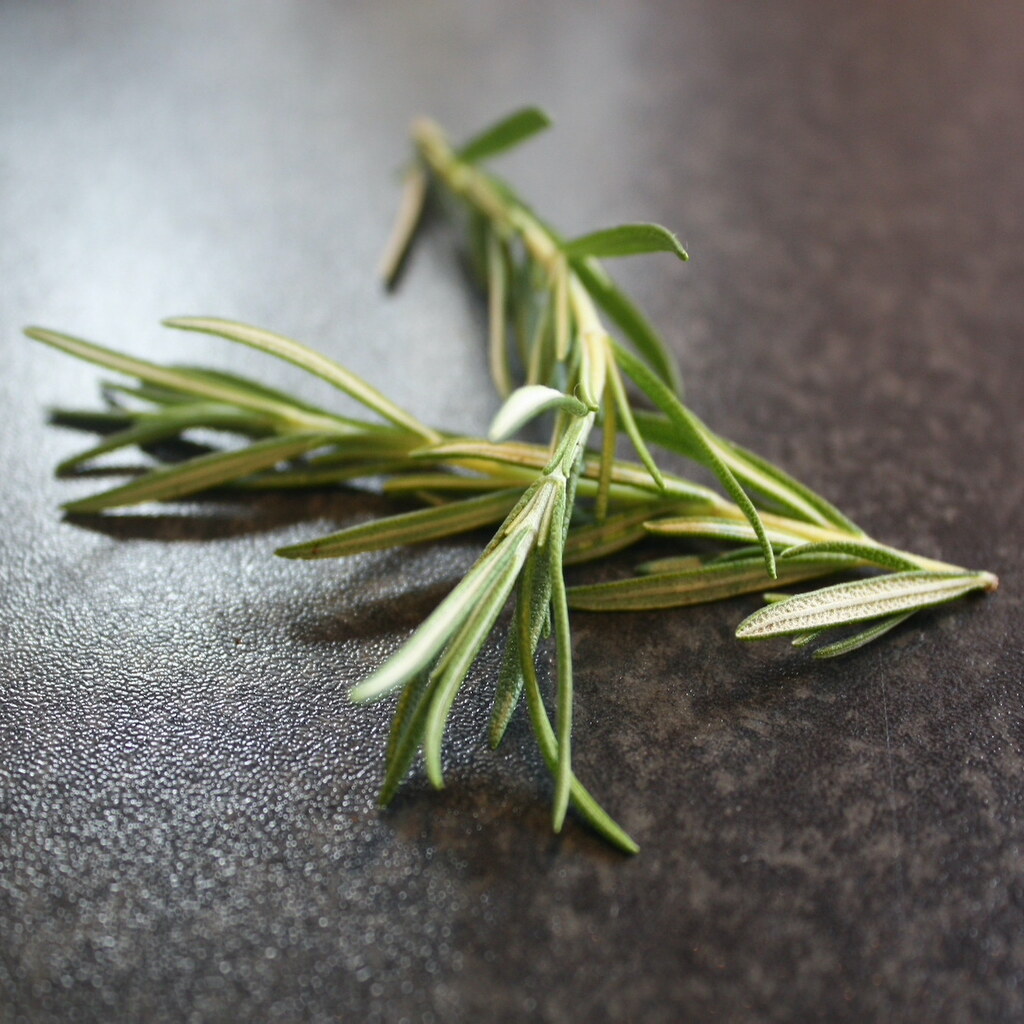
A sprig is a small part of a plant, with some leaves, flowers or both attached.
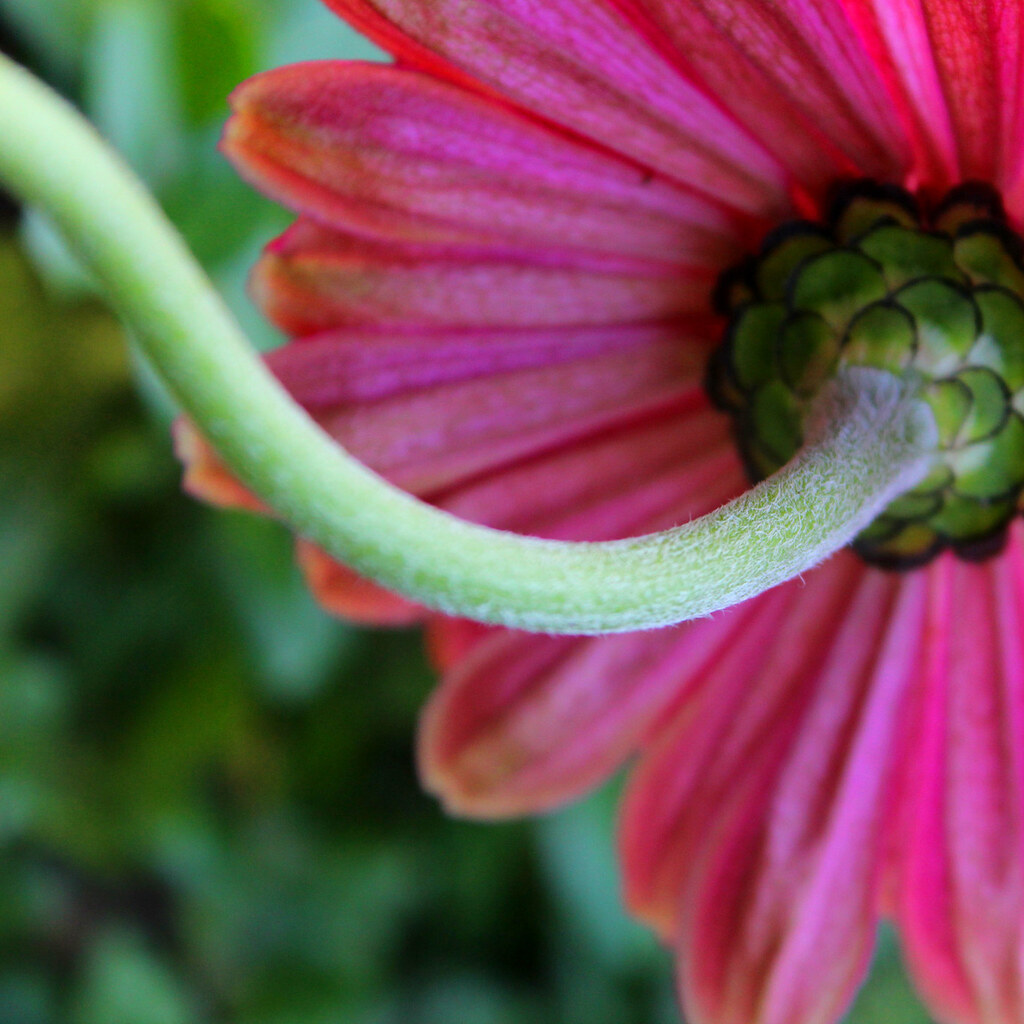
A stalk is a very thin branch, usually holding up flowers.

Another word for stalk is stem.

S is for Stamen

A stamen is the part of a flower that makes pollen. They are usually in the center of the flower, and have stalks called filaments with the pollen produced on anthers at the top of the stalks.

S is for Stem

A stem is the part of the plant that holds up the leaves and flowers. Stems on some kinds of plant continue to get bigger and bigger, and eventually turn into branches.
Another word for stem is stalk.

S is for Stigma

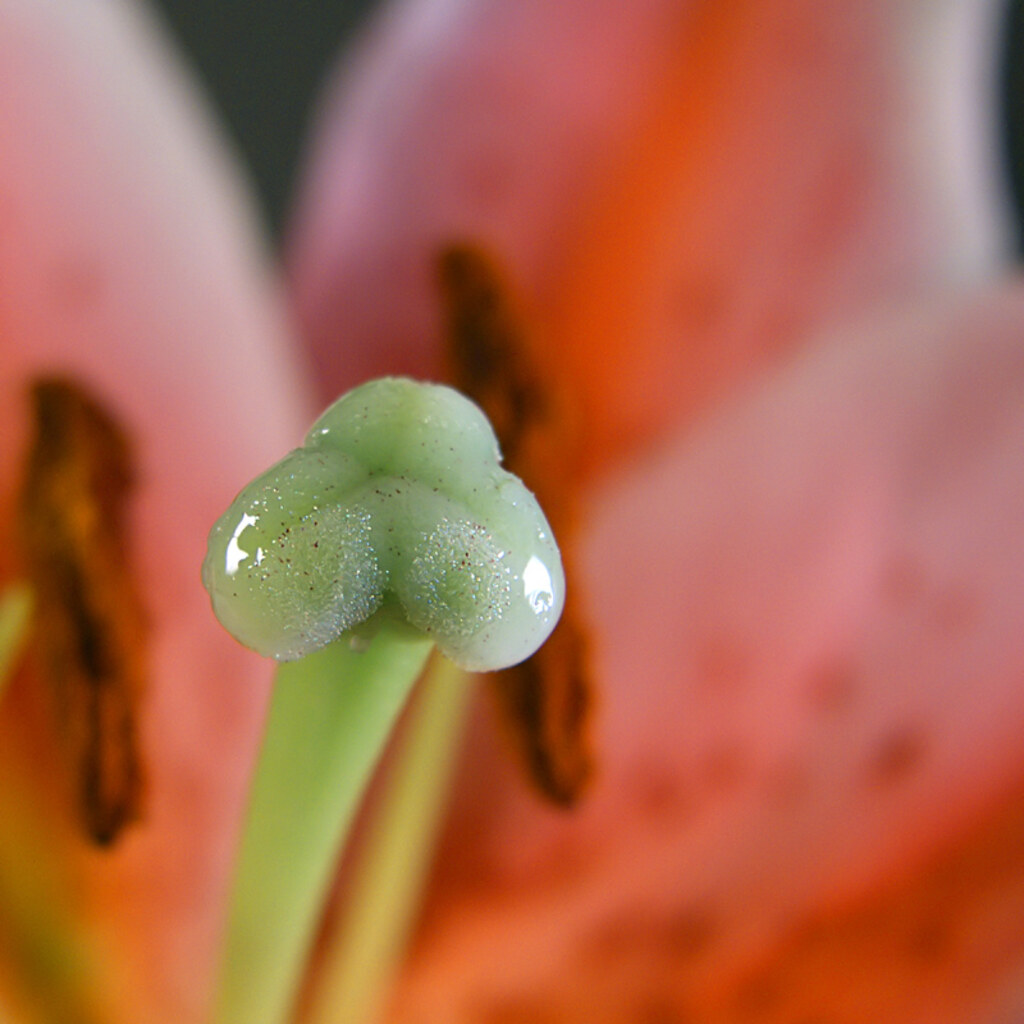
The stigma is the receptive female part of a flower. When pollen is brushed off onto it by visiting birds or insects, the flower will develop seeds.

S is for Stump

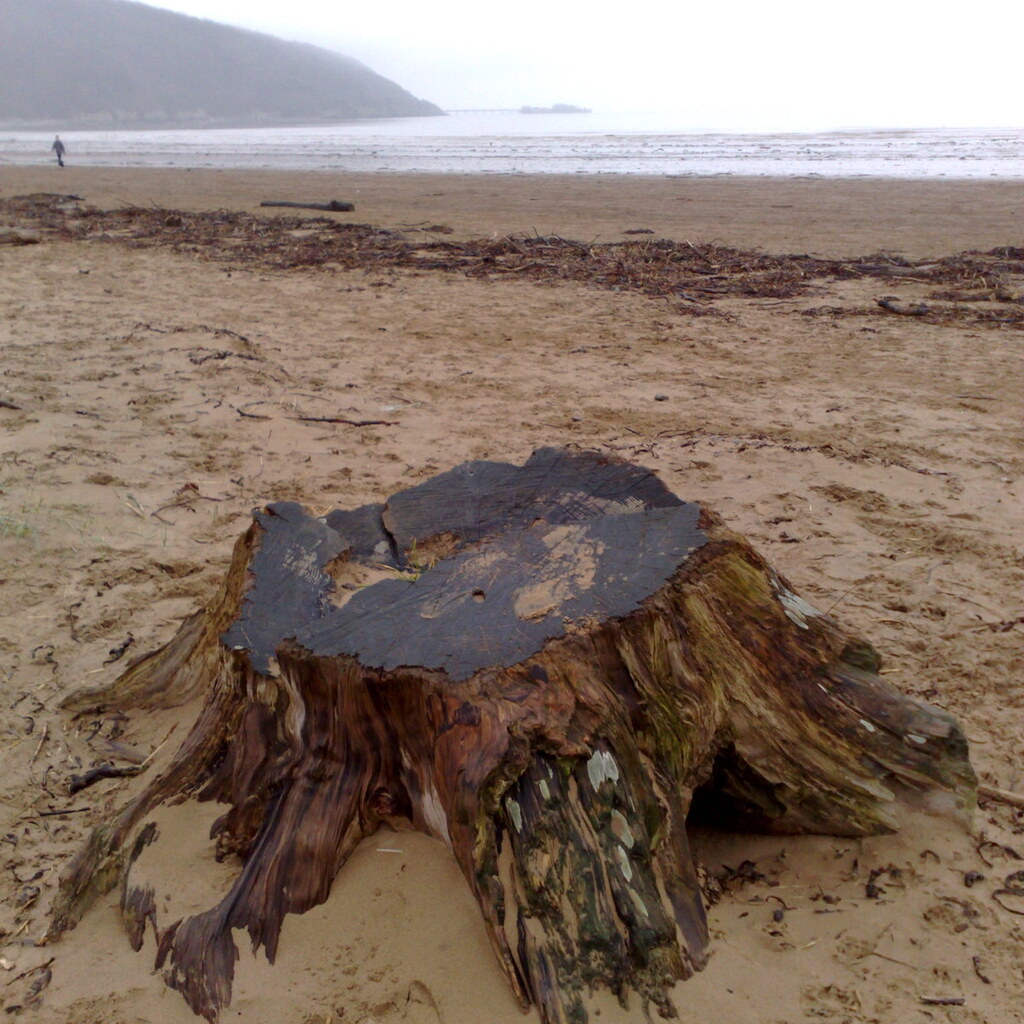
A stump is the remains of a tree after it has been cut down. Stumps are usually firmly stuck in the ground by the roots of the tree.

T is for Tendril

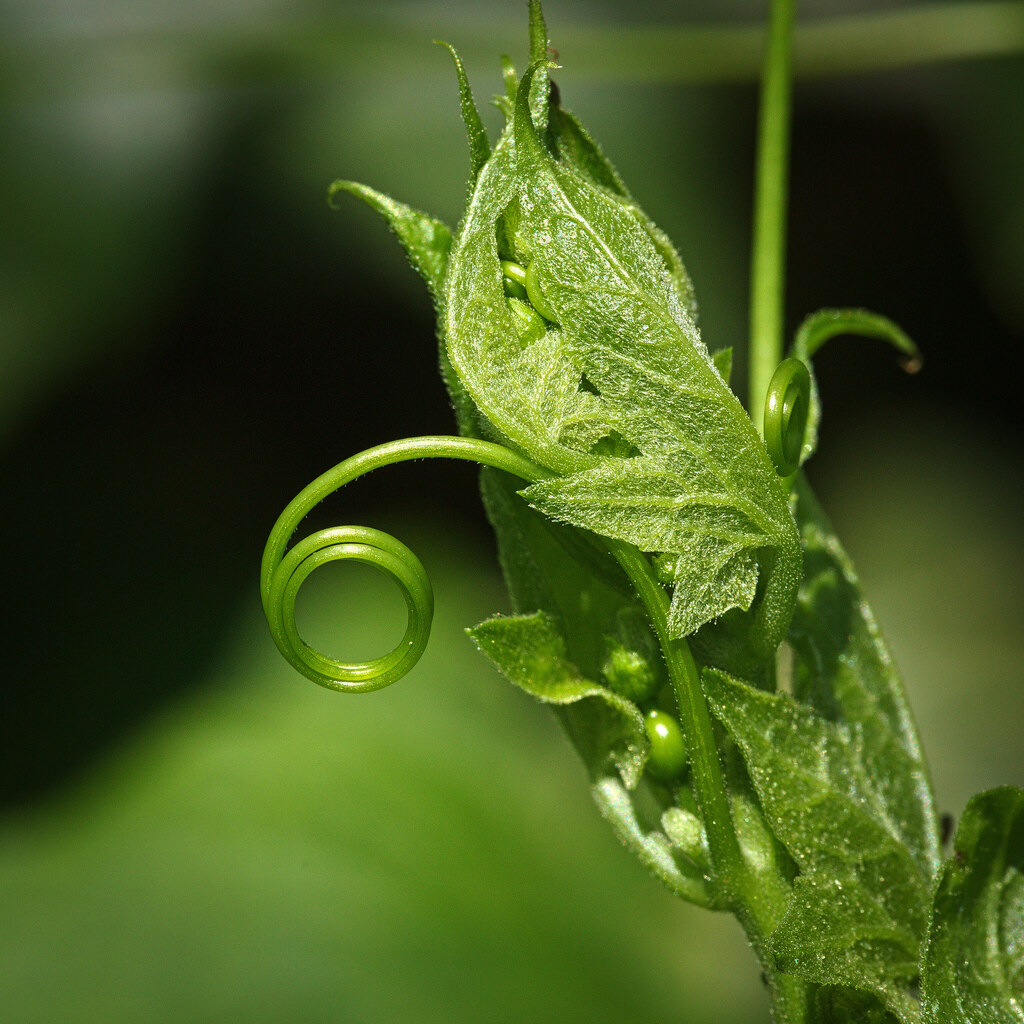
A tendril is a part of a plant that has no leaves. Tendrils grow at the tip of the new growth on a plant, in a spiral shape. Tendrils wrap around anything they encounter, and become supports for the growing plant.

T is for Thorn

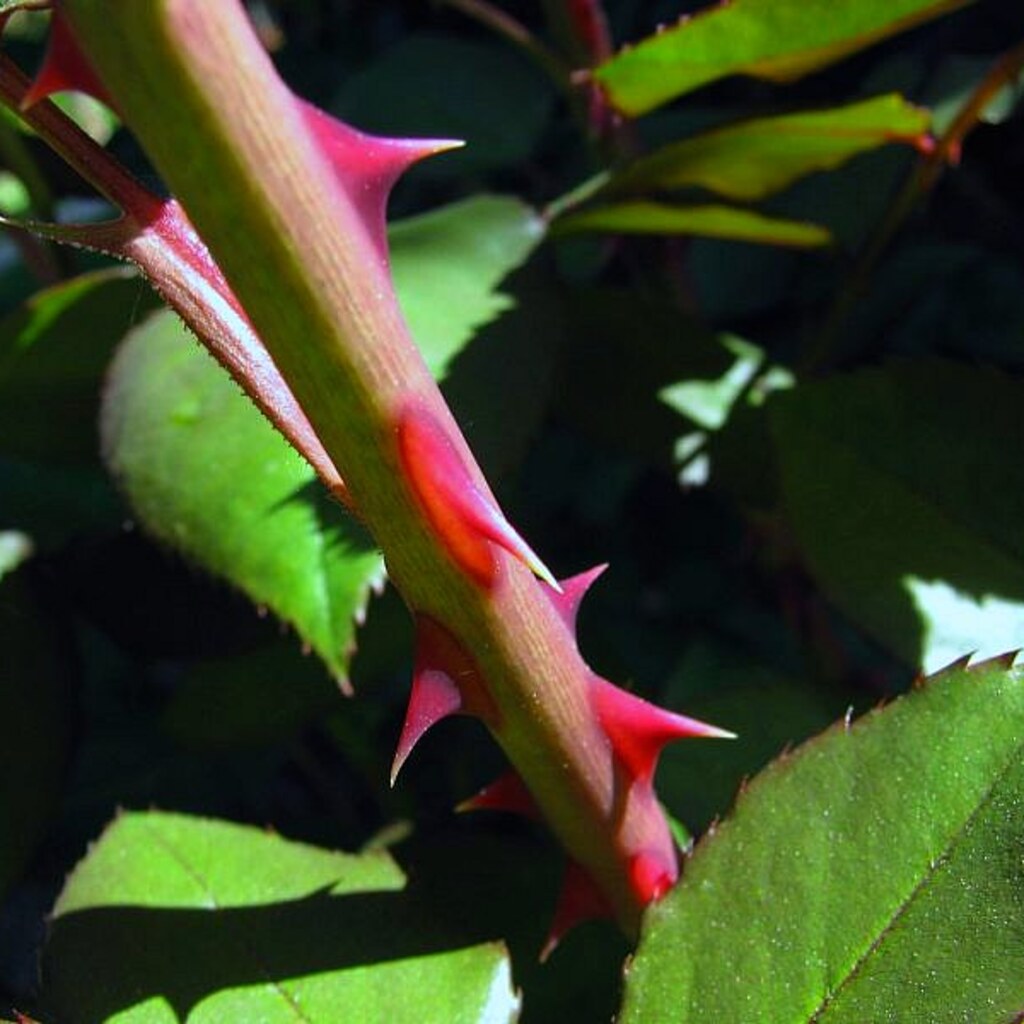
Thorns grow on many plants to protect them from animals that want to eat them. Thorns are very sharp and are often hooked so they catch onto your skin and clothes. The thorns in the picture are on a rose bush. Thorny plants are often referred to as briar or brambles.