up to Themes

Spikey

Things that are sharp and prickly.

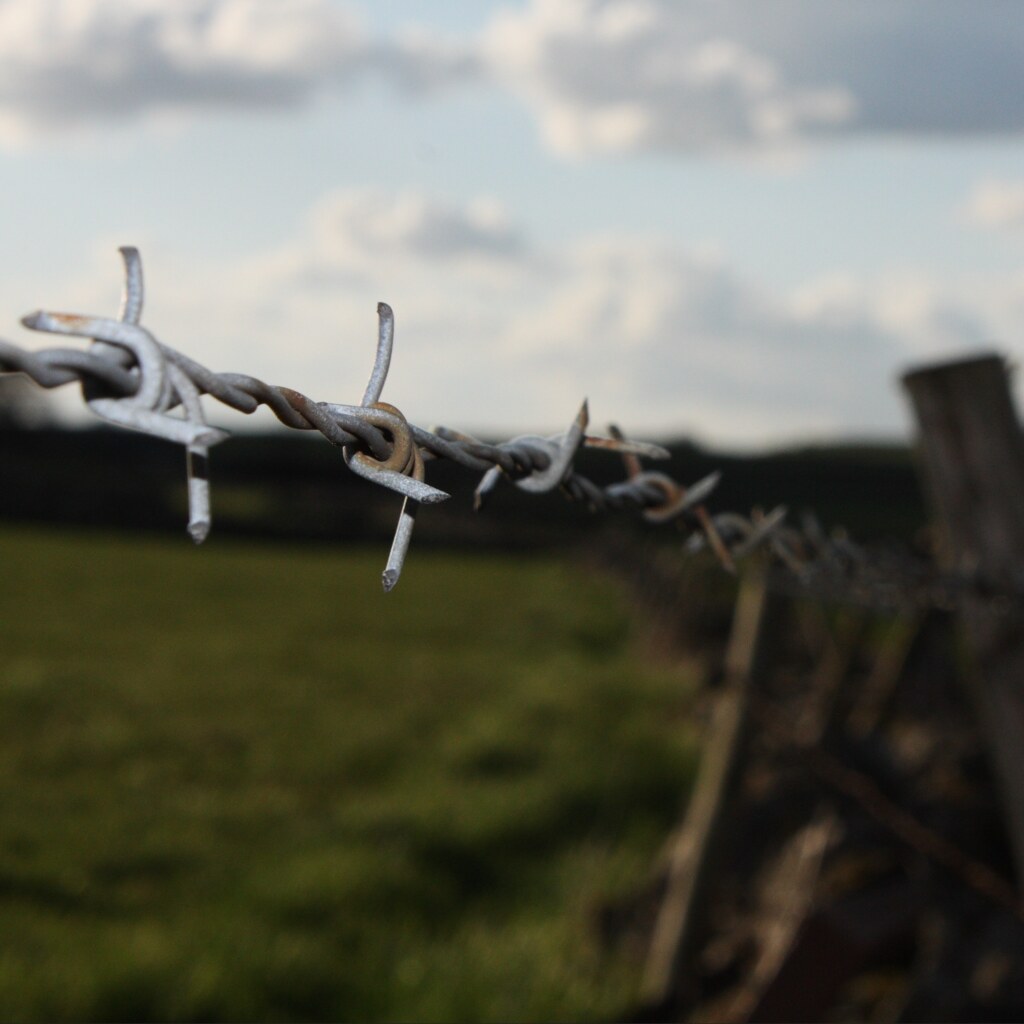
Barbed wire, or barb wire, is a type of wire usually used for fencing that has twists of sharp wire along its length. Barbed wire is most often used on fences that keep livestock like cows and sheep from escaping. The sharp barbs on the wire will hurt anything that tries to climb over it.
Barbed wire is not just used to keep animals in or out. Barbed wire was used extensively during war time to protect soldiers, and is also used around prisons to keep the prisoners in.

Bouganvilleas are woody, climbing vines covered in thorns. They have spectacular flowers in shades of purple. Bouganvilleas are native to south America. They do not tolerate frost.
What looks like their flowers are not actually flowers, but colored leaves, with the true flower being the small structure in the center.
Cis forCaltrop

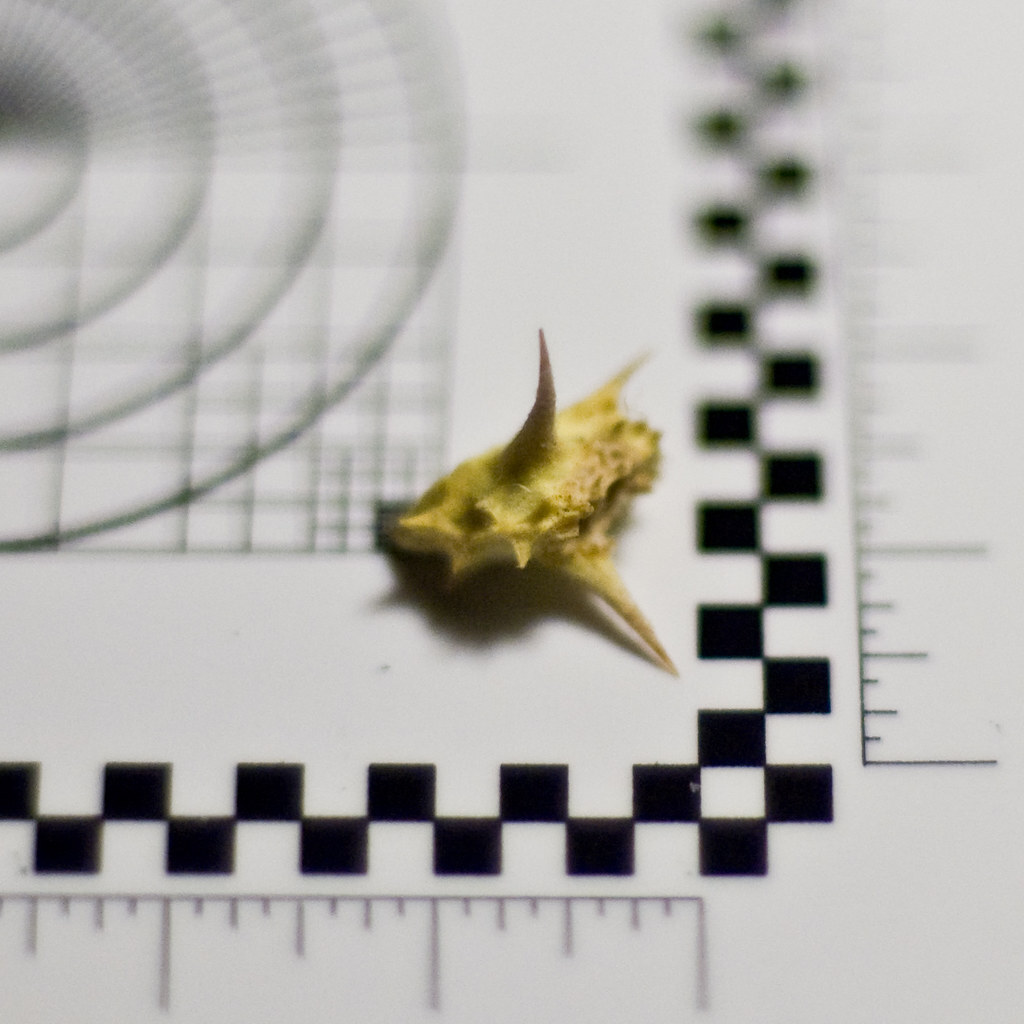
A caltrop is common name given to some (unrelated) plants that have seed heads with 4 or more sharp spikes, arranged so that one of them is always pointing upwards. The seed heads are very painful to step on.
Metal devices of the same name and design can be thrown onto roads in front of cars to burst their tires.
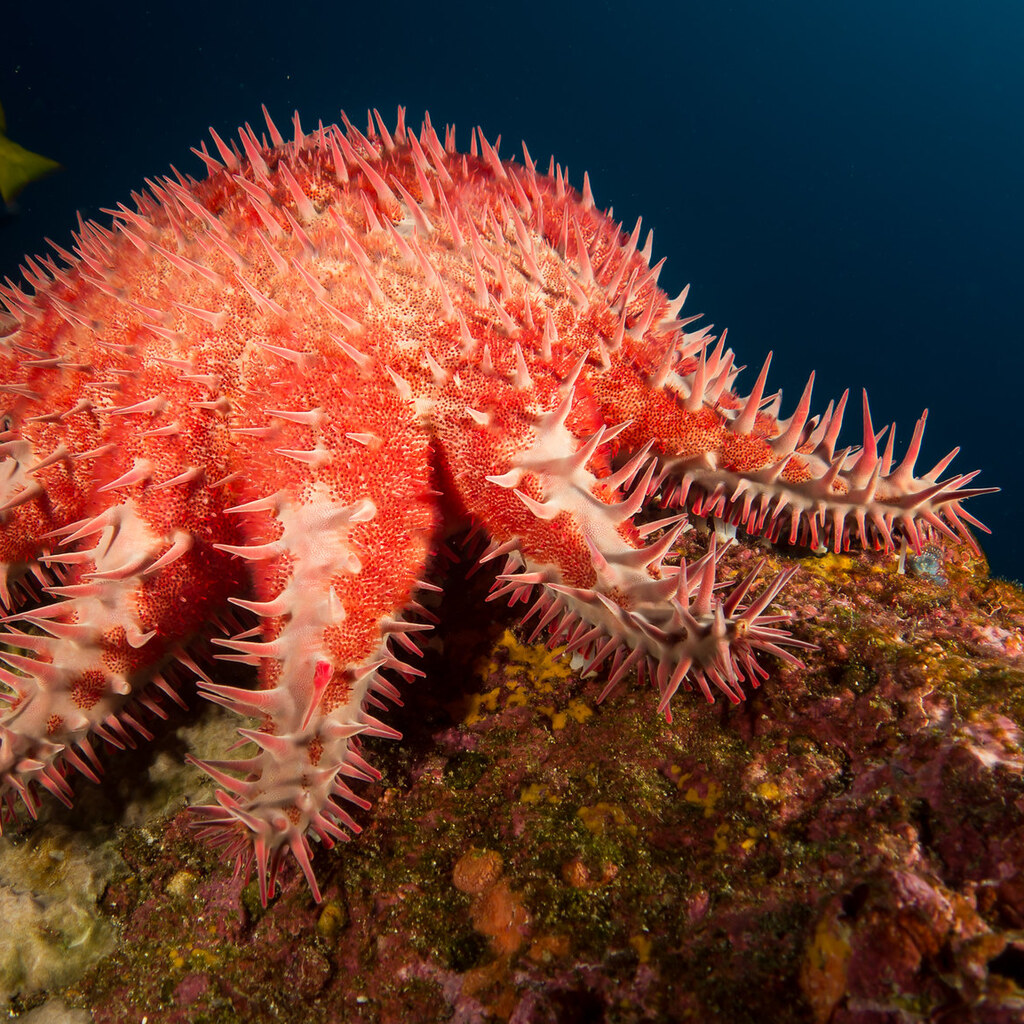
The crown of thorns starfish is a kind of sea star. It has spiky arms that look like a crown. It lives on coral reefs, where it eats the coral. This can cause a lot of damage to reefs when many starfish appear. You can find it in warm seas, especially around the Pacific and Indian Oceans.

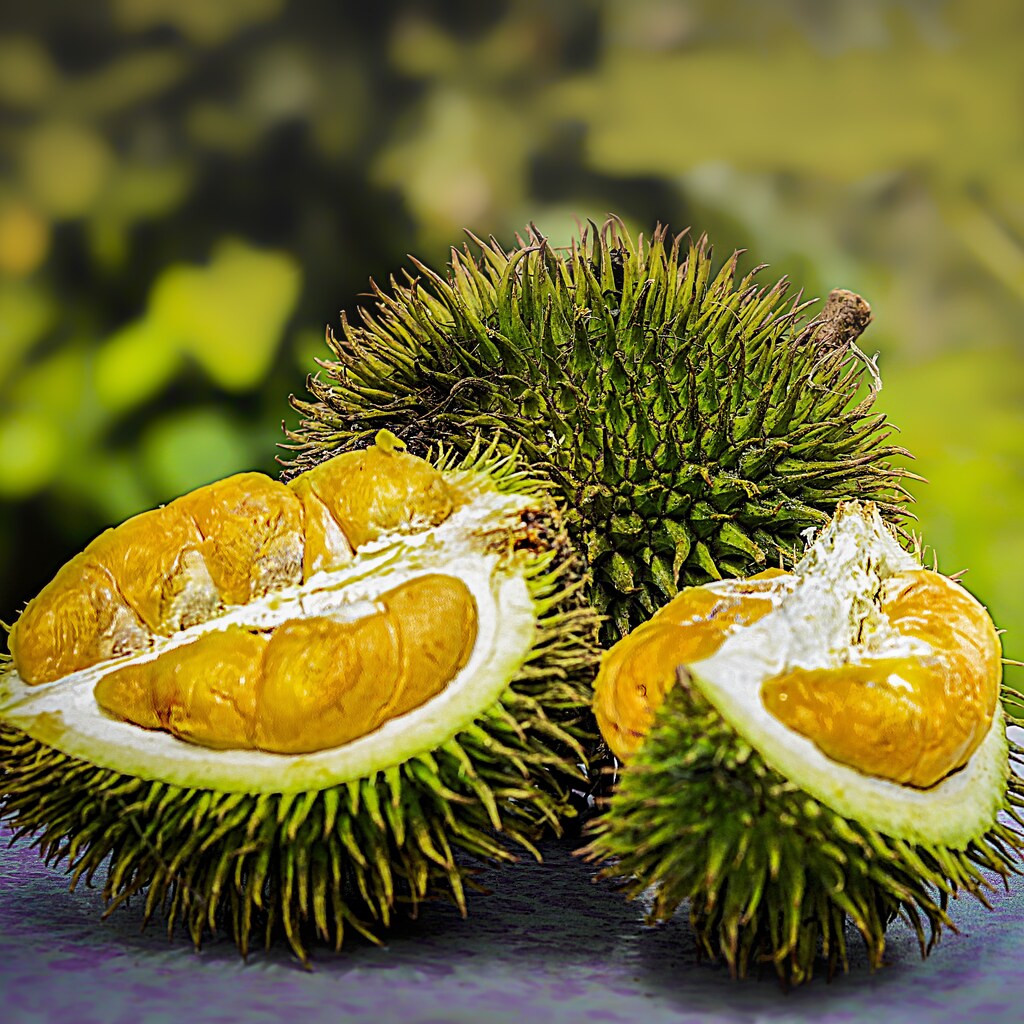
Dis forDurian

Durians are a large, heavy, prickly fruit from Malaysia and Indonesia. They have a very strong smell that some people find disgusting and other people really like. The taste is described as like custard with almonds.
Durians are used in many dishes in Malaysia, especially sweet desserts.
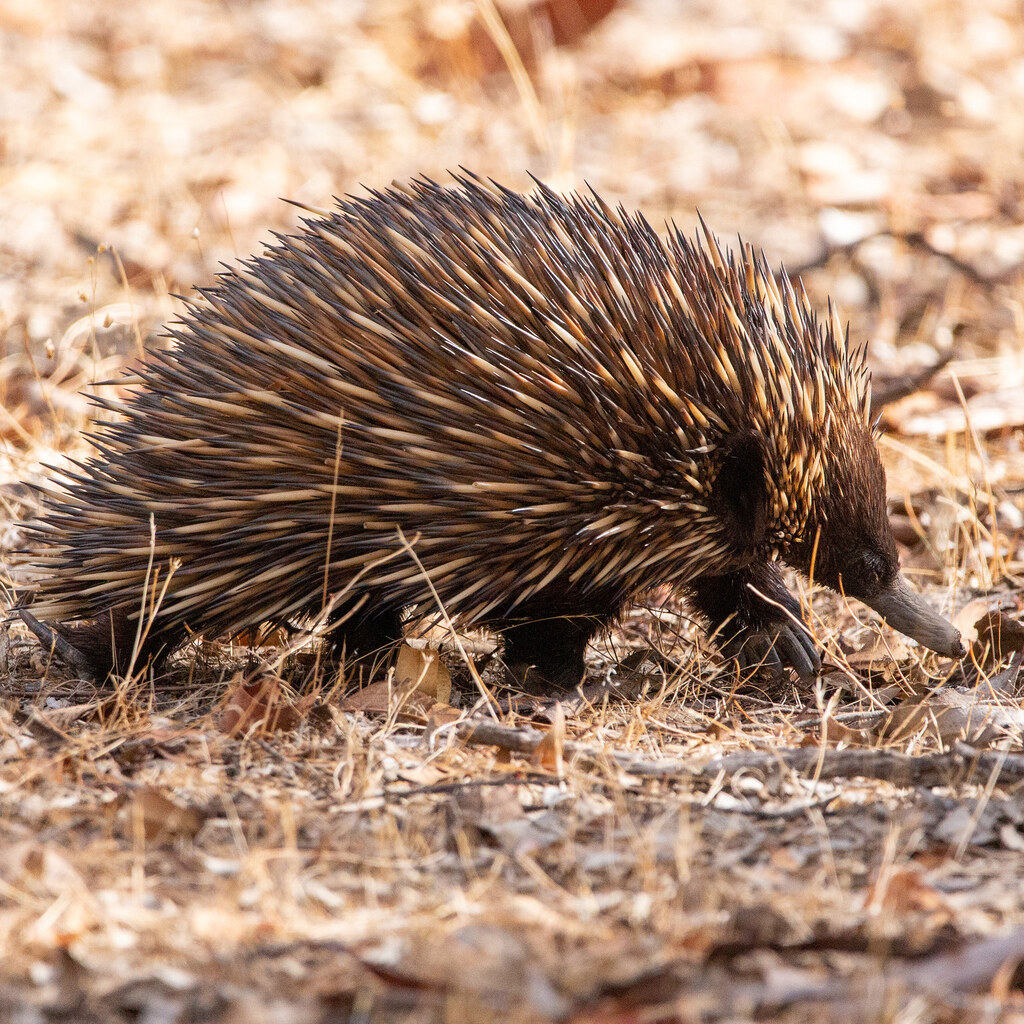
Eis forEchidna

An echidna, or spiney anteater, is a small, spiney animal found in Australia and New Guinea. They eat mostly ants and termites.
Along with the platypus, echidnas are the only animals that lay eggs.
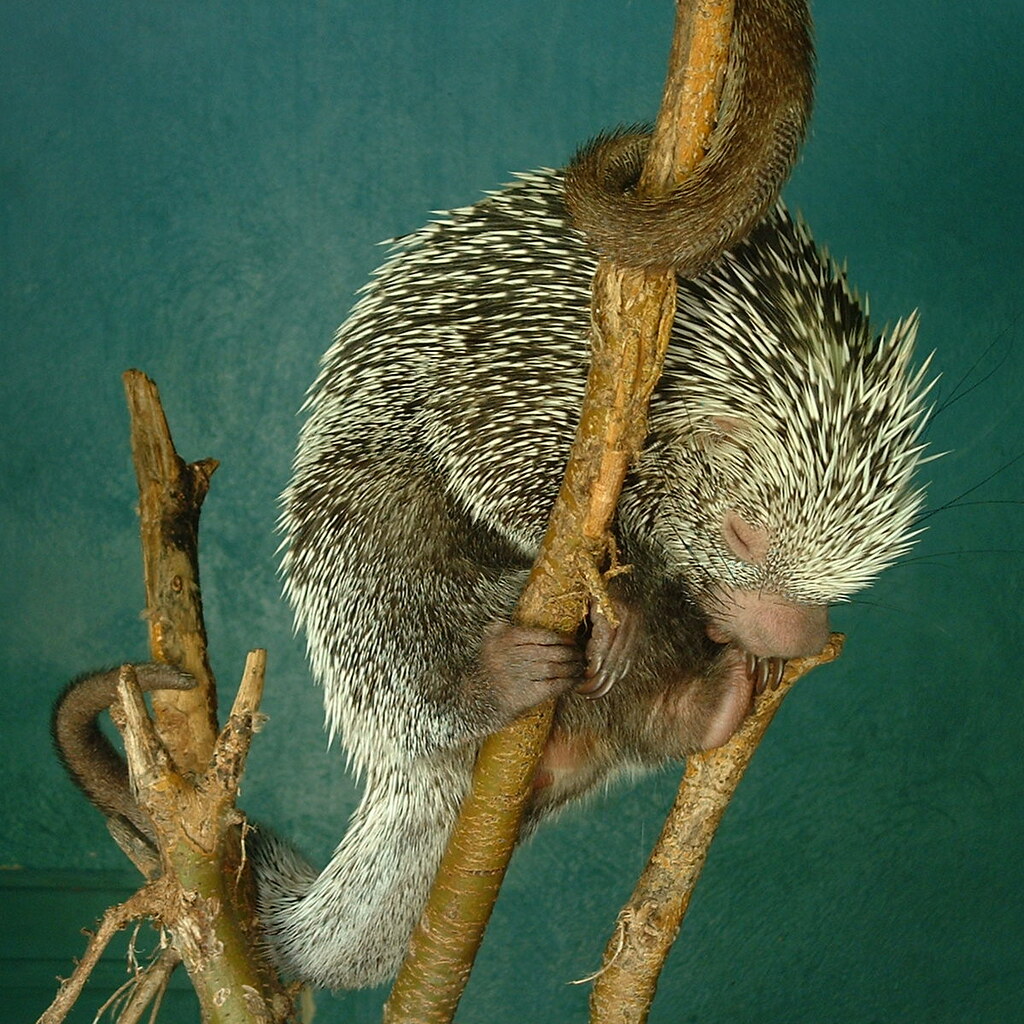
Porcupines are a large rodent related to the beaver. They are spiny like hedgehogs and echidnas but are not related to either of them.
Porcupines come in many shapes and sizes, but all have sharp quills. Porcupines can lose their quills, so if something bites a porcupine they get a mouthful of spikes.
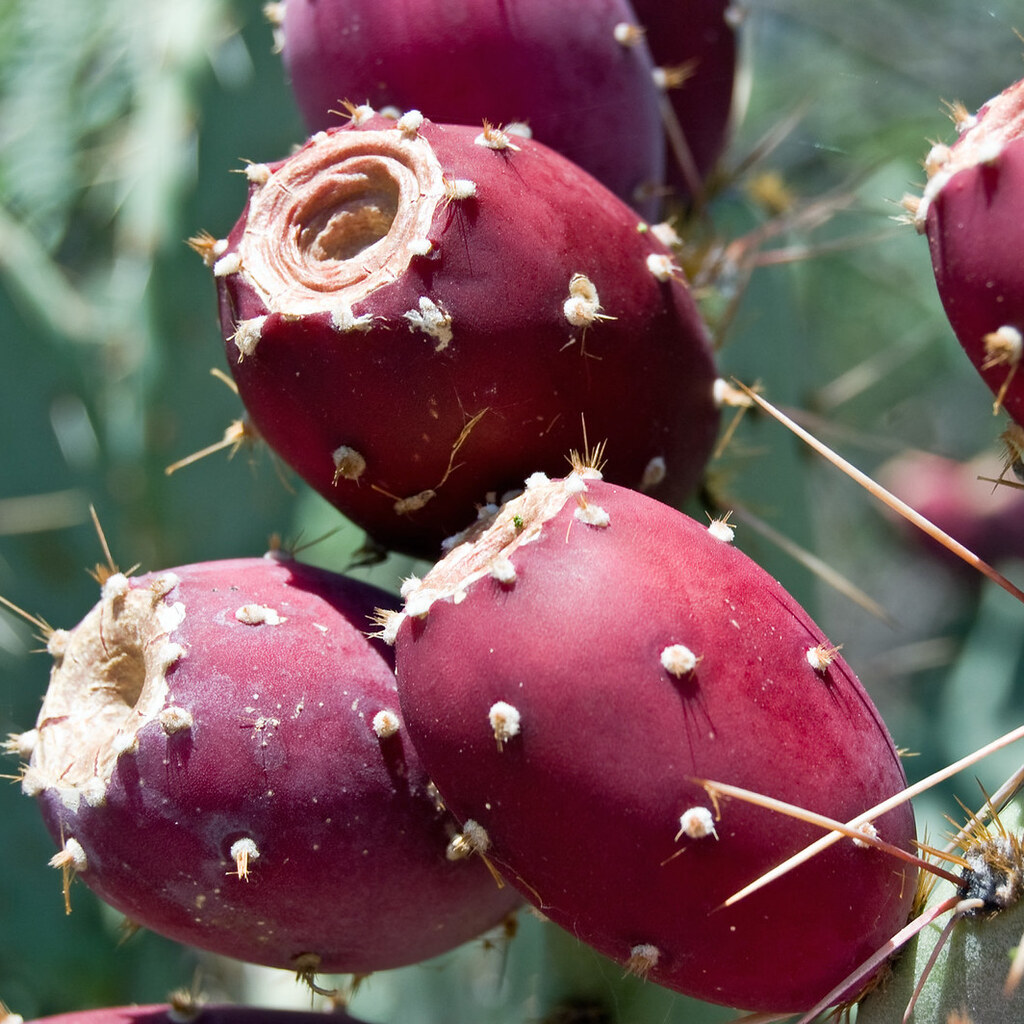
The prickly pear is a kind of cactus. When you eat the fruit of the cactus, you have to be very careful to remove the thorns from the fruit. The entire cactus including the fruit is covered in thorns.
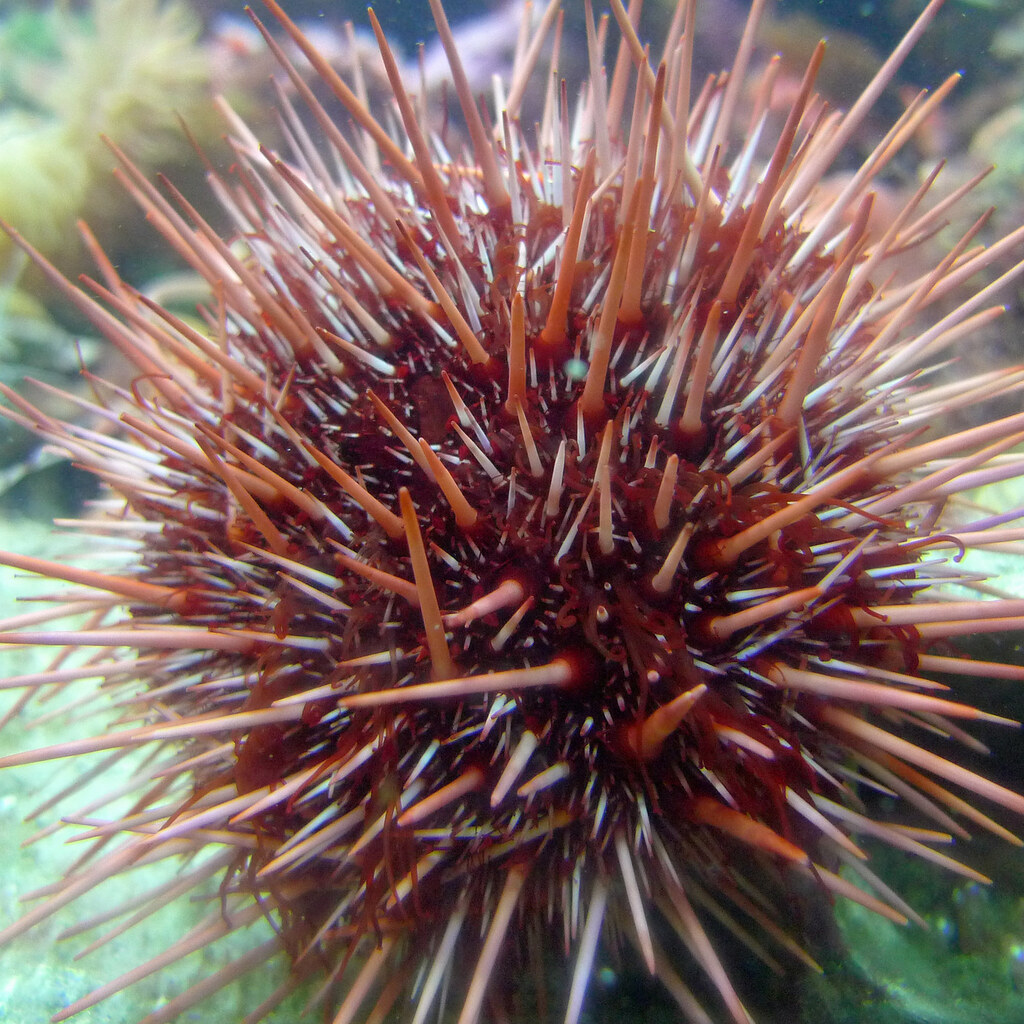
Sea urchins are a small, round, spiny creature related to the starfish. They move very slowly on hundreds of small tentacle-like legs that use suction to stick to rocks. Their mouth is at the bottom of the sea urchin, and they eat algae as they move around.
Different kinds of sea urchin have different colours and different lengths of spines. The spines are hinged and can move around. Sea urchin shells don't have spines and look very different to a live sea urchin.
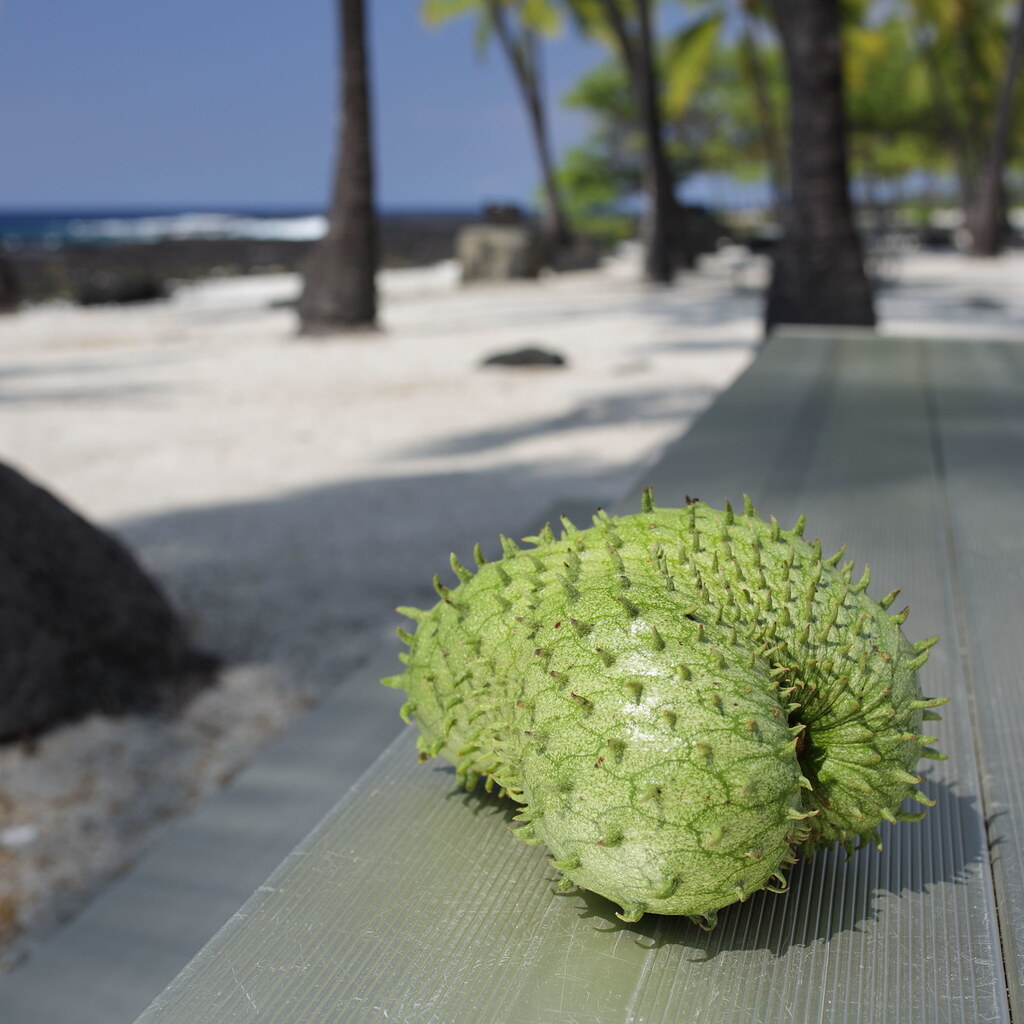
Sis forSoursop

Soursop is a tropical found in warm places like South and Central America and South Asia. It is also called graviola. The fruit is oval and has green, bumpy skin, with soft white or pale yellow flesh inside.
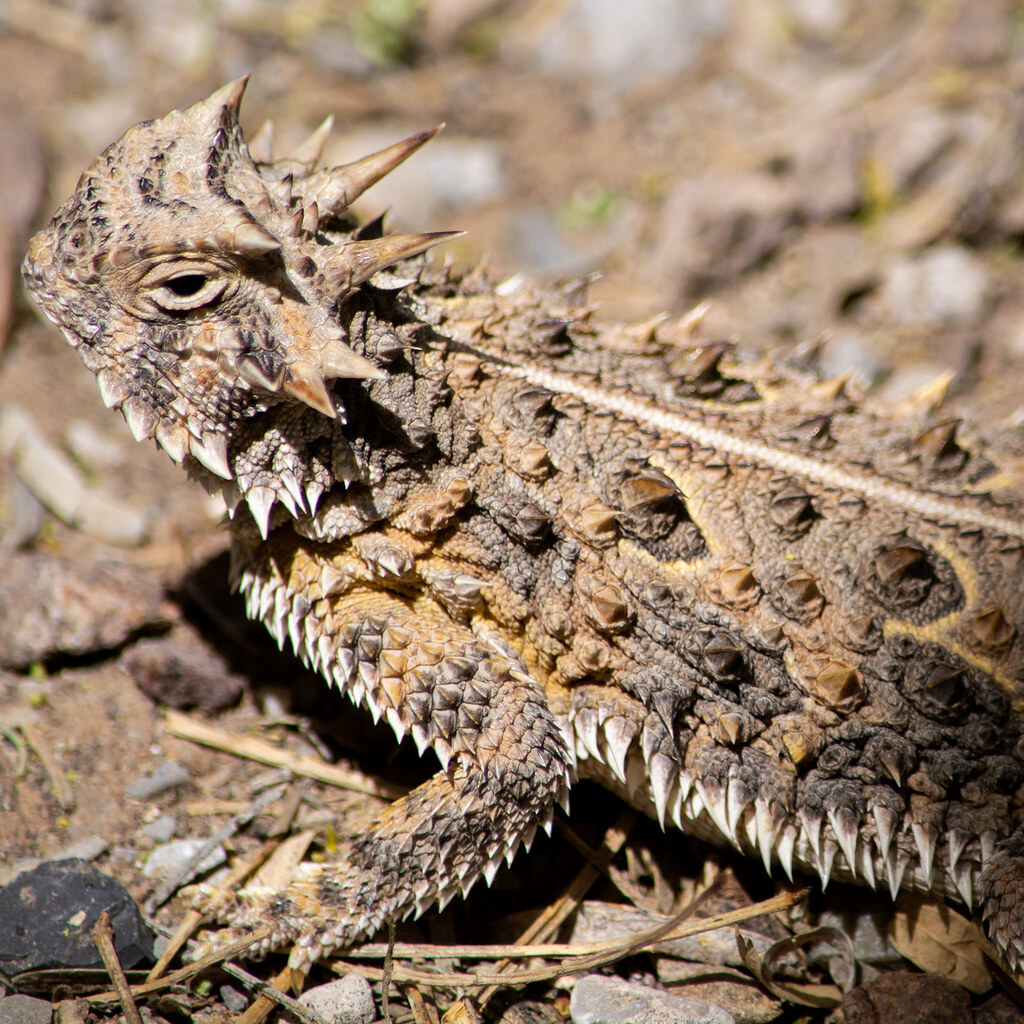
The Texas horned lizard is a type of small lizard found in Texas and nearby areas. It is also called a horny lizard because it has rough, pointy scales.

It lives in desert areas. Its strong, spiky body helps protect it, and it eats insects.
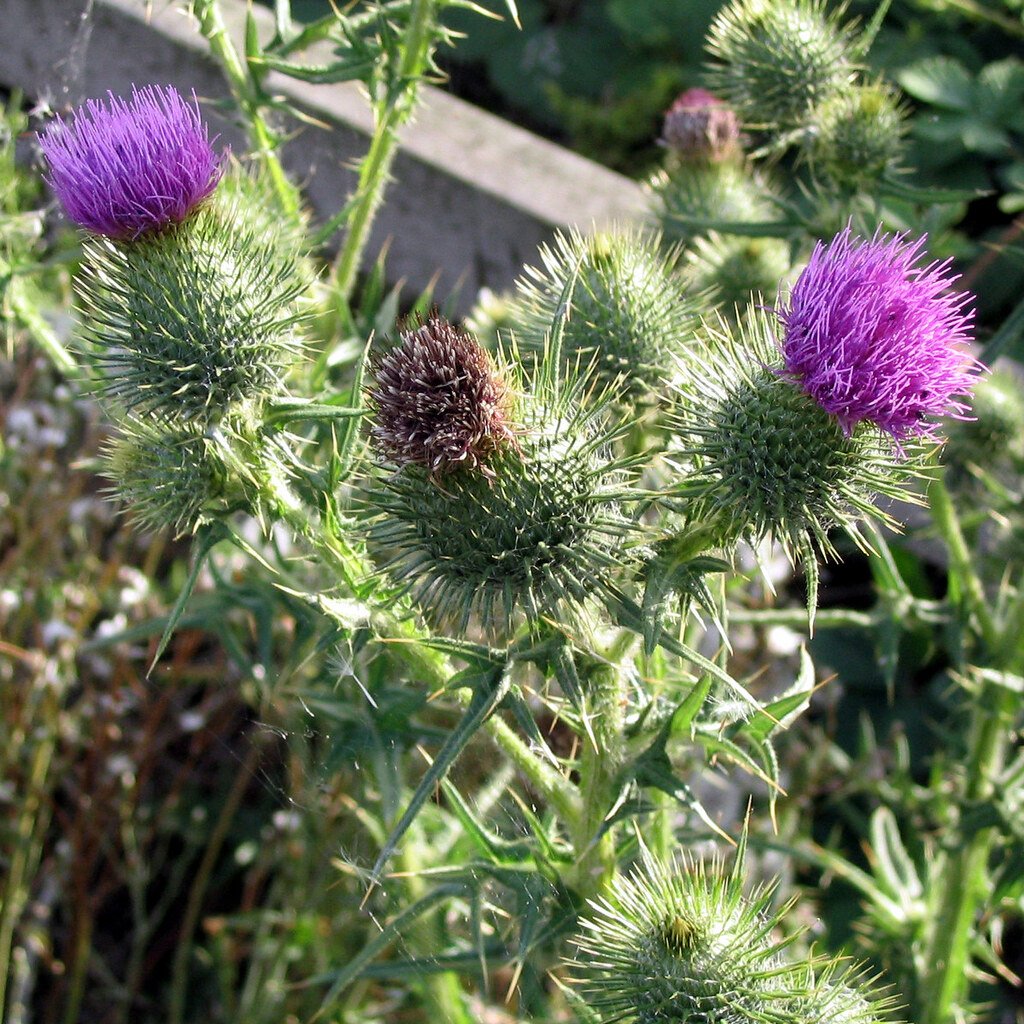
Tis forThistle

Thistles are any plants, usually weeds, that have thorny leaves. Thistles often have thorns all over them, on the stems and flowers too.
The thistle in the picture is the national flower of Scotland, scientific name onopordum acanthium.

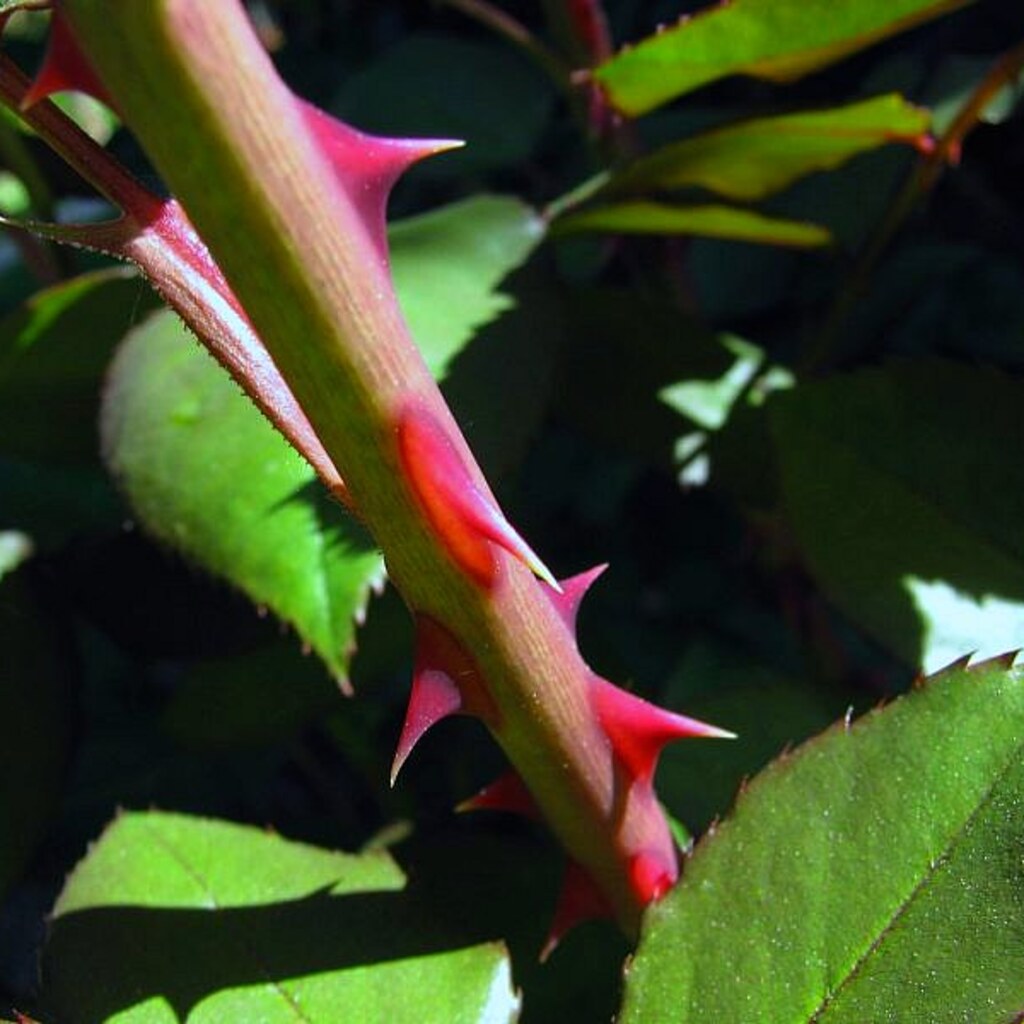
Tis forThorn

Thorns grow on many plants to protect them from animals that want to eat them. Thorns are very sharp and are often hooked so they catch onto your skin and clothes. The thorns in the picture are on a rose bush. Thorny plants are often referred to as briar or brambles.
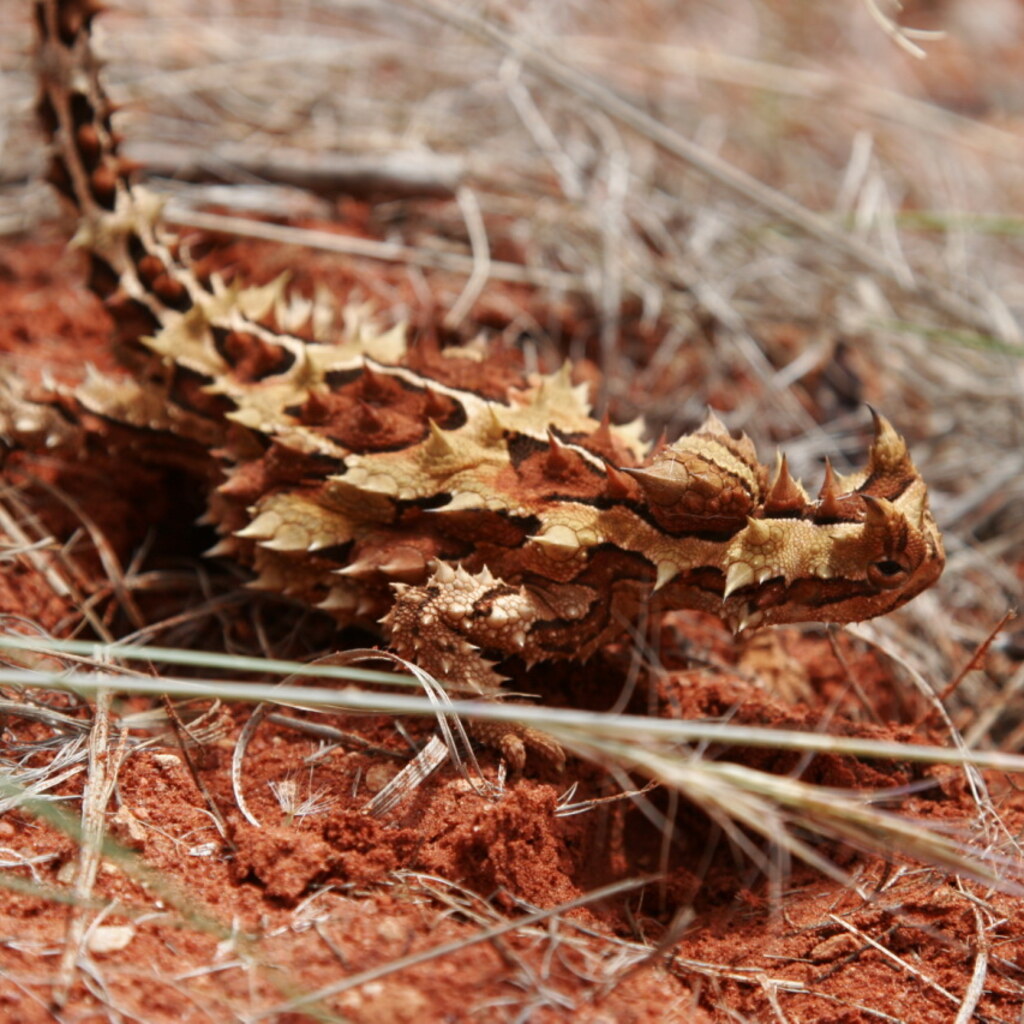
Thorny devils, also called the thorny dragon, are lizards that live in dry regions in Australia. They grow to around 8 inches long, and can live to 20 years. They eat ants. Their skin has channels in that funnel water to their mouths if they get damp, which allows them to drink morning dew.