List of structures

Large (and not so large) things that people or animals build to use, to live in, and to look at.

Showing 41-60 of 127

F is for Frame

A frame is a rigid structure that is built to go around the edge of something. Picture frames are a pretty way of surrounding a picture. Frames for a building are put in place to mark out where the walls and other structures go, and to support the structure as the spaces are filled in with bricks or other materials.
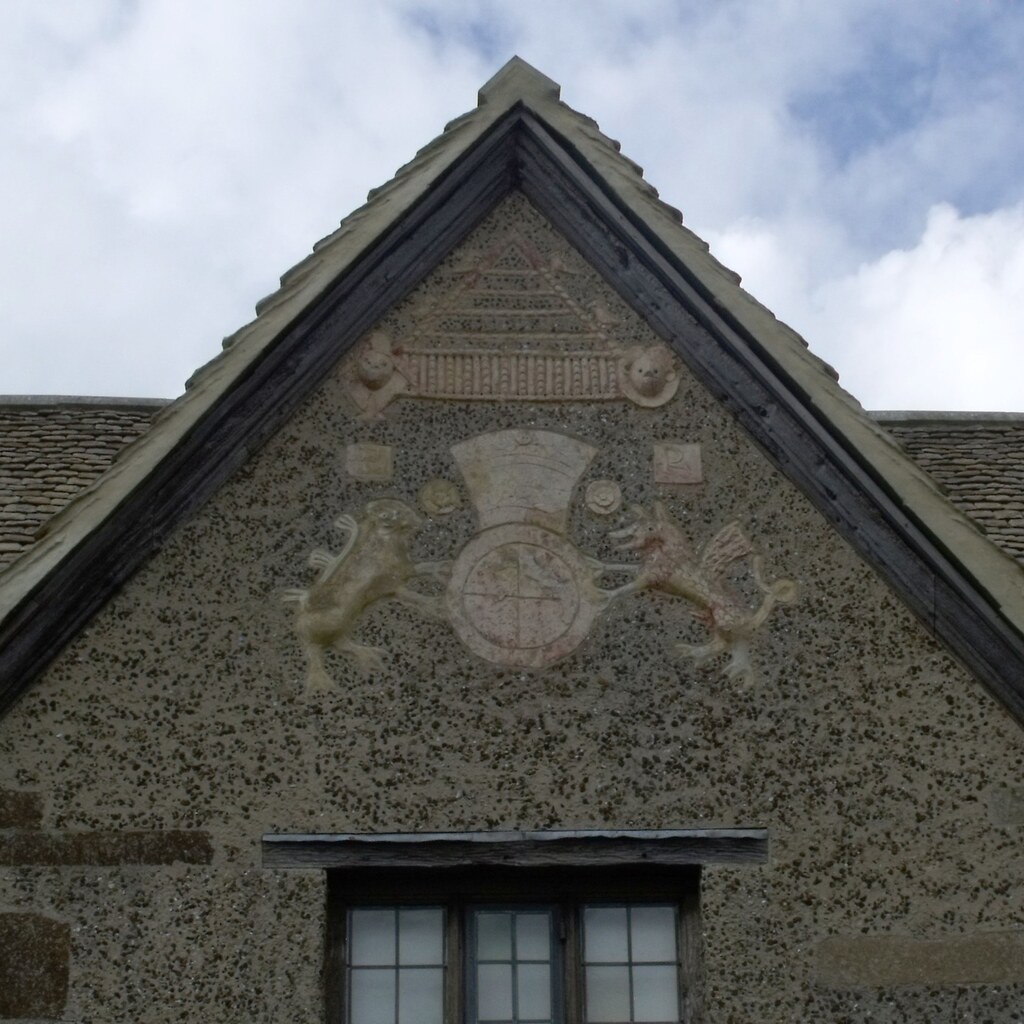
G is for Gable

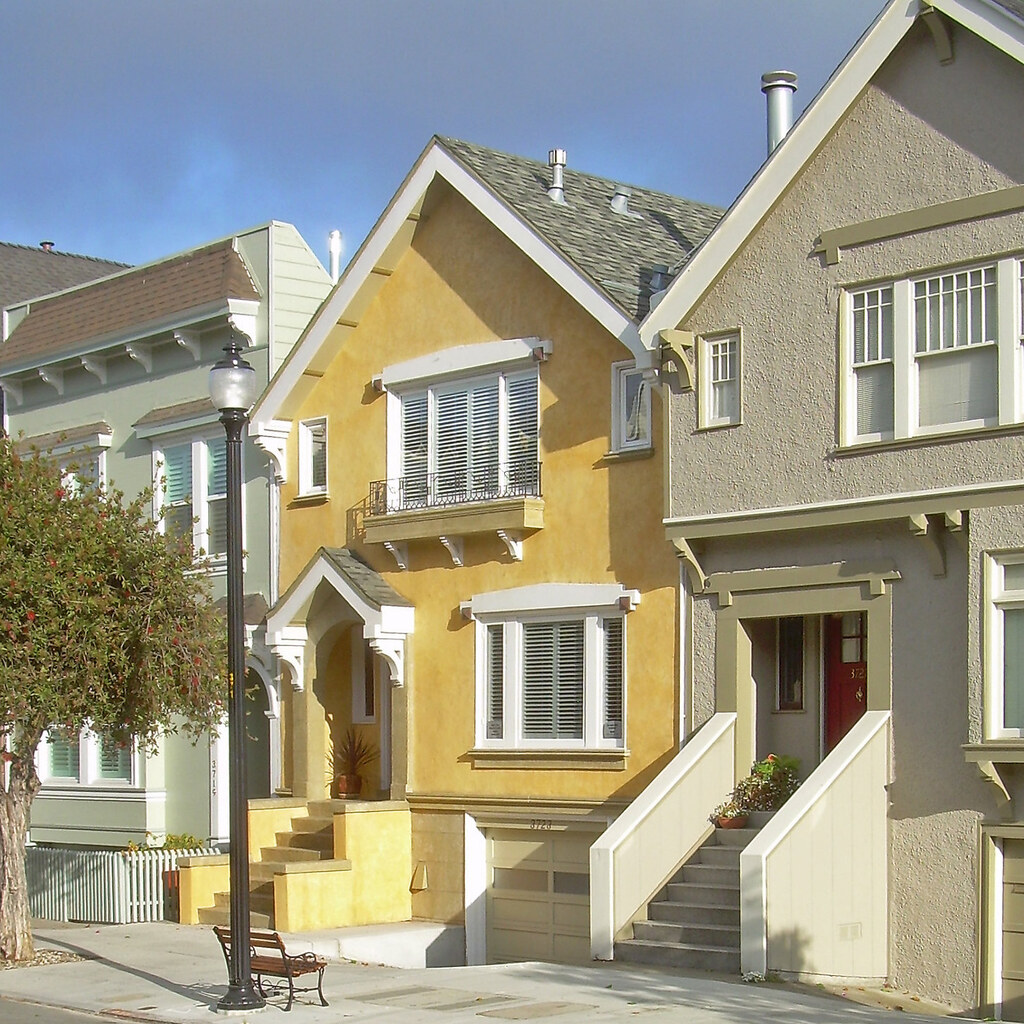
A gable is the vertical end of a roof that is made of two sloped surfaces that join at the top to form a pitched roof.

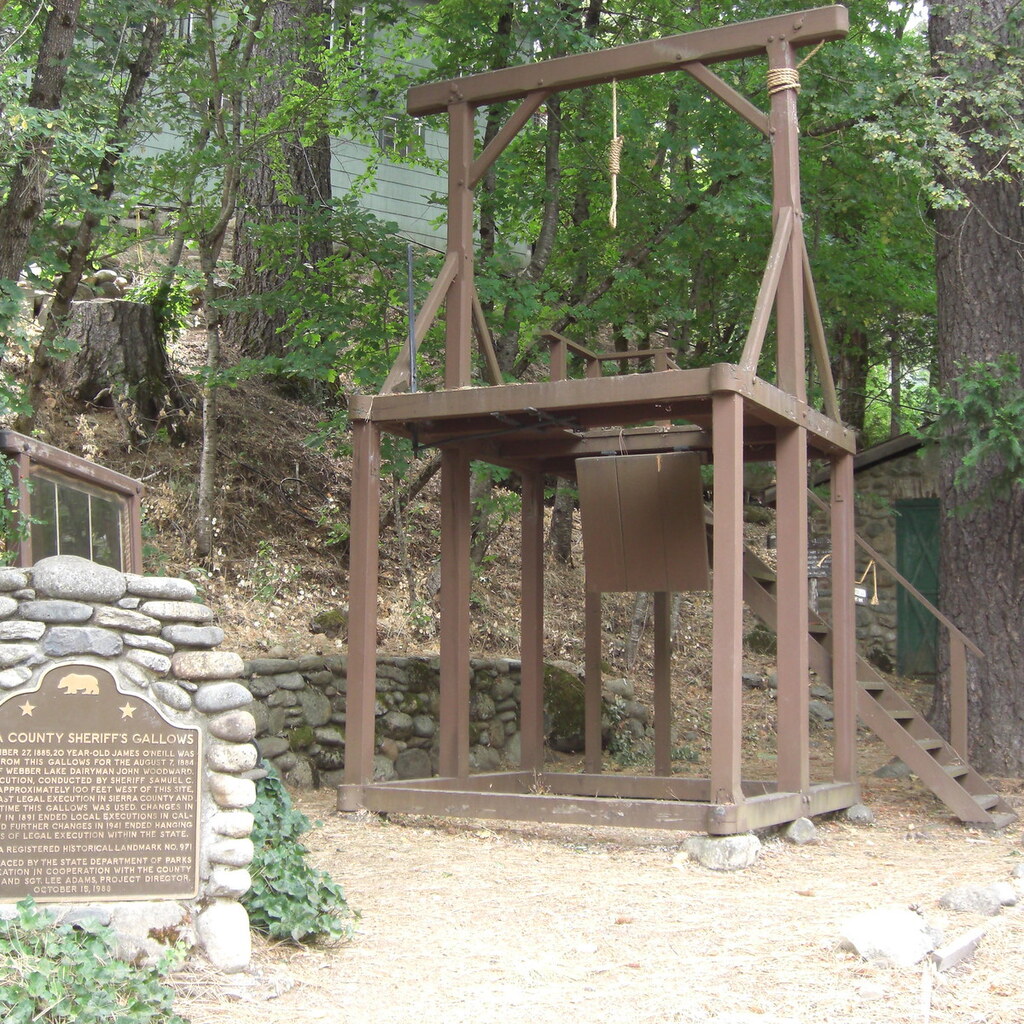
G is for Gallows

A gallows is a structure designed to cause death by hanging. It was typically used to execute criminals. Depending on how far the person being hanged is allowed to fall, death is caused by either strangulation on a short drop, or by having their neck broken on a long drop.
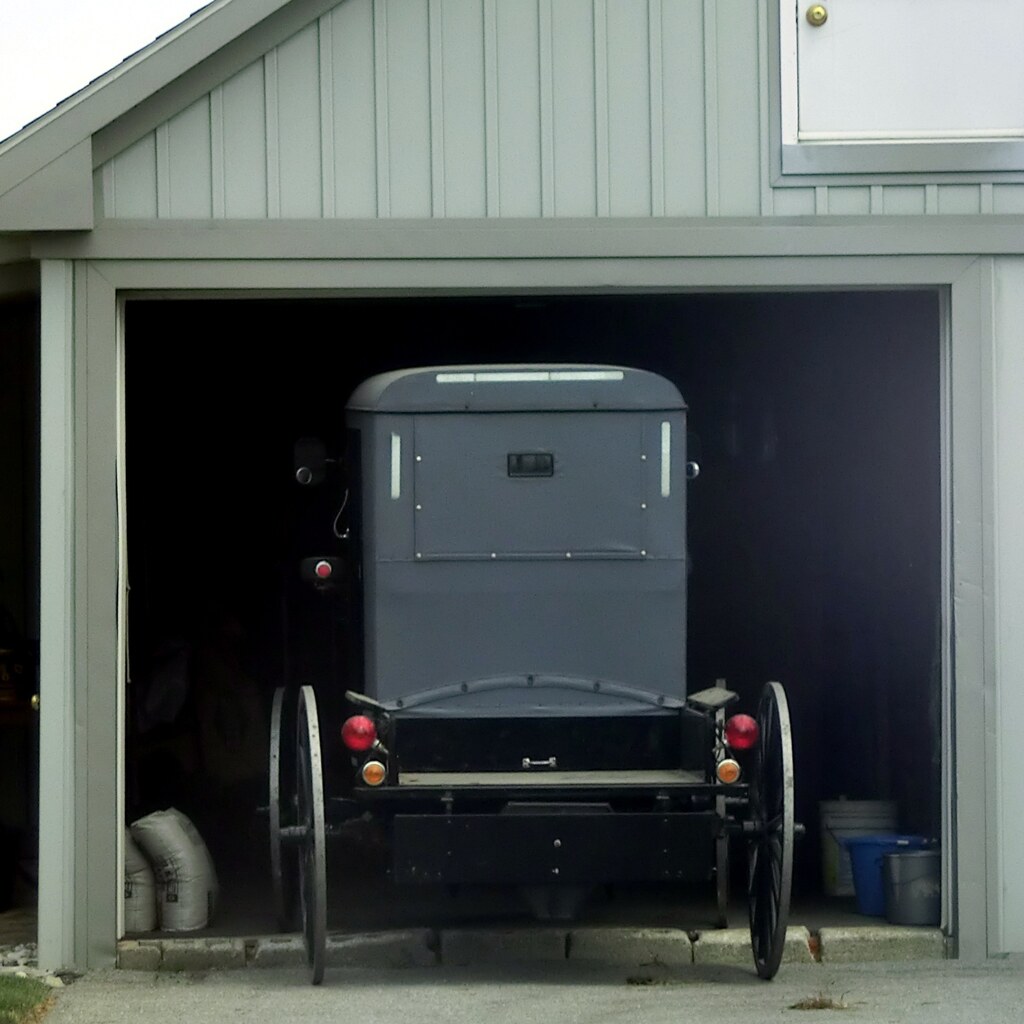
G is for Garage

A garage is a place where you park your car and bikes.
You can also store your toys, basket balls, garden tools, paint and anything else you have run out of room for in your house.

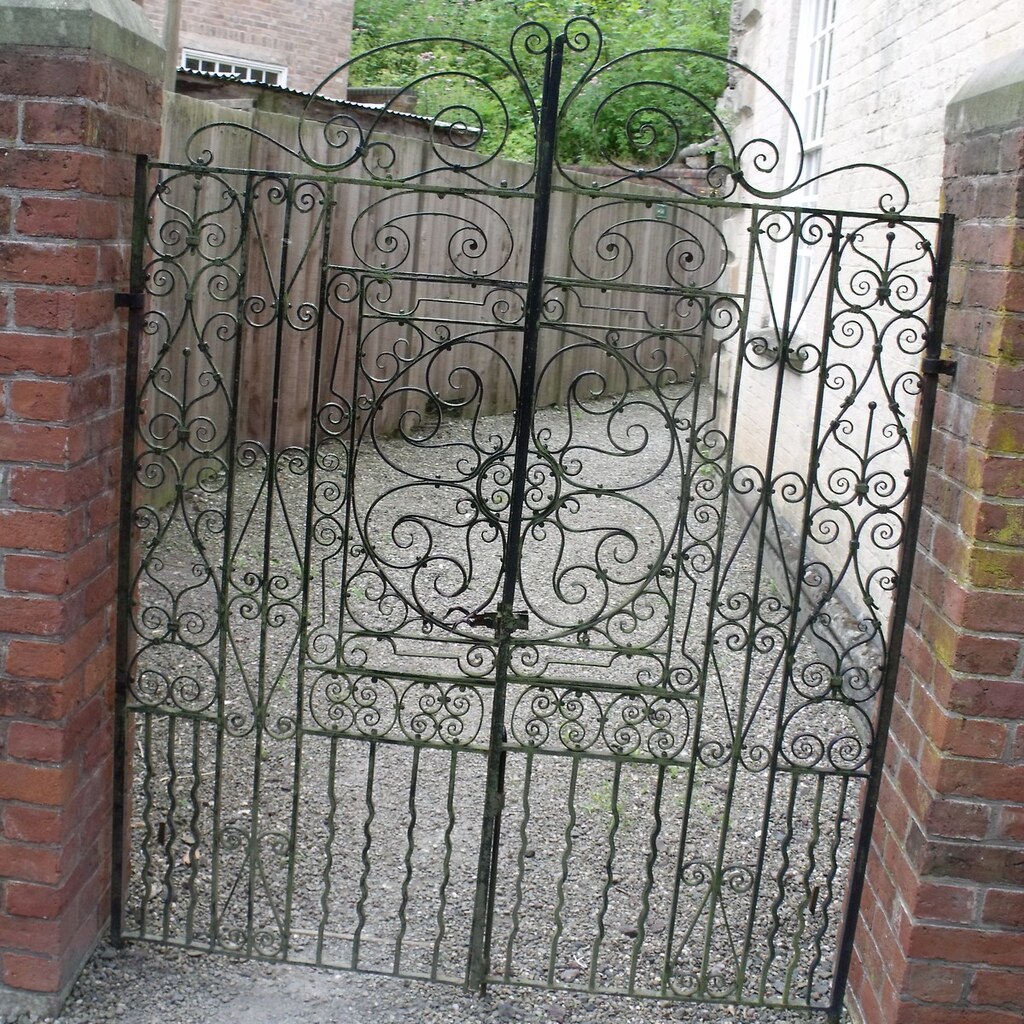
G is for Gate

A gate is a kind of outside door. You often see gates in fences on farms.

G is for Gazebo

A gazebo is an outdoor structure, usually octagonal in shape. Gazebos are usually built in parks and gardens. Some are only big enough for one or two people to sit in, others are big enough to be used as an outdoor stage.
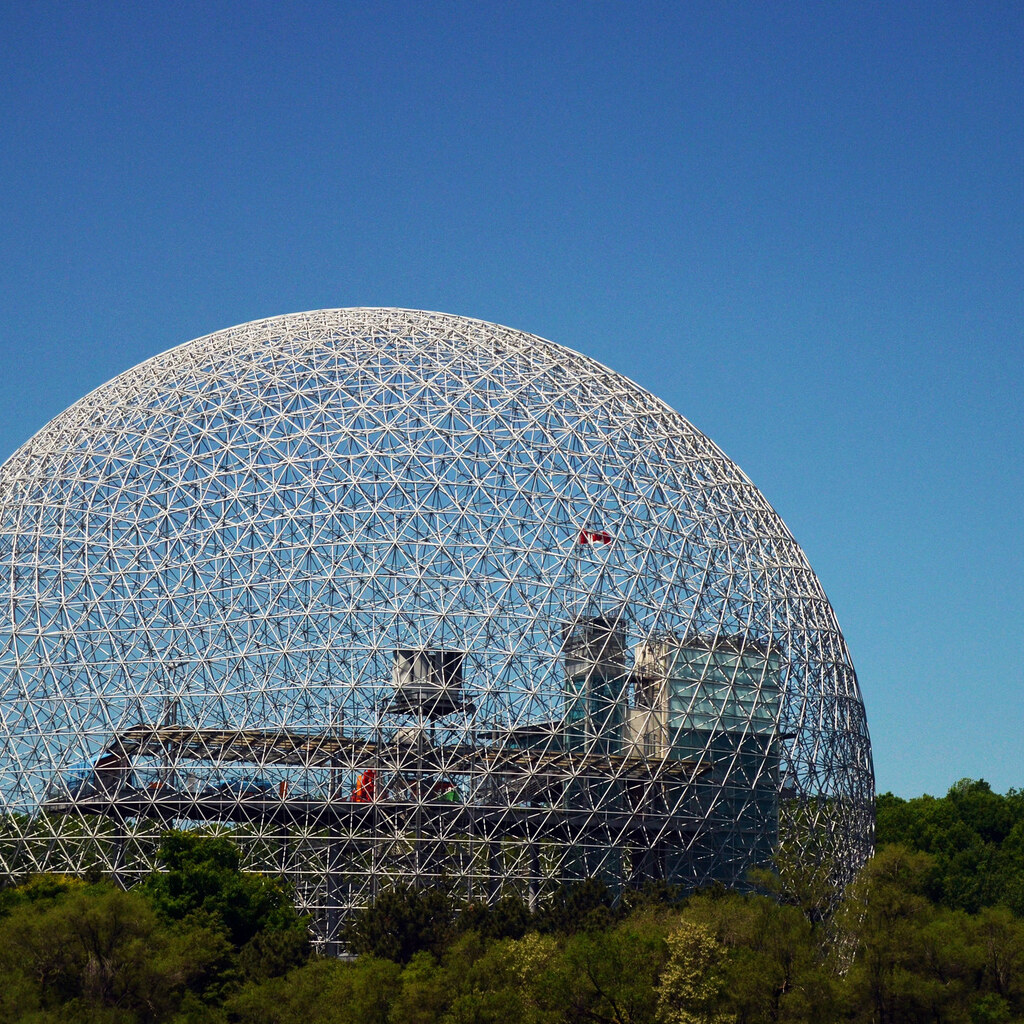
A geodesic dome is a dome made up of shapes rather than a dome with a smooth surface. Geodesic domes can be made up entirely of triangles or a mix of pentagons and hexagons. The geodesic dome in the picture is closer to being a geodesic sphere.

G is for Gravestone

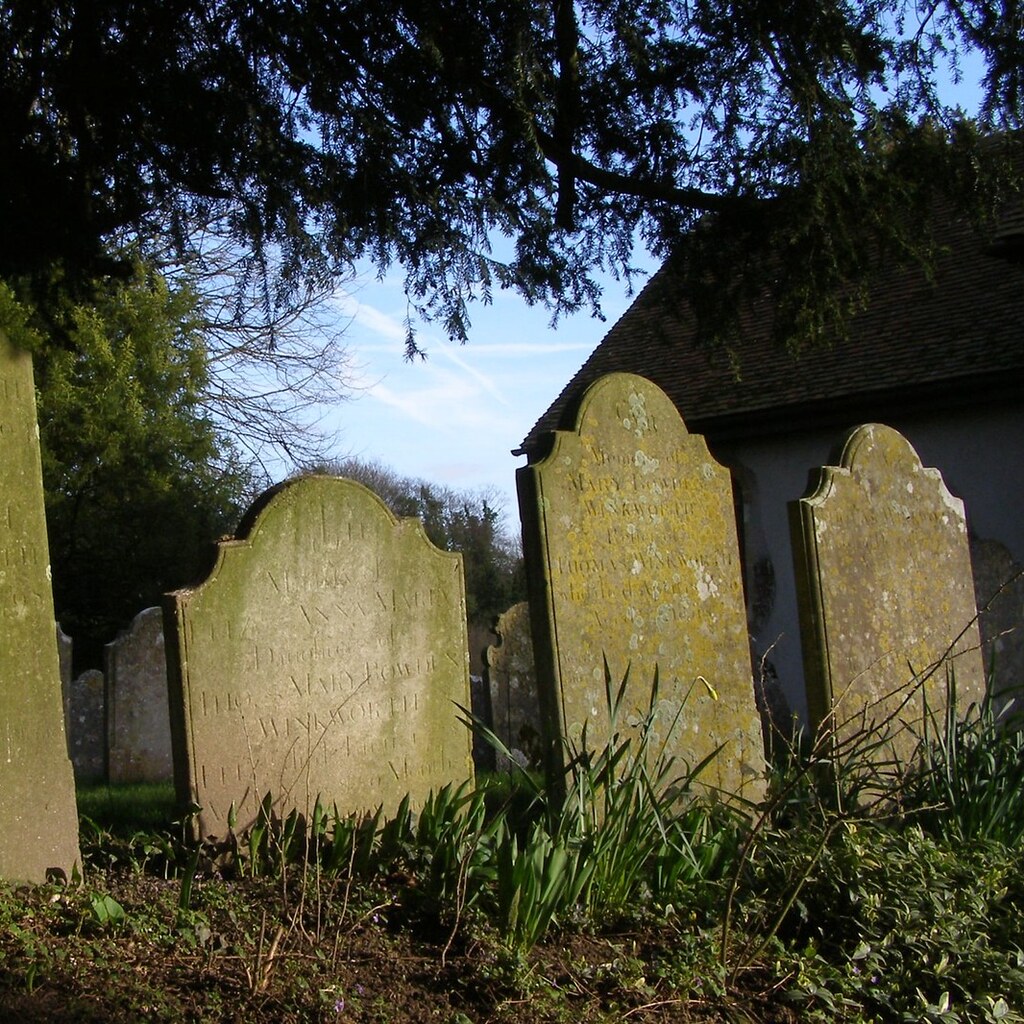
A gravestone is a marker, usually made of stone, that shows where a grave is and gives some details about who is buried there.

G is for Grille

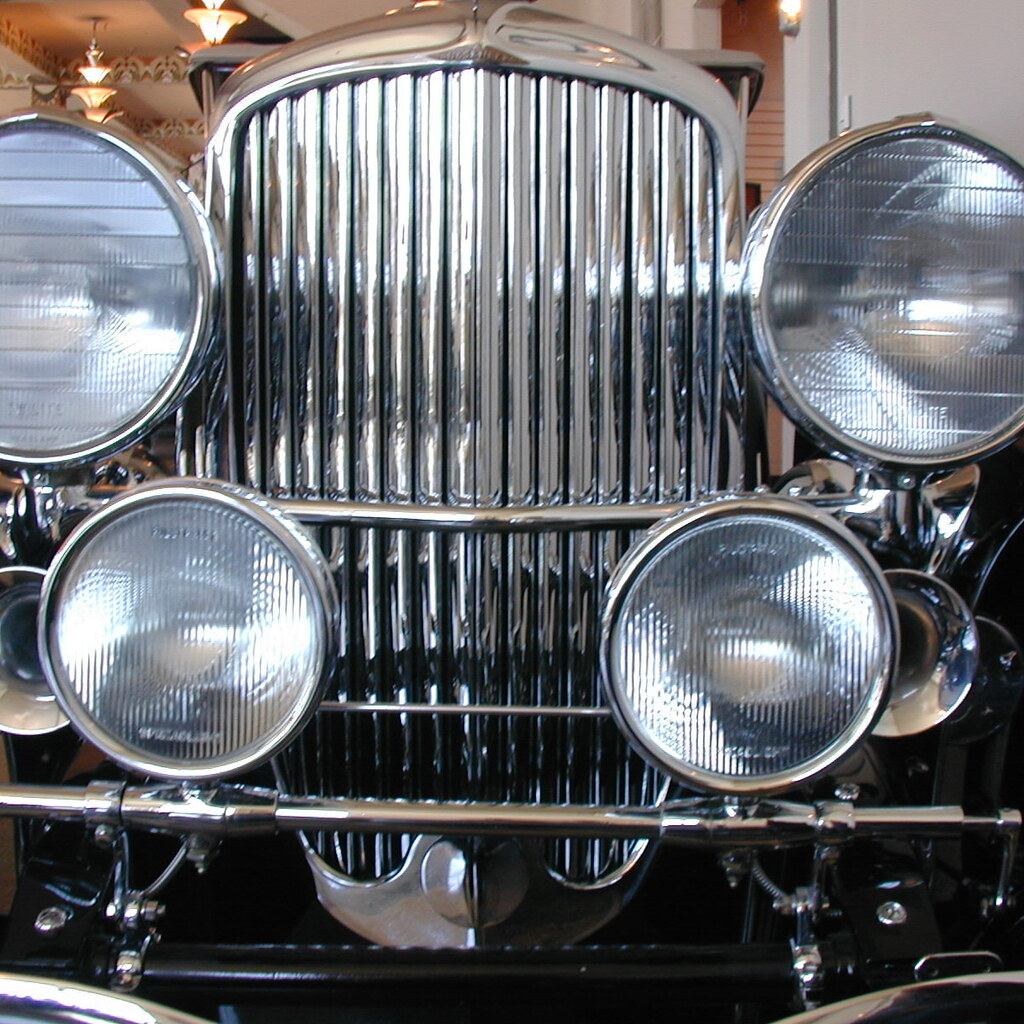
A grille is a metal grate used as a decorative and protective covering, especially for a car or a fireplace.
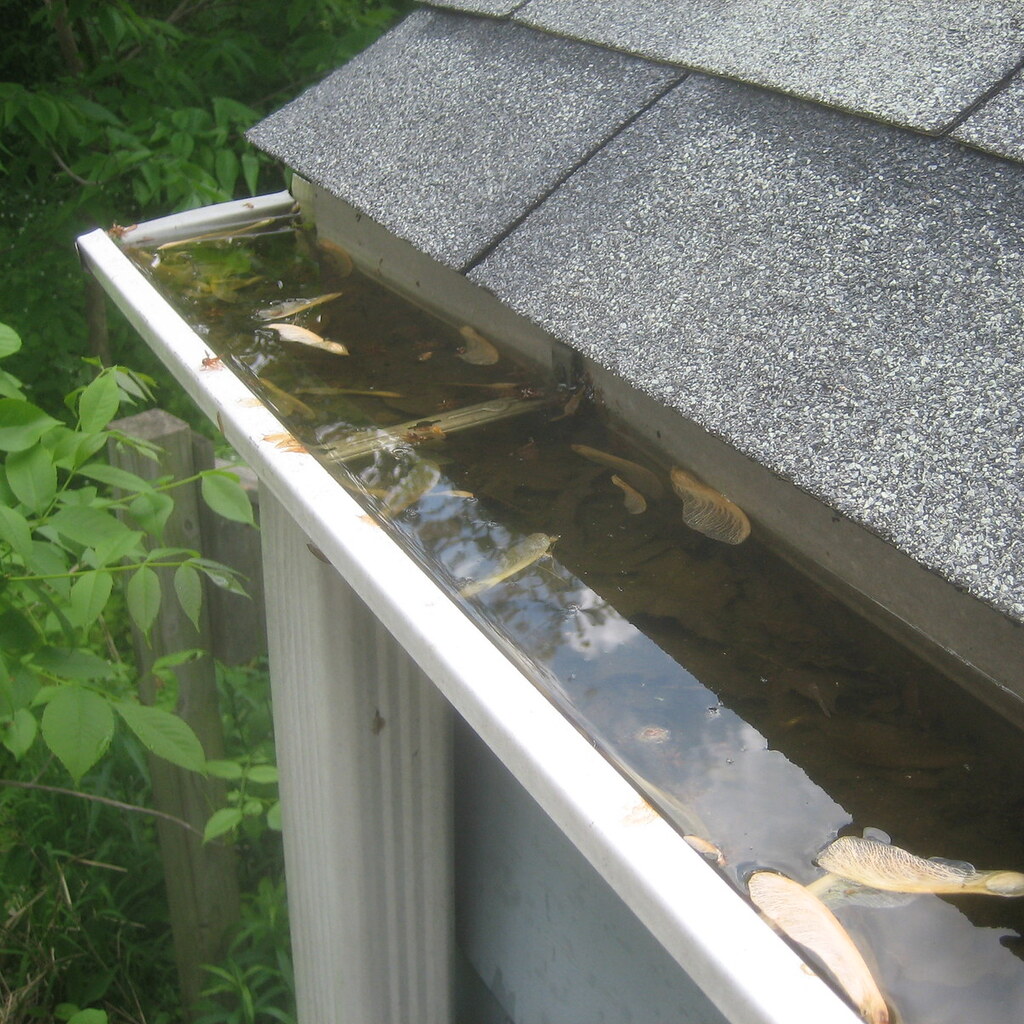
G is for Gutter

Gutters are channels that are used to carry water away to somewhere else. Gutters can be found around the edges of a roof, to catch the water and take it to storage or into a drain. Gutters are also found at the edges of roads, and sometimes also in the center of a road, to carry water away from the surface of the road.
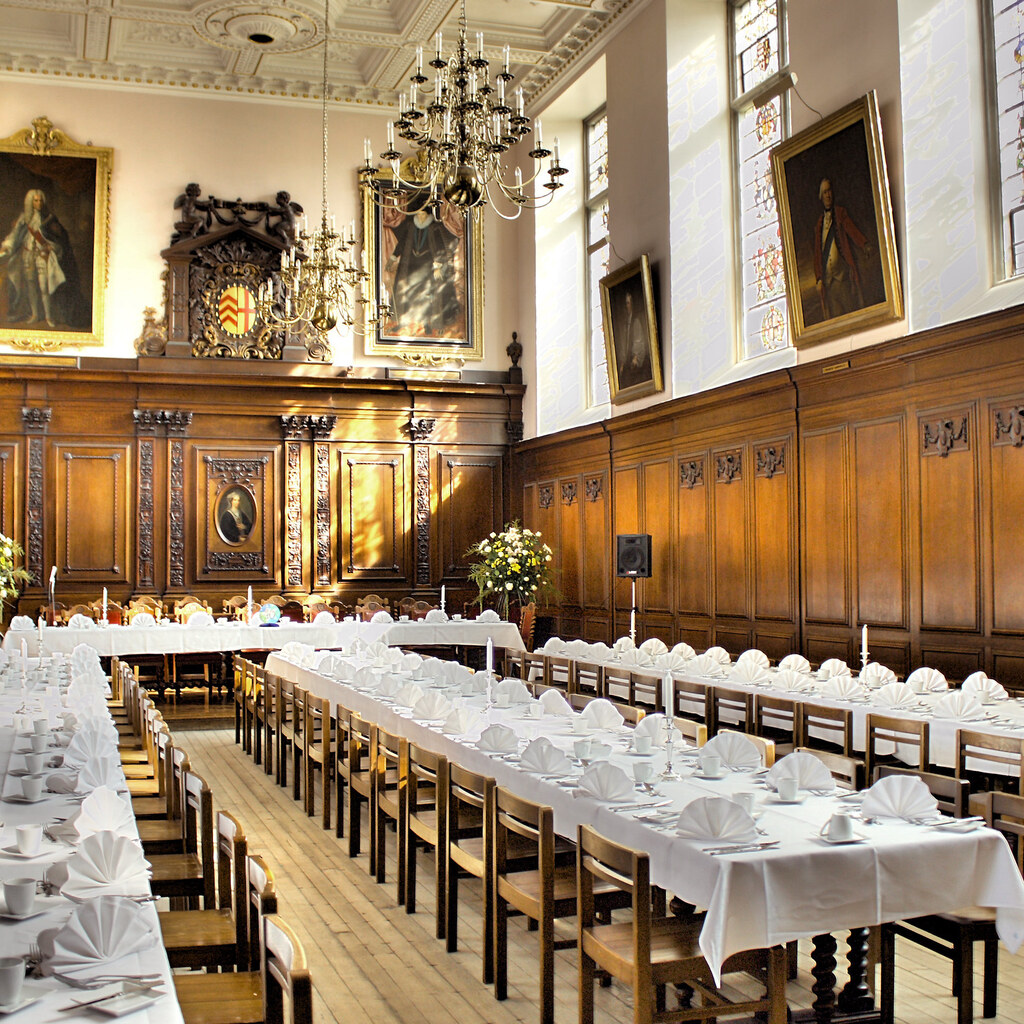
H is for Hall

A hall is a large room, usually used for a group of people to get together.
A hall might also mean a hallway or the entry foyer of a building.

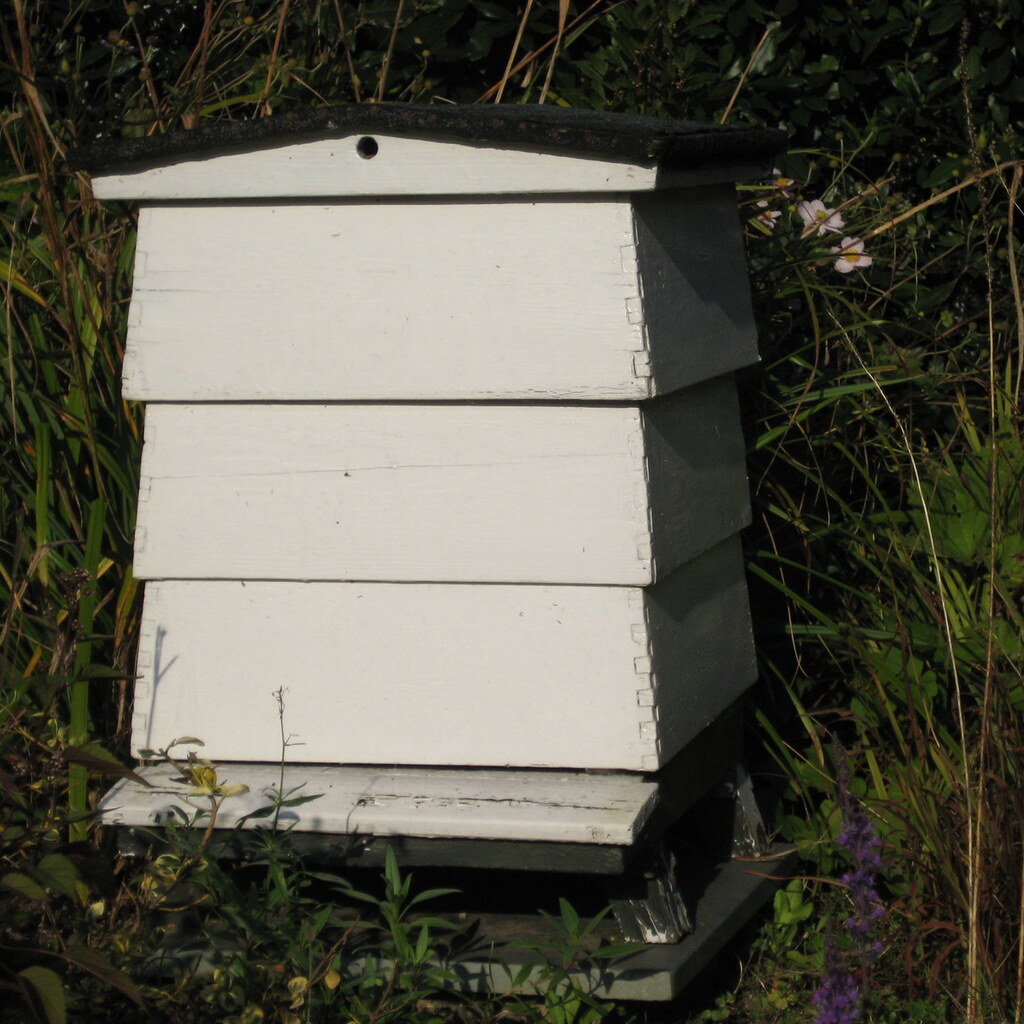
H is for Hive

A beehive is a place a large group of bees lives and makes honey. People make beehives for the bees so it is easier to get the honey out. In the wild, bees make their hives in hollow parts of trees.

H is for House

A house is a place that people live in. Normally a family lives in a house, but sometimes houses are shared by friends or a couple. When you are talking about your own house, you call it your home.
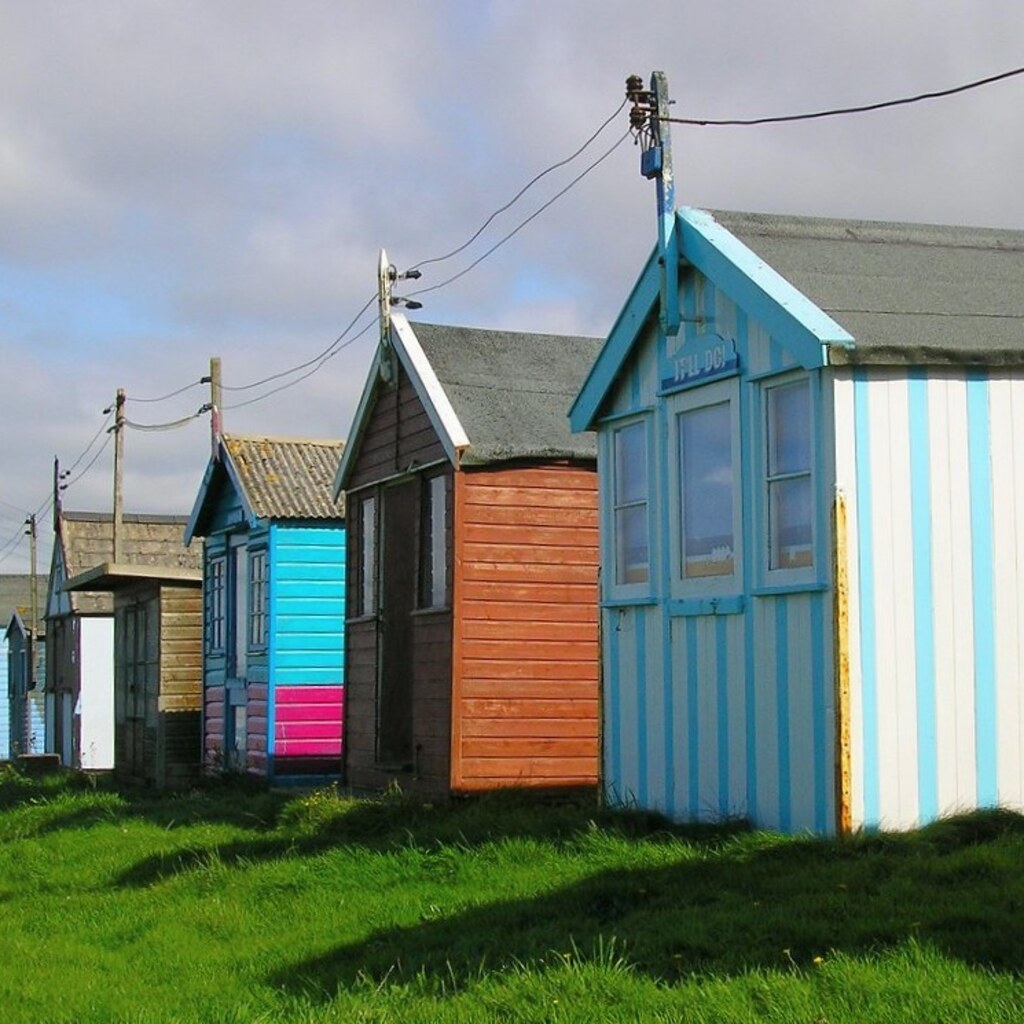
H is for Hut

A hut, sometimes called a shack, is a very small, very simple house. They are often found along beaches.

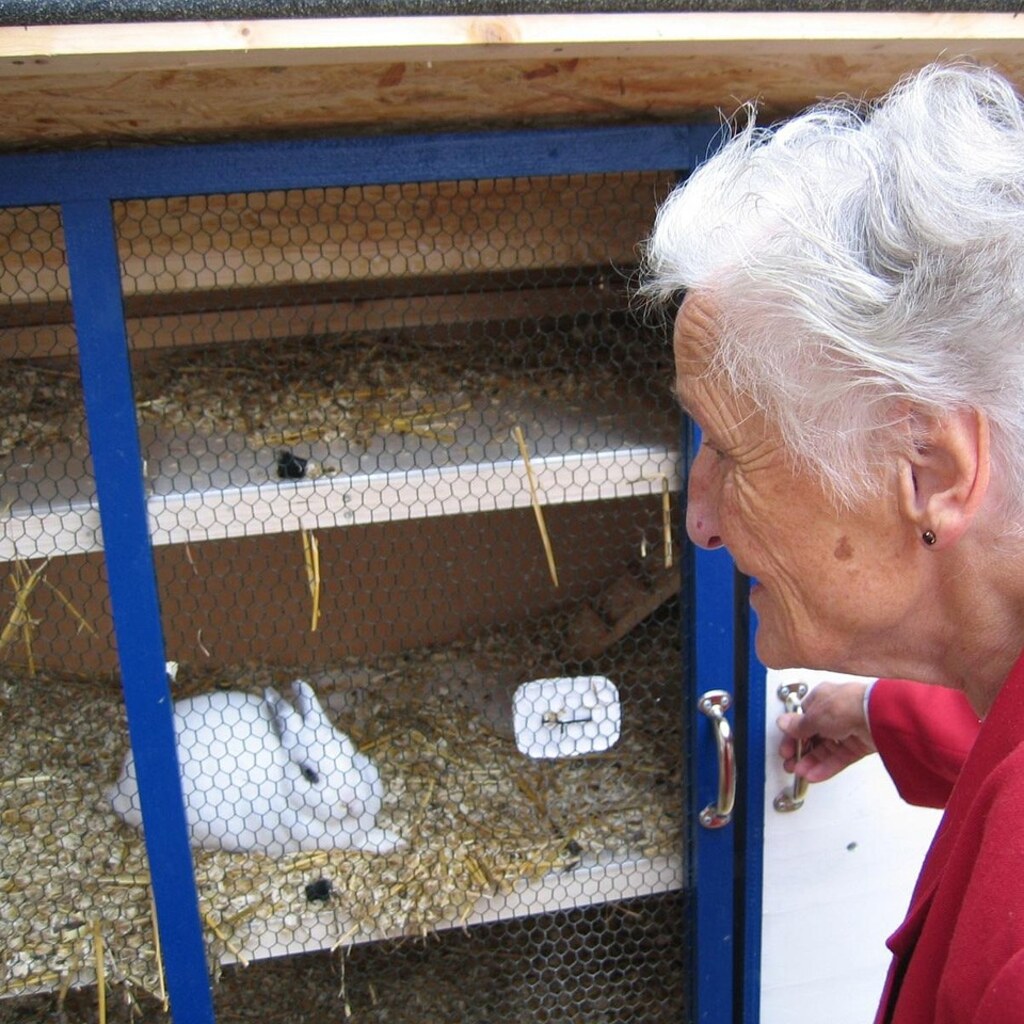
H is for Hutch

A hutch is a cage or coop for small animals. Pet rabbits and guinea pigs are generally kept in hutches.
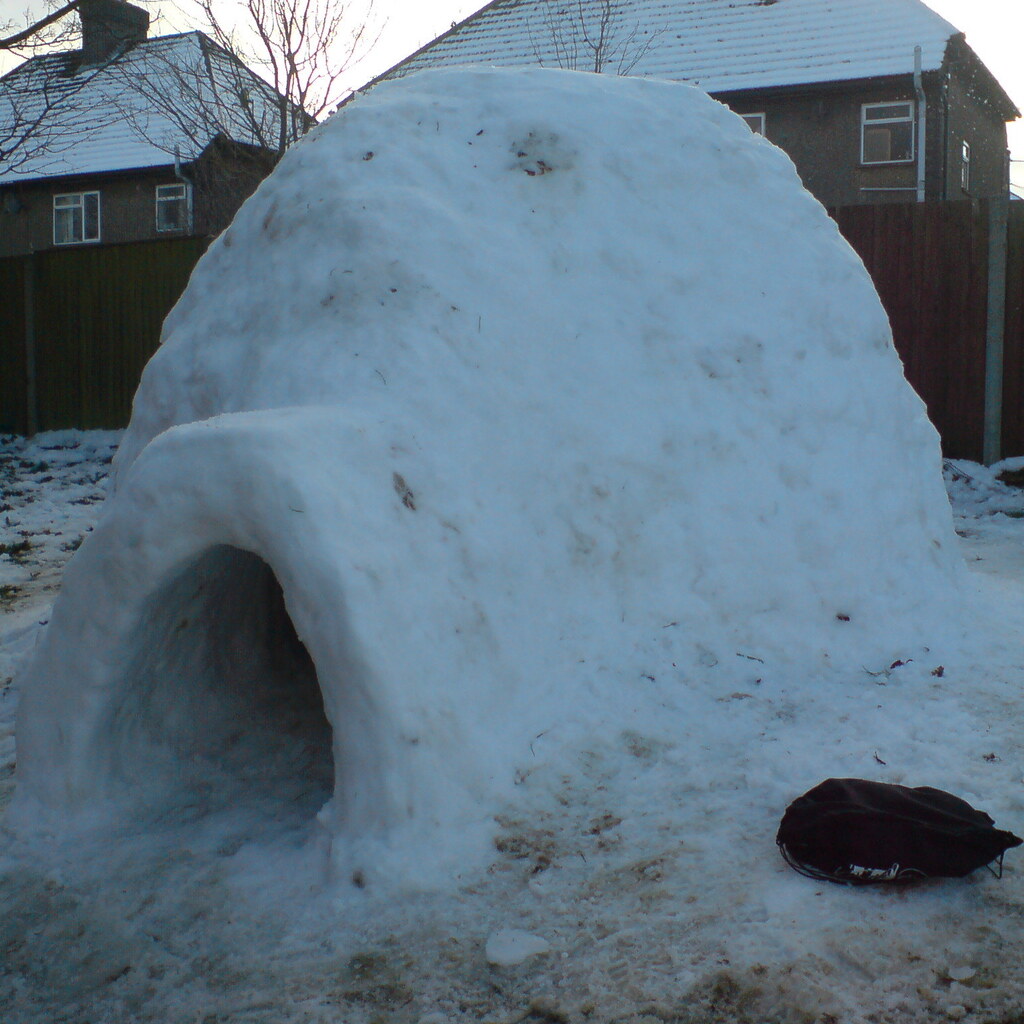
I is for Igloo

An igloo is a house made from blocks of snow. They are made by people who live in very cold areas, such as Inuit Eskimos and the people in Canada's north and Greenland.
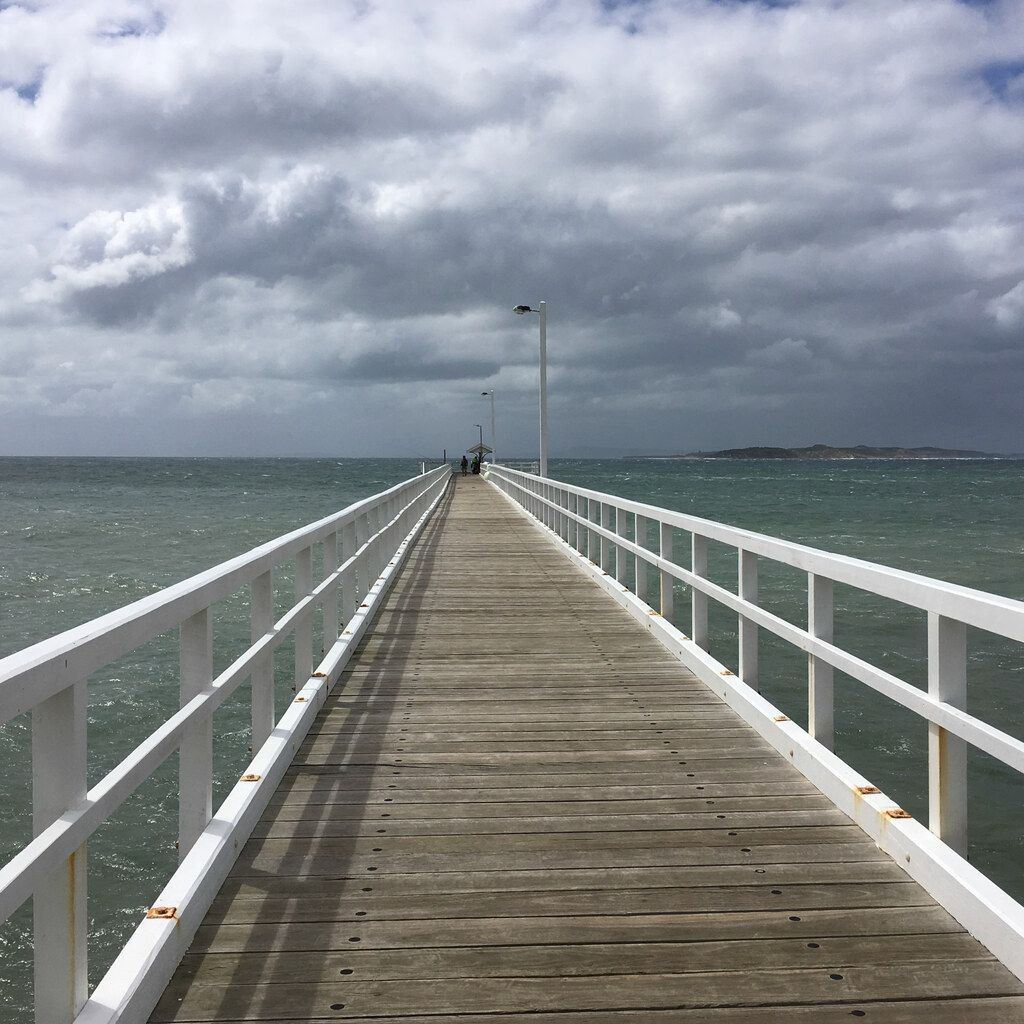
J is for Jetty

A jetty is a structure that sticks out from land into water. Jetties can be made of stone or timber. Sometimes they are there to protect the beach from waves, sometimes they are built to reach deeper water so ships can dock.

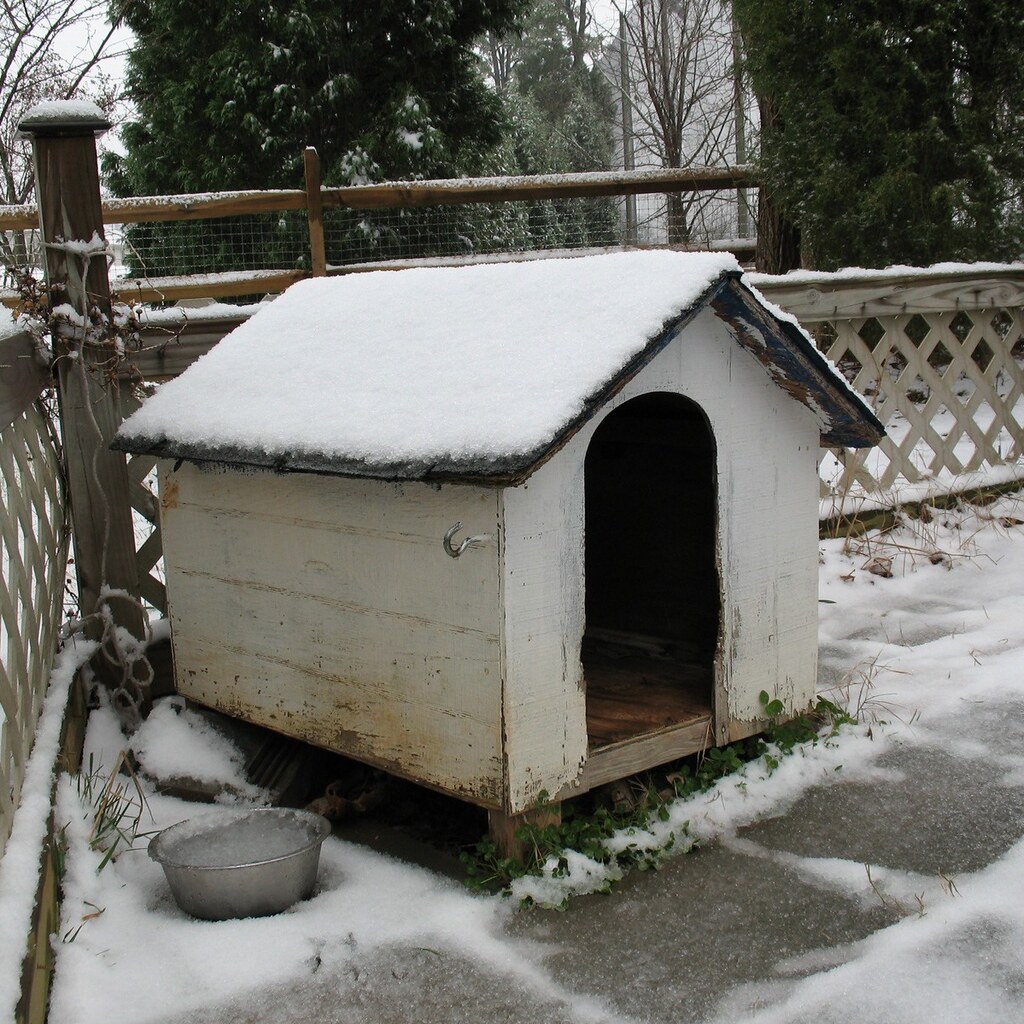
K is for Kennel

A kennel, or doghouse is a small house you have in your backyard for a dog to live in.
A kennel is also used to mean a place where a lot of dogs are kept, or somewhere your dog can stay while you are away on vacation or holidays.

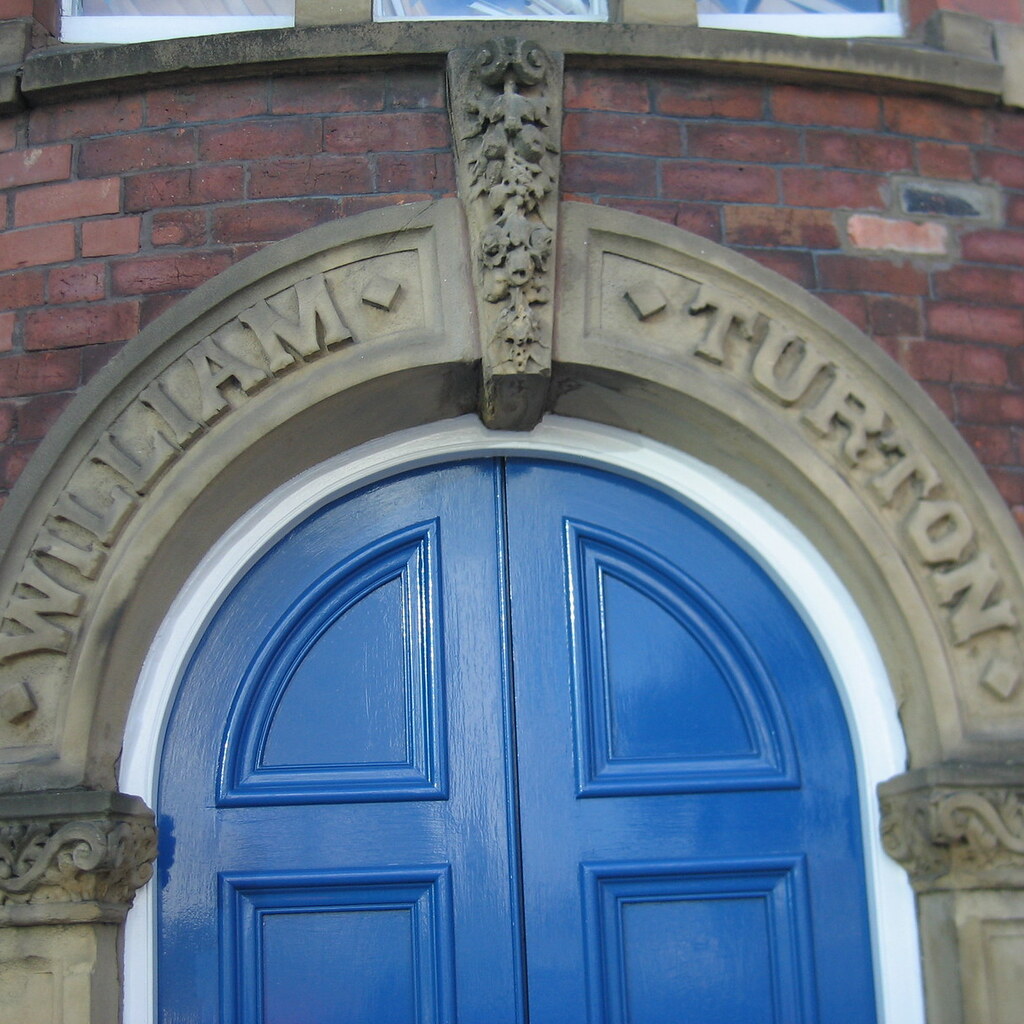
K is for Keystone

A keystone is the stone at the top center of an arch. It holds all the other stones in place, which is why it is called the keystone. Keystones are often decorated quite elaborately.