
Showing 1-19 of 19
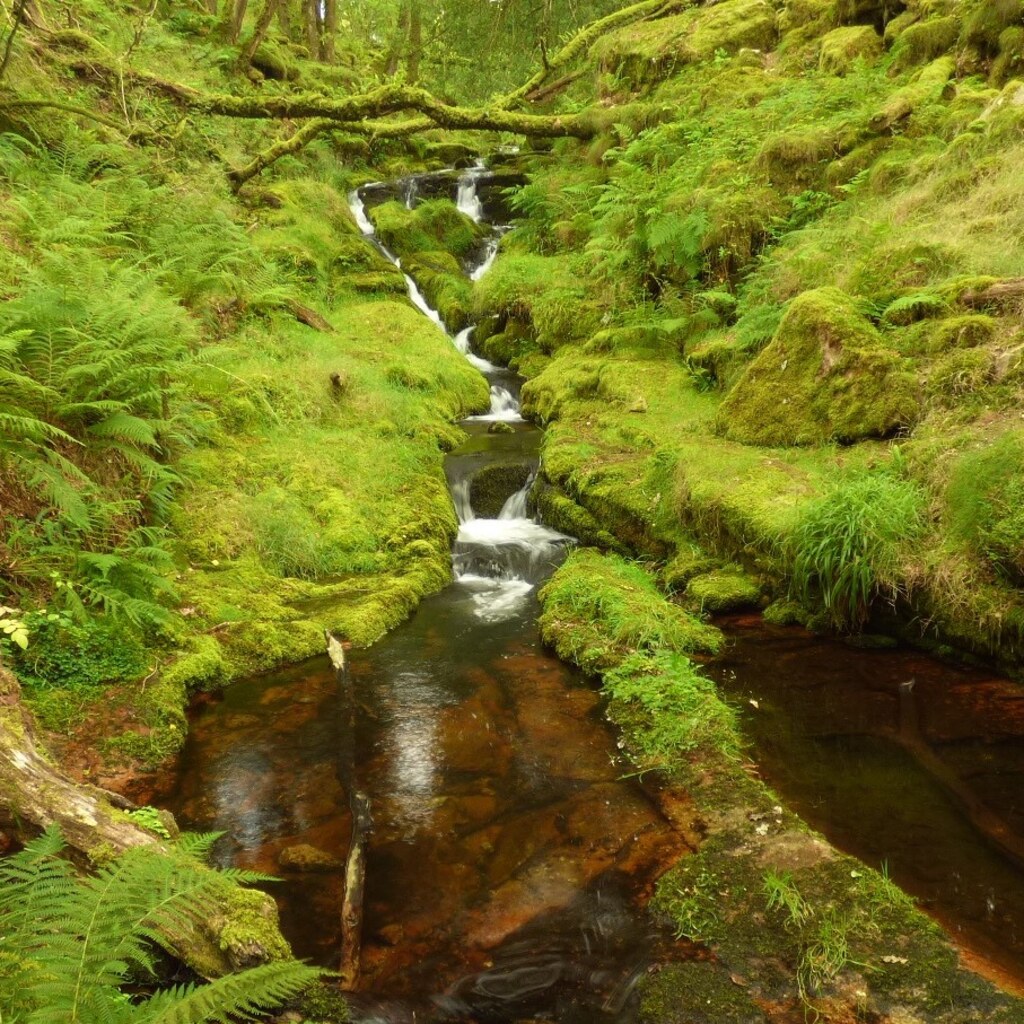
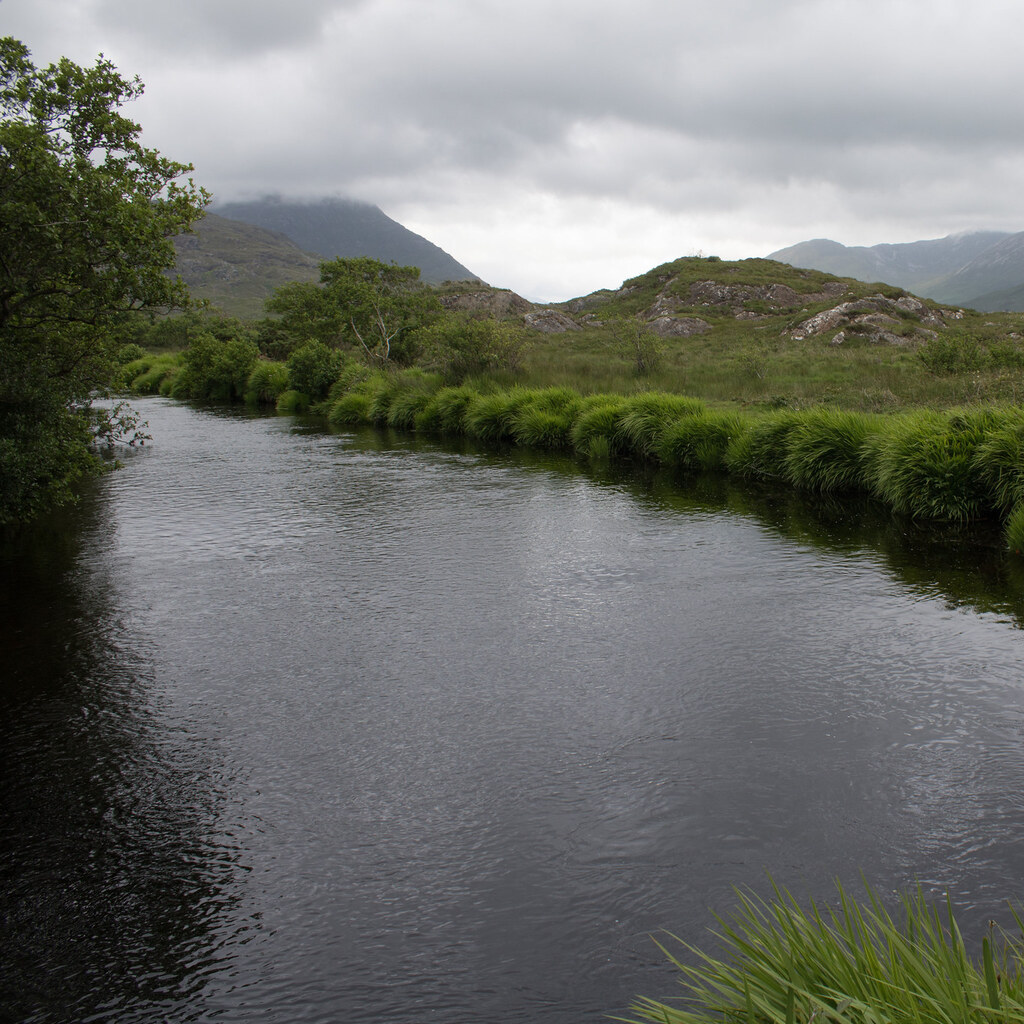
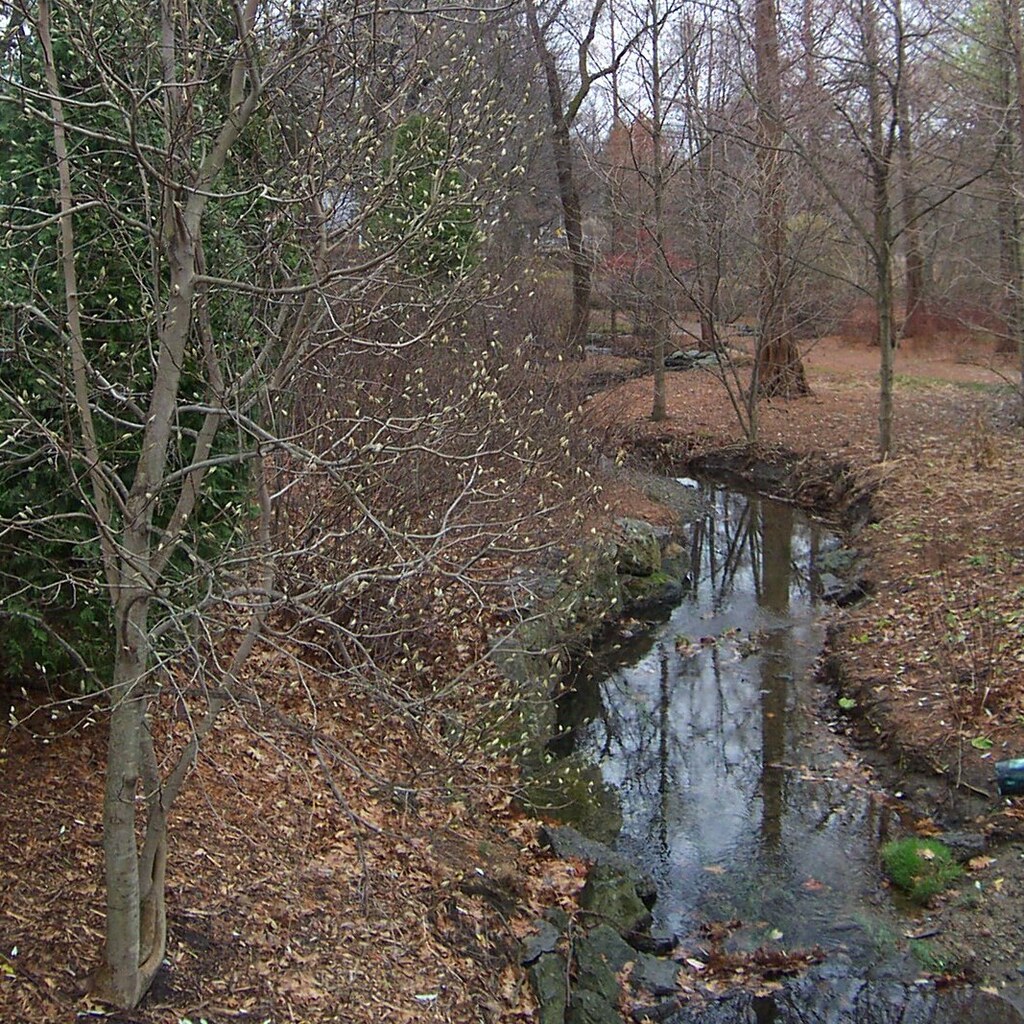
A brook is a very small, running stream of fresh water. Brooks often come from a spring.
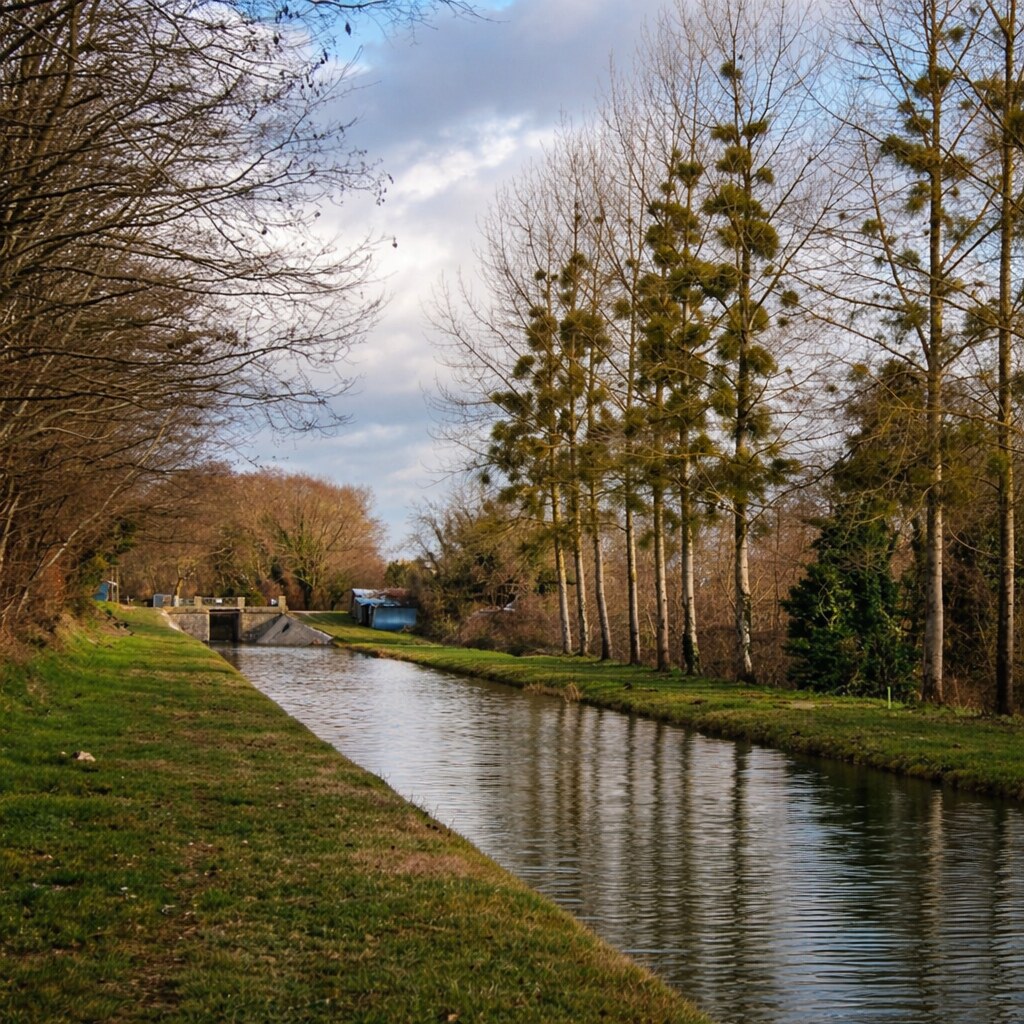
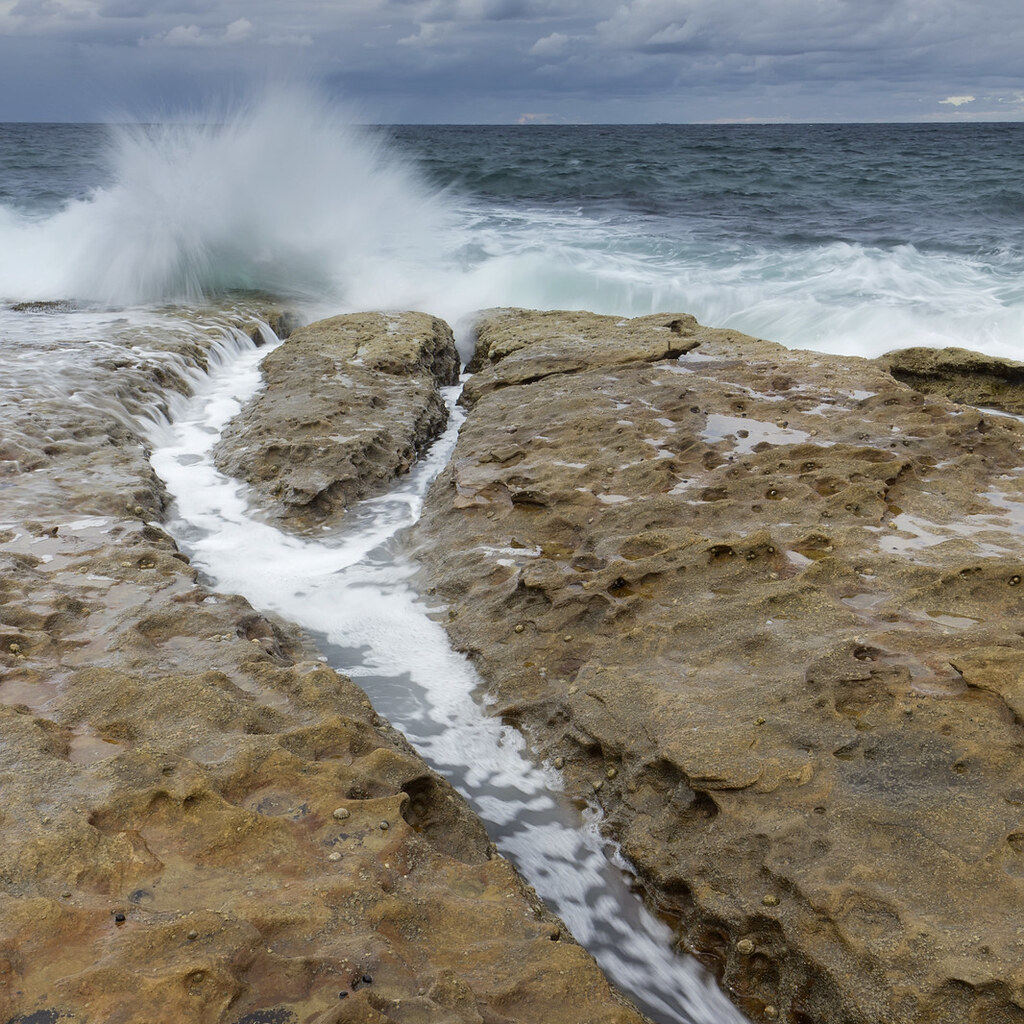
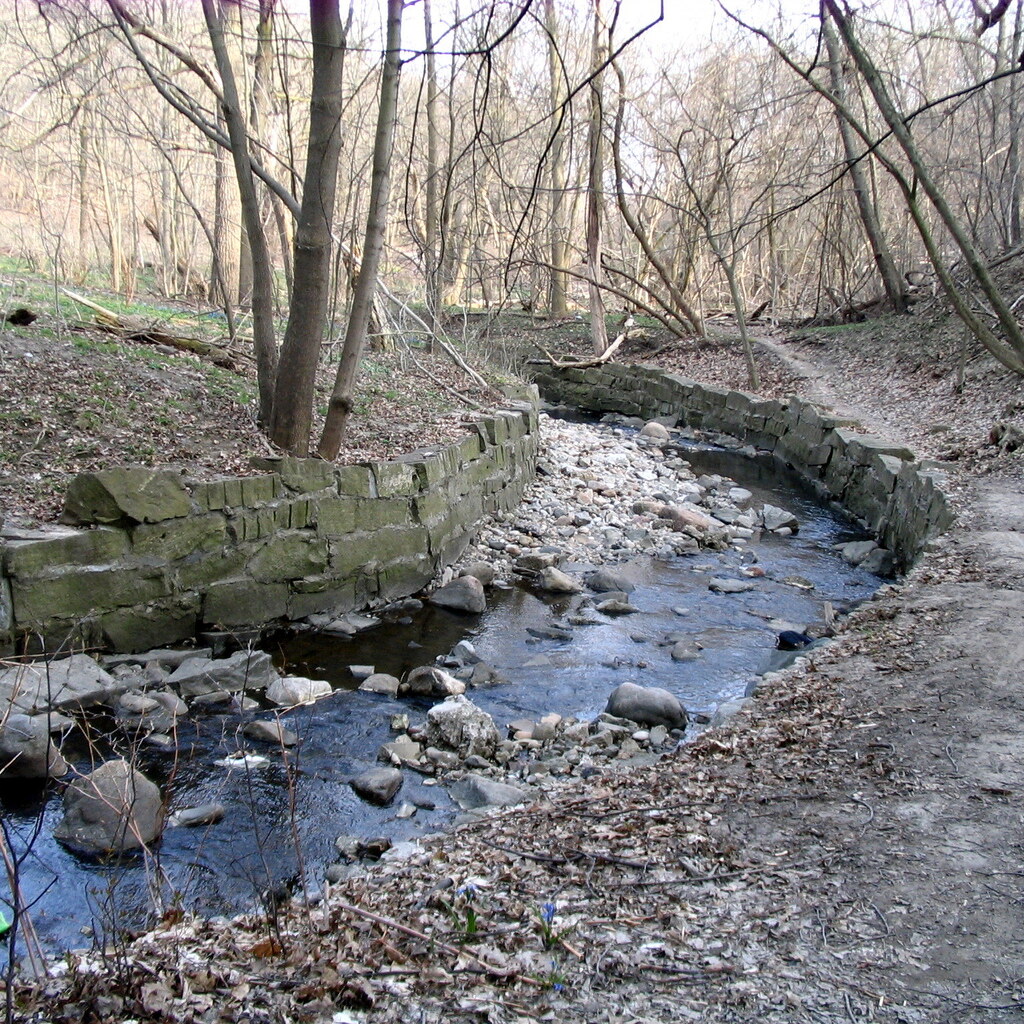
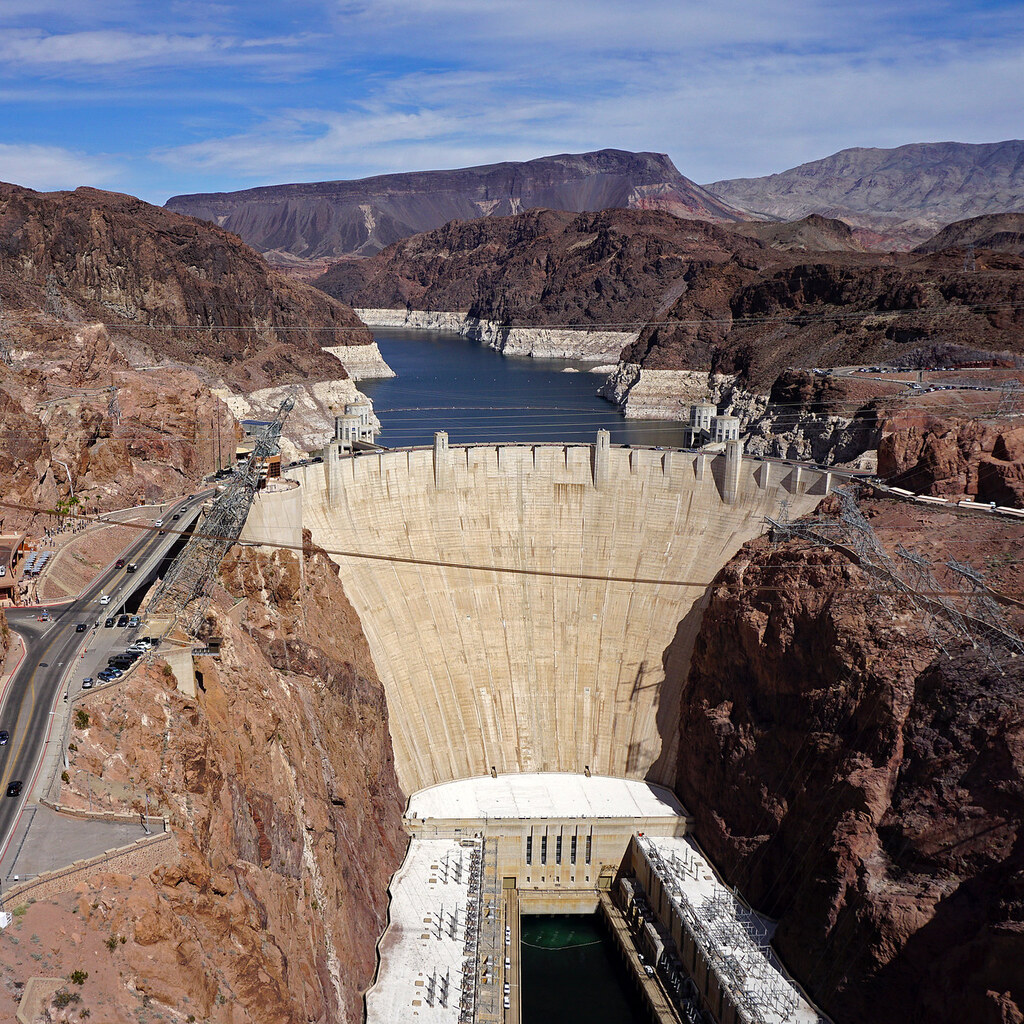
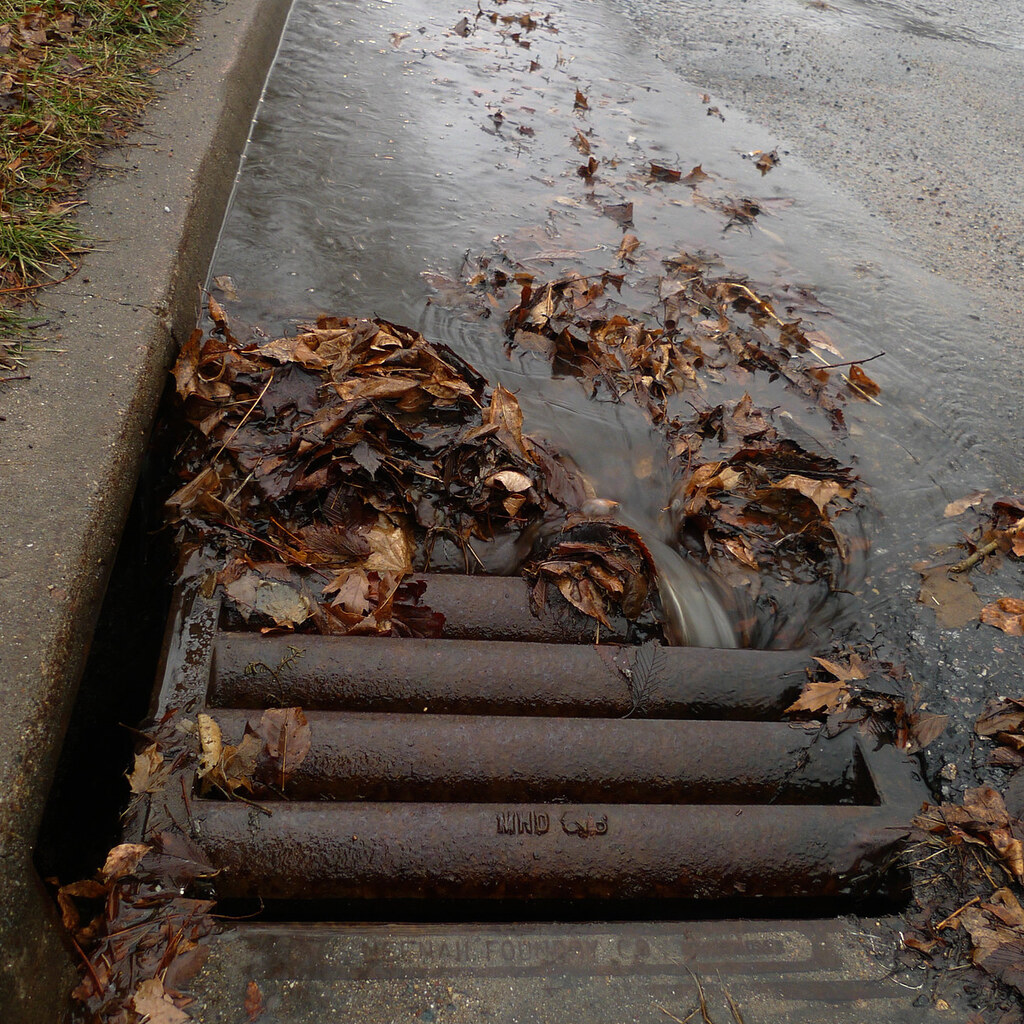
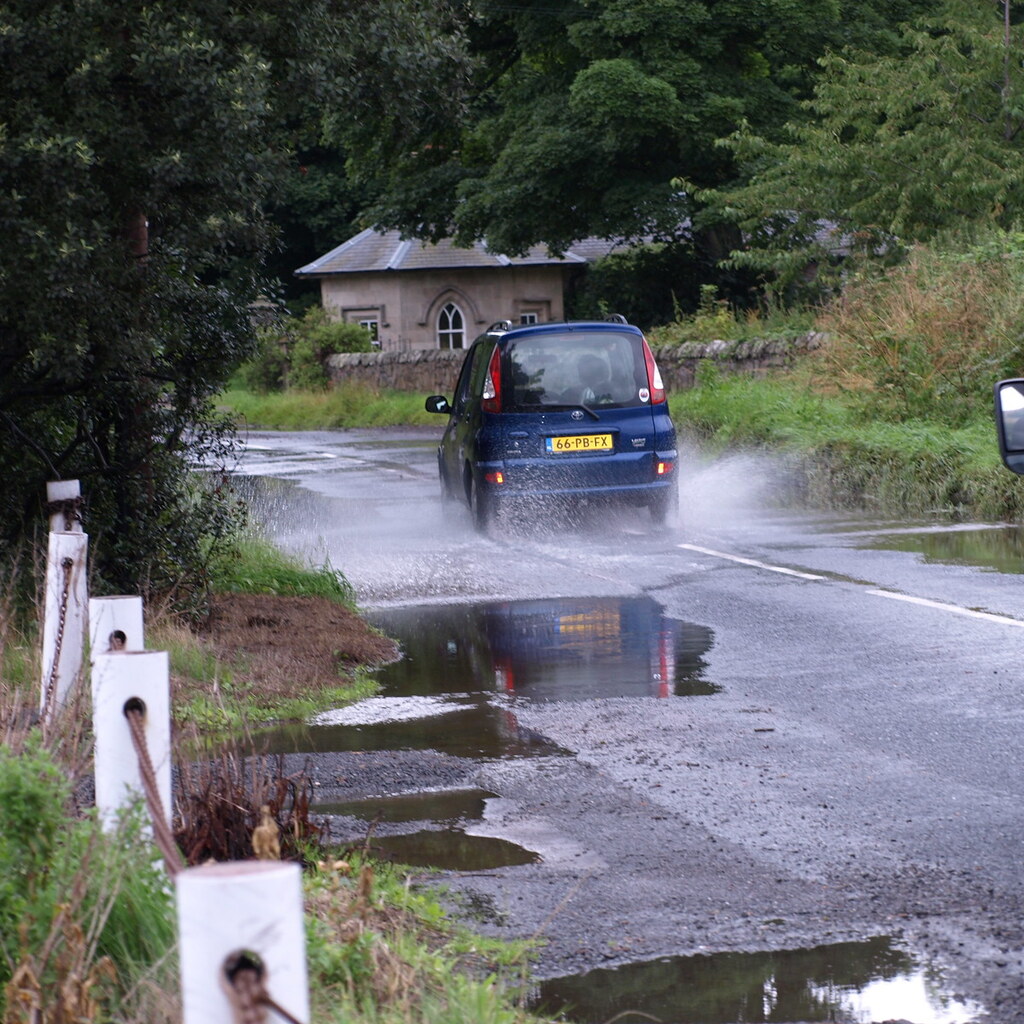
A drain is a type of hole, usually attached to a drainpipe, where water can escape from somewhere like a bath, washbasin or road. The entrance to a drain is usually covered by a grate.
You can use the word drain to describe the process of the water leaving somewhere, or the hole through which the water escapes.
You can use the word drain to describe the process of the water leaving somewhere, or the hole through which the water escapes.
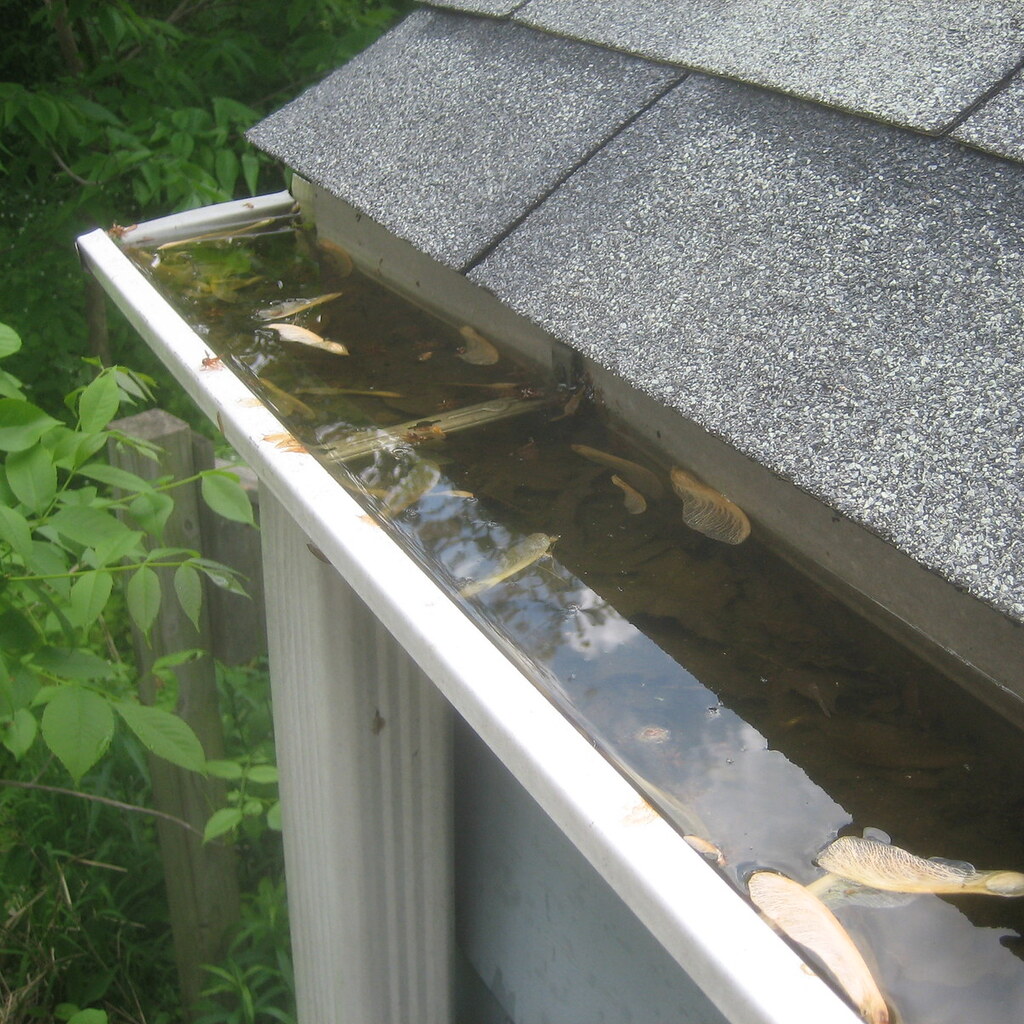
Gutters are channels that are used to carry water away to somewhere else. Gutters can be found around the edges of a roof, to catch the water and take it to storage or into a drain. Gutters are also found at the edges of roads, and sometimes also in the center of a road, to carry water away from the surface of the road.
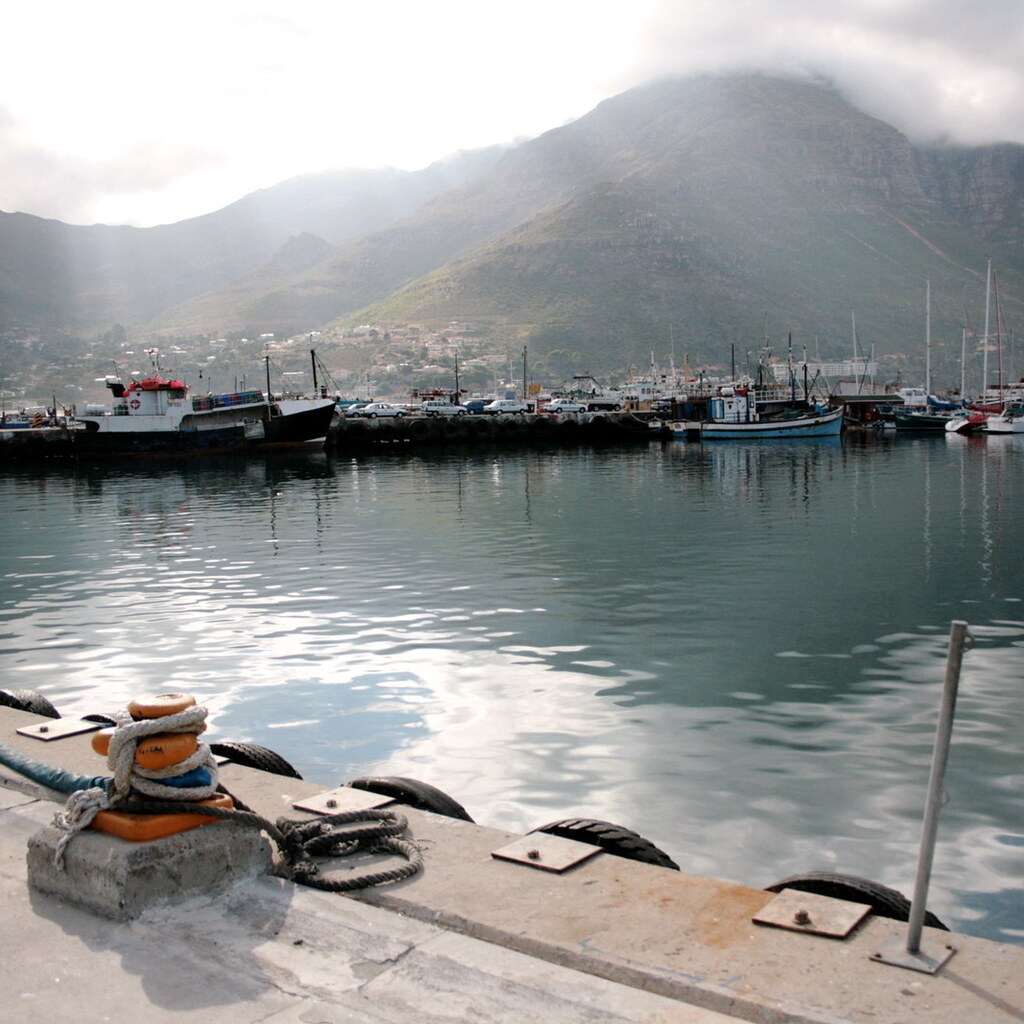
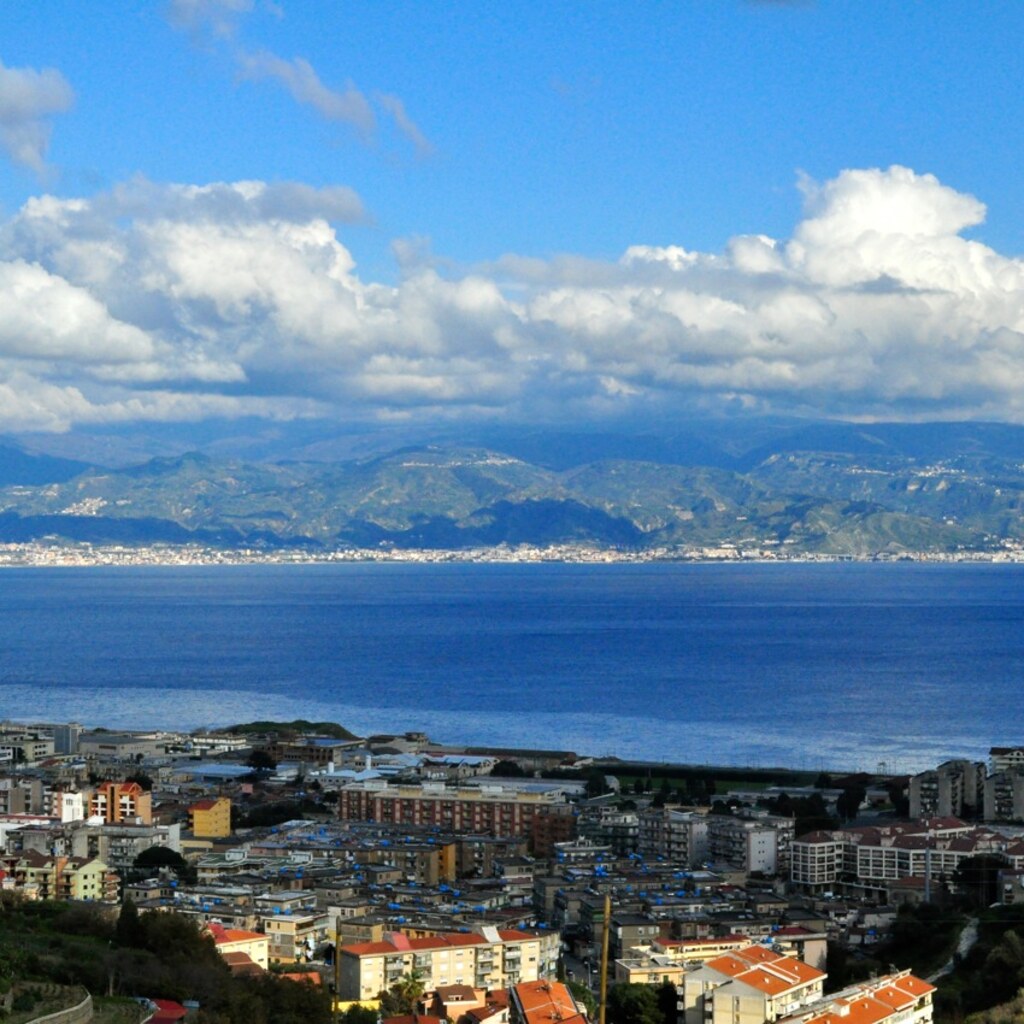
A harbor, also spelt harbour, is a sheltered body of water that is deep enough for ships to dock and unload. Harbors are generally an inlet or bay surrounded by land.
A harbor is also a term used for any safe place, or can be used as a verb to mean keeping something or someone safe, as in "he was harboring a known criminal".
A harbor is also a term used for any safe place, or can be used as a verb to mean keeping something or someone safe, as in "he was harboring a known criminal".
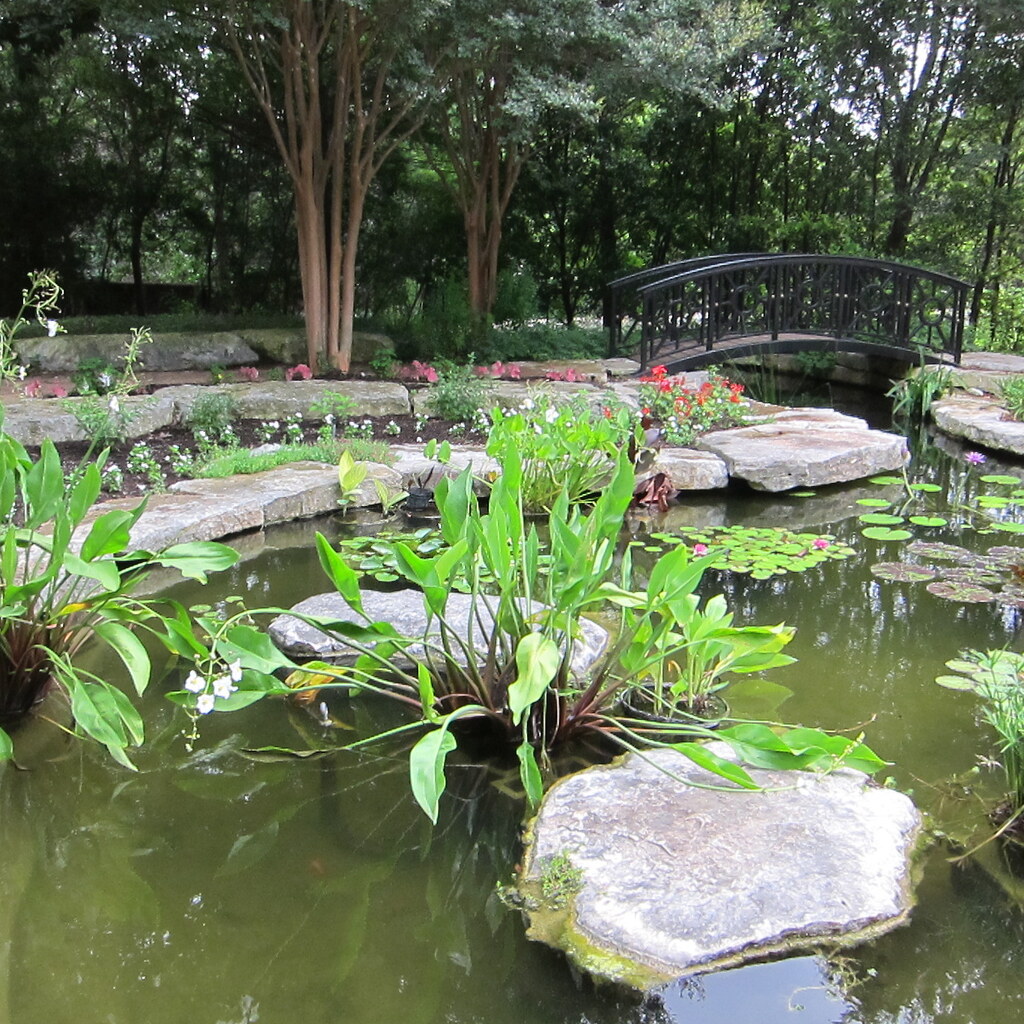
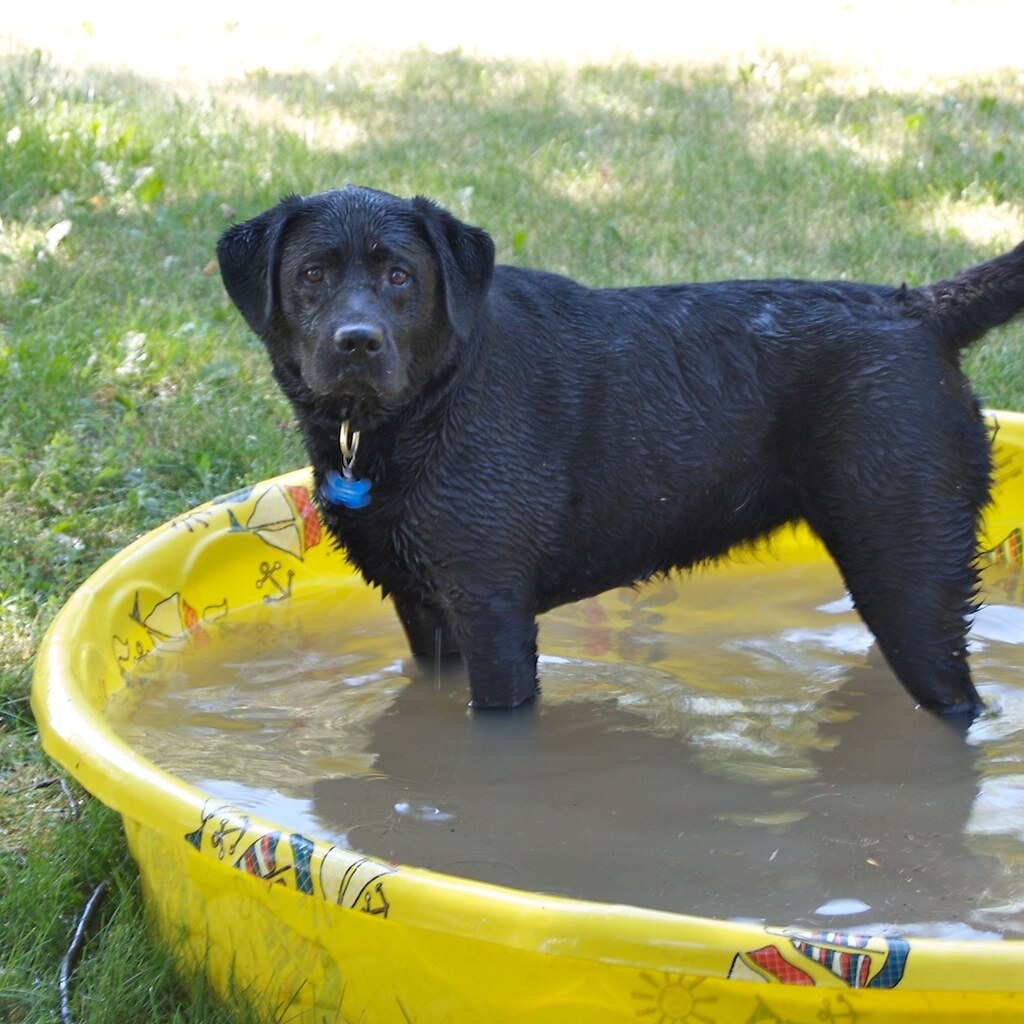
A pool is a small, still body of water. The dog in the picture is in a wading pool. Larger pools that are big enough to swim in are called swimming pools.
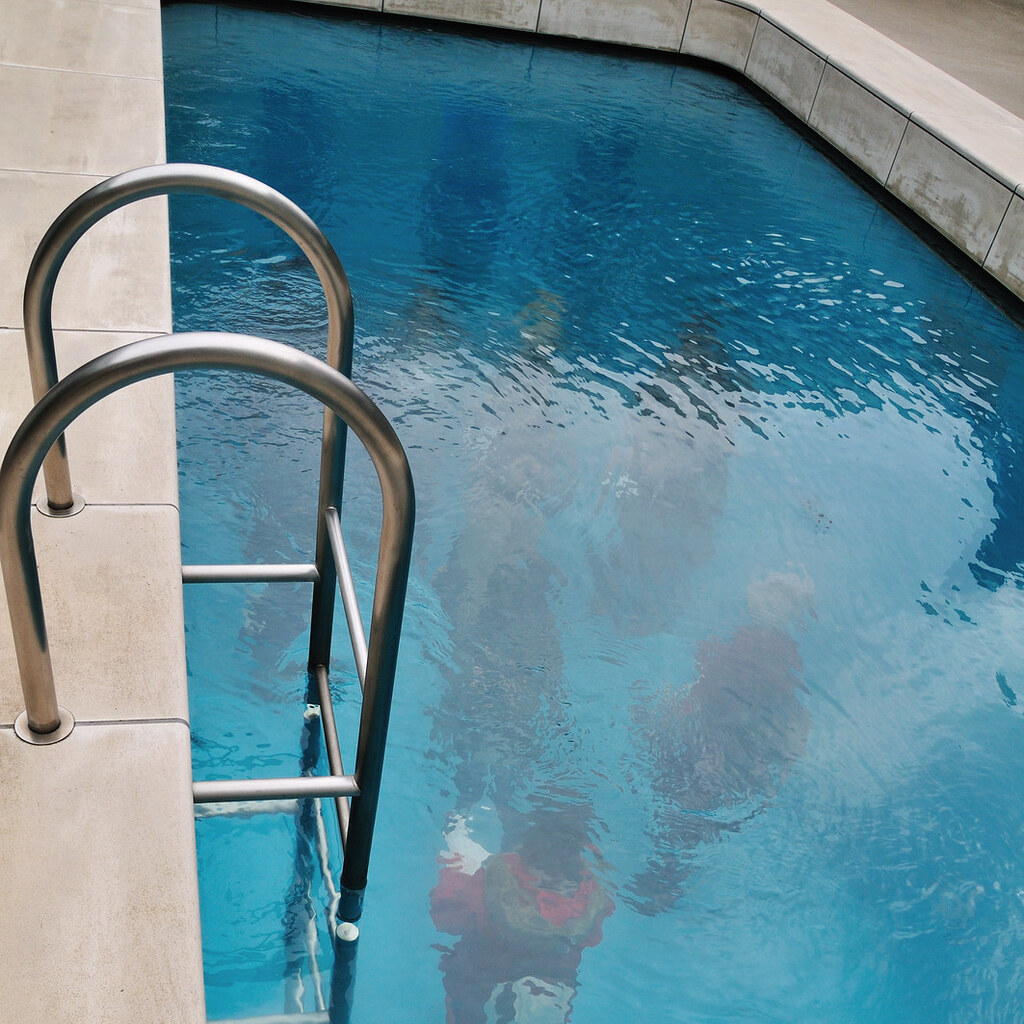
S is for Swimming pool
Swimming pools usually have very clear, pale blue water.
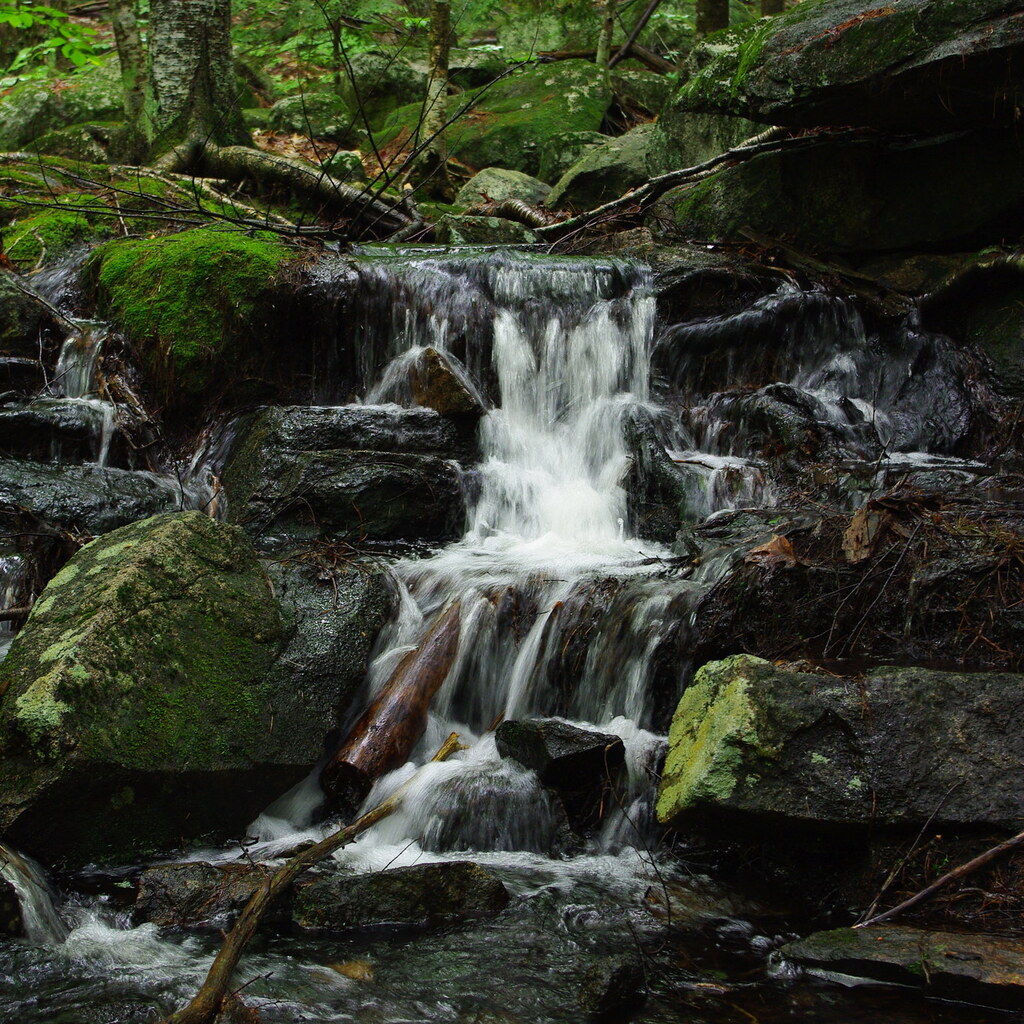
A waterfall happens when a creek or river flows over a cliff. Waterfalls can be tiny, only a few inches high, or they can be many hundreds of metres high.
Waterfalls form when a river flows over rocks that are different hardness. The river will erode the softer rock faster than the harder rock, and over a long time a waterfall gradually appears.
Waterfalls form when a river flows over rocks that are different hardness. The river will erode the softer rock faster than the harder rock, and over a long time a waterfall gradually appears.