List of structures

Large (and not so large) things that people or animals build to use, to live in, and to look at.

Showing 61-80 of 127

L is for Lamp Post

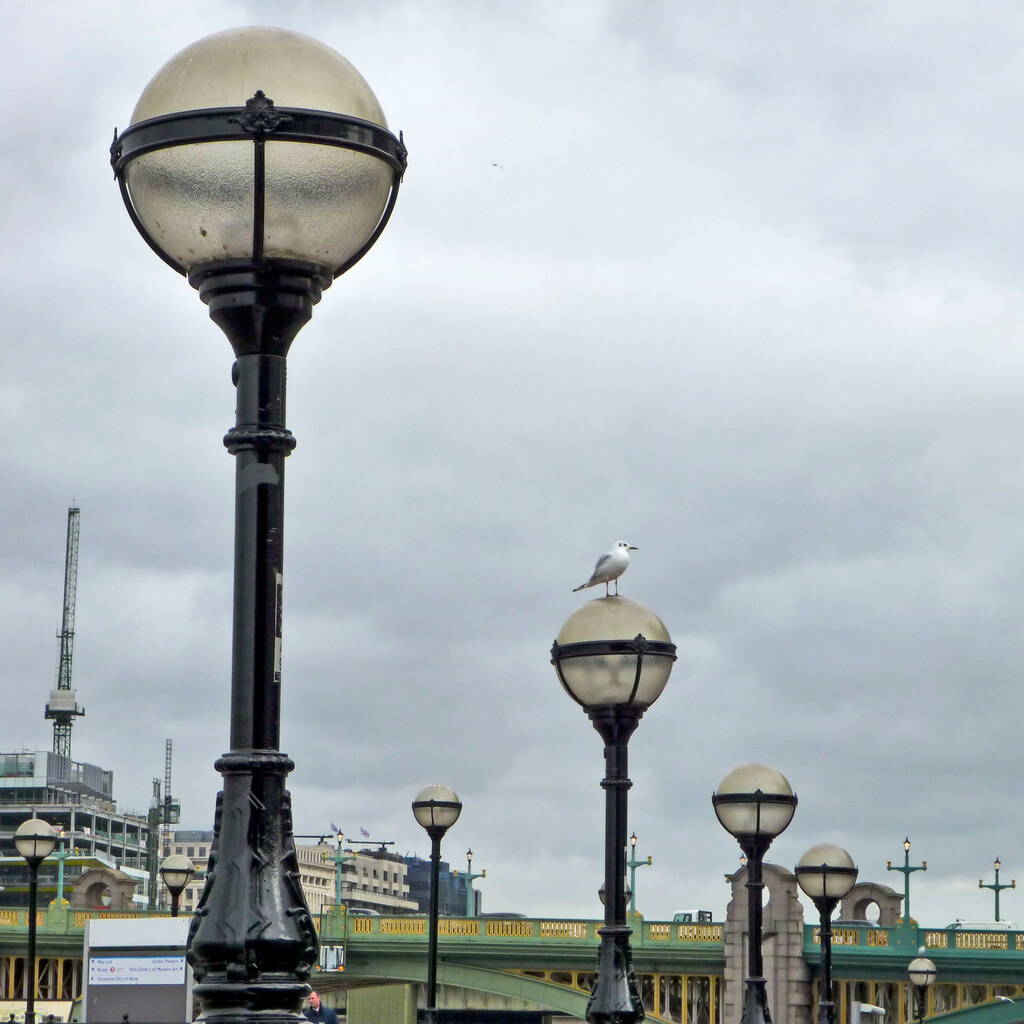
A lamp post is a post with a light on the top. They are generally outside, so people can see their way around in the dark.

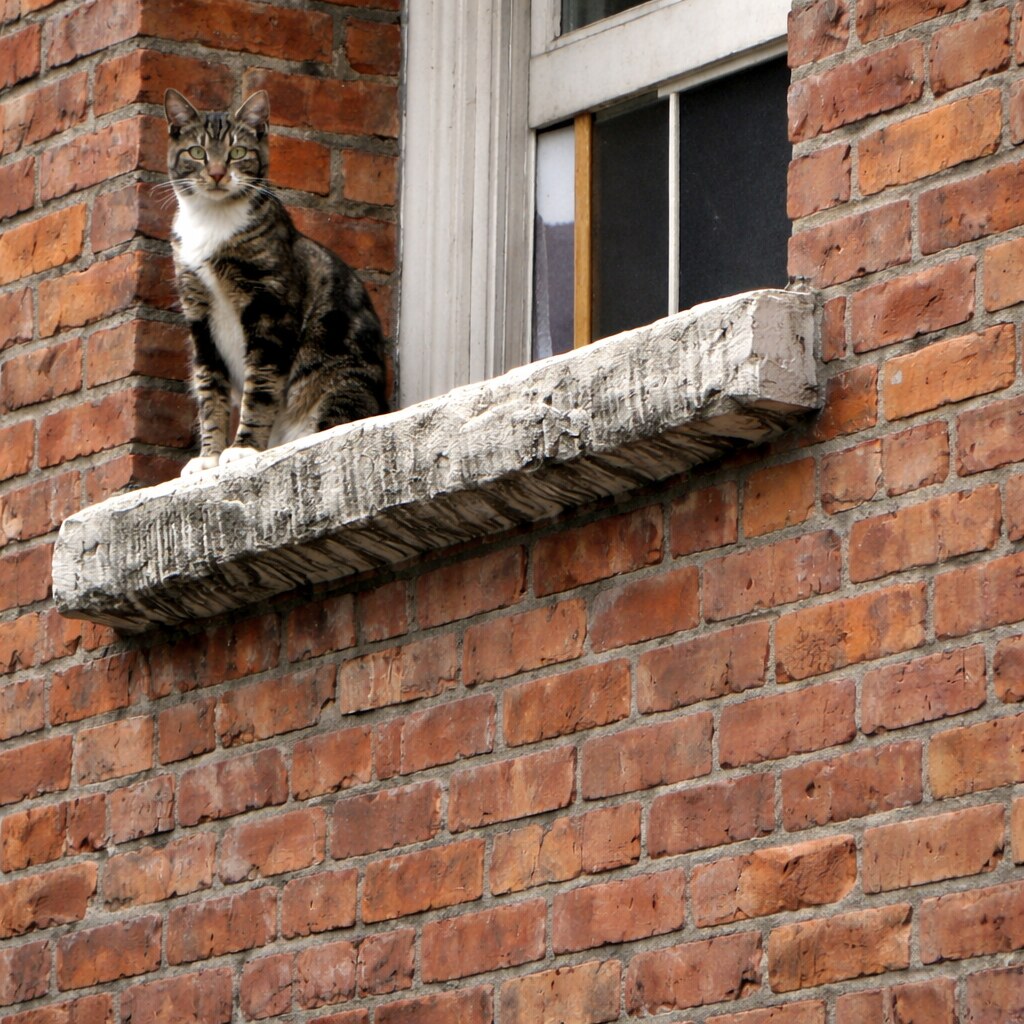
L is for Ledge

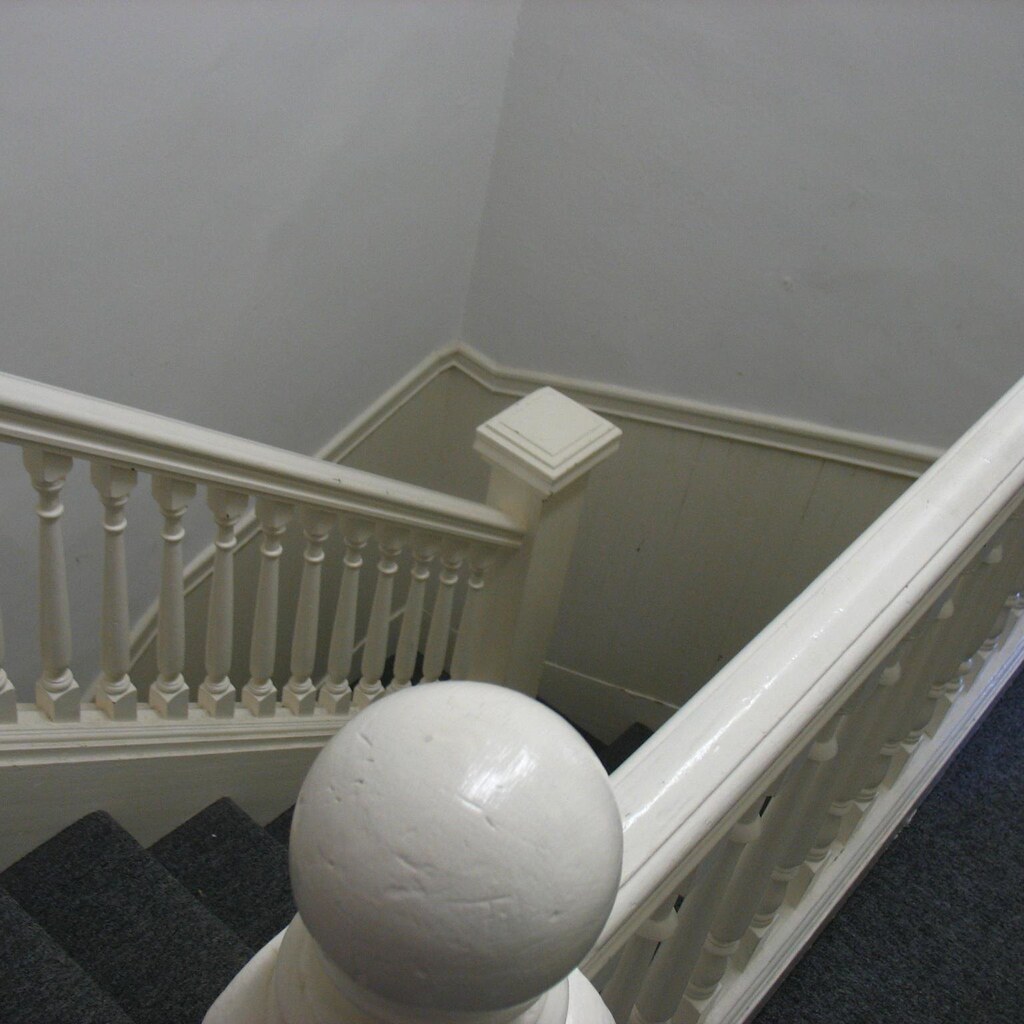
A ledge is similar to a shelf, being fairly narrow and horizontal. Ledges are generally built into a building, either for decoration or for practical reasons, like a windowledge.
L is for Letterbox

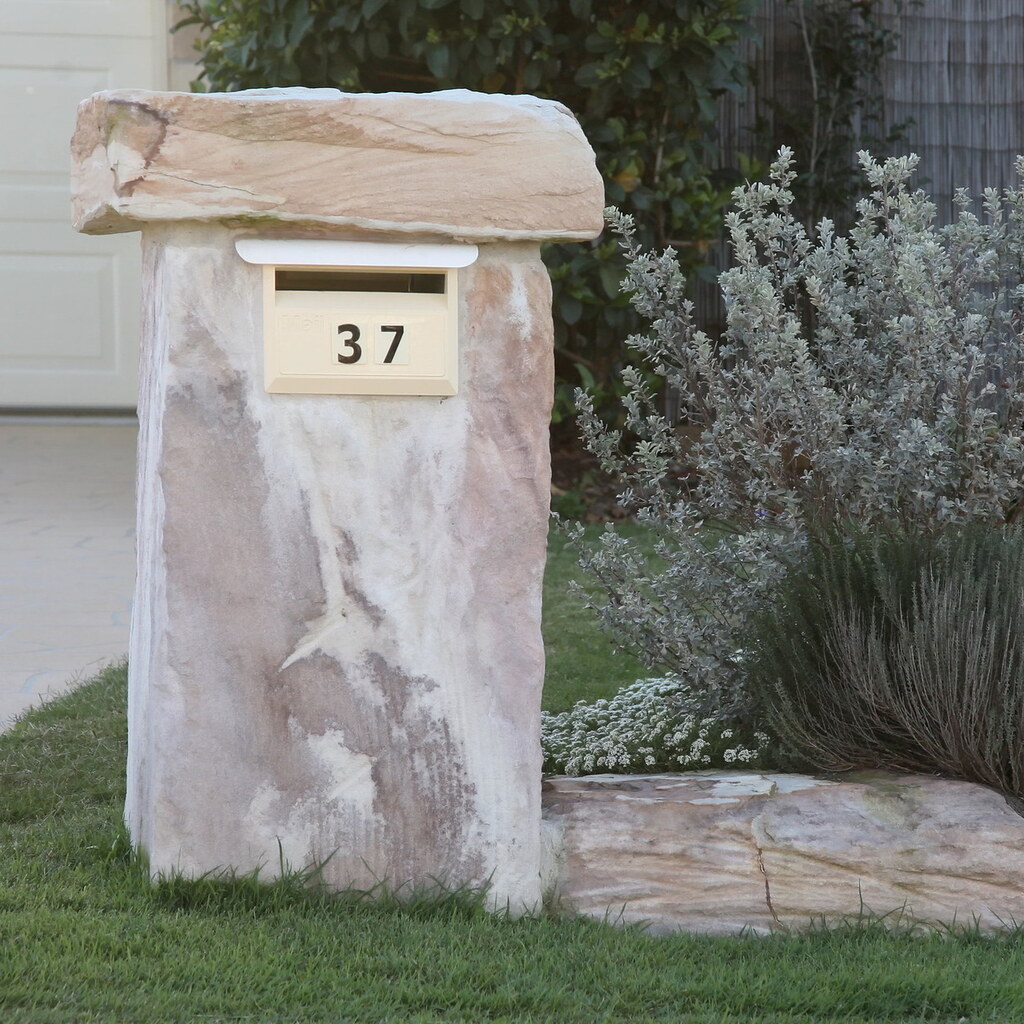
A letterbox is a small box in your front yard that your mail and parcels get delivered to. Some houses don't have front yards, so their letterbox is a slot in the front door.

L is for Lighthouse

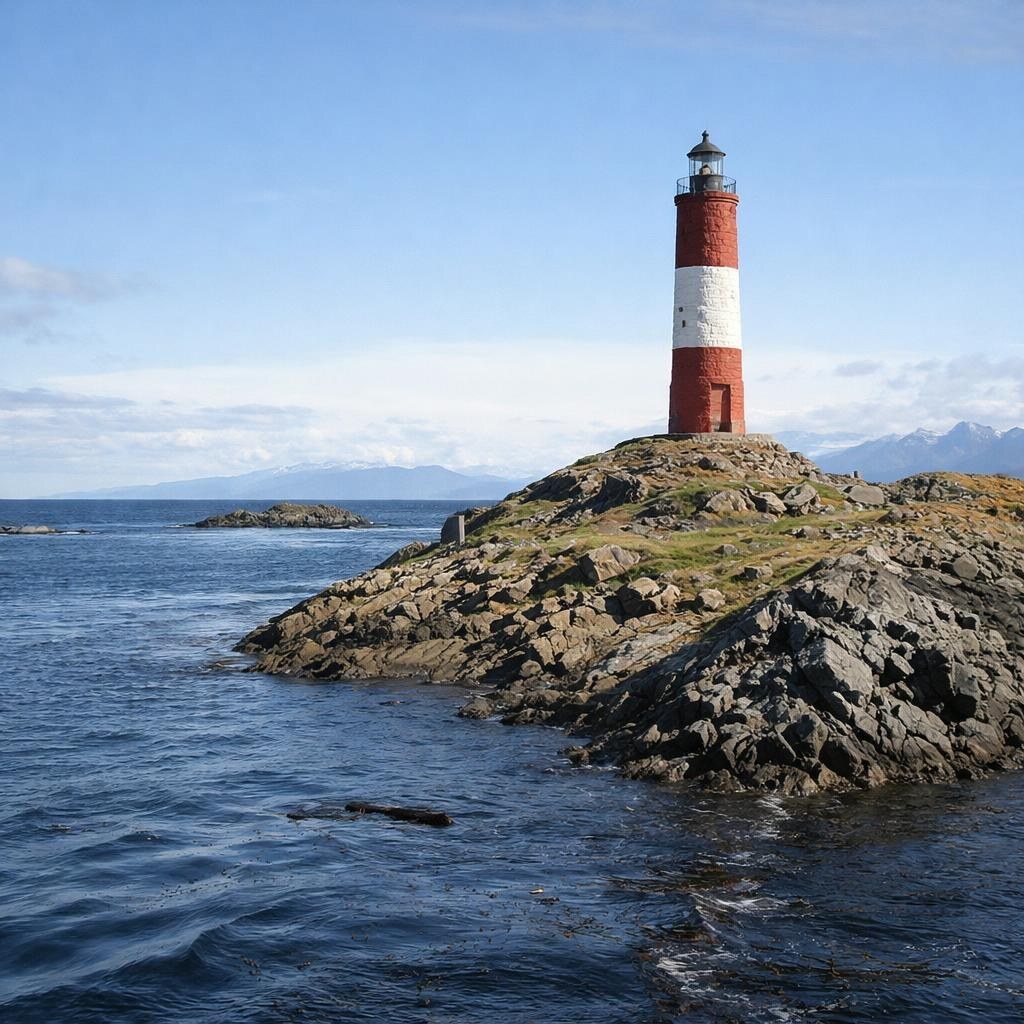
A lighthouse is a tower that is built on a dangerous, rocky coastline. A lighthouse has a bright light in the top of it so ships can see it from a long way away. Lighthouses were built so that ships would know not to go too close to a rocky shore, so they didn't crash. Lighthouses were also used to mark the entrance to a harbour so ships could find where they were going at night.

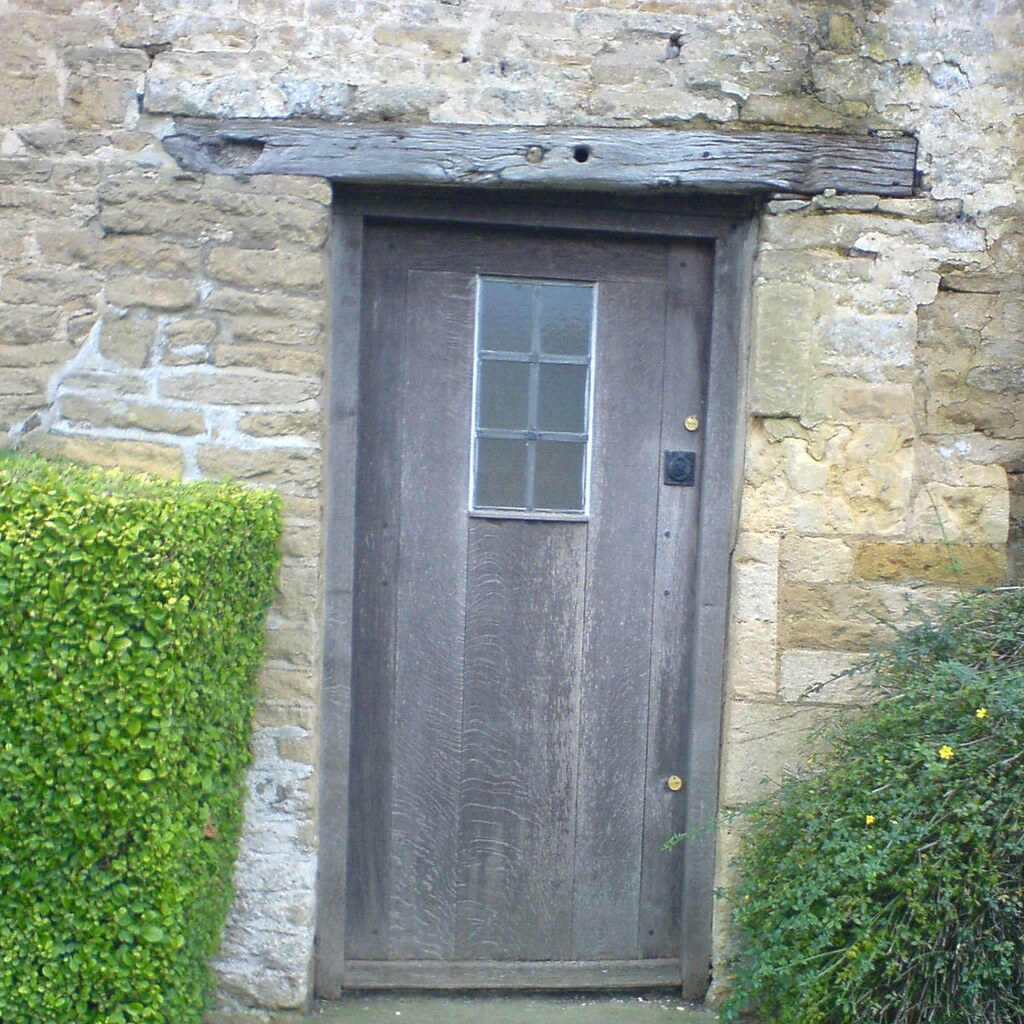
L is for Lintel

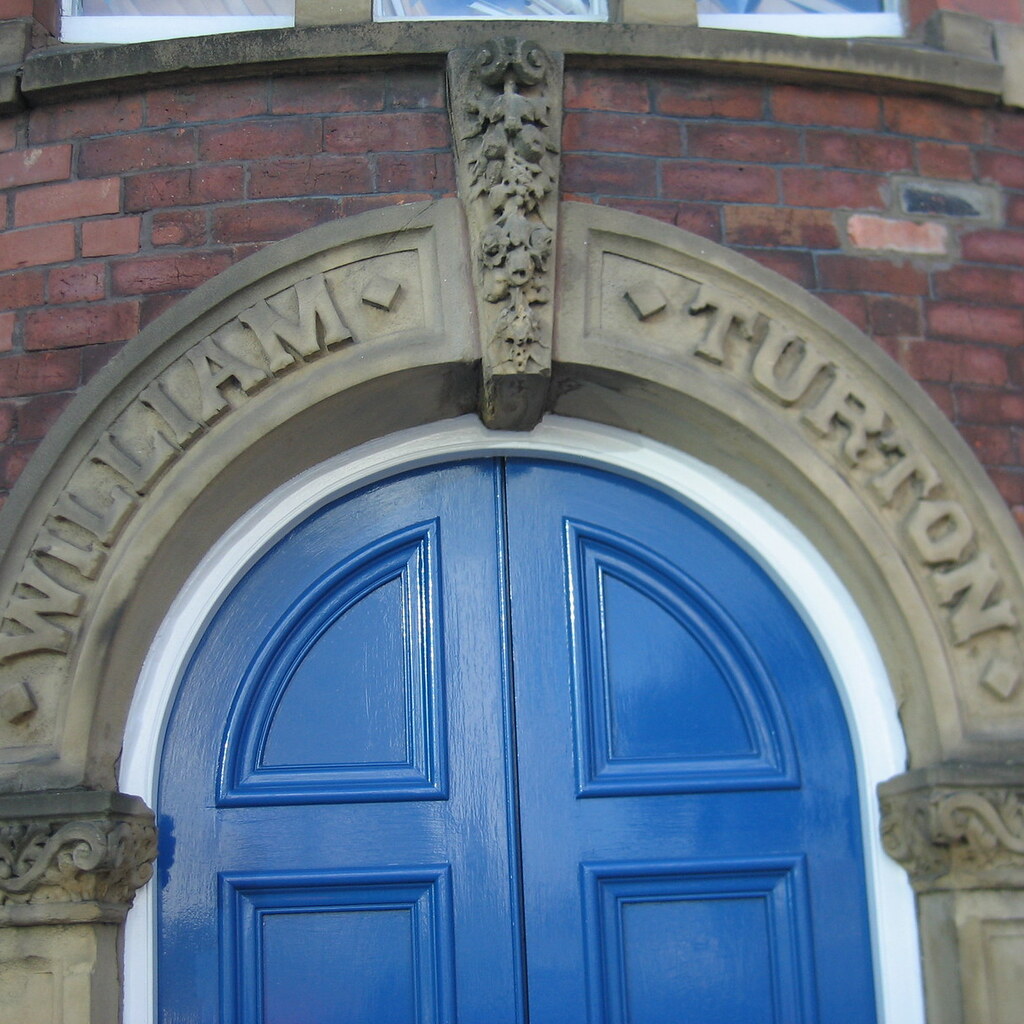
A lintel is a horizontal structural component, supported at each end by a post. Lintels are commonly seen above windows and doors in older houses, supporting the bricks or stone above the opening.
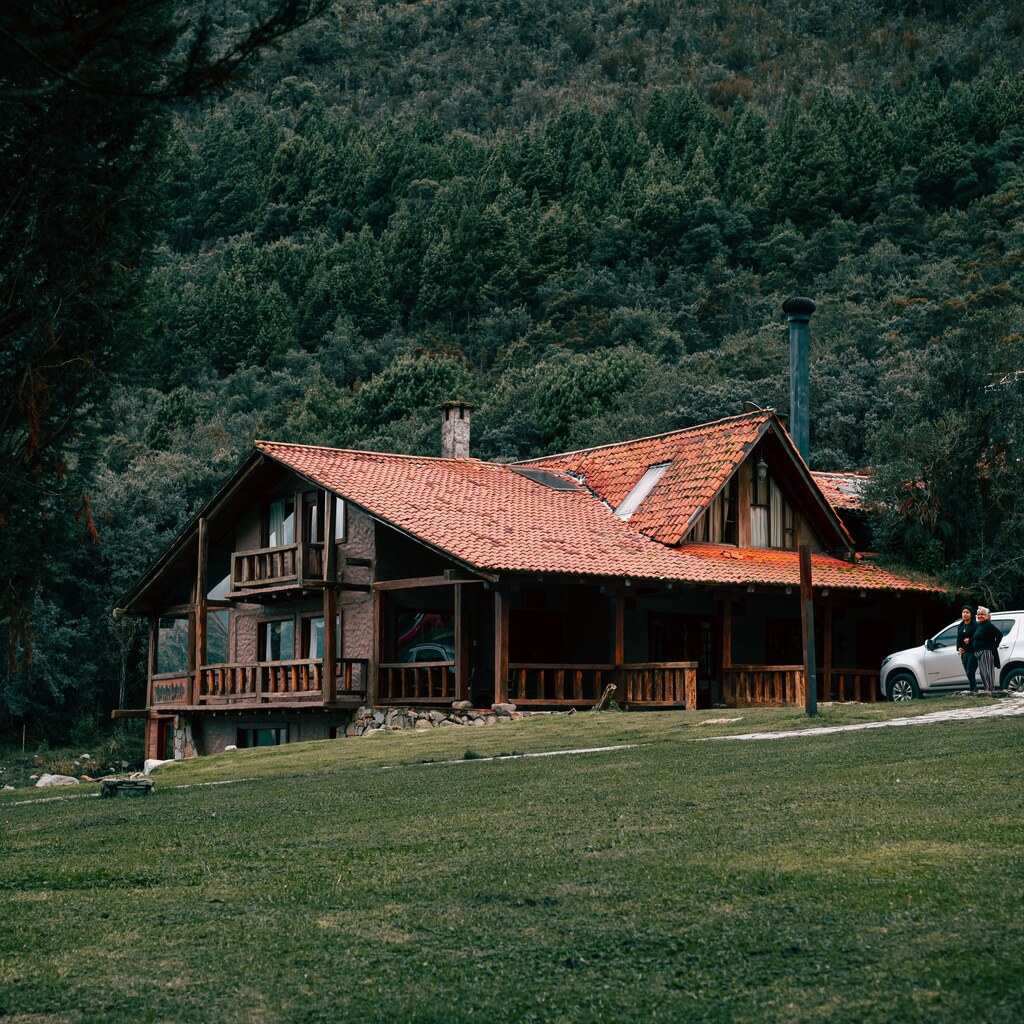
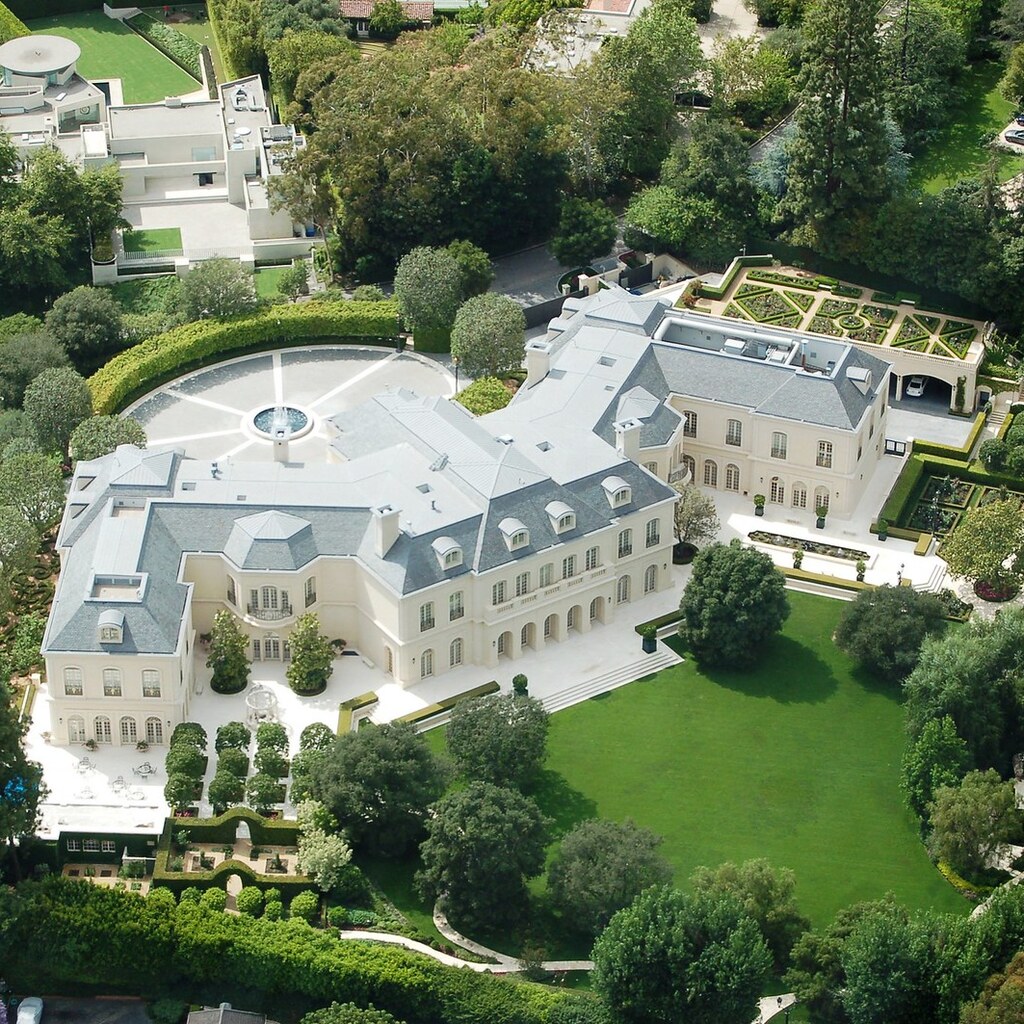
M is for Manor

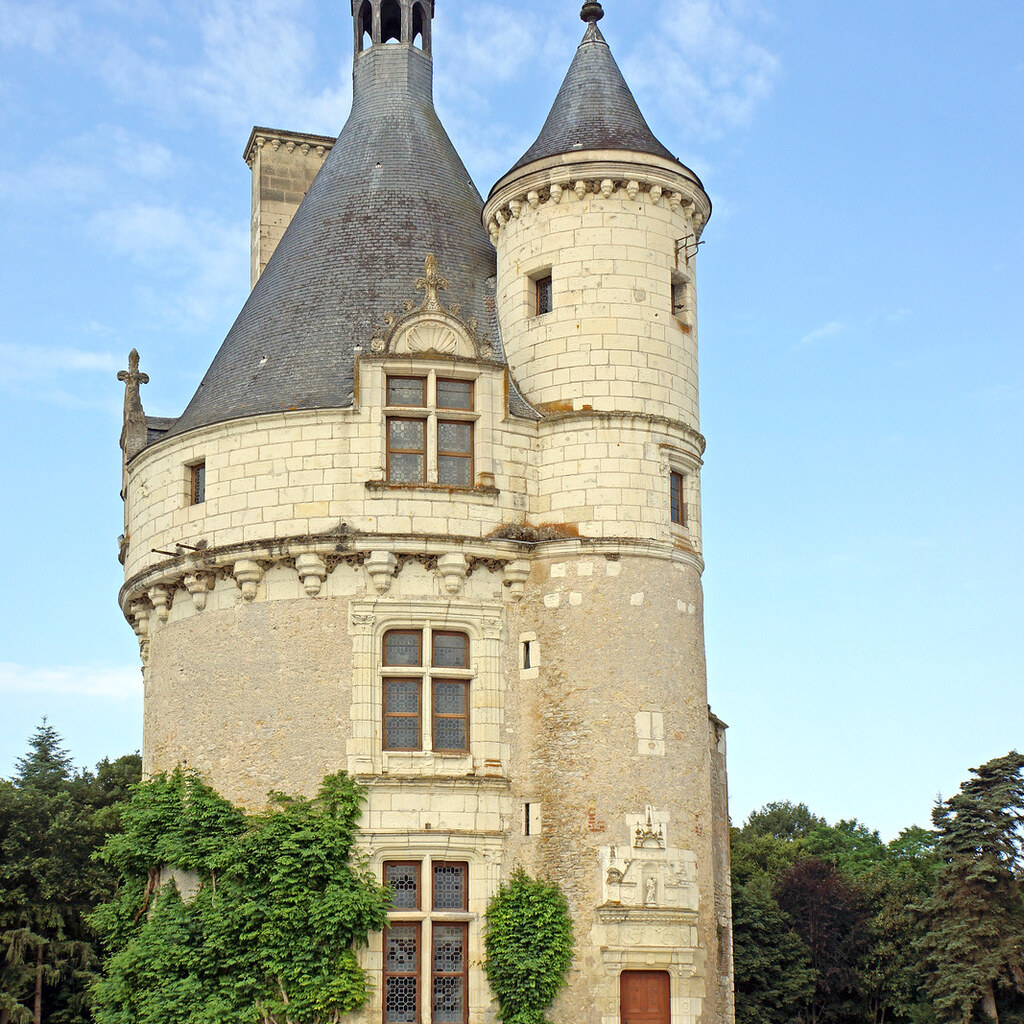
Manor is another word for mansion, a very large house and its land.
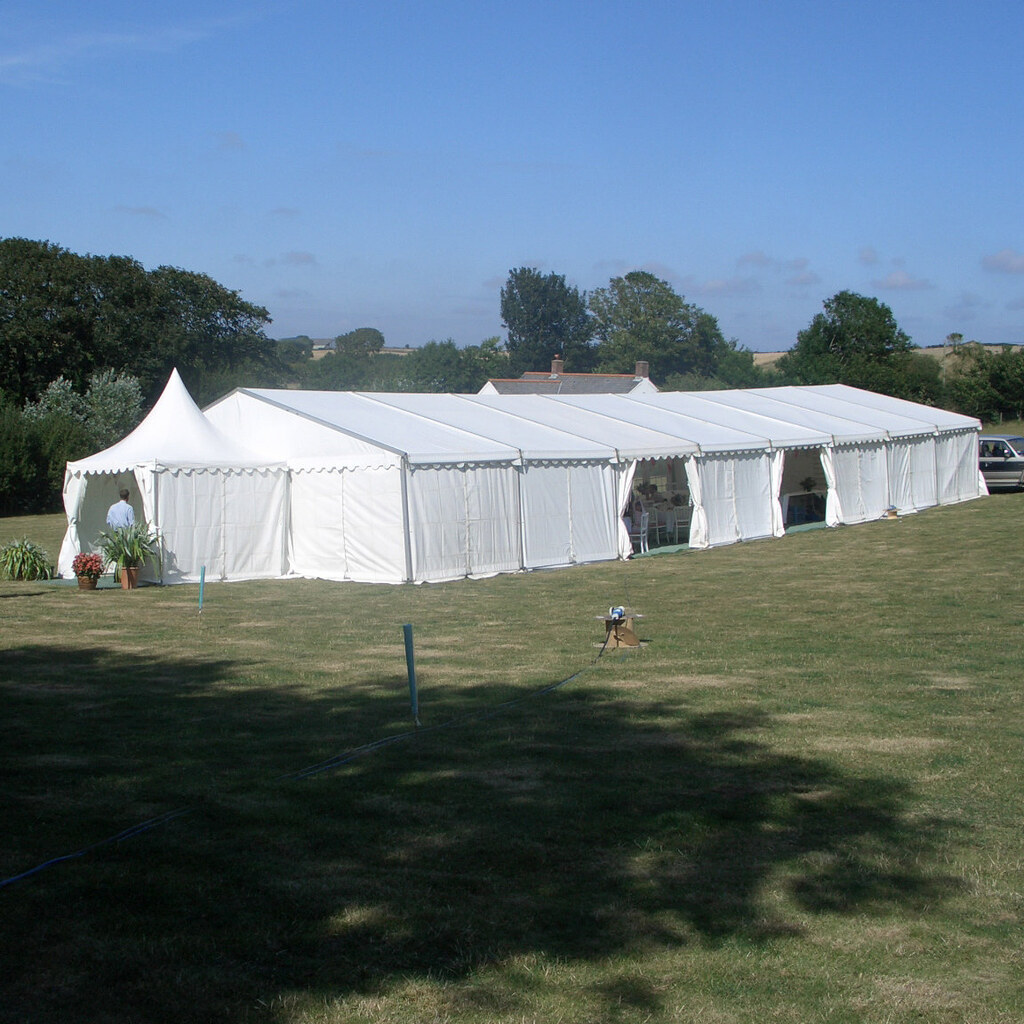
A marquee is a type of large tent.
A marquee is a protruding structure over a theater typically decorated in neon lights, which advertises a movie or play.

M is for Mausoleum

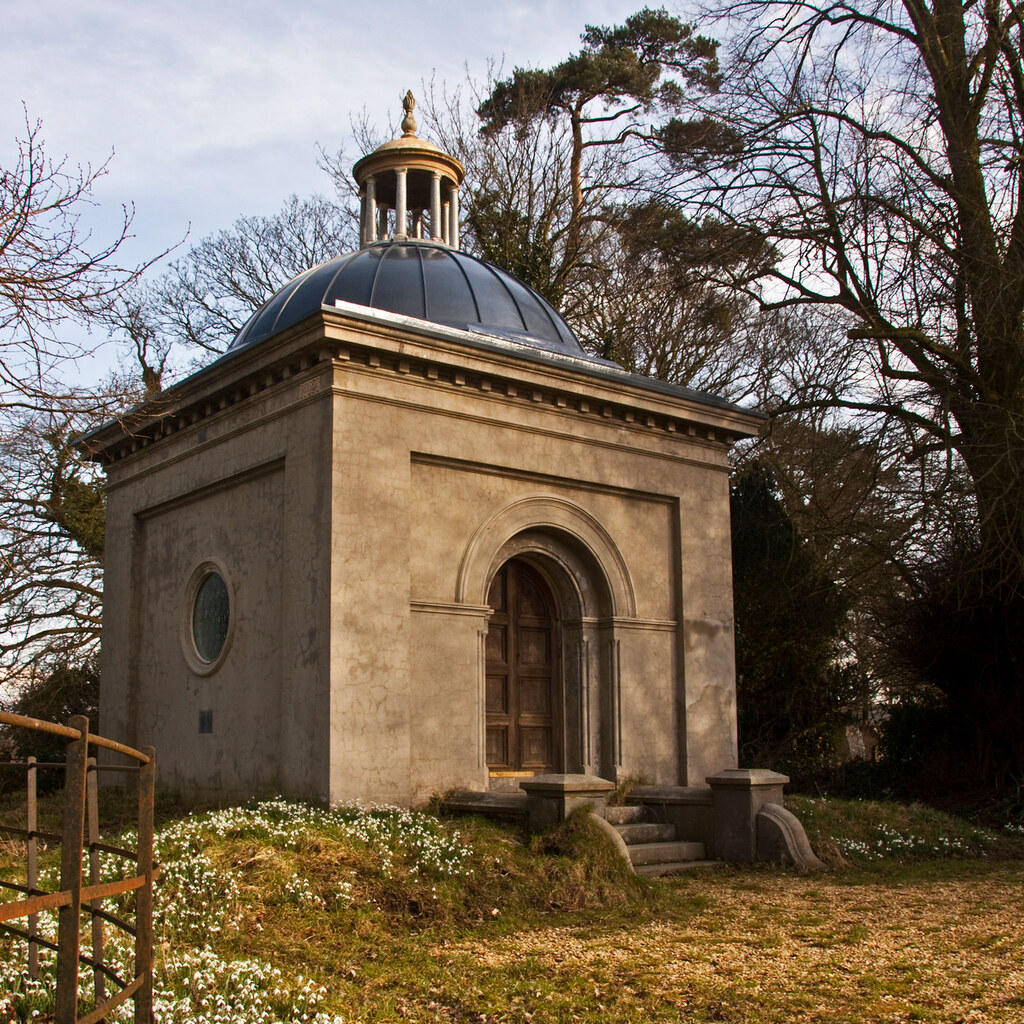
A mausoleum is a type of tomb, a place where dead bodies are placed. They are usually found in cemeteries. Mausoleums are typically quite ornate small buildings, with a room underneath them. Mausoleums often hold the bodies of an entire family.
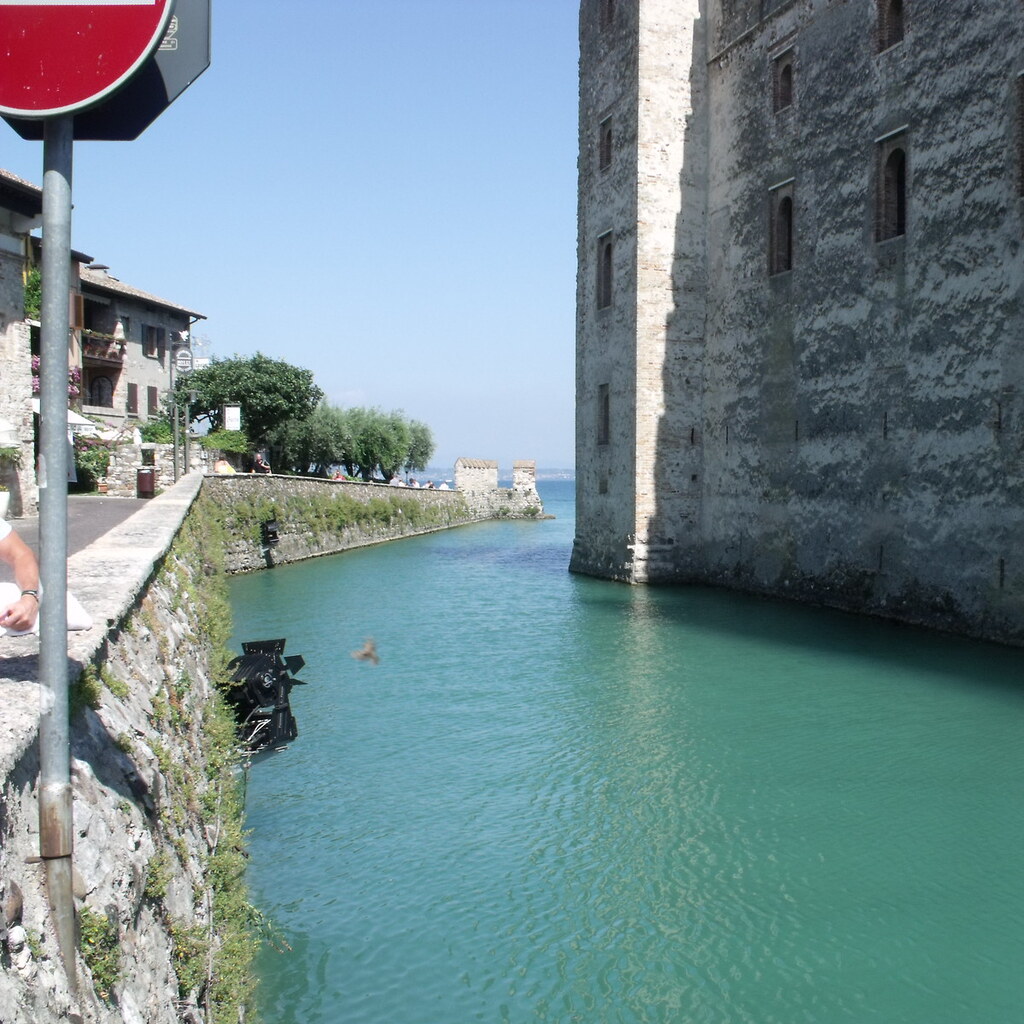
M is for Moat

A moat is a trench dug around a structure like a castle to stop people from getting in. Moats may be dry, or filled with water.

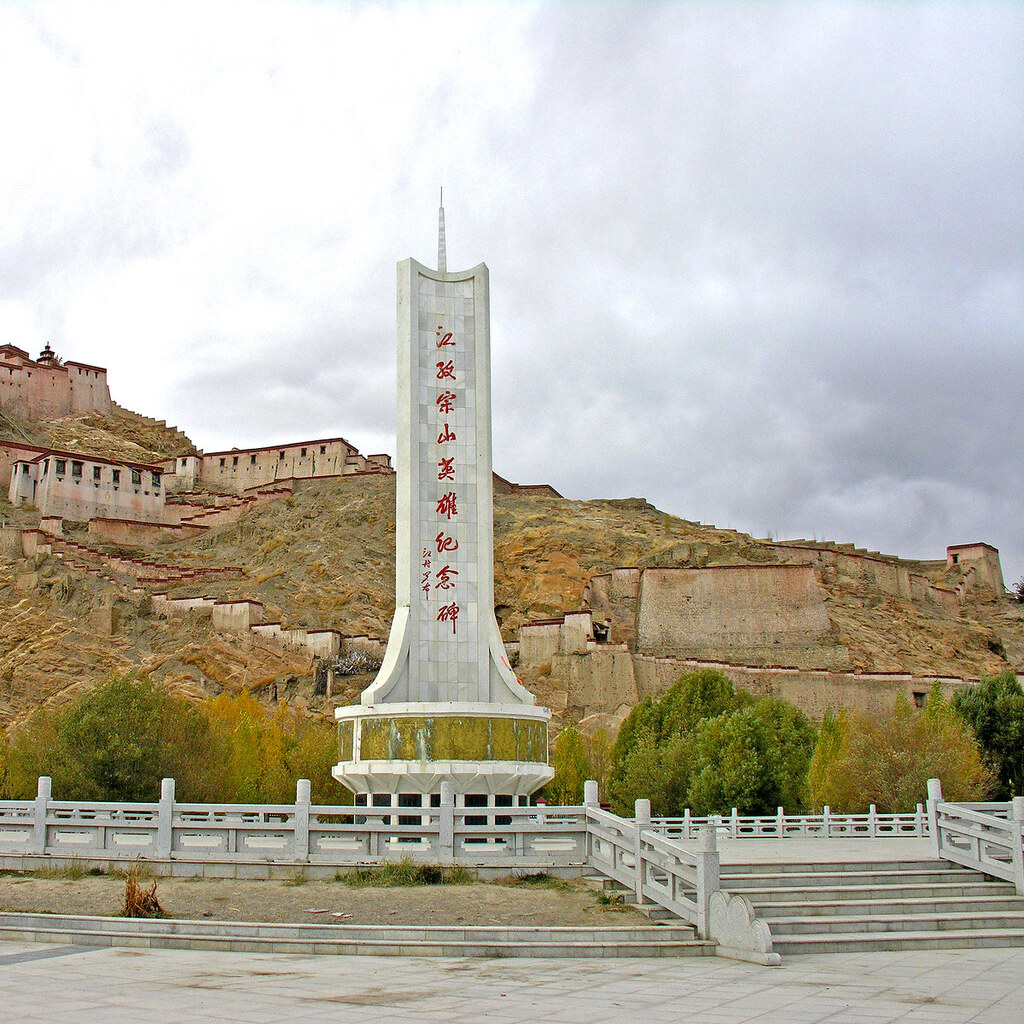
M is for Monument

A monument is a structure that has been made as a reminder of an event or a person from time past. Momuments are often made to remember wars.
A monument is also a place of historical interest or great beauty that a Government maintains.

O is for Observatory

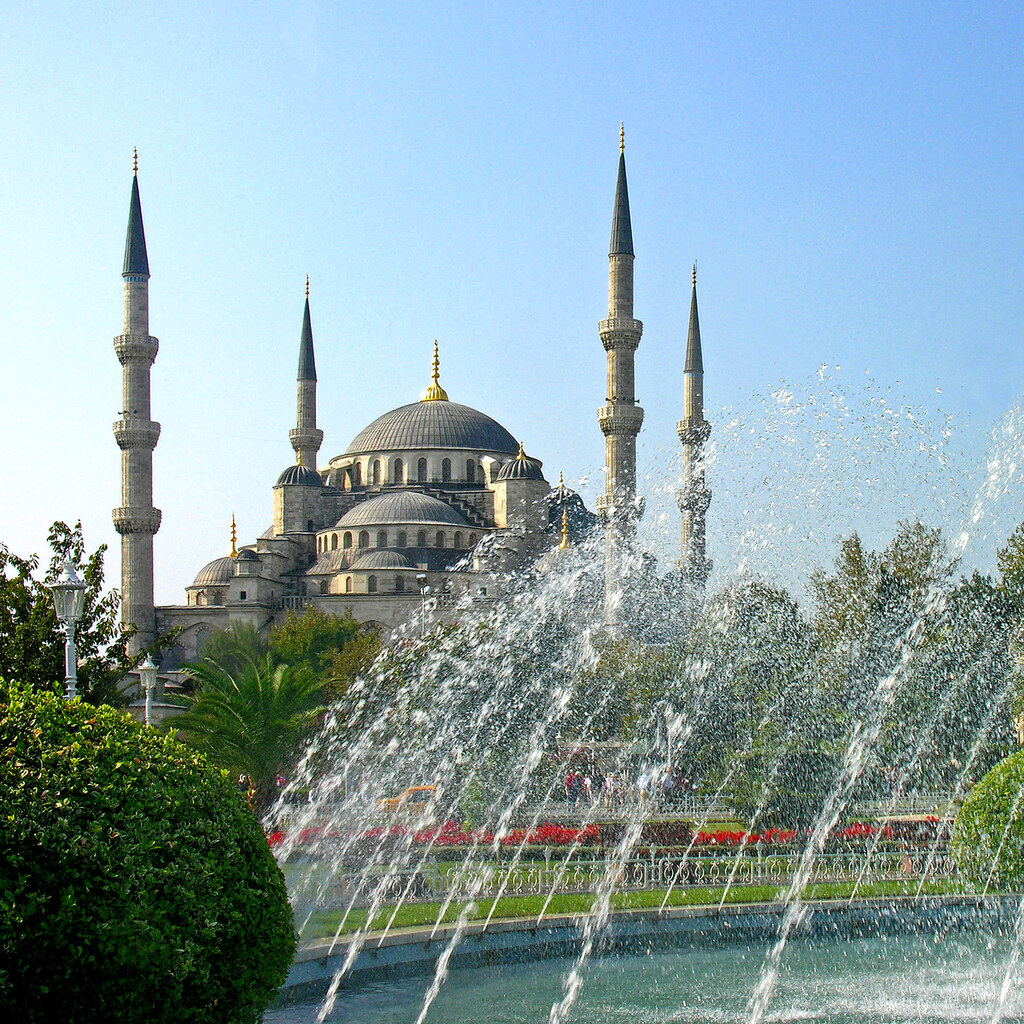
An observatory is a building that is made as a place to watch the stars and planets. Observatories are dome-shaped and are usually built on top of high mountains so there is less air between them and space.

P is for Pagoda

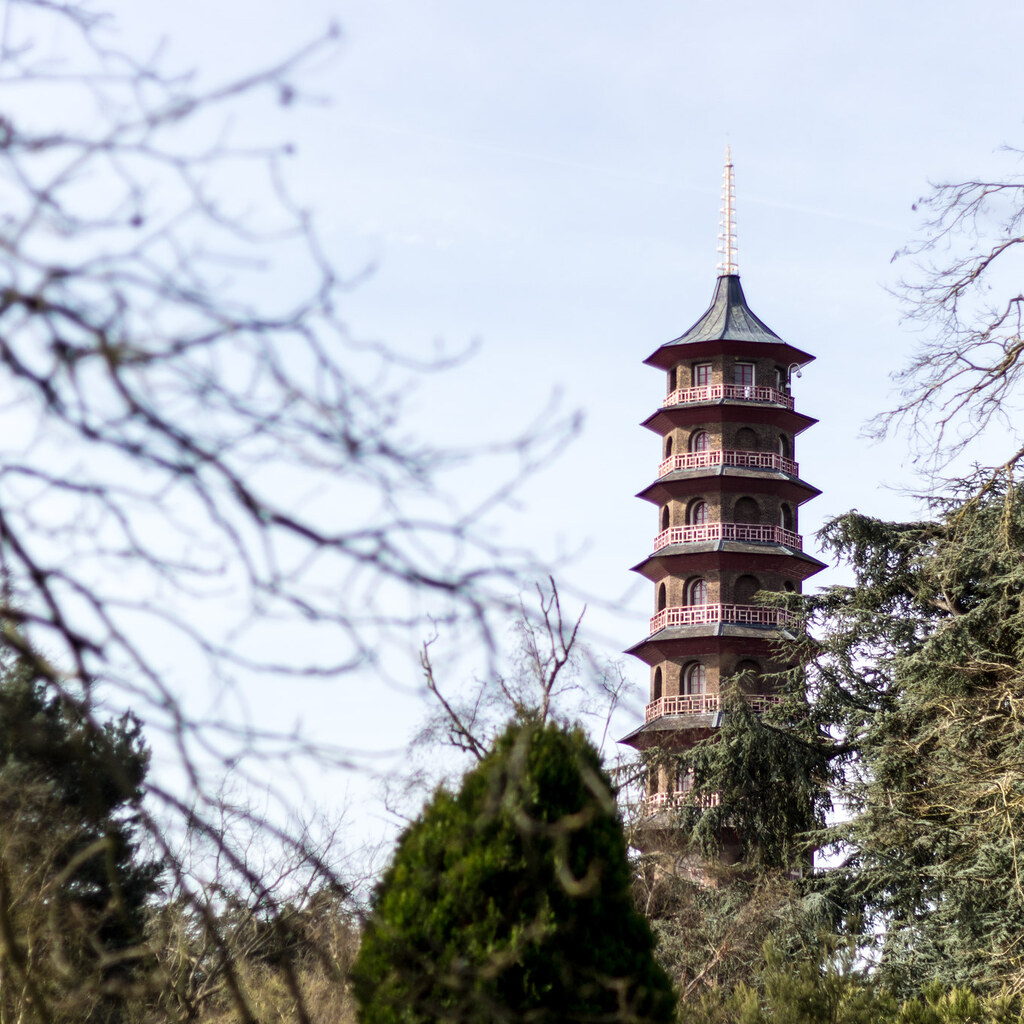
A pagoda is a style of building typically seen as a temple in countries like Japan or China. Pagodas often have many layers of decorative roof, with upturned edges.

P is for Pergola

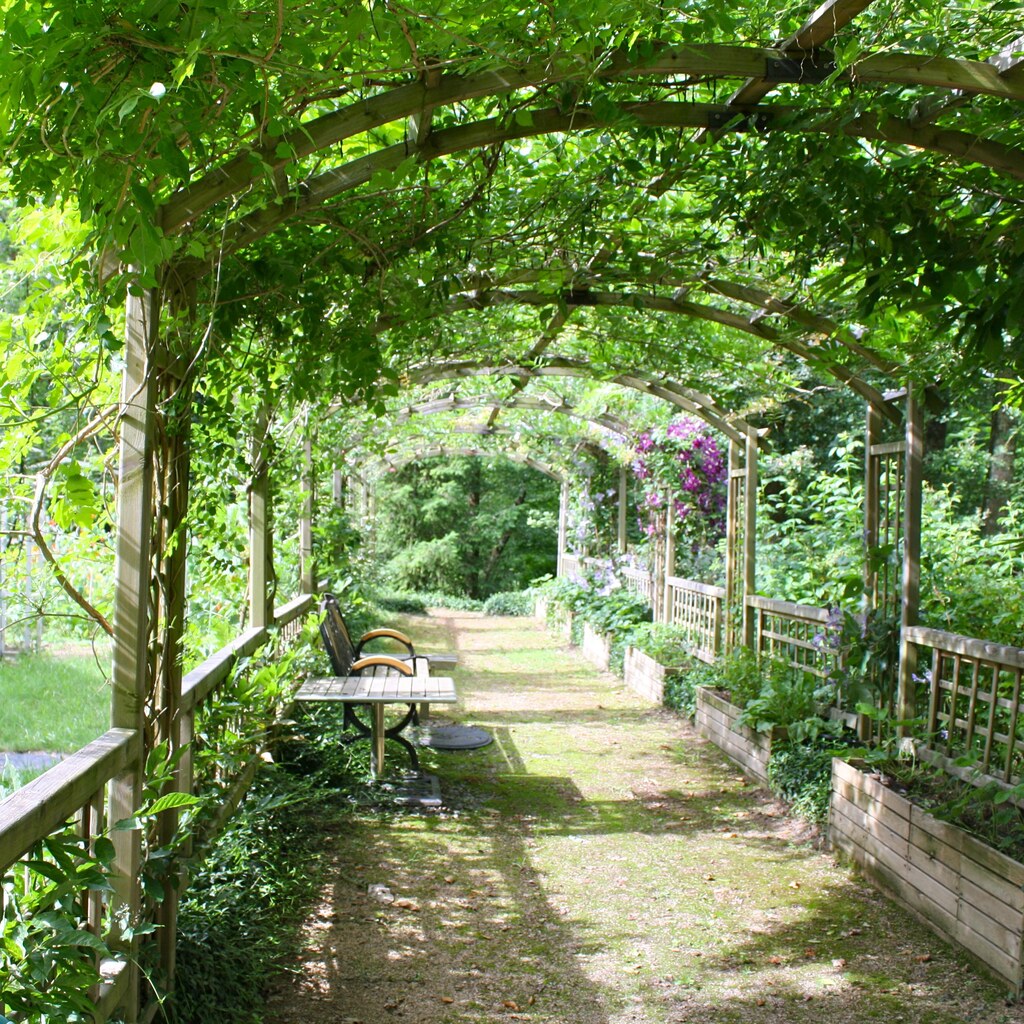
A pergola is a structure made of wood in a crosshatch pattern which can be used for shade or growing hanging plants or vines on.

P is for Pillar

Pillars, or columns, are tall, thin posts usually made from stone. Pillars are often decorative, and are usually used for holding something up, like a roof or a bridge.

P is for Platform

A platform is a horizontal surface that is raised up higher than what is around it.
Platforms are commonly used at train stations so you can get into the train easier, and as a stage.

P is for Plinth

A plinth is a heavy base made of stone that a statue or other work of art can stand on.

P is for Pole

A pole is a very tall post. Poles are often used to hold something up, like a tent or power lines.
A Pole is also someone from Poland.