Containers

Things you can put other things inside.

His forHamper

A hamper is a type of basket, usually with a lid, for storing things in. The picture is of a picnic hamper. Another kind of common hamper is a laundry hamper, for putting dirty clothes in. Hamper might also mean to hinder.

His forHandbag

A handbag is a container with one or more handles that a woman carries around with her. Most handbags have things like money, lipstick and a mobile phone in them. In some countries, a handbag is also known as a purse.

Jis forJar

A jar is a small container with a lid you can keep things in. Today most jars are made of glass or plastic with a metal or plastic screw-top lid. A long time ago jars used to be made from ceramic or glass, and had lids made out of cork, rubber, cloth tied with string, or glass held on with metal clips and a rubber seal.

Kis forKeg

A keg is another name for a cask or barrel. Modern kegs tend to be made from metal, and contain drinks stored under pressure.

Lis forLunchbox

A lunchbox, sometimes called a bento box, is a container you put sandwiches in to take them to school to eat for lunch. You can pack anything you like in a lunchbox, like apples, cake or nuts.

Mis forMatchbox

A matchbox is a small box designed to hold matches. Matchboxes usually have a rough strip along one or two sides to light the matches with. When all the matches have run out, matchboxes are handy to keep other small items in.

Mis forMug

A mug is a type of cup often used for drinking hot beverages, such as coffee, tea, or hot chocolate. A mug is bigger than a cup.

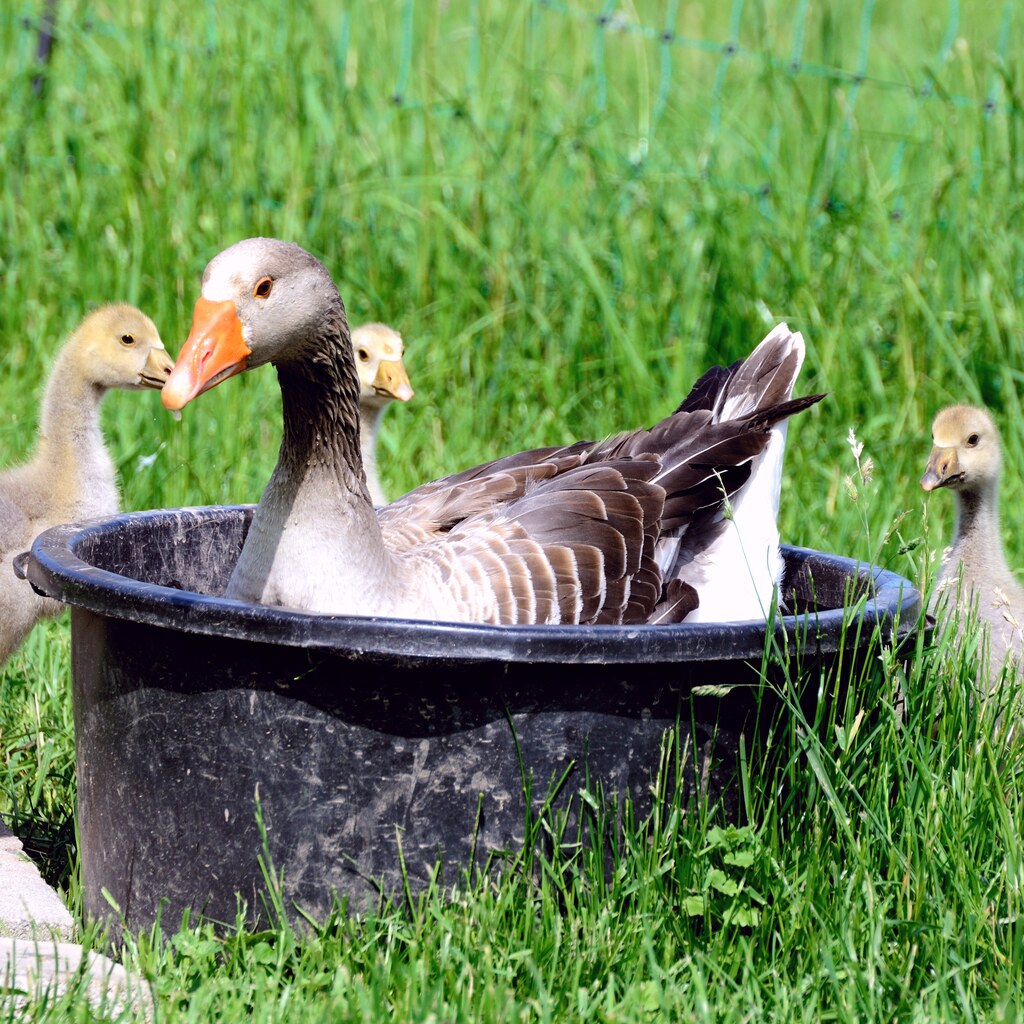
Pis forPail

Pail is another word for a bucket, particularly an old-fashioned wooden bucket.

Pis forPallet

A pallet is something that is used for storing heavy items on top of. Pallets are made from wood or plastic and are designed to be picked up by a forklift. They are typically used as the base to carry a stack of bricks on. Not to be confused with palette.

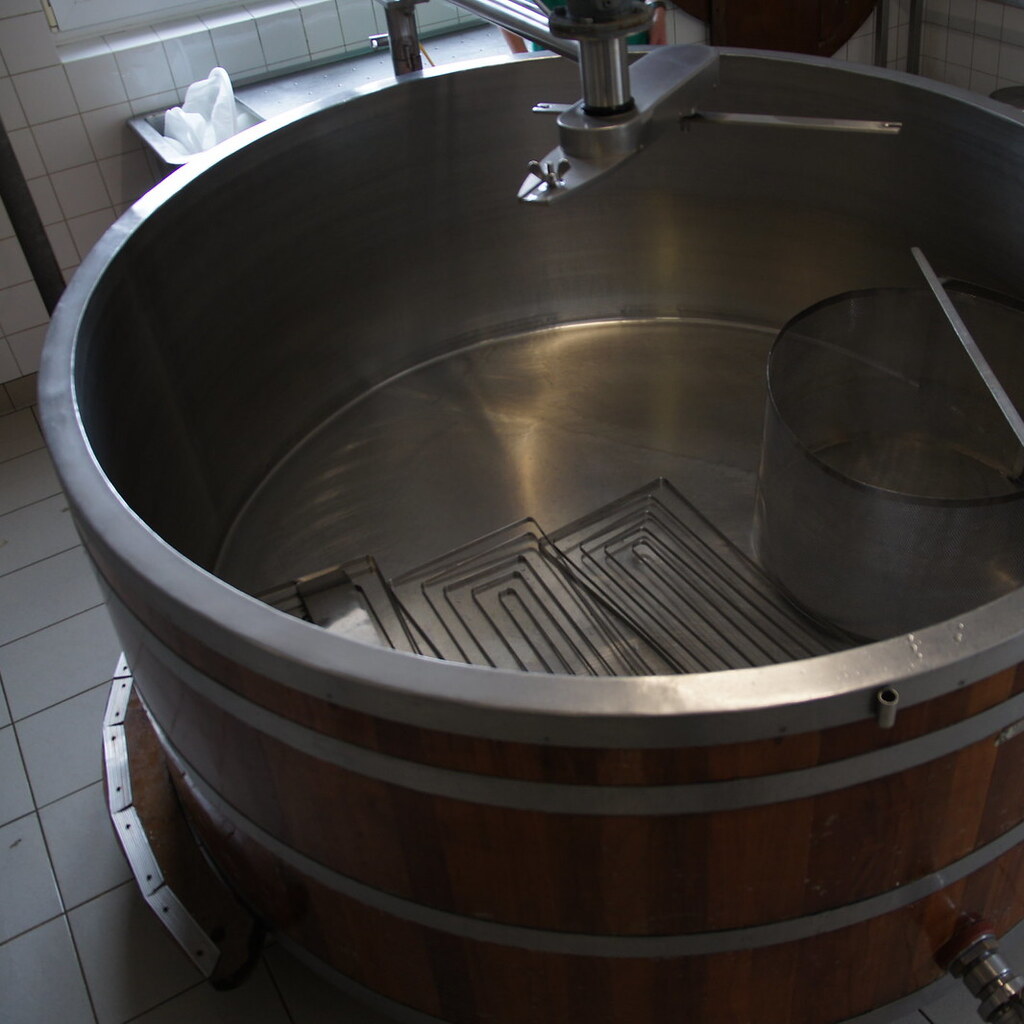
Pis forPan

A pan is a metal container that usually has a flat bottom and reasonably straight sides. Pans may or may not have handles. Shallow pans are called frying pans, and deeper pans are called saucepans.