
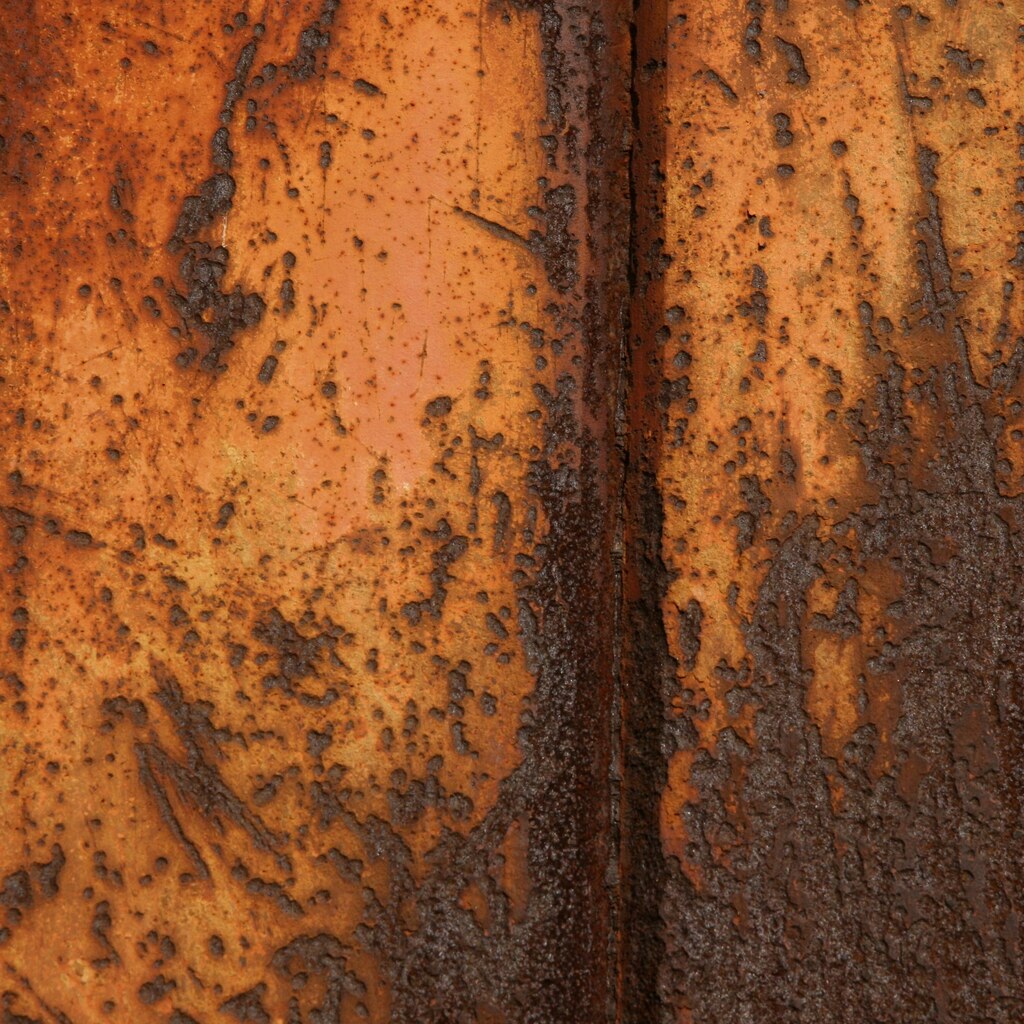
Damage

Words to do with the breaking and undoing of things.

Showing 1-20 of 40

Bis forBlot

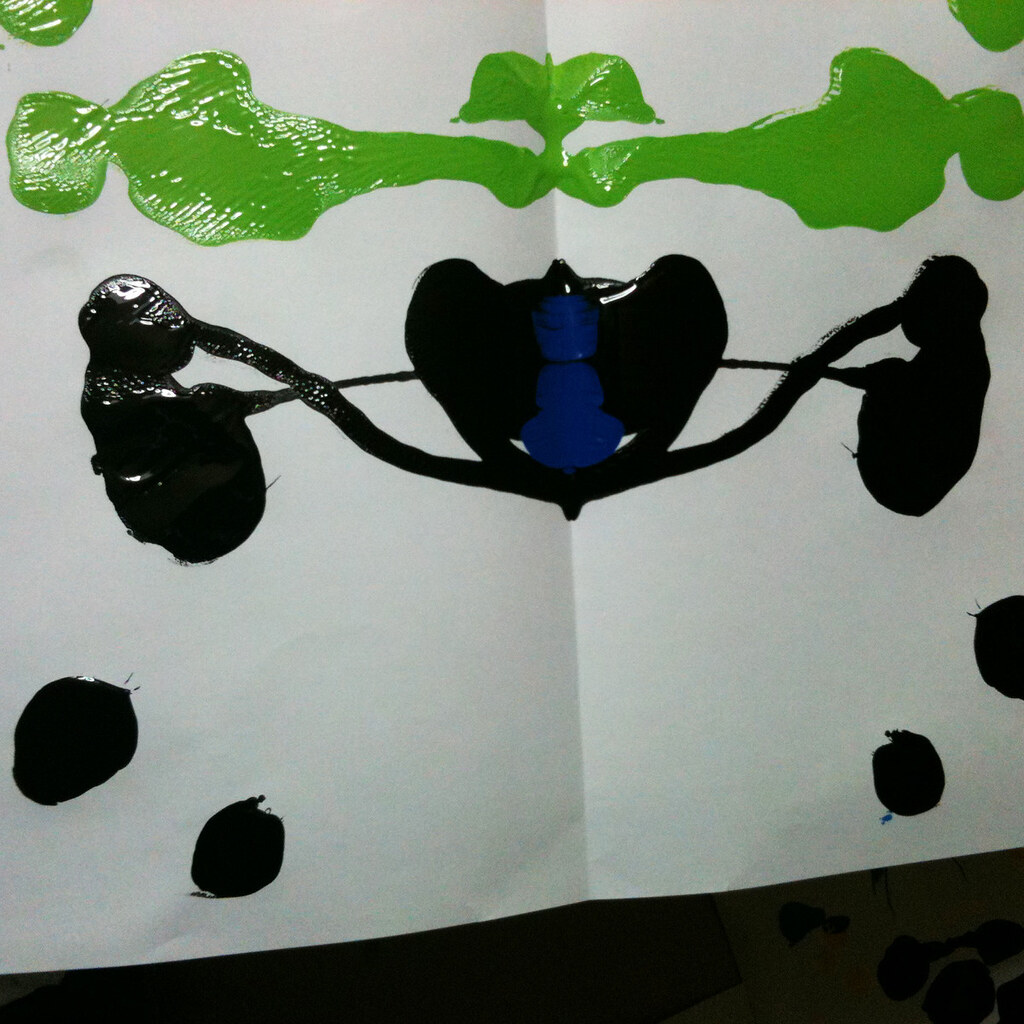
A blot is an uneven spot or stain. When you say blot, you usually mean a blot of ink on paper.

Bis forBreak

You break something when you damage it or split it into many pieces violently or with a lot of force.

The woman in the picture is breaking an egg.

Bis forBroken

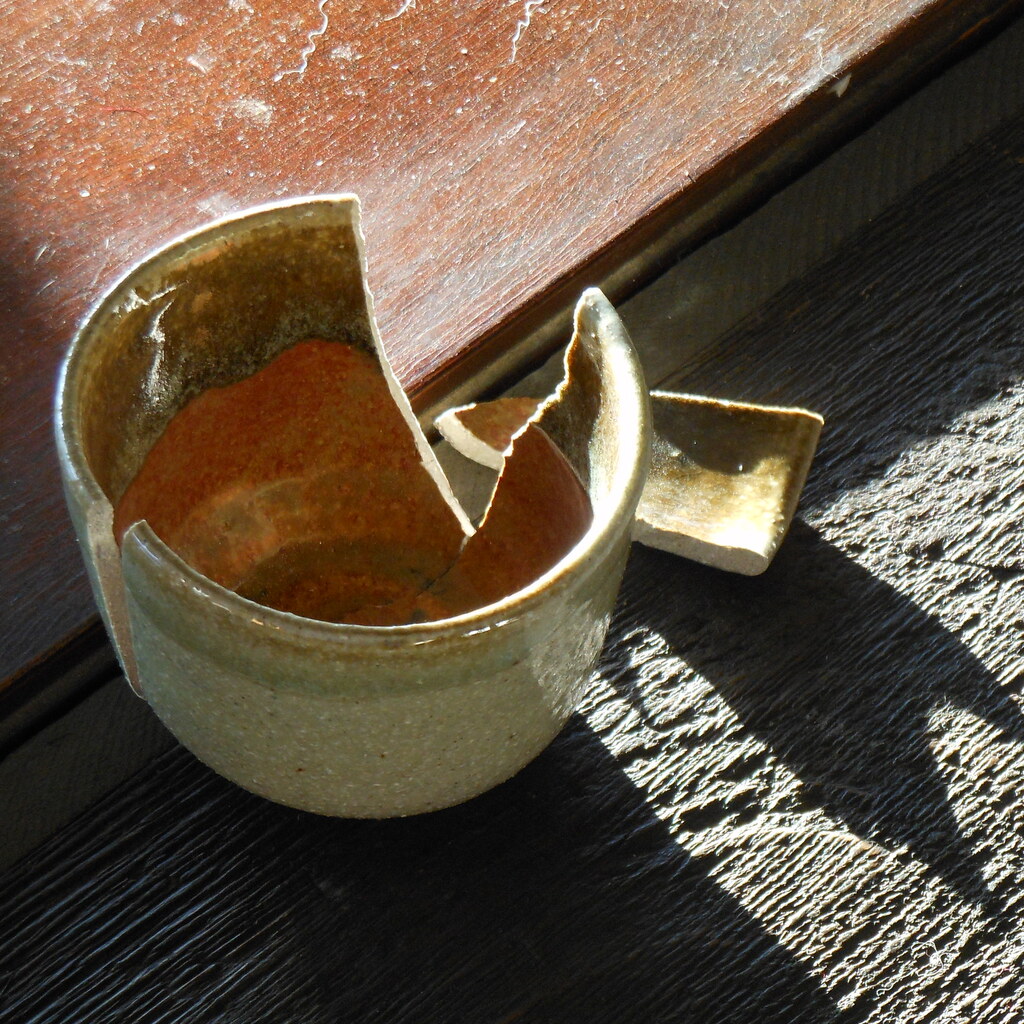
Something is broken if it is so badly damaged it can't be used for its original purpose. For example, a chair is broken if a leg has come off and you can't sit on it. The cup in the picture is shattered so badly it no longer holds coffee. Some things that are broken can be fixed, but not all.

Cis forChip

A chip is a small piece of something, most commonly a piece of potato, deep fried to make potato chips.

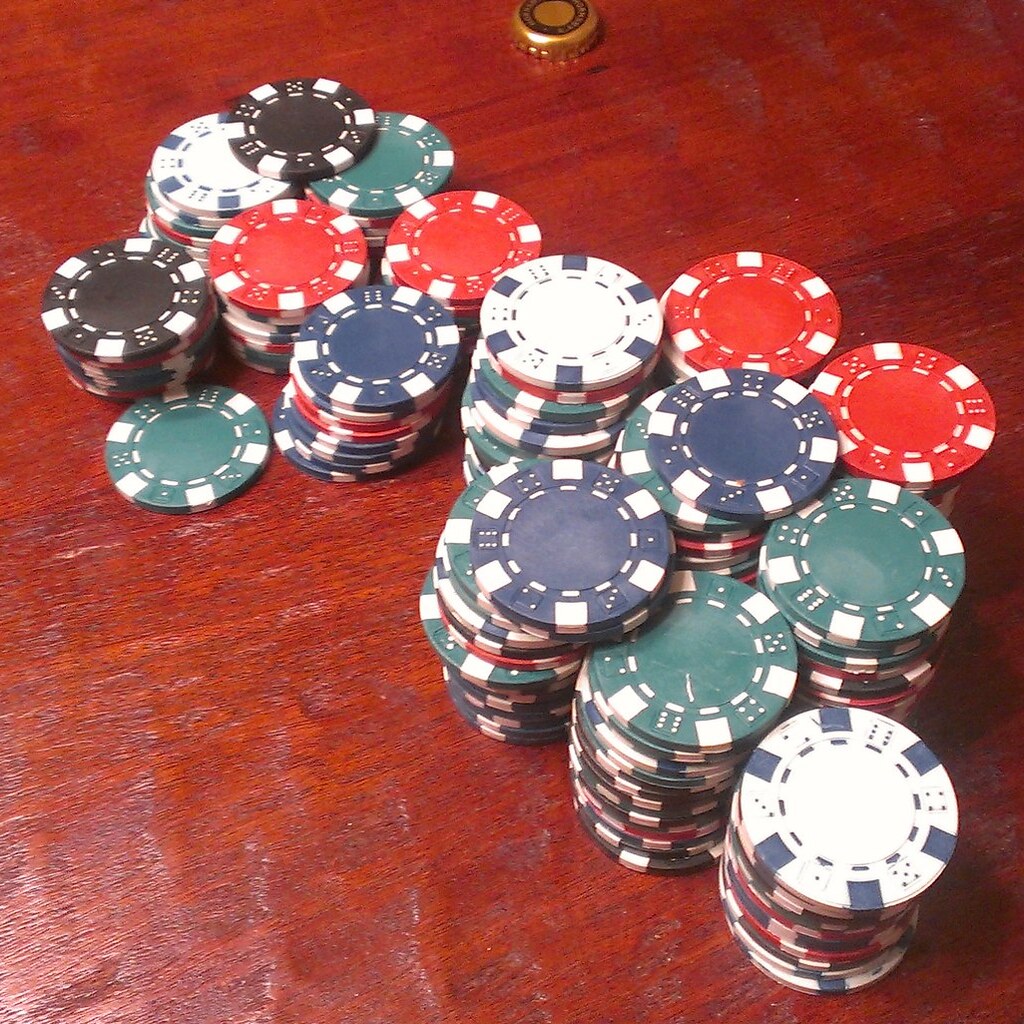
A chip is used in gambling to represent money.

Cis forCorrode

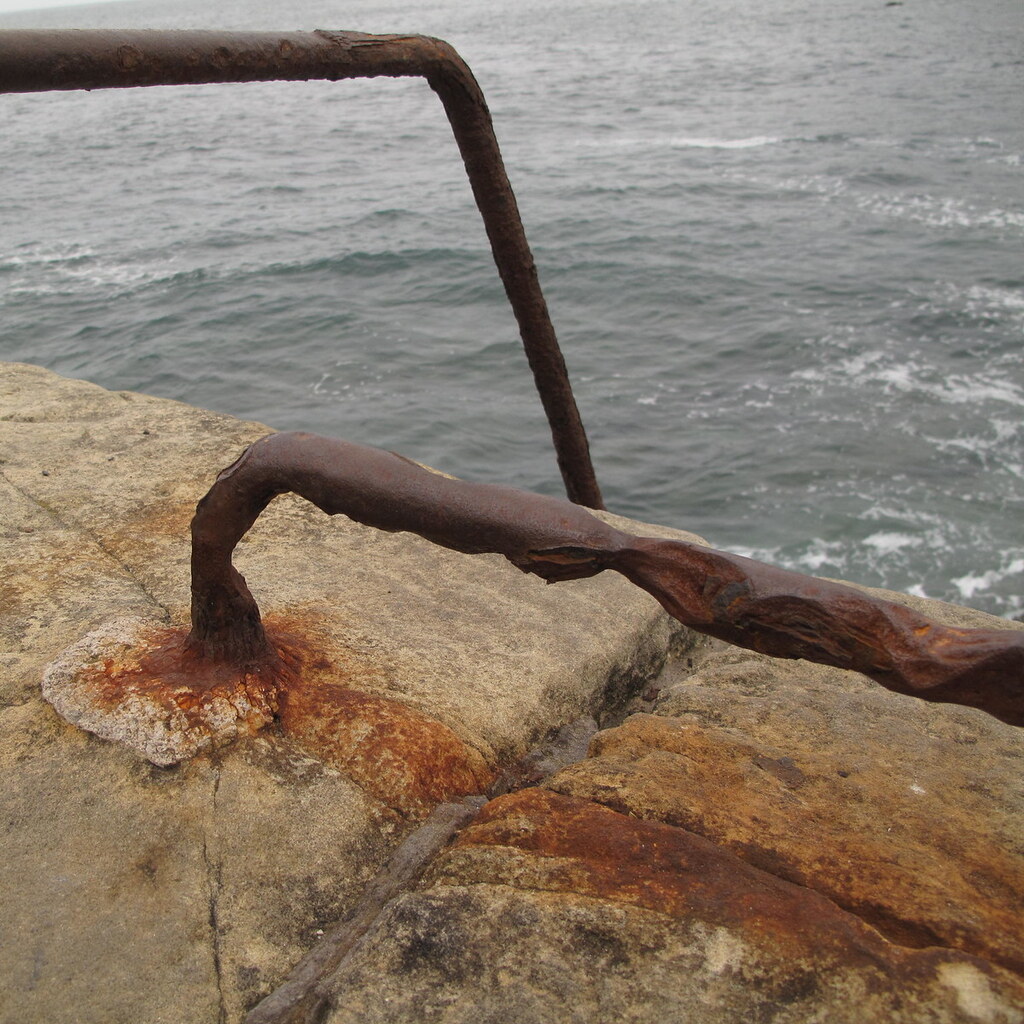
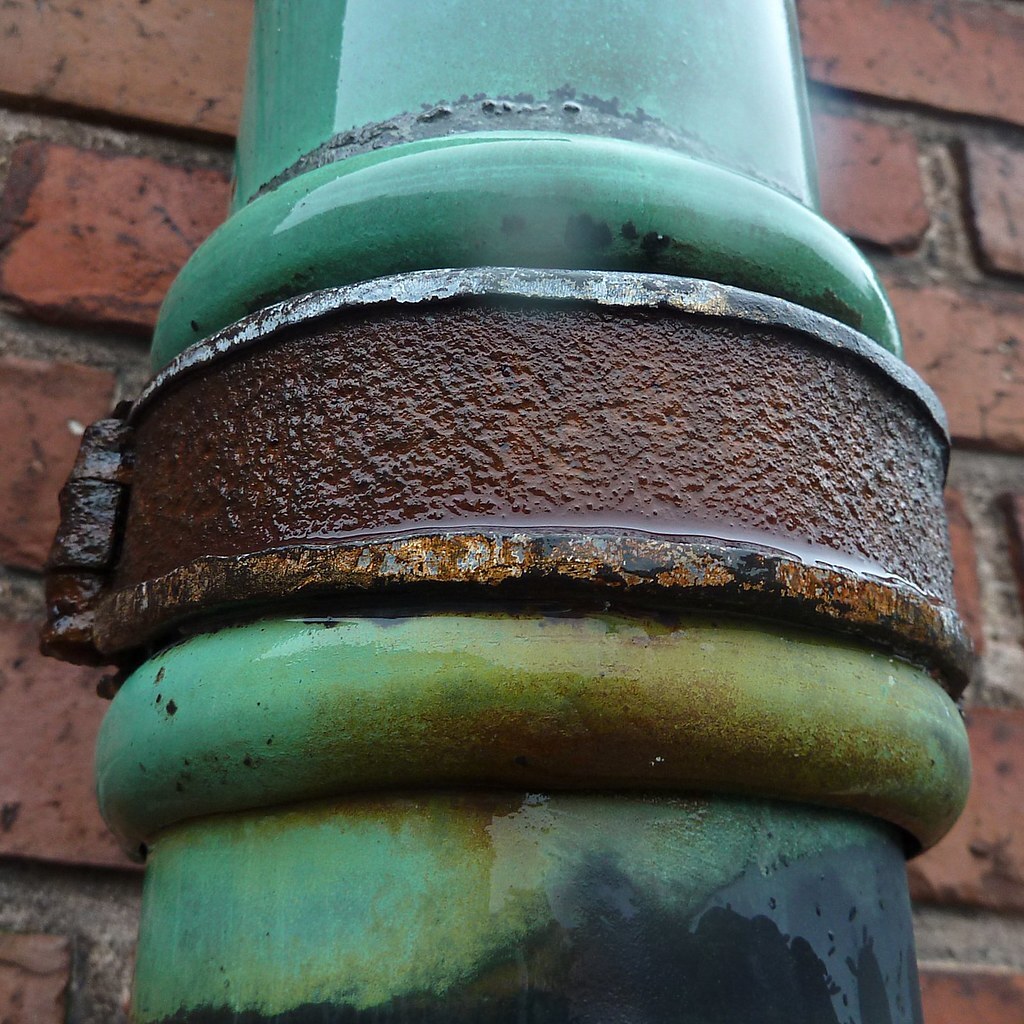
Corroding is the process by which something becomes corroded. Metals usually corrode by a slow chemical reaction.
Cis forCorroded

Something is corroded if it is showing damage from being slowly eaten away. Many metals become corroded over time by a slow chemical reaction. Iron becomes rusted as it corrodes.
Corrosion is what appears on something that is corroded, or the process of something becoming corroded.

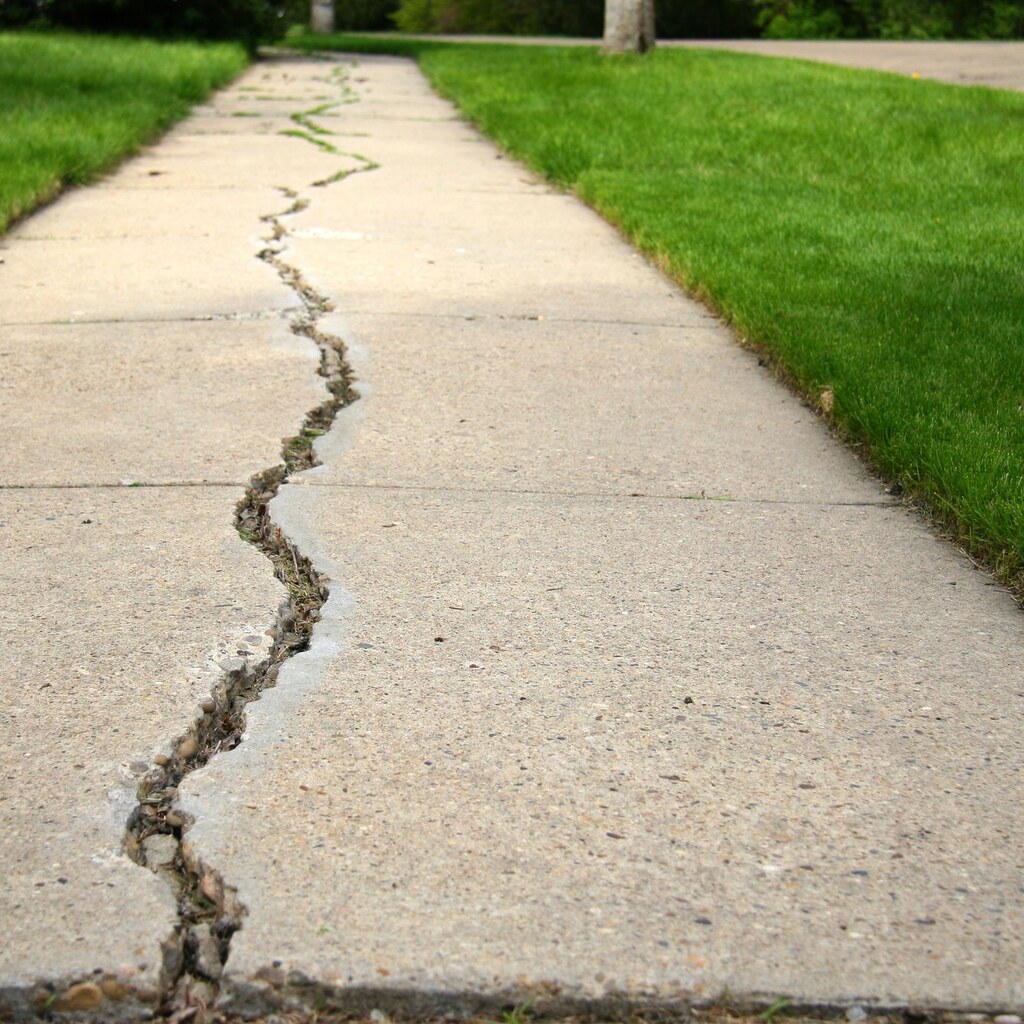
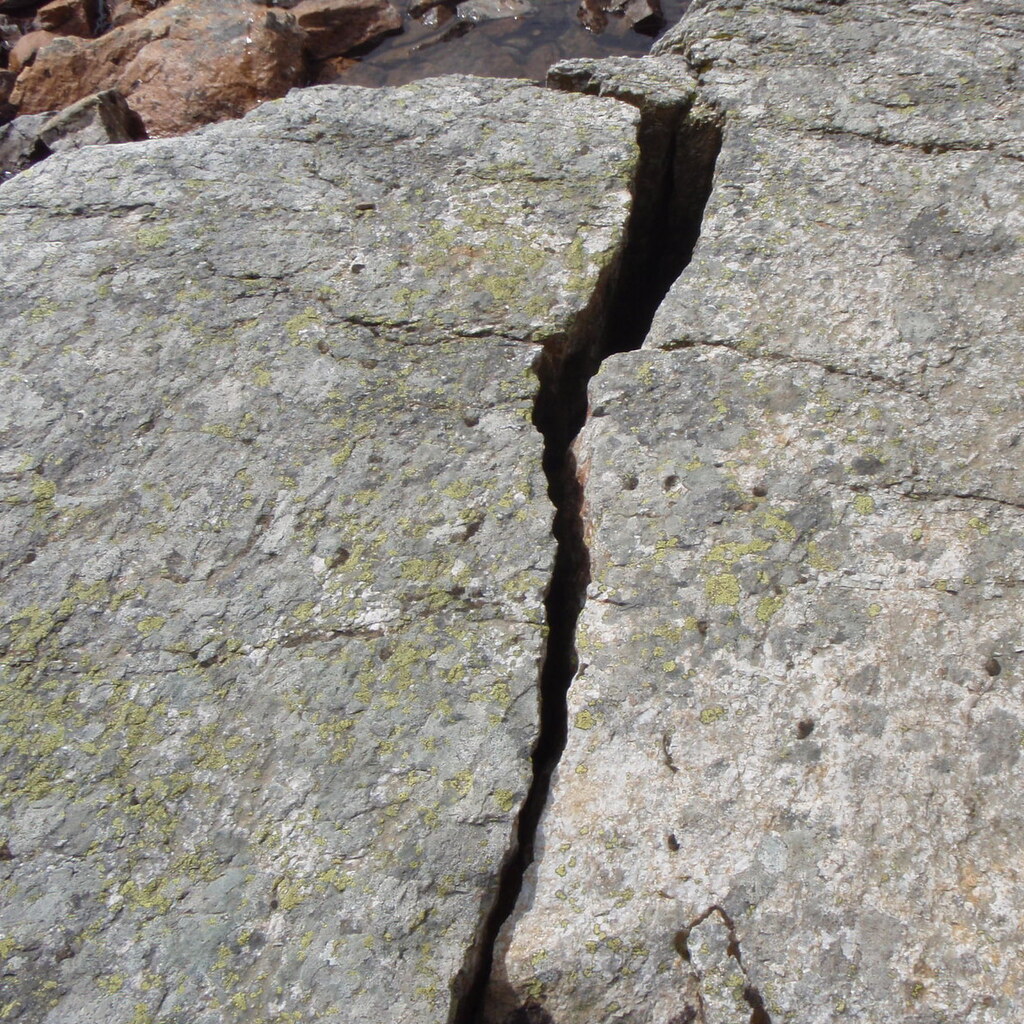
Cis forCrack

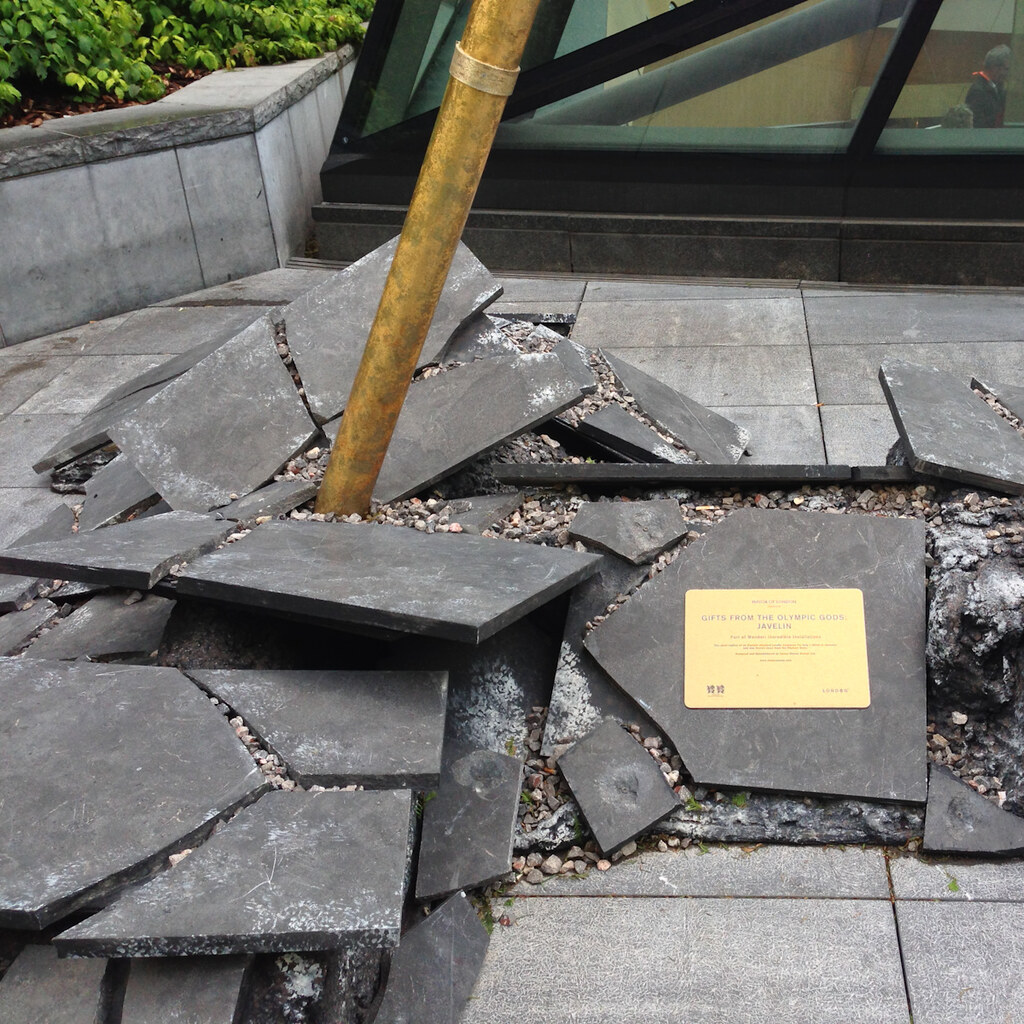
A crack is a long, thin break in something. Cracks are usually found in something big and hard, like a wall or a concrete building.

Cis forCrease

A crease is a line that has been made in a surface, usually by bending or folding it. People get creases in their skin in places that move, like around their eyes. The piece of paper in the picture has creases in it from where someone has folded it into the shape of a paper plane.

Dis forDamage

Damage is some kind of harm that is caused to something else, which doesn't completely break or destroy it but does reduce its usefulness or value.
The tomato in the picture has been damaged by birds.

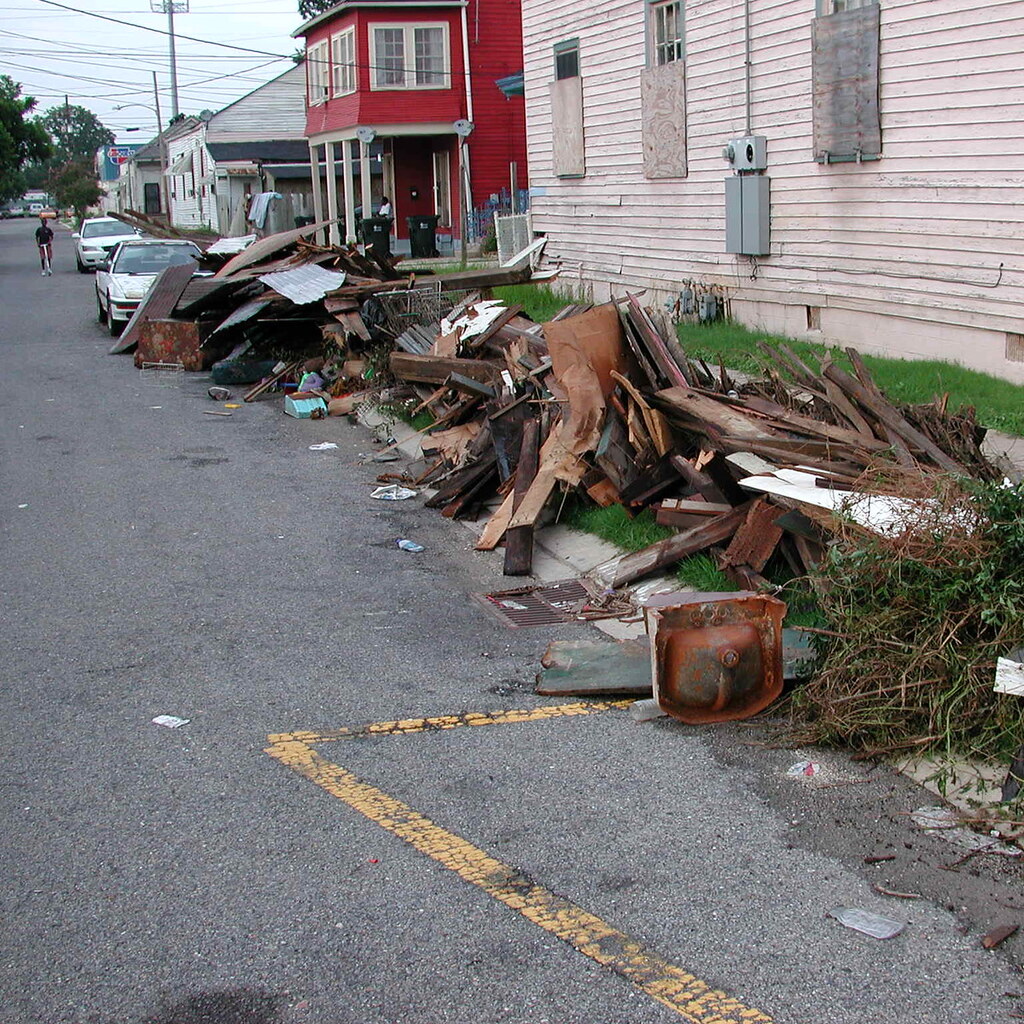
Dis forDebris

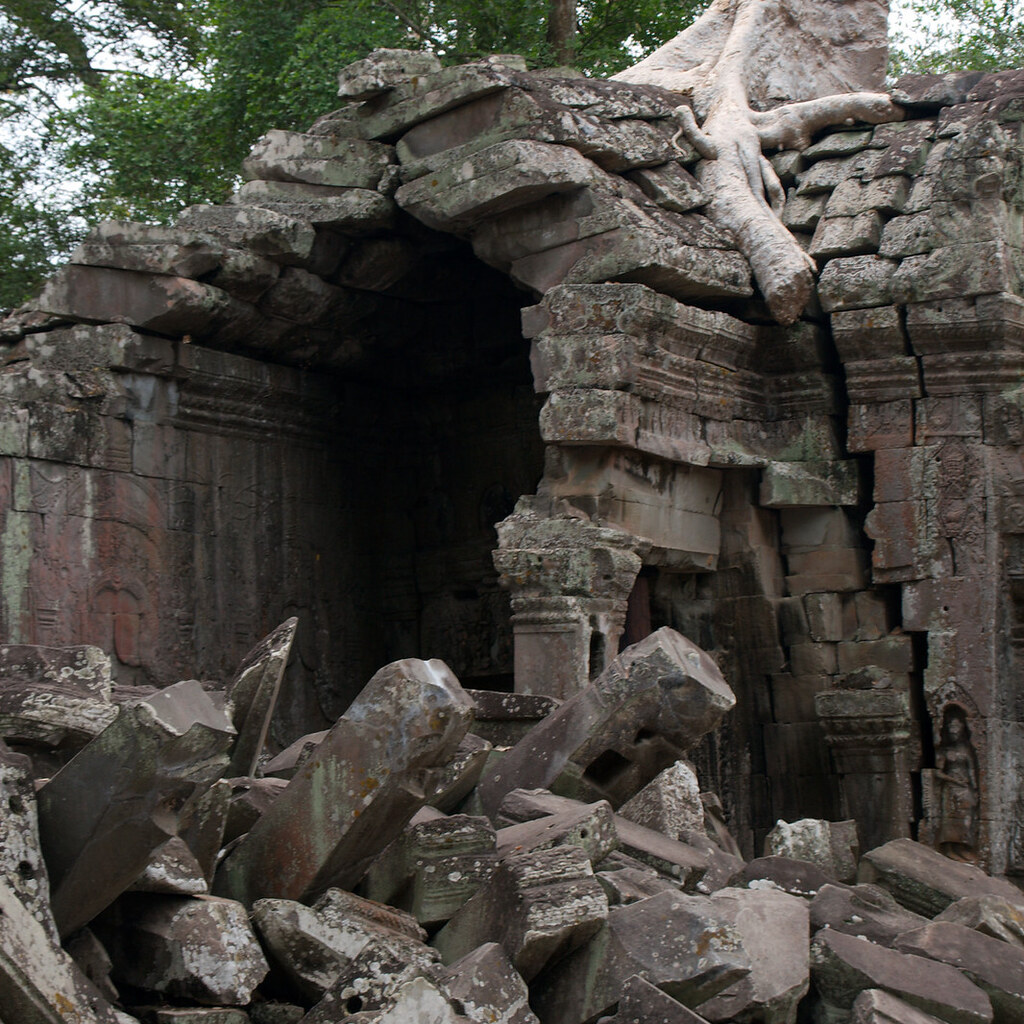
Debris is the broken remains of something that has been destroyed, usually from a natural event like a tornado but debris can be created by any kind of destruction.

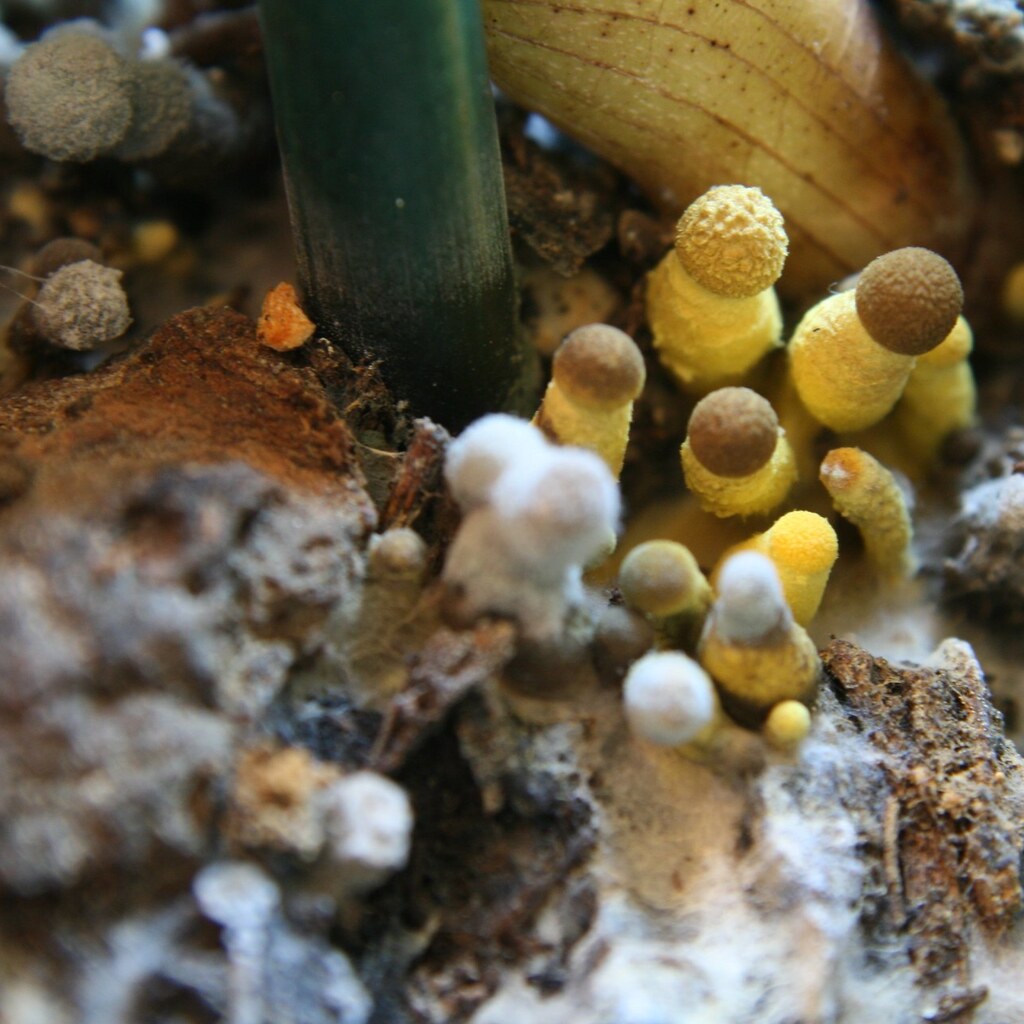
Dis forDecay

Something is decaying if it is slowly rotting or otherwise degrading and breaking down.
A civilization that is declining may be said to be in decay, for example, "the decay of the Roman empire".

Dis forDefect

A defect is something wrong with something, that stops it from being perfect. A defect in a machine might stop it from working at all.
A defect might also be called a flaw or imperfection.
Dis forDemolish

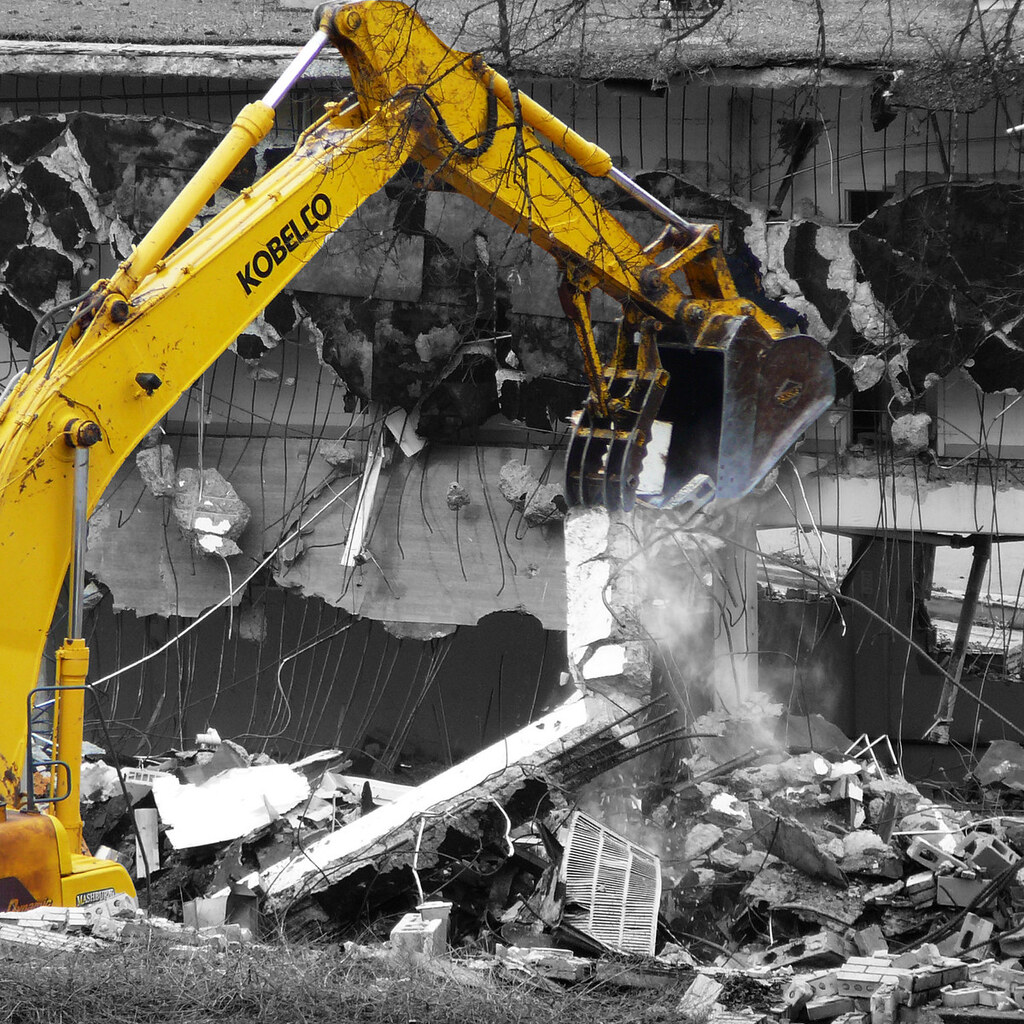
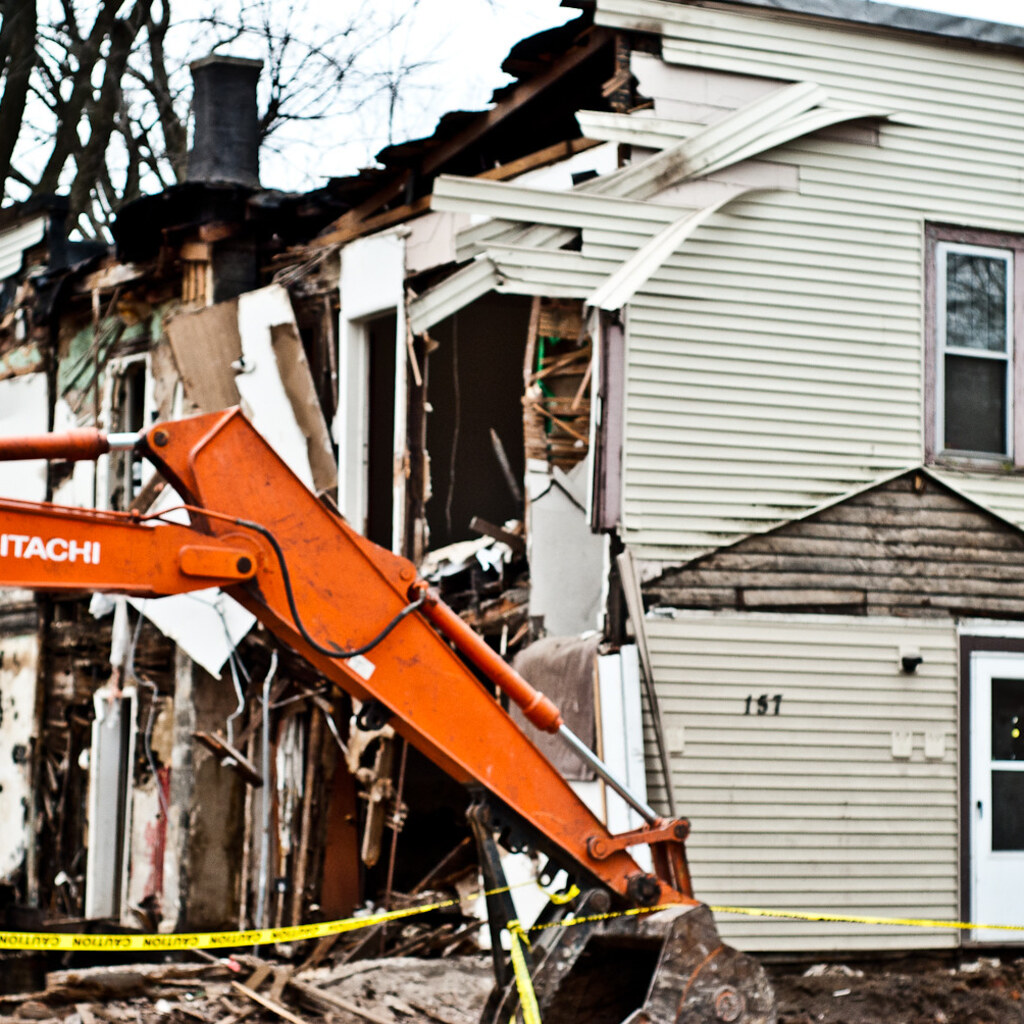
You demolish something when you take it apart until there is nothing left.

When you say demolish, you usually mean a building being demolished.

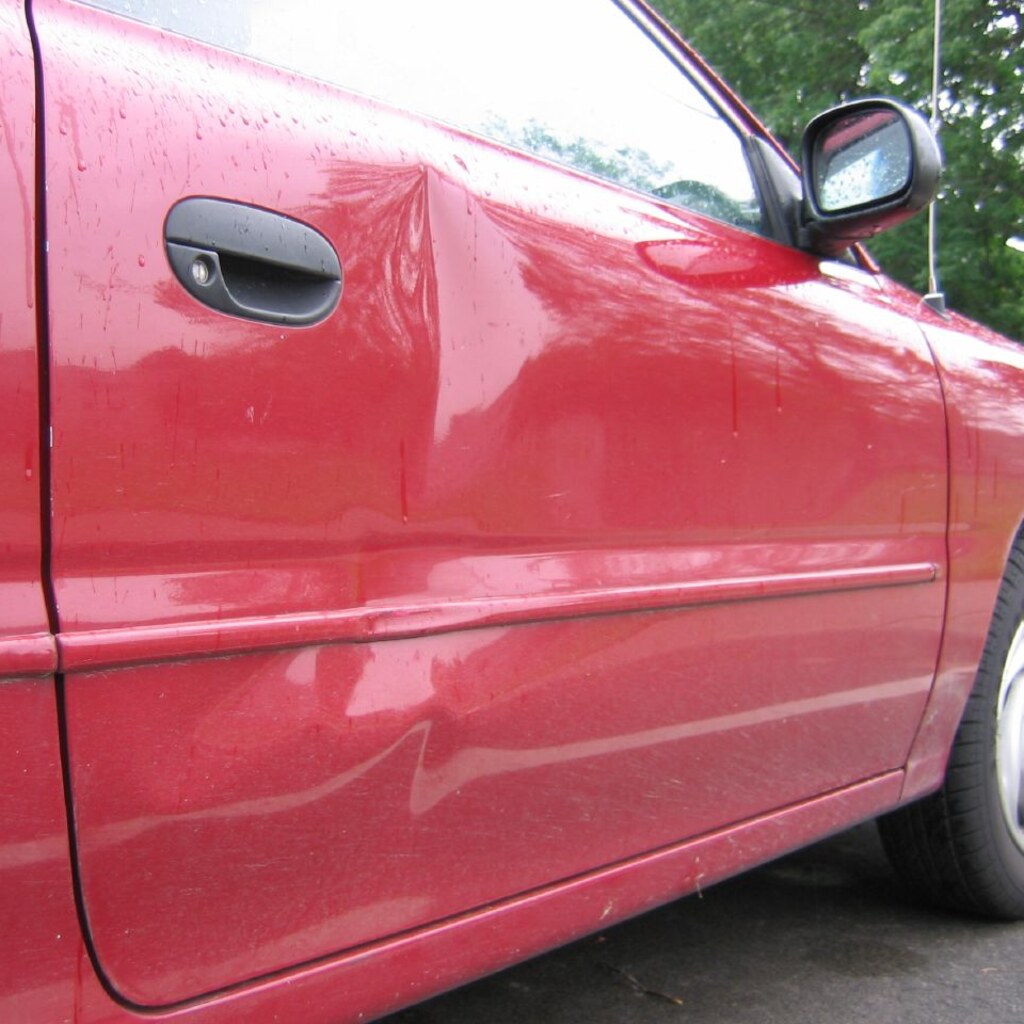
Dis forDent

A dent is a hollow, like a shallow hole in a surface. Dents are usually caused by hitting something. The car in the picture has a dent in its side.

Dis forDestroy

You destroy something when you damage it so badly it is completely useless. You can destroy something by smashing it into tiny pieces, burning it or by dissolving it.
Destruction is the act of destroying or demolishing something. It might also be used to describe the remains left once something has been destroyed.
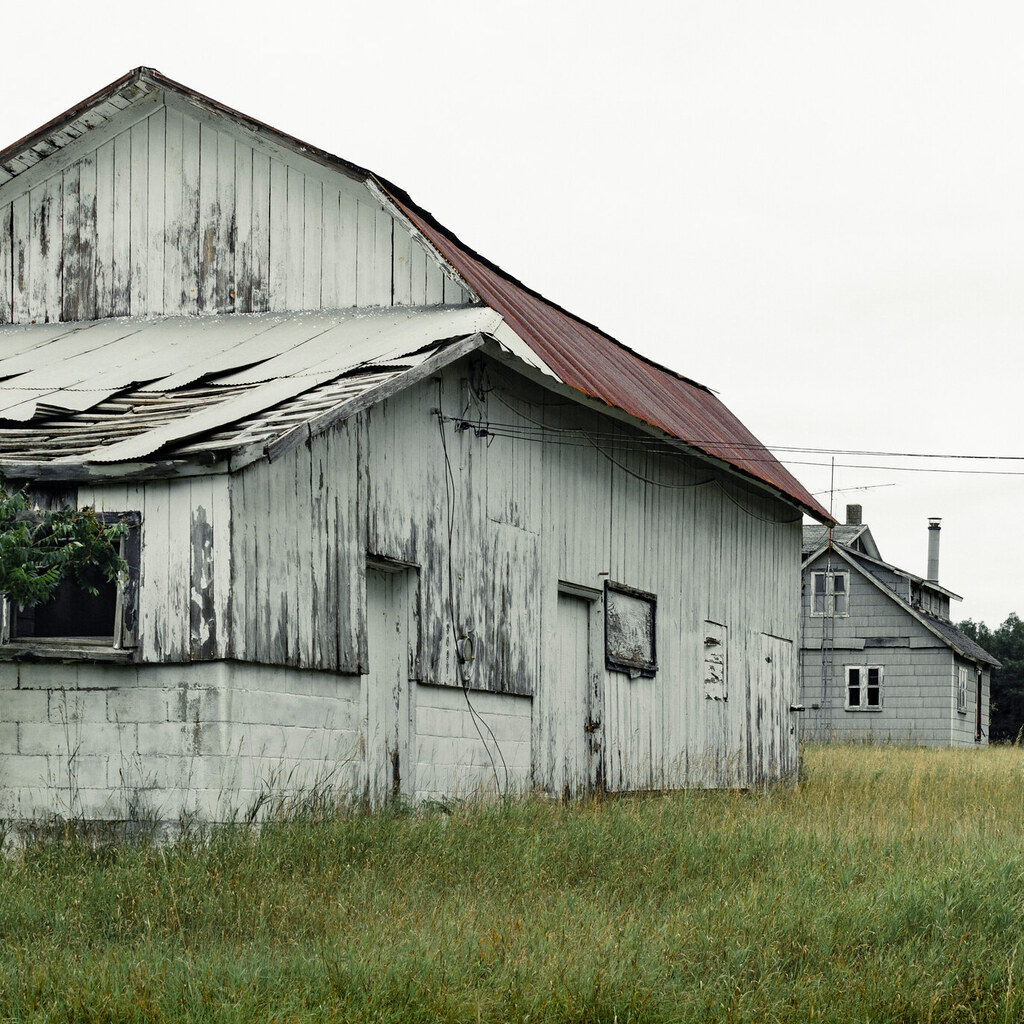
Something disintegrates when it breaks down into the components it was made from, or just breaks into small pieces. The building in the picture is slowly disintegrating.

Fis forFissure

A fissure is a relatively deep, narrow hole in something. Some fissures are natural features of things, others are caused by external damage.

Fis forFlaw

A flaw is a quality of something that stops it from being perfect.
A flaw is also called a defect or imperfection.