
Showing 61-80 of 751

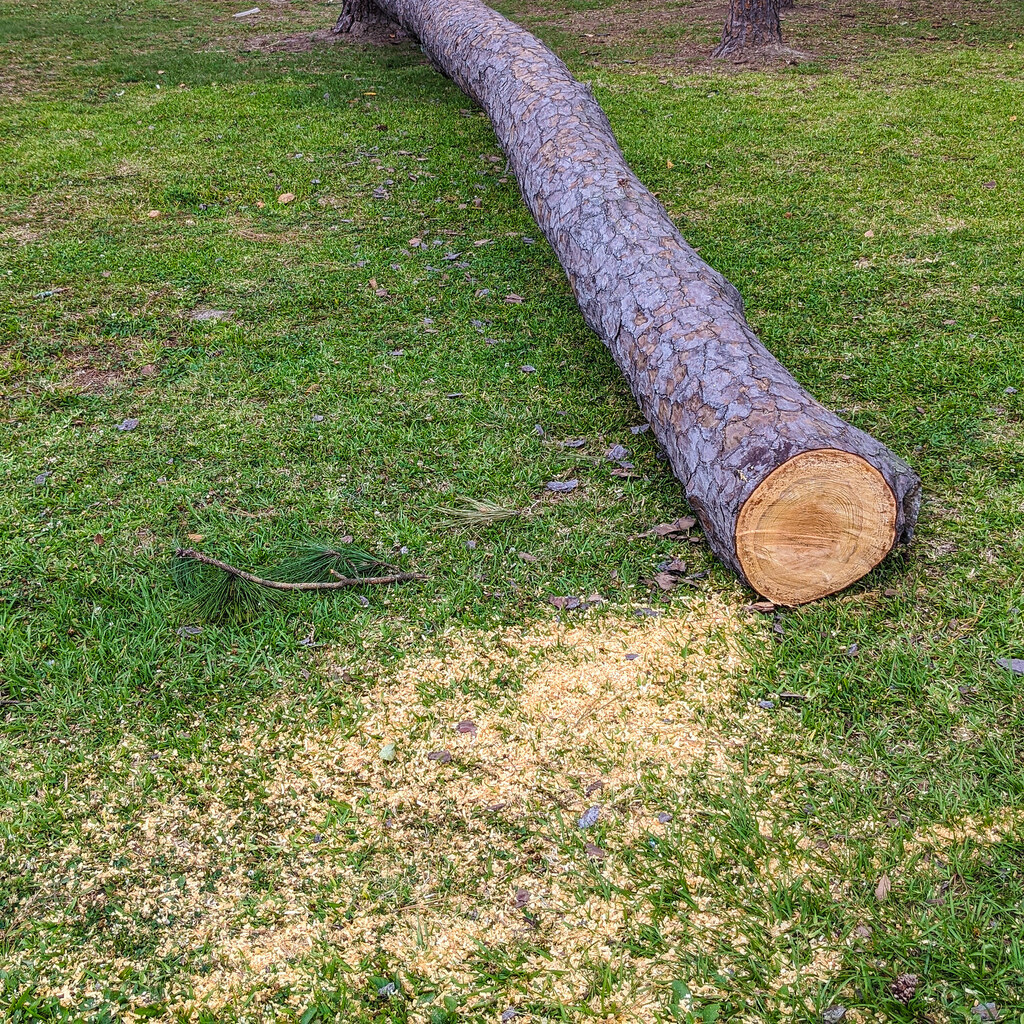
Sawdust is the name for the fine particles of wood that are made when you cut wood up with a saw. In the picture you can see the pile of sawdust that has been made when the tree was cut.
Sawdust makes really good bedding for pet mice and guinea pigs.
Sawdust makes really good bedding for pet mice and guinea pigs.


The saxophone was invented in 1841 by Adolphe Sax. He wanted to make an instrument with characteristics from both the woodwind family (including flutes) and the brass family (including trumpets). Saxophones are usually made of brass, but are a member of the woodwind family.
The sound in a saxophone is made by a small cane reed in the mouthpiece that vibrates when you blow air through it. The different notes are made by opening and closing holes along the length of the saxophone.
The sound in a saxophone is made by a small cane reed in the mouthpiece that vibrates when you blow air through it. The different notes are made by opening and closing holes along the length of the saxophone.


A scaffold is a framework that people stand on while they are building or repairing a tall structure. In some countries the frame of scaffolding is made from bamboo, but it is more commonly made from steel or aluminium. Scaffolding has platforms that can support people, tools and building materials. Some scaffolding is so small you can use it to paint the walls inside your house, and some is several storeys high. Using scaffolding is much safer than using a ladder.
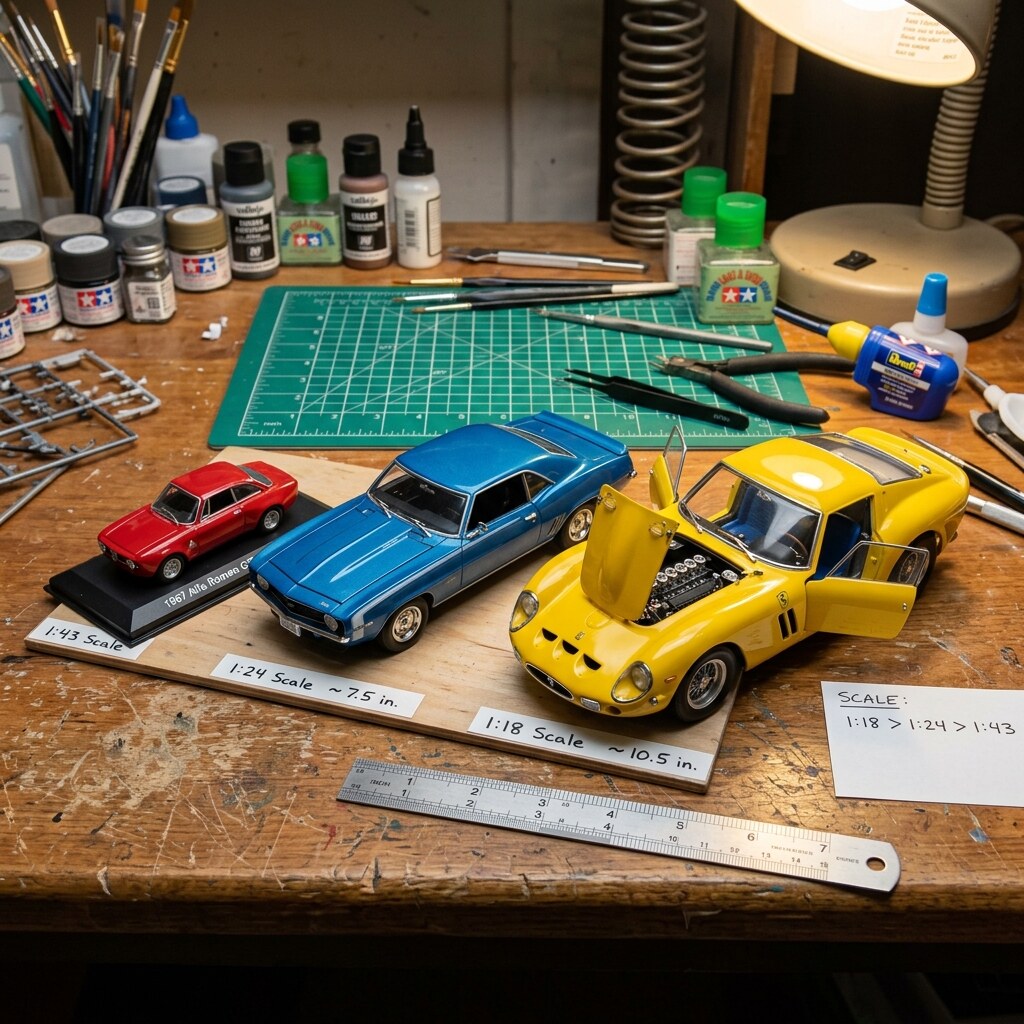
Scale describes the amount something is smaller or larger something is from its real size, or just a general description of size, like a large scale project.
It is also the singular of scales.
It is also the singular of scales.

S is for Scales (Device)
Today, scales are often digital and need batteries to work. There are scales you stand on so you know how much you weigh, kitchen scales like in the picture so you can weigh food, and really big industrial scales to weigh trucks full of grain so it can be sold by weight.
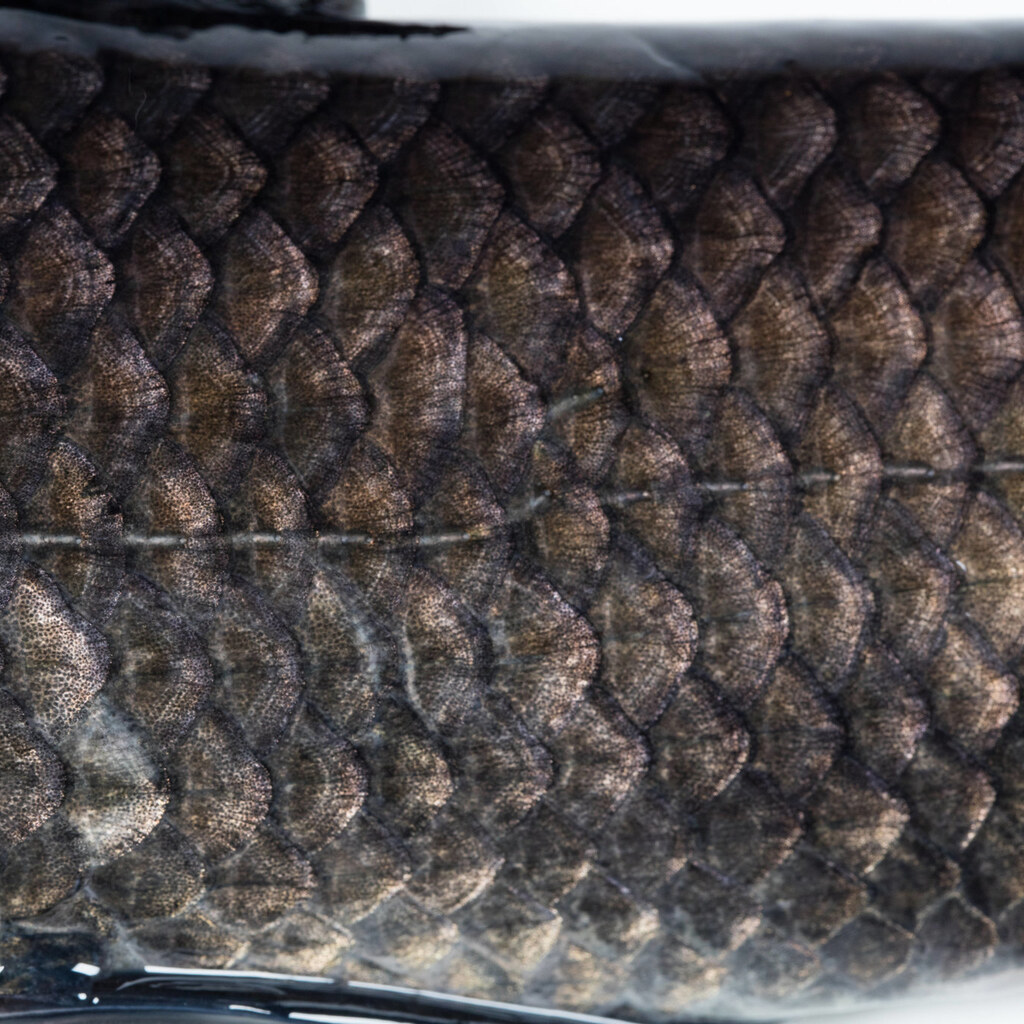
S is for Scales (Fish)
It is also a device that weighs things.


S is for Scallop (Food)
Scallops can swim by opening and closing their shells. The muscle that holds the two halves of the shell together is the part that is commonly seen cooked for food, as you can see in the picture.

S is for Scallop (Shell)
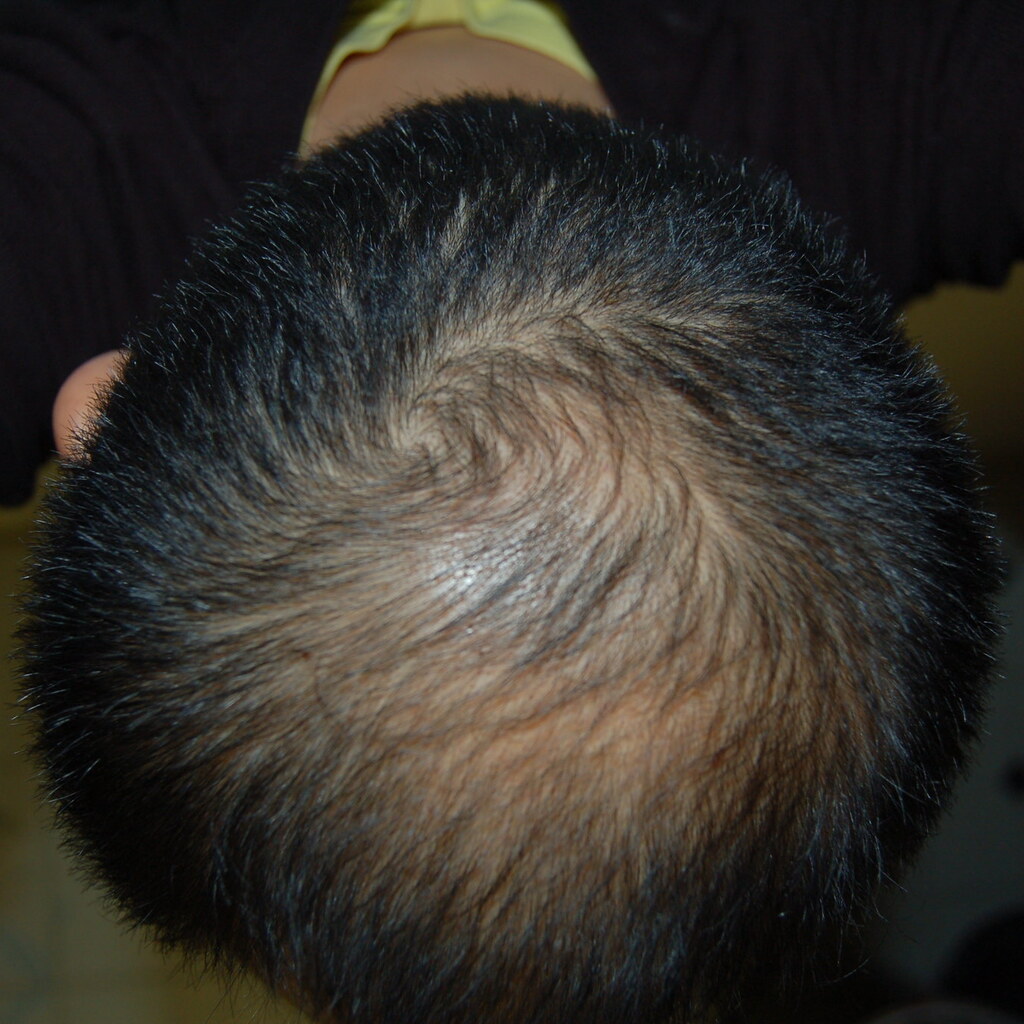

Your scapula, also called your shoulder blade, is a flat, triangular bone. You have one on each side of your upper back. They connect to your shoulder and your collarbone.
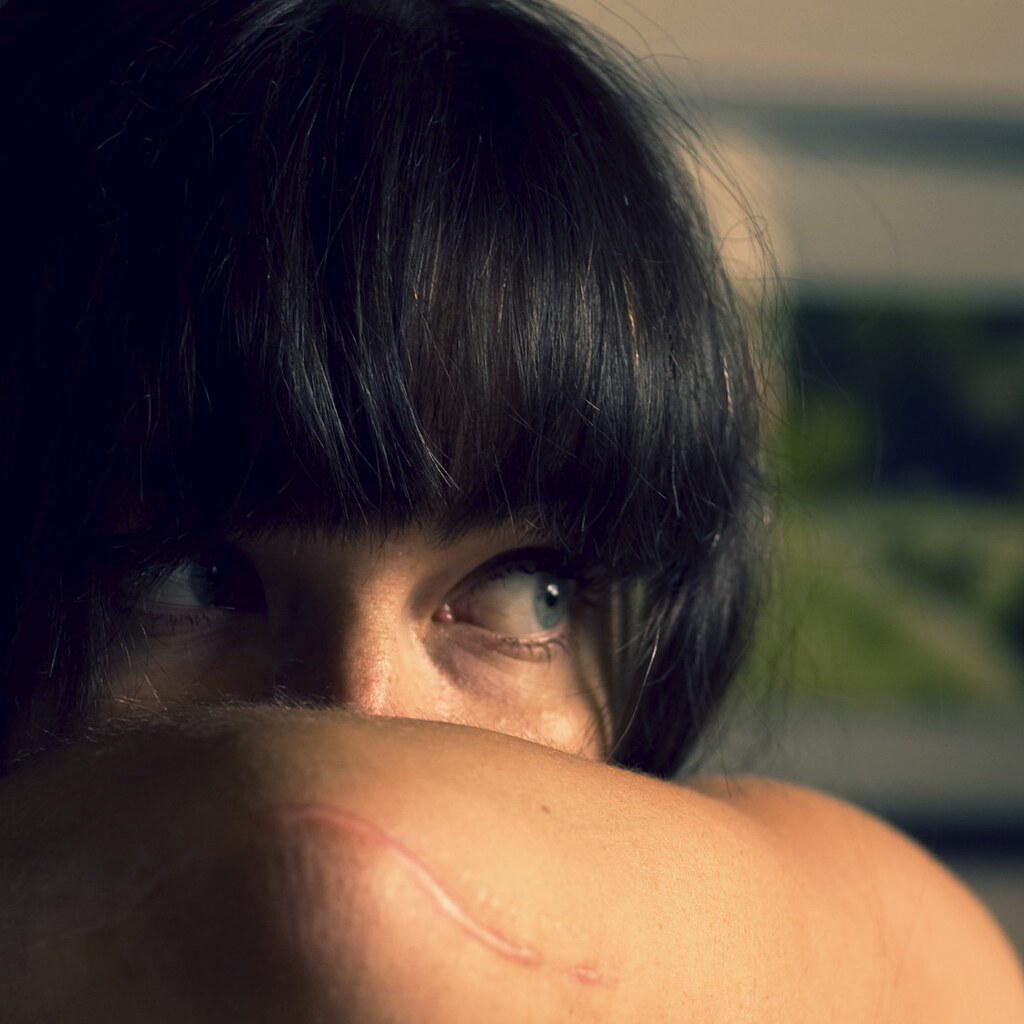
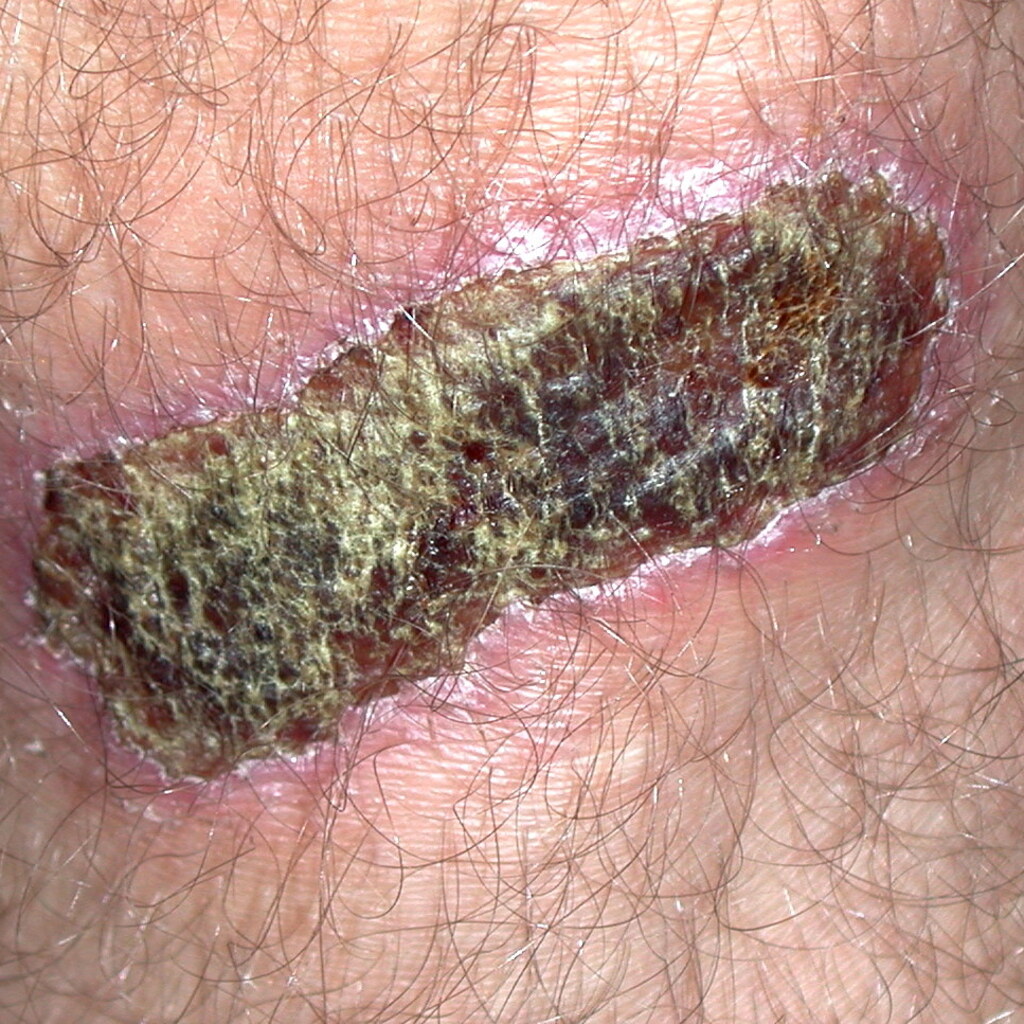
A scar is a mark on your skin that shows where it has healed after it was damaged. Scar tissue can also form inside you if you have an internal injury. The man in the picture has a scar from donating a kidney.
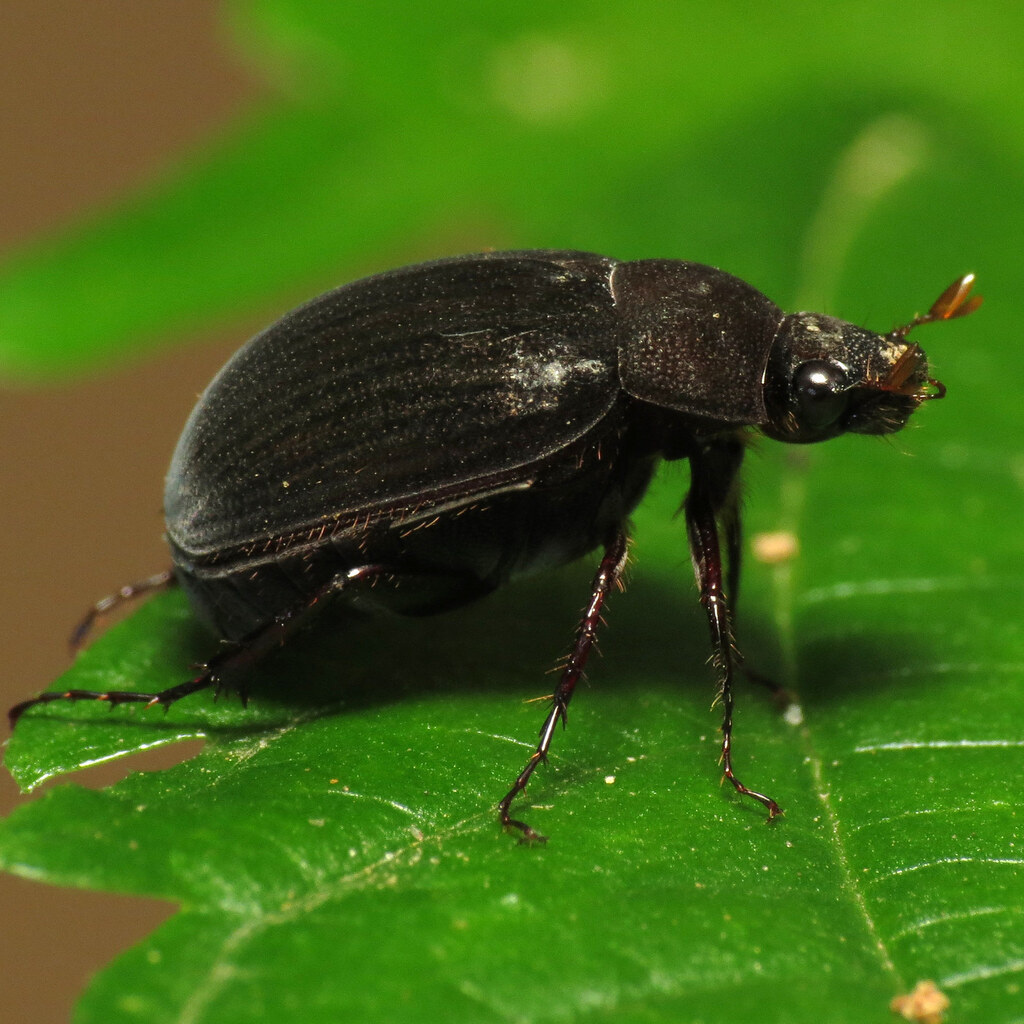
A scarab is a type of beetle with a hard, shiny shell and strong legs built for digging. Many scarabs live in warmer, drier climates. Some species bury dung or roll it into balls, while others feed on leaves, roots, or decaying plants. Scarabs are known for their tough bodies and their useful habit of moving things around in the ground.

You scare someone when you make them scared or frightened.
The man in the picture is trying to scare his cat.
The man in the picture is trying to scare his cat.

A scarecrow is a human-shaped device that people put near crops to scare off birds. The idea is that the birds think the scarecrow is a real person and will stay away from it.