Body parts that start with S

Parts of your body. Not all of these are human parts - people don't have tails and wings but they still qualify as body parts!

Showing 1-18 of 18

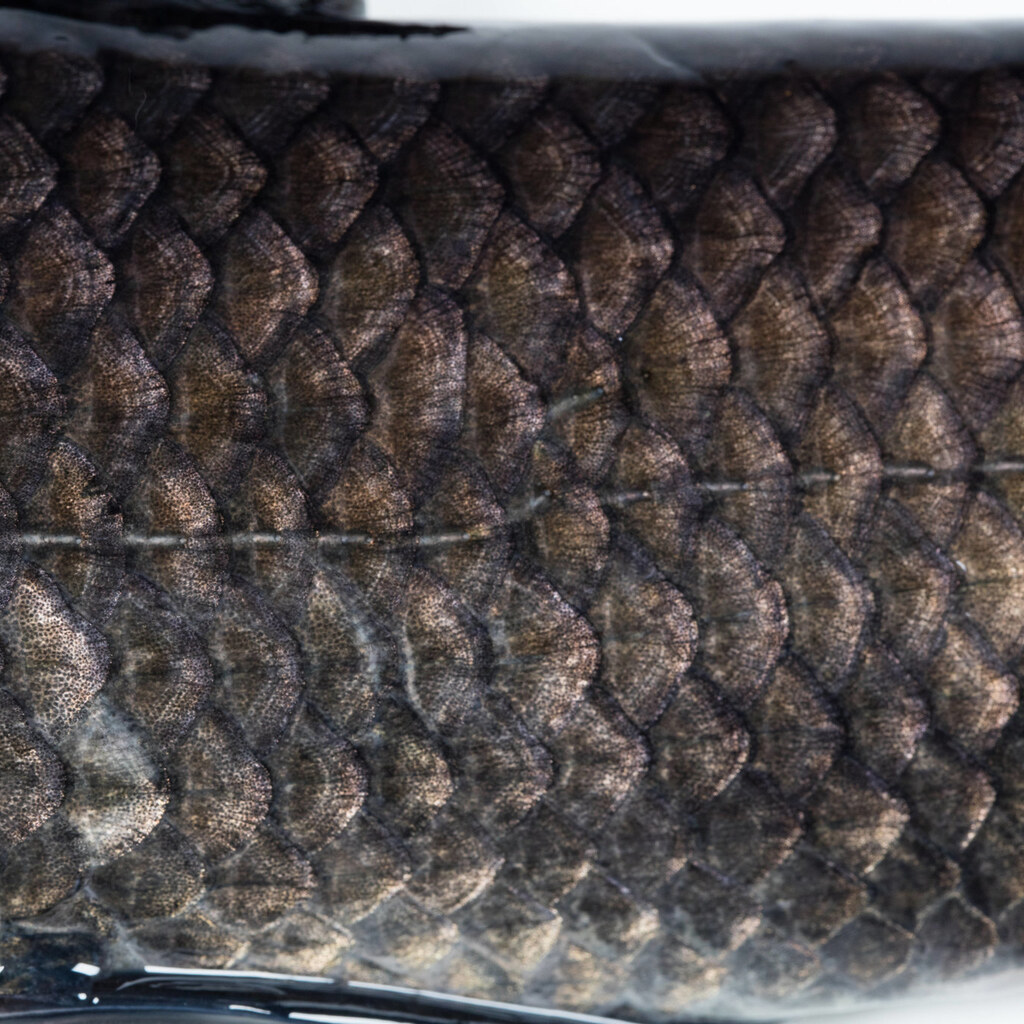
Scales are small plates that grow out of the skin of fish and reptiles. They overlap, so if you run your hands down a fish or snake from its head to its tail it will feel smooth, and if you run your hand the other way it will feel rough.

It is also a device that weighs things.
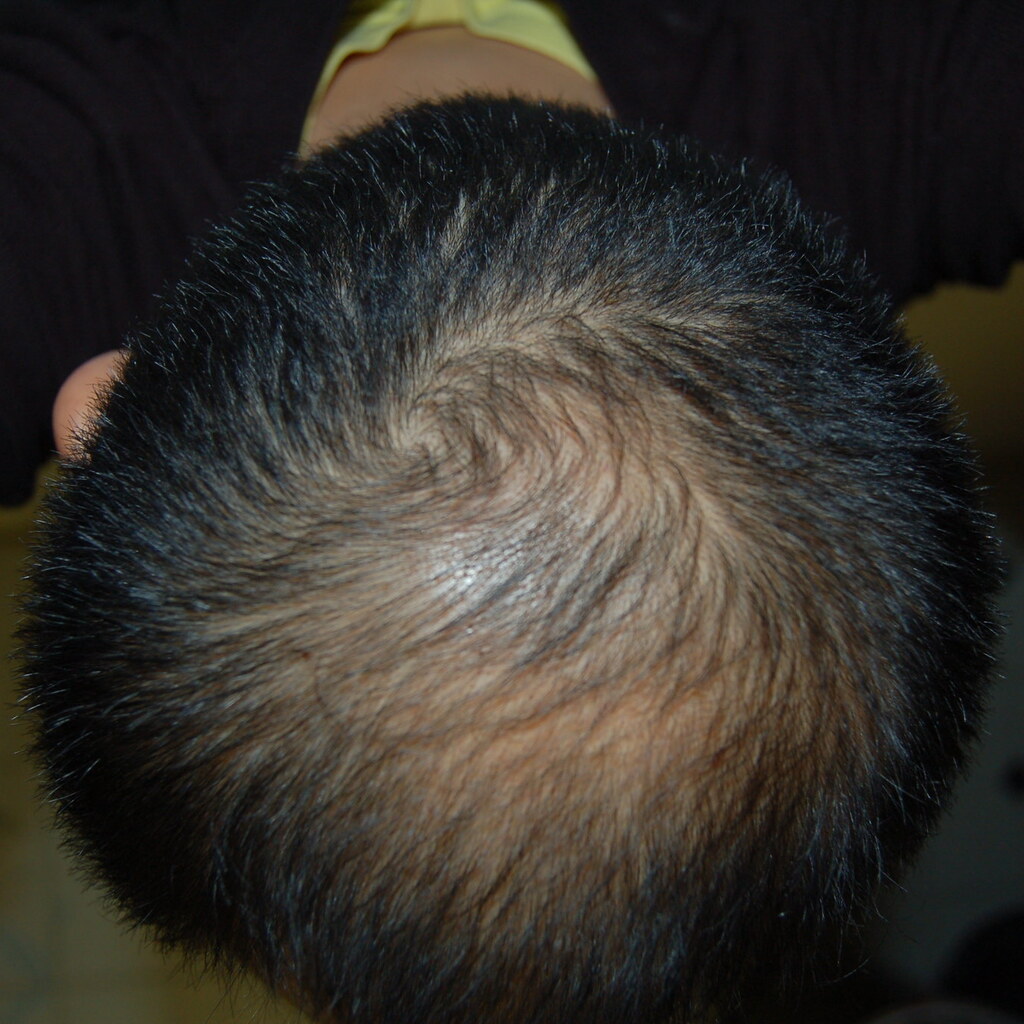
Sis forScalp

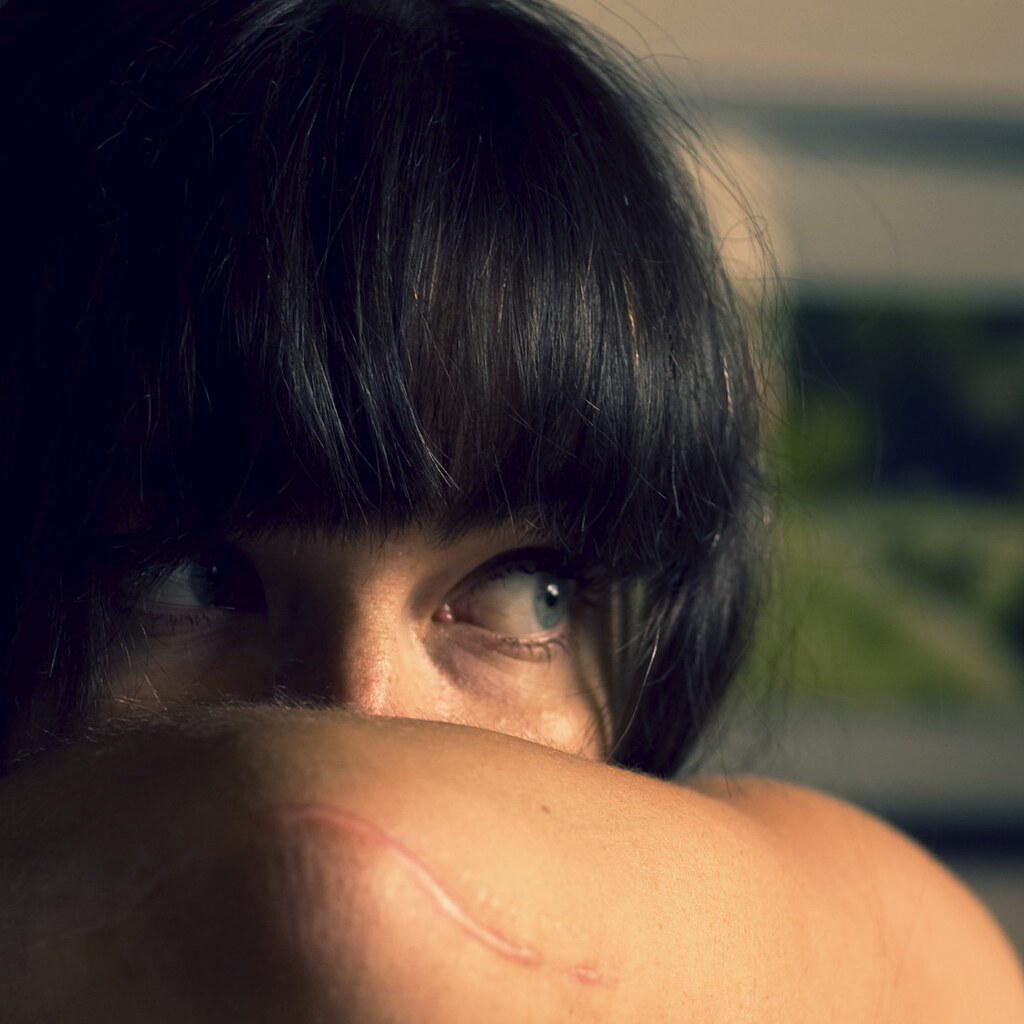
Your scalp is the skin on top of your head, where you normally grow hair. When men go bald you can easily see their scalp. The man in the photo has his scalp showing through a scar.

Sis forScar

A scar is a mark on your skin that shows where it has healed after it was damaged. Scar tissue can also form inside you if you have an internal injury. The man in the picture has a scar from donating a kidney.
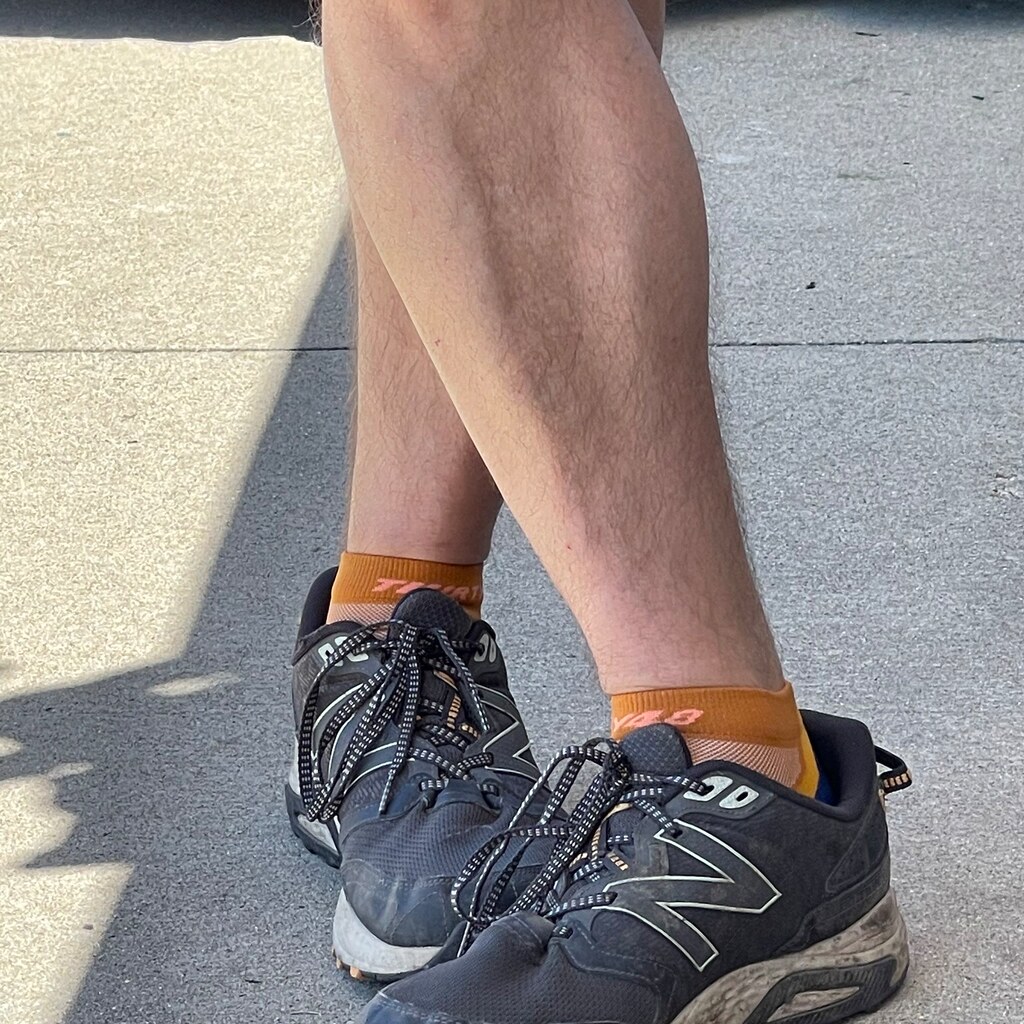
Sis forShank

Shank is another word for shin, the lower part of your leg between your knee and your ankle.

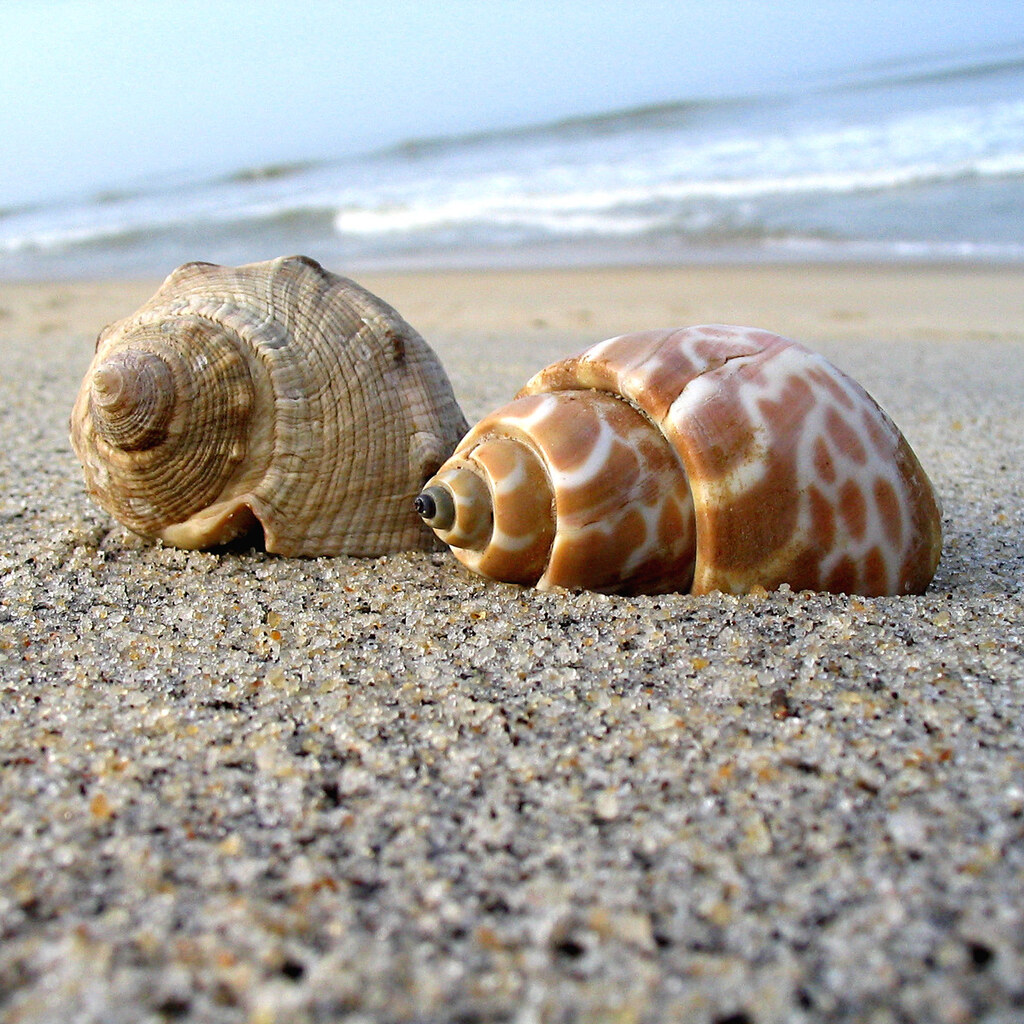
Sis forShell

A shell is the hard outside coating found on many animals. Snails have shells that form a spiral that was built up as the snail grew bigger. crabs and turtles have a hard shell that perfectly fits the animal inside. Most animals that have shells can hide inside them if they are scared.

Sis forShin

Your shins are at the front, bottom part of your leg between your knee and your foot. There is not much fat or muscle on your shins, so it hurts to get hit there and shins are usually very easy to bruise.

Sis forShoulder

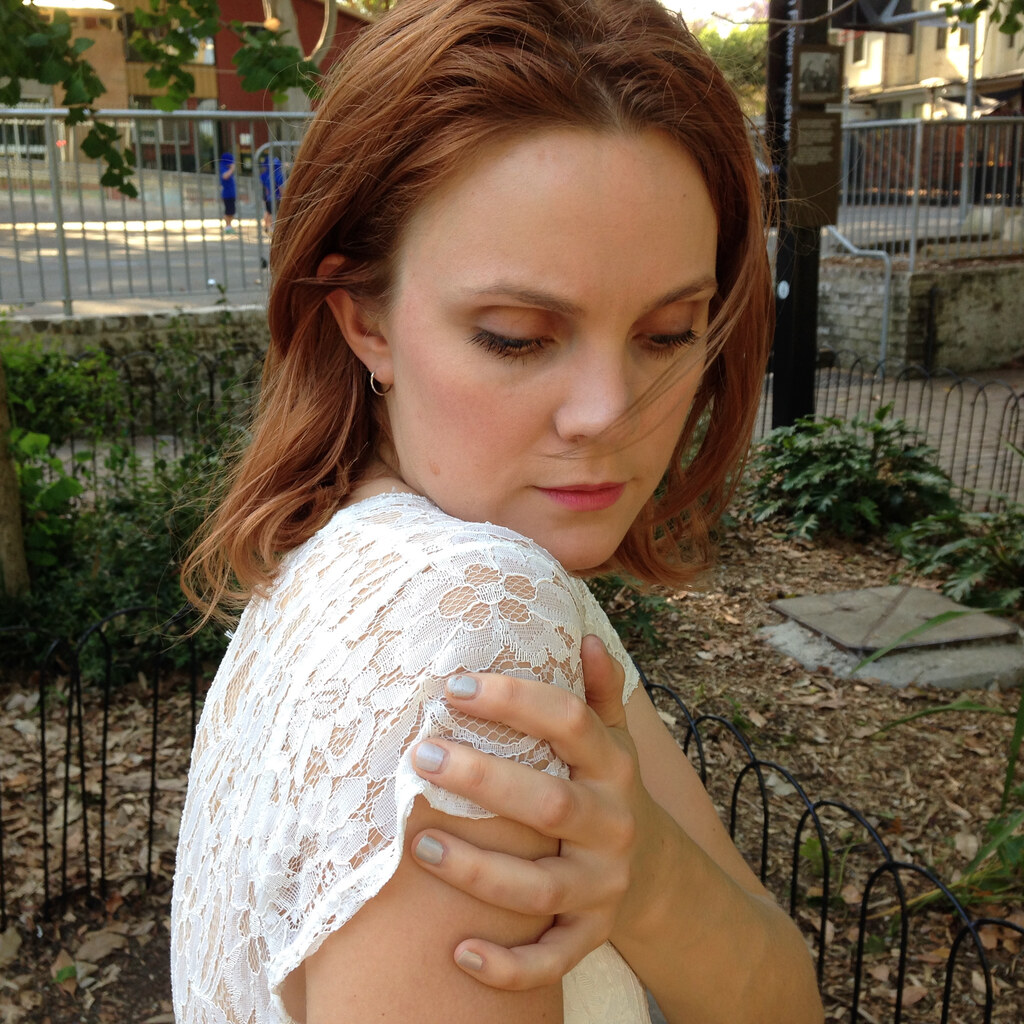
Your shoulder is the joint between your arm and your body. People sometimes tap you on the shoulder to get your attention. The woman in the picture has a rat on her shoulder.

Sis forSkeleton

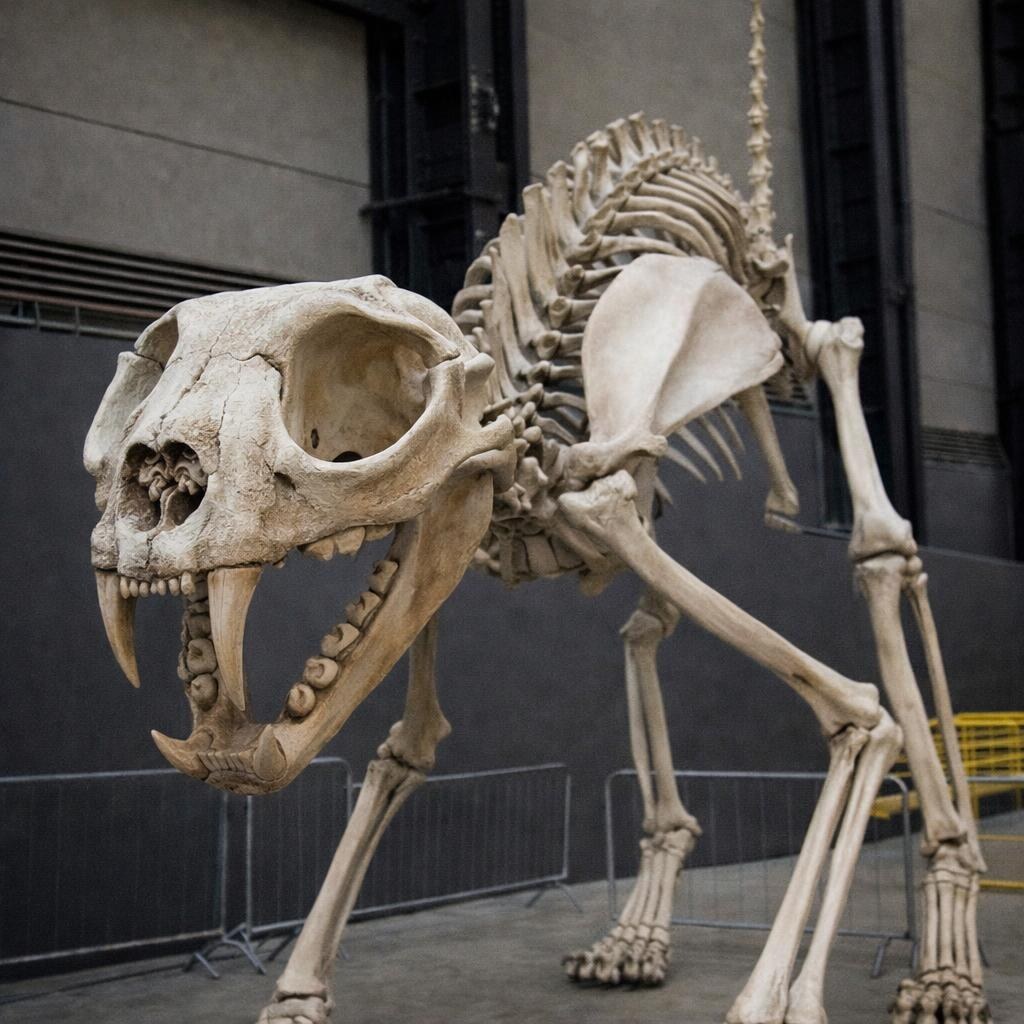
Your skeleton is made up of a number of bones, which hold you up. Your bones are connected to each other by joints, such as your knee and elbow, which let you move around. The skeleton in the picture is a cat skeleton.

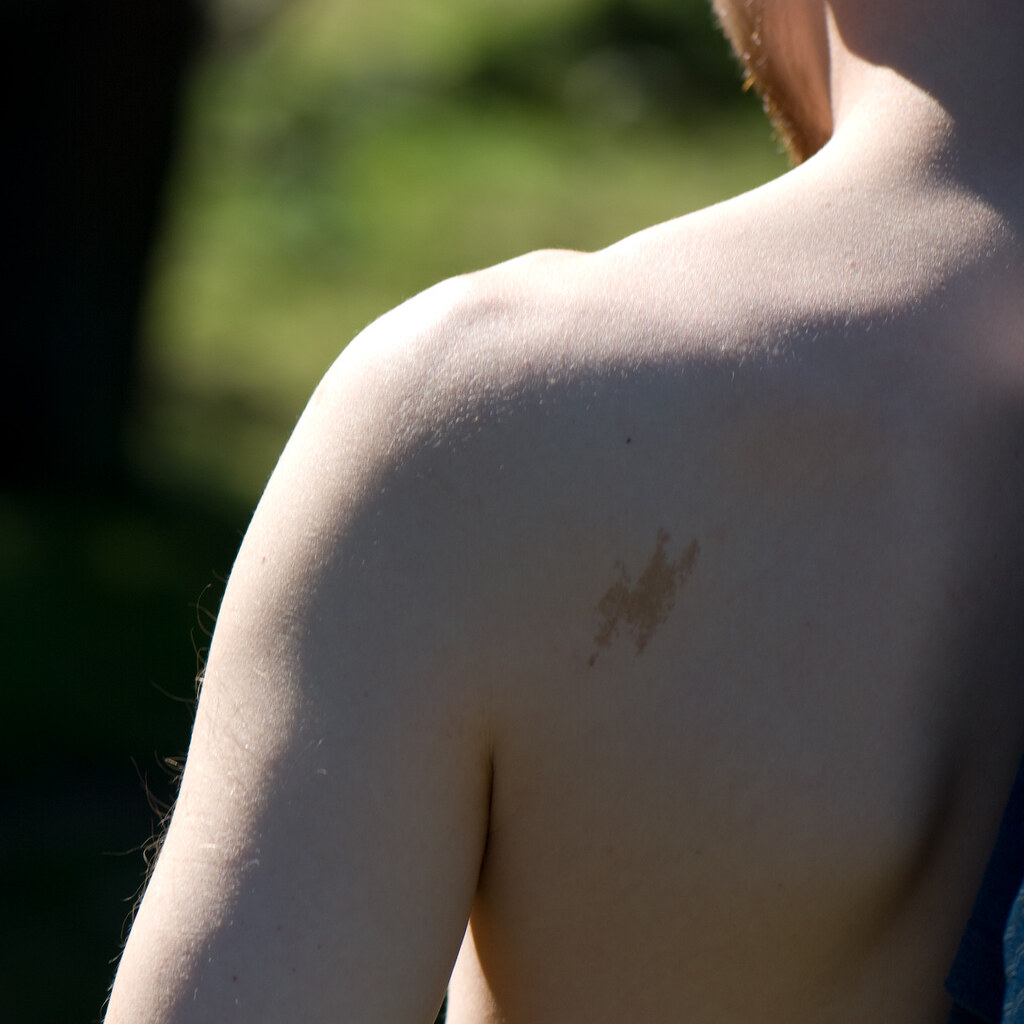
Sis forSkin

Your skin is the largest organ on your body. It covers you completely and protects your muscles and other organs. Your skin has glands on it that produce oil and sweat, and your skin has follicles in it that grow hairs.

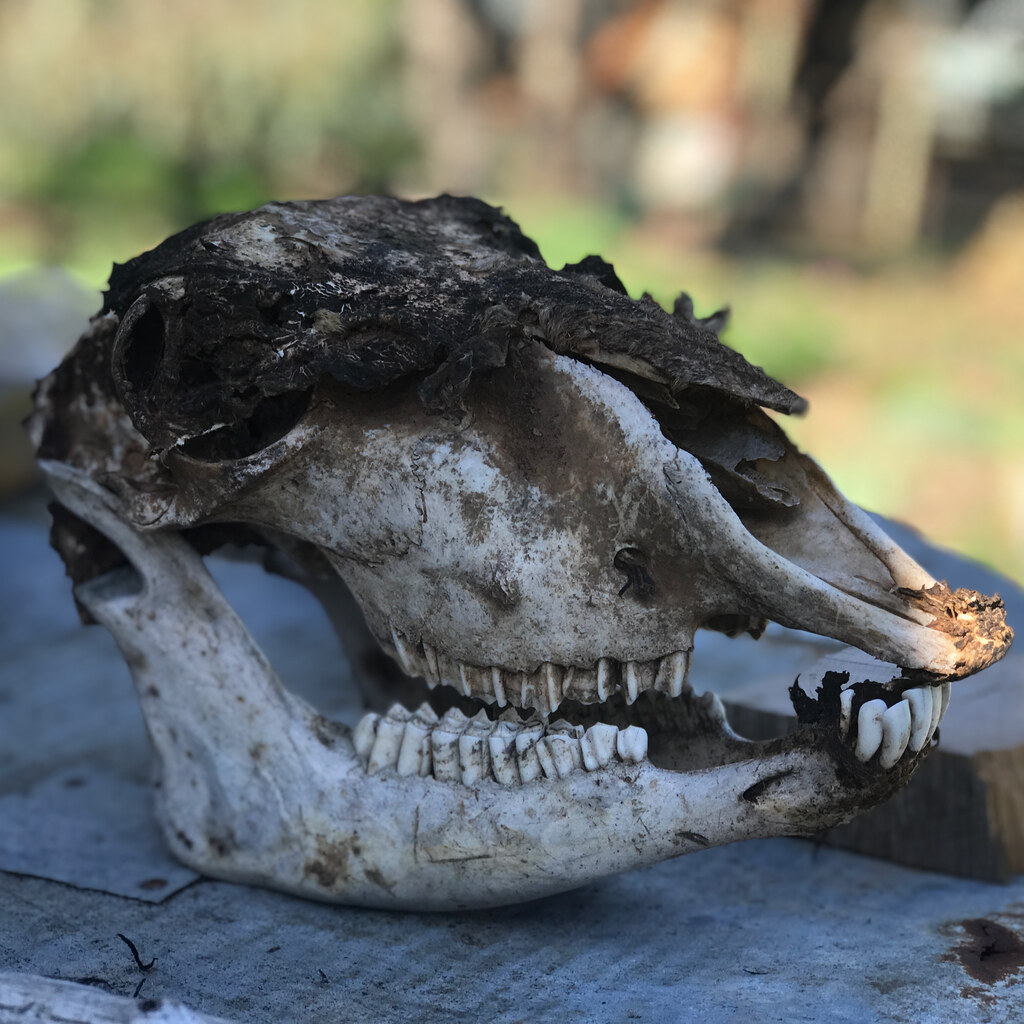
Sis forSkull

Skulls are a bony structure that is found inside your head, and in the head of almost all animals. The top part of the skull is called the cranium and the bottom part is called the mandible. Your mandible is more commonly called your jaw, and is the part that moves up and down as you chew or open and close your mouth.
The picture is of the top part of a sheep's skull.
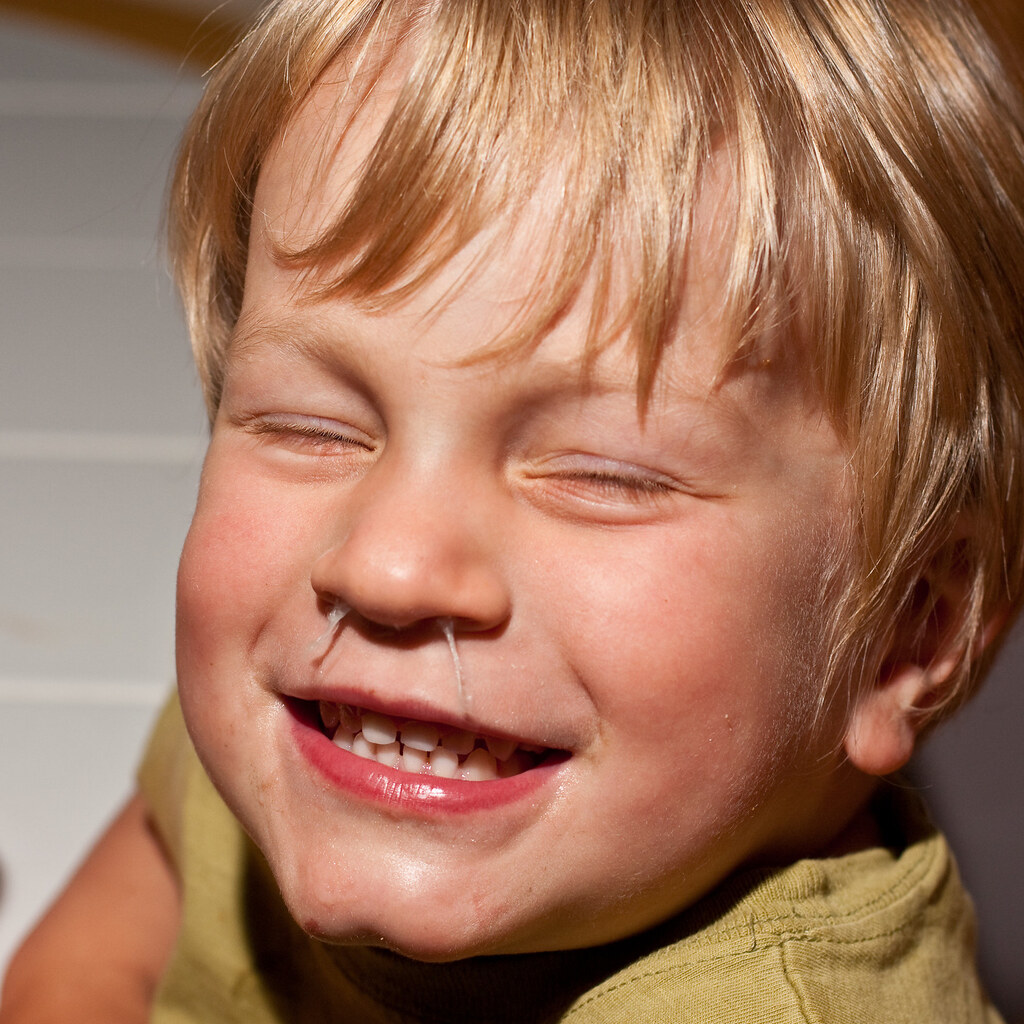
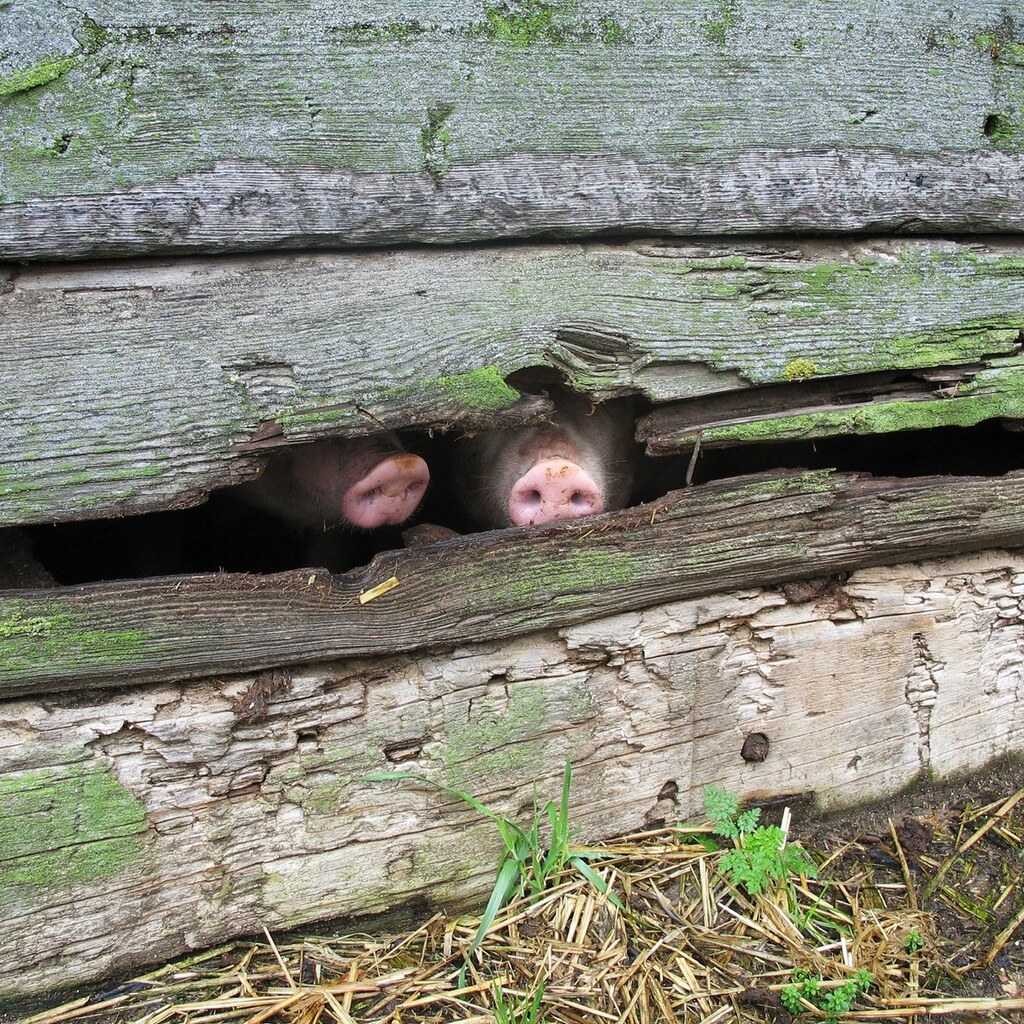
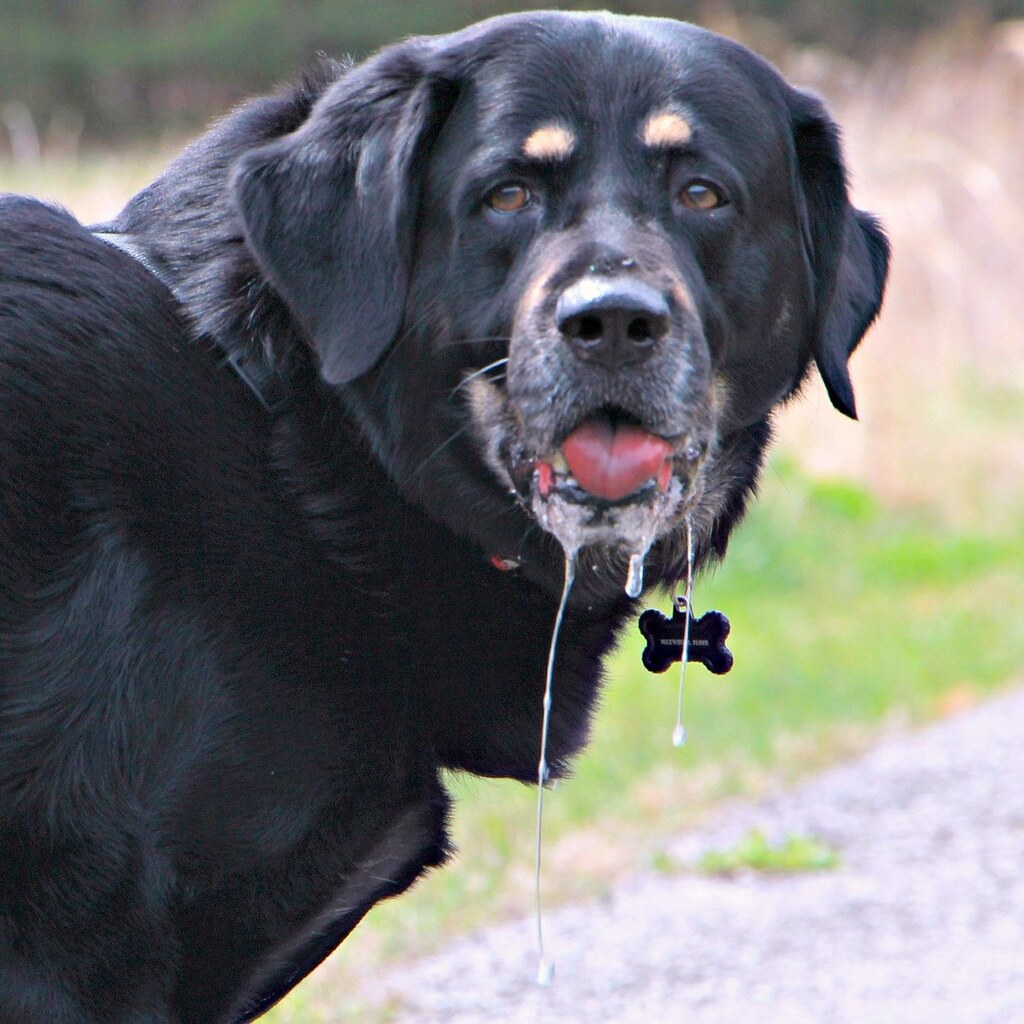
Sis forSnout

A snout is the front part of an animal's face, where its nose and mouth are. The term snout is usually given to the snout of a pig.

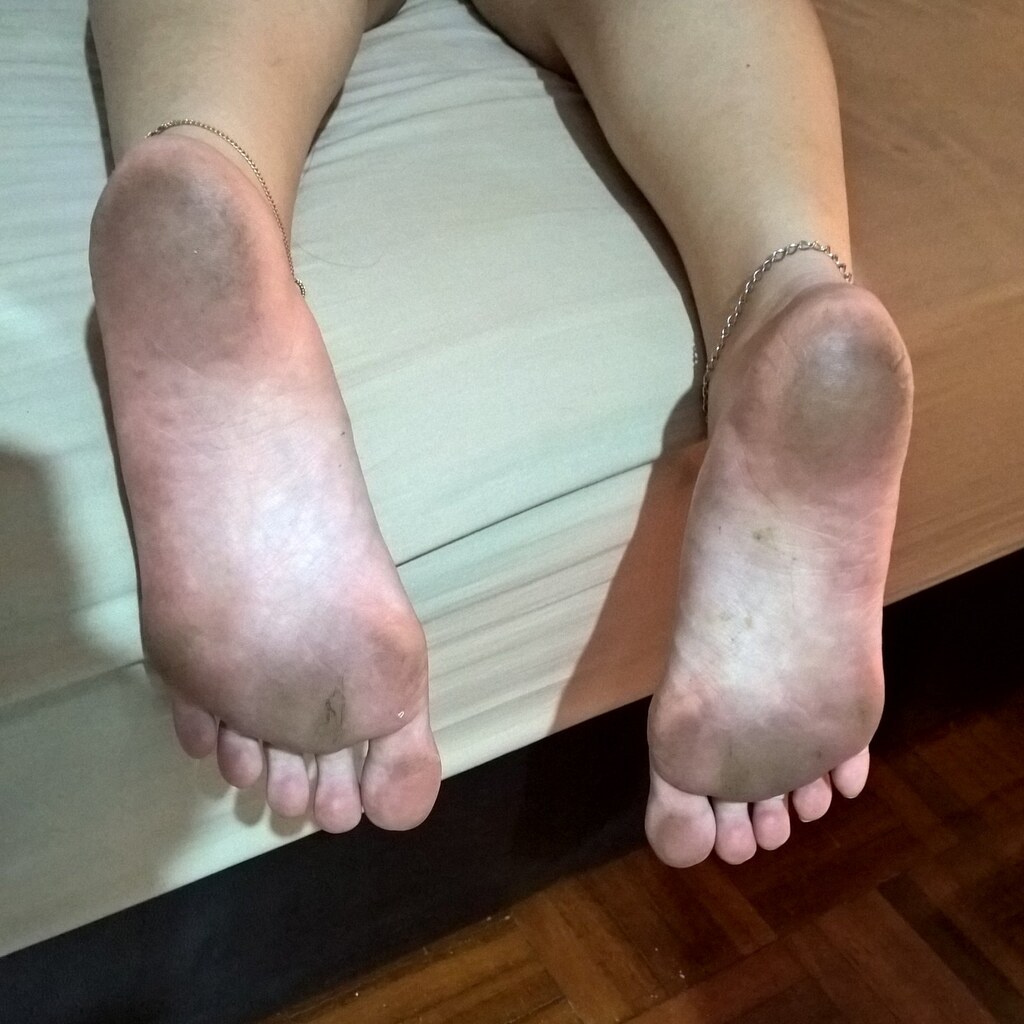
Sis forSole

The sole is the bottom of your shoe or the bottom of your foot.

Sis forSpine

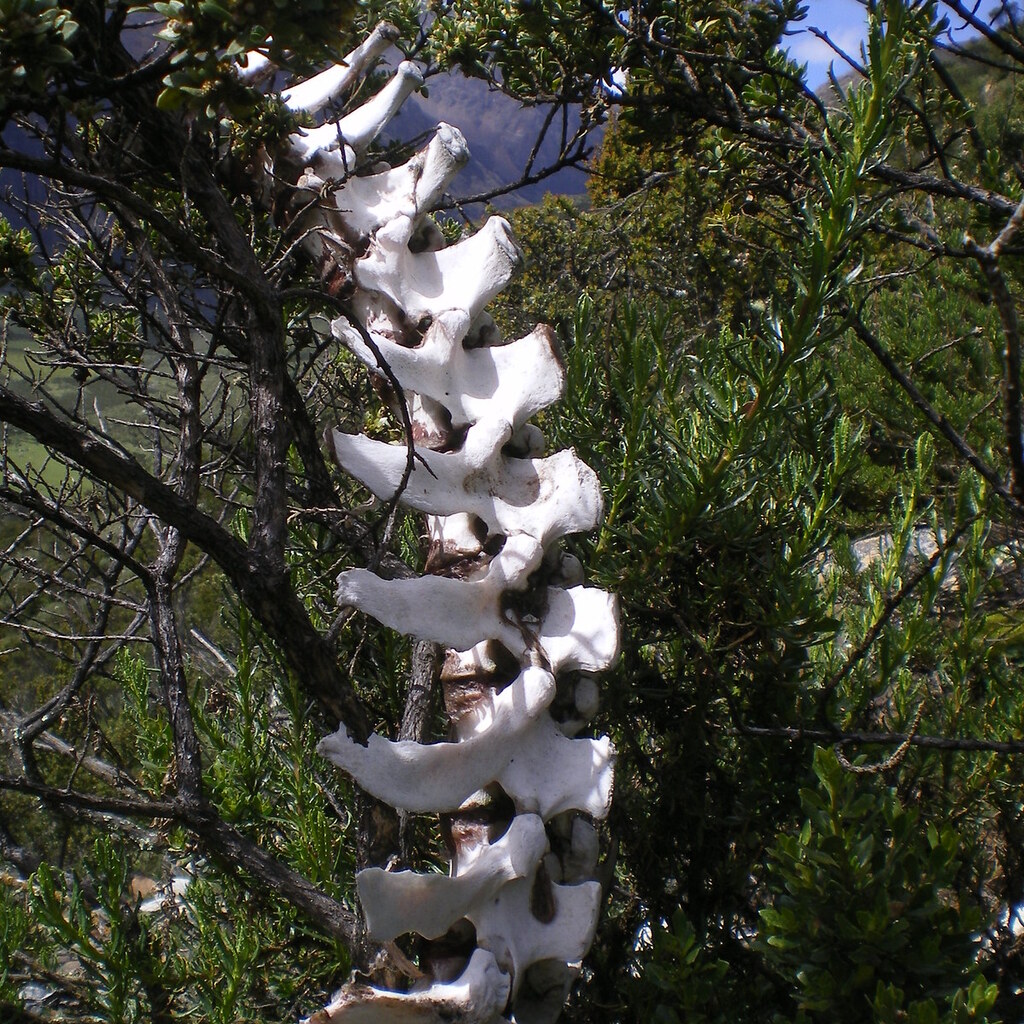
Your spine, or vertebral column is the row of bones that runs along the centre of your back. Your spine is made of lots of small bones called vertebra.

Sis forSpleen

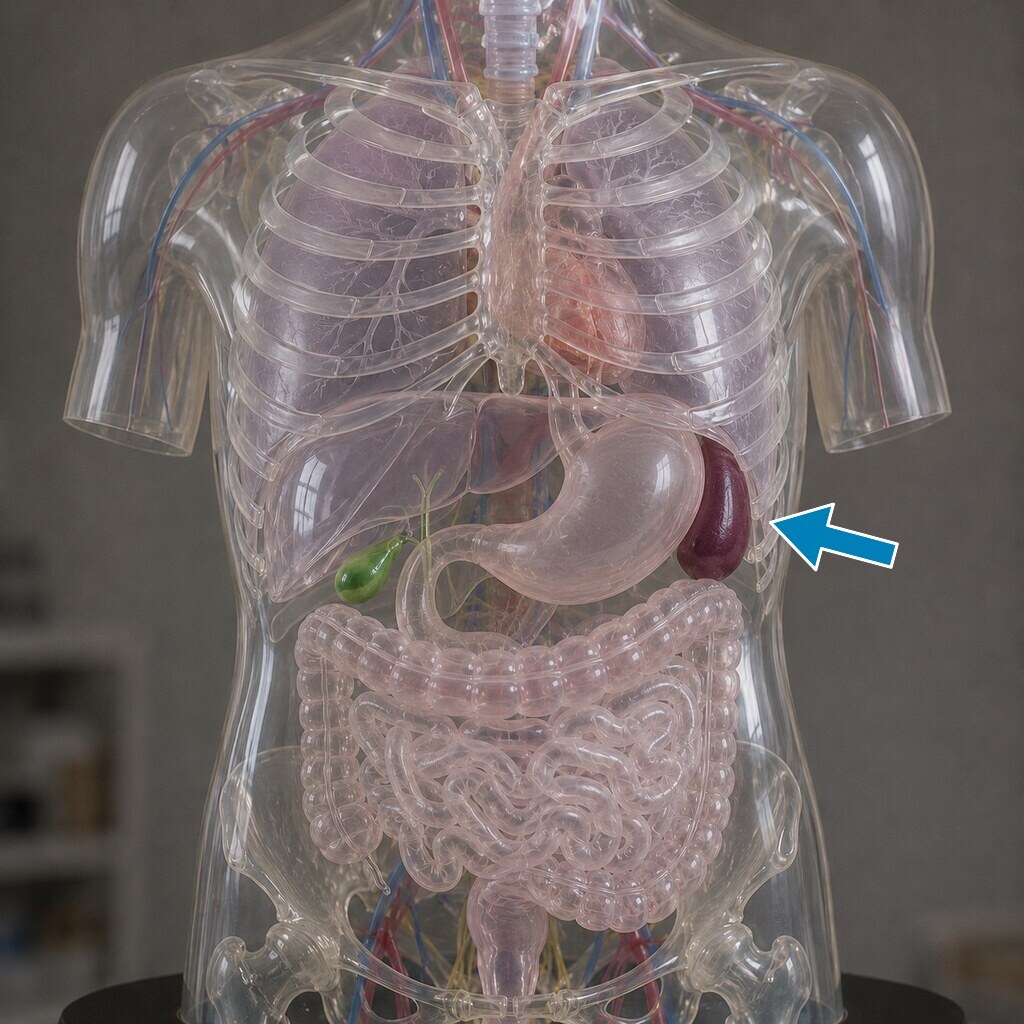
The spleen is an organ located inside the abdomen. The spleen is part of the immune system, and its job is to filter old and abnormal blood cells from the blood stream.

Sis forStomach

Your stomach is an organ where your food first goes when you eat. The general area of your body where your stomach is can also be called your stomach, belly or tummy.
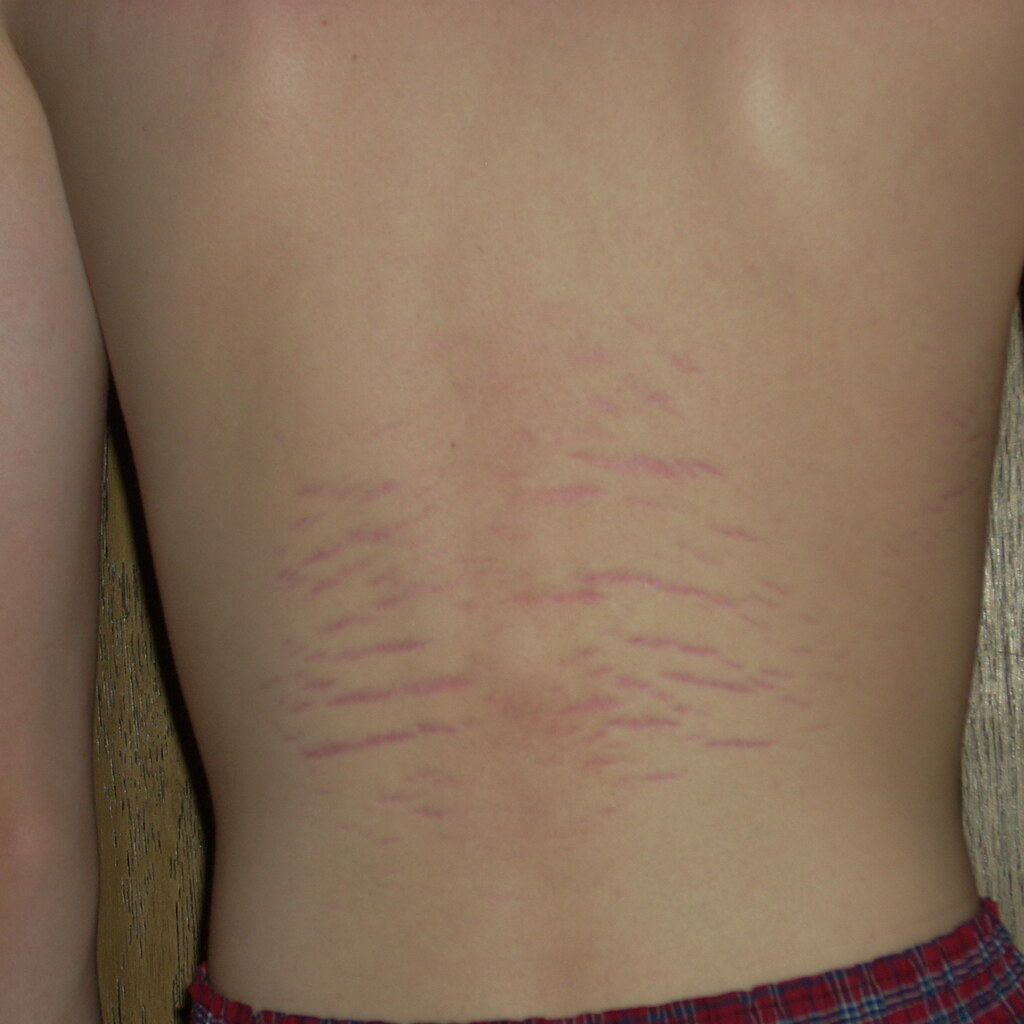
Stretch marks are small lines that appear on the skin of people whose bodies have gone through a rapid change, such as growth, pregnancy or weight gain. Stretch marks are usually pink or purple when they appear and fade to silver or white after time passes.

Sis forStubble

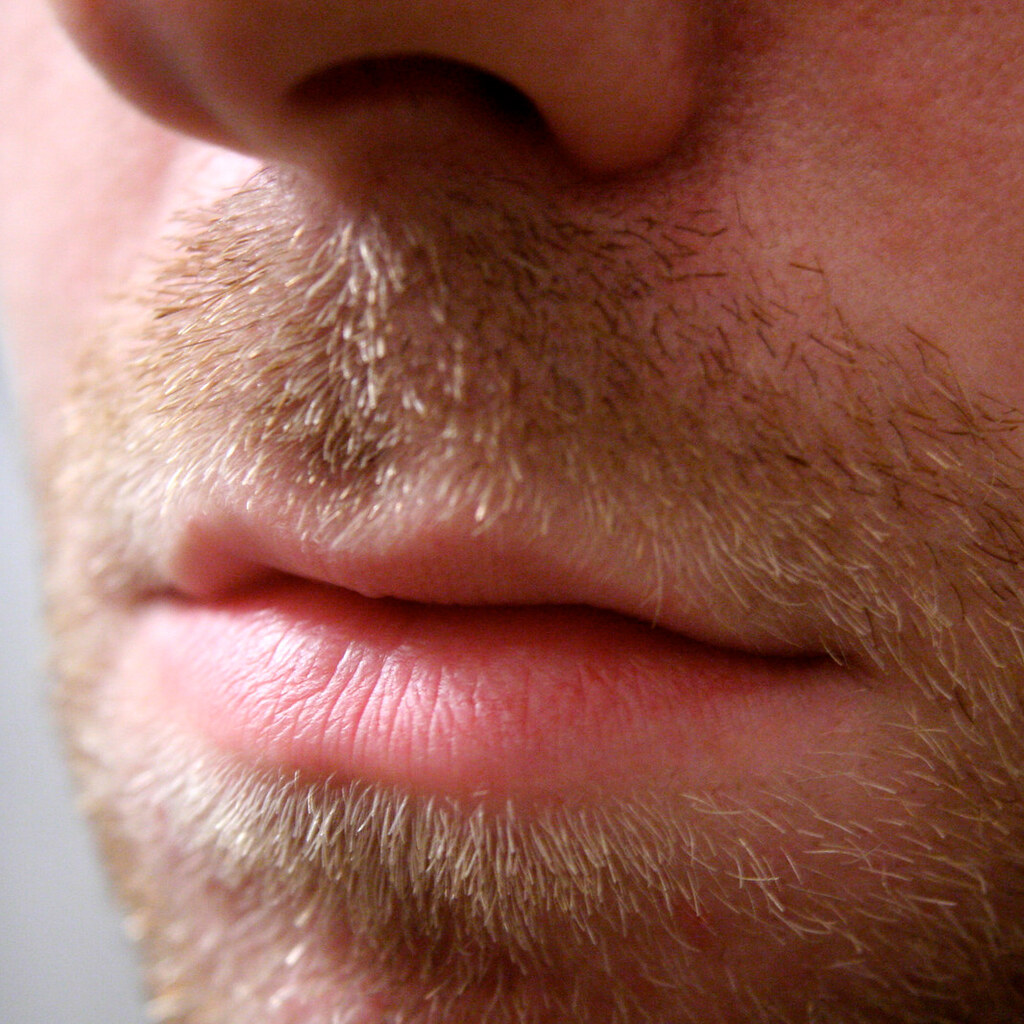
Stubble is the short stalks left when a crop like wheat has been harvested. Stubble is also used to describe other things that look like grain stubble, like the short hair on a man's chin that you can see a little while after he has shaved.

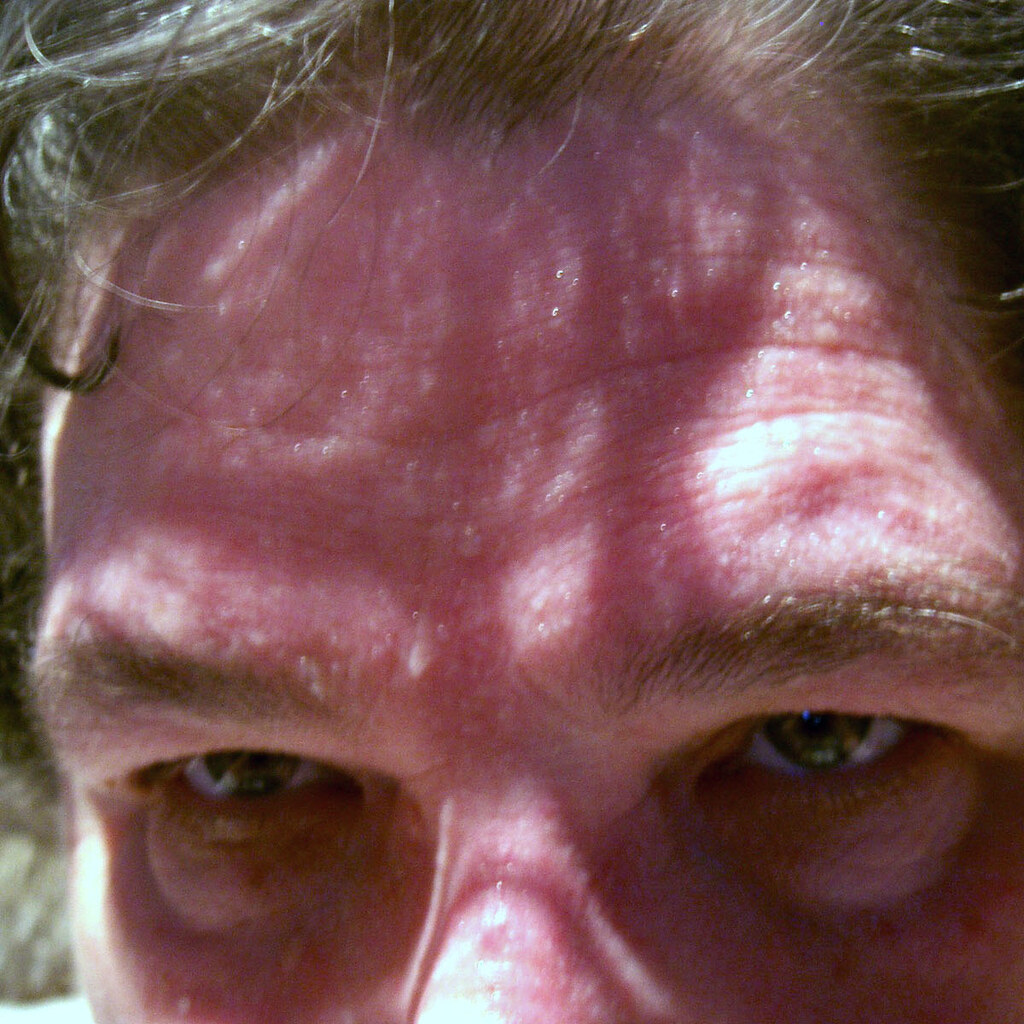
Sis forSweat

When you are very hot or have been doing a lot of exercise, you sweat. Sweat is a salty liquid that comes out of your skin. When air blows across the sweat it evaporates and dries out, and as this happens it cools you off.