up to Nature

Natural structures

Structures that are made by insects and other animals.

Showing 1-9 of 9

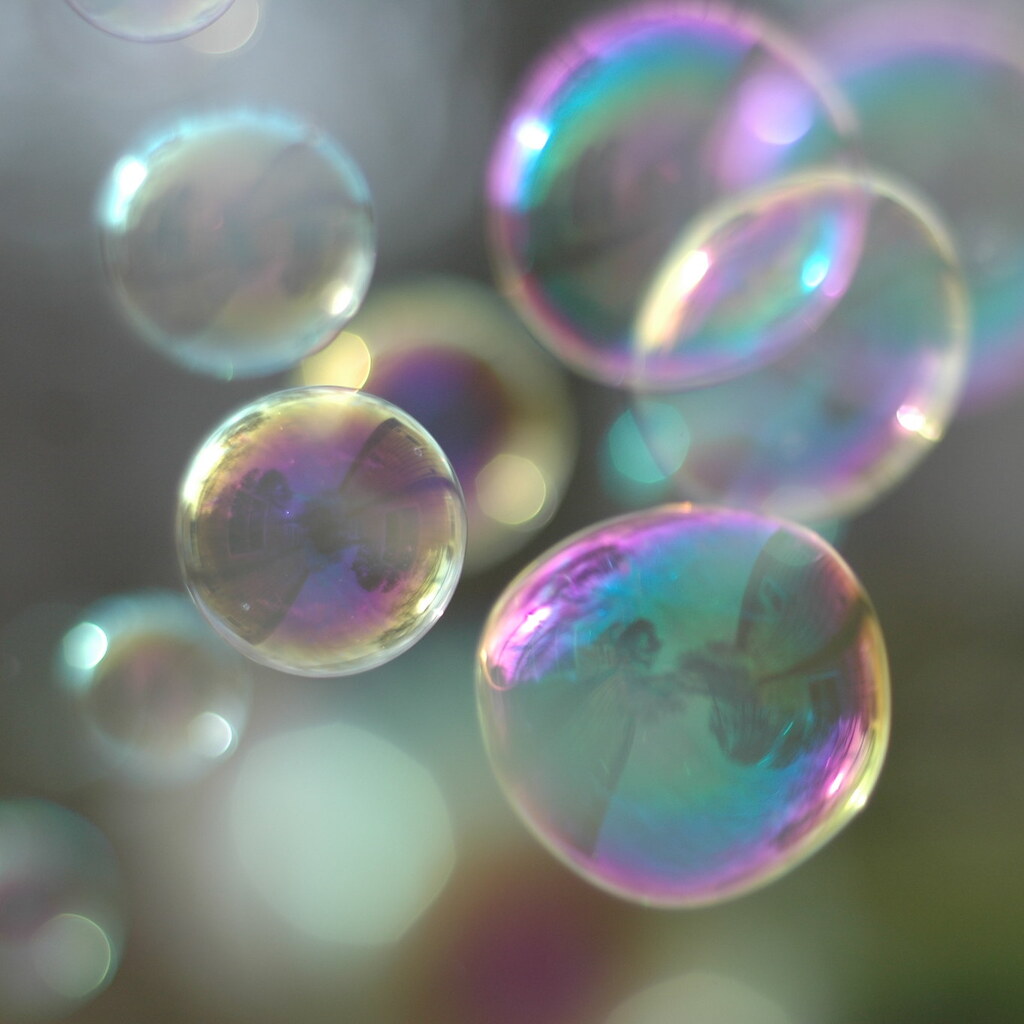
B is for Bubble

Bubbles are a pocket of air surrounded by a thin coating of something else. Bubbles are usually made from blowing air into soapy water. They are round, and float through the air. There are pretty colours on the surface of the bubble.

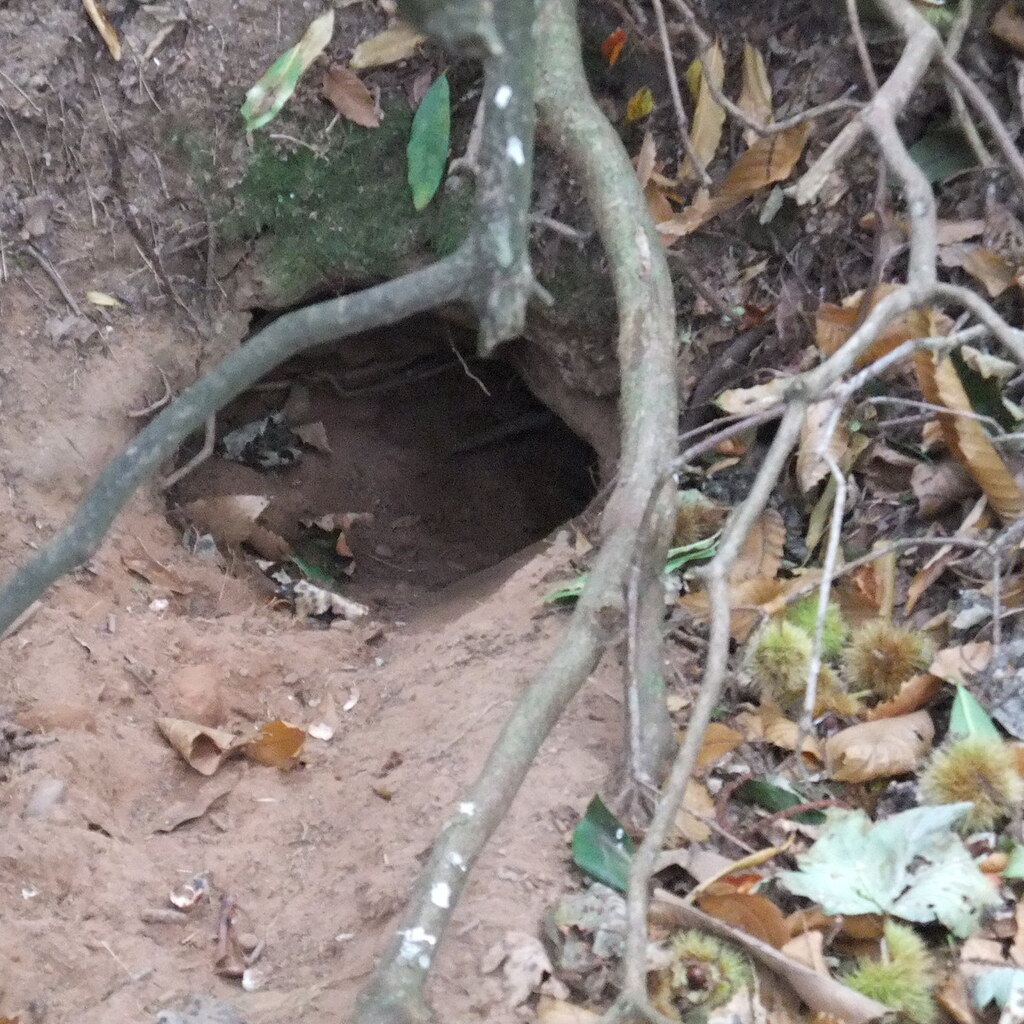
B is for Burrow

A burrow is a hole in the ground that animals like foxes and badgers dig as homes for themselves.
Burrowing can also be used as a verb, as in "the rabbit was burrowing into the side of the hill".

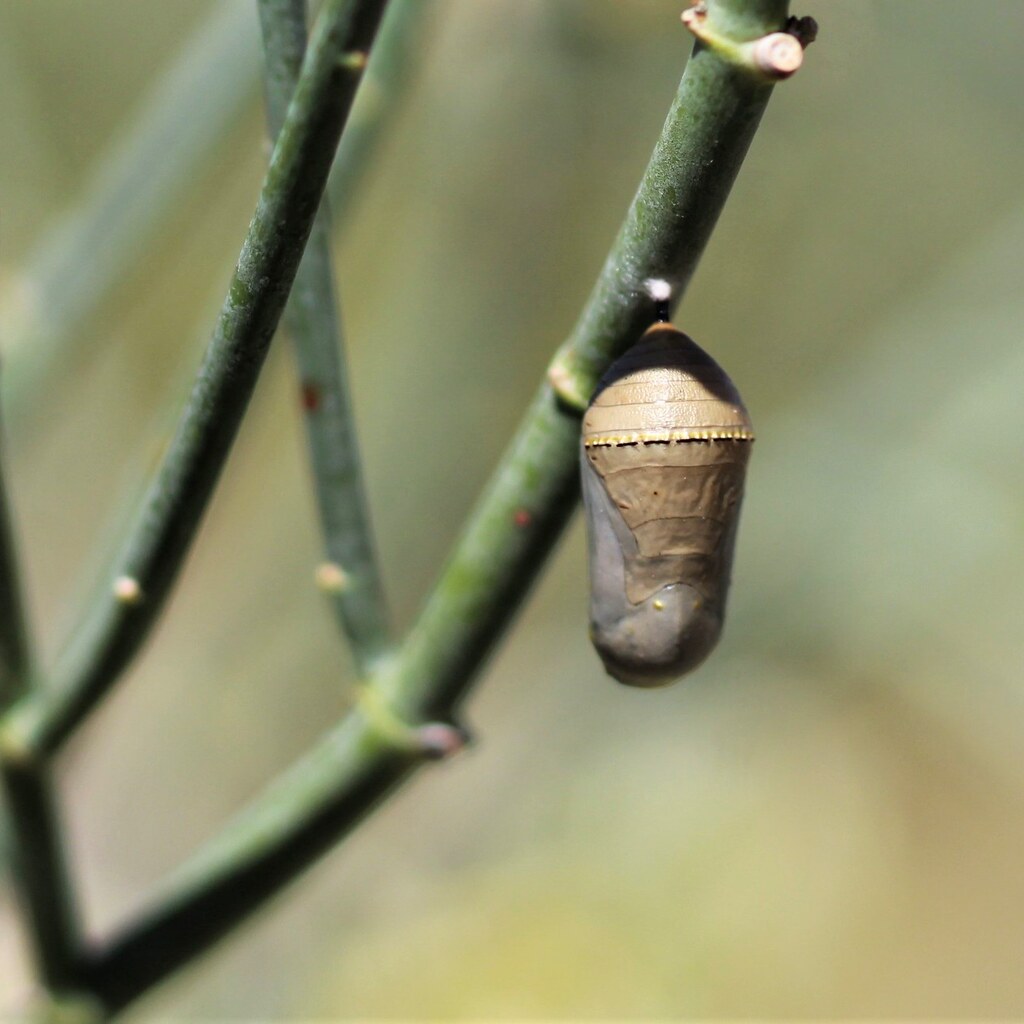
C is for Cocoon

A cocoon is a place a caterpillar makes for itself. The caterpillar goes to sleep inside it for some time and then comes out as a butterfly.
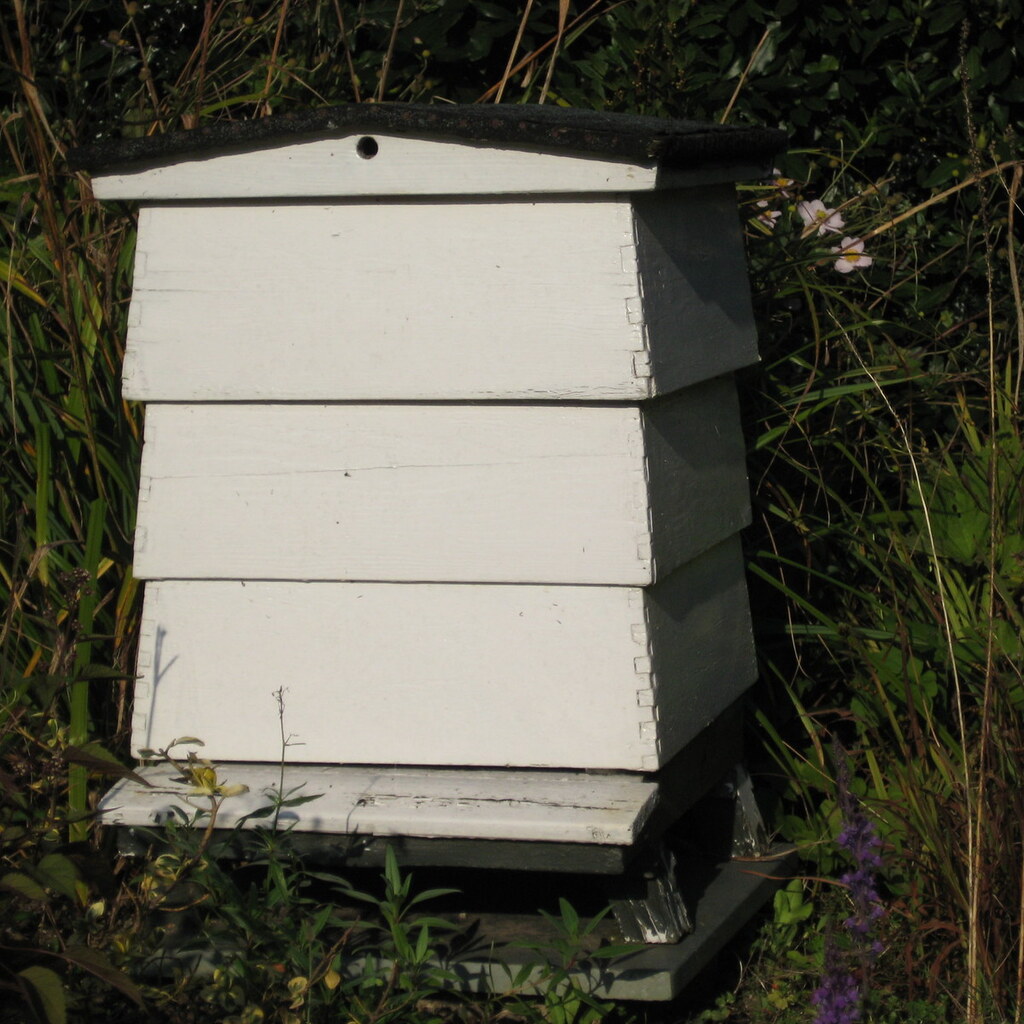
H is for Hive

A beehive is a place a large group of bees lives and makes honey. People make beehives for the bees so it is easier to get the honey out. In the wild, bees make their hives in hollow parts of trees.

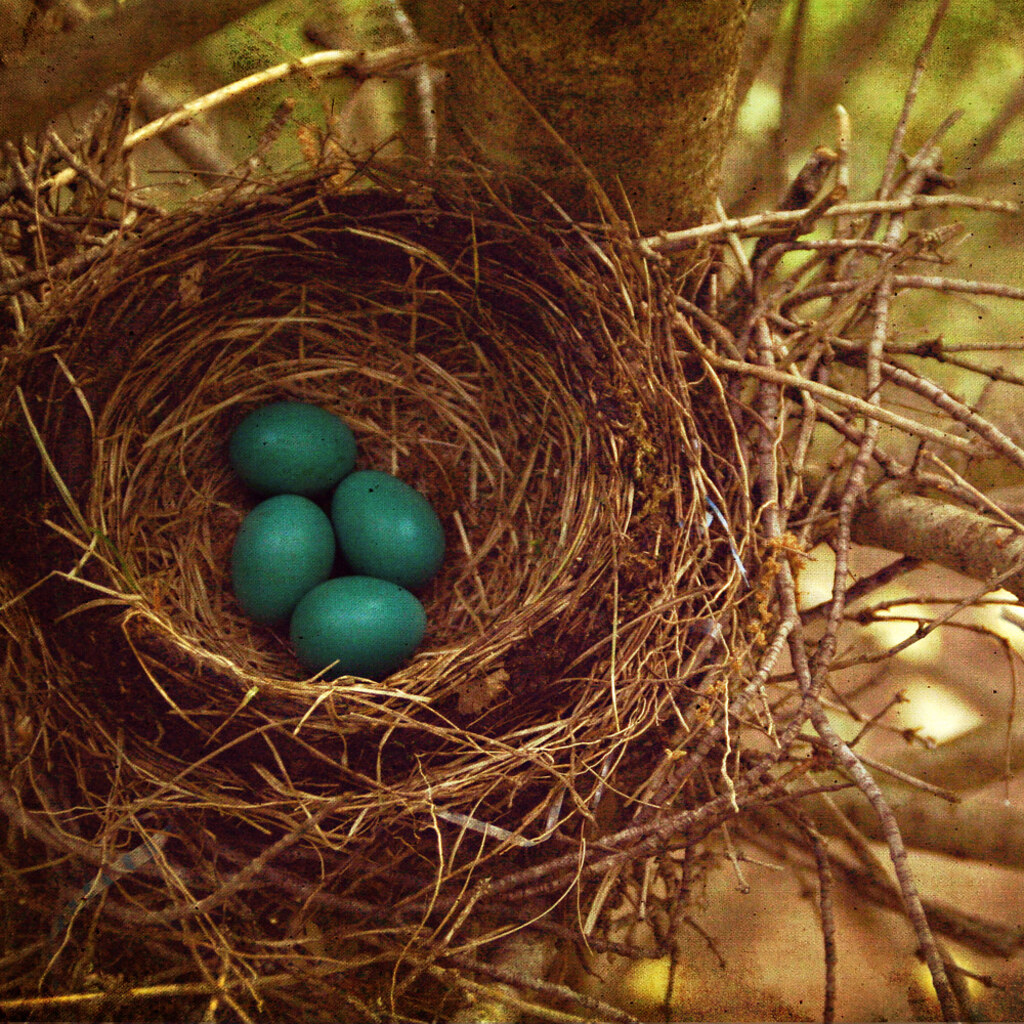
N is for Nest

Birds build nests to lay their eggs in. Nests are usually made from sticks and lined with feathers and anything soft that the bird can find, such as threads from clothes and even cobwebs. Some birds make nests out of mud.

R is for Reef

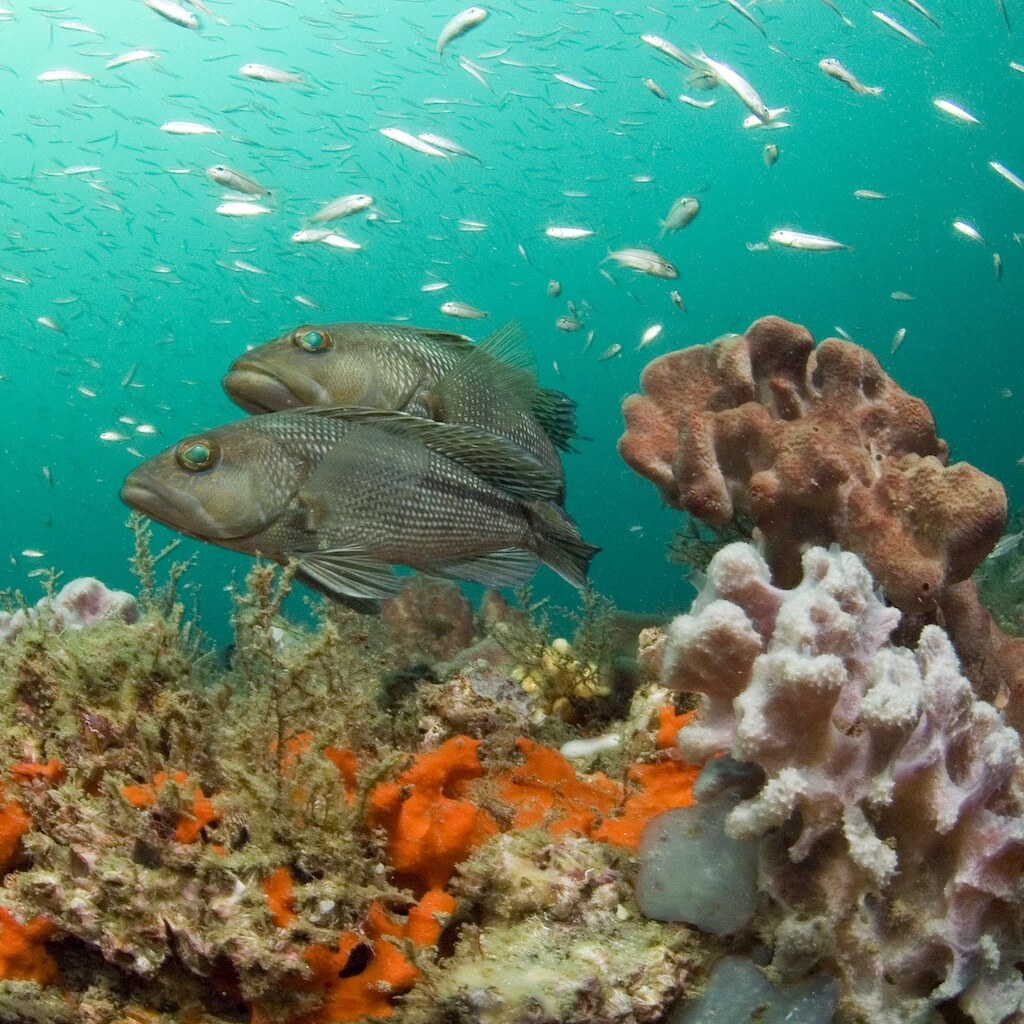
When many coral colonies grow close together over a very long time, they build up to form a reef. Reefs can get so high they come out of the water at low tide, and can be dangerous to ships.
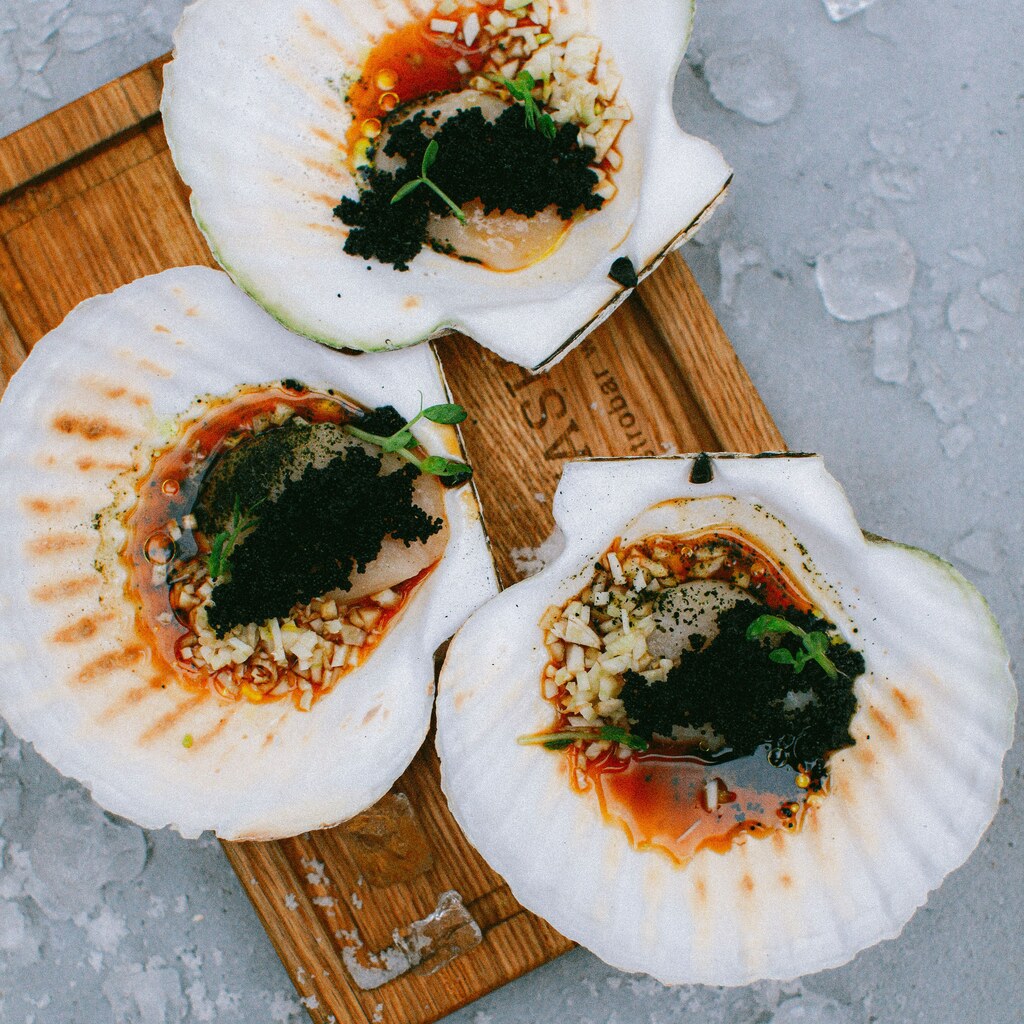
Scallop shells are the large, distinctive, fan-shaped shell of a scallop, a sea animal with two hinged halves. Scallop shells may be white, pink, orange, or brown. They have ribs on the outside that fan out in a pattern. Empty scallop shells are often found on beaches and have been used as decorations and symbols for hundreds of years.

S is for Shell

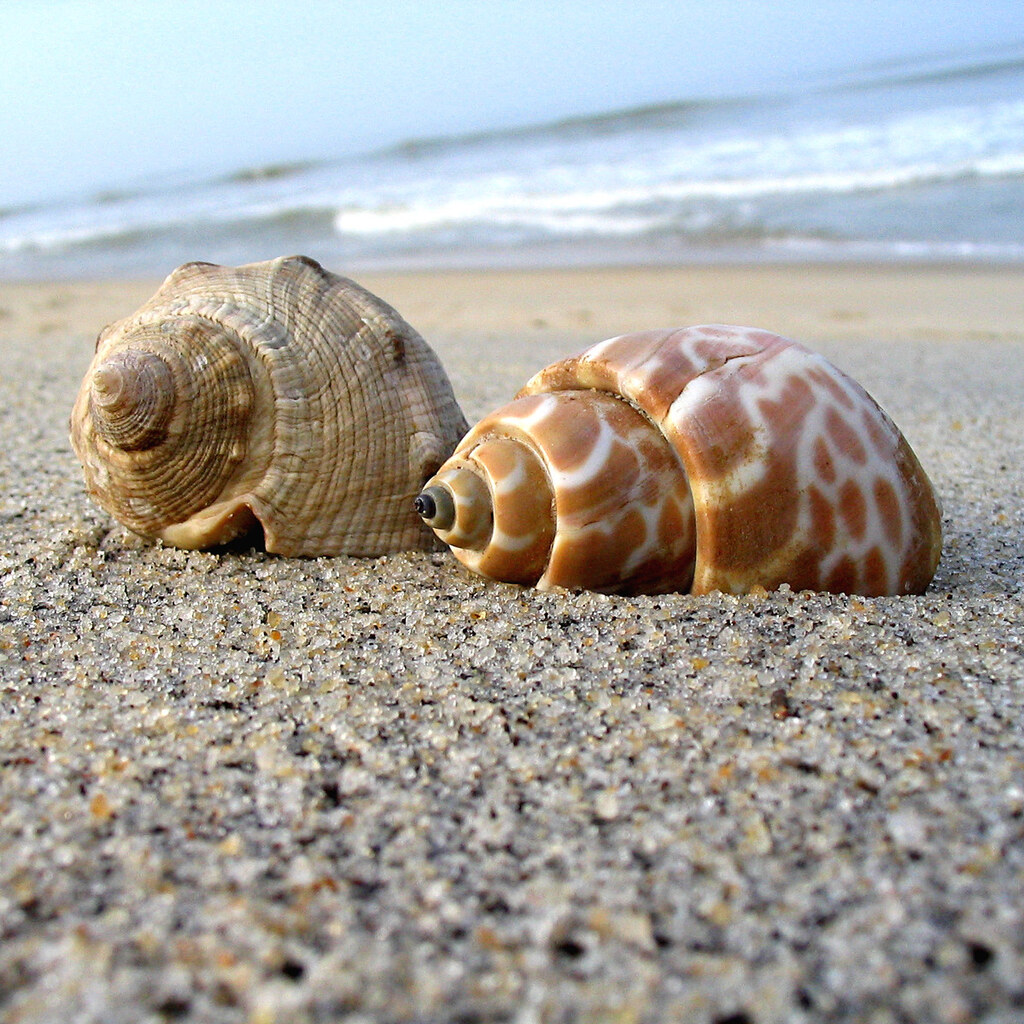
A shell is the hard outside coating found on many animals. Snails have shells that form a spiral that was built up as the snail grew bigger. crabs and turtles have a hard shell that perfectly fits the animal inside. Most animals that have shells can hide inside them if they are scared.

W is for Web

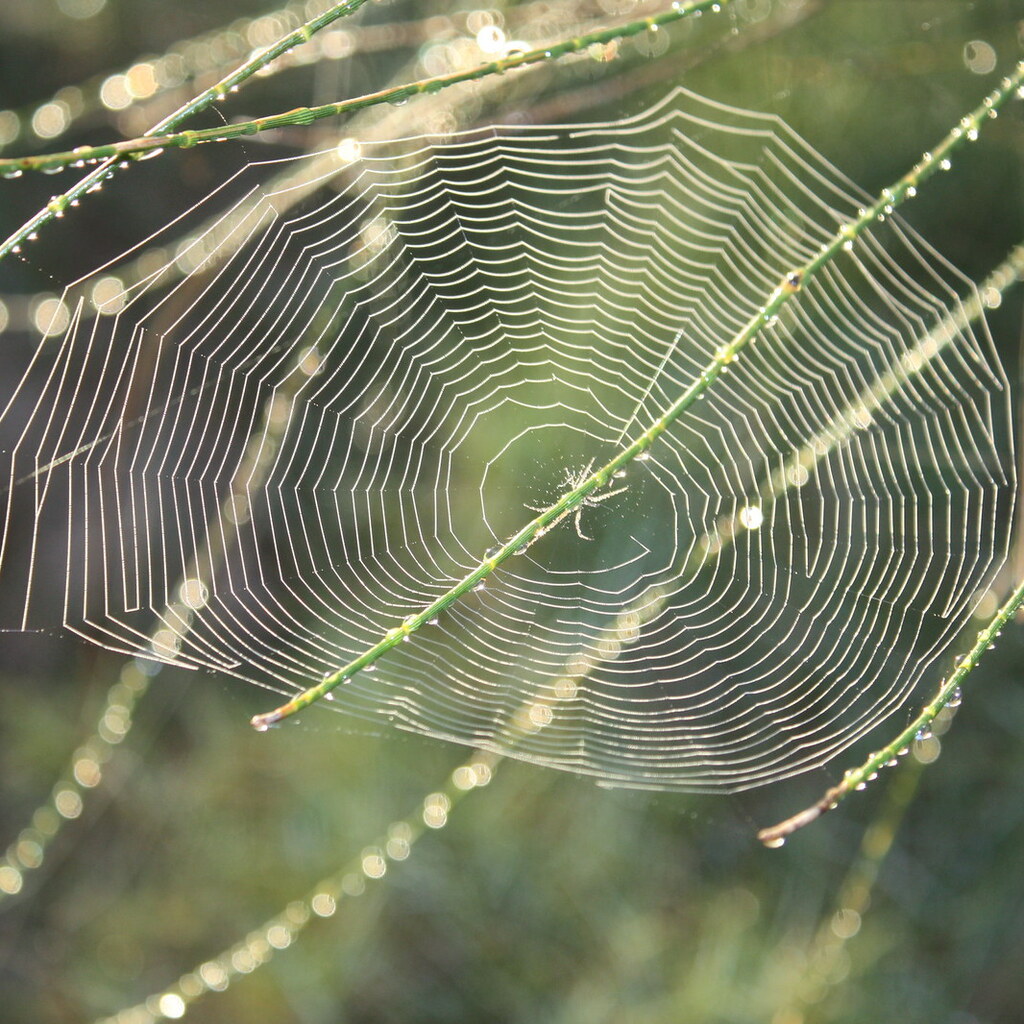
Spiders spin webs between twigs (or anything) to catch insects in. Webs are sticky, so insects that fly into the web get stuck. The spider sits on the web and feels for the vibrations of a struggling insect with its feet, and then comes over to wrap it up in more webbing and eat it.