Showing 1-11 of 11
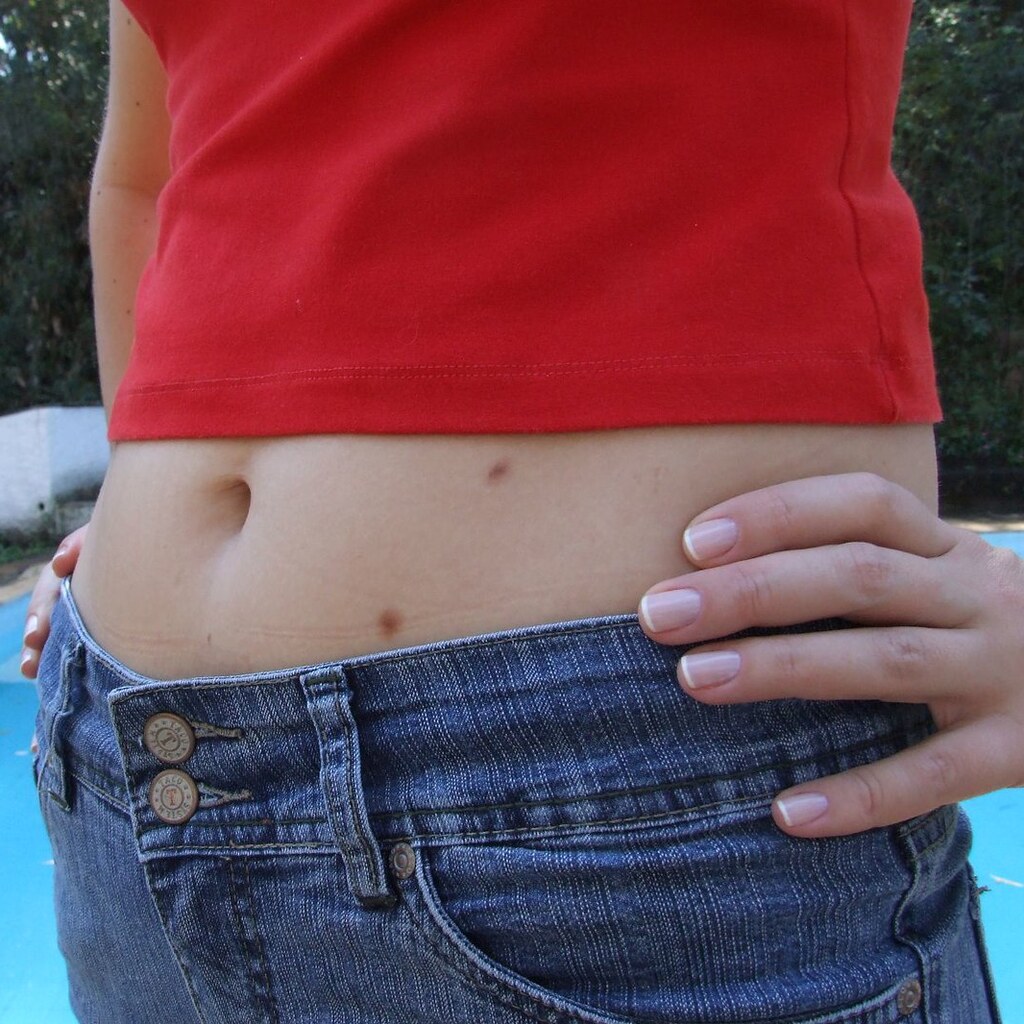
Your waist is the middle part of your body. Your belly button is on your waist. Belts go around your waist, and skirts and jeans fasten around your waist.

A wart is a lump of abnormal skin growth that is caused by a virus. Depending on where they are, they can be painful. Some warts go away by themselves fairly quickly, others need to be removed by applying acid or by freezing them or cutting them off.
Something that looks like it has warts is described as warty. Toads look very warty, and so does the gourd in the picture.
Something that looks like it has warts is described as warty. Toads look very warty, and so does the gourd in the picture.

W is for Webbed feet
Animals with webbed feet include ducks, swans, geese, seagulls, platypuses, otters, turtles and many, many other birds and animals that can swim.

Whiskers are hairs that grow around the nose and mouth of most animals. On people, whiskers are usually called a beard or moustache.
Animals use their whiskers to tell when they are near something, as the whisker hairs hit things before the animal's face does. Cats have the most well-known whiskers. The cat in the picture is yawning, and you can clearly see its whiskers.
Animals use their whiskers to tell when they are near something, as the whisker hairs hit things before the animal's face does. Cats have the most well-known whiskers. The cat in the picture is yawning, and you can clearly see its whiskers.
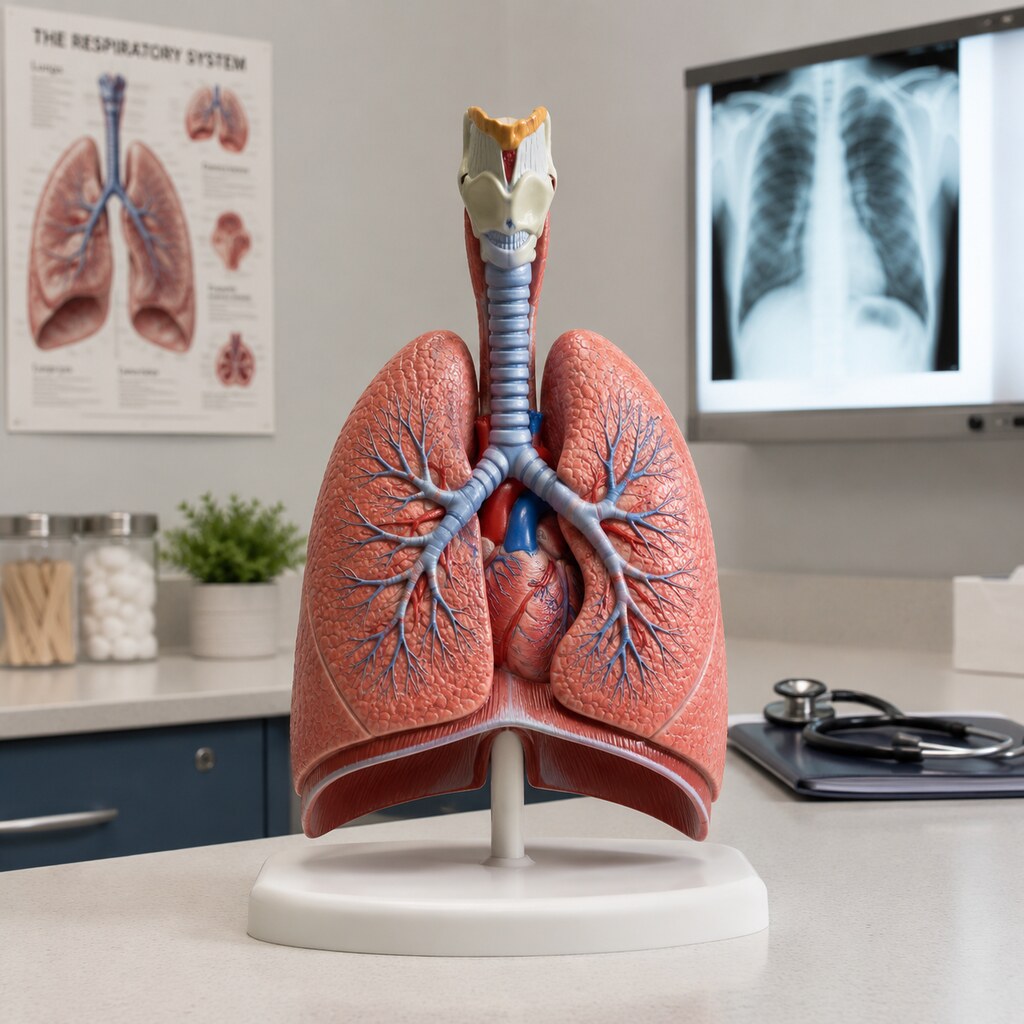
The windpipe is a tube inside your neck that helps air get to your lungs.
It is also called the trachea. When you breathe in, air moves through the windpipe. When you breathe out, air moves back out the same way. The windpipe is lined with tissue that helps catch dust and germs. It starts below your voice box and goes down to the chest, where it splits into two smaller airways.
It is also called the trachea. When you breathe in, air moves through the windpipe. When you breathe out, air moves back out the same way. The windpipe is lined with tissue that helps catch dust and germs. It starts below your voice box and goes down to the chest, where it splits into two smaller airways.
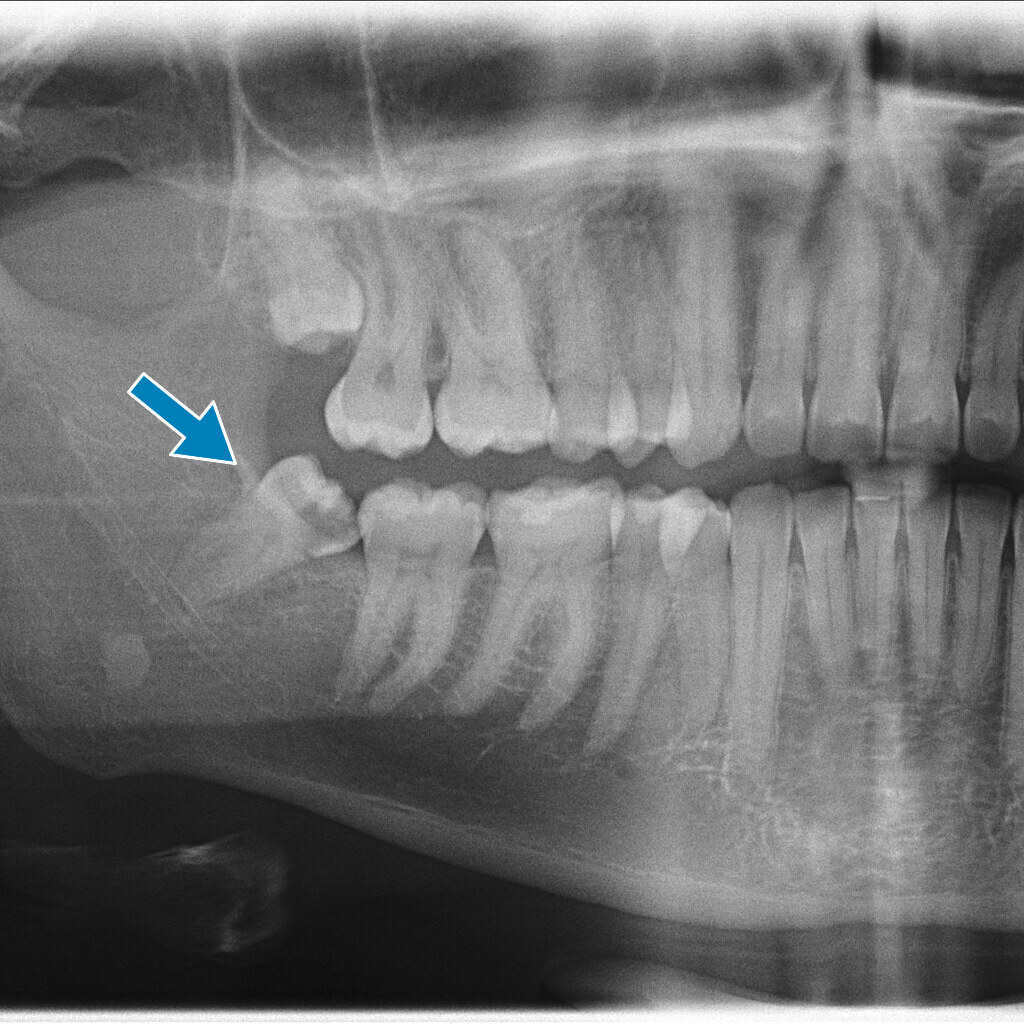
W is for Wisdom tooth
Wisdom teeth usually come in during the late teens or early adulthood. Many people's wisdom teeth don't have enough room to grow and they can cause issues and need to be removed by a dentist. Some people don't get wisdom teeth at all.