Fruit

Sweet fruit (and a vegetable or two!) from all around the world.

Subcategories: Berries (10), Citrus (6), Pomes (4), Stone fruit (5), Tropical (9)

Showing 41-55 of 55

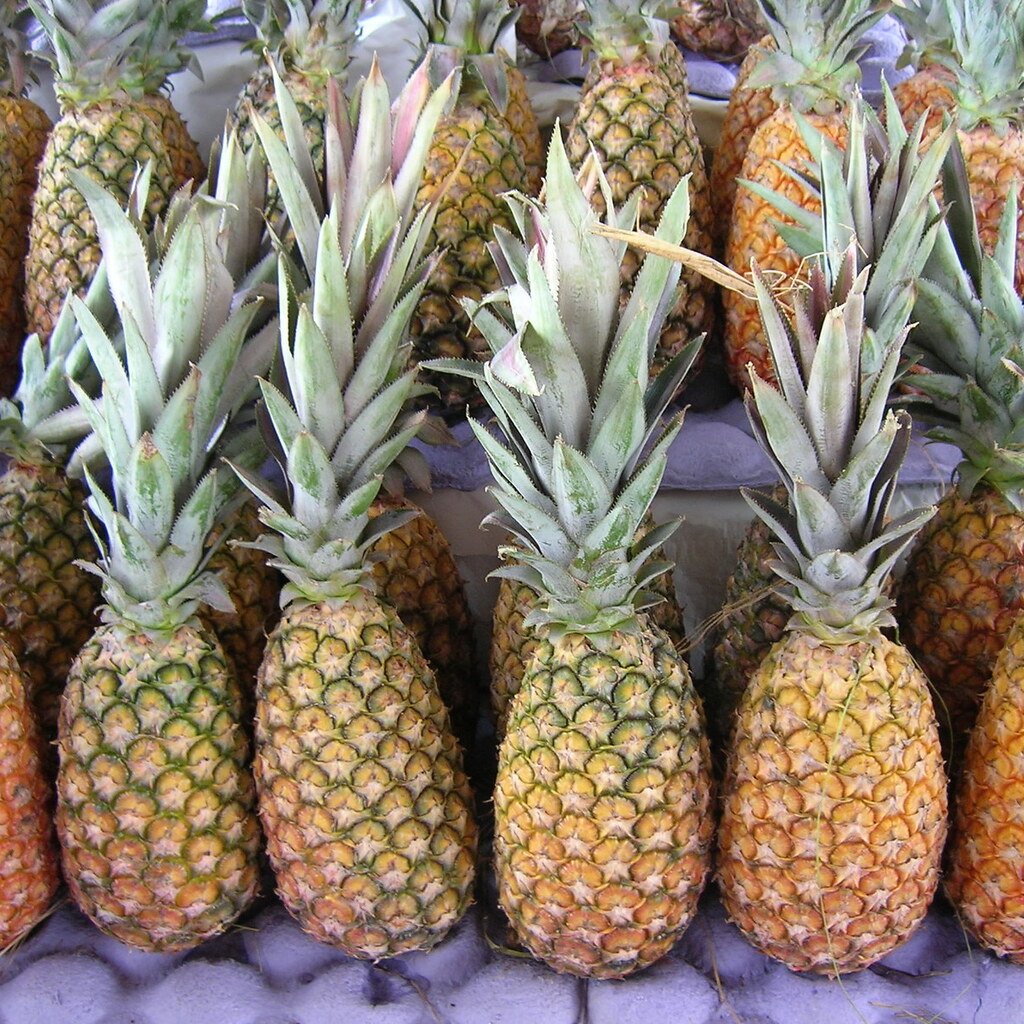
P is for Pineapple

Pineapples are a type of very sweet tropical fruit. Pineapples are eaten fresh, used in desserts, cakes and their juice is used in many drinks. You need to take off the prickly outside of the fruit before you can eat it.
Pineapple flowers are most often pollinated by the hummingbird.
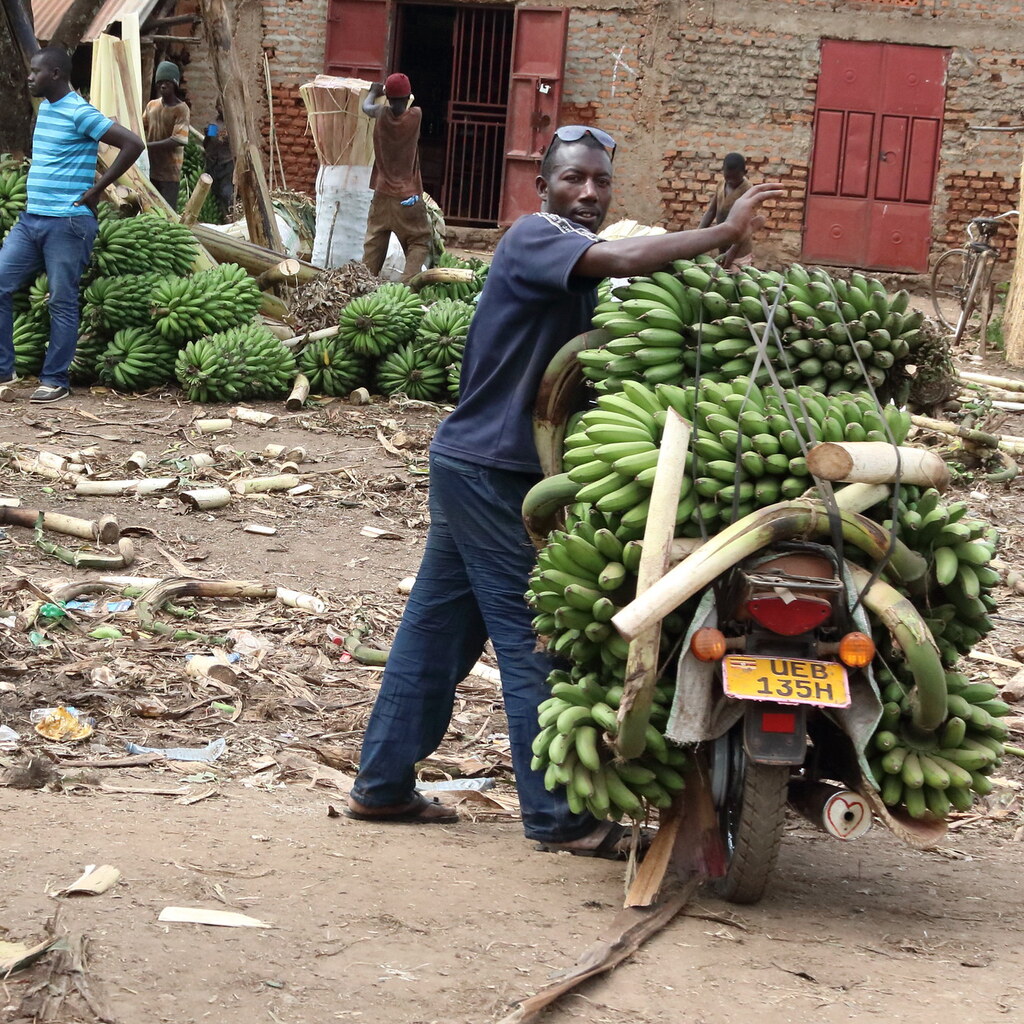
P is for Plantain

The plantain is a kind of fruit that looks like a banana, but it can be longer and firmer.

Plantains are common in Africa, the Caribbean, and Latin America. They can be fried, boiled, or baked.
P is for Plum

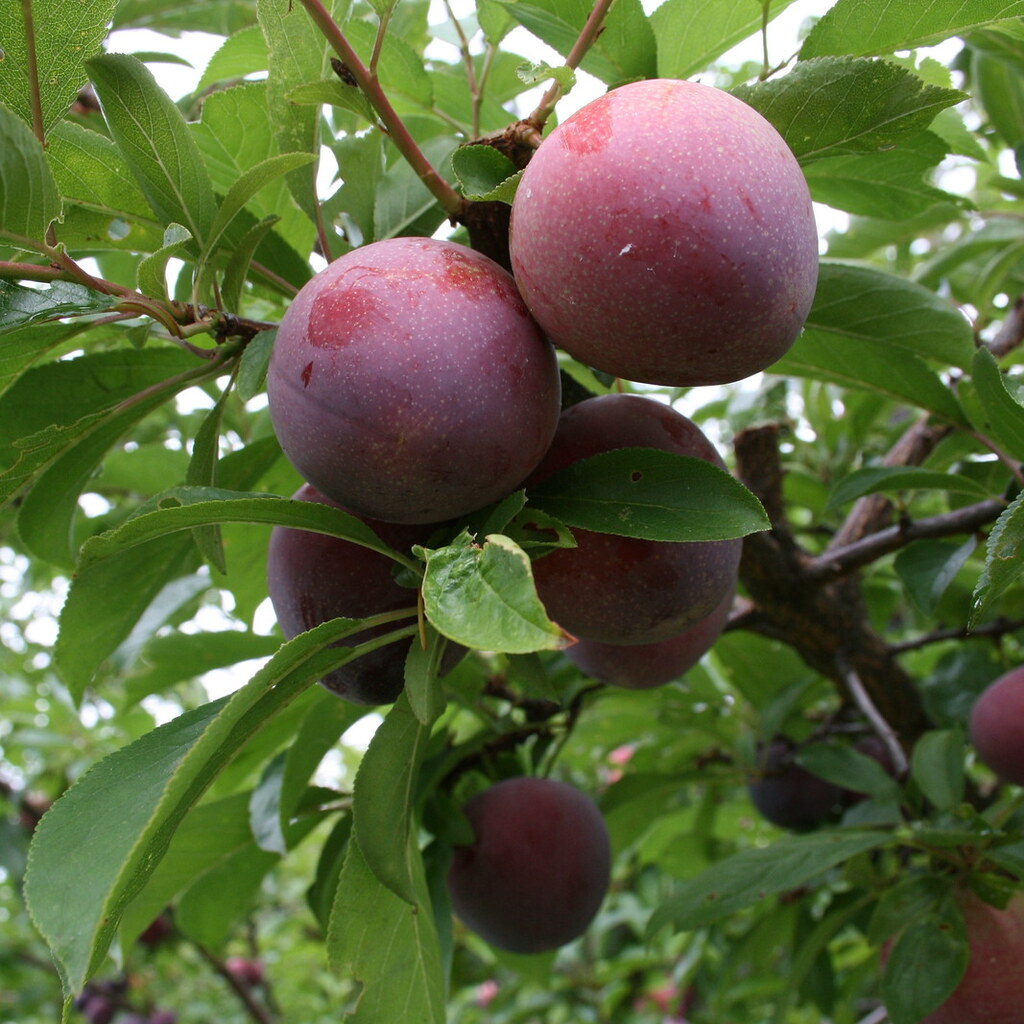
The plum is a small, dark red fruit related to peaches and cherries. Dried plums are sometimes called prunes. Plums can be eaten raw or used to cook puddings.

P is for Pomegranate

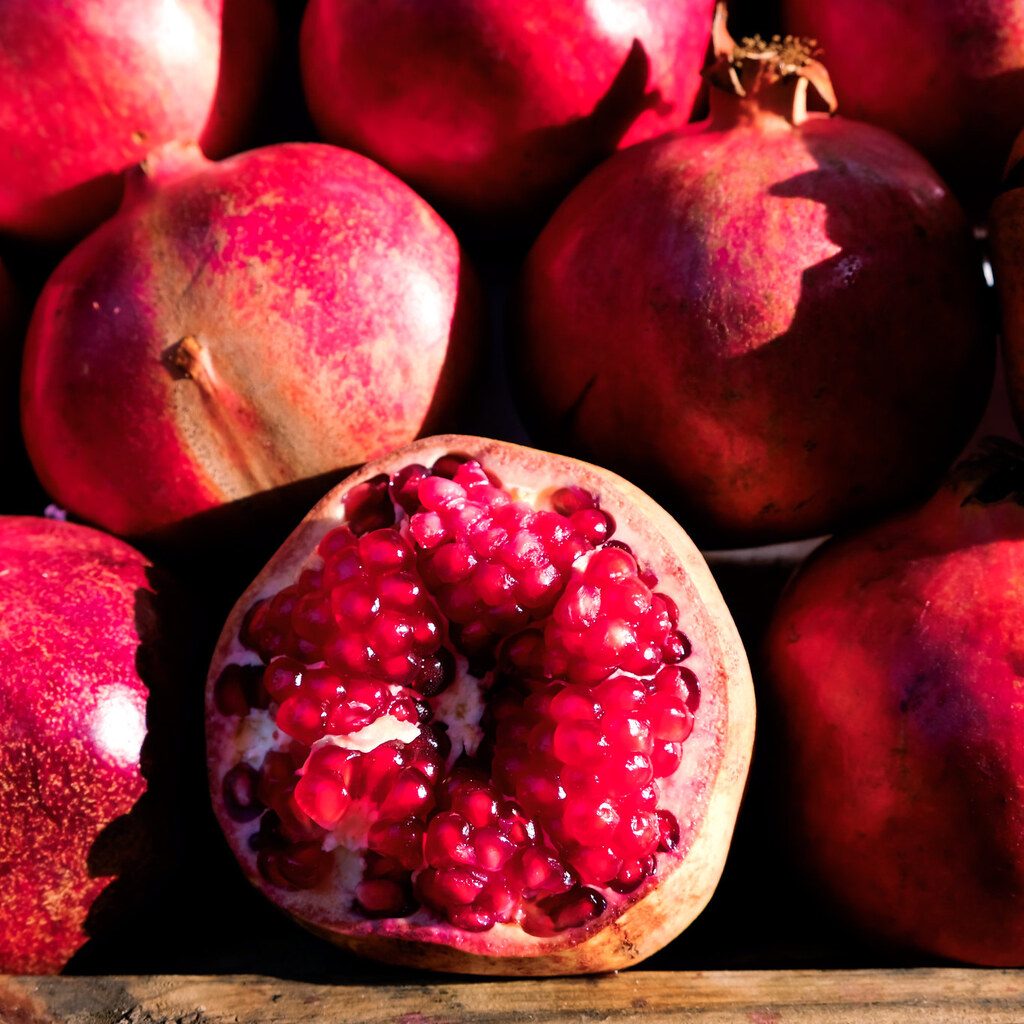
The pomegranate is originally native to Asia but has been grown around the Mediterranean area for centuries. It is the fruit of a deciduous shrub. The name means "seeded apple". Pomegranates have a hard outside layer that you cannot eat. The part of the pomegranate you eat is the juicy seeds. You can eat them raw, make them into juice, or use them in desserts or other dishes.
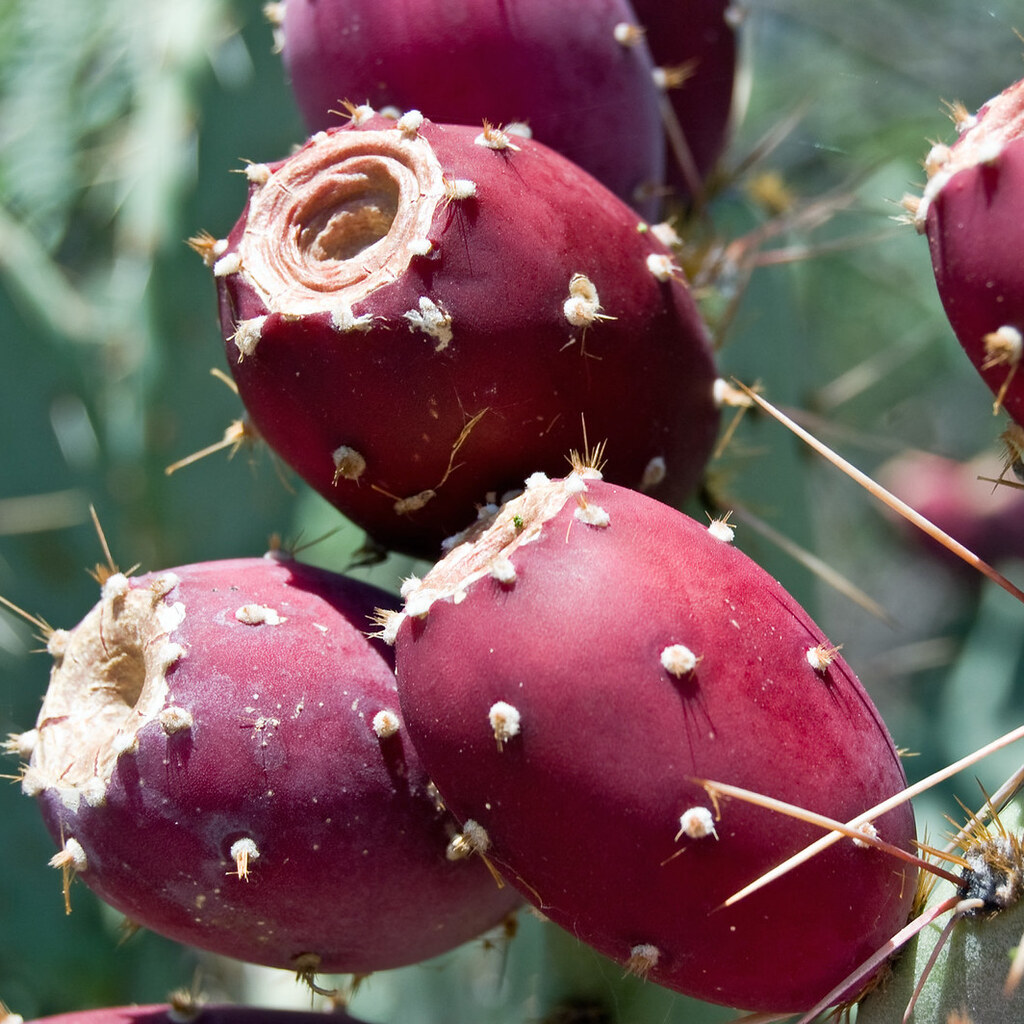
The prickly pear is a kind of cactus. When you eat the fruit of the cactus, you have to be very careful to remove the thorns from the fruit. The entire cactus including the fruit is covered in thorns.

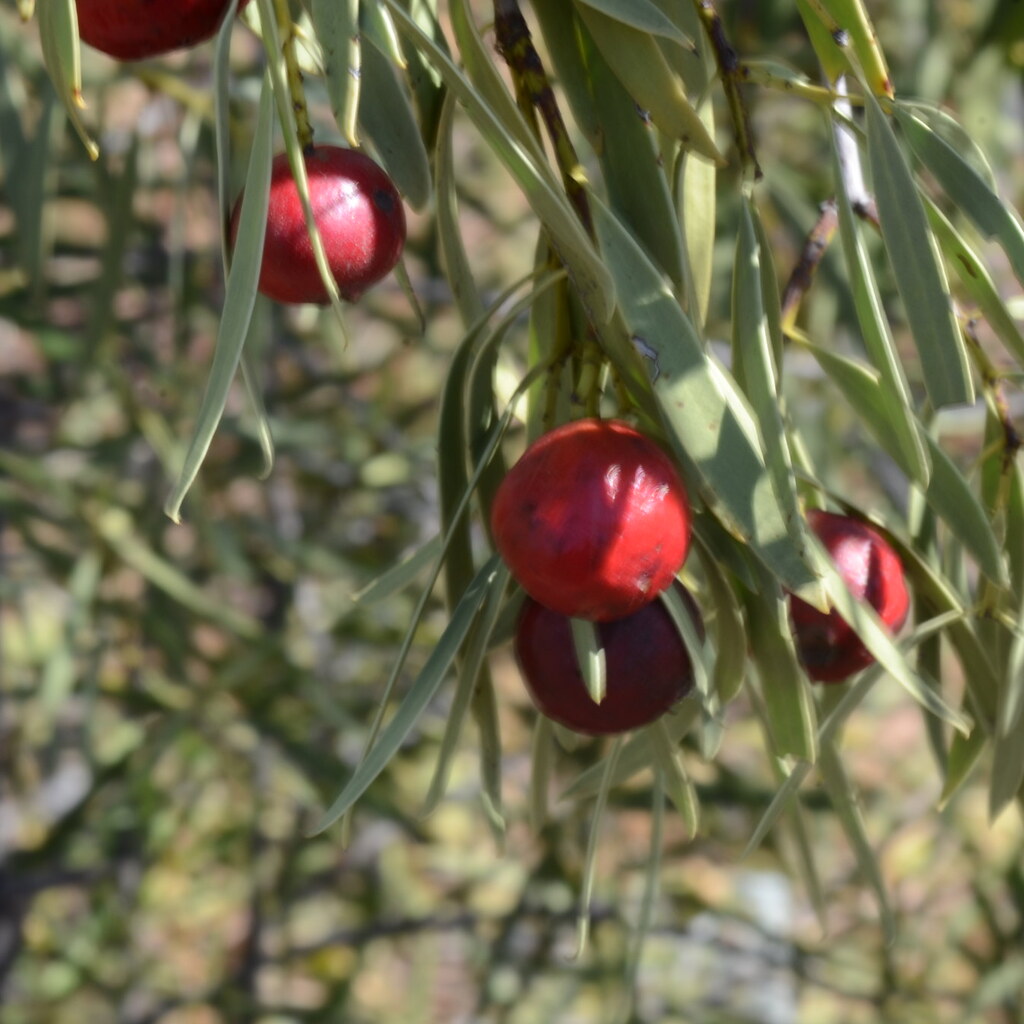
Q is for Quandong

Quandongs are a type of fruit found in Australia, and are also known as the native peach. They are semi-parasitic and will get some nutrients from the roots of nearby trees and plants. Quandongs grow right across Australia, even in the dryest areas. The fruit itself had a big seed and a very thin coating of fruit on the outside. The seeds are textured and can be made into interesting jewelry.
Quandongs can be used to make jam and pies.
Q is for Quince

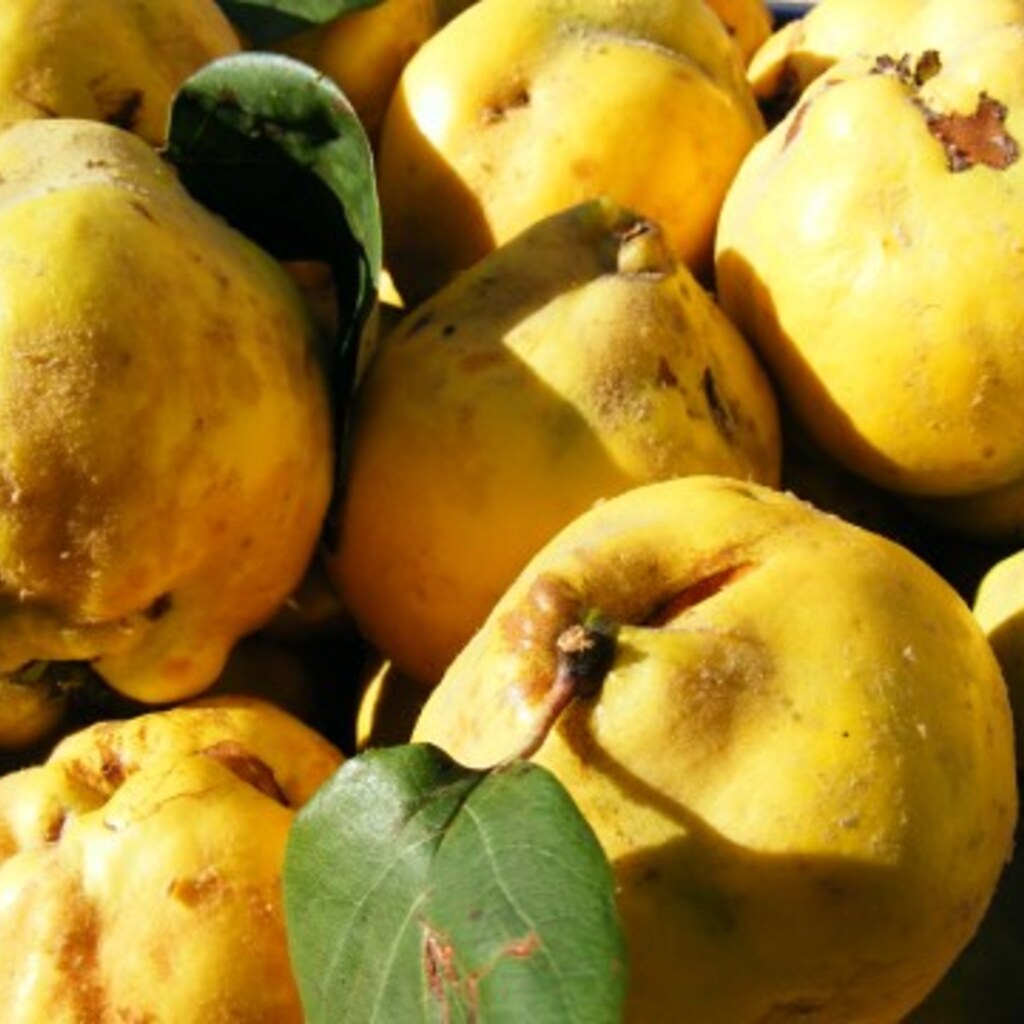
The Quince is native to southwest Asia. It is a small deciduous tree growing 5-8 m tall and 4-6 m wide. It is related to apples and pears. The quince has a pear-shaped fruit that is bright yellow when it is ripe.

R is for Raspberry

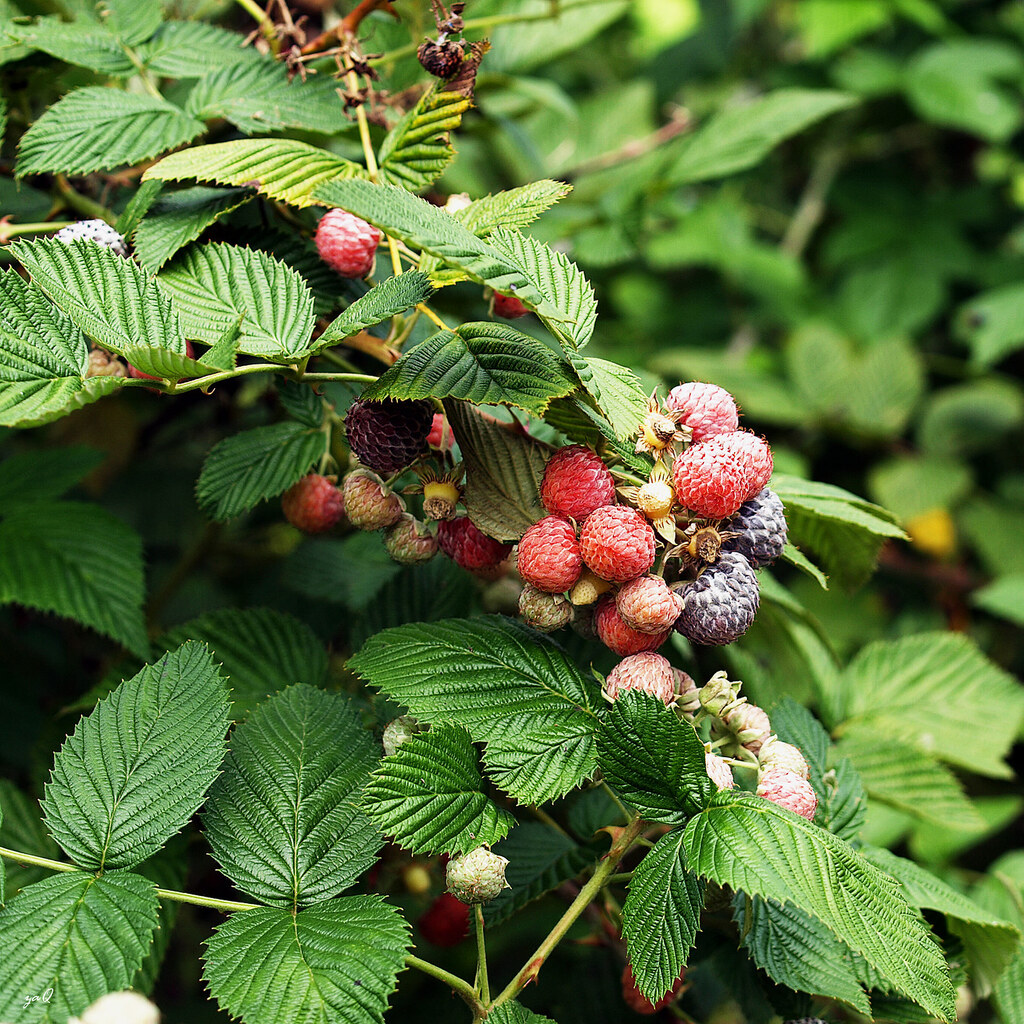
Raspberries are the fruit of a very vigorous deciduous thorny bush related to blackberries, roses and strawberries. Raspberries can spread by sending out roots a long way under the ground that then sprout new plants. Raspberries can take over your backyard if you don't keep them pruned.
Raspberries can be eaten fresh, made into juice, or cooked into pies. Raspberries are very good for you.
R is for Redcurrant
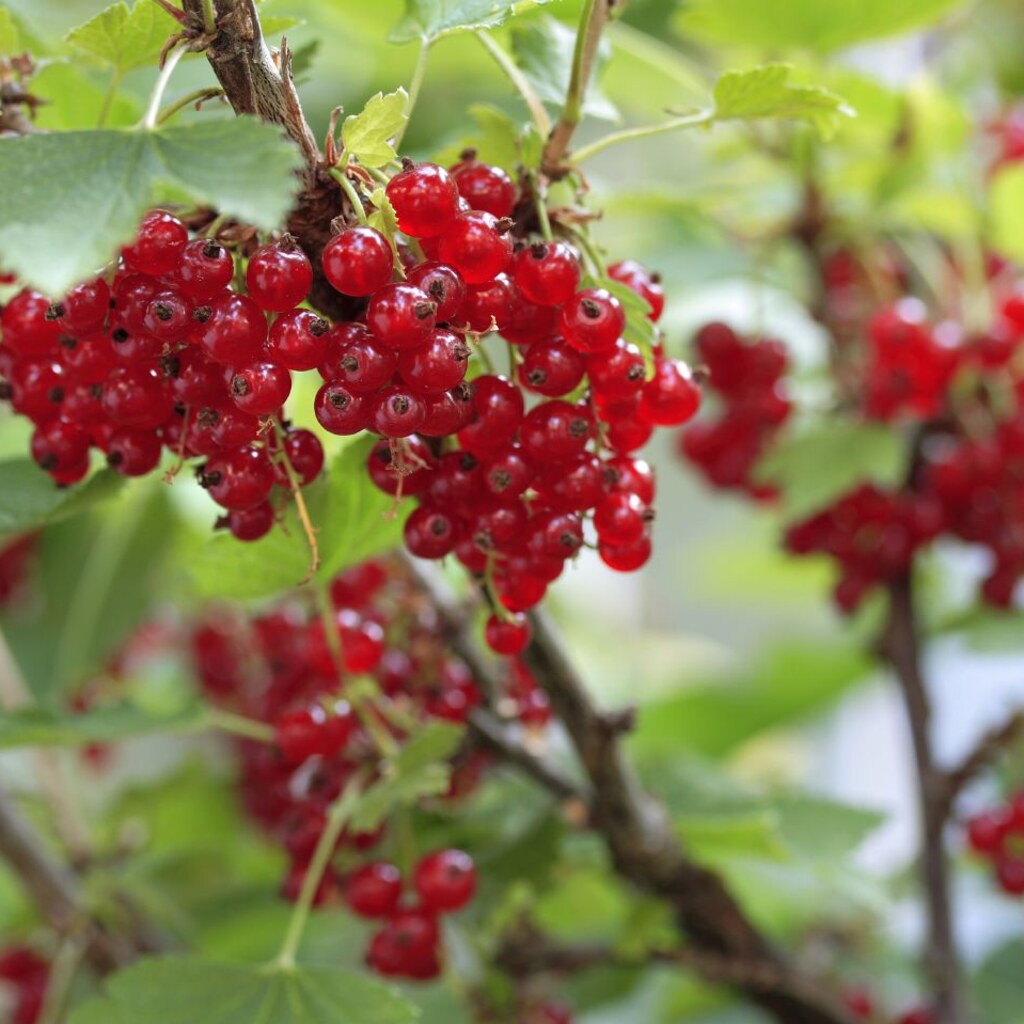
Redcurrants are a small berry related to gooseberries that are from Europe. They are quite sour and are only used for making jams and other cooked food. A paler, less sour type of redcurrant is called the whitecurrant.

S is for Soursop

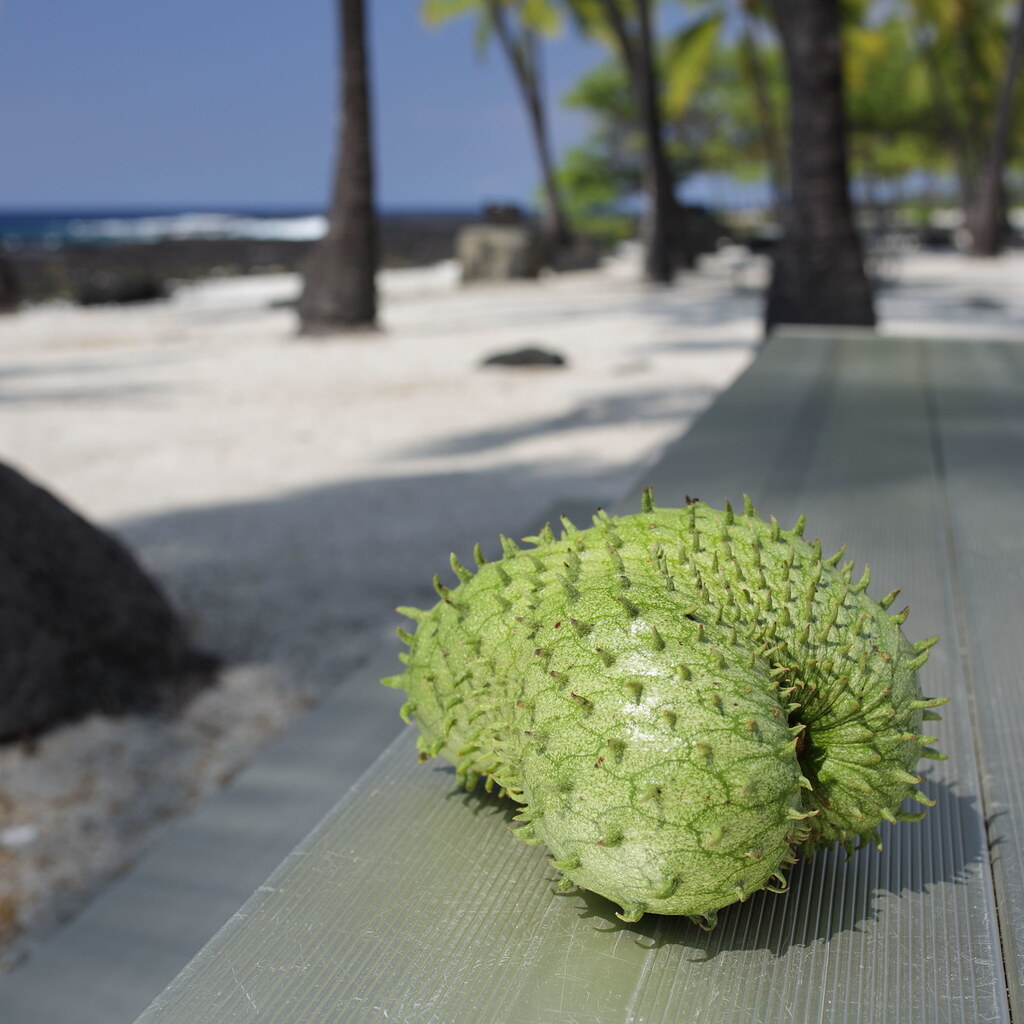
Soursop is a tropical found in warm places like South and Central America and South Asia. It is also called graviola. The fruit is oval and has green, bumpy skin, with soft white or pale yellow flesh inside.

S is for Star fruit

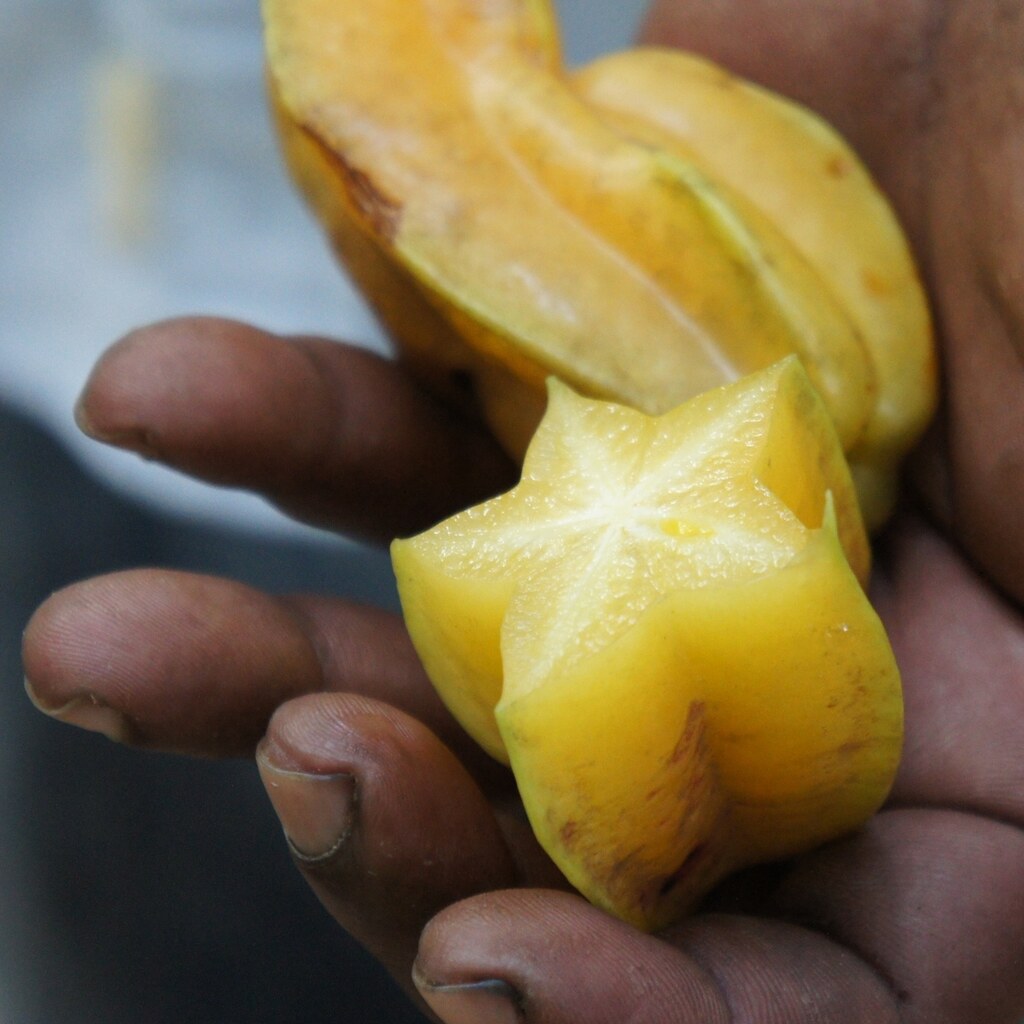
Star fruit (kamrak) is popular in areas of Asia such as the Philippines, Indonesia, India and Sri Lanka. It grows best in tropical areas. It is a sweet, juicy fruit and is high in vitamin C, as well as having other health benefits.

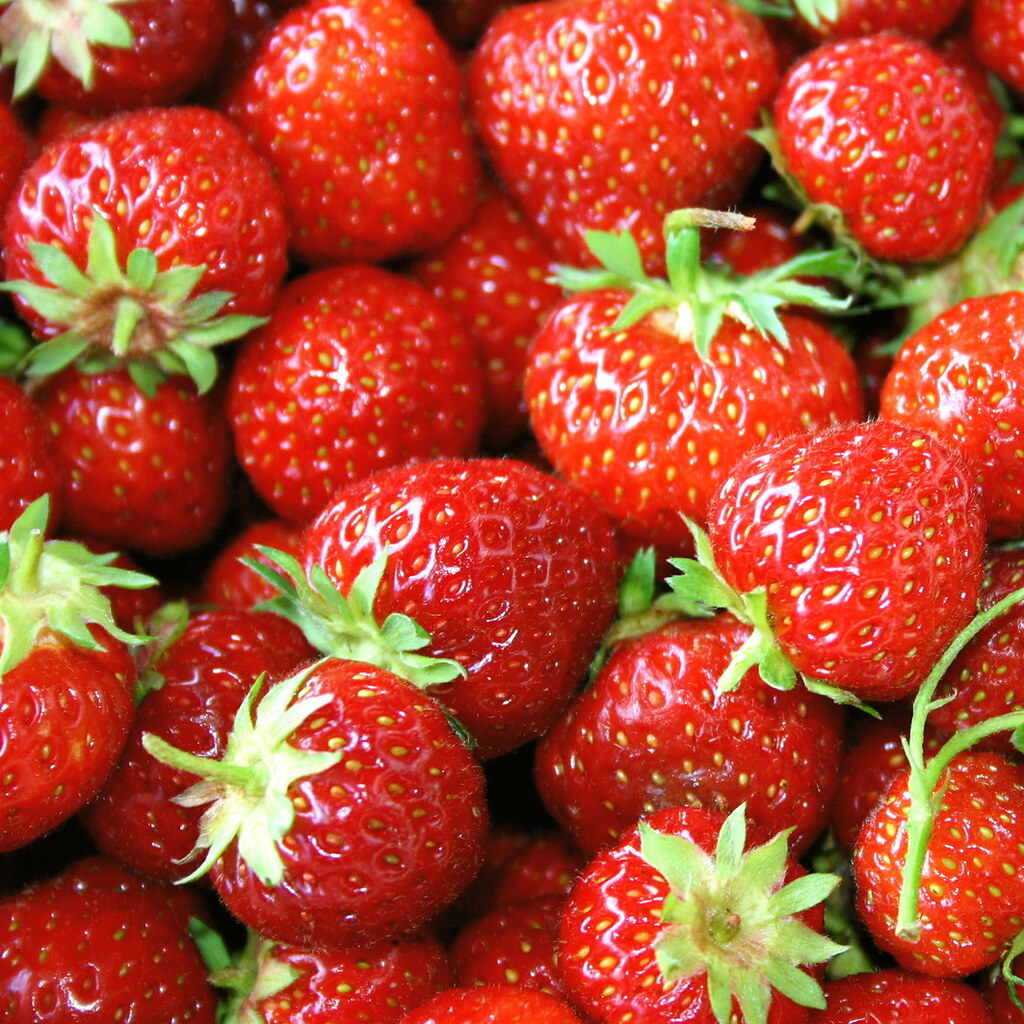
S is for Strawberry

The strawberry is the fruit of a small, low growing plant. Strawberries are red and very sweet. They are unusual because their seeds are on the outside, and most fruits have seeds on the inside. Strawberries are related to roses.

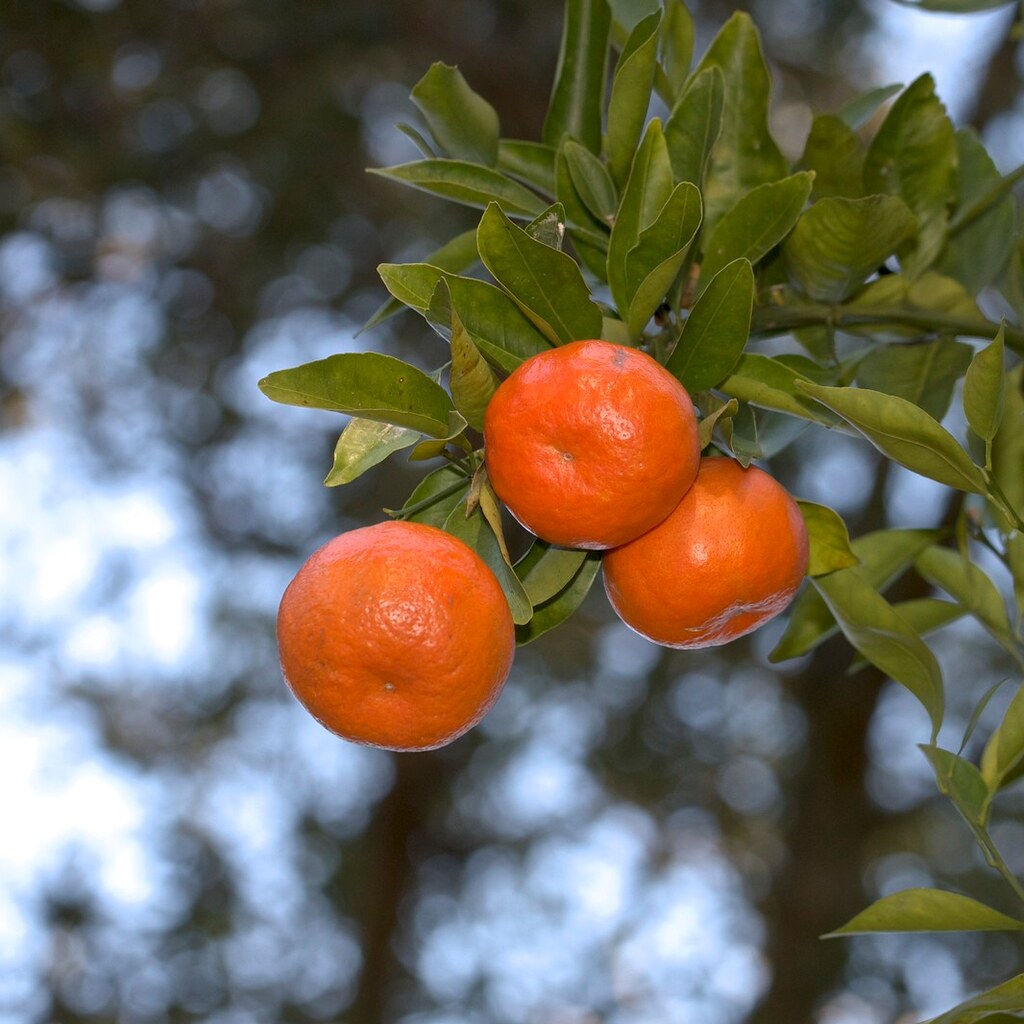
T is for Tangerine

Tangerines are a very sweet citrus fruit closely related to the mandarin. They are easy to peel and break into segments.

T is for Tomato

The tomato is the fruit of the tomato vine. Tomatoes may be eaten raw or cooked. They are usually used to make sauce. Tomatoes are usually red or yellow when they are ripe. Some people think a tomato is a vegetable, not a fruit.

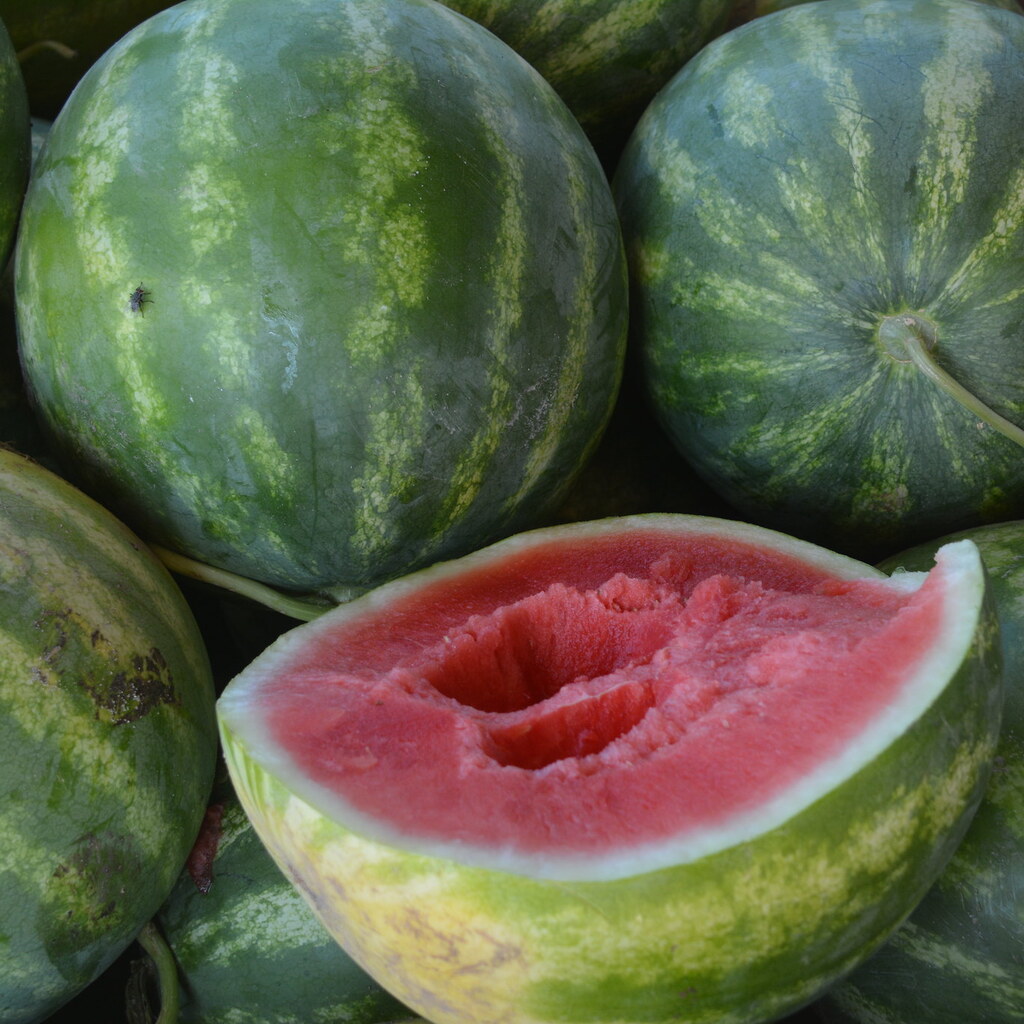
W is for Watermelon

The watermelon is the fruit of a vine originally from South Africa. The fruit can be very big, and has a hard green rind with very juicy, sweet red flesh inside, full of black seeds. Watermelons are wonderful to eat fresh on a hot summer's day.