
Showing 21-40 of 55
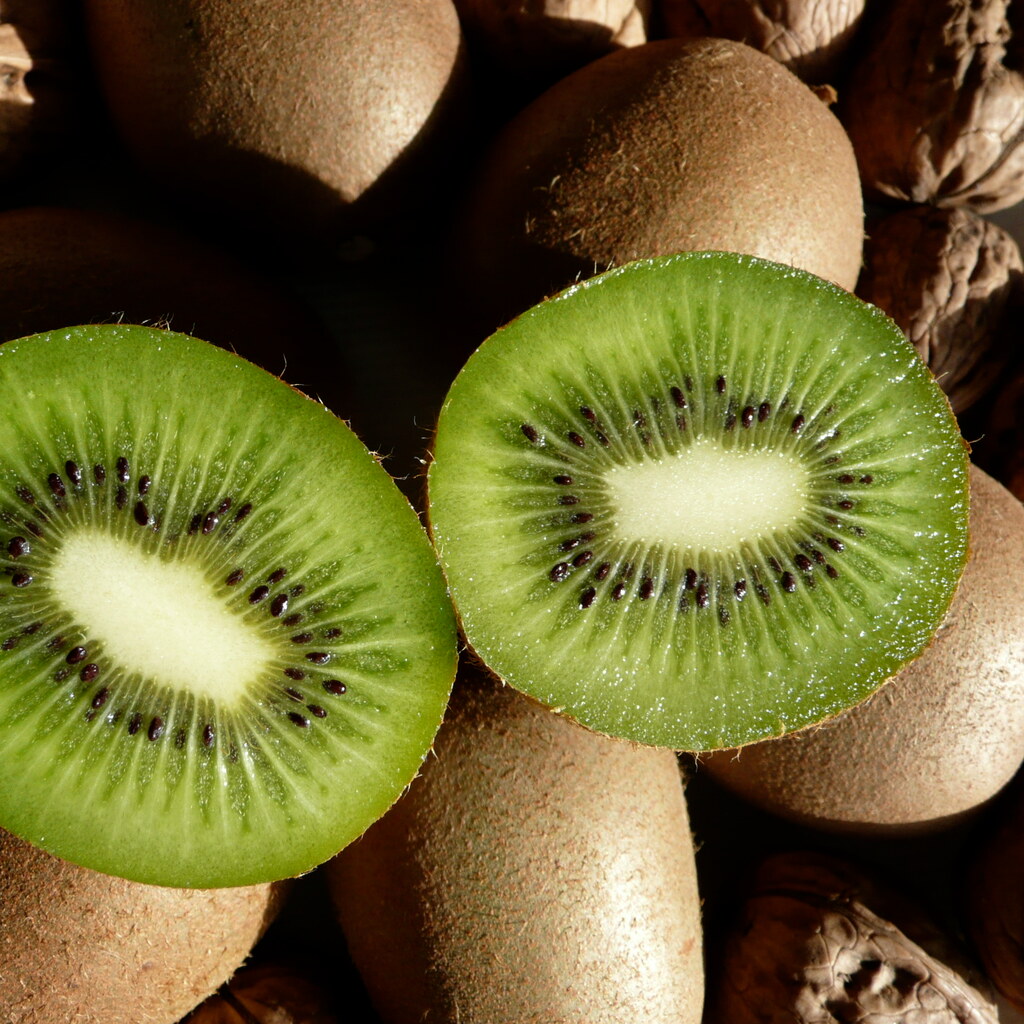
K is for Kiwi fruit
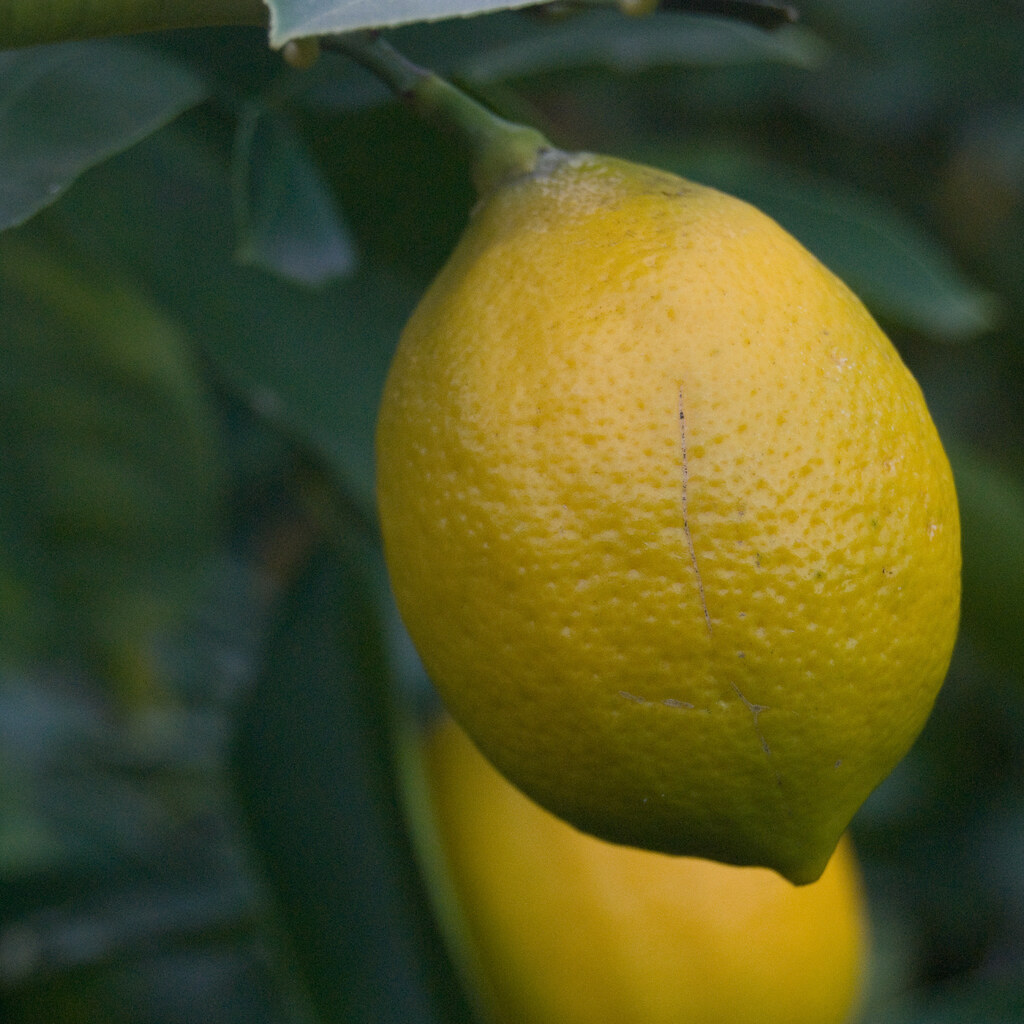
The lemon is the fruit of the lemon tree. Lemon trees are thorny and can grow to 10 metres high. Lemons are yellow and very sour because they contain a lot of citric acid. When you make lemonade from lemon juice you need to add a lot of sugar or it will not taste good. You can make marmalade from lemons.
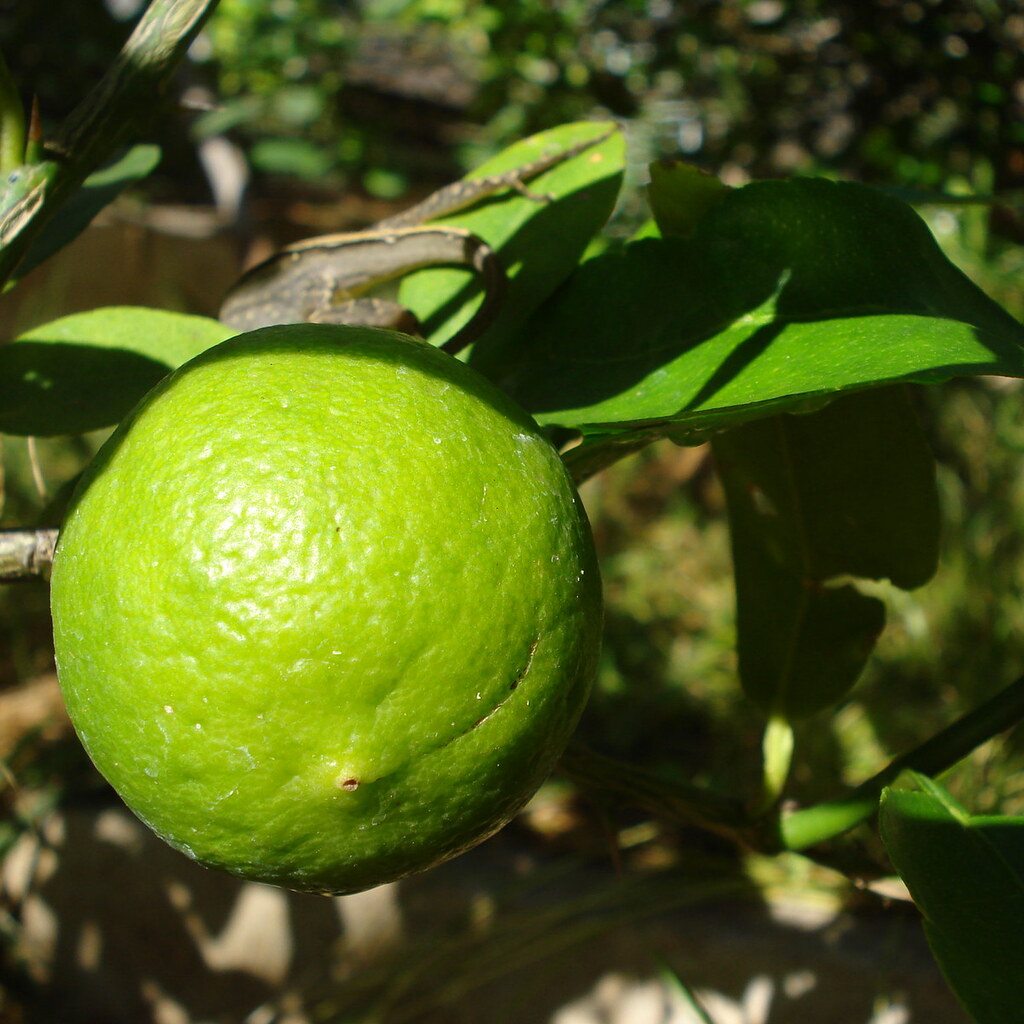
L is for Lime (Fruit)
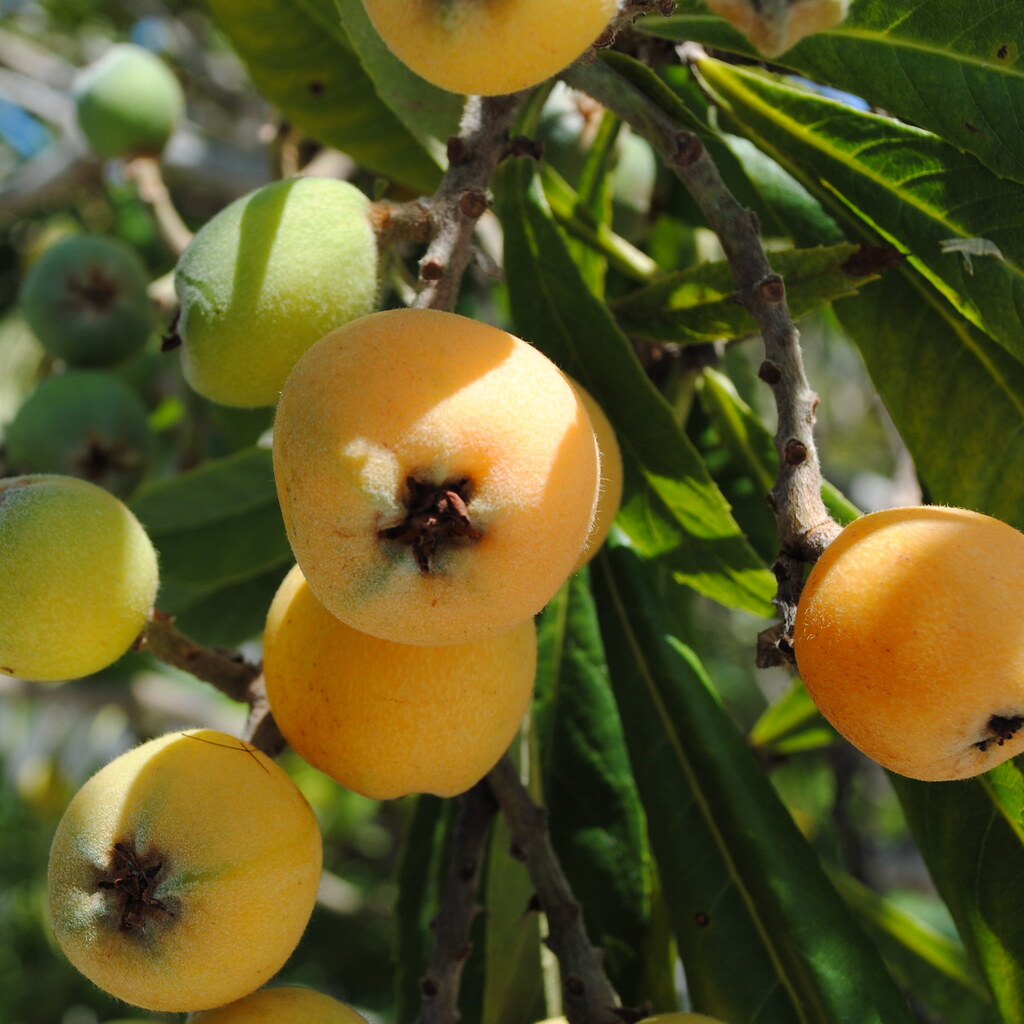
Loquat is a kind of small, sweet orange or yellow fruit. People will eat loquats fresh, or make jam out of them.
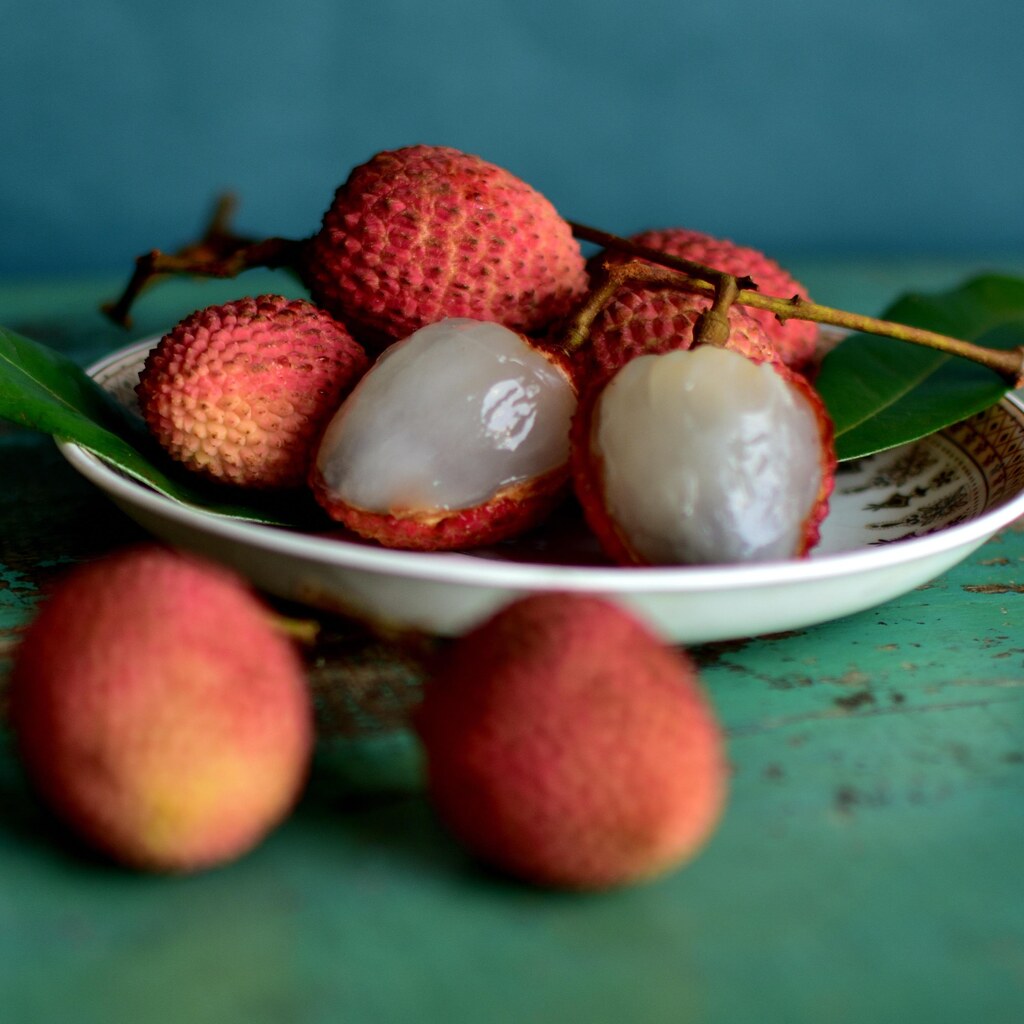
Lychees, also called litchi, are tropical fruit native to China. They have a very sweet, white flesh with a single large seed.
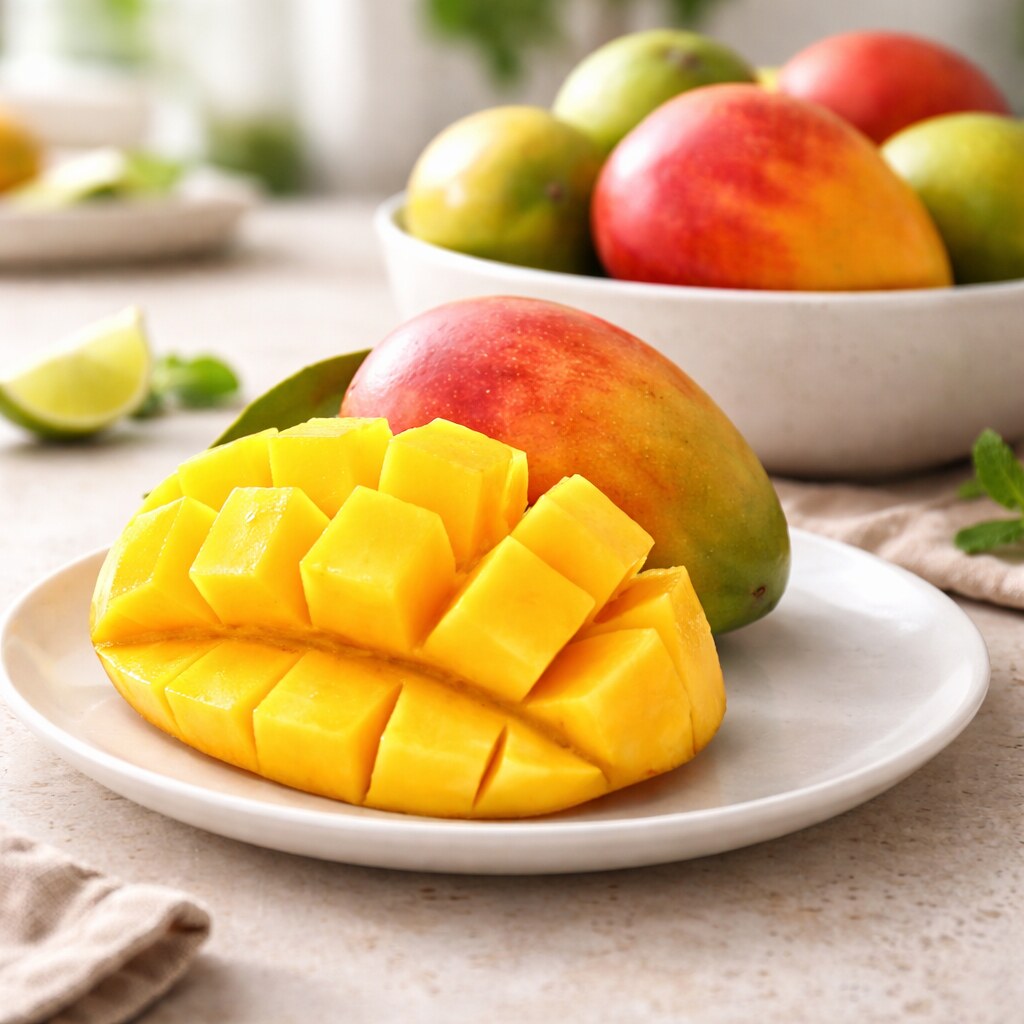
Mangoes are a medium sized, sweet fruit native to India. Mangoes grow on a tree in tropical areas. Mango trees can live to be 300 years old.
Mangoes are soft, and have bright orange flesh. Mangoes can be eaten fresh, dried, in salads and pulped for juice. Mangoes can also be picked underripe and used to make chutney or other dishes.
Mangoes are soft, and have bright orange flesh. Mangoes can be eaten fresh, dried, in salads and pulped for juice. Mangoes can also be picked underripe and used to make chutney or other dishes.
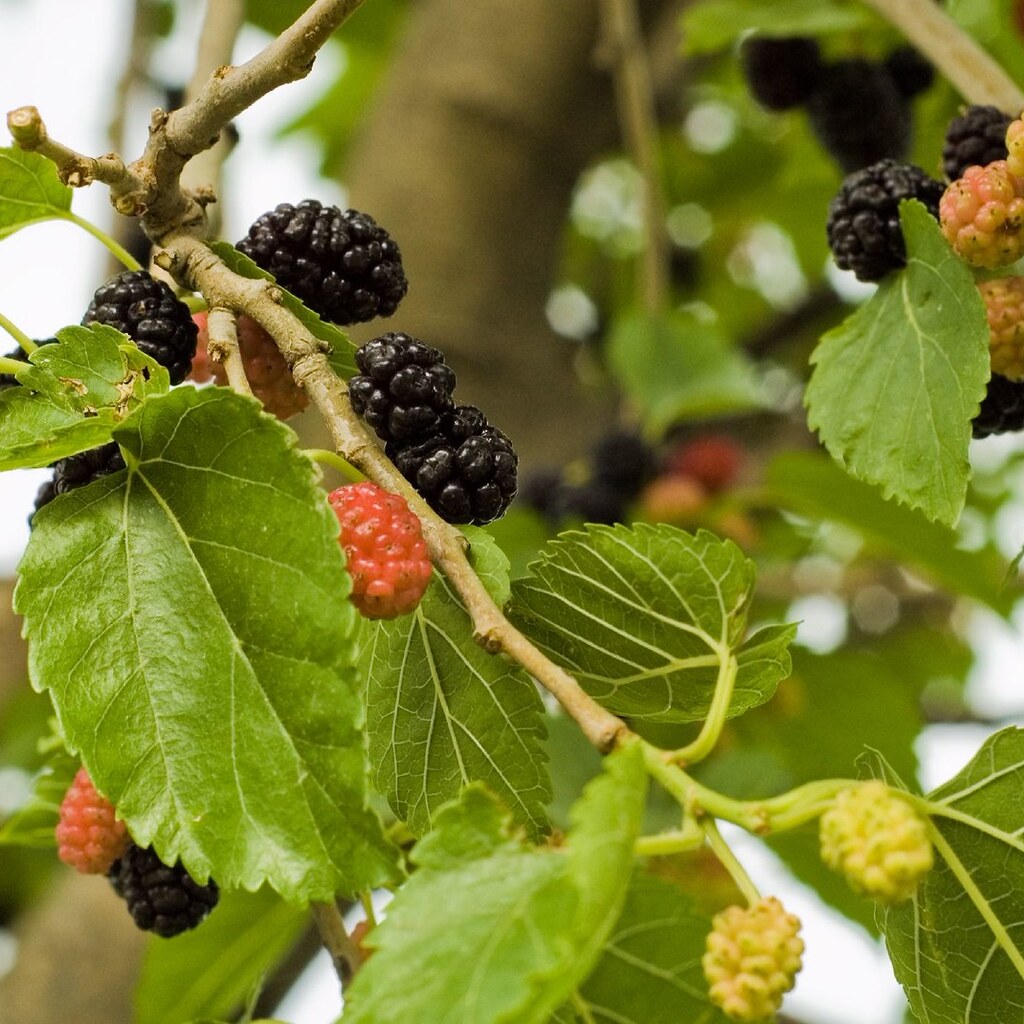
Mulberries are a small deciduous tree that likes temperate to tropical climates. Most varieties have black fruit that is red when it is underripe, but some have white fruit that is green when it isn't ripe yet.
Mulberries can be eaten fresh or used to make jam or pies. Black mulberries are the only plant that the silkworm eats.
Mulberries can be eaten fresh or used to make jam or pies. Black mulberries are the only plant that the silkworm eats.
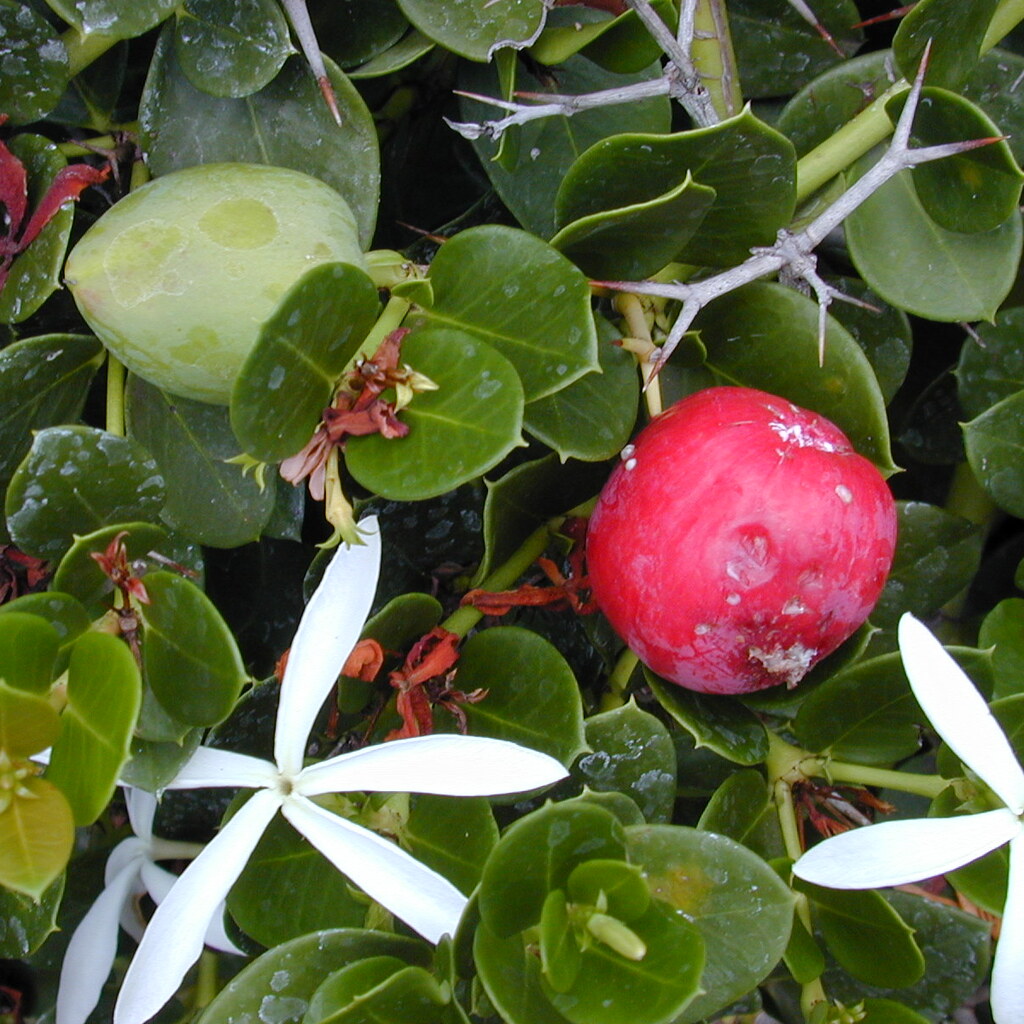
N is for Natal plum
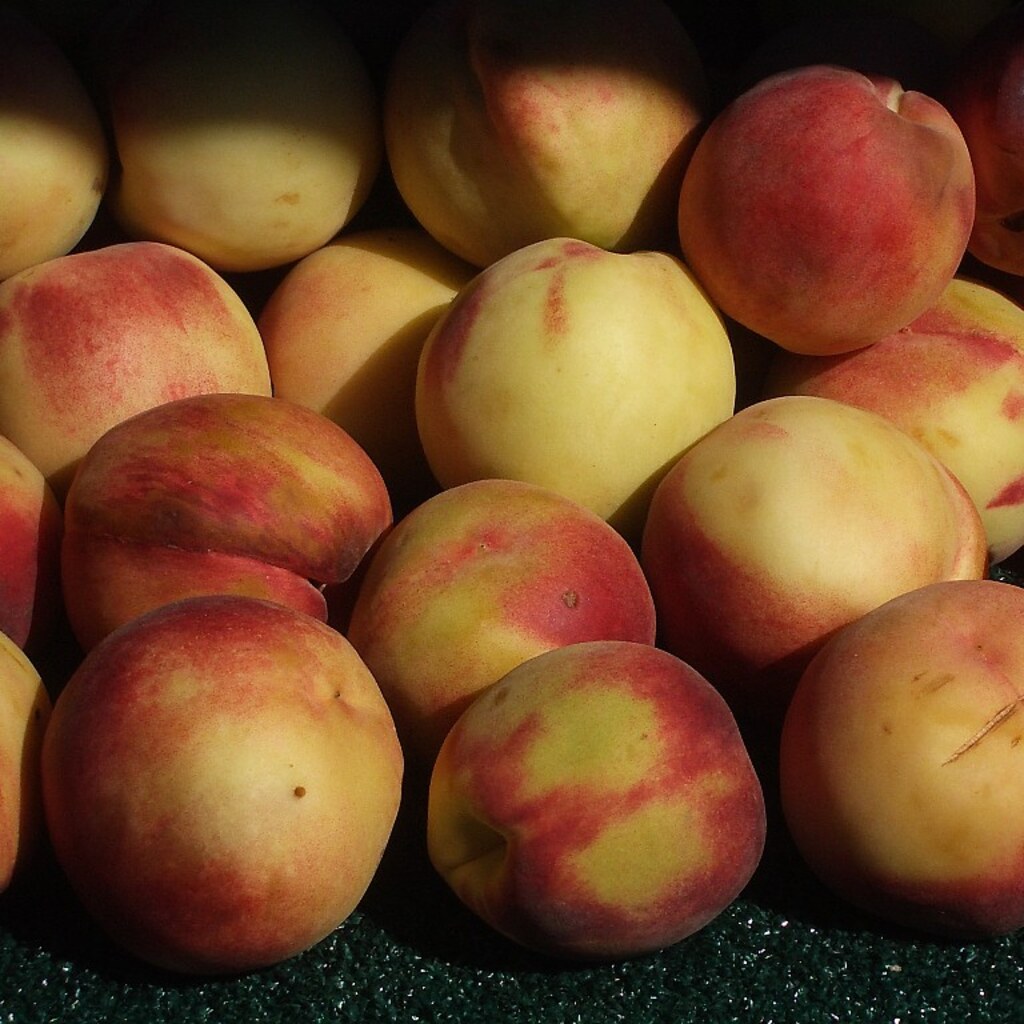
A nectarine is simply a type of peach that has smooth skin instead of fuzzy skin.
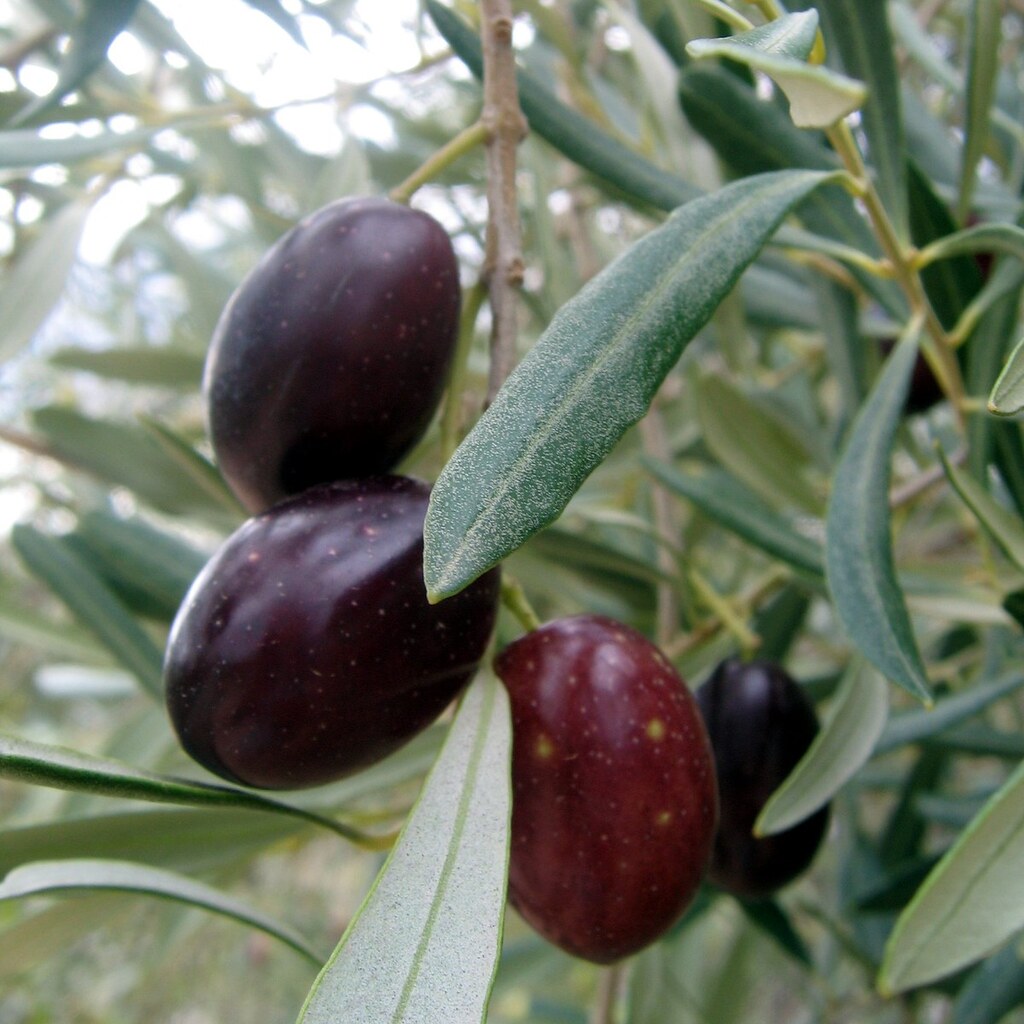
Olives are the fruit of a small, slow-growing tree. They are originally from the Mediterranean region and grow best in poor soils in Mediterranean climates. Olives can be grown easily from both seeds and cuttings, but trees grown from seed don't always grow good fruit.
Olives can't be eaten fresh from the tree, they are too bitter. Olives need to be prepared by soaking them in salty water or otherwise preparing them to be eaten. Some types of olive can be pressed and oil made from them.
Olives can't be eaten fresh from the tree, they are too bitter. Olives need to be prepared by soaking them in salty water or otherwise preparing them to be eaten. Some types of olive can be pressed and oil made from them.
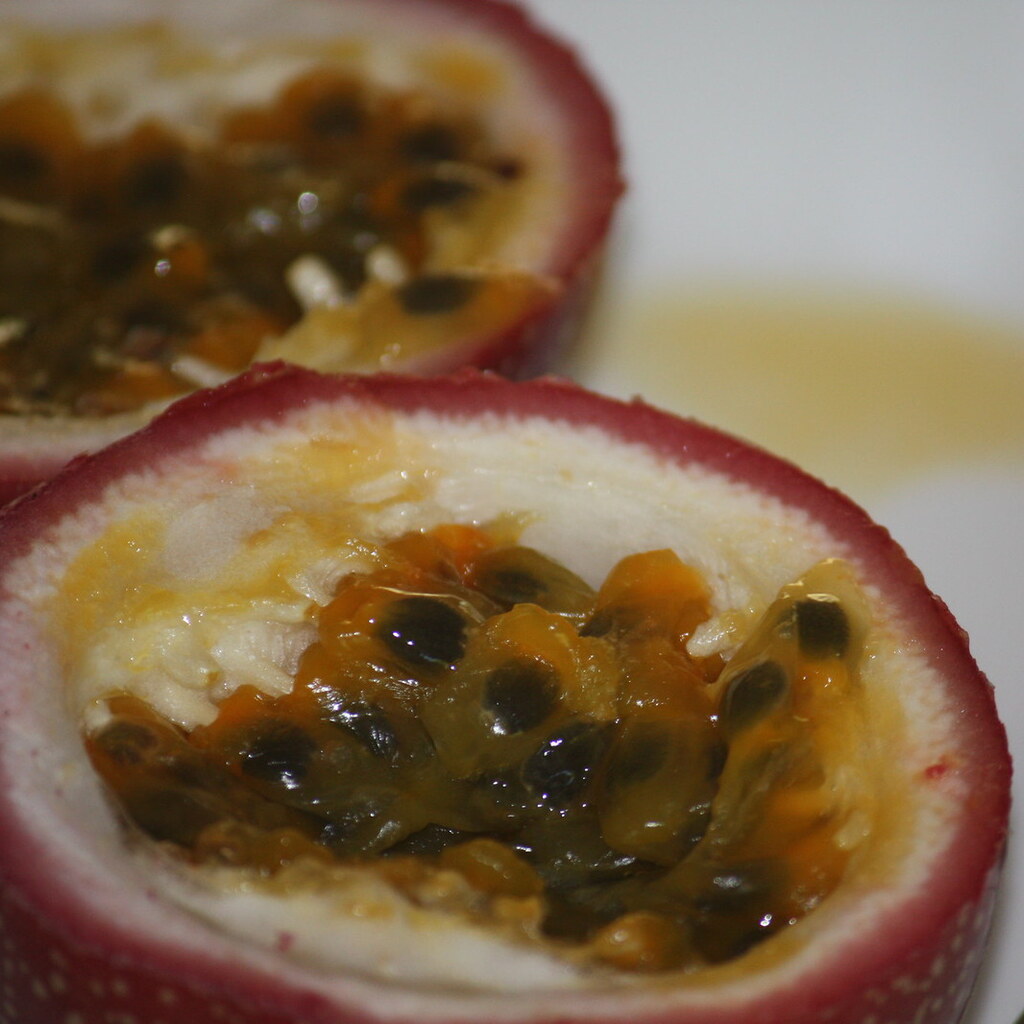
P is for Passionfruit
Passionfruit is added to pies, desserts, fruit salad and some drinks.
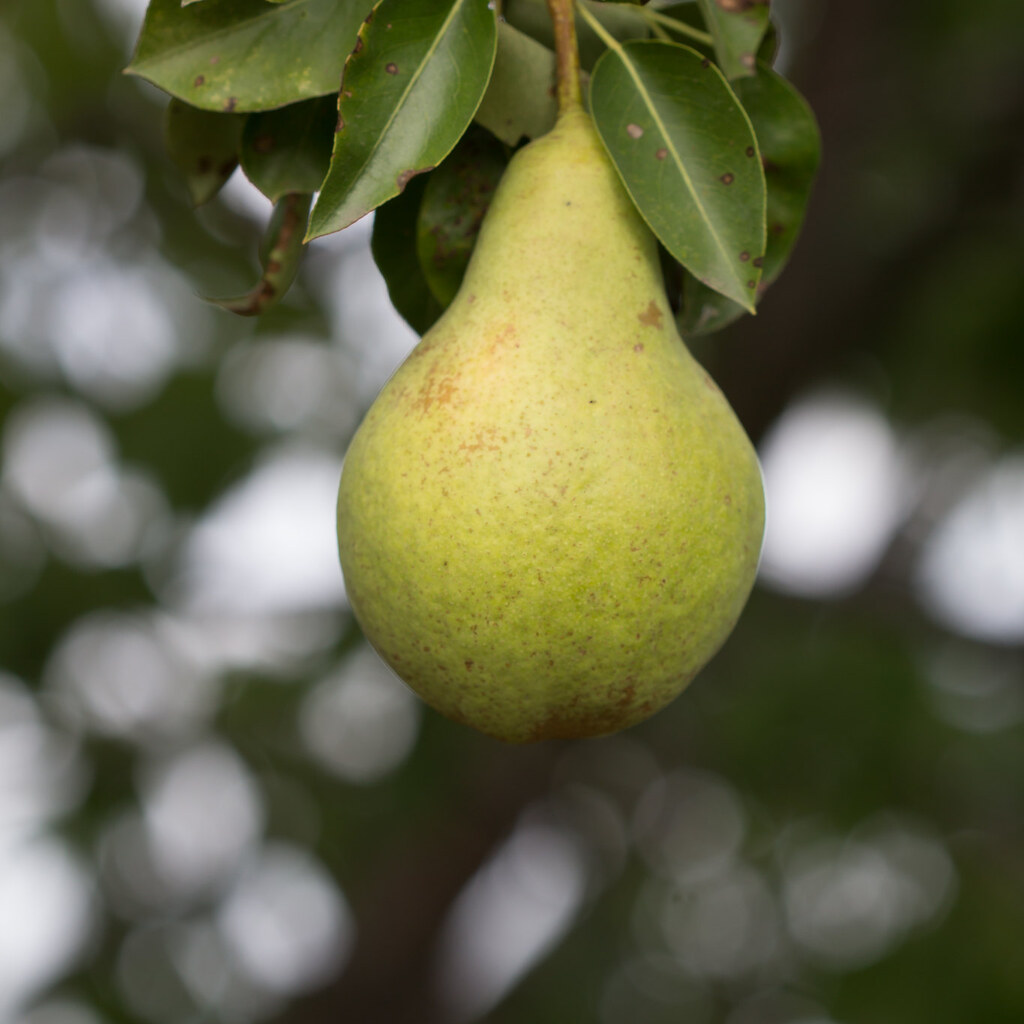
The pear is the fruit of the pear tree. Pear trees are small deciduous trees growing to around 5-12 metres high. Pears may be green or yellow. Pears are closely related to apples but are softer, juicier and a different shape. You can eat all of the pear except the core in the middle, which is full of seeds.

Persimmons are an orange fruit with a sweet, tangy flavour. The variety most commonly grown is native to China. They must be completely ripe before they can be eaten, as the immature fruit is very bitter. They can be eaten fresh, dried, or used to make foods like desserts or even fermented to make vinegar.
The main variety now grown commercially and in home gardens in New Zealand is Fuyu. This is a non-astringent variety and is best eaten while it is still crisp - like an apple.
The main variety now grown commercially and in home gardens in New Zealand is Fuyu. This is a non-astringent variety and is best eaten while it is still crisp - like an apple.