
Showing 1-20 of 61

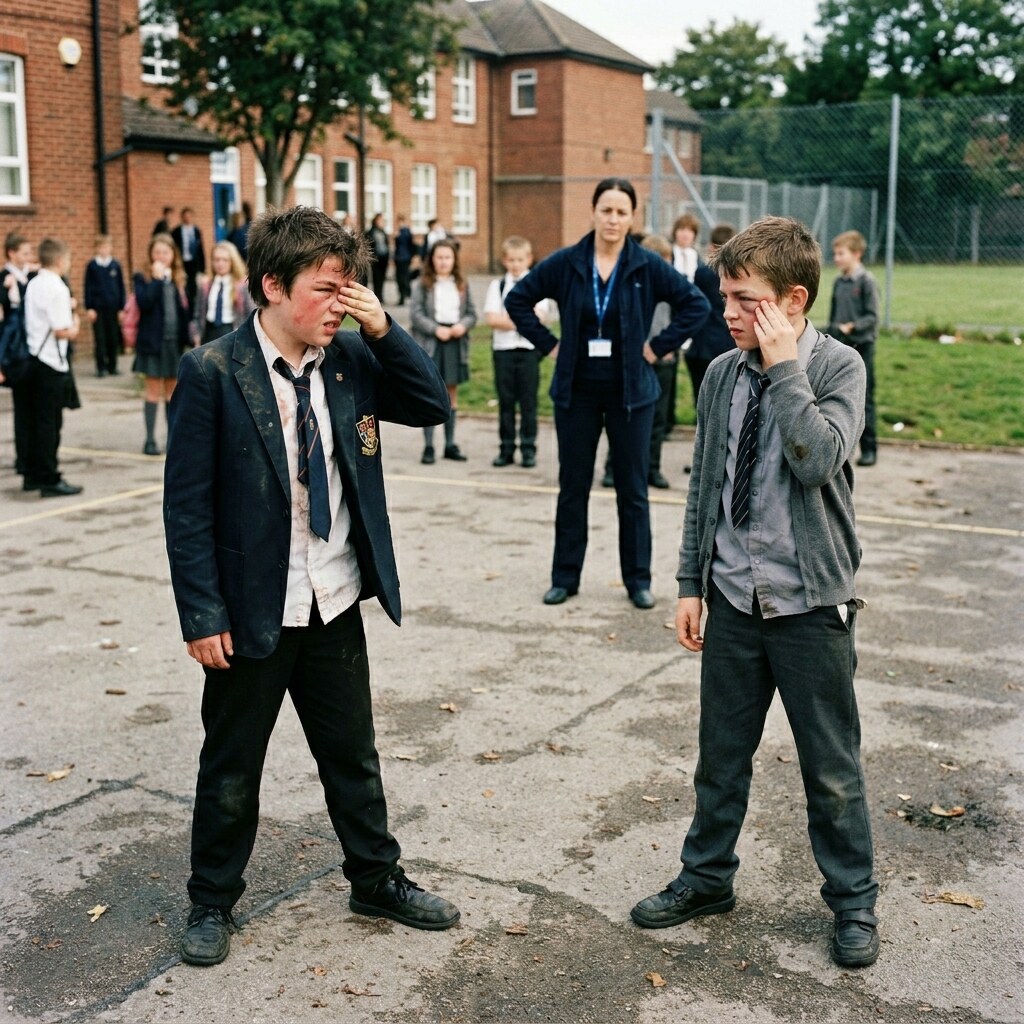
An eye for an eye and a tooth for a tooth
An eye for an eye, a tooth for a tooth means that punishment should be a match to the harm done.The phrase comes from ancient law codes. It set limits on revenge by allowing equal retaliation rather than escalating harm.
He believed in an eye for an eye, a tooth for a tooth after the argument turned physical.

Apple of my eye
The idiom the apple of my eye means someone who is loved very much. It is often used for children or close family members.The origin is from 9th century Old English, when the pupil of the eye was called the "apple". If you called someone the apple of your eye it meant they were as precious to you as your ability to see.
My daughter is the apple of my eye.

Bend over backwards
To bend over backwards means to make a really big effort to help someone or solve a problem.The phrase comes from the image of bending the body into an extreme position, which is difficult to do and takes a lot of effort.
She bent over backwards to make sure the guests felt welcome.
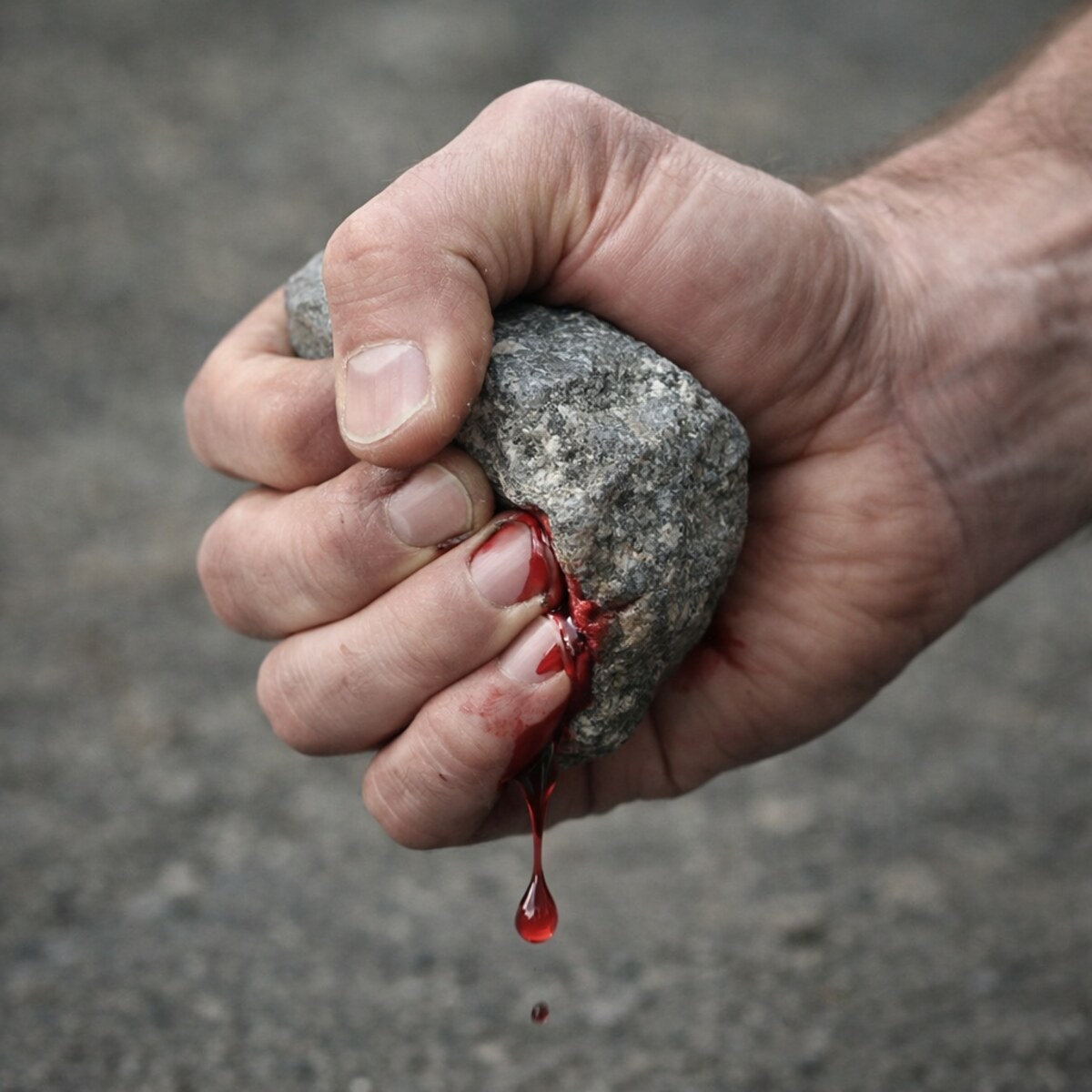
Blood from a stone
The phrase you can't get blood from a stone means to try and get something out of someone who is unwilling or unable to give it, usually referring to money.I can't pay this bill, I have too many bills already, do they think they can get blood out of a stone?

By the skin of your teeth
The phrase by the skin of your teeth means barely succeeding. It could also mean to narrowly avoid disaster.Your teeth have no skin on them, so this idiom is drawn from the impossible measurement of how thick the skin on your teeth is. A similar impossible idiom is rare as hen's teeth.
I caught the bus by the skin of my teeth.

Cat got your tongue
Cat got your tongue? is a way of asking why someone is not speaking or seems unable to reply.The phrase has been used in English for many years. Its exact origin is unclear, though it is often linked to playful or teasing speech.
You have gone quiet all of a sudden. Cat got your tongue?

Caught red-handed
The phrase caught red-handed means being caught while doing something wrong. It suggests that there is clear proof of the action. People often use this idiom when someone is discovered in the act.He was caught red-handed taking the cookies.
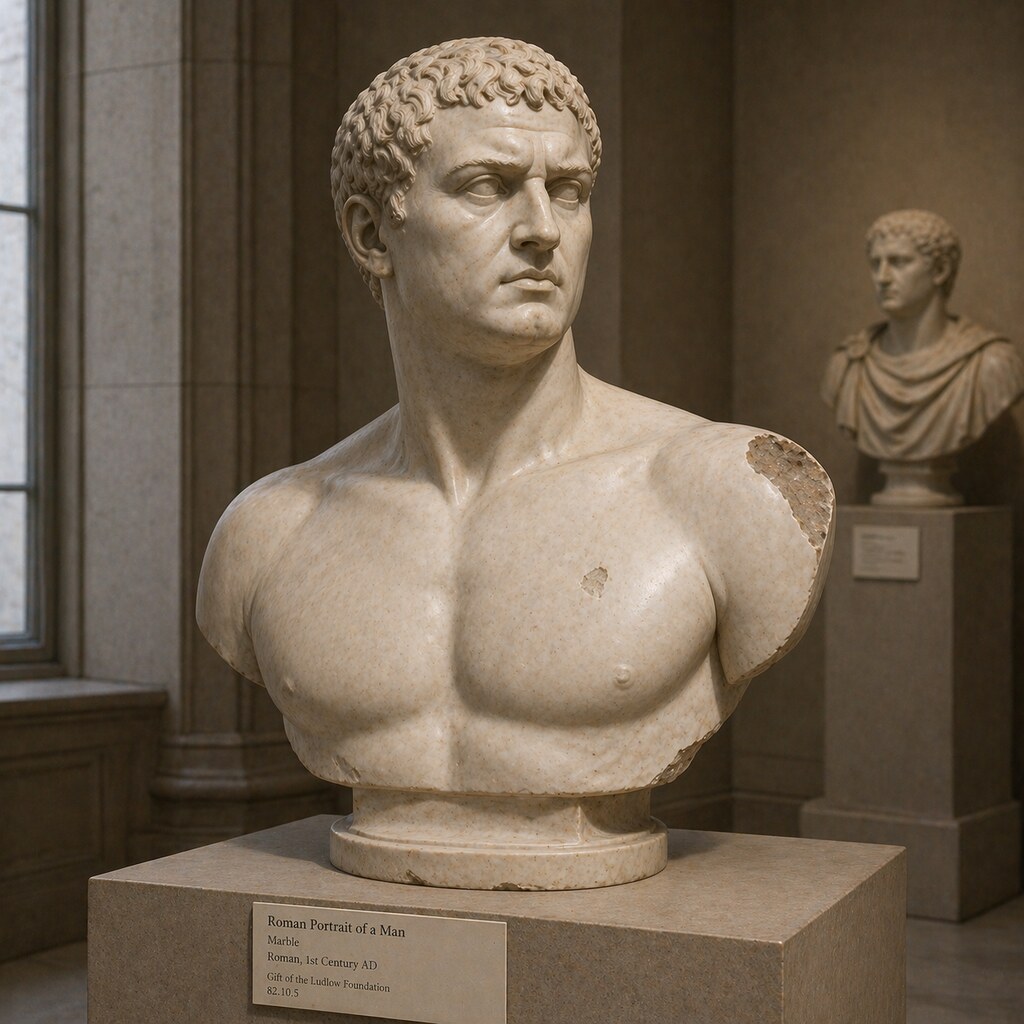
Chip on your shoulder
To have a chip on your shoulder means feeling angry or resentful and ready to argue, often because of a past slight.The phrase comes from an old practice where someone placed a chip of wood on their shoulder and dared others to knock it off to start a fight.
He came into the meeting with a chip on his shoulder and challenged every suggestion.

Cut off your nose to spite your face
The idiom cut off your nose to spite your face means to do something that disadvantages yourself when you try and punish someone else. It is an act of self-sabotage to spite someone else.She crashed her car on purpose so her boyfriend would stop borrowing it without asking. Didn't she cut off her nose to spite her face?

Dig in your heels
The idiom dig in your heels means to refuse to change your mind or to stubbornly resist. It means to stand your ground even when others push you. The origin is the literal image of planting your heels in the ground so you cannot be moved.When asked to apologize, he dug in his heels and said no.

Dip your toes in
The phrase dip your toes in means to try something in a small, careful way before doing it fully. It often describes starting gently because you are unsure.The idiom comes from the literal action of dipping your toes into a body of water to check the temperature before you get into it to go swimming.
She dipped her toes in coding by making a small game.

Don't hold your breath
The idiom don't hold your breath means that something is unlikely to happen soon, or may never happen at all, so don't expect anything soon.This comes from the idea that a person can only hold their breath for a short time. If something takes too long, they would have to breathe before it happens.
They say the repairs will be finished next week, but I would not hold my breath.

Drag your feet
The idiom drag your feet means to do something slowly on purpose because you don't want to do it.The phrase comes from the picture of walking while your feet scrape along the ground instead of lifting properly. That type of walking slows everything down.
The committee kept dragging its feet on the decision.

Fly in the face of
The idiom fly in the face of means openly going against something such as rules or advice.The phrase has been used in English for many years. It comes from the image of rushing directly toward someone's face as a sign of bold opposition.It suggests ignoring rules, expectations, or common sense.
His decision flew in the face of expert advice.

Forget your head if it wasn't screwed on
The idiom "Forget your head if it wasn't screwed on" (or "would lose my head if it wasn't attached", or similar variations) is a funny way of saying someone is extremely forgetful, absent-minded or loses things a lot, suggesting that if their head wasn't attached to their body they'd forget that too.You lost your keys again? You'd lose your head if it wasnt screwed on!
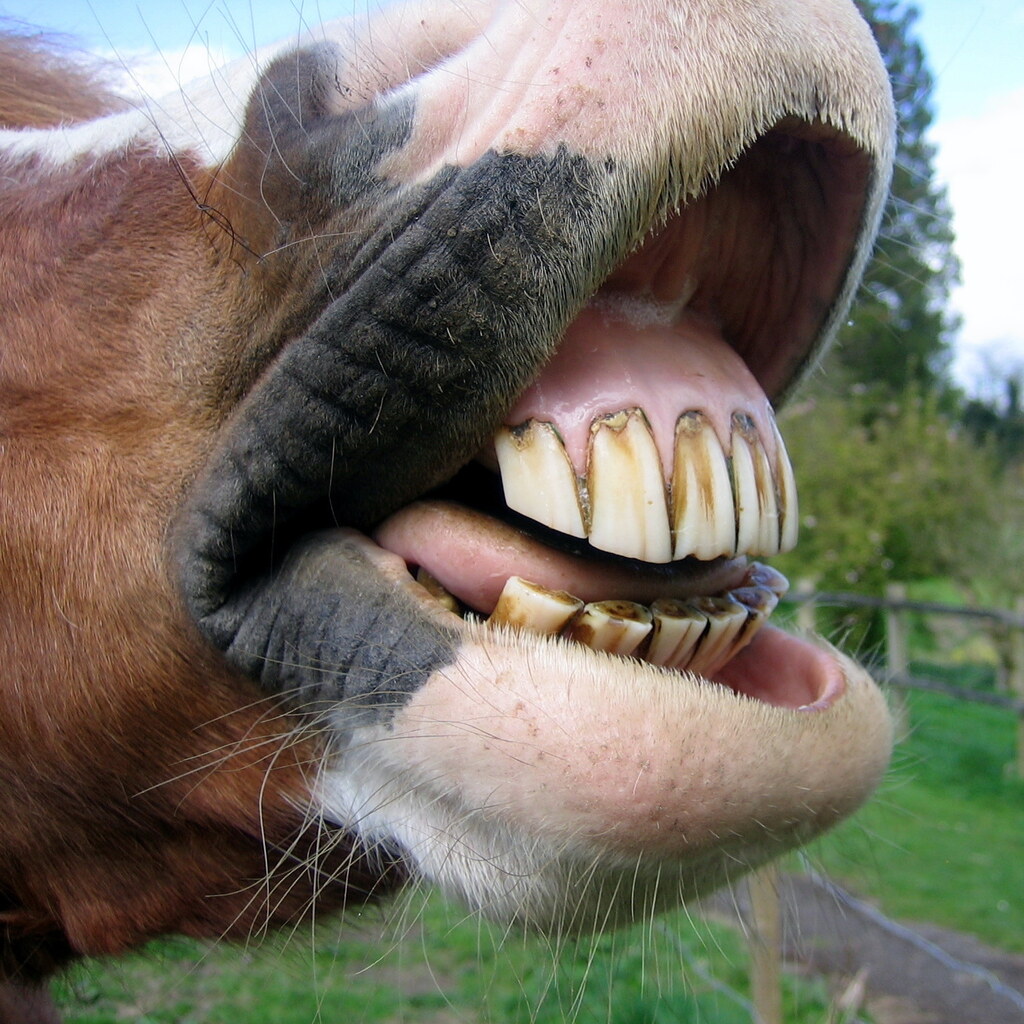
Getting long in the tooth
To be getting long in the tooth means getting old, especially when talking about a person or an animal. It can also be used to talk about machines or systems that are old and may be past their best years. The expression comes from the way a horse's teeth change as it ages. As the gums slowly recede, more of the teeth become visible, making them look longer and showing that the horse is older.That old farm truck is getting a bit long in the tooth.

Give you the cold shoulder
To give someone the cold shoulder means deliberately ignoring a person or treating them in an unfriendly way.The phrase appeared in English in the early 1800s. One explanation links it to the idea of offering a cold piece of meat instead of a warm meal to an unwelcome guest. It eventually came to mean quiet rejection.
After the argument, she gave him the cold shoulder all evening.

Head in the clouds
To have your head in the clouds means you are distracted by thinking about dreams or ideas instead of paying attention to what is happening around you.The expression comes from the image of a person's head floating high in the clouds, far above everyday life. It suggests someone whose thoughts are far away from practical matters.
He was walking down the street with his head in the clouds and almost missed his bus.

Head over heels
Head over heels means to be completely and deeply in love with someone. It can also describe being very excited or enthusiastic about something.The phrase comes from an older expression, heels over head, which described turning upside down or doing a somersault. Over time the wording changed, and the idea of being flipped upside down became a metaphor for strong emotions.
He fell head over heels for her after their first date.