
Showing 101-120 of 426

Don't make a mountain out of a molehill
The phrase don't make a mountain out of a molehill means don't turn a small problem into a huge one. It reminds you to keep things in perspective.A molehill is a small mound of dirt and a mountain is huge, so the mental image is a funny contrast.
It was a tiny mistake, so calm down and don't make a mountain out of a molehill.

Don't put all your eggs in one basket
The phrase don't put all your eggs in one basket means don't risk everything on one plan - if that plan fails, you could lose everything. If you were carrying eggs in a basket and dropped the basket, all the eggs could break. It has come to mean advice to be open to alternatives, or to diversity investments instead of relying on only one thing.He bought shares in many different companies so he didn't put all his eggs in one basket.
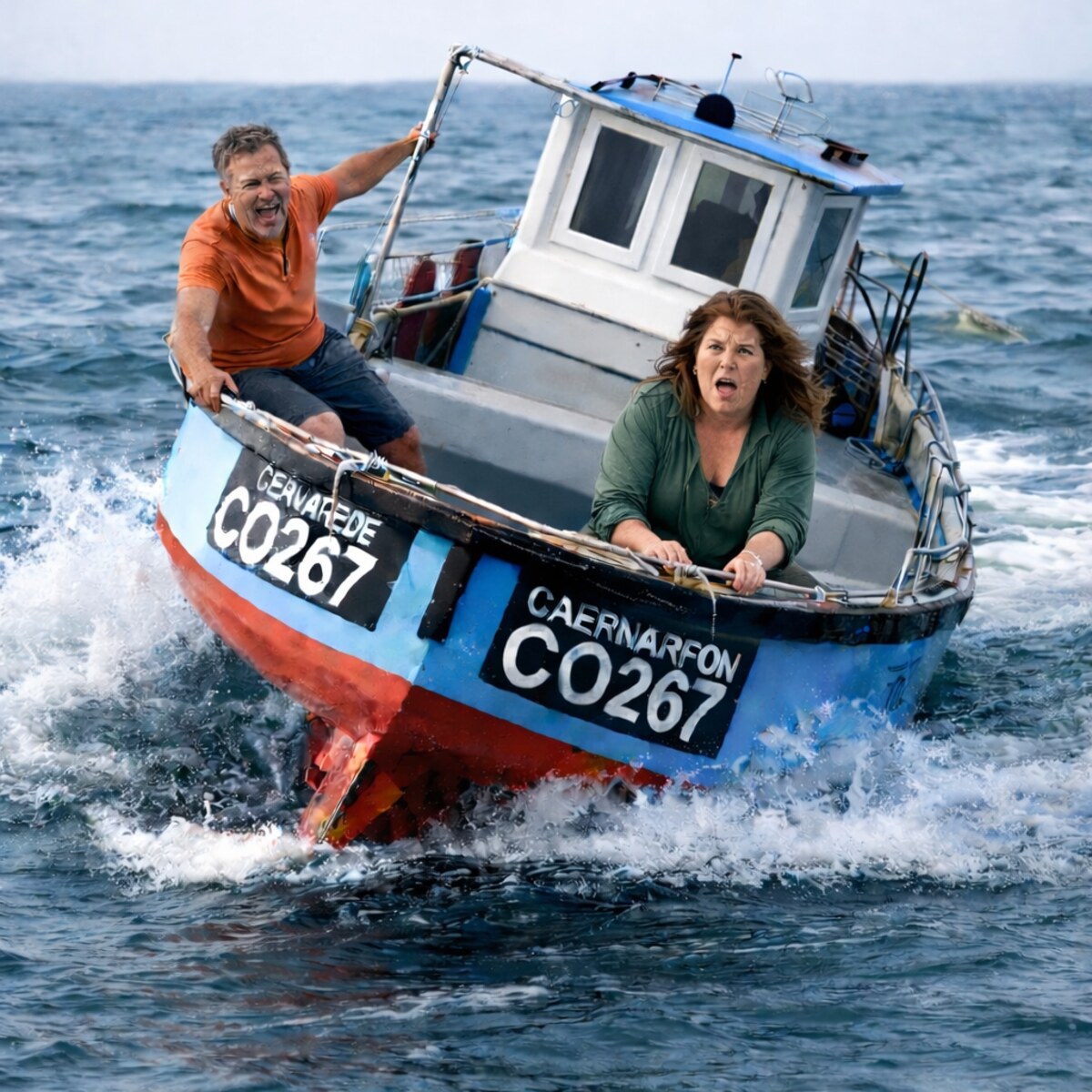
Don't rock the boat
The phrase don't rock the boat means don't do anything to disrupt a situation that is currently stable. It suggests keeping calm or even doing nothing, even if you disagree. This idiom draws from the idea that if someone deliberately rocks a boat, it could tip over and everything falls out.Let's discuss it gently and not rock the boat.

Don't shoot the messenger
The idiom don't shoot the messenger means that a person should not be blamed or punished for delivering bad news. The messenger is only passing along information, and isn't responsible for the problem.The expression comes from ancient times when messengers carried news between rulers or armies. Sometimes the news was so unwelcome that the messenger was punished, even though they were not at fault.
I am just telling you what the teacher said, so don't shoot the messenger.

Don't throw good money after bad
Don't throw good money after bad is an idiom that is used to tell you not to waste more resources like time or money in a project or investment that is failing, just because you have already invested a lot.You would use this idiom to give advice to someone to stop what they are doing.
Nobody is going to buy that product, you need to stop development on it. Don't keep throwing good money after bad.
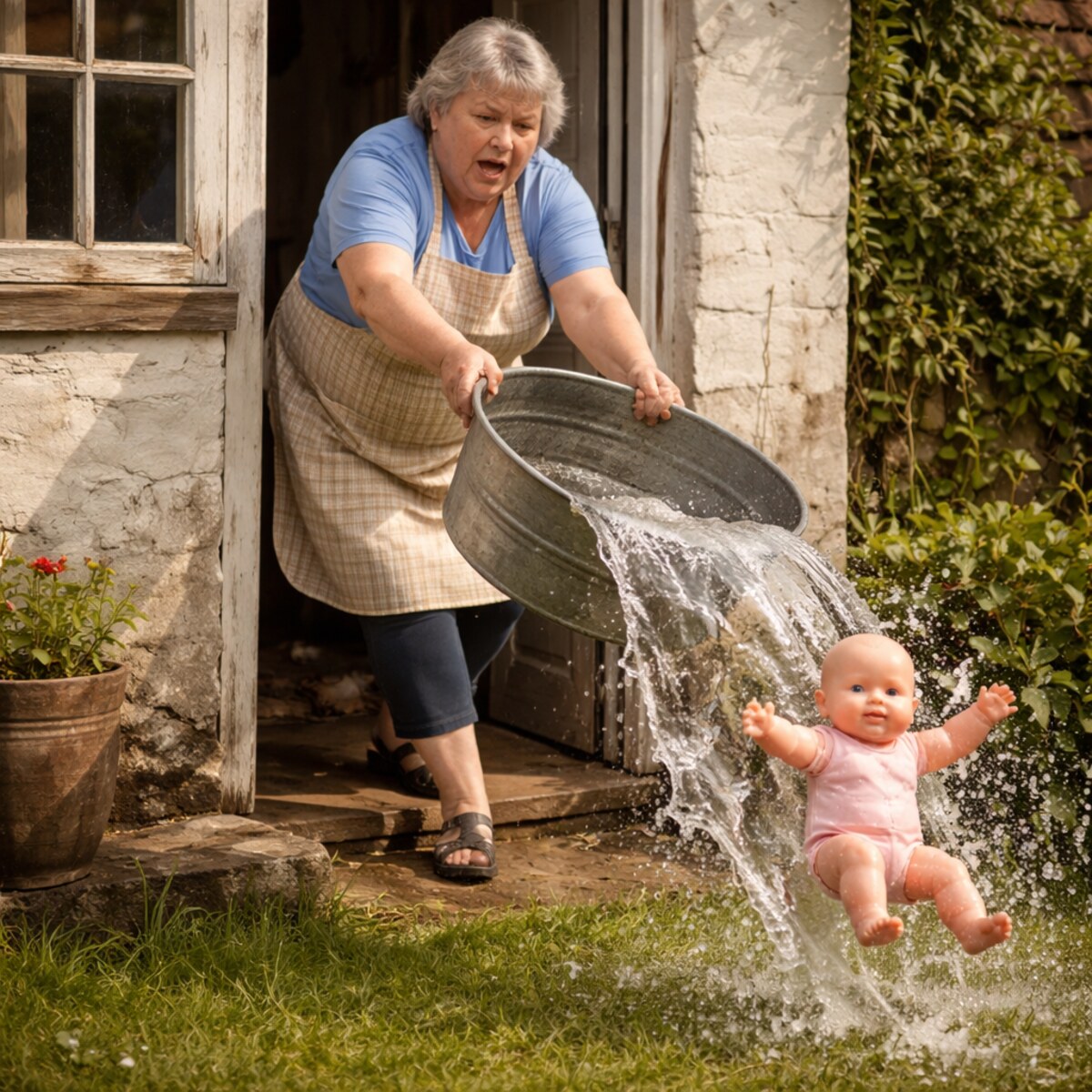
Don't throw the baby out with the bathwater
The idiom don't throw the baby out with the bathwater means don't get rid of something good while trying to remove something bad. It warns against overreacting and losing what matters.The original saying comes from the days a family would all share the same bath water and wash one at a time, starting with the man of the house and ending with the baby. By the end, the water was so dirty you might not notice the baby was still in it, and throw the baby out with the bathwater.
Fix the rules, but don't throw the baby out with the bathwater.

Done and dusted
The idiom done and dusted means finished completely, with nothing left to do. It is often said with relief after a task is completed.The "dusted" part suggests you've finished a job, put everything away, and cleaned up any mess you made in the process.
The exam is done and dusted now.

Dot the I's and cross the T's
The idiom dot the i's and cross the t's means to pay attention to small details and finish things properly. It suggests being careful and thorough. The origin is from handwriting, where missing dots and crosses can make words unclear.She wrote a really good report, really dotted the I's and crossed the T's

Double-edged sword
A double-edged sword is something that has both good and bad effects. It can help you, but it can also cause problems. The origin is the literal image of a sword that is sharp on both edges.Being famous can be a double-edged sword.

Down a rabbit hole
To go down a rabbit hole means to become deeply involved in something, often following one idea after another until you lose track of time.It comes from the story Alice in Wonderland, where Alice falls down a rabbit hole and enters a strange and confusing world.
I only meant to read one article, but I went down a rabbit hole and spent three hours researching medieval architecture.