
Showing 91-110 of 425
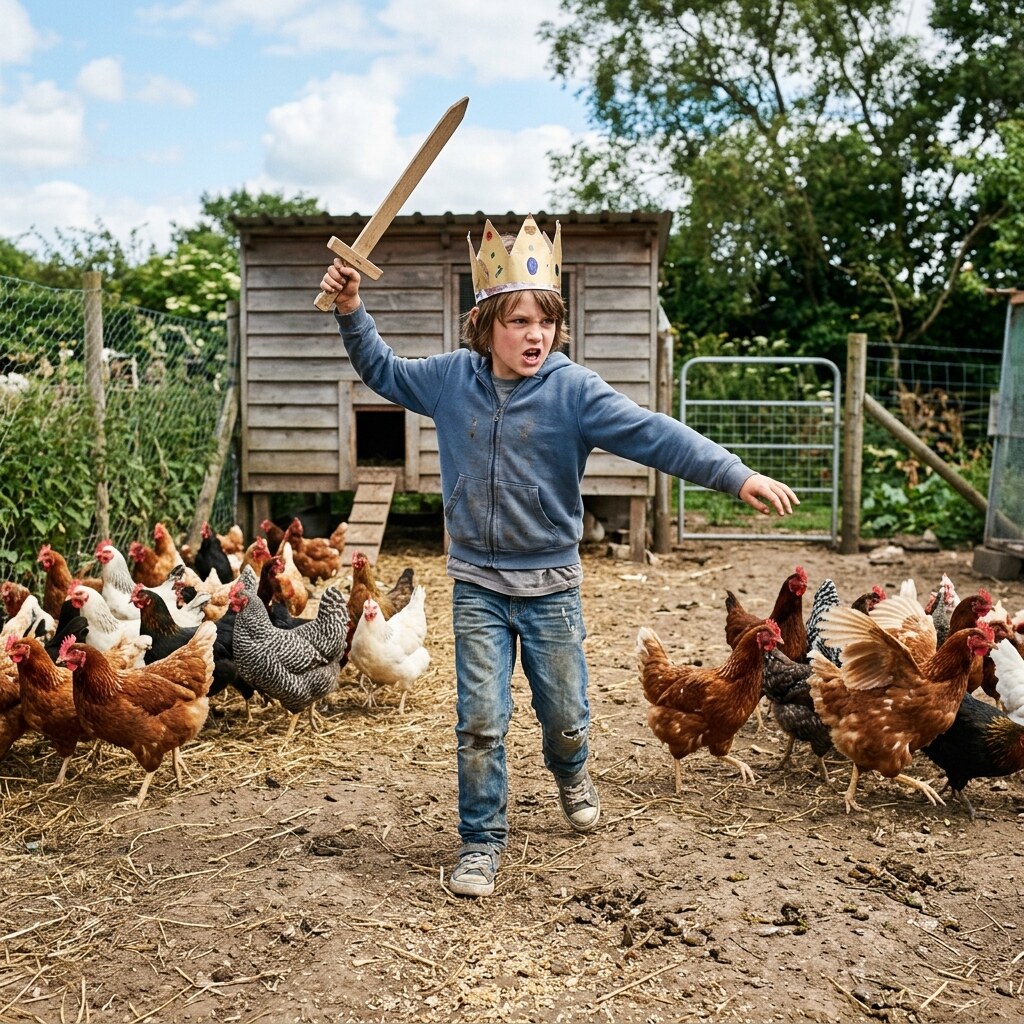
Divide and conquer
To divide and conquer means to break a large problem or task into smaller parts so each one can be handled more easily. It can also describe a strategy of separating opponents so they cannot work together effectively.The phrase comes from ancient military strategy, where leaders tried to weaken enemies by splitting them into smaller groups. The idea has also been used in politics, management, and problem solving.
We divided and conquered by splitting the chores up between us.

Dodged a bullet
The idiom to dodge a bullet means to narrowly avoid something that could have very bad results. It is often used to describe avoiding bad outcome such as a bad relationship, a bad job or a financial loss.Good thing you didn't buy that stock, it crashed overnight - you dodged a bullet!
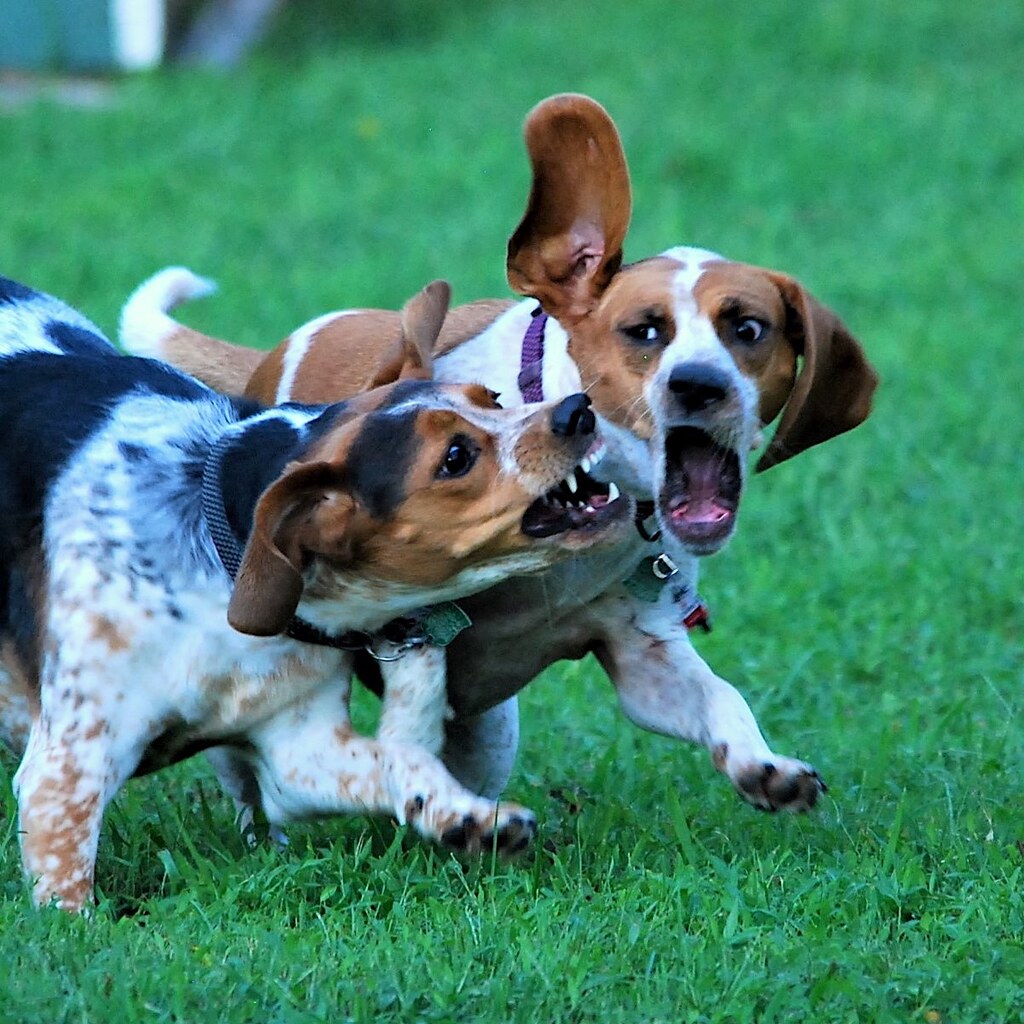
Dog eat dog
The phrase dog eat dog describes a situation where people compete fiercely. Everyone looks out for themselves and doesn't care about the people they are competing against. It suggests a tough environment where winning matters the most.The phrase comes from an old Latin saying dog does not eat dog, which meant that people in the same group would not harm each other, but the modern expression has evolved to mean the opposite.
It can be dog eat dog in some industries.
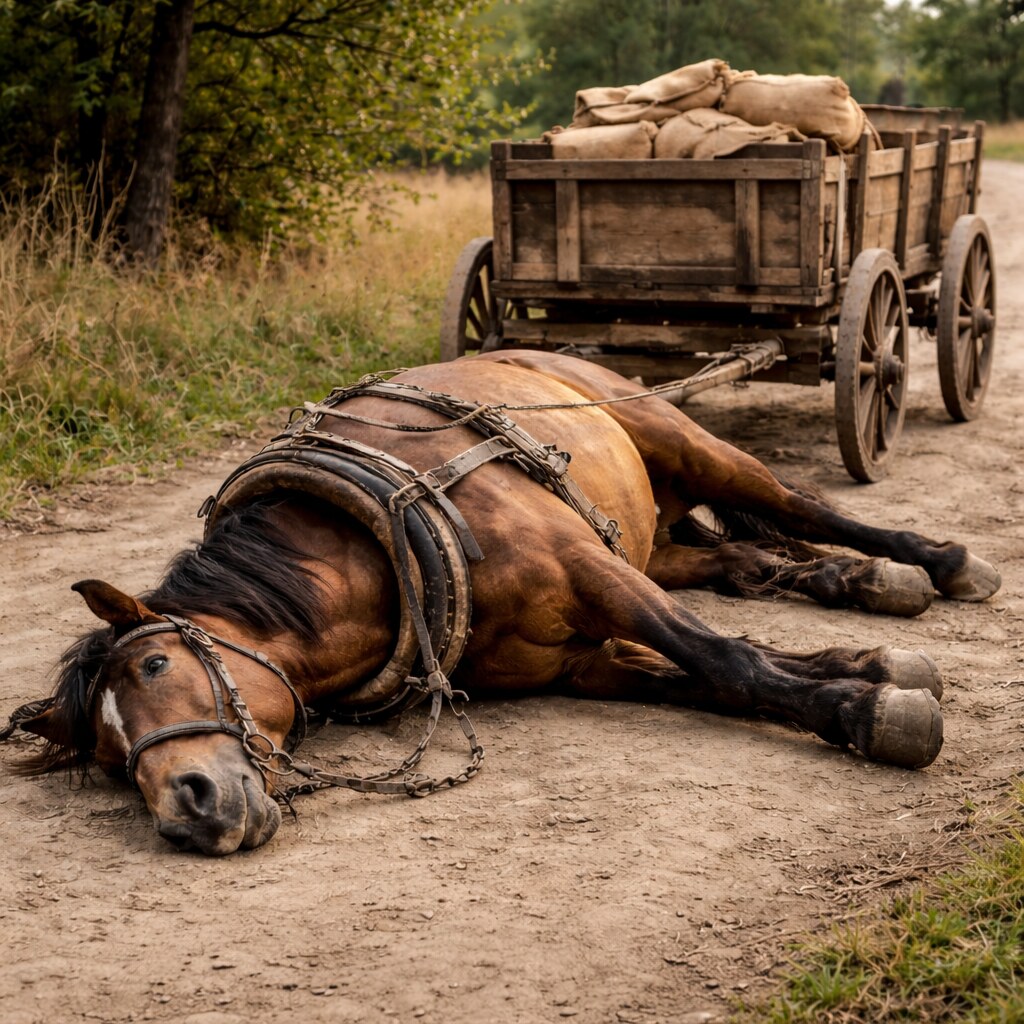
Don't beat a dead horse
To beat a dead horse means to keep talking about a problem or trying to change something even though nothing more can be done. It describes wasting time and effort on something that is already finished or decided.The idiom dates back to the time before cars, when horses were used to move things around. It comes from the image of a working horse that has already died and cannot move anymore. Hitting it would not make it work again, so the effort would be pointless.
We've already decided on the plan, so there's no point beating a dead horse.
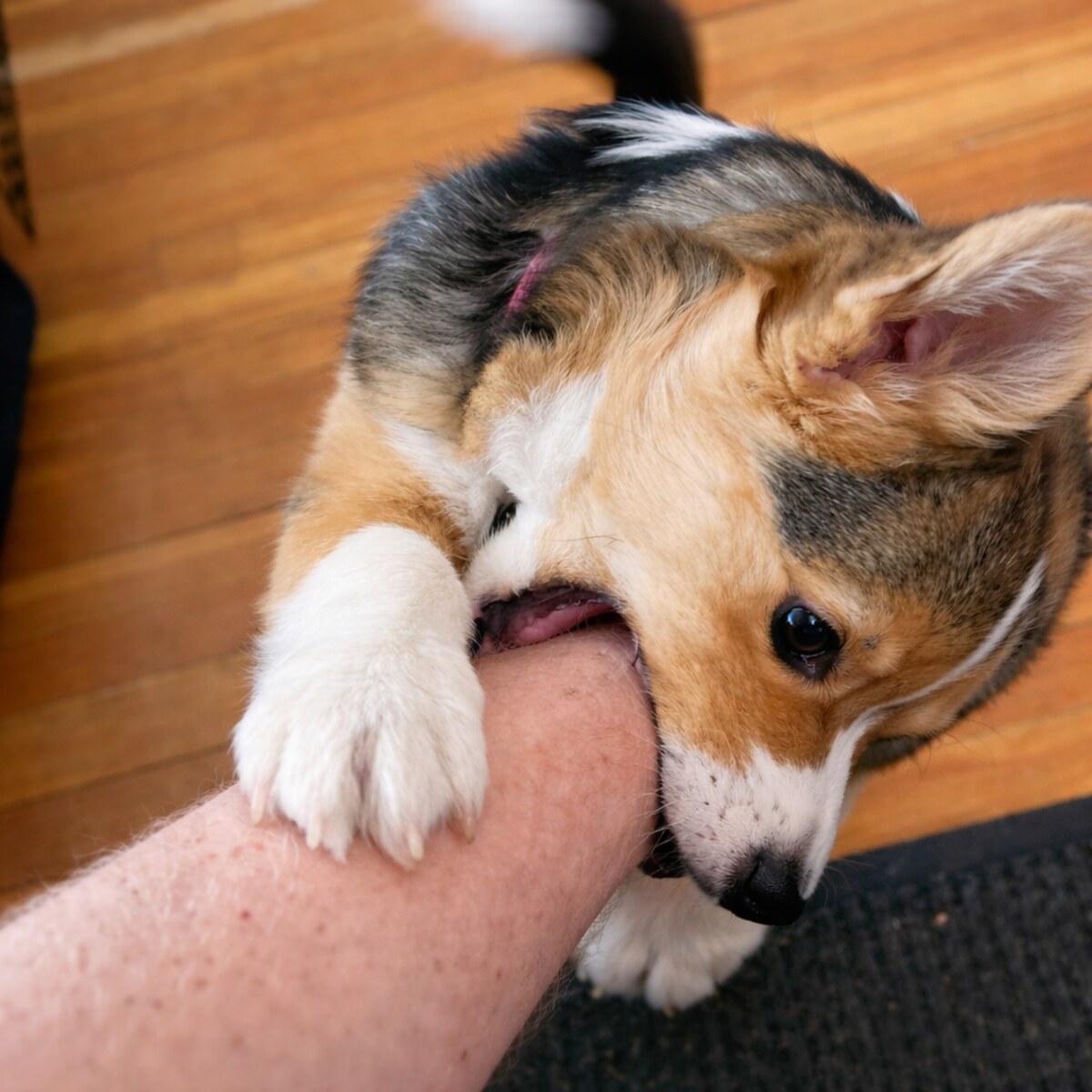
Don't bite the hand that feeds you
The saying don't bite the hand that feeds you means you should not hurt or insult someone who helps you. If you do, you might lose their support.The idiom comes from the literal image of an animal biting the hand of the person who is giving it food.
Be polite to your coach - don't bite the hand that feeds you.
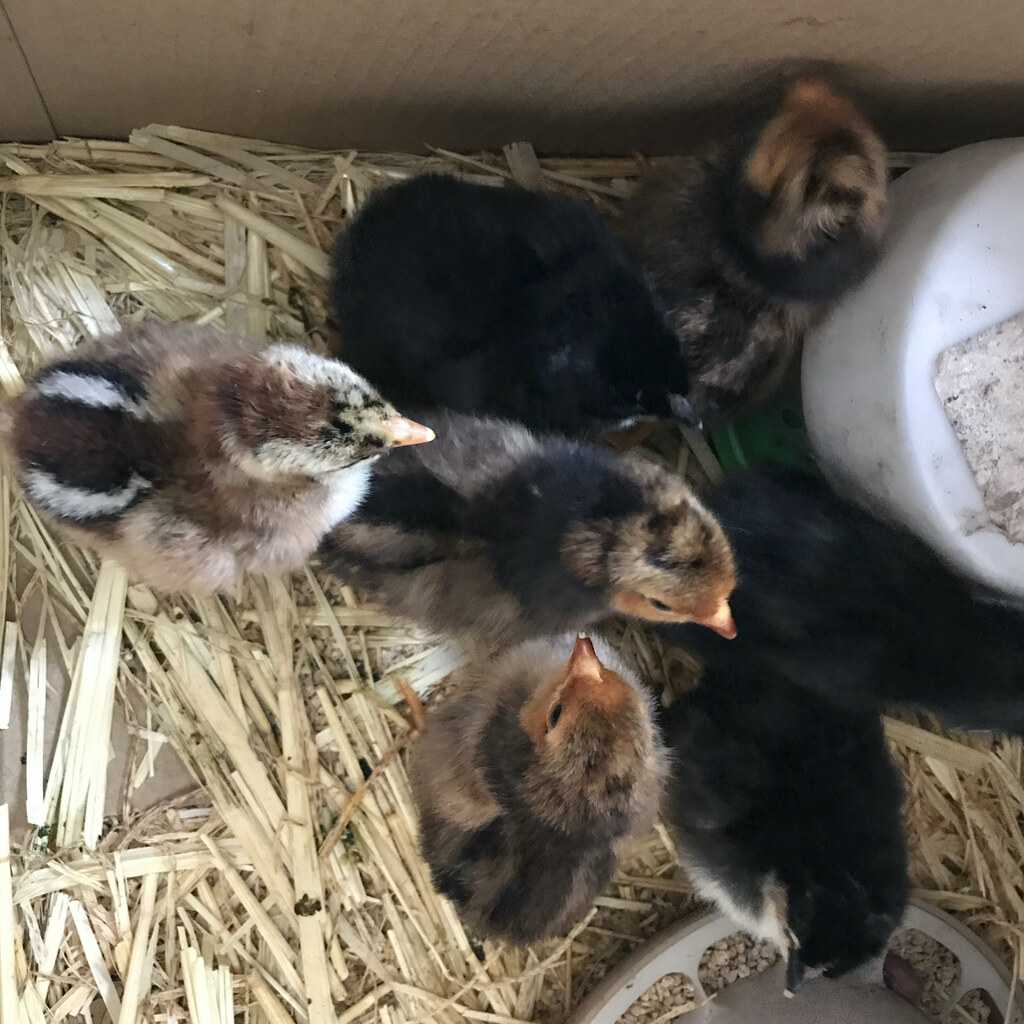
Don't count your chickens before they hatch
The phrase don't count your chickens before they hatch means you should not assume success too early. Plans can change, and results are not certain yet. The saying comes from farming, where out of a clutch of eggs, not every one hatches.She was celebrating already, but I said don't count your chickens before they hatch.

Don't cry over spilled milk
The saying don't cry over spilled milk means don't get upset about something that has already happened and cannot be changed. It reminds people that worrying about the past does not help. The phrase encourages acceptance and moving forward.There is no use crying over spilled milk.

Don't have a crystal ball
The phrase "I don't have a crystal ball" comes from the symbolism of a fortune teller who uses a crystal ball to see the future.People use this idiom to express that you don't know what is happening next, especially when someone directly asks them about something that will happen in the future.
They're discussing a new product, but I don't know what it will be - I don't have a crystal ball!

Don't hold your breath
The idiom don't hold your breath means that something is unlikely to happen soon, or may never happen at all, so don't expect anything soon.This comes from the idea that a person can only hold their breath for a short time. If something takes too long, they would have to breathe before it happens.
They say the repairs will be finished next week, but I would not hold my breath.

Don't judge a book by its cover
The saying don't judge a book by its cover means you should not decide what something is like based only on how it looks. Appearances can be misleading. It compares people or things to books that may look plain but have great stories inside.He seemed quiet at first, but don't judge a book by its cover.