
Showing 121-140 of 426

Eager beaver
An eager beaver is a person who is very enthusiastic and ready to work hard, sometimes more than others expect. It is often used for someone who quickly volunteers to help or take on extra tasks.The phrase comes from the beaver, an animal known for working hard to build dams and lodges. Because beavers are seen as busy and industrious, the expression became a way to describe a very eager worker.
She was an eager beaver and finished the project early.

Easier said than done
Easier said than done means that something may sound simple when people talk about it, but it is actually difficult to do in real life.The saying has been used in English for centuries to point out the difference between giving advice and carrying out the action itself.
Saving money every month sounds good, but it is easier said than done.
Easy come, easy go
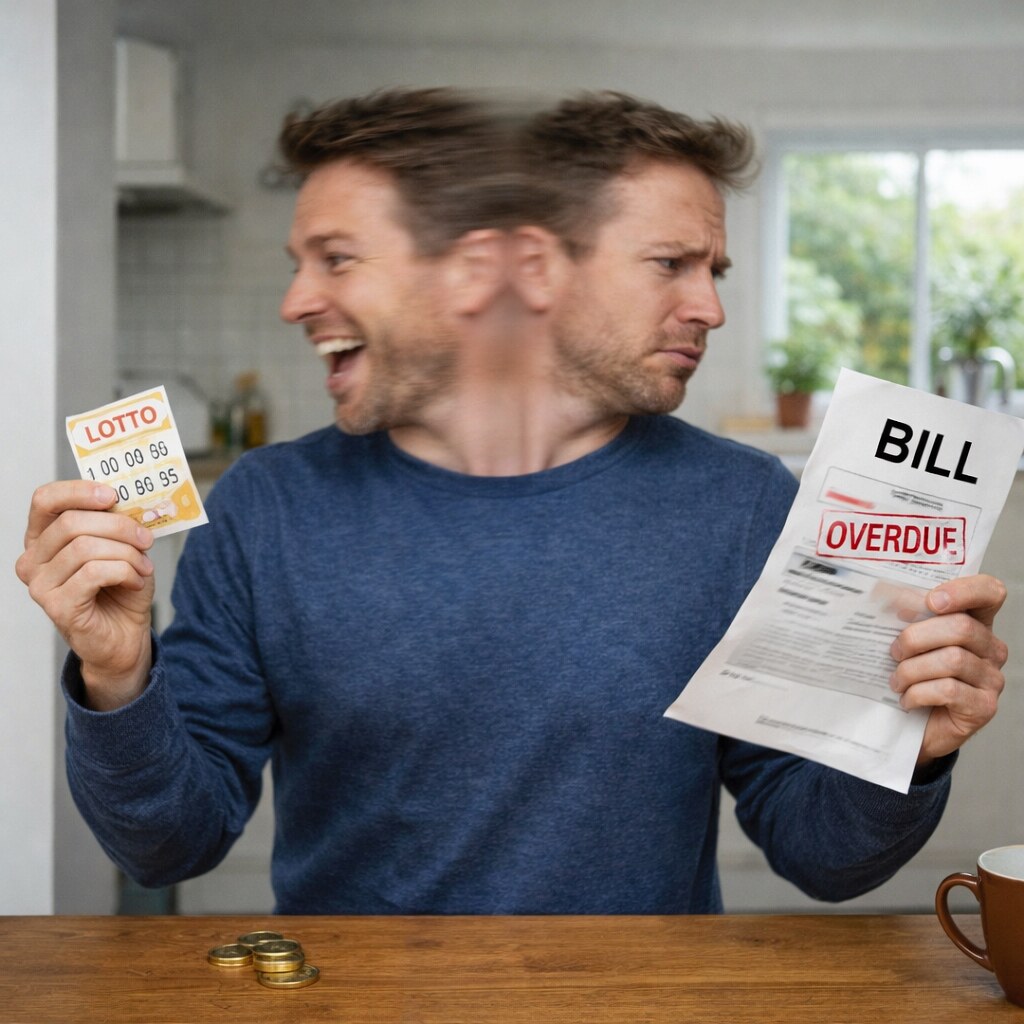
Easy come easy go means that things gained without much effort are often lost just as easily. It is often used when talking about money or possessions that do not stay long.The saying has been used in English since the 1500s. The idea is that things which arrive easily are often not valued or protected carefully.
He spent the lottery winnings quickly, saying easy come easy go.
Eat your hat
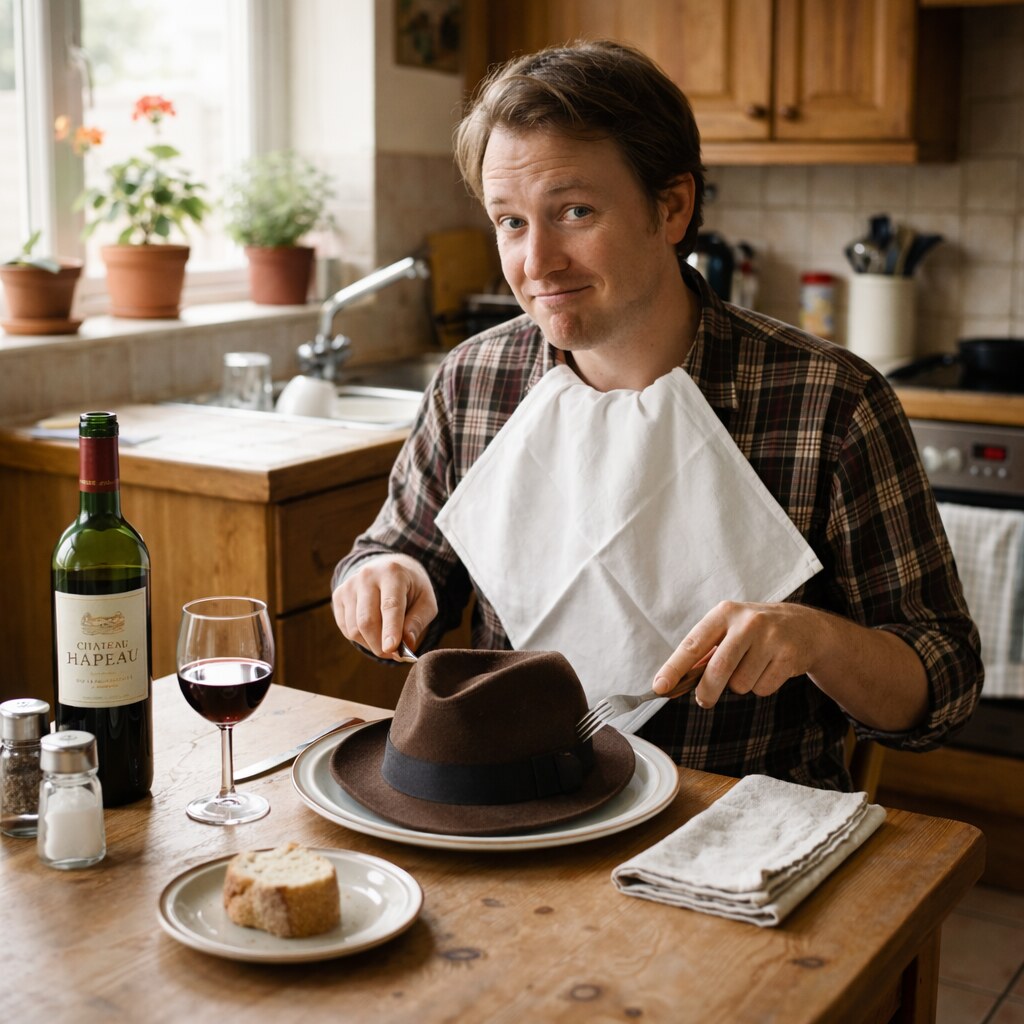
"I'll eat my hat" is something people say when they are very sure that something will not happen. They mean that if it does happen, they would be so surprised that they would do something silly or impossible, like eating their hat.People use this expression to show strong confidence in their opinion or prediction. It is usually said in a joking or dramatic way, not as a serious promise.
If that old car starts on the first try tomorrow morning, I'll eat my hat.

End of the road
The phrase end of the road means a situation has reached its final point and cannot continue any further. It is a literal idiom, drawn from the image of a road that ends, and you cannot travel further along it.We knew it was the end of the road for the old car.
Even the Odds
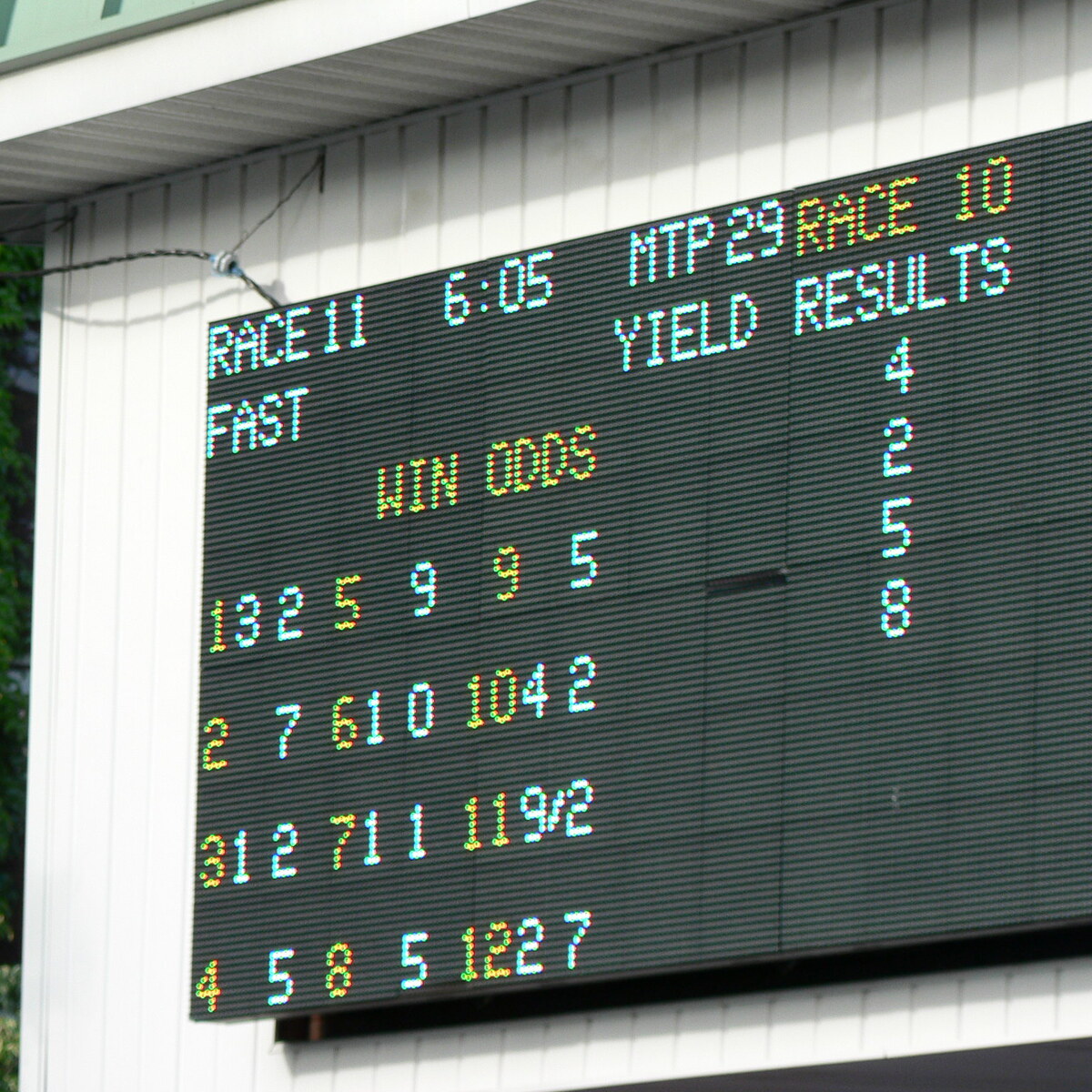
The idiom even the odds means to make a situation fair again. It is used when one side has an advantage and balance is needed. This idiom comes from gambling and betting language and has made its way into everyday language.The new rule helped even the odds.

Every cloud has a silver lining
Every cloud has a silver lining means that even when something bad happens, there can be a good thing hidden in the situation.The saying comes from the way sunlight can shine around the edge of a dark cloud, making a bright silver outline. Even though the cloud looks gloomy, the light behind it shows that something brighter is still there.
Losing my job was stressful, but every cloud has a silver lining - it pushed me to start the small business I had been dreaming about.

Eyes bigger than your stomach
If your eyes are bigger than your stomach, it means you want more of something than you can actually handle. It usually refers to food, but could mean a project. A similar idiom is "bit off more than he can chew".Why did you borrow so many books at once? Your eyes are bigger than your stomach!

Face the music
To face the music means to accept the unpleasant consequences of something you have done. It is used when someone must deal with criticism or something difficult instead of avoiding it.The expression may come from military ceremonies where a disgraced soldier had to stand in front of the band while being punished. Another explanation links it to actors stepping on stage to face the orchestra and the audience.
After skipping work without an excuse, he knew he had to face the music.
Fall off the wagon
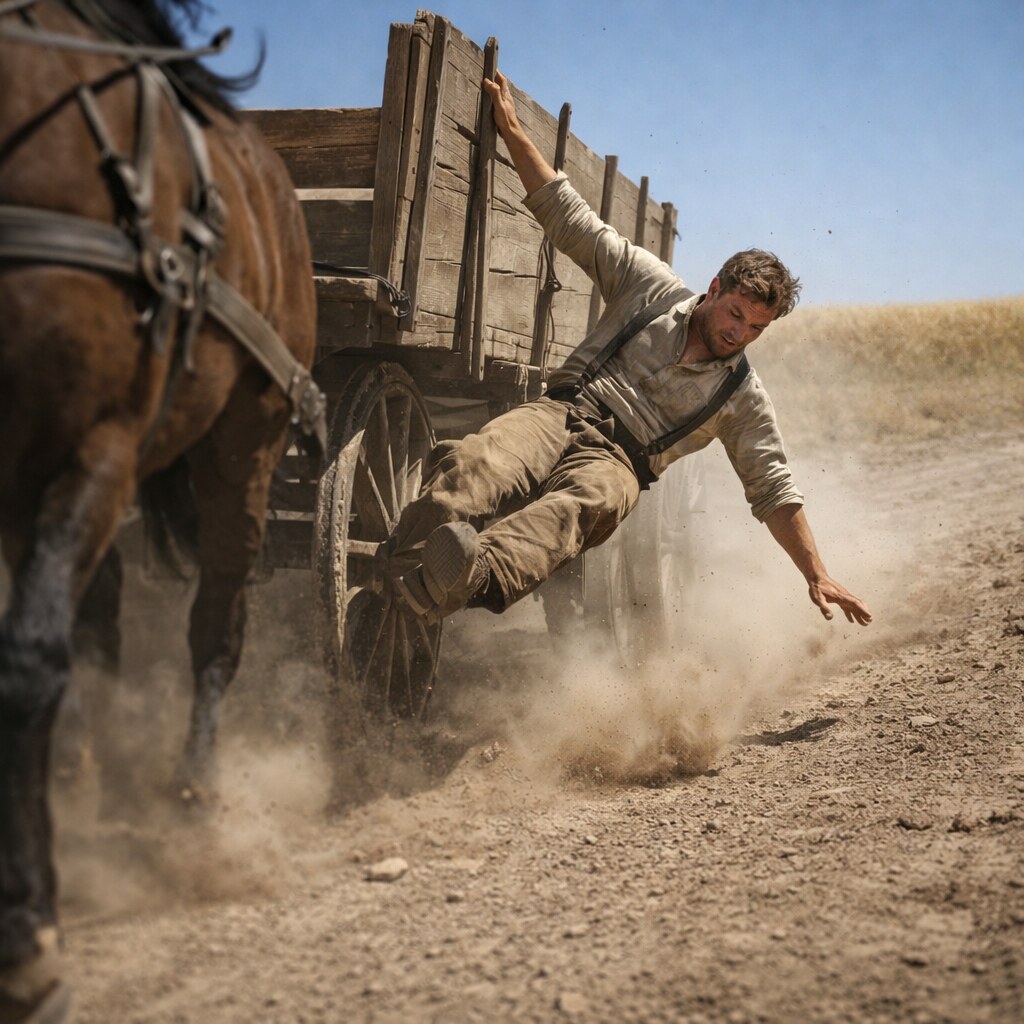
To fall off the wagon means returning to a bad habit after trying to stop, especially drinking alcohol after deciding to quit.The expression comes from the phrase on the water wagon from the late 1800s. People who promised to avoid alcohol said they were riding the water wagon, so falling off it meant they had started drinking again.
After months without alcohol, he fell off the wagon at a party.