
Showing 131-150 of 426

Fall through the cracks
If something slipped through the cracks it means that it was missed or overlooked, usually because of a mistake or a gap in a system. It describes a situation where something should have been handled but was accidentally ignored.The expression comes from the image of something small falling through cracks in a floor or between boards and disappearing from sight.
My application slipped through the cracks and was never reviewed.
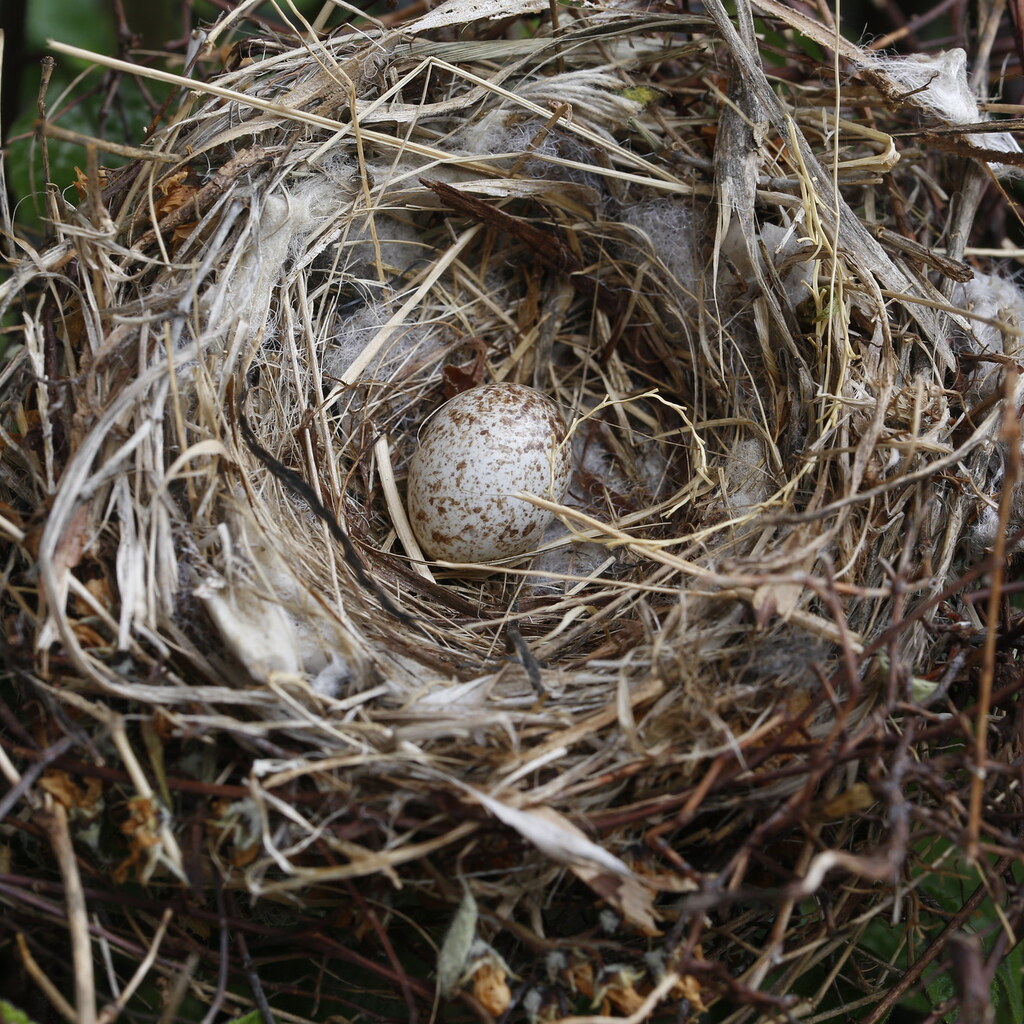
Feather your nest
To feather your nest means to use a position of power or opportunity to gain money or advantages for yourself, often in an unfair or dishonest way.The expression comes from the way birds line their nests with feathers and soft materials to make them comfortable. The phrase compares this to someone quietly making their own situation more comfortable.
The official was accused of feathering his nest with public funds.

Few and far between
Few and far between means that something is rare and does not happen or appear very often. This idiom describes things that are scattered or uncommon.The phrase has been used in English since the 1600s. It combines two ideas, being few in number and far apart in distance, to emphasize how uncommon something is.
Good parking spots were few and far between on the busy street.
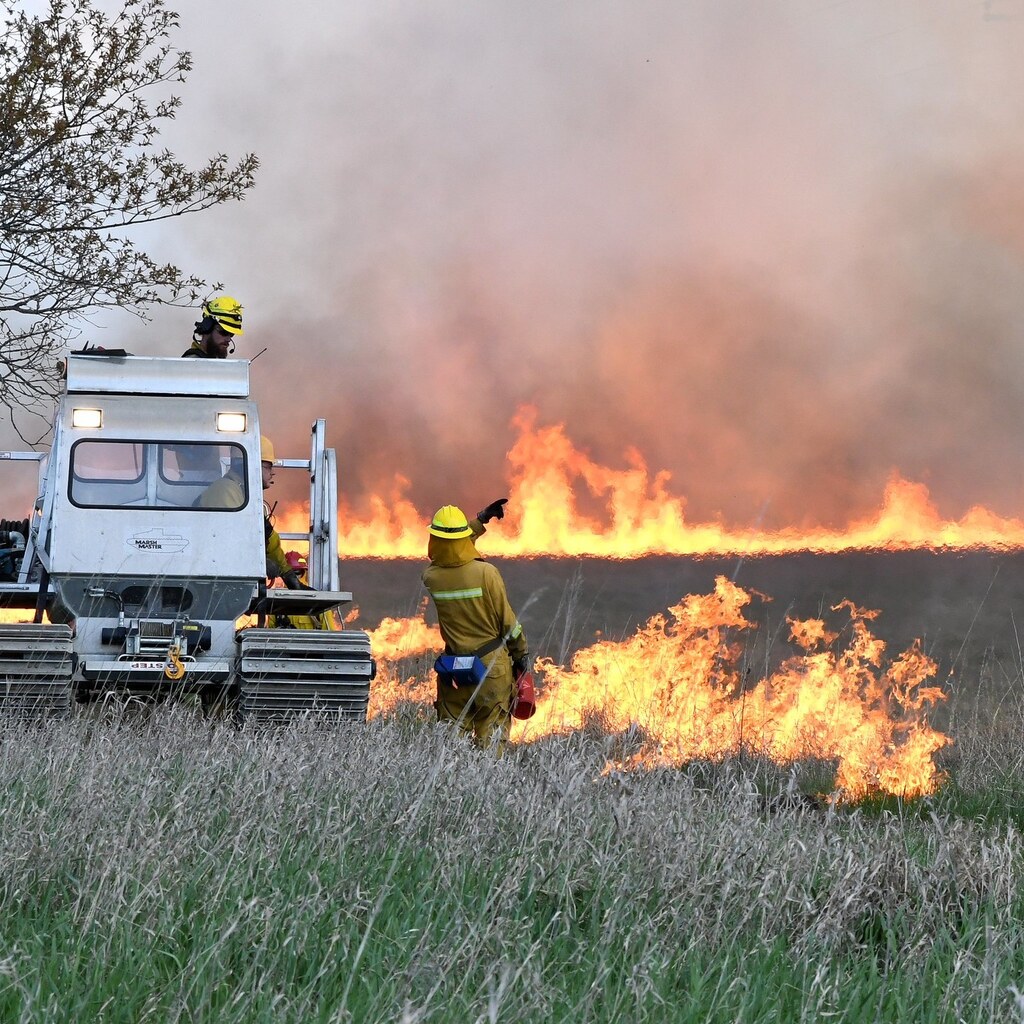
Fight fire with fire
To fight fire with fire means to respond to a problem or attack by using the same kind of method against it. Instead of avoiding the conflict, a person uses similar tactics to defend themselves or push back.The phrase comes from a real firefighting technique where controlled fires are sometimes set to stop a larger wildfire by removing the fuel it needs to spread.
When their rival company launched an aggressive advertising campaign, they decided to fight fire with fire and increase their own marketing.
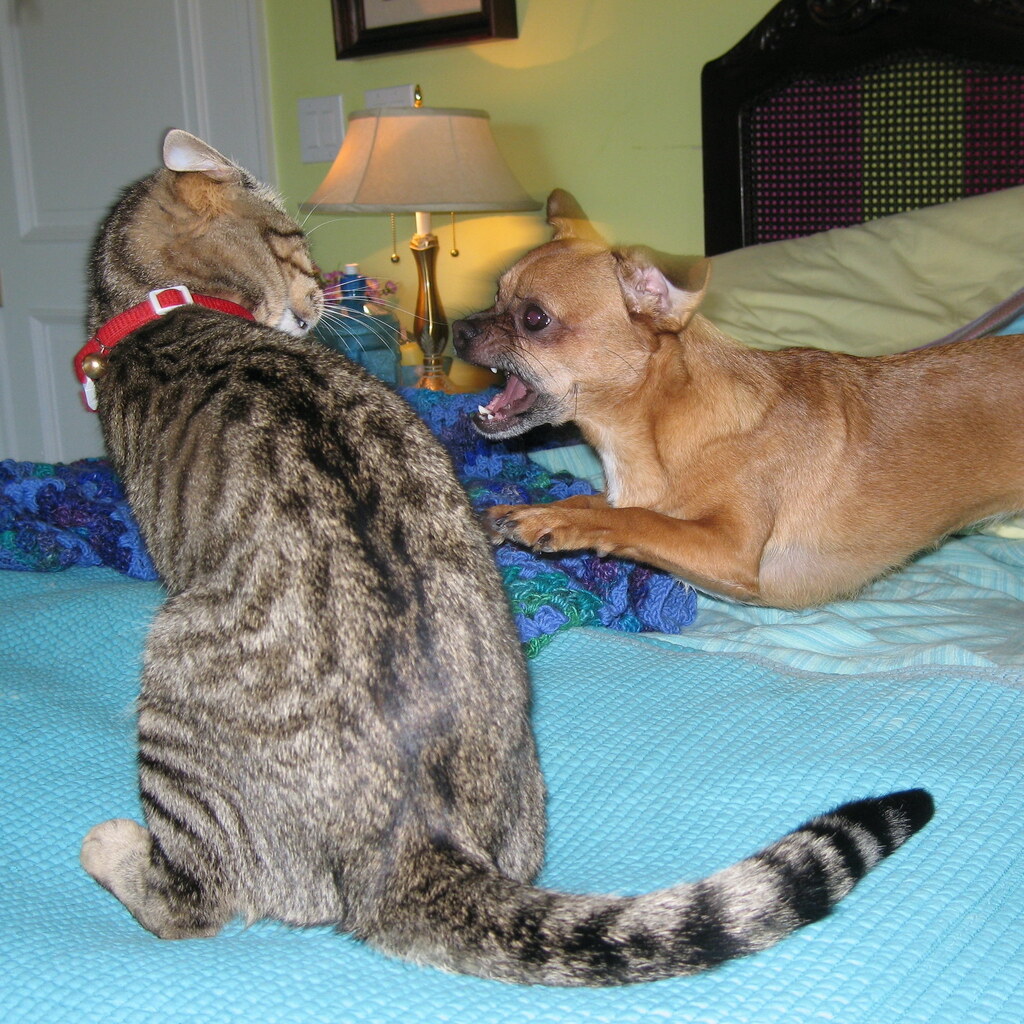
Fighting like cats and dogs
To be fighting like cats and dogs means to be arguing or fighting constantly. It describes a relationship between people who just don't get along.The phrase comes from the long-standing image of cats and dogs as natural rivals. Because their clashes were seen as noisy and chaotic, the expression became a way to describe frequent arguments.
The two brothers were fighting like cats and dogs during the whole car trip.

Firing on all cylinders
The idiom firing on all cylinders describes a person, team, or machine that is operating at full capacity.The phrase comes from engines, where several cylinders work together to produce power. When every cylinder is firing properly, the engine runs at its strongest and most efficient.
By the middle of the season, the team was firing on all cylinders and winning almost every game.

Fit as a fiddle
The phrase fit as a fiddle originally meant something fine and well crafted, like a quality musical instrument. Over the centuries it changed to mean someone who was physically fit.He may be 83, but he's as fit as a fiddle!
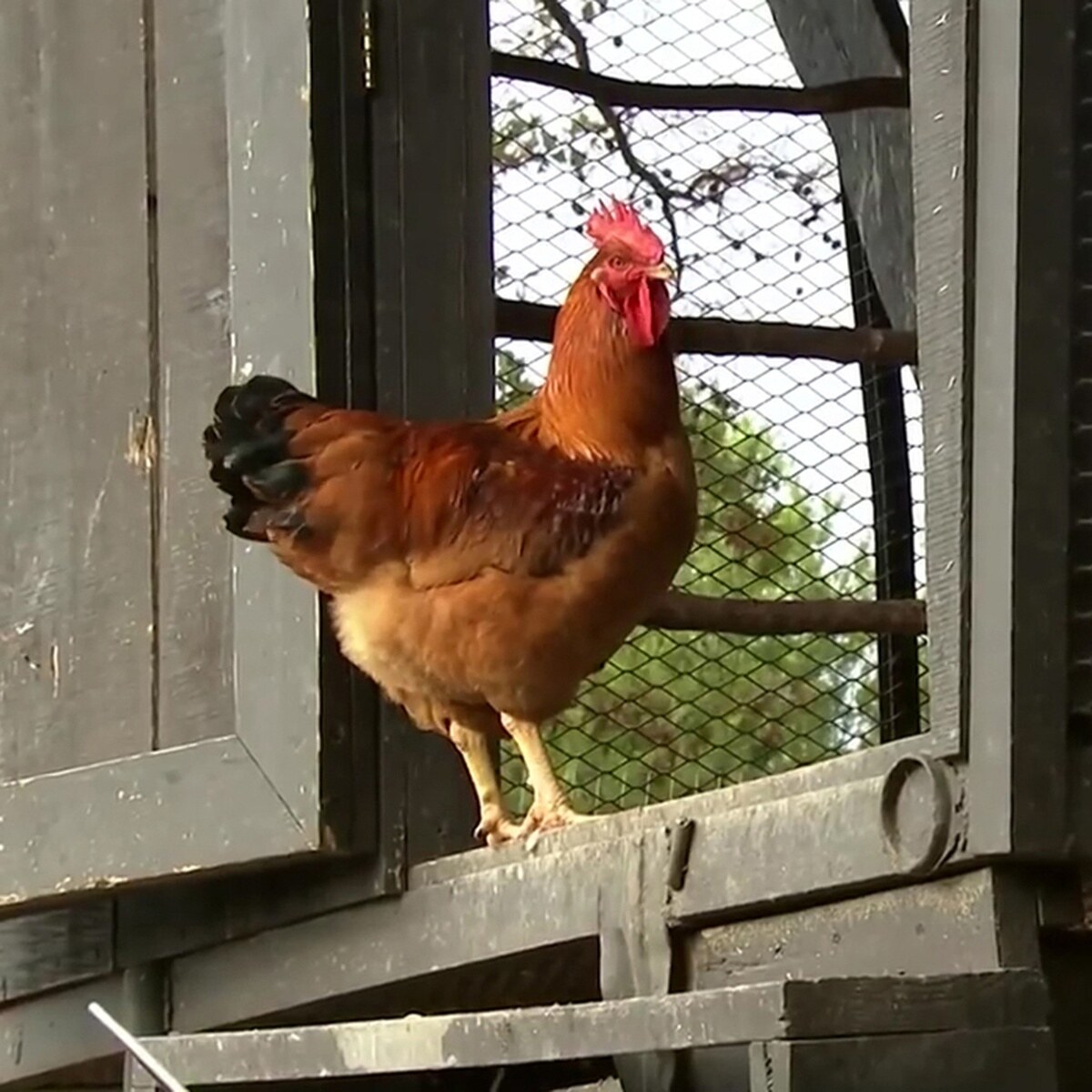
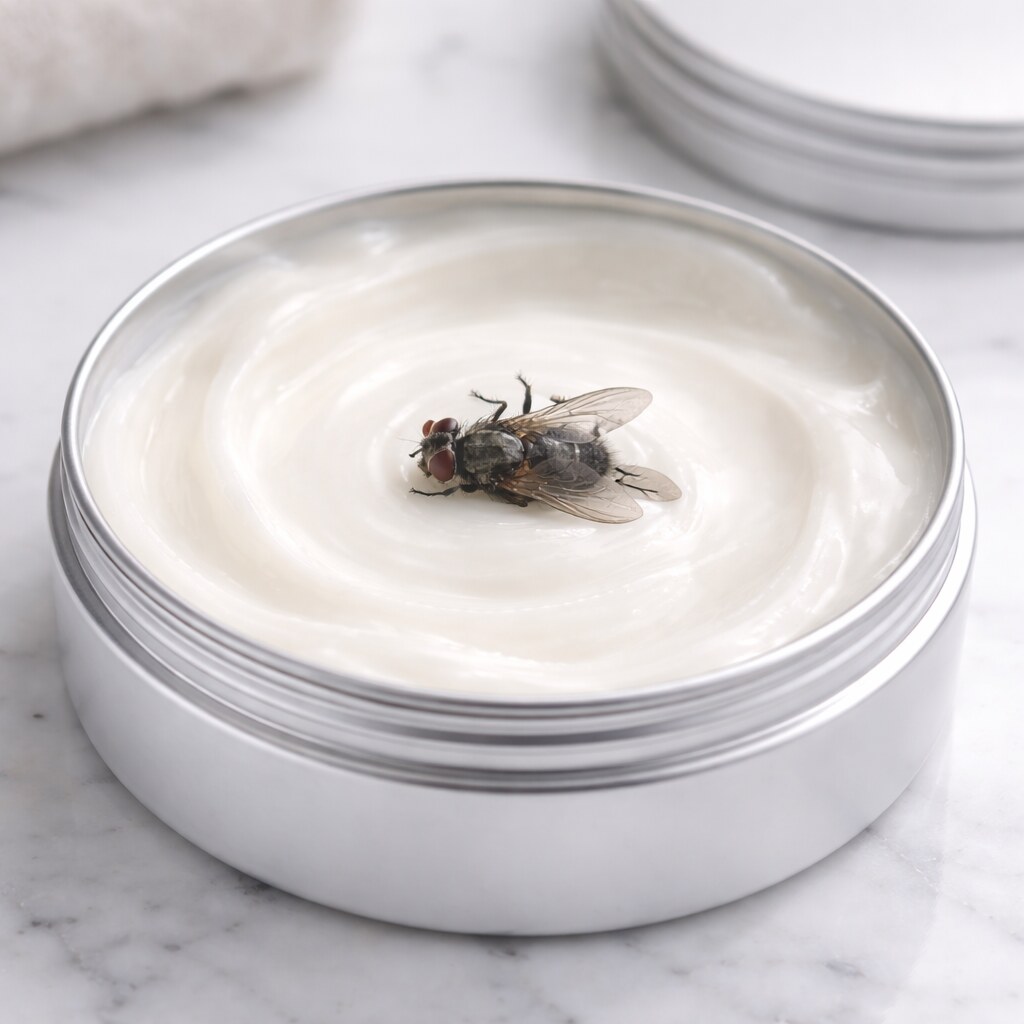
Fly in the ointment
A fly in the ointment is a small problem that spoils something that is otherwise good. It describes a situation where one annoying detail ruins an otherwise positive plan or experience.This idiom is based on the idea of a fly falling into a jar of ointment or cream. Even though the ointment is useful, the fly contaminates it and makes the whole thing unpleasant.
The cake for the party looked perfect, but the misspelled name on top was a real fly in the ointment.

Forget your head if it wasn't screwed on
The idiom "Forget your head if it wasn't screwed on" (or "would lose my head if it wasn't attached", or similar variations) is a funny way of saying someone is extremely forgetful, absent-minded or loses things a lot, suggesting that if their head wasn't attached to their body they'd forget that too.You lost your keys again? You'd lose your head if it wasnt screwed on!