
Showing 71-90 of 422

Cross that bridge when you come to it
The idiom cross that bridge when you come to it means to deal with a problem only when it actually happens, and not to worry about it beforehand."What if we don't get the funding grant?" "We'll cross that bridge when we get to it"

Cry wolf
To cry wolf means to raise a false alarm too often. When real trouble comes, people may not believe you. This phrase comes from a story where a shepherd called the villagers out because a wolf came for the sheep so many times in a row that the villagers eventually stopped coming. Then a wolf did come for the sheep and nobody would help the shepherd.He cried wolf so many times that no one listened.
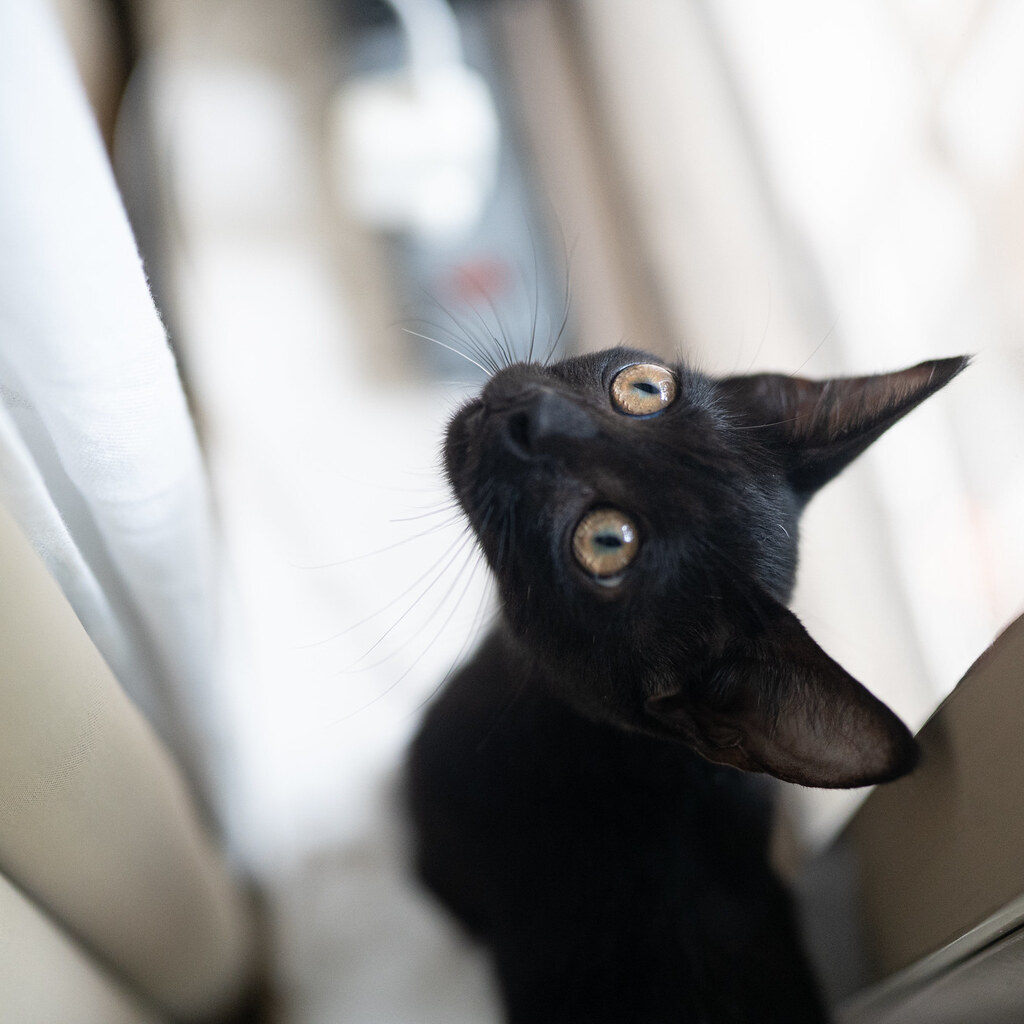
Curiosity killed the cat
Curiosity killed the cat is a warning that being too curious about something can lead to trouble or danger. This idiom is used to warn people that asking too many questions or investigating things that are not your business may cause problems for you.The saying appeared in English in the early 1900s. Cats are often used in stories as curious animals that explore everything around them, which made them a natural symbol for the risks of too much curiosity.
He knew he should not open the mysterious box, but curiosity killed the cat.

Cut corners
To cut corners means to do something in a careless or cheap way in order to save time or money. This often leads to poor results. The phrase is usually used as a warning about taking shortcuts. It originates from people who cut a path across the corner of a field instead of walking around the outside edge.The company cut corners and the product broke quickly.

Cut from the same cloth
Cut from the same cloth or patches of the same quilt means that two people are very similar, with similar personalities, sense of humor or beliefs.This originated from tailoring, when you bought cloth in long lengths and could cut two garments out from the same roll of cloth.
You like that too? Wow, we are cut from the same cloth!

Cut off your nose to spite your face
The idiom cut off your nose to spite your face means to do something that disadvantages yourself when you try and punish someone else. It is an act of self-sabotage to spite someone else.She crashed her car on purpose so her boyfriend would stop borrowing it without asking. Didn't she cut off her nose to spite her face?

Cut to the chase
The idiom cut to the chase means to get to the main point without wasting time. It comes from early films where the chase scene was the most exciting part. People use this phrase when they want direct information.Please cut to the chase and explain the problem.
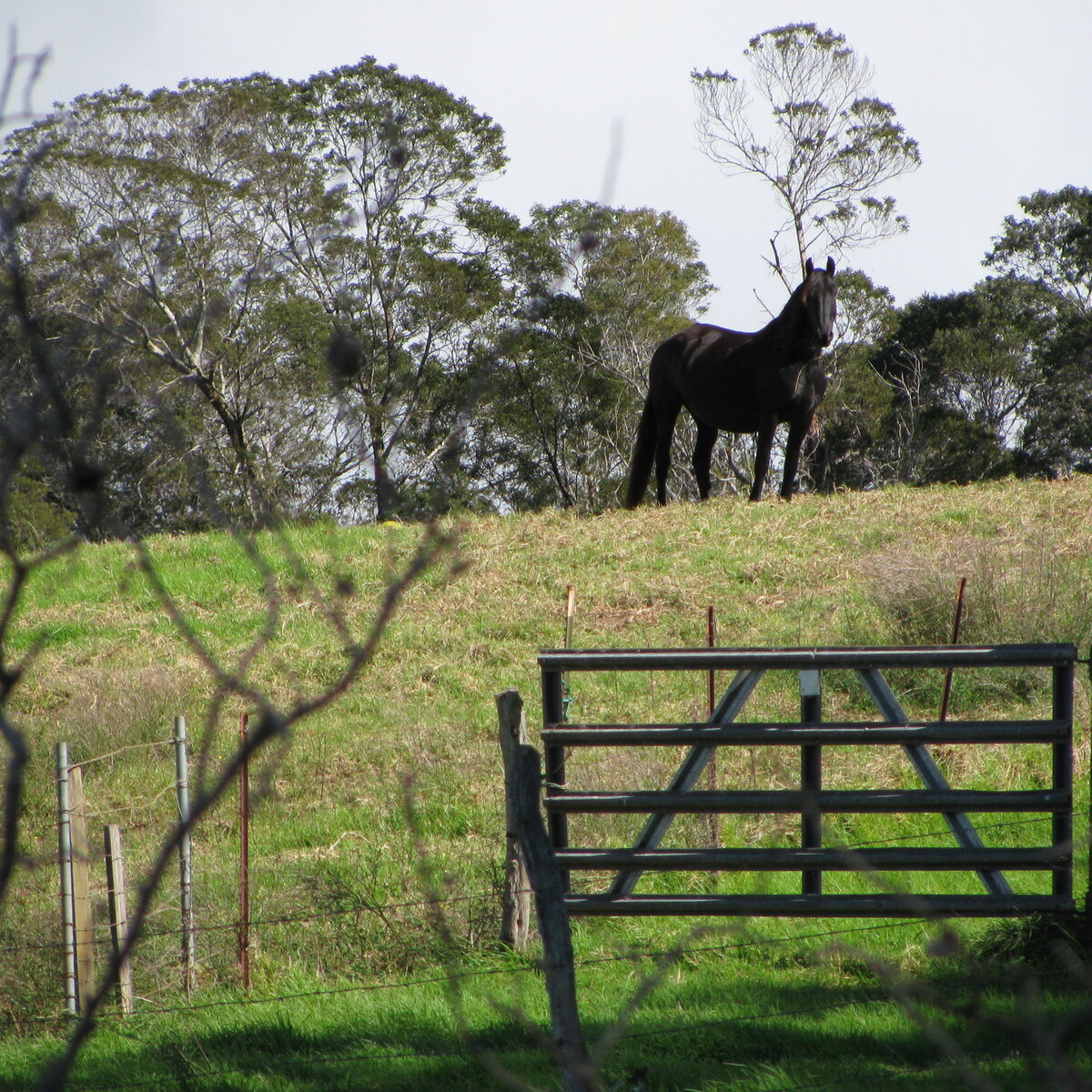
Dark horse
The idiom dark horse means a ordinary seeming person or thing that is not expected to succeed, but surprises everyone by doing very well.The saying comes from horse racing, where an unknown horse could unexpectedly win.
She was a dark horse and ended up winning the contest.


Dead in the water
The idiom dead in the water means unable to move forward or make progress. Plans may be stuck and nothing is happening.The image comes from a boat that cannot move on the water. A similar idiom is to take the wind out of your sails.
Without the right parts, the repair was dead in the water.