
Showing 61-80 of 416

Can't see the forest for the trees
This phrase means that you are so focussed on the details (the trees) of something that you can't see the bigger picture (the forest). If someone tells you you can't see the forest for the trees it is time to step back from the problem and take another look.She was so caught up choosing a font for the flyers we missed the entire deadline, she couldn't see the forest for the trees.

Caught red-handed
The phrase caught red-handed means being caught while doing something wrong. It suggests that there is clear proof of the action. People often use this idiom when someone is discovered in the act.He was caught red-handed taking the cookies.

Cherry on top
The idiom a cherry on top means a small extra thing that makes something good even better. It is not the main part, but it adds a final touch that makes the whole situation feel more complete or enjoyable.Desserts like sundaes or cakes often have a bright red cherry placed on the top. The dessert is already finished, but the cherry is added as a final decoration.
The holiday was already perfect, and the surprise fireworks on the last night were the cherry on top.

Clear the air
To clear the air means to talk openly about a problem or misunderstanding so that people feel better and the tension is reduced.The expression comes from the literal idea of cleaning smoke or bad smells out of the air so it becomes fresh again. By comparison, honest discussion can remove tension or confusion from a situation.
We sat down after the argument to clear the air.
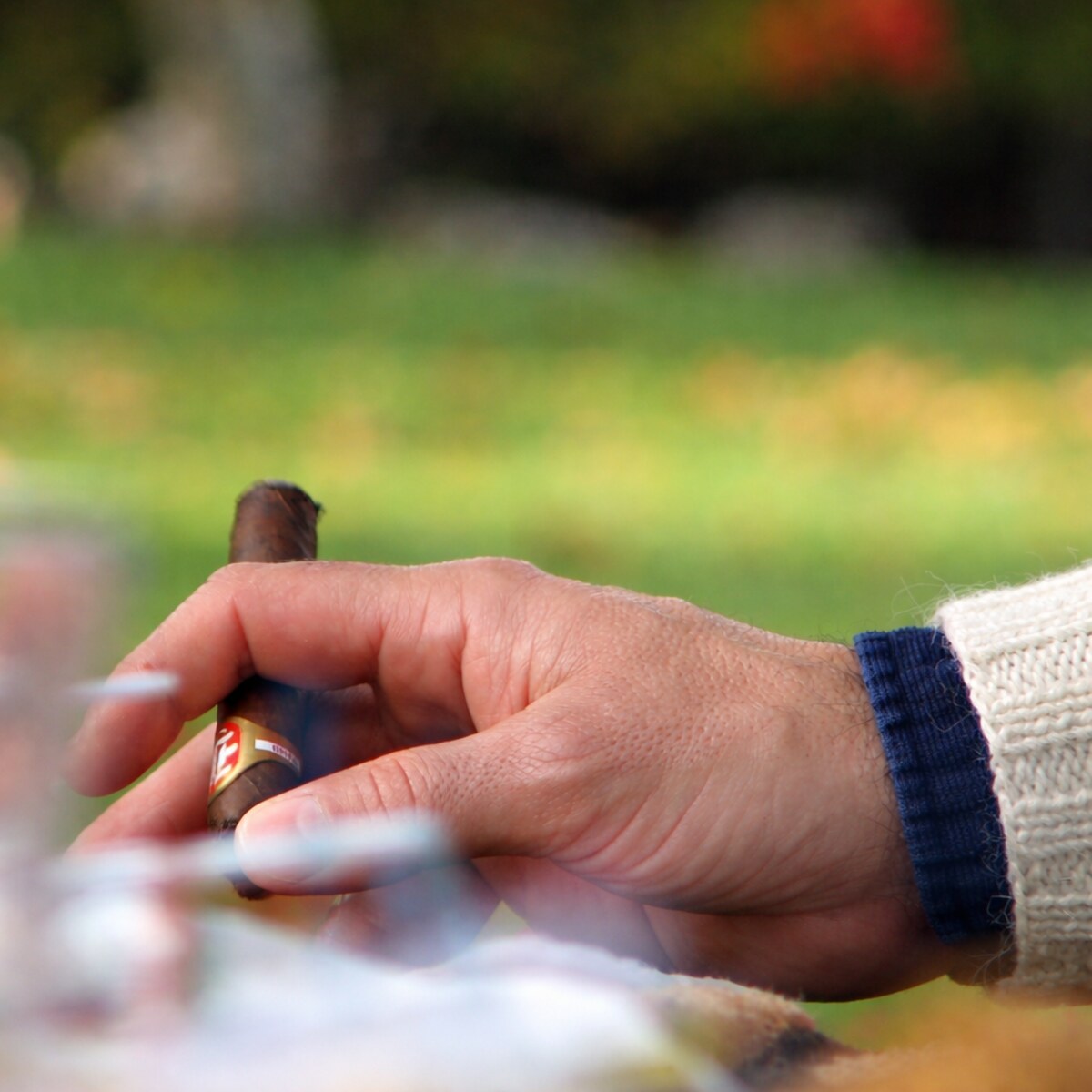
Close but no cigar
Close, but no cigar originated from carnivals where a cigar was the prize for winning a game of skill. If you lost, they would say "close, but no cigar!" and it grew to be a phrase that meant coming very close to something, but not quite reaching the goal.She got 99/100 on the test. Close, but no cigar!
Close to home
The phrase close to home or hits close to home means something affects you personally. You may relate to it so closely that it makes you feel emotional or uncomfortable.Her words hit close to home.

Come back to bite you
If something comes back to bite you it means that something a person did earlier causes trouble or problems later. It is often used when a careless or dishonest action has consequences in the future.The expression comes from the image of an animal biting someone after being disturbed.
Ignoring the small repairs on the house eventually came back to bite you.

Come hell or high water
Come hell or high water means that someone is determined to do something no matter what happens. It shows strong determination and the idea that nothing will stop a person from reaching their goal.The words suggest that even a fire or a flood would not stop someone from reaching their goals, and is used to describe situations where people keep going even when things become very hard.
She said she would finish the marathon come hell or high water.

Cost an arm and a leg
The idiom cost an arm and a leg means something is very expensive. Your arms and legs are very valuable - you need them to do things! The phrase also means to exaggerate the price of something.The concert tickets cost an arm and a leg.

Cross that bridge when you come to it
The idiom cross that bridge when you come to it means to deal with a problem only when it actually happens, and not to worry about it beforehand."What if we don't get the funding grant?" "We'll cross that bridge when we get to it"