18 words are below your SafeSearch level and not shown.
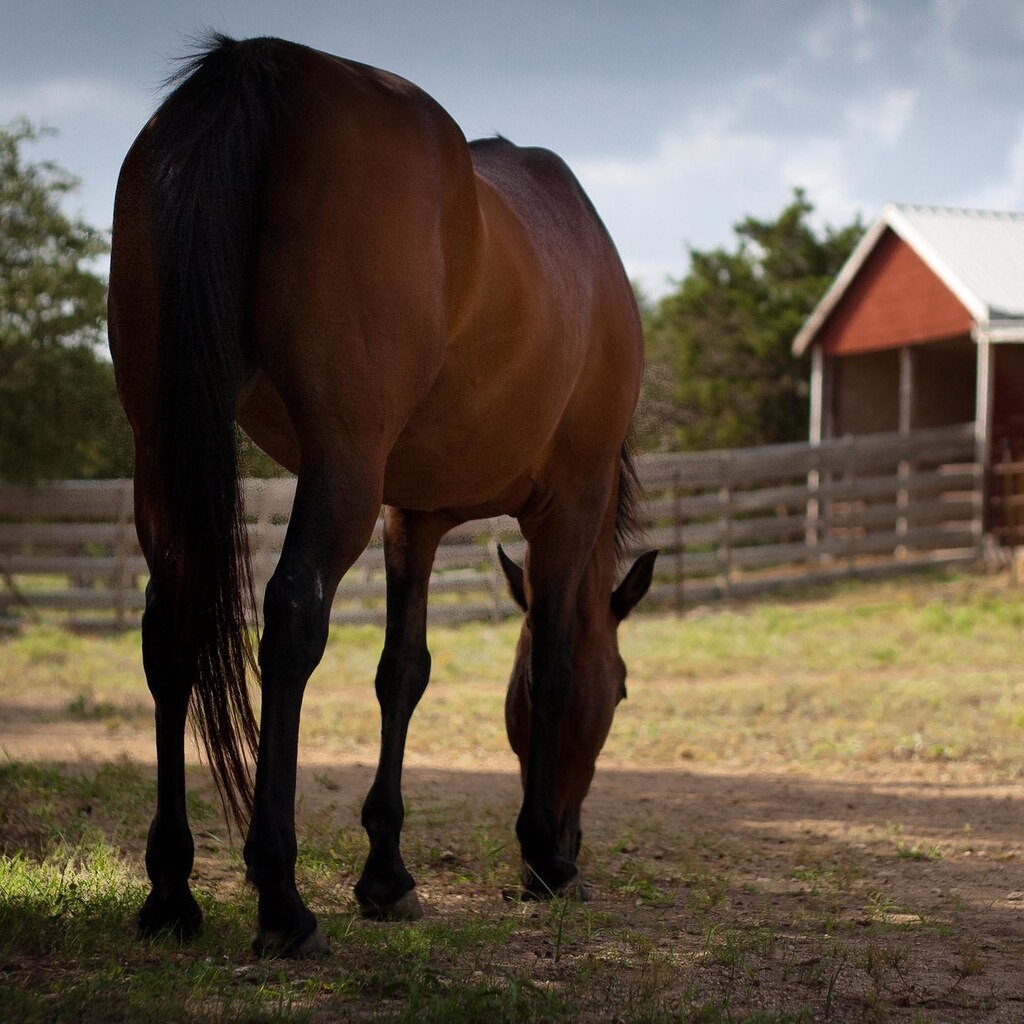
An animal's rump is its fleshy hindquarters, bottom or
buttocks. A cut of meat taken from an animal's rump may have the same name, for example
rump steak.
A
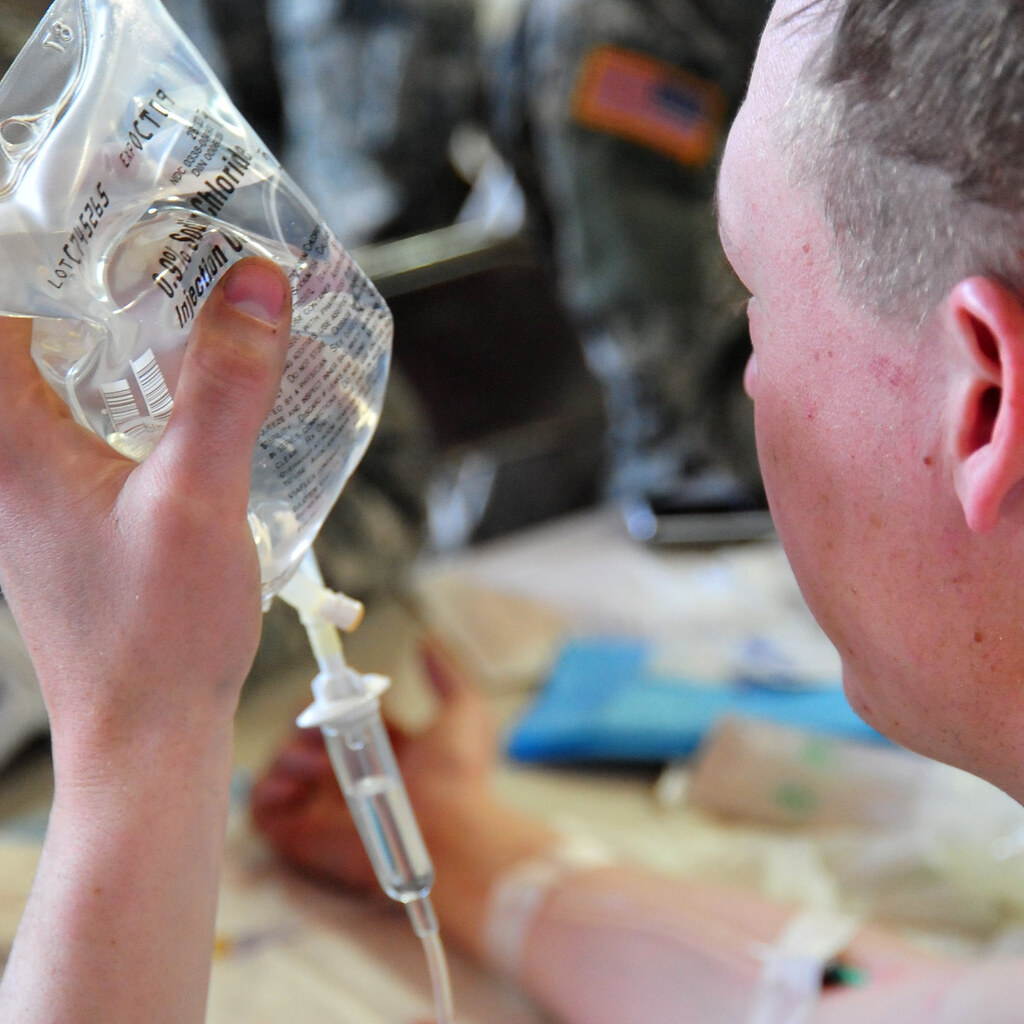
liquid is
saline if it contains common
salt dissolved into it. Any salty
water can be described as saline, but the word is most often used for
sterile salty water used for medical purposes.
A similar word to saline is
brine.
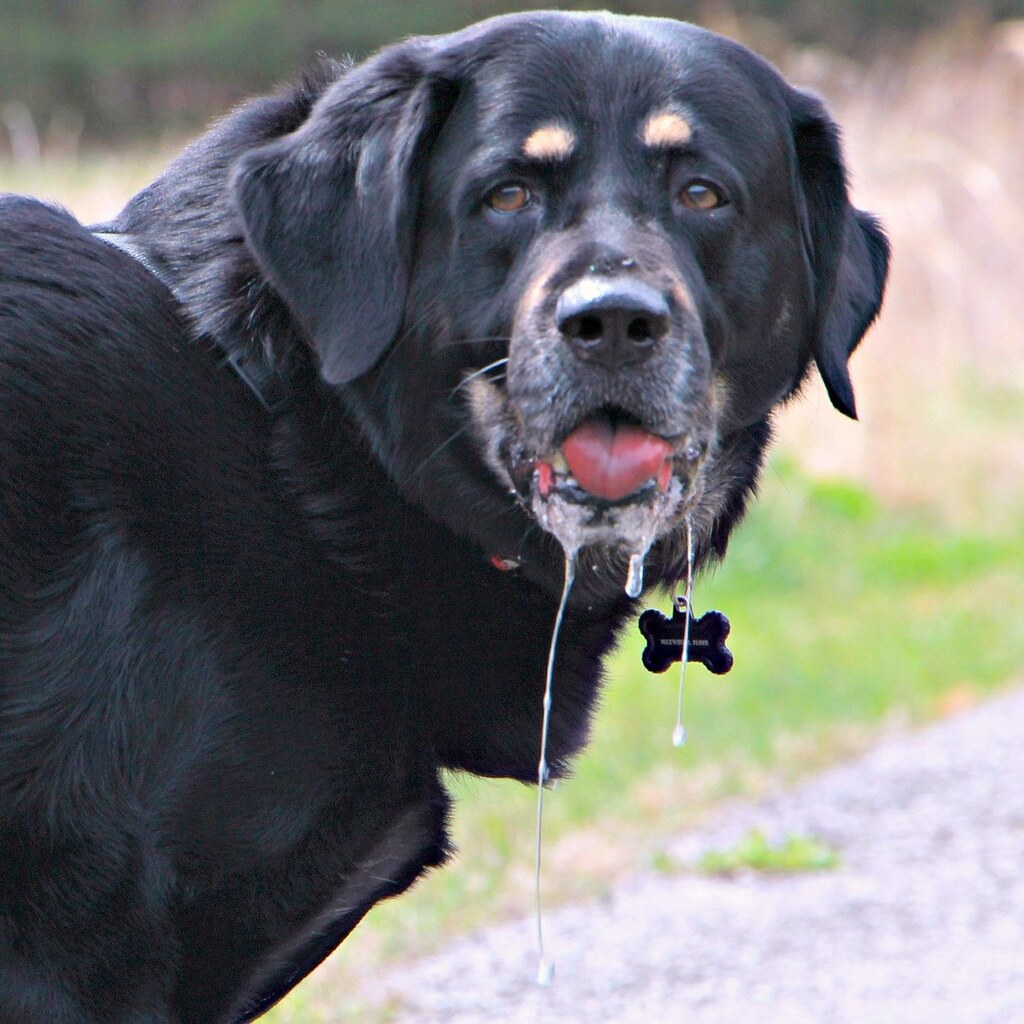
Saliva is the fluid made by glands around your mouth. It helps you to chew and swallow food.
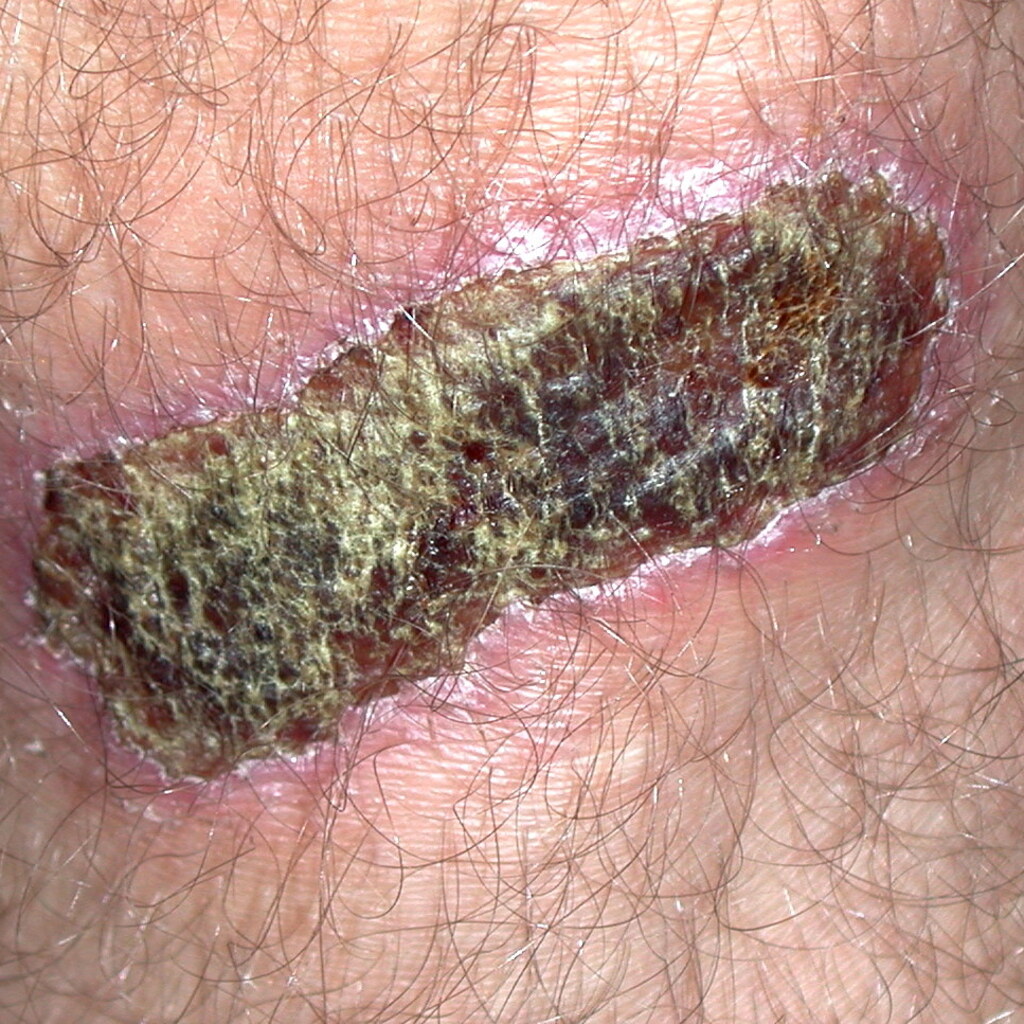
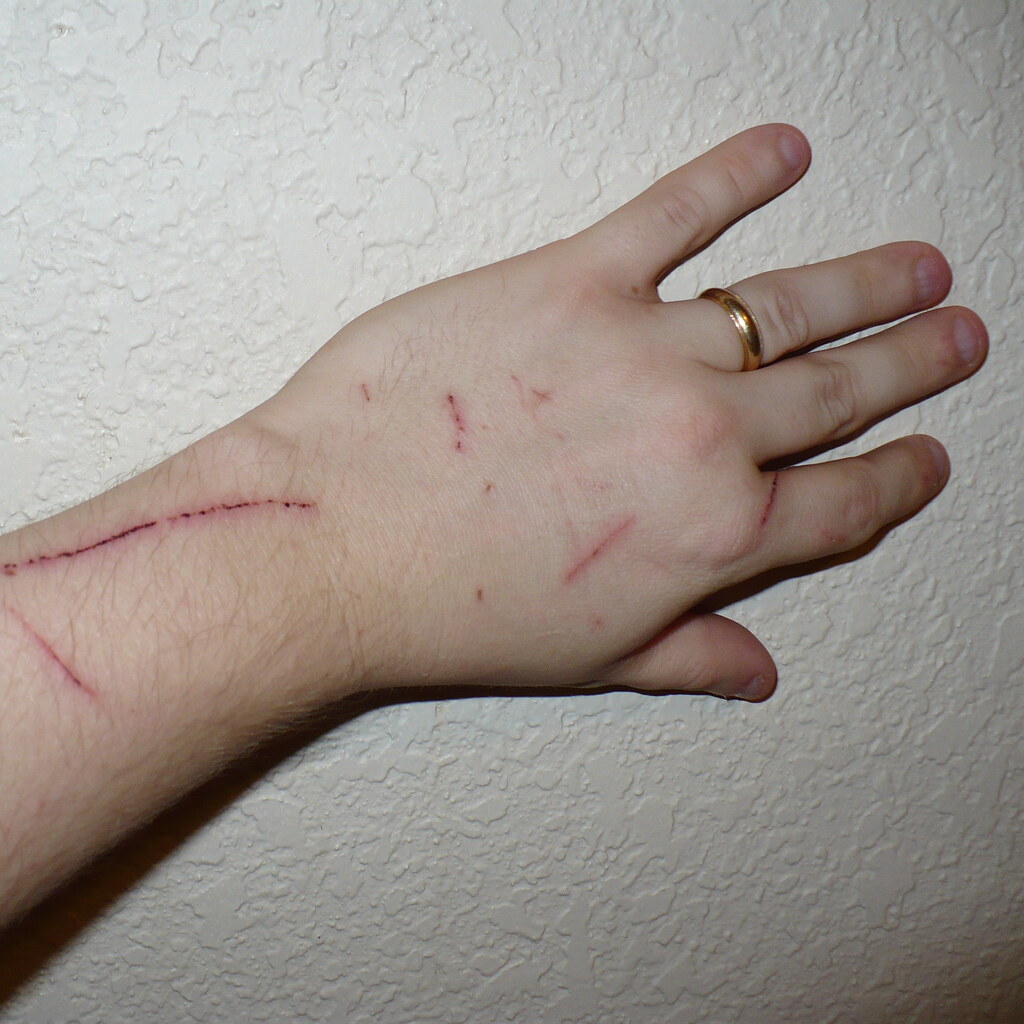
A scab is a hard layer that forms over an injury, as part of the
healing process. After a few days, the scab falls off and eventually a
scar will be all that remains of the injury.
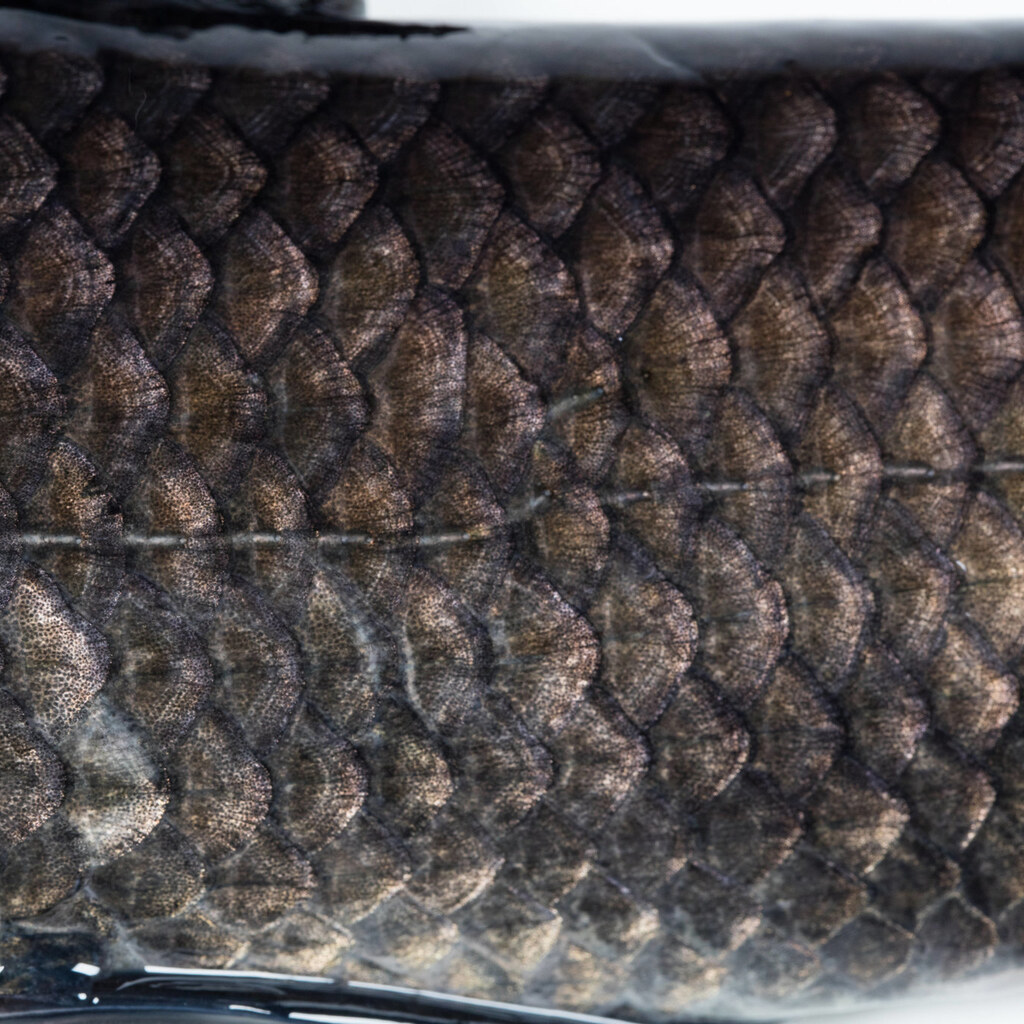
Scales are small plates that grow out of the skin of
fish and
reptiles. They
overlap, so if you run your hands down a fish or snake from its
head to its
tail it will feel smooth, and if you run your hand the other way it will feel
rough.
It is also a
device that weighs things.
Your
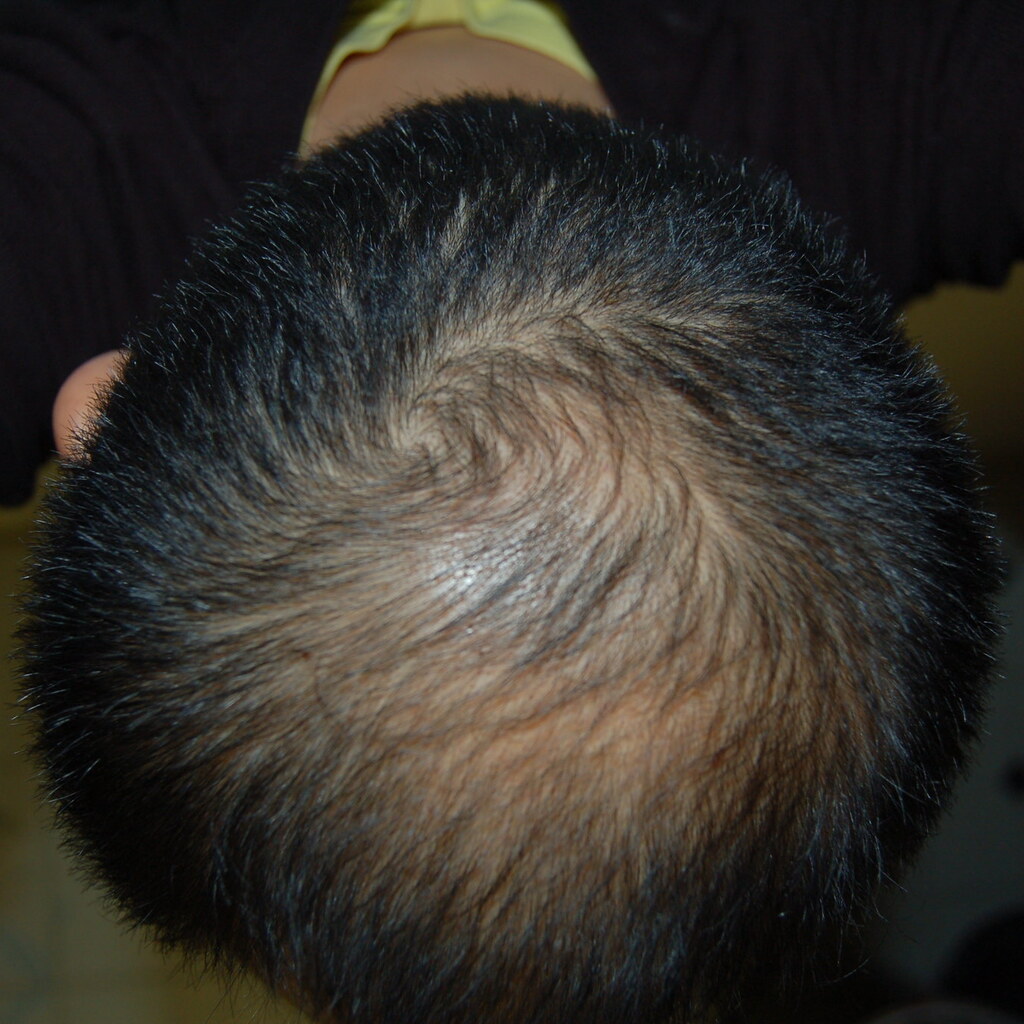
scalp is the
skin on top of your head, where you normally grow
hair. When men go
bald you can easily see their scalp. The man in the photo has his scalp showing through a
scar.
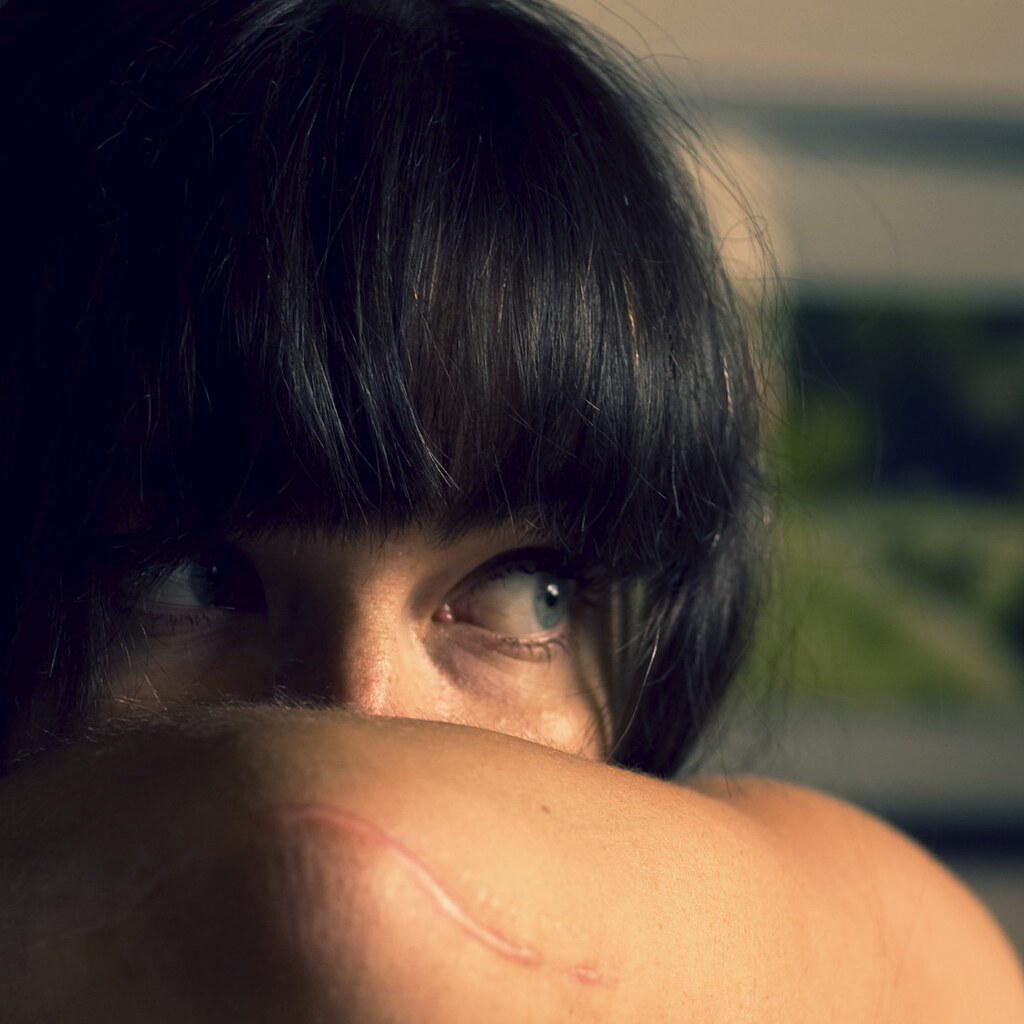
A scar is a mark on your
skin that shows where it has healed after it was damaged. Scar tissue can also form inside you if you have an internal injury. The man in the picture has a scar from donating a kidney.
When you get an
itch, you usually have an urge to
scratch it. Itches are best scratched with something fairly
sharp, like your fingernails or a twig.
If you scratch yourself too hard it can break your
skin and make you
bleed.
Something has a
sedative effect if it makes you
calm and
sleepy. Many things have a sedative effect. Some are
pills, some are herbs like
valerian, and some kinds of music also have a sedative effect.
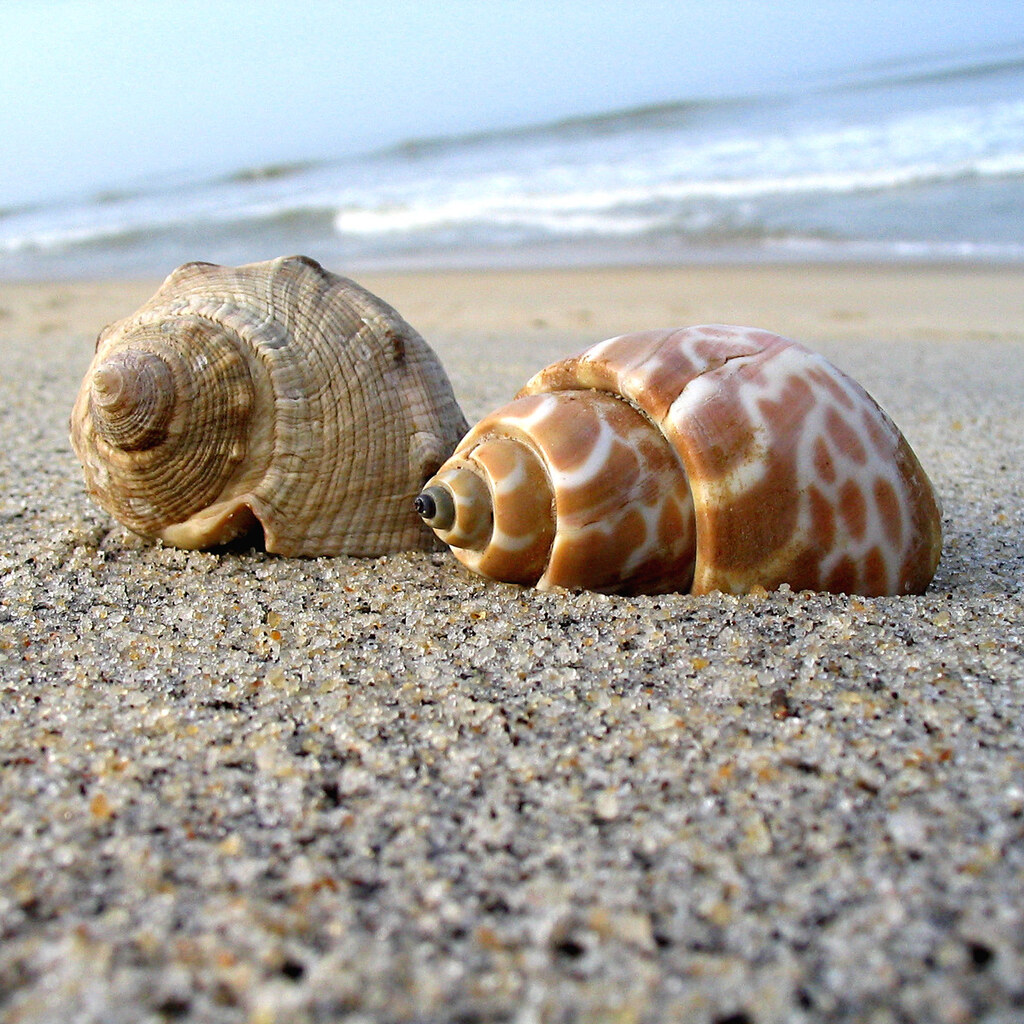
A shell is the hard outside coating found on many animals.
Snails have shells that form a
spiral that was built up as the snail grew bigger.
crabs and
turtles have a hard shell that perfectly fits the animal
inside. Most animals that have shells can
hide inside them if they are
scared.
Your shins are at the front, bottom part of your leg between your
knee and your
foot. There is not much fat or muscle on your shins, so it hurts to get hit there and shins are usually very easy to
bruise.
Your shoulder is the joint between your
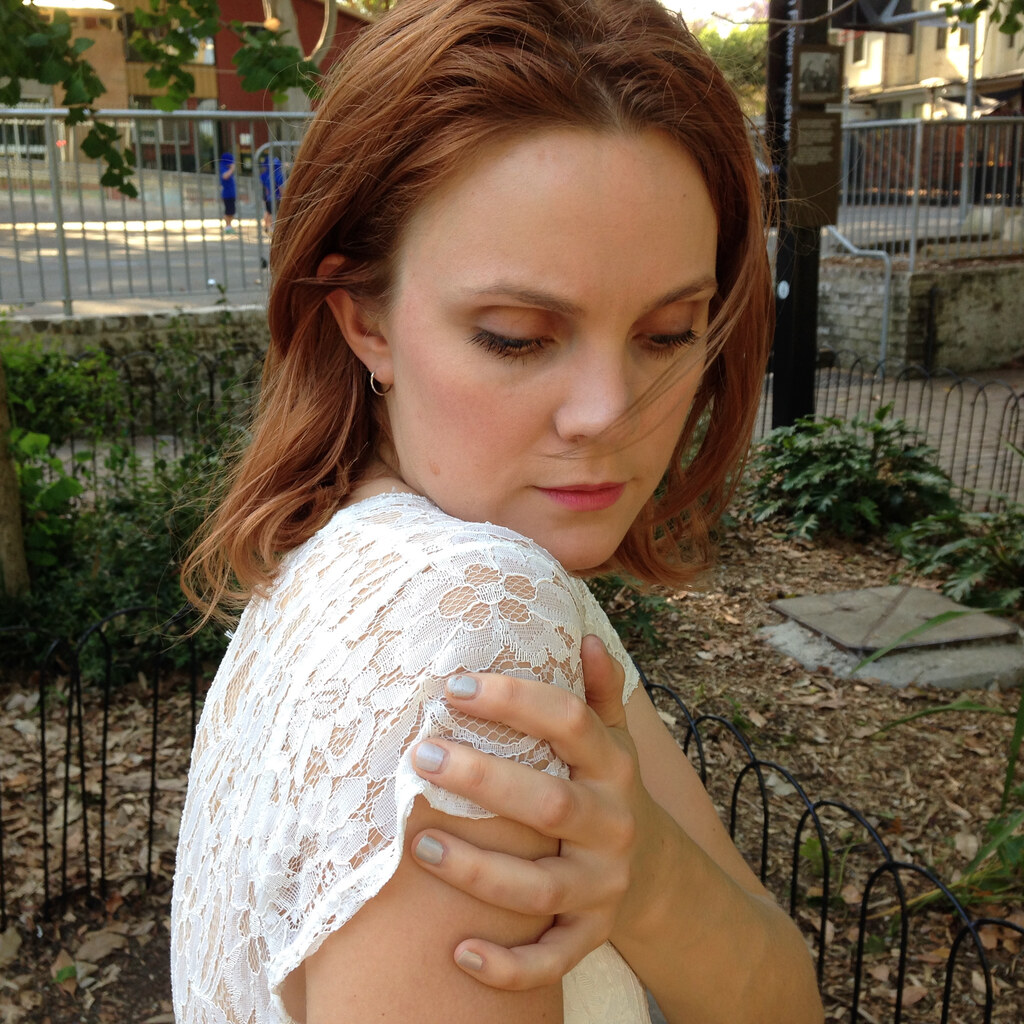
arm and your body. People sometimes tap you on the shoulder to get your attention. The woman in the picture has a
rat on her shoulder.
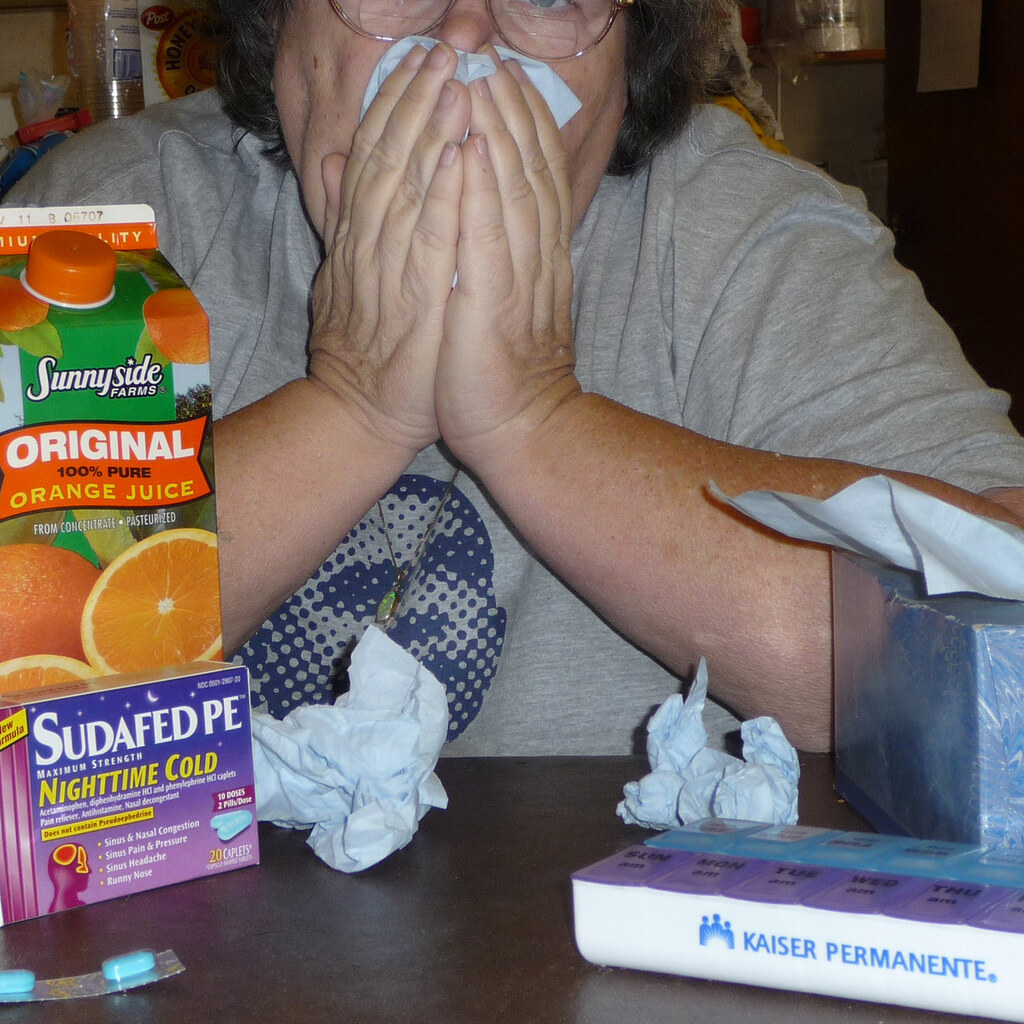
When you are sick, you don't feel very good. You can get sick by catching a disease like the flu, or from eating food that has gone bad, or even from having an
allergic reaction to something like a
dog or
cat.
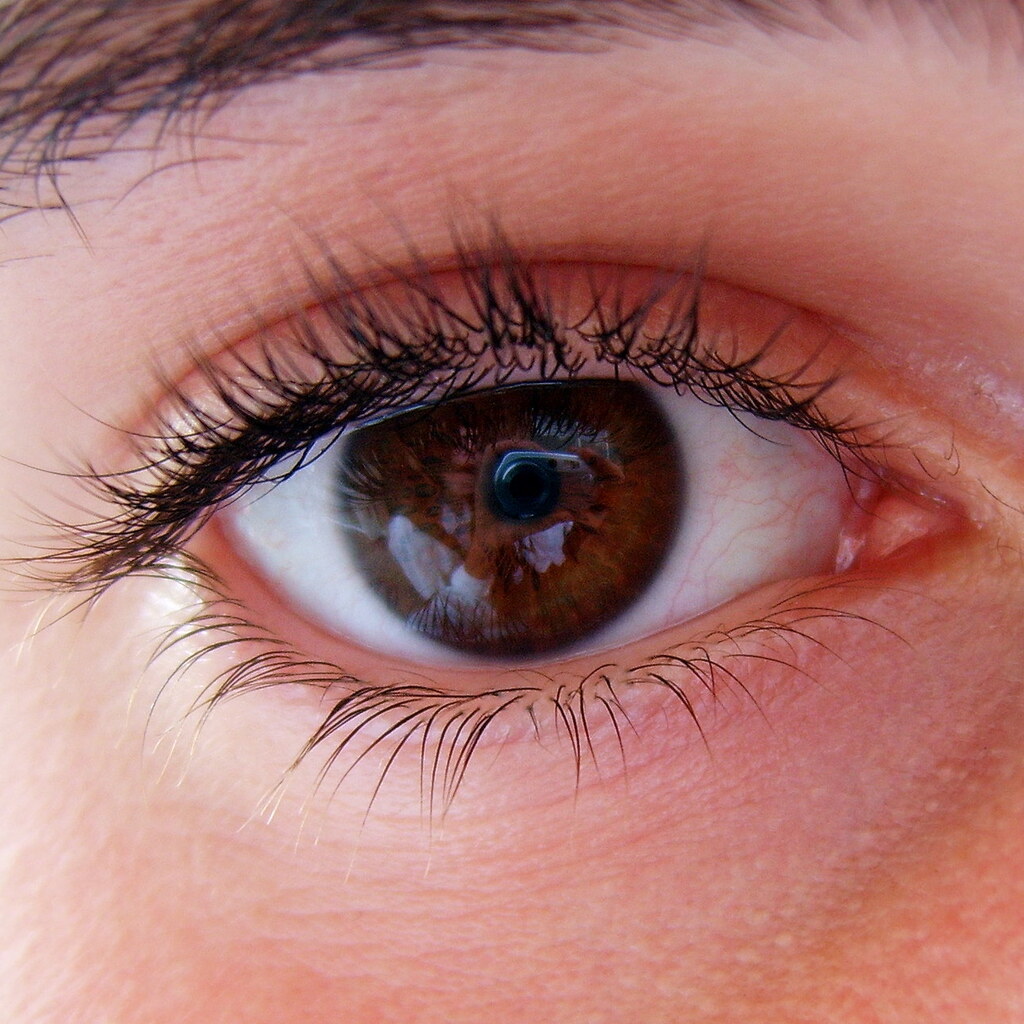
You see with your
eyes. Sight is one of the most important senses. Someone who cannot see is
blind. If you can't see properly, you probably need
glasses.
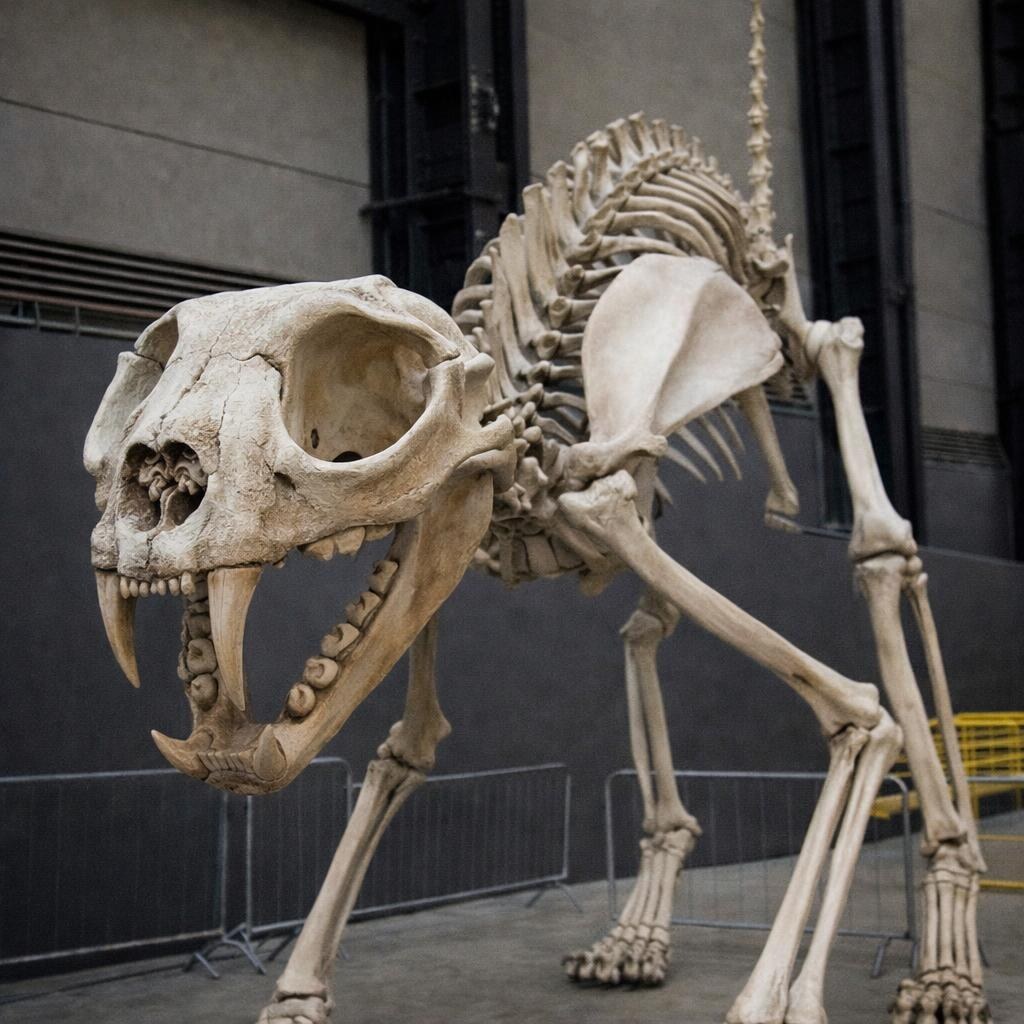
Your skeleton is made up of a number of
bones, which hold you up. Your bones are connected to each other by
joints, such as your
knee and
elbow, which let you move around. The skeleton in the picture is a
cat skeleton.
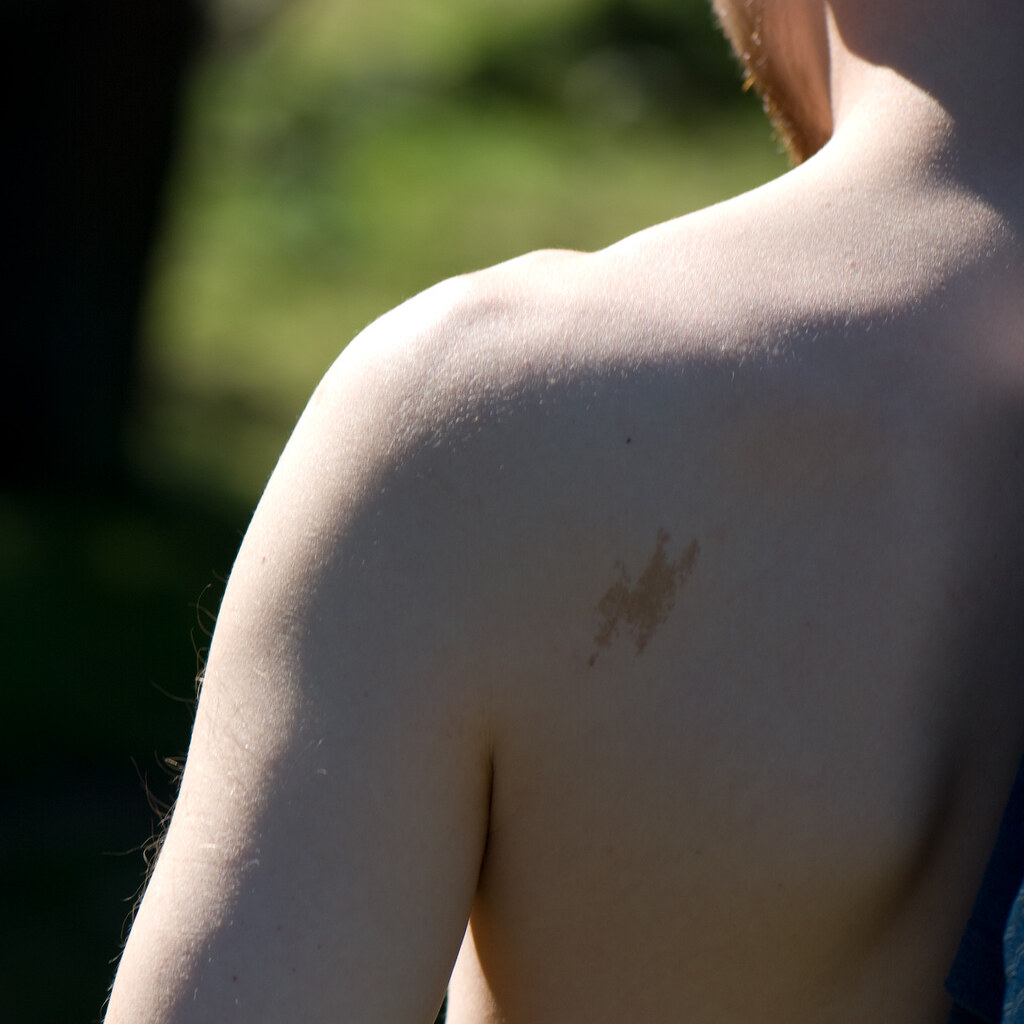
Your skin is the largest organ on your body. It covers you completely and protects your muscles and other organs. Your skin has glands on it that produce
oil and
sweat, and your skin has follicles in it that grow
hairs.
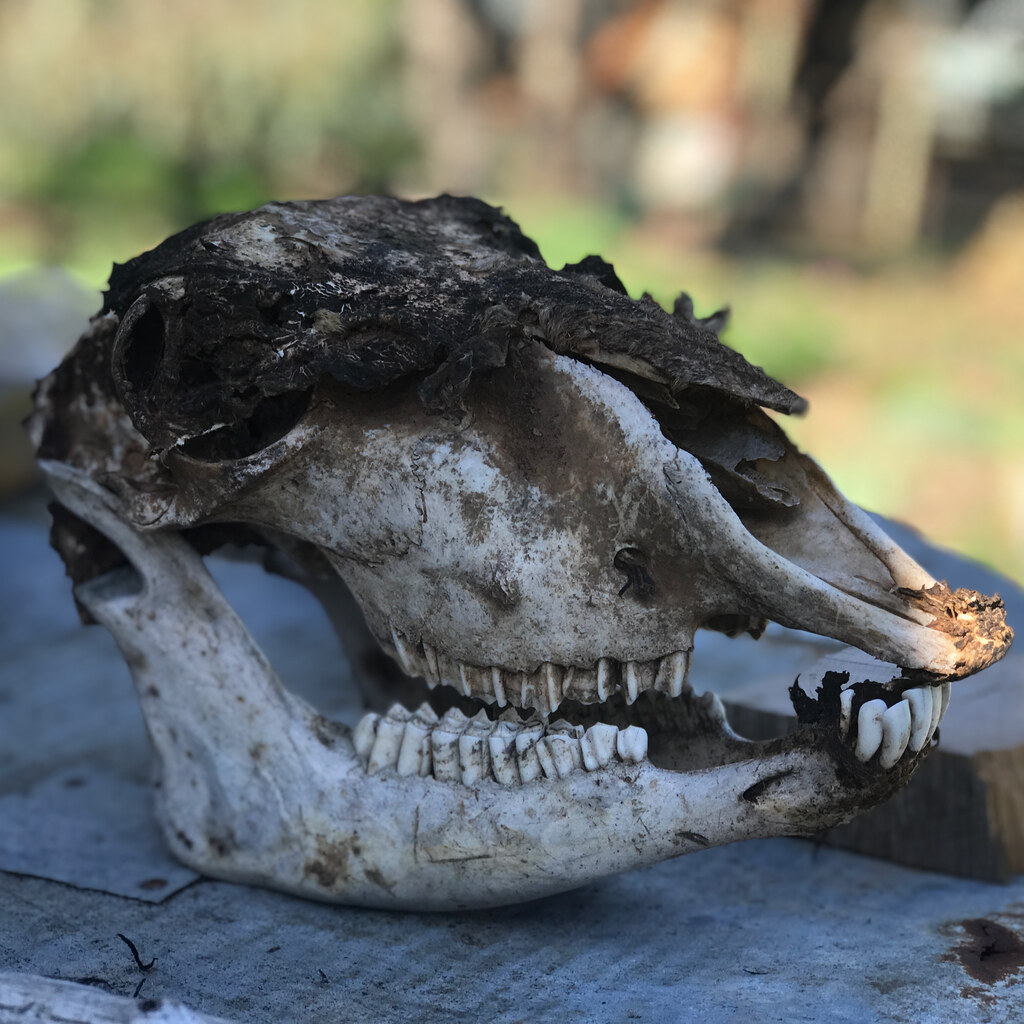
Skulls are a bony structure that is found inside your
head, and in the head of almost all animals. The top part of the skull is called the
cranium and the bottom part is called the
mandible. Your mandible is more commonly called your
jaw, and is the part that moves up and down as you
chew or open and close your mouth.
The picture is of the top part of a
sheep's skull.
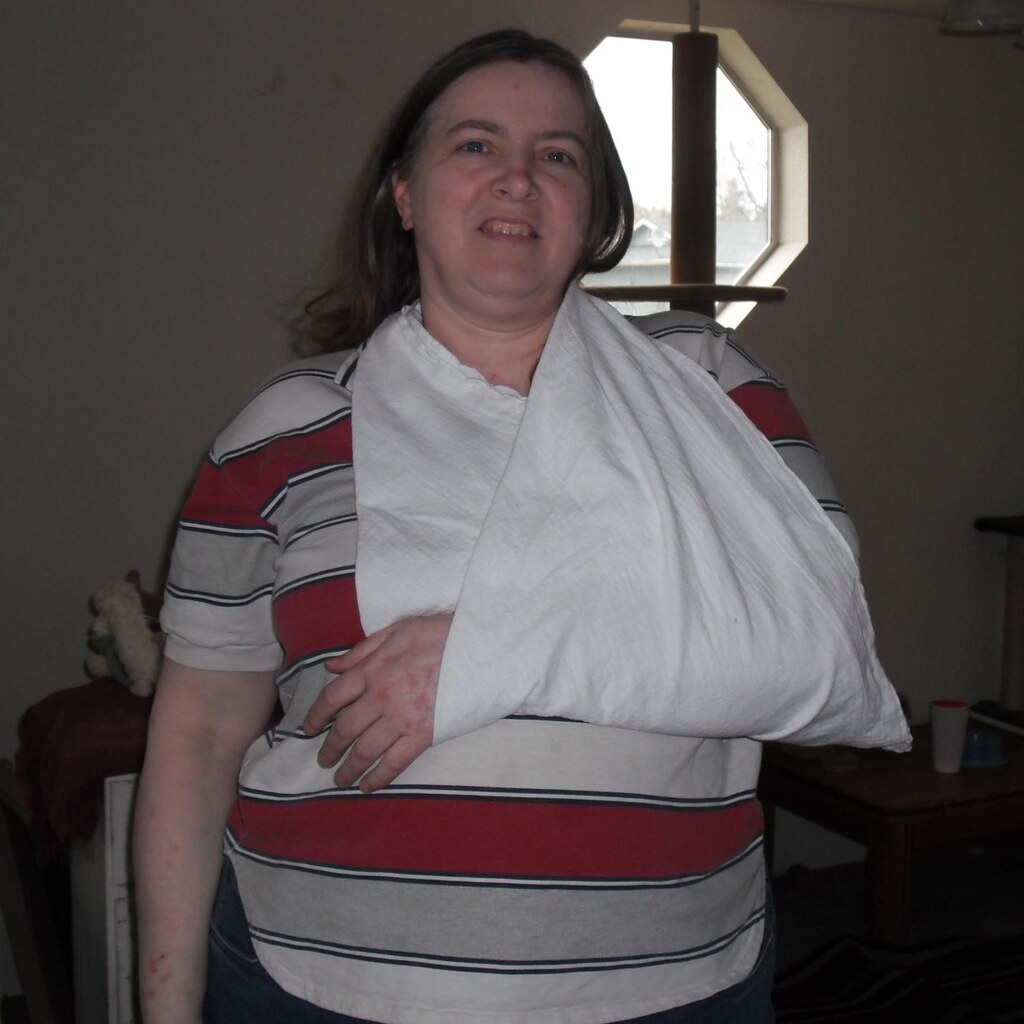
A sling is a kind of
bandage, usually for supporting a sprained or broken arm.