Past tense

Words that are a past tense of other words.

Showing 61-80 of 134
L is for Lopped

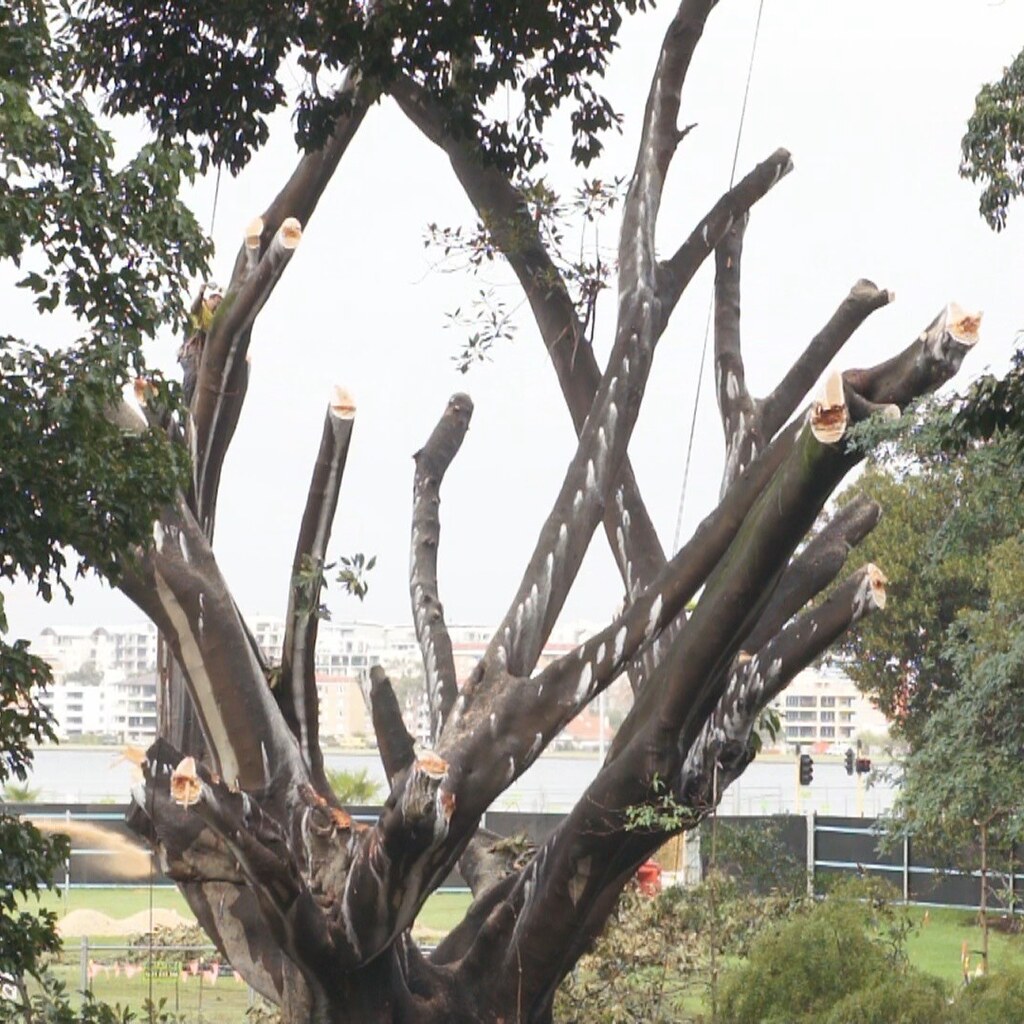
A tree that has had some branches cut off might be described as a lopped tree.
Lopped is also the past tense of lop.

L is for Lost

Lost is the past tense of lose. If you do not know where you are, you are . If you do not know where something is, it is lost. The person in the picture is lost in the woods.
The opposite of lost is found.

M is for Made

Made is the past tense of make.

The woman in the picture has made two elephants.

M is for Messed

Messed is the past tense of mess. For example, "she messed up her room".

M is for Milled

Milled is the past tense of mill, or something that has been made in a mill.

M is for Molten

Something is molten if it has been melted by heat. Molten is usually used to describe hot, liquid metals.

M is for Mopped

Mopped is the past tense of mop, as in "she mopped the floor".

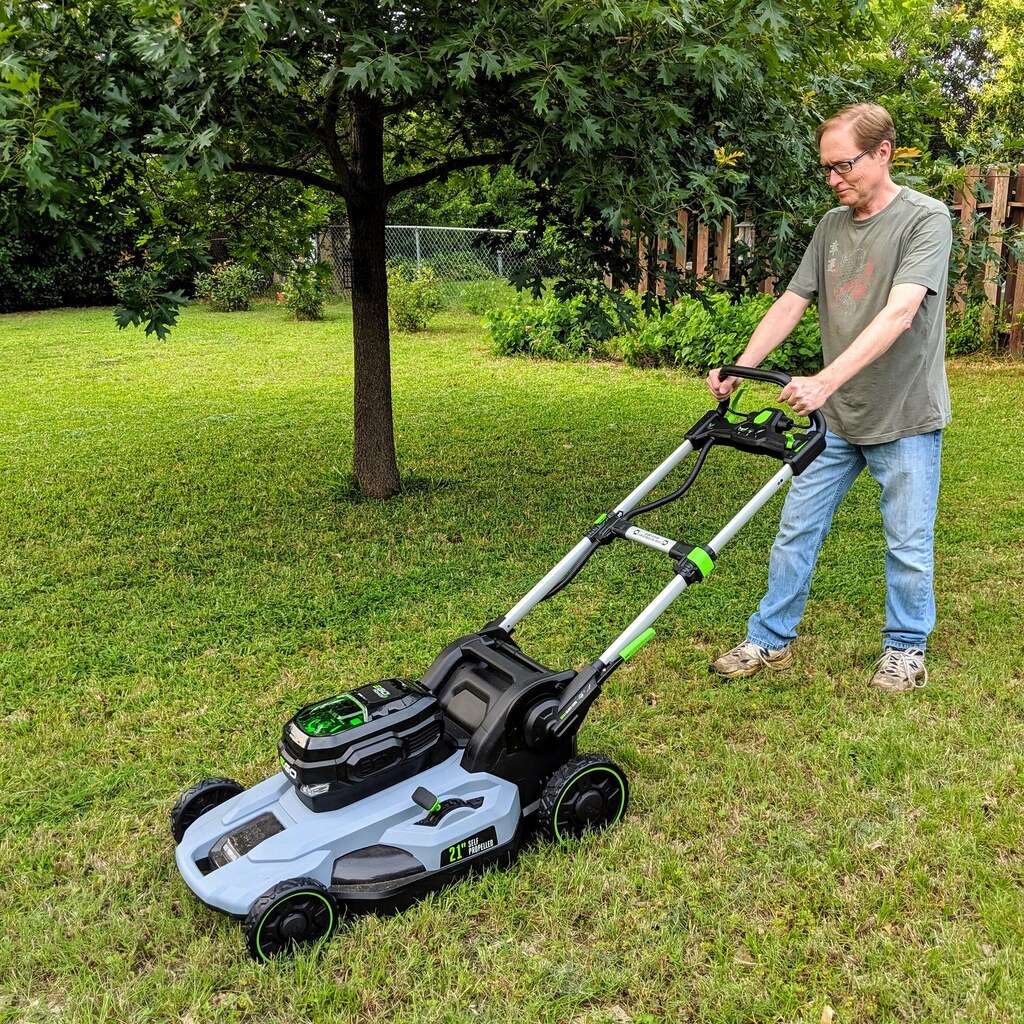
M is for Mown

Mown is the past tense of mow. For example, "He walked past a field that was freshly mown".

N is for Napped

Napped is the past tense of nap.

N is for Nipped

Nipped is the past tense of nip, for example "her behaviour was nipped in the bud".
P is for Packed

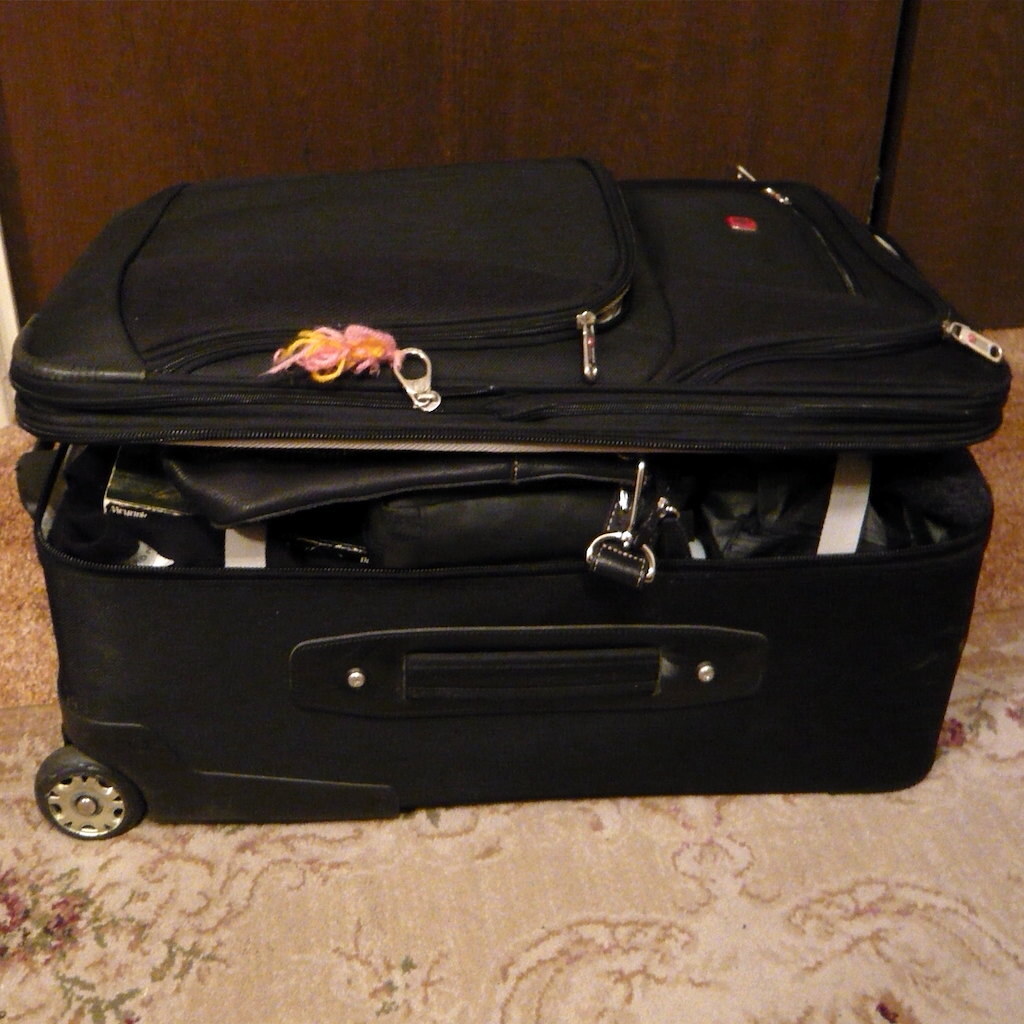
Something is packed if it is full up with not much space left over.

You might pack your lunchbox, or pack a suitcase for a trip.

P is for Paid

Paid is the past tense of pay, for example "I got paid today".

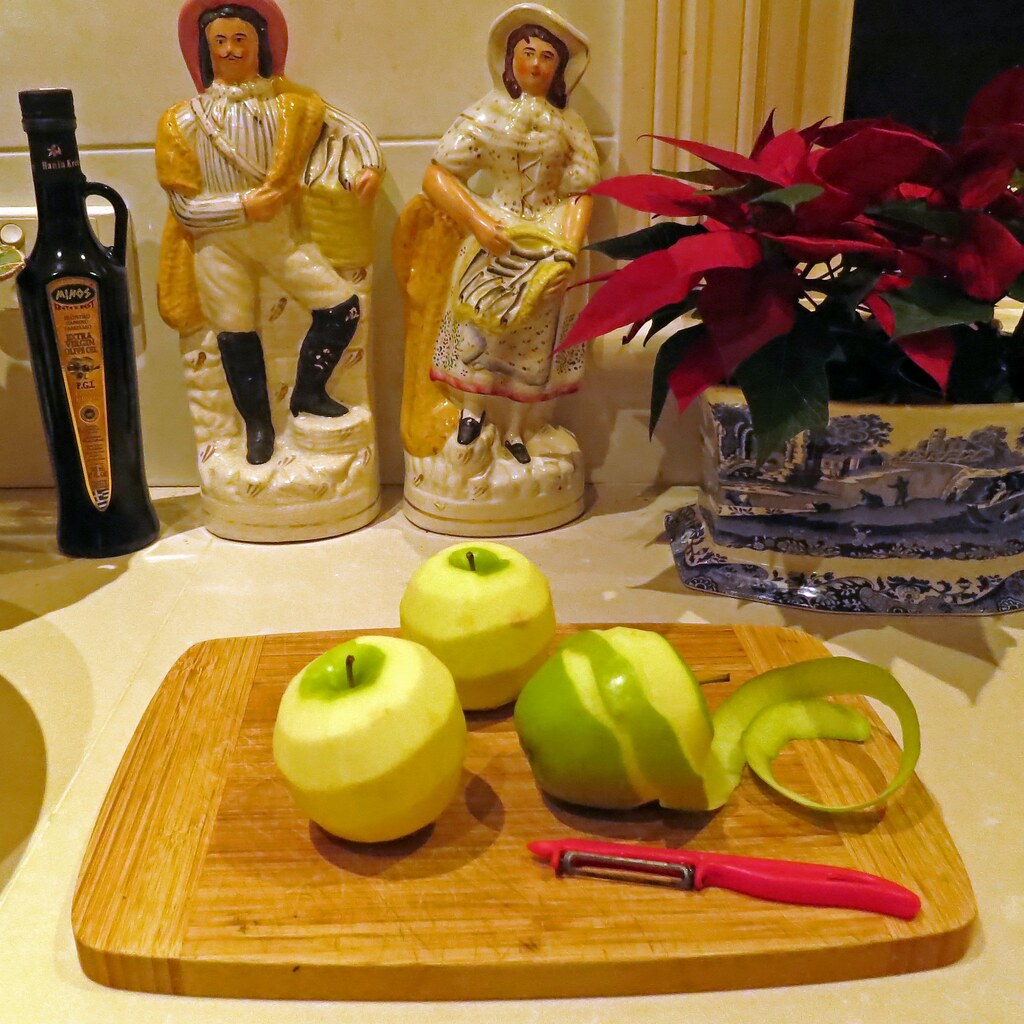
P is for Peeled

Something is peeled if it has had its peel or skin removed.
Peeled is also the past tense of peel.

P is for Peered

Peered is the past tense of peer. For example, "she peered across the ocean".

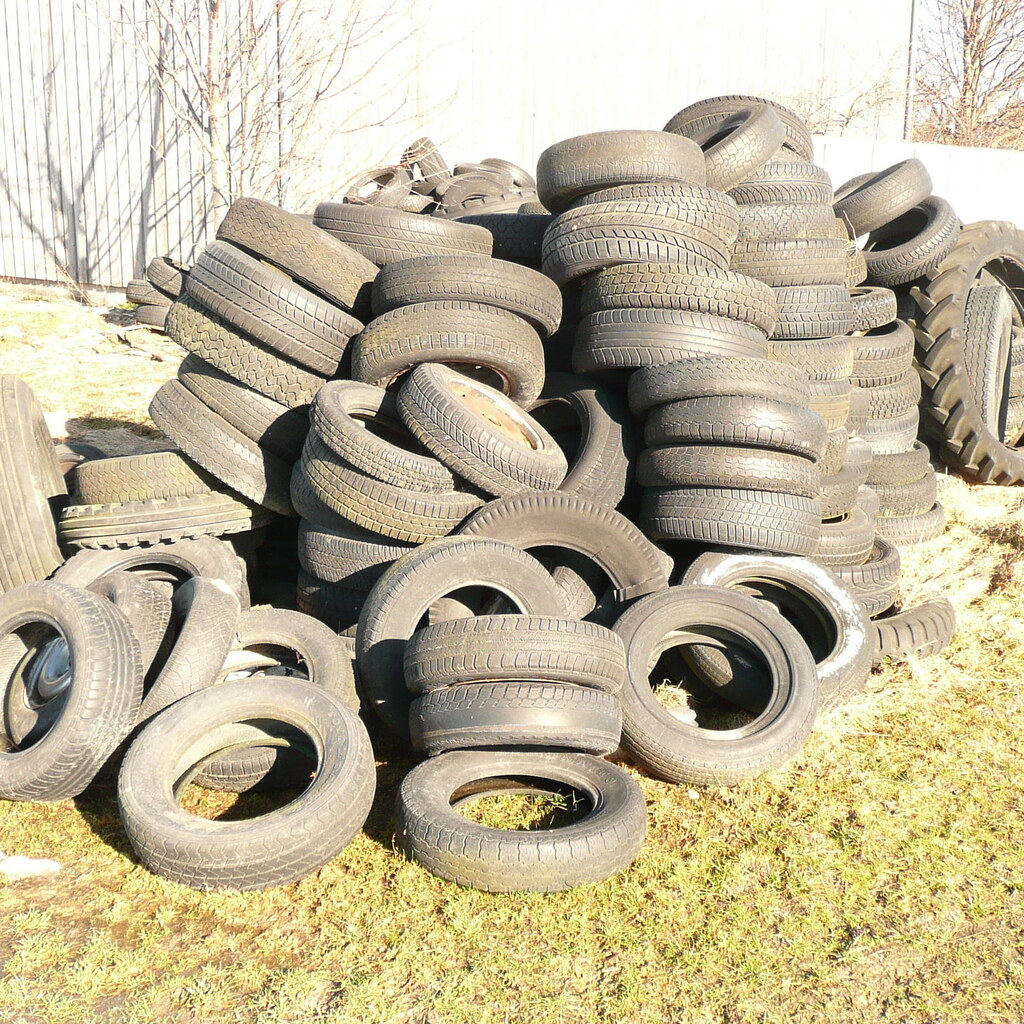
P is for Piled

Piled is the past tense of pile.

P is for Played

Played is the past tense of play. For example, "the children played in the park".

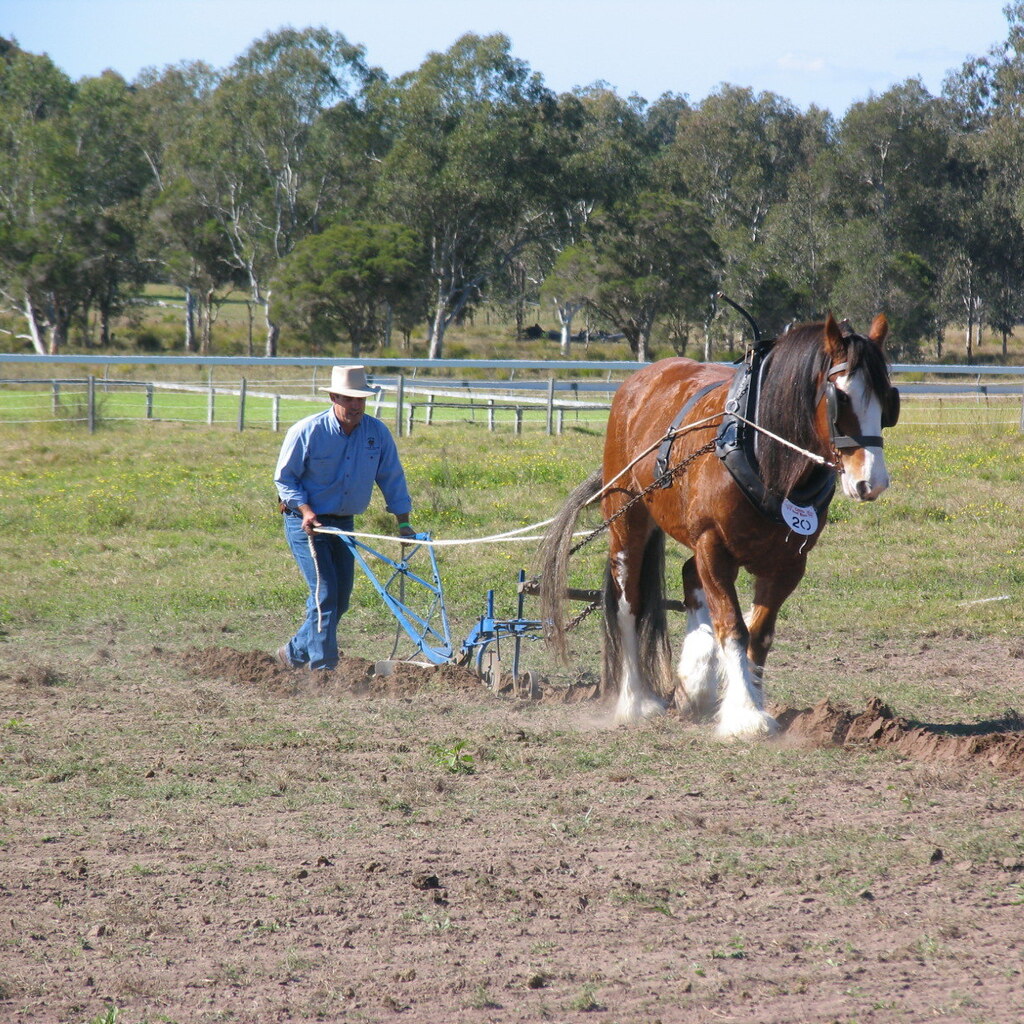
P is for Ploughed

Ploughed is the past tense of plough.

P is for Plowed

Plowed is the past tense of plow.

P is for Plucked

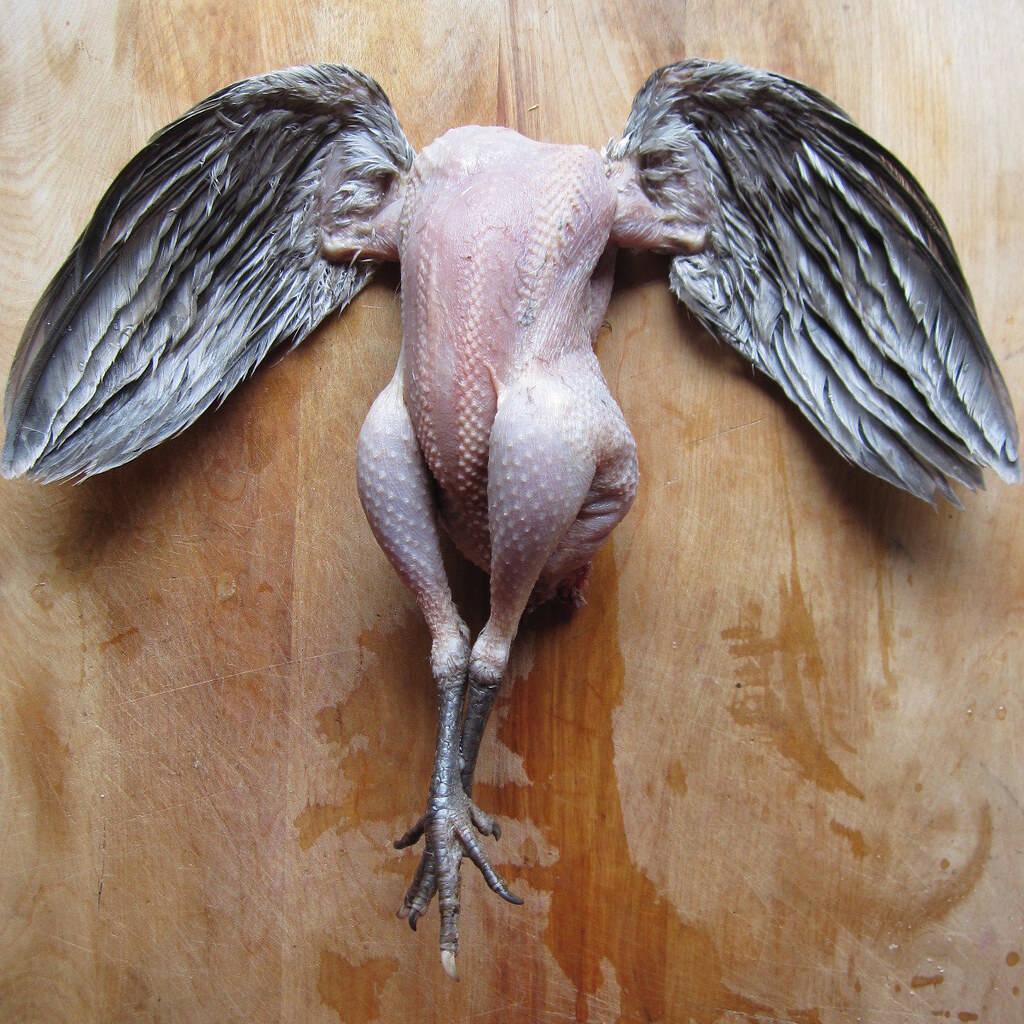
Something is plucked if it has had all the hair or feathers pulled out of it. Plucked is also the past tense of pluck.

P is for Propped

Propped is the past tense of prop, or describes something that is being supported by a prop.