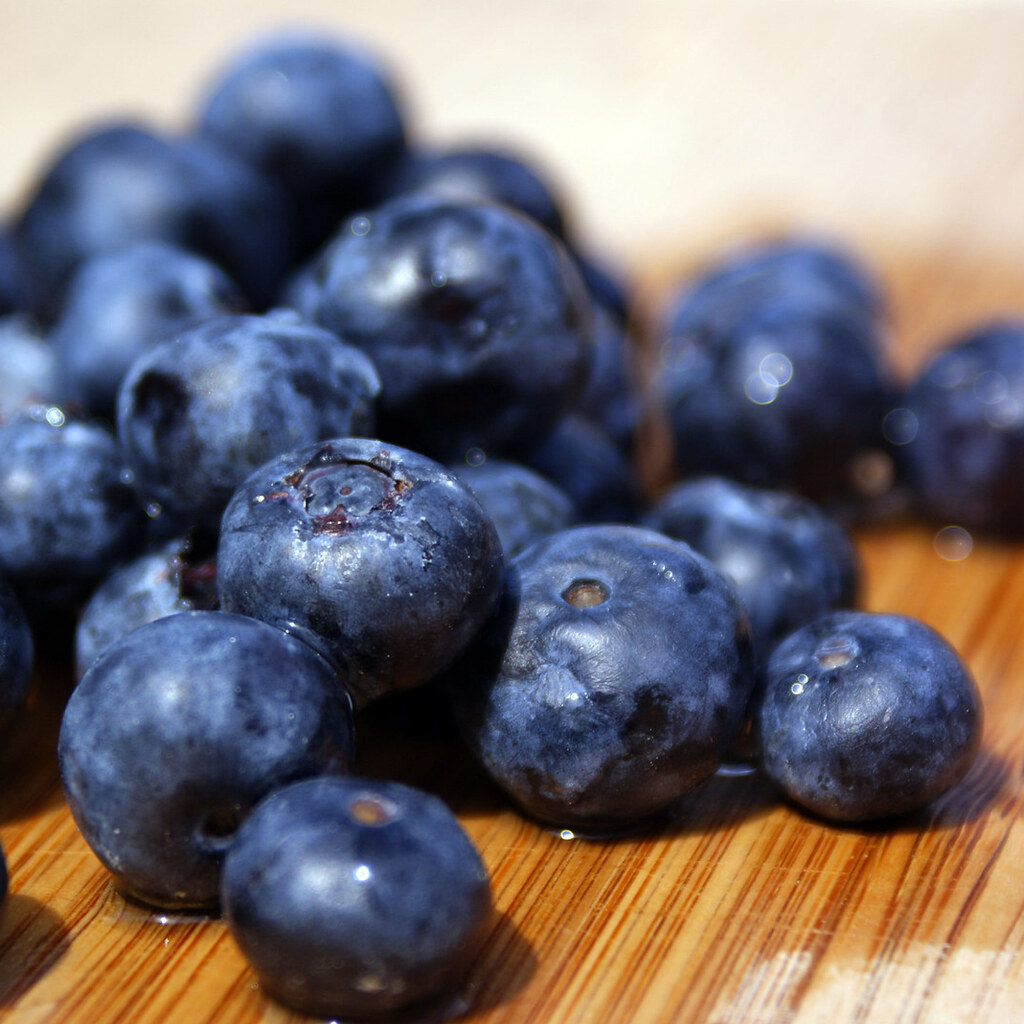
up to Plants

Plants that start with B

The most well-known plants and fungi, listed by their common names.

Showing 21-36 of 36

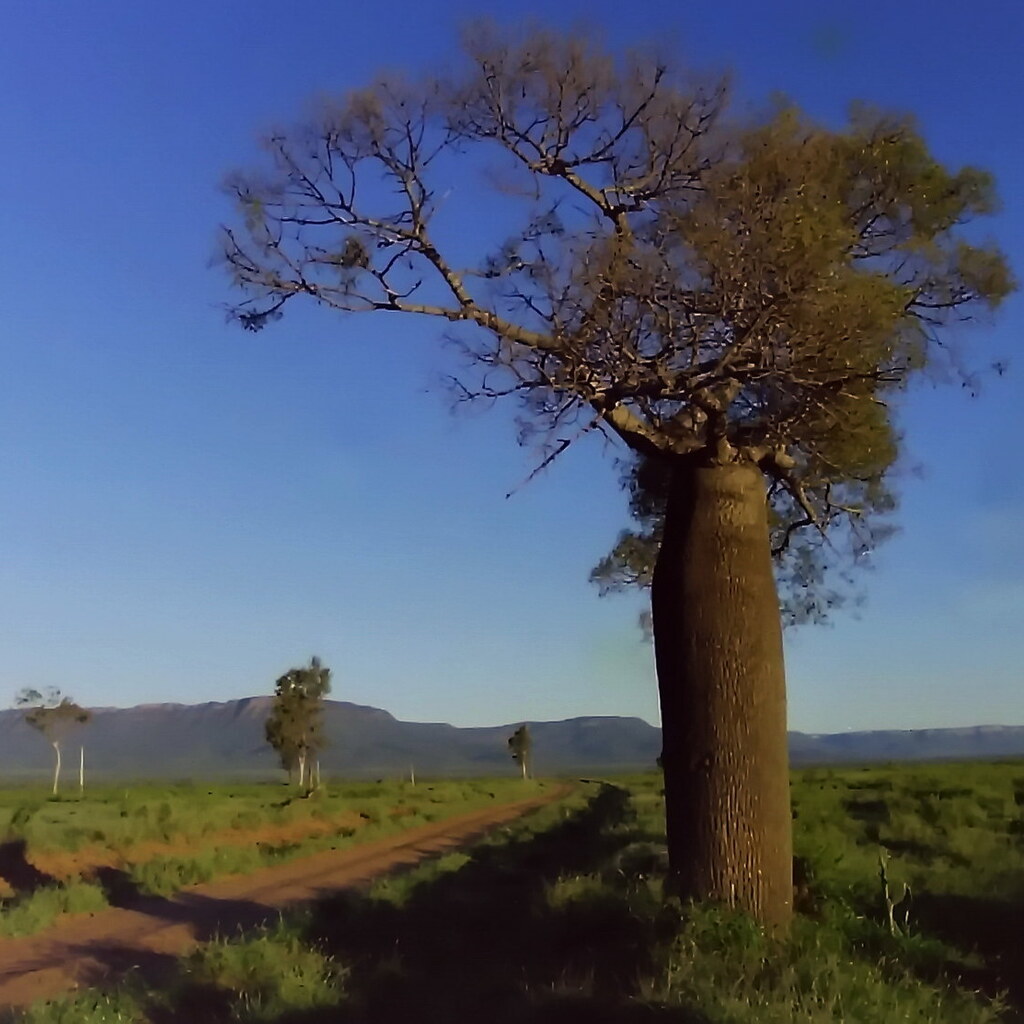
B is for Boab

The boab, or baobab, is a type of tree found in northern Australia. There are other kinds of baobab found in Madagascar and Africa. Boabs look like a bottle, with a very swollen trunk that narrows at the top.

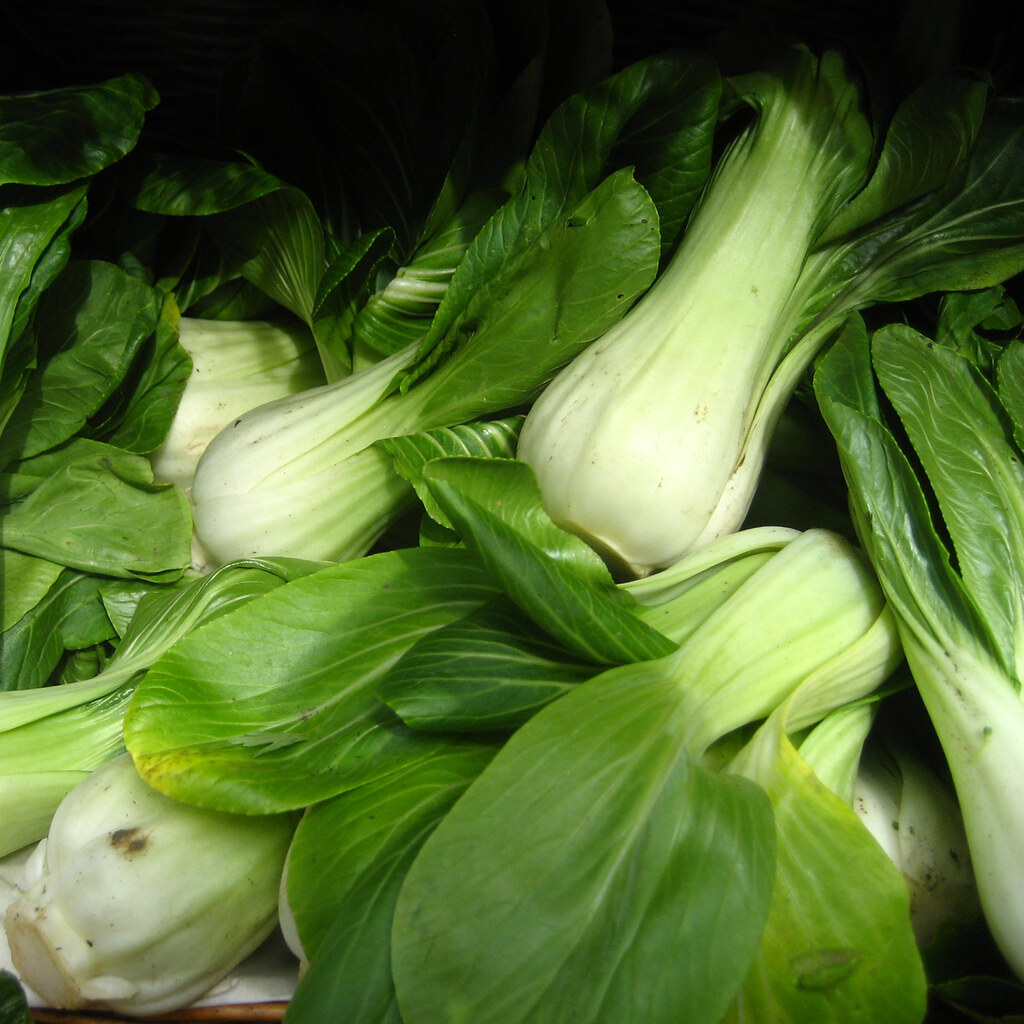
B is for Bok Choi

Bok choi, also called pak choi, is a type of leafy vegetable. It looks like a small cabbage with crunchy white stems and dark green leaves.

People often eat it cooked, such as in stir fry, soup, or steamed dishes.
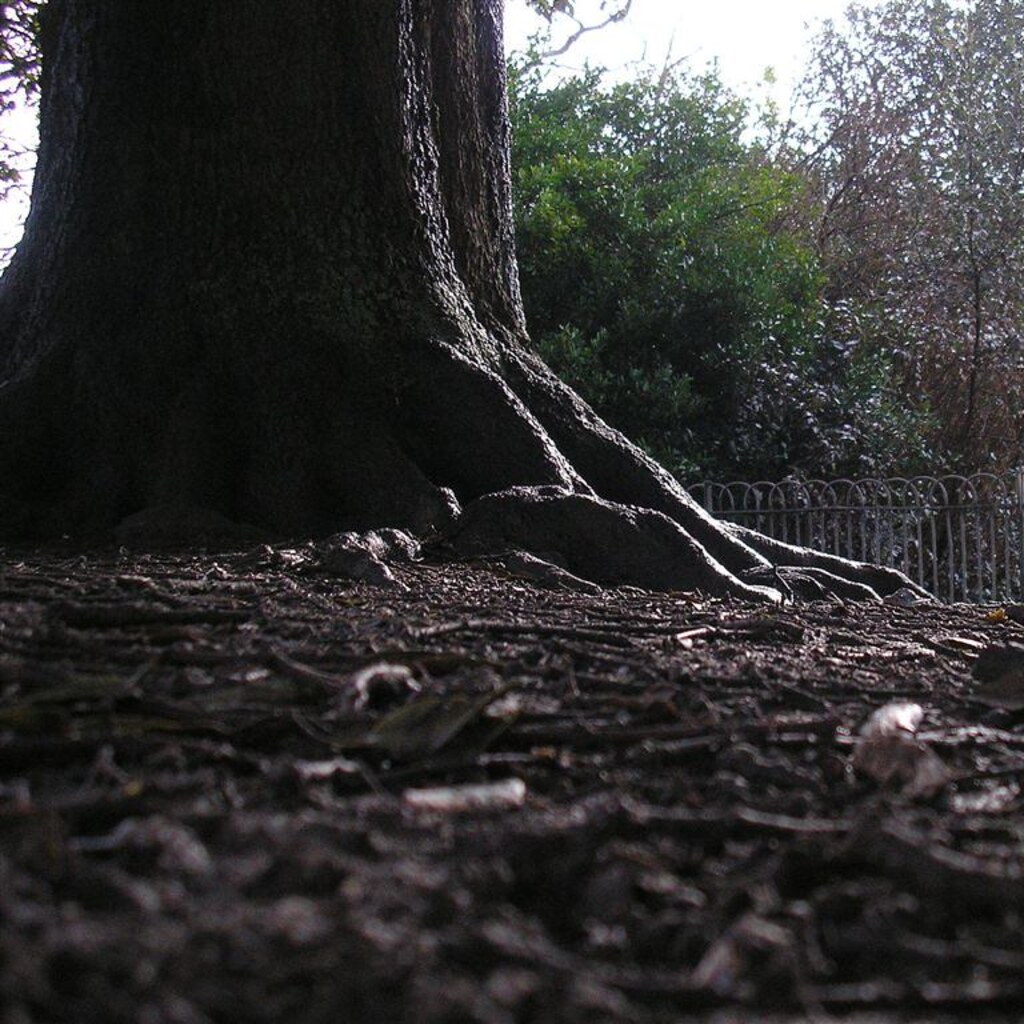
B is for Bole

The trunk of a tree is also called a bole. The bole often refers to the lowest, widest part of the tree's trunk.

B is for Bottlebrush

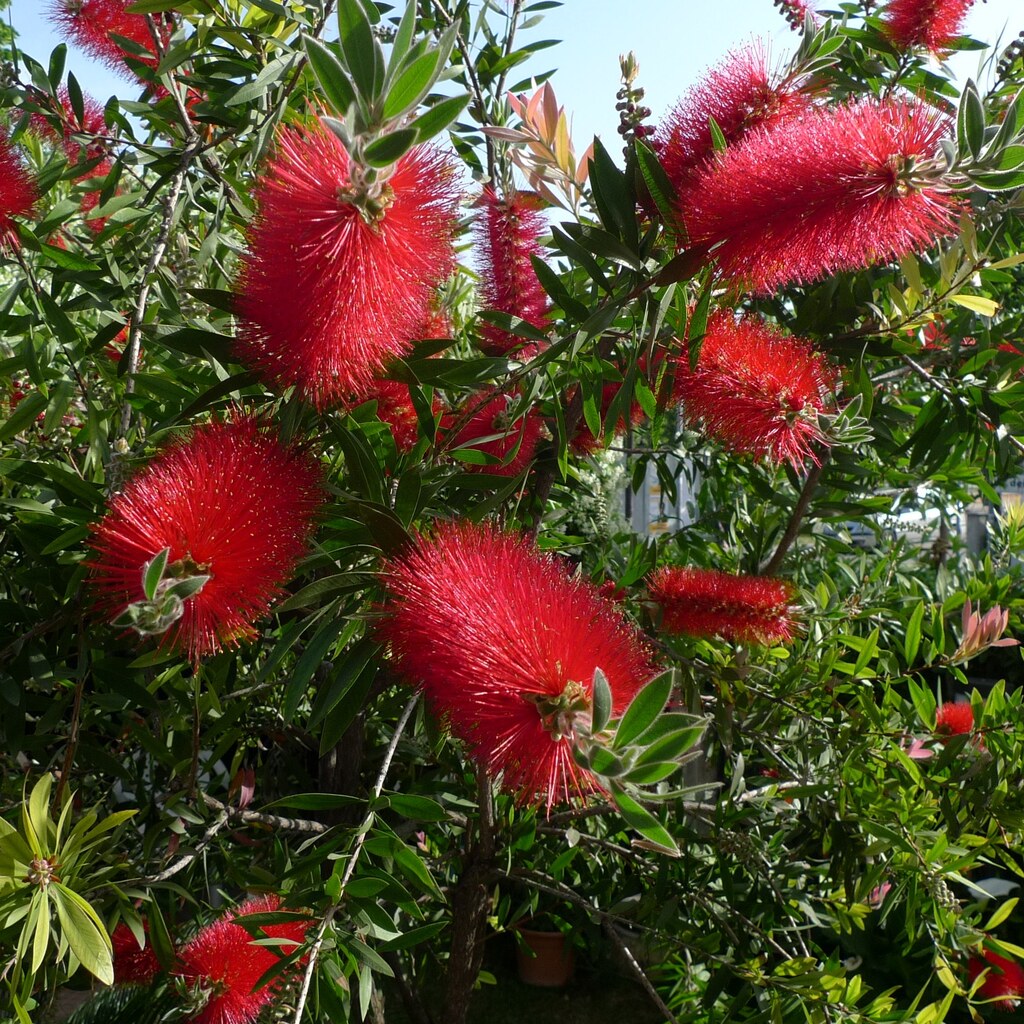
Bottlebrush are a kind of evergreen flowering shrub found mainly in Australia. They have very distinctive flowers that grow in clusters and are mostly stamens with petals so small you can barely see them. There are a lot of different varieties of bottlebrush, each growing to a different size and shape and needing slightly different conditions to grow.
Some bottlebrush species are also found in New Caledonia.

Bouganvilleas are woody, climbing vines covered in thorns. They have spectacular flowers in shades of purple. Bouganvilleas are native to south America. They do not tolerate frost.
What looks like their flowers are not actually flowers, but colored leaves, with the true flower being the small structure in the center.
B is for Bough

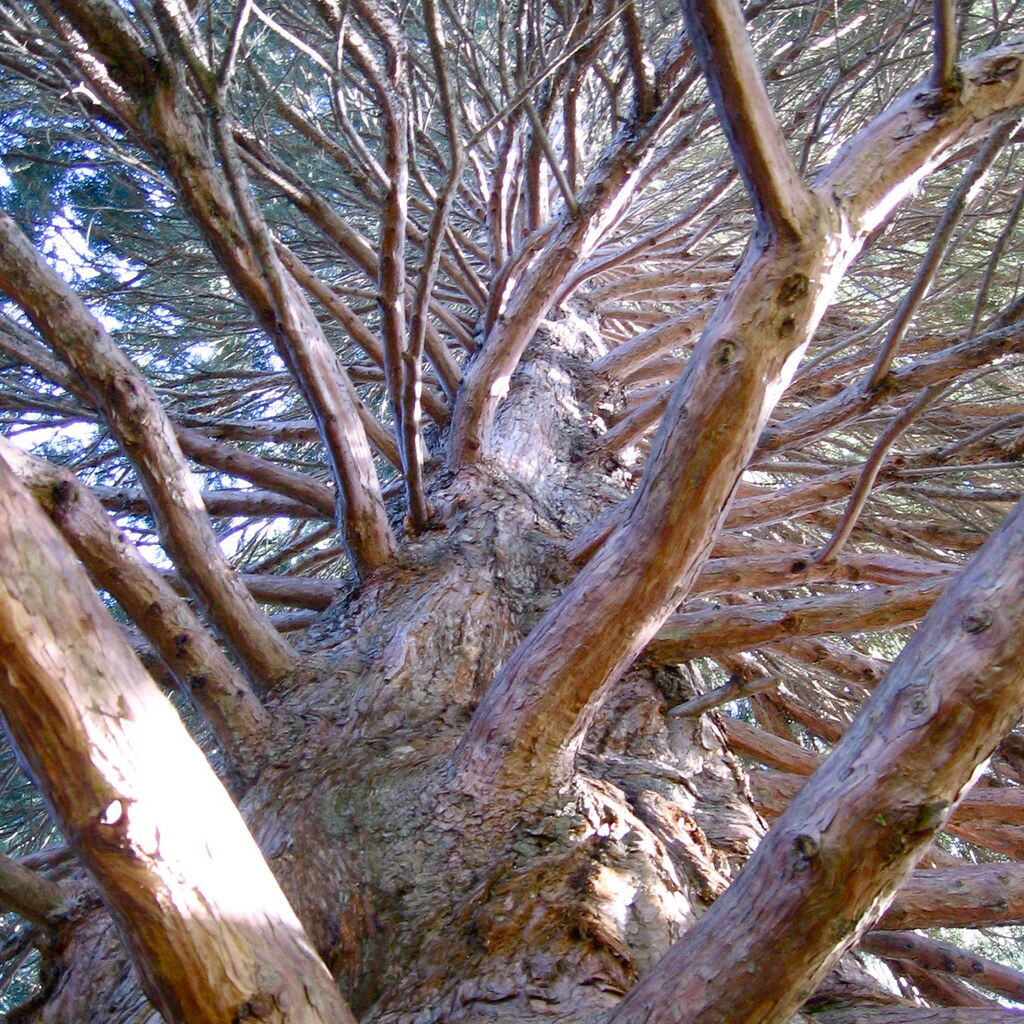
A bough is another word for a tree branch.

B is for Branch

Branches are parts of a tree that are connected to the main trunk of a tree. Some trees have a very short trunk and lots of thick branches. Most branches are diagonal and point upwards, except in weeping trees where they may droop downwards. A very small branch is called a twig.

B is for Brazil nut

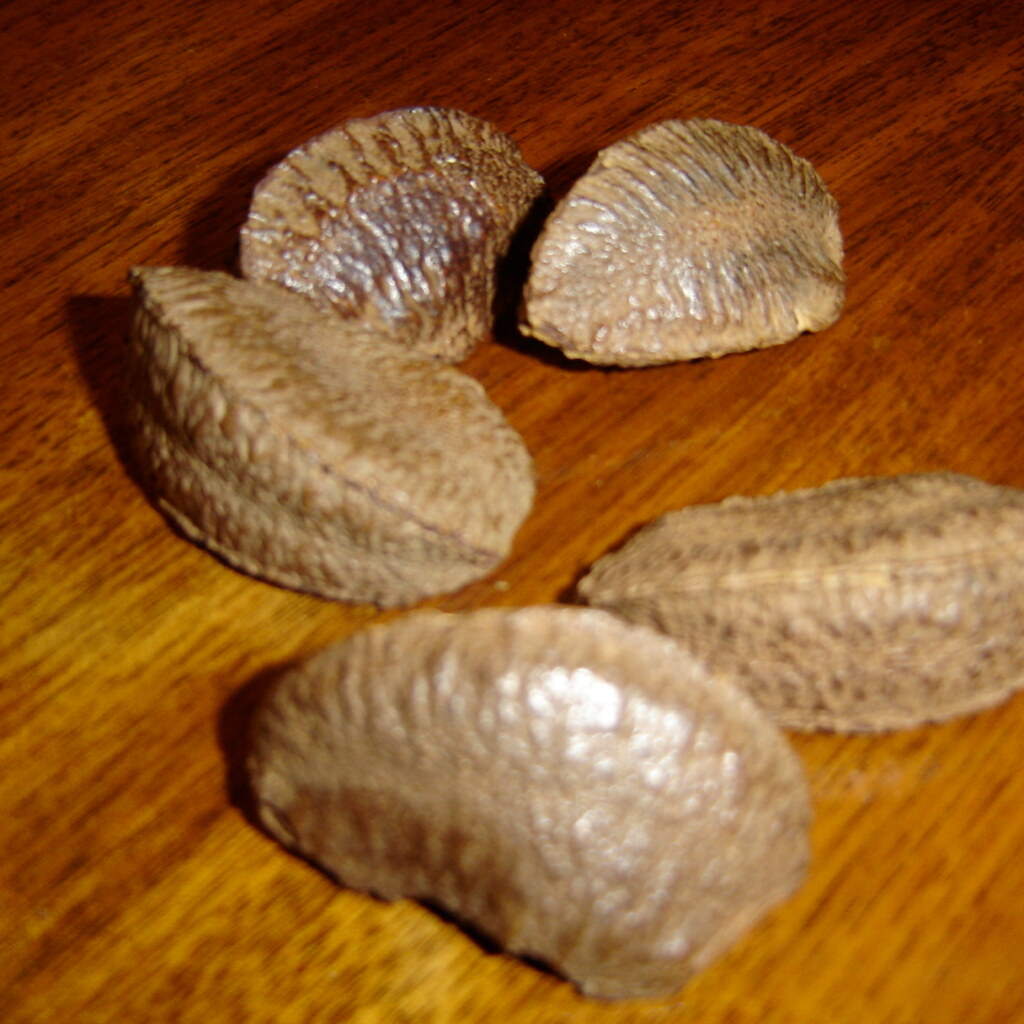
Brazil nuts are the seeds of a tree from South America. The Brazil nut tree is a very large tree, and the nuts only grow when the tree is in an undisturbed forest. The insects that pollinate the Brazil nut flowers are only found near a particular kind of orchid.
The Brazil nuts themselves grow inside a large fruit the size of a coconut, with the nuts in shells like in the picture arranged like the segments of an orange.

B is for Broccoli

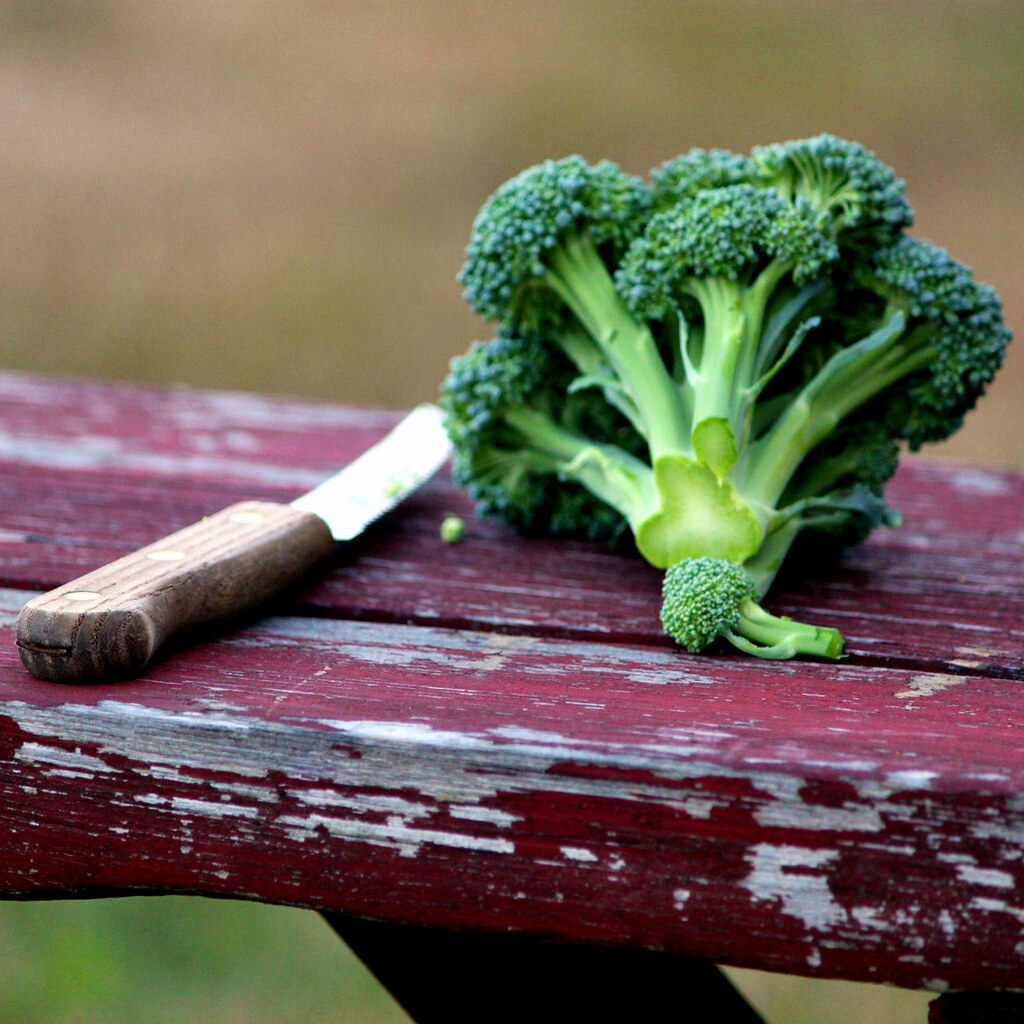
Broccoli is the unopened flower of a kind of cabbage. It is closely related to the cauliflower.

B is for Broccolini

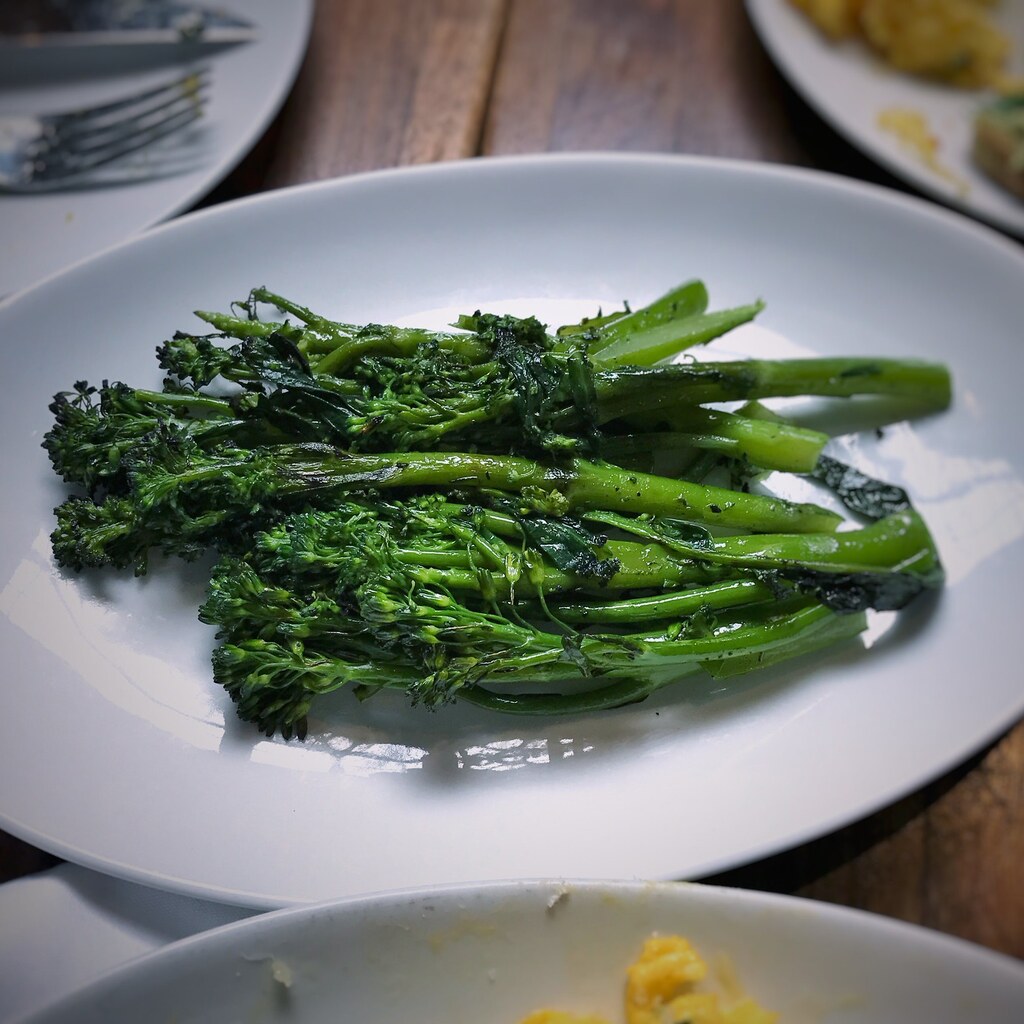
Broccolini is a type of vegetable that looks like small broccoli with long, thin stems. It has green florets, and it tastes a little like broccoli, but often milder. You can steam, roast, or stir fry broccolini.
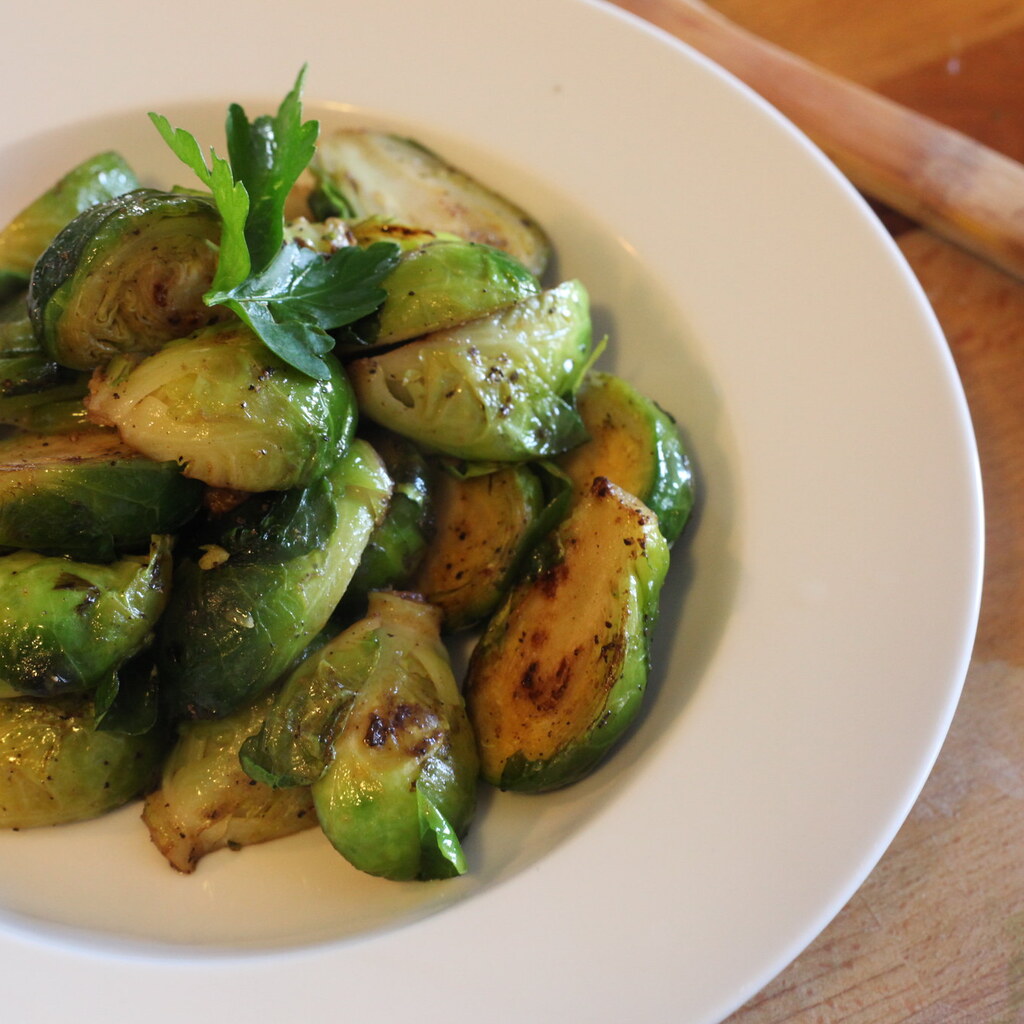
Brussels sprouts are a member of the cabbage family, which is why they look like tiny cabbages. They are usually cooked whole, boiled, steamed or roasted. If you overcook them they release chemicals that don't taste very good, so you should only cook them for about 6-7 minutes.

B is for Bud

A bud is a point on a plant where something new is growing. Usually a bud is a place a new leaf is growing, but a flower that is just starting can also be described as a bud or flowerbud. Deciduous plants start to bud as spring approaches.

B is for Bulb

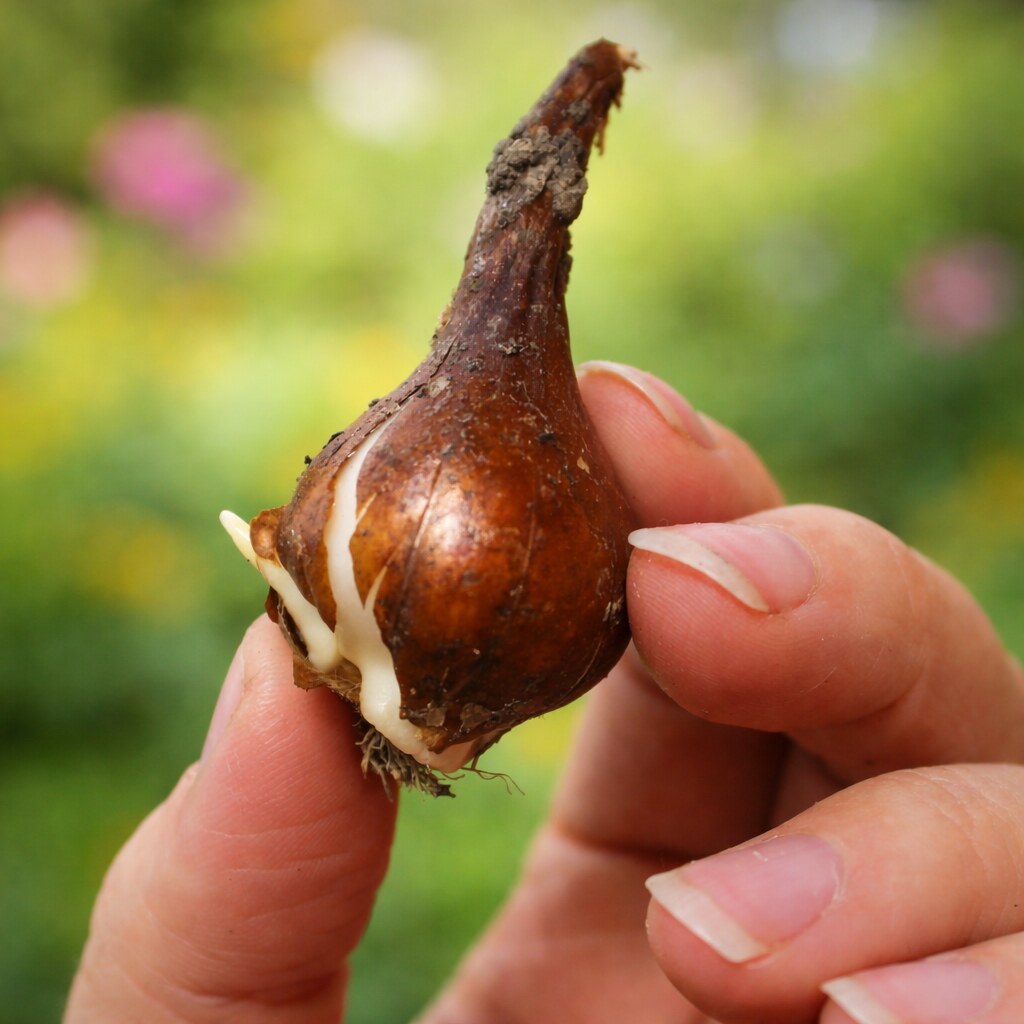
A bulb is a part of a plant that is usually below the ground, or partly below the ground. Bulbs are usually quite spherical but pointed at the top like a teardrop. Bulbs grow roots from the bottom and leaves from the top.
Some types of plants that grow from bulbs are onions, lilies and tulips.
Anything that has a similar shape to a bulb may also be called a bulb, such as the bulb at the bottom of an old fashioned thermometer.
B is for Burr

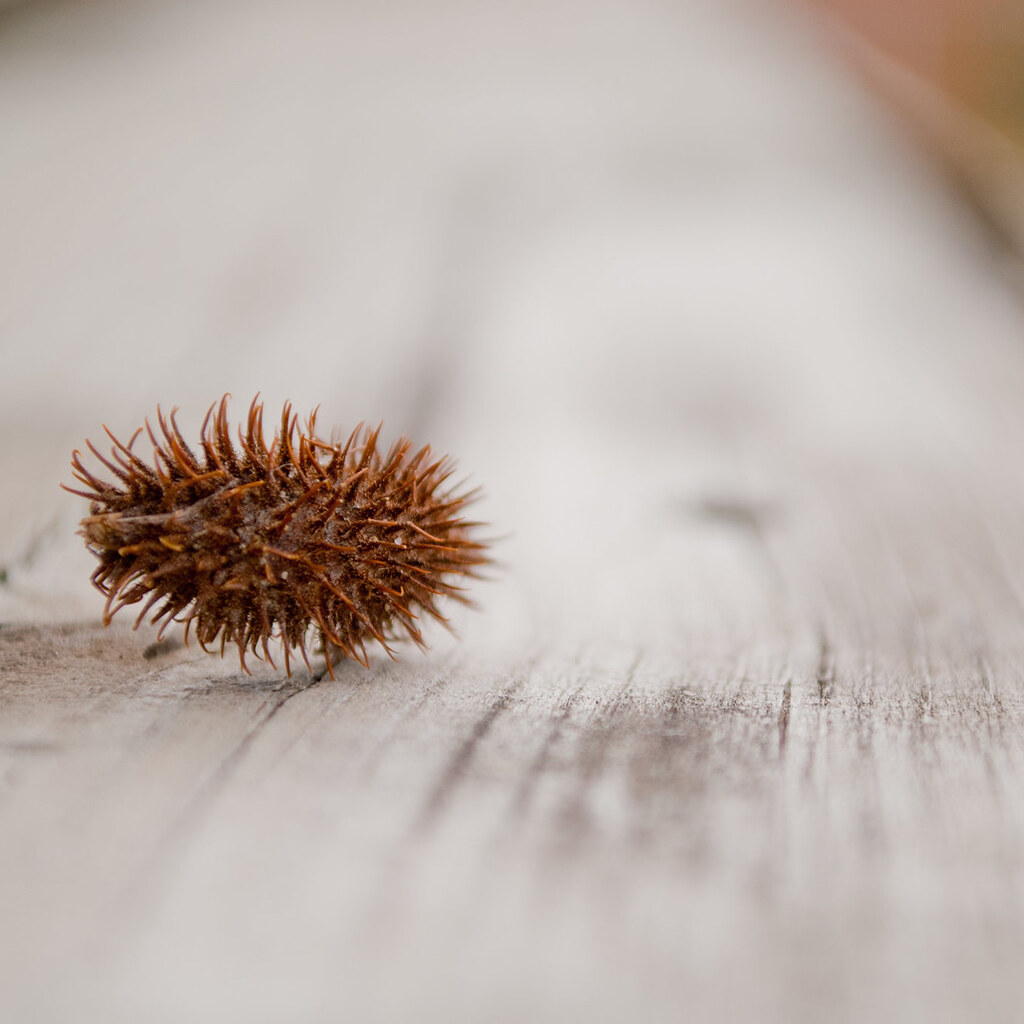
A burr is any plant seedpod that is prickly and easily gets caught up in animal's fur.
A burr is also a sharp, rough edge left behind by a cutting tool, or a rough part on other kinds of surface.

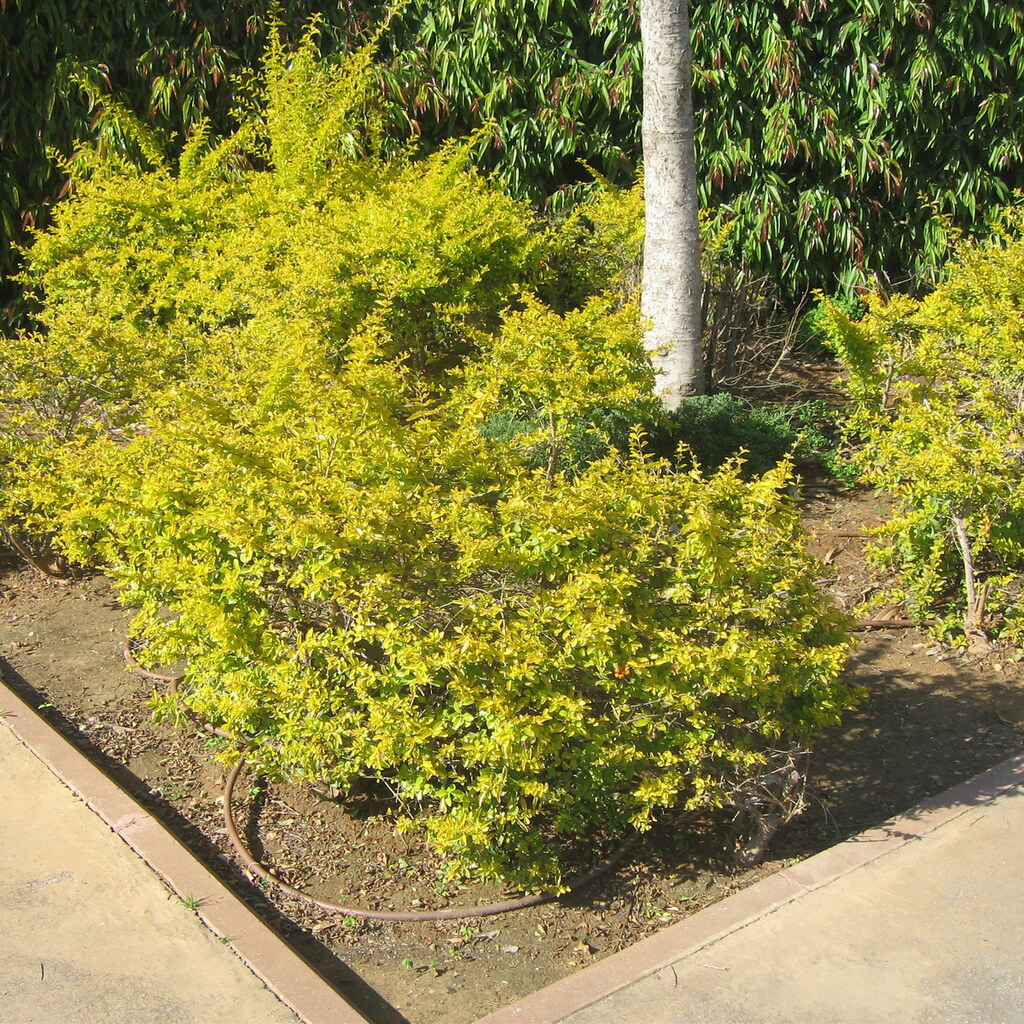
B is for Bush

Bush is another word for a shrub. Bush can also be used to describe a wilderness area that has bushes and trees in it.
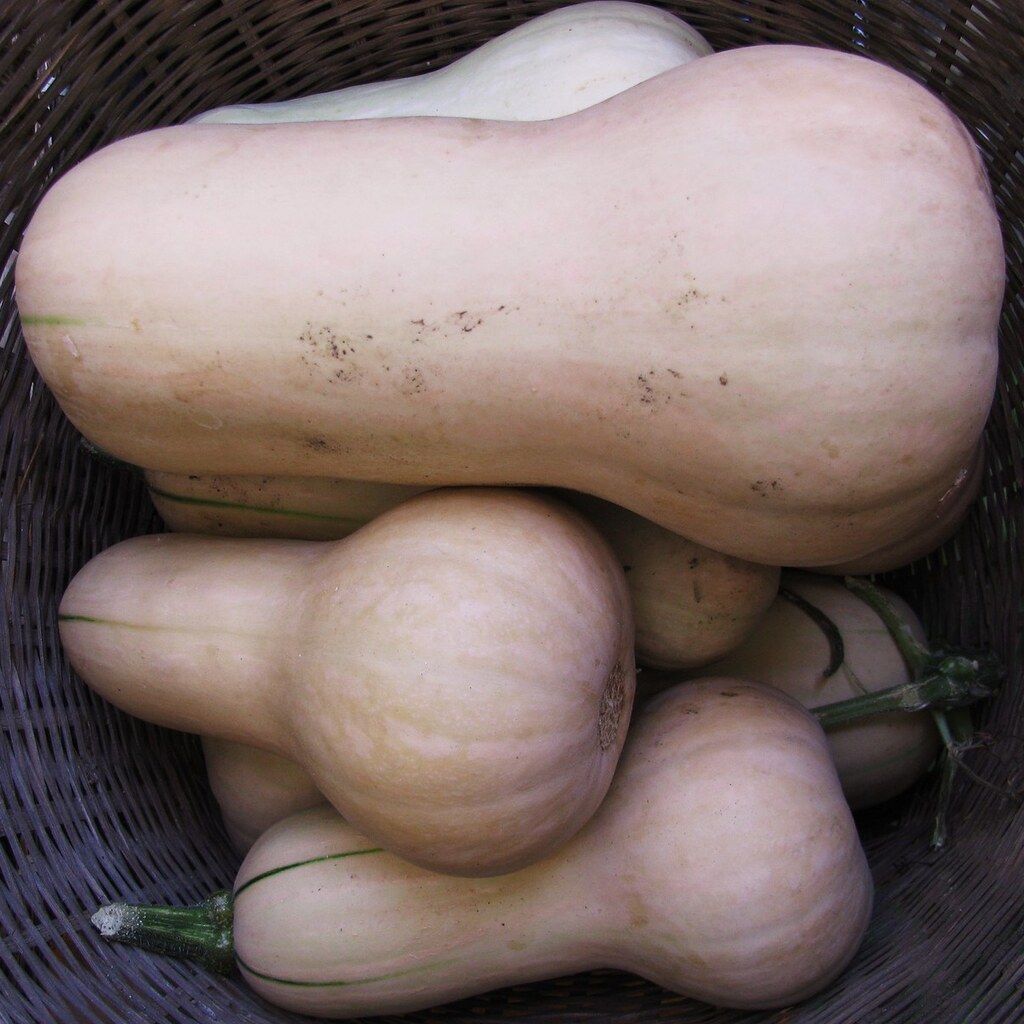
The butternut squash or butternut pumpkin can be eaten roasted, mashed, or made into soup. It is a quite small, sweet, mild variety of squash.