Fire

Relating to fire, heat and burning.

Showing 1-20 of 31

A is for Ablaze

Something is ablaze if it is on fire, burning brightly.

A is for Afire

Afire is an old fashioned way to say burning or on fire. It can also mean strong feelings or excitement, as in "he was afire with love".

A is for Alight

Alight can have many different meanings.
It might mean something that is on fire. It might also mean you are getting off something after it has stopped moving, like a horse or a train. It could also mean you are coming onto something after a flight, as in "see the bird alight on that branch".

A is for Arson

Arson is the act of deliberately setting on fire either someone else's house or other belongings, or your own house or belongings, usually because you want to claim insurance. In most countries, arson is a crime.

A is for Ash

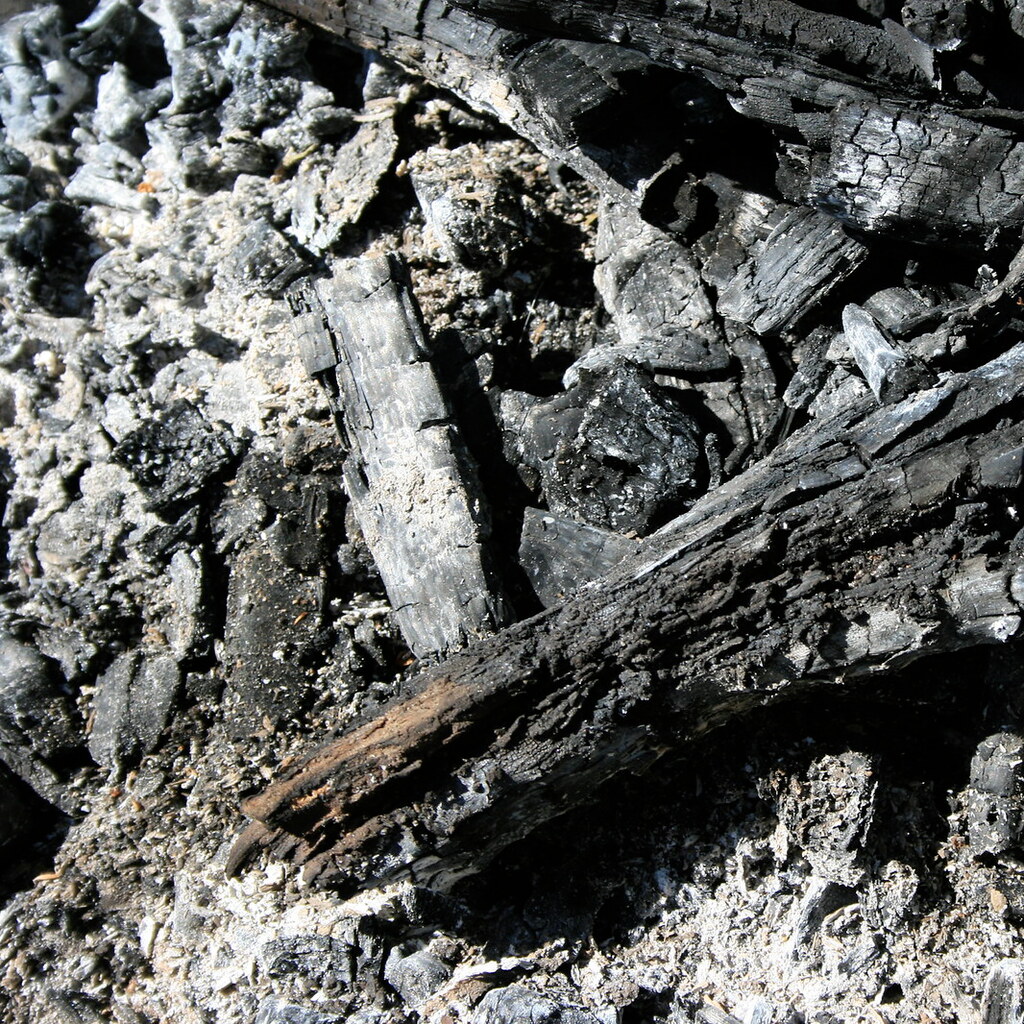
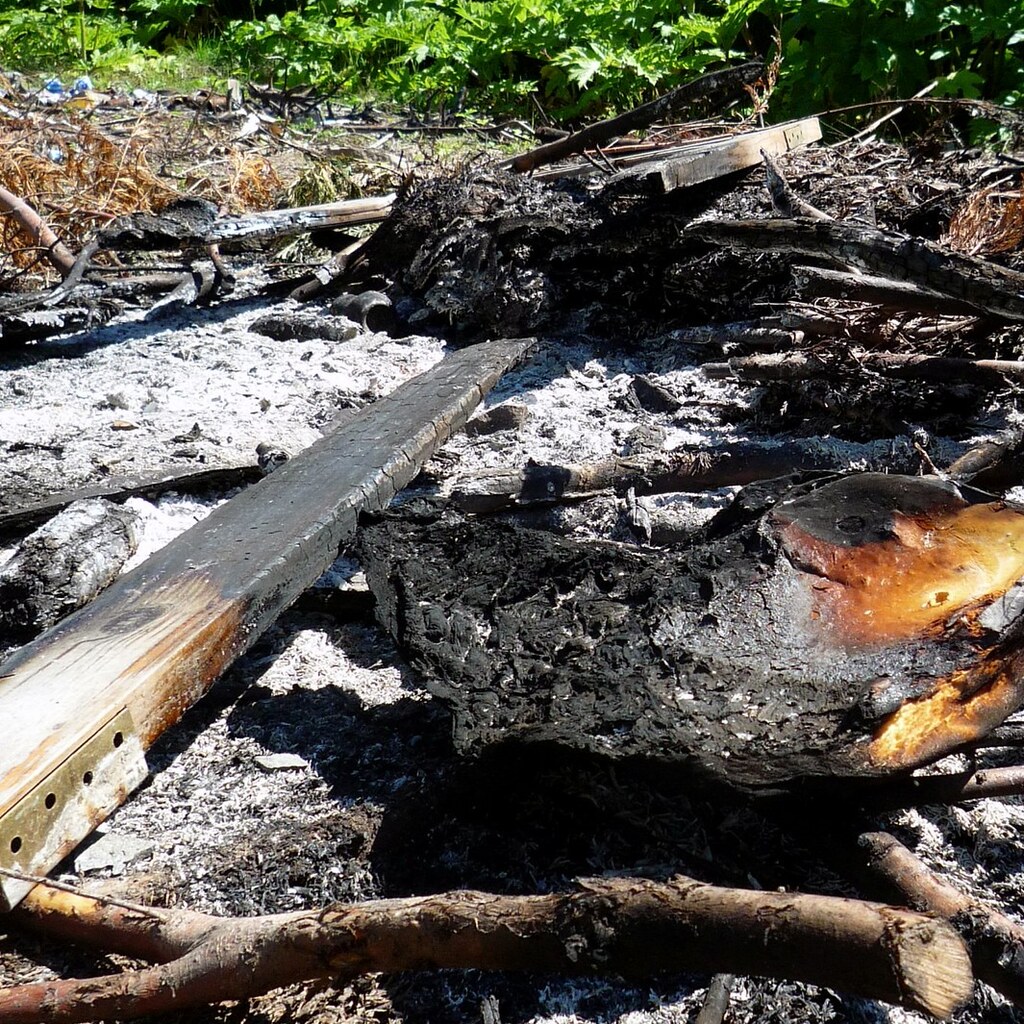
Ashes are the black and grey residue that is left after a fire. Ash is also thrown out in large quantities from volcanoes. Some ash, called charcoal, can be used to draw with.

B is for Bonfire

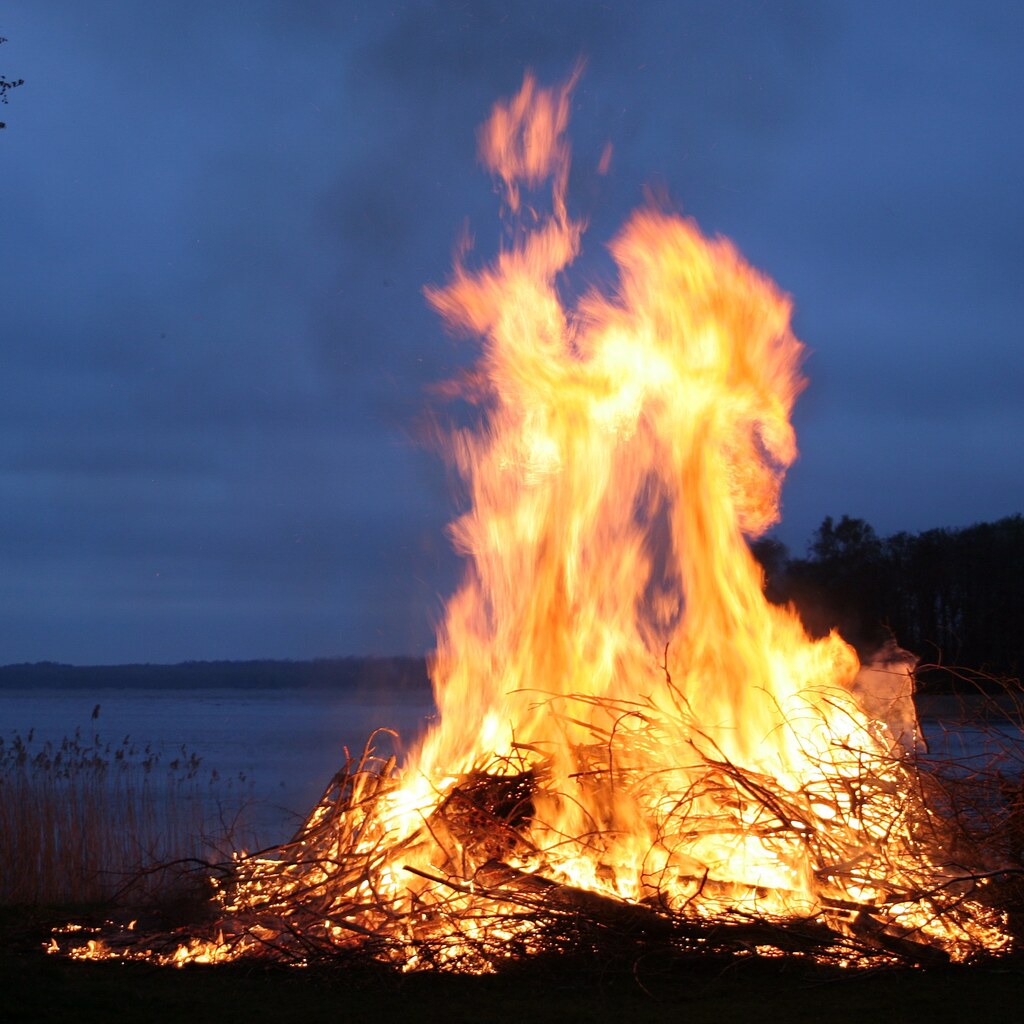
A bonfire is a large fire that has been lit outside. Bonfires are typically lit at a celebration or a party.

B is for Burn

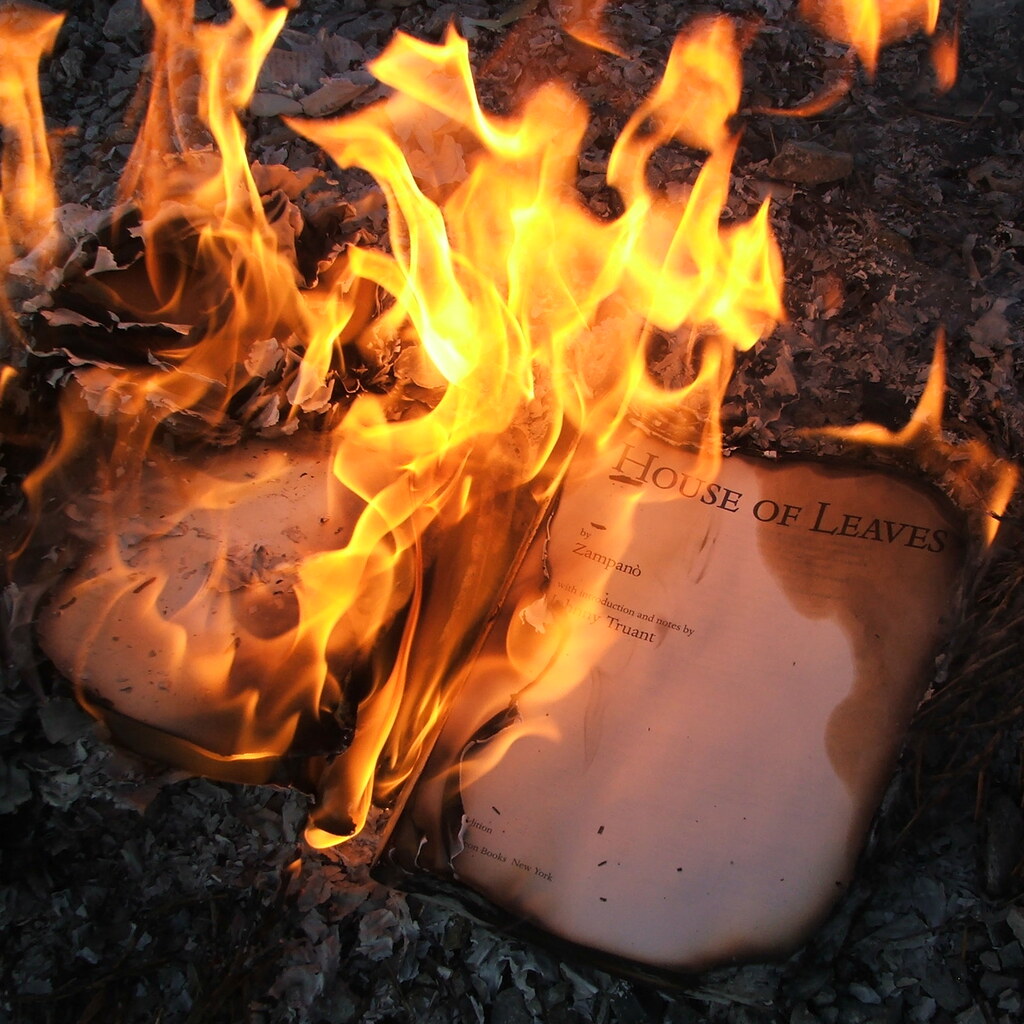
Something is burning if it is on fire. Many things can be burnt, but wood, coal and paper are the most common things to burn.

B is for Burnt

Something is burnt or burned if it was on fire at some point in the past and is now blackened and charred. Food can become burnt if you cook it for too long.

C is for Campfire

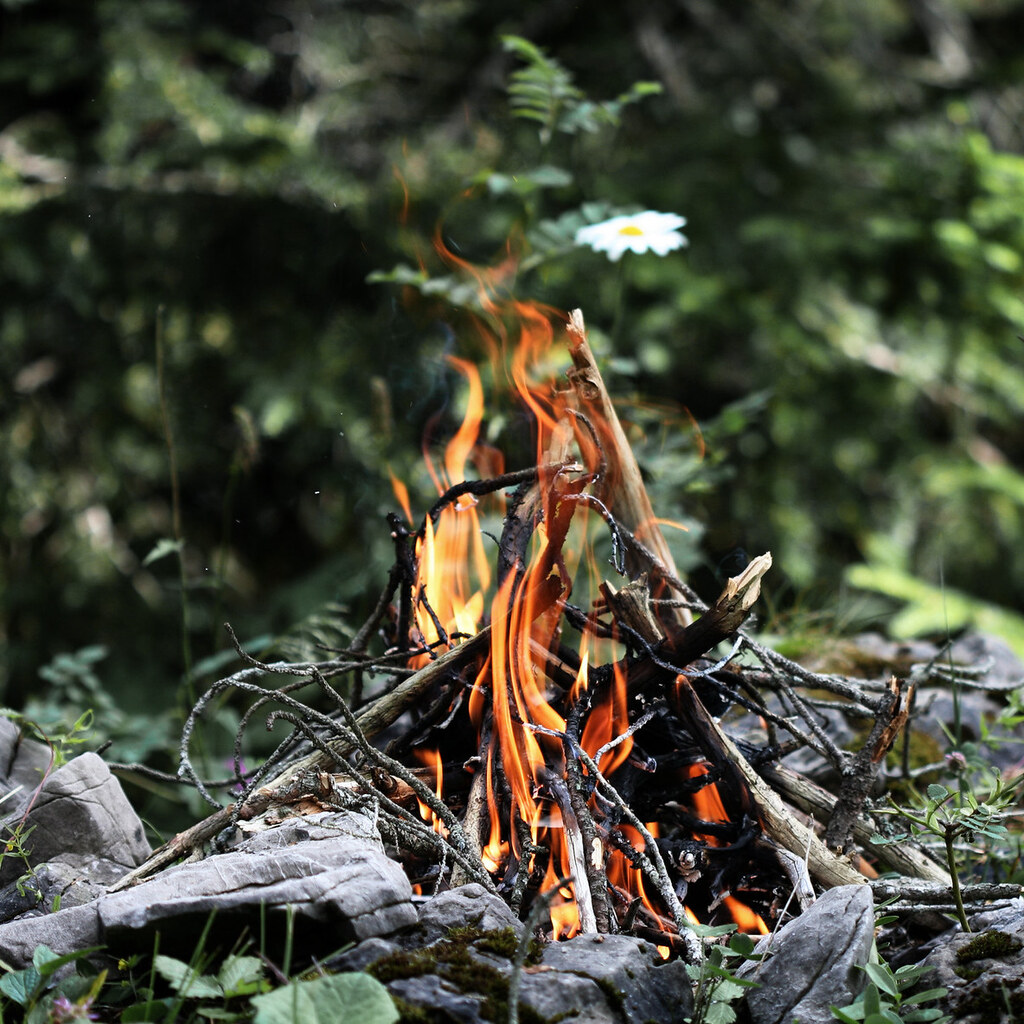
A campfire is a small outdoor fire that you build when you are out on a camping trip. People build campfires to keep warm and to cook on.

C is for Candle

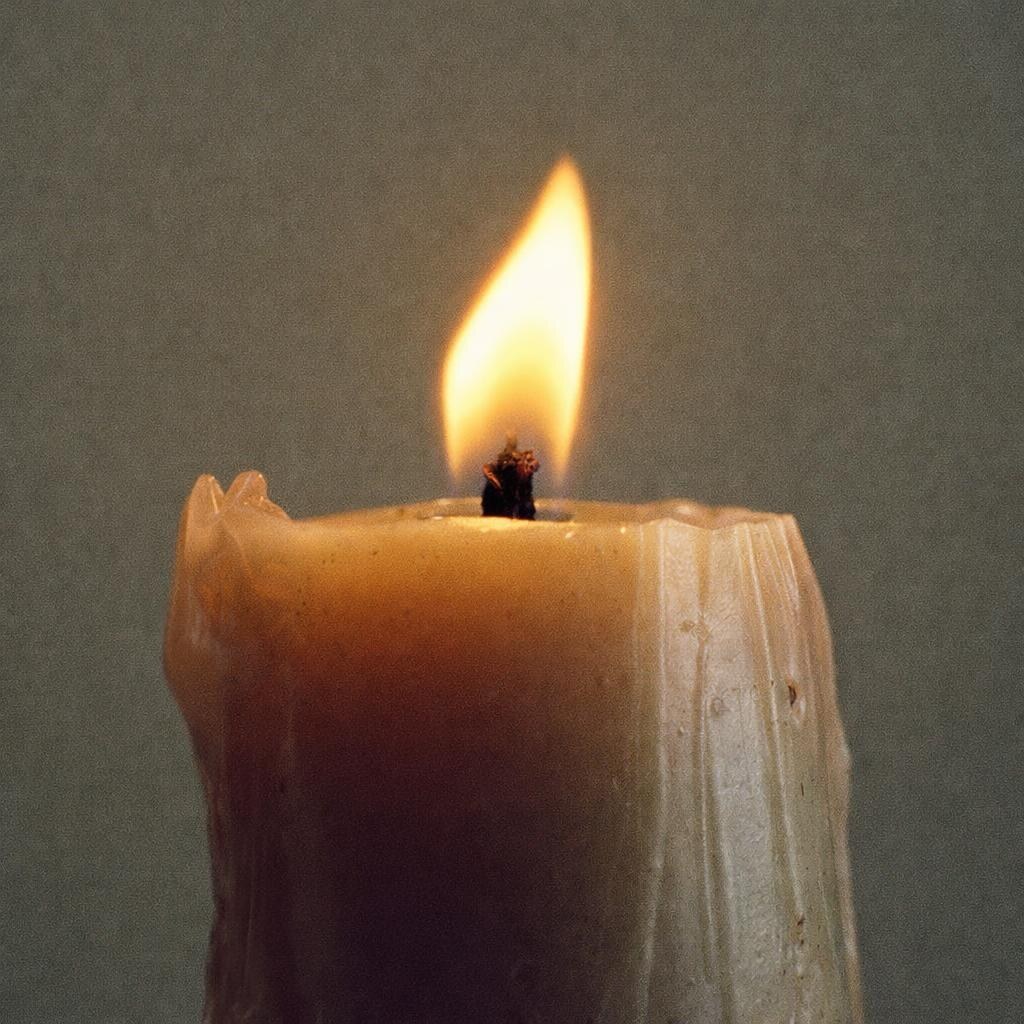
Candles used to be the main source of light for people long ago before light bulbs and electricity were invented. Candles are made out of a piece of string, or wick, which is surrounded by wax.
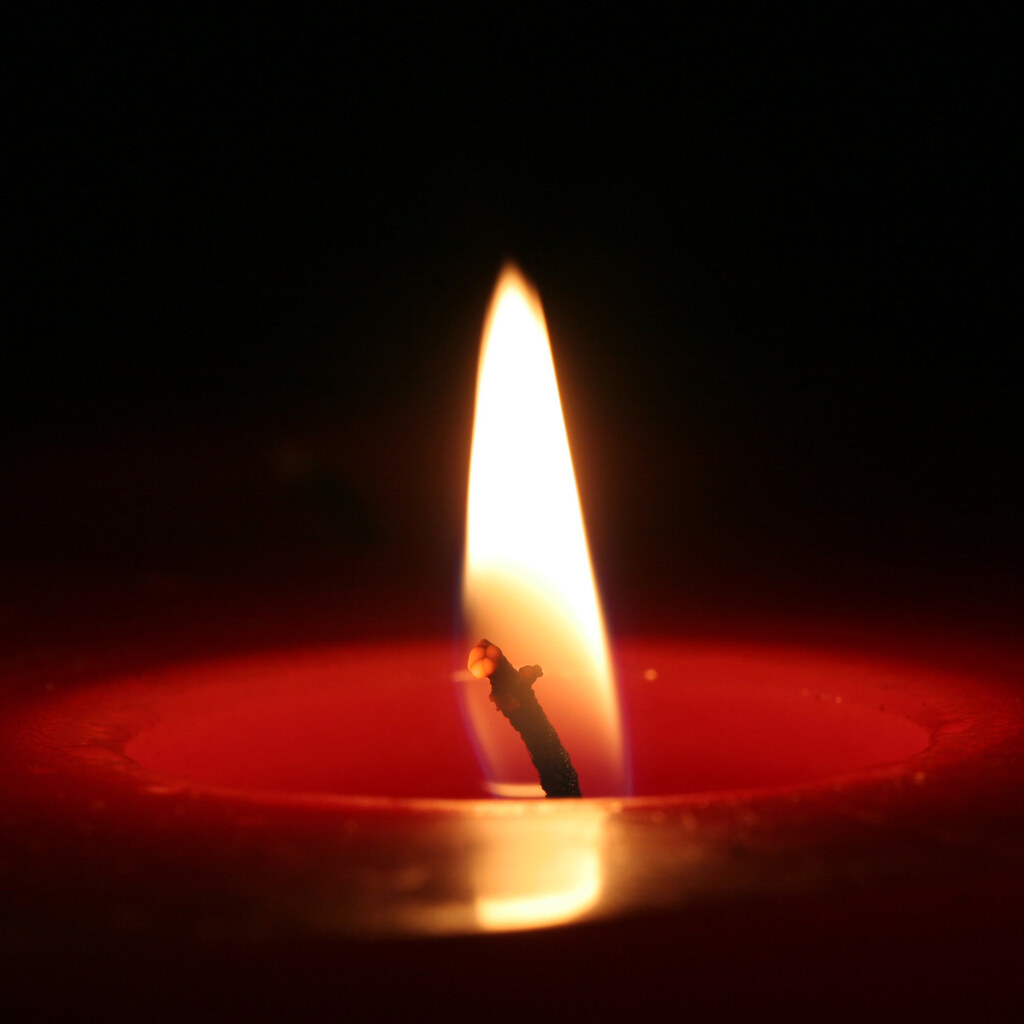
When the candle is first lit you set the wick on fire but once the wick is burning it melts the wax, so after that first few moments the candle burns the wax not the wick.
C is for Char

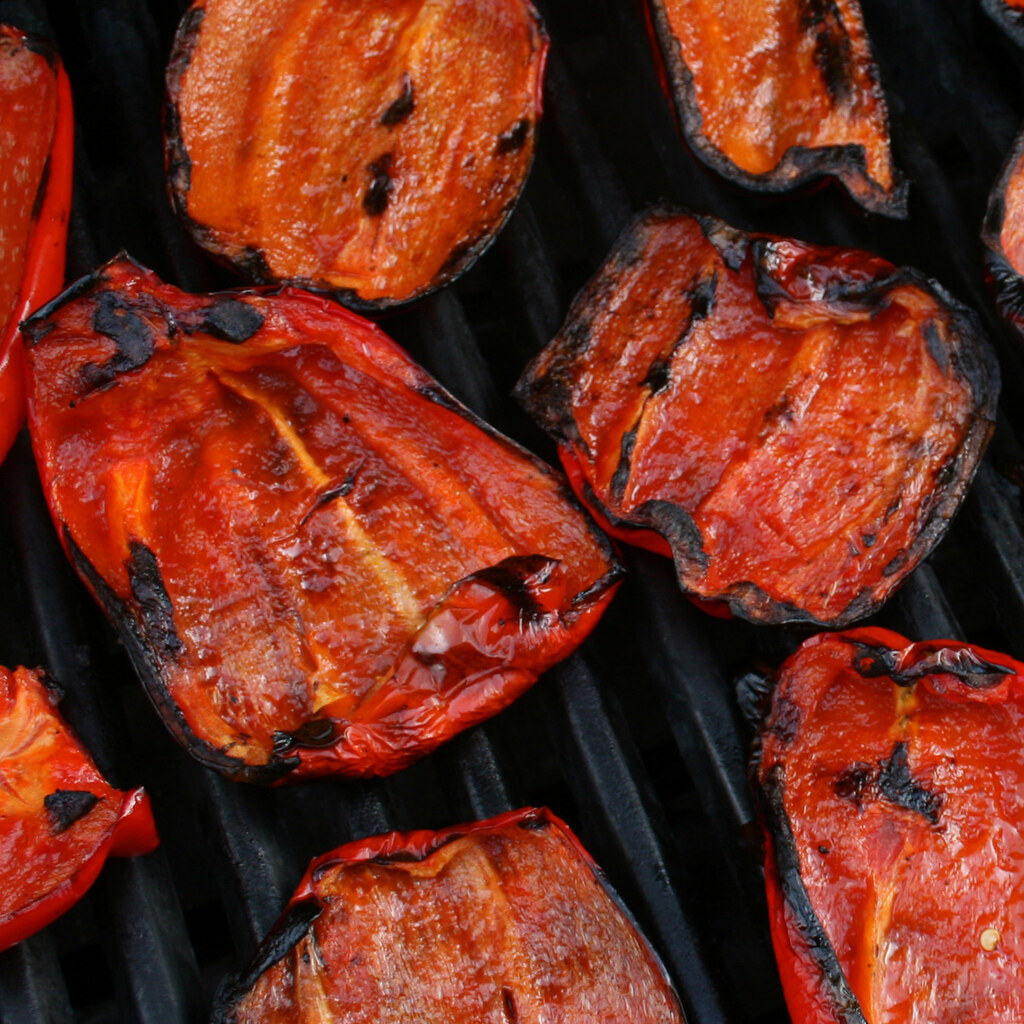
You char something by burning it slightly, so it becomes charred.

C is for Combust

To combust is a more scientific way of saying burn.

Combustion generally happens when something is hot, and oxygen is present. Things you often see combust are wood, candles or gas inside a car's engine.

E is for Ember

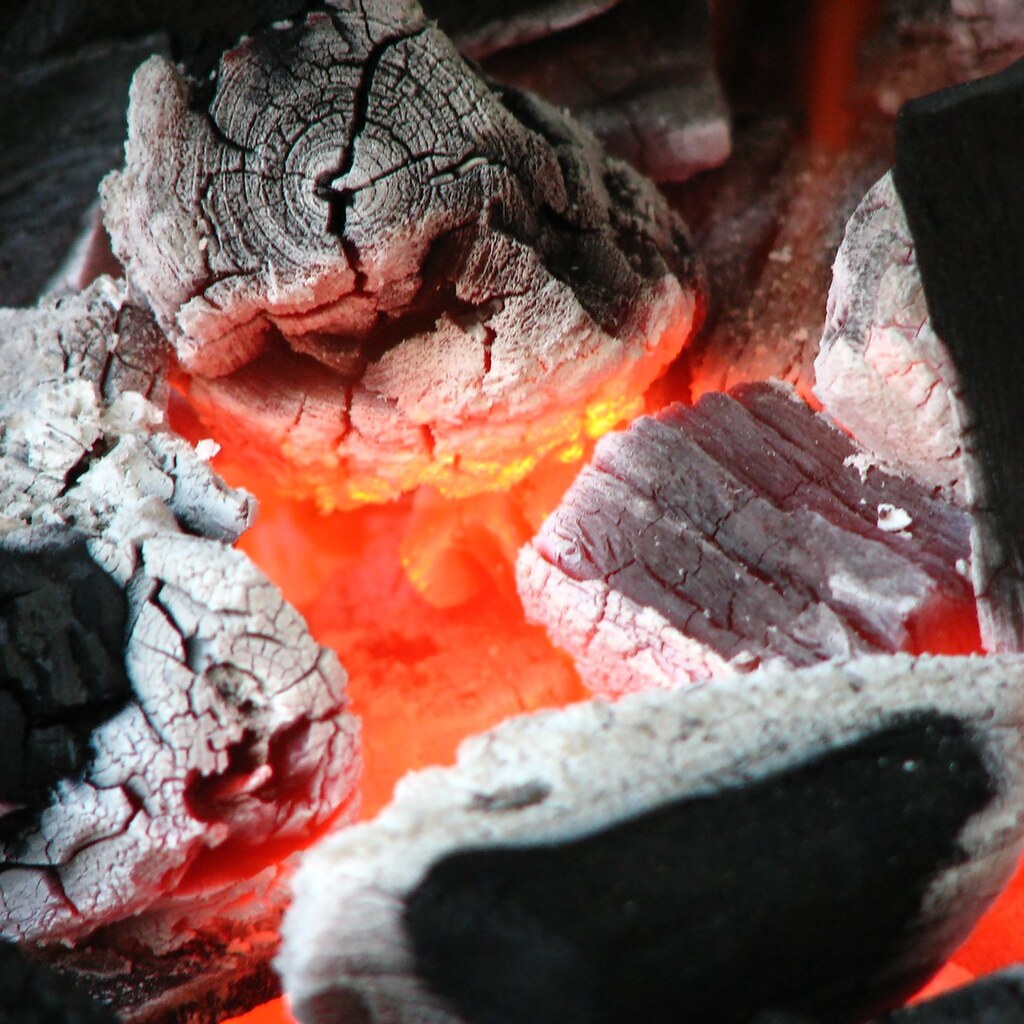
Embers are small pieces of wood or coal in a fire that are not actively burning but are still glowing and hot. Hot embers can be used to start a dying fire up again, or can set a house on fire if they fall out of a fireplace and land on flammable paper or fabric.

E is for Extinguish

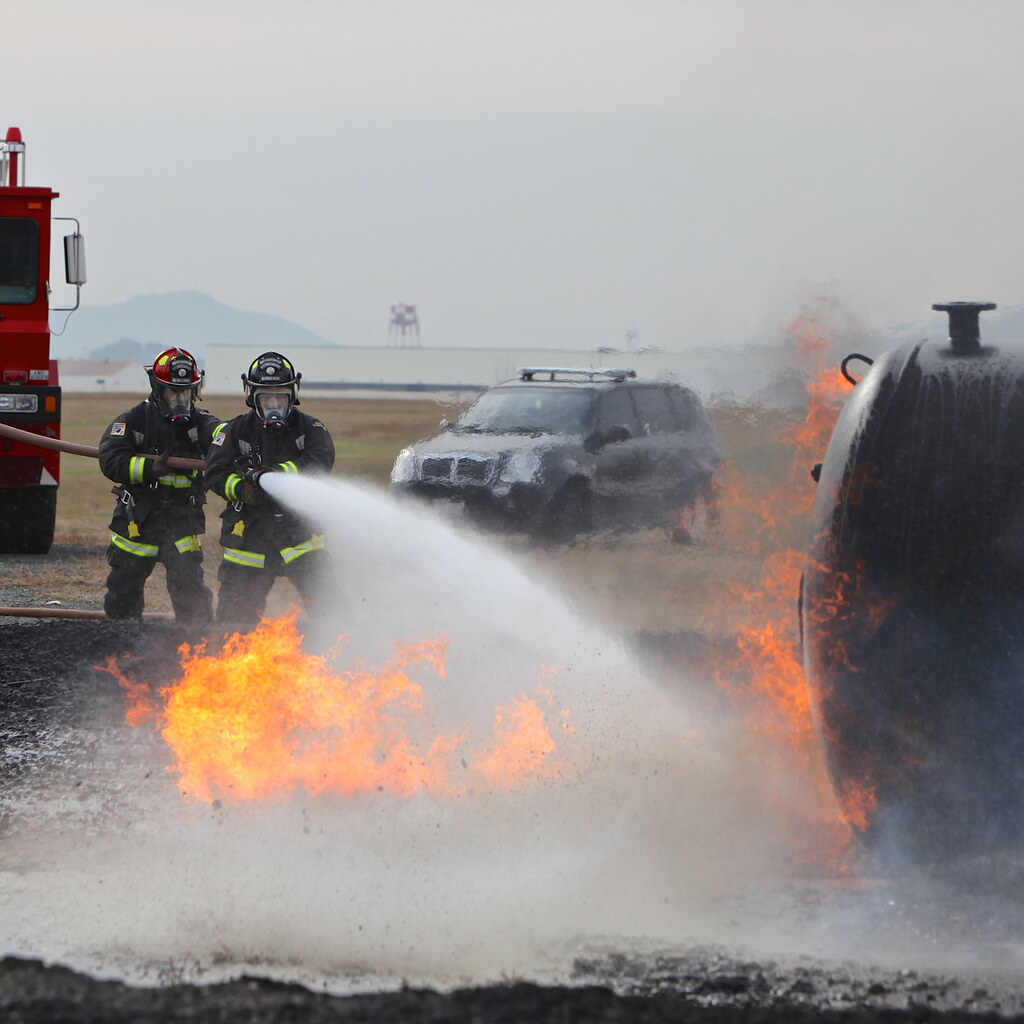
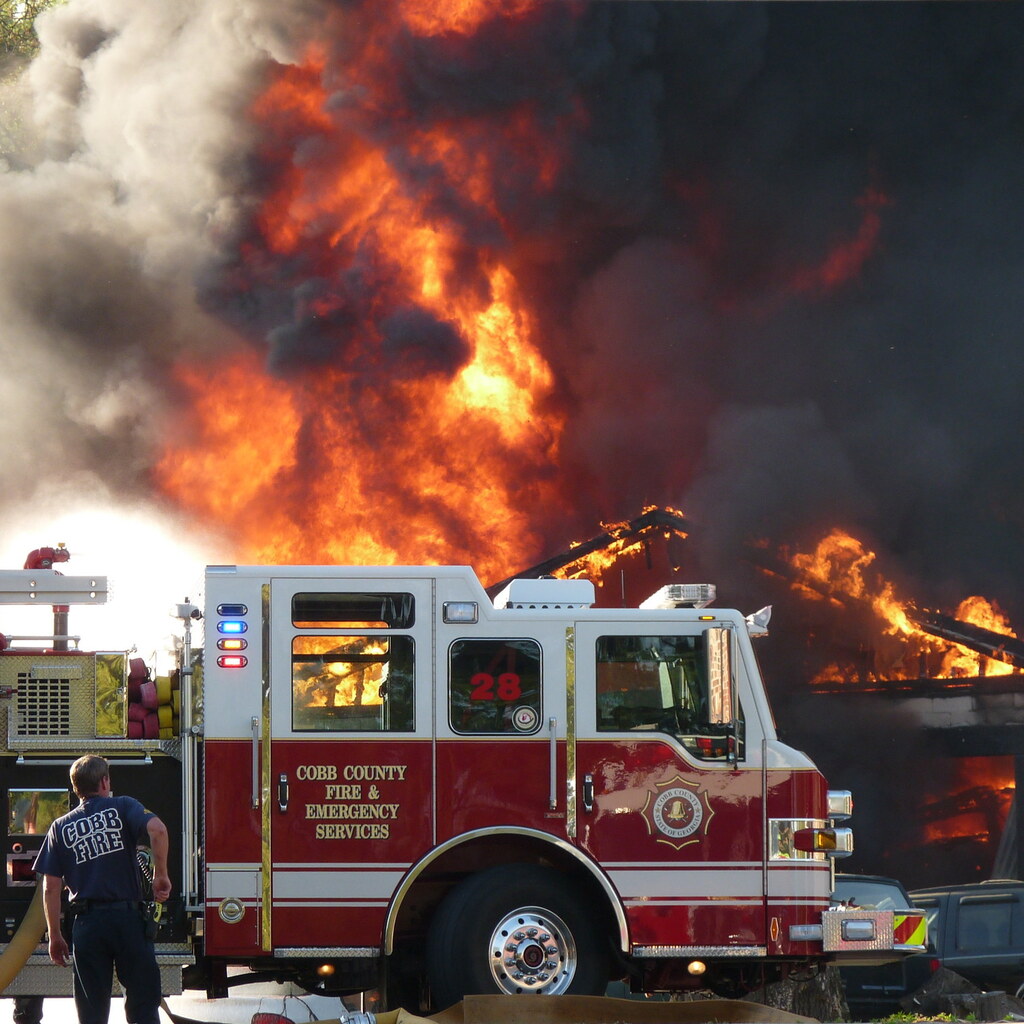
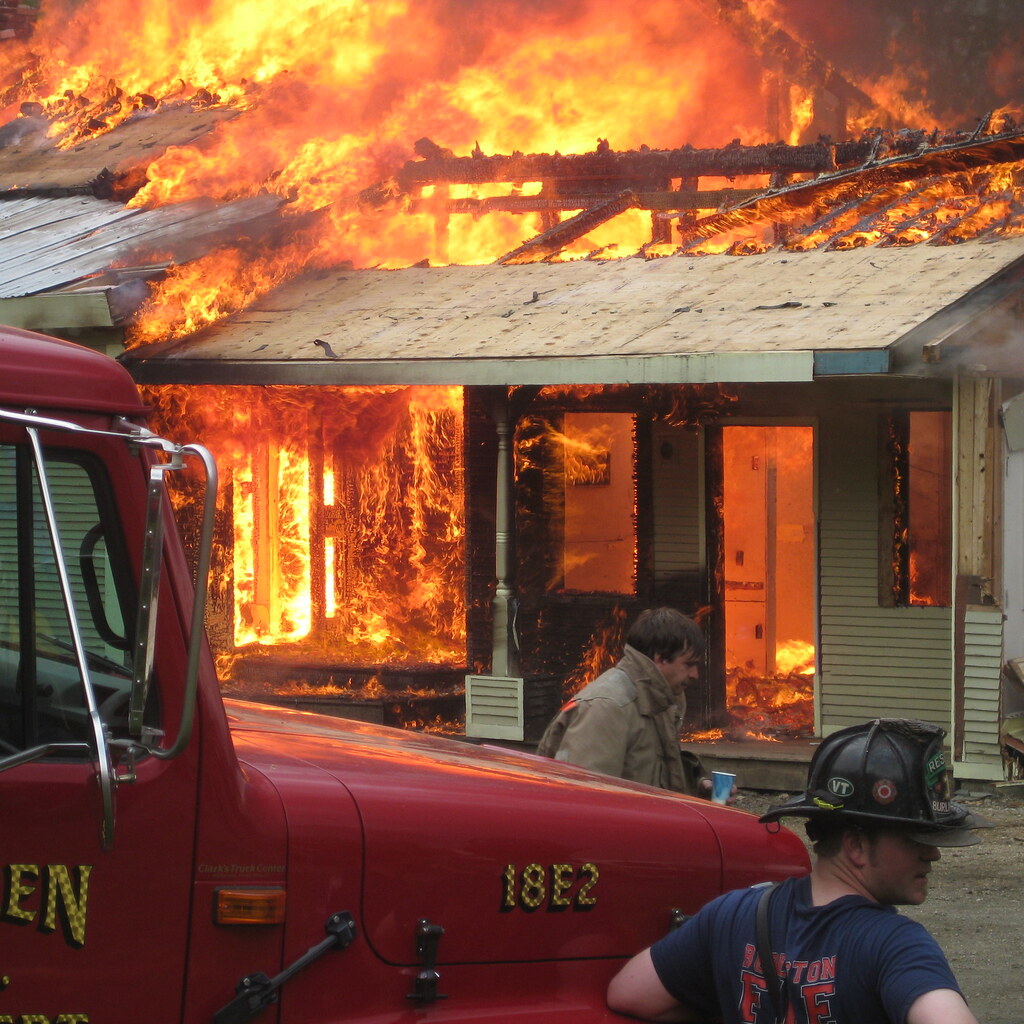
Extinguish means to stop a fire or flame from burning. You might extinguish a candle, or like the firefighters in the picture, extinguish the fire in a burning building.

F is for Fire

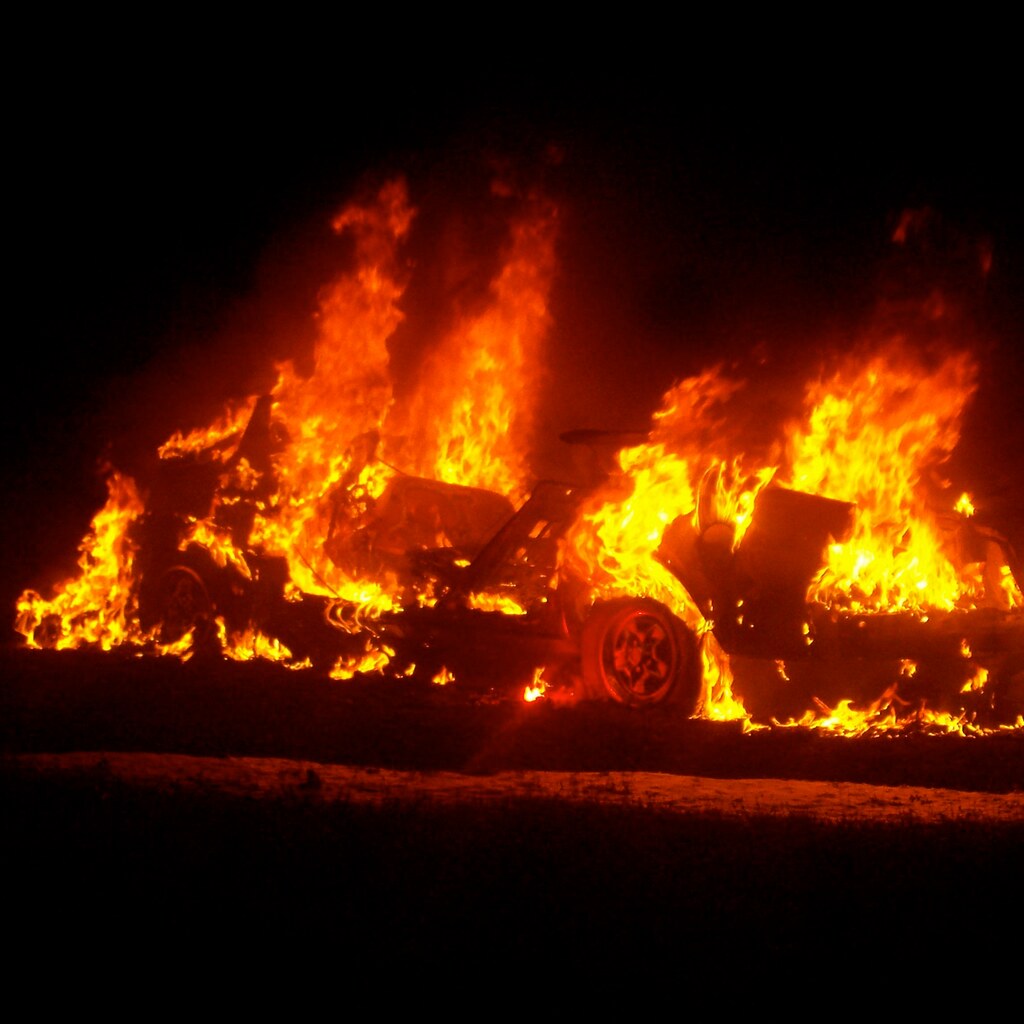
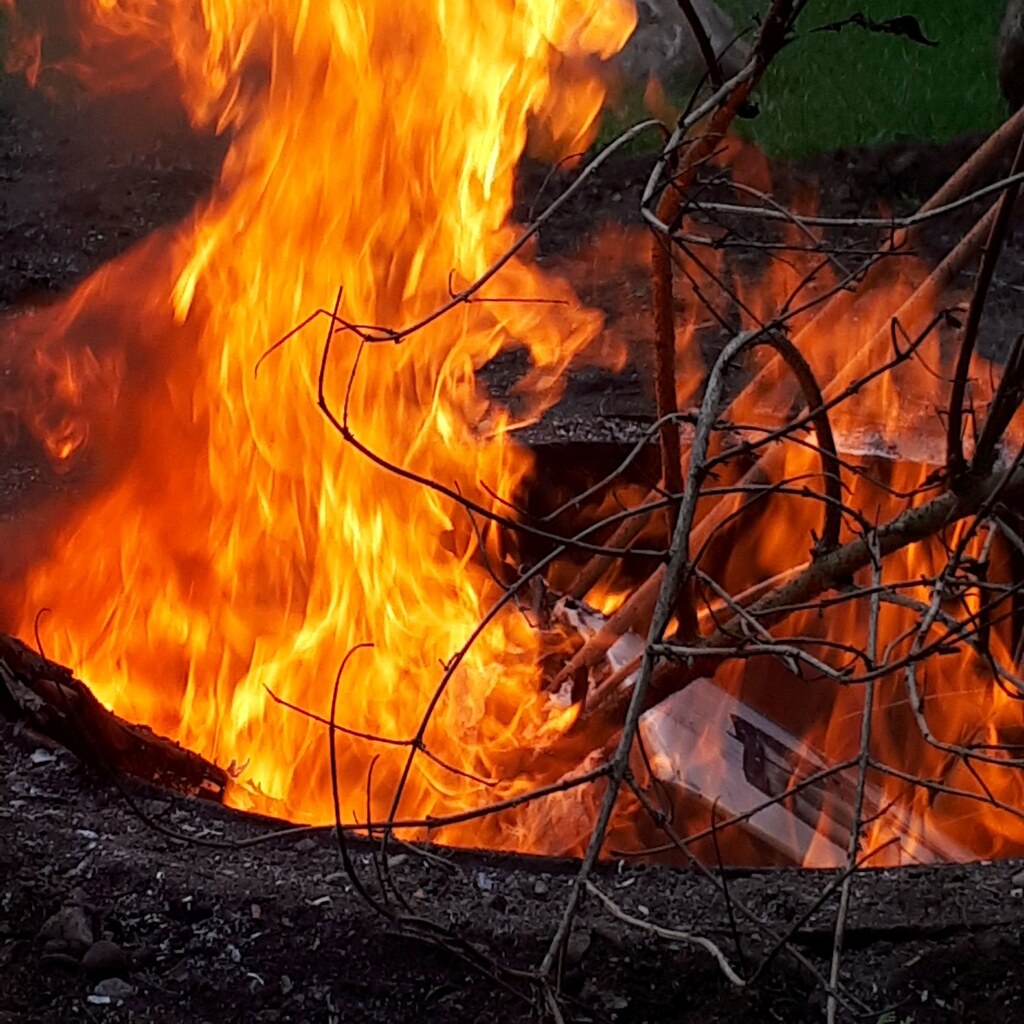
When something is burning, it is said to be on fire. Flames can be different colours depending on what is burning and how hot it is. Fire is very hot and bright, and people light fires in their houses to keep warm.
When a fire is out of control it can be extremely dangerous, such as a forest fire.
When something burns it gives off gas and particles as smoke. It gives off heat because burning is an exothermic reaction, which means it creates heat as it happens. Some things like boiling water are the opposite, and need heat to happen.
F is for Fireworks

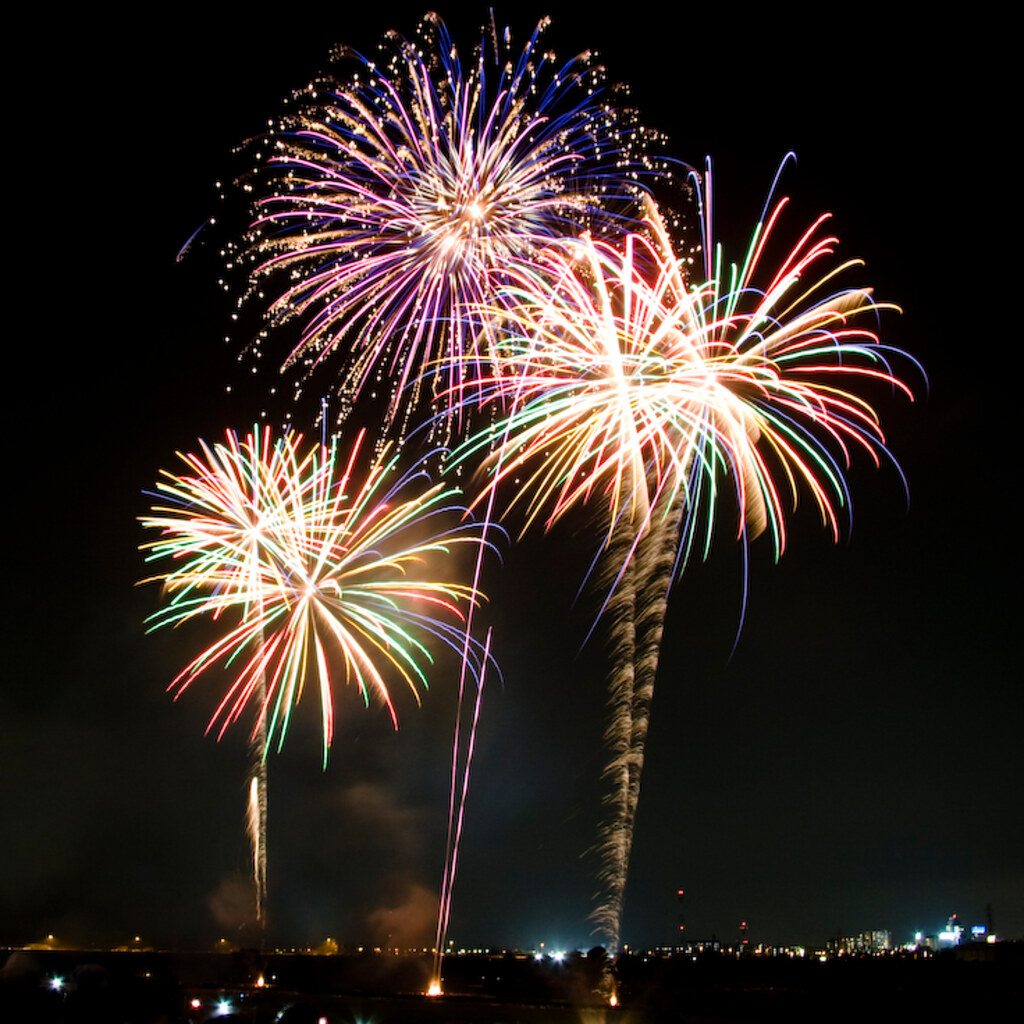
Fireworks are a kind of explosion that is designed to explode into a specific pretty pattern and nice colours. At special events, there are usually big displays of lots of different fireworks.

F is for Flame

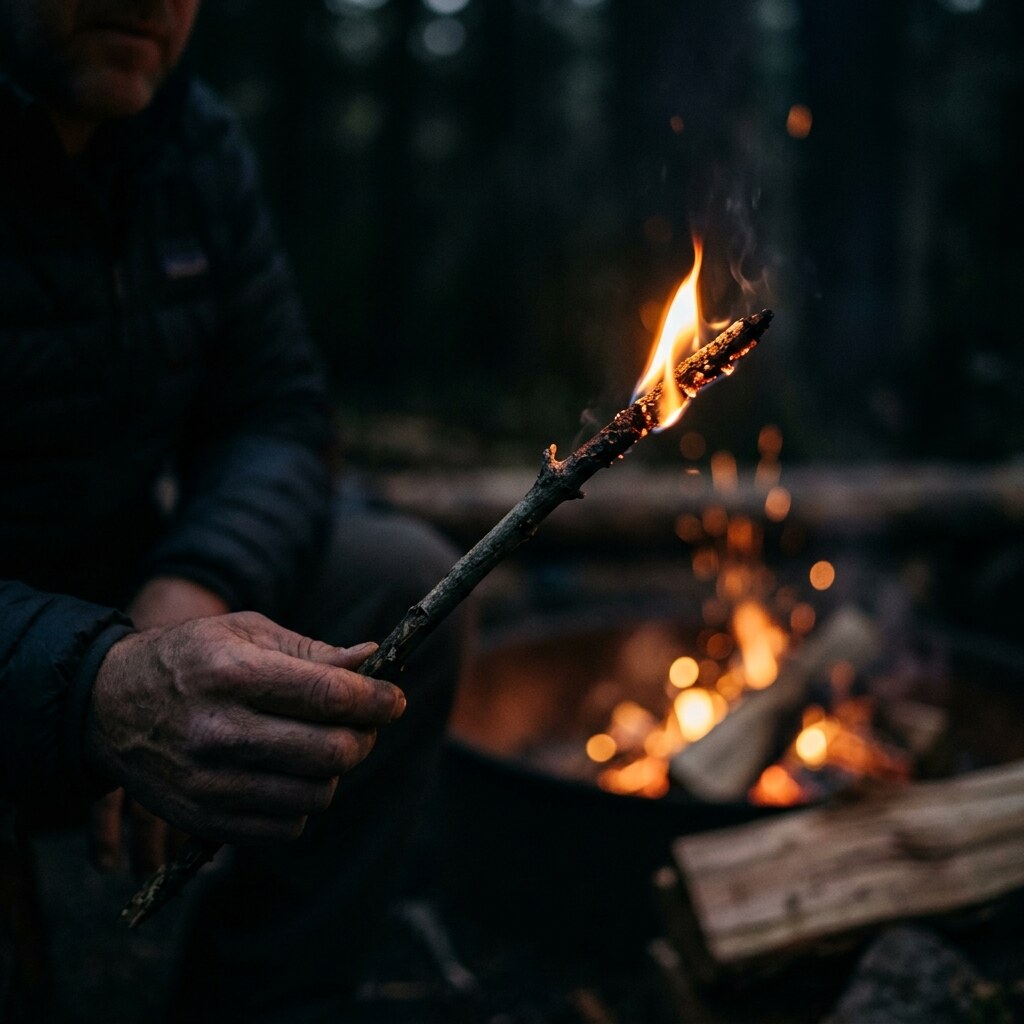
A flame is a small part of a fire. You typically see a flame burning on a candle or when you light a match.

F is for Flare

In general, a flare is a sudden, bright light.
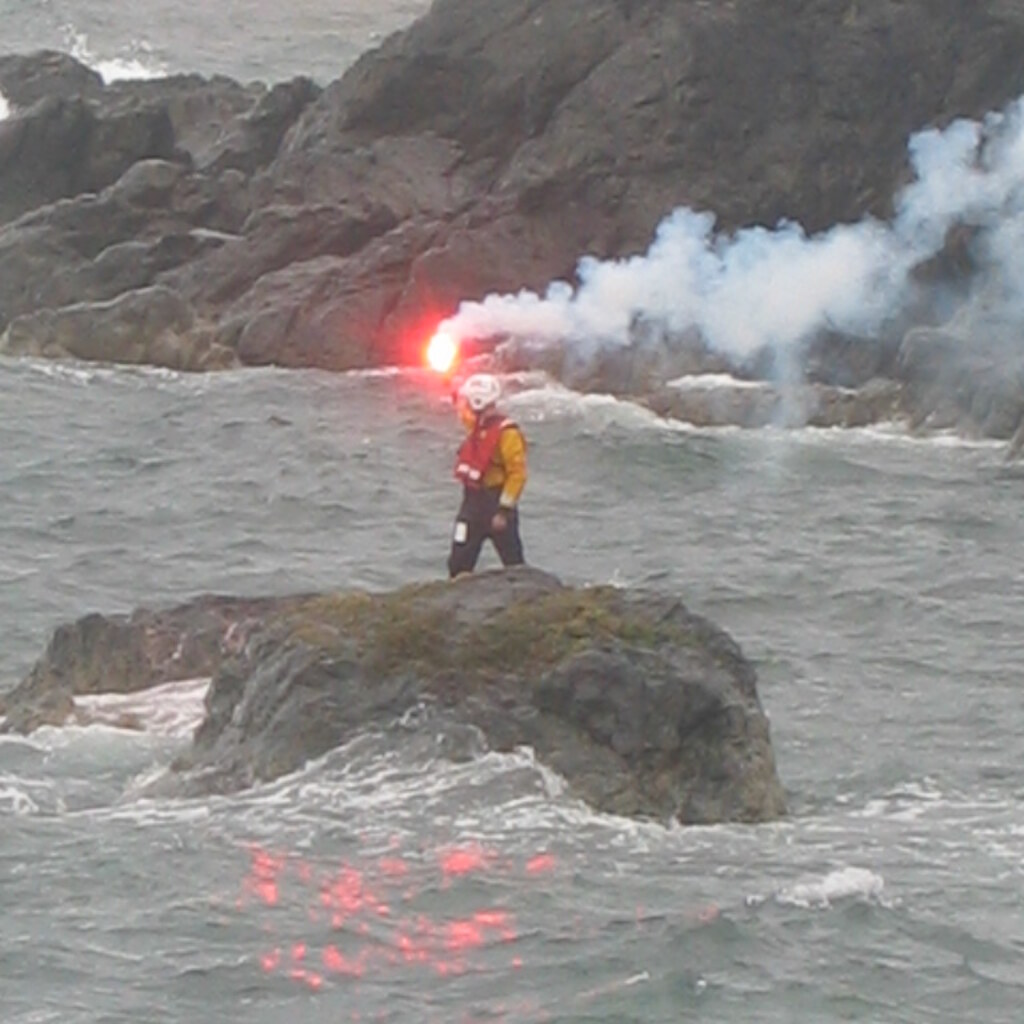
A flare like in the picture is a signalling or safety device. It is a bright light that can be lit when needed, for example if you are on a boat and it gets wrecked and you need to signal for help. The light from the flare helps rescuers find you.

I is for Ignite

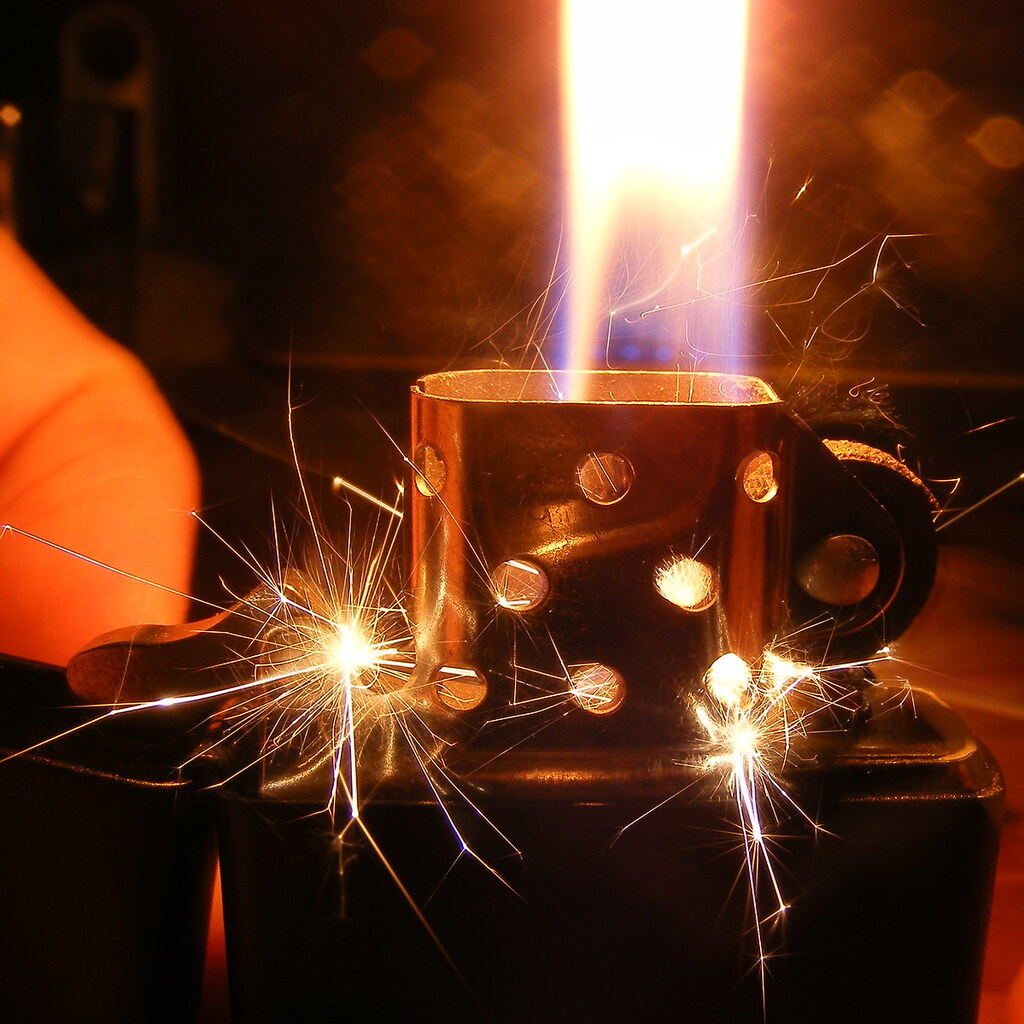
You ignite something when you set it on fire. The picture is of the gas in a cigarette lighter igniting.

I is for Incinerate

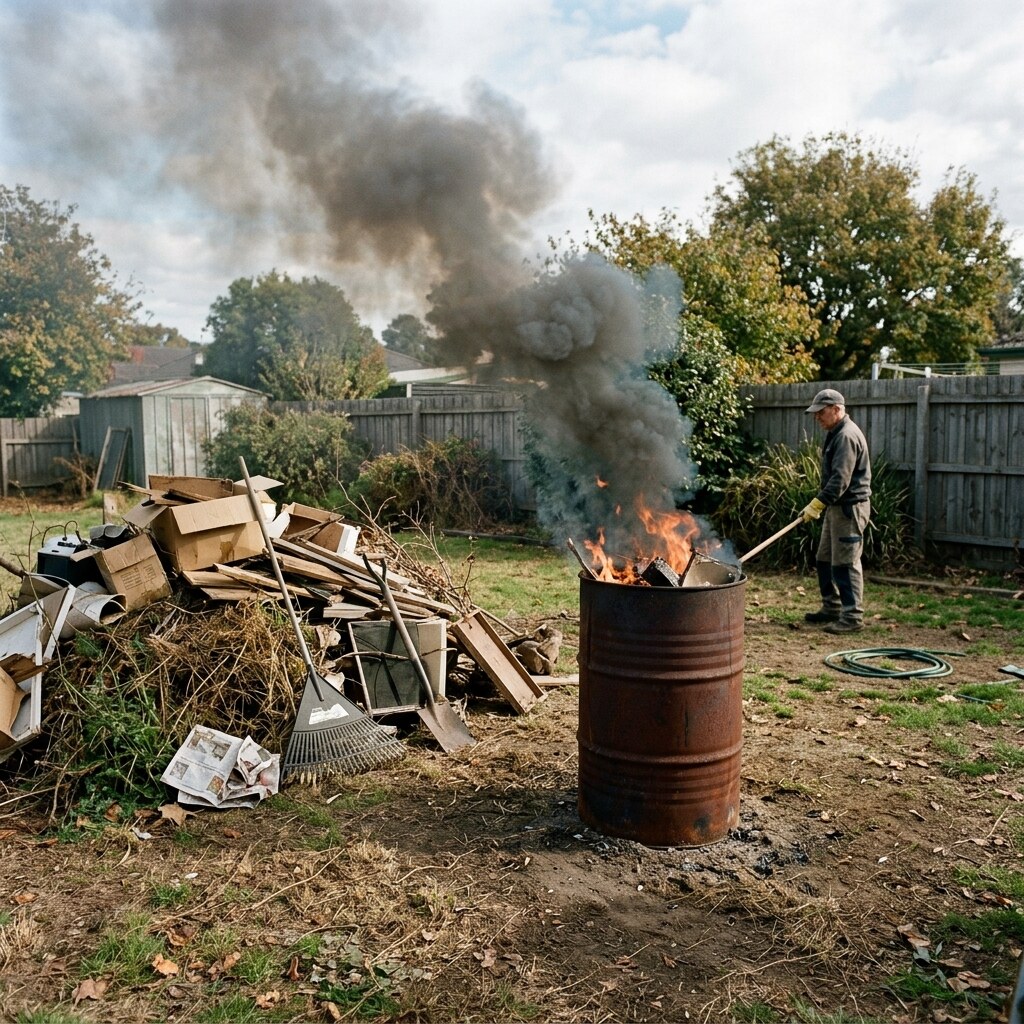
You incinerate something if you burn it because you want to get rid of it. People often incinerate dry leaves, garden clippings, medical waste or other kinds of rubbish. Something that you put things inside to burn them is called an incinerator.