Showing 21-37 of 37
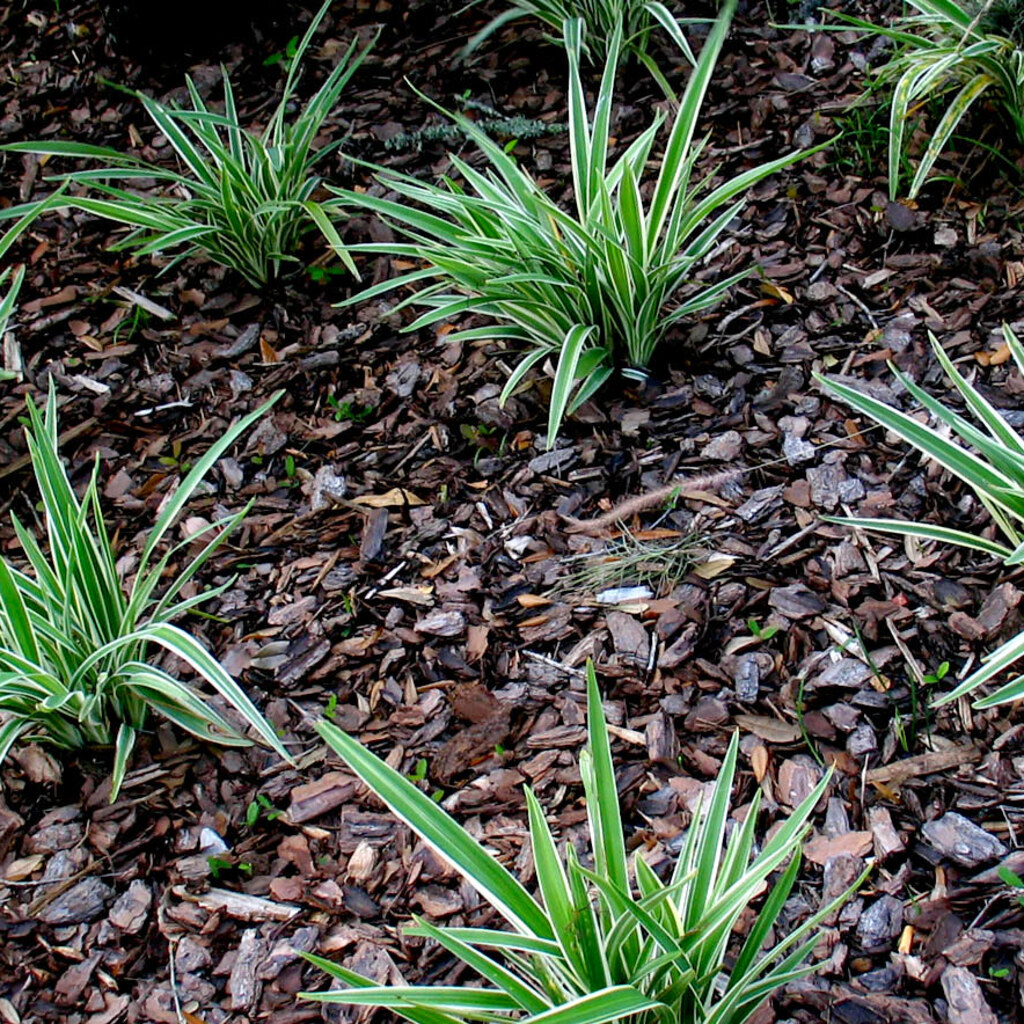
Mulch is a layer of material that you put on the ground around plants. Mulch keeps the soil from drying out, and can help keep it from getting too hot or cold.
Mulches can be made from many things, but the most common kinds of mulch are decorative gravels, pebbles, bark, wood chips and leaves. Mulches made from bark or leaves will slowly break down and make the soil better.
Mulches can be made from many things, but the most common kinds of mulch are decorative gravels, pebbles, bark, wood chips and leaves. Mulches made from bark or leaves will slowly break down and make the soil better.
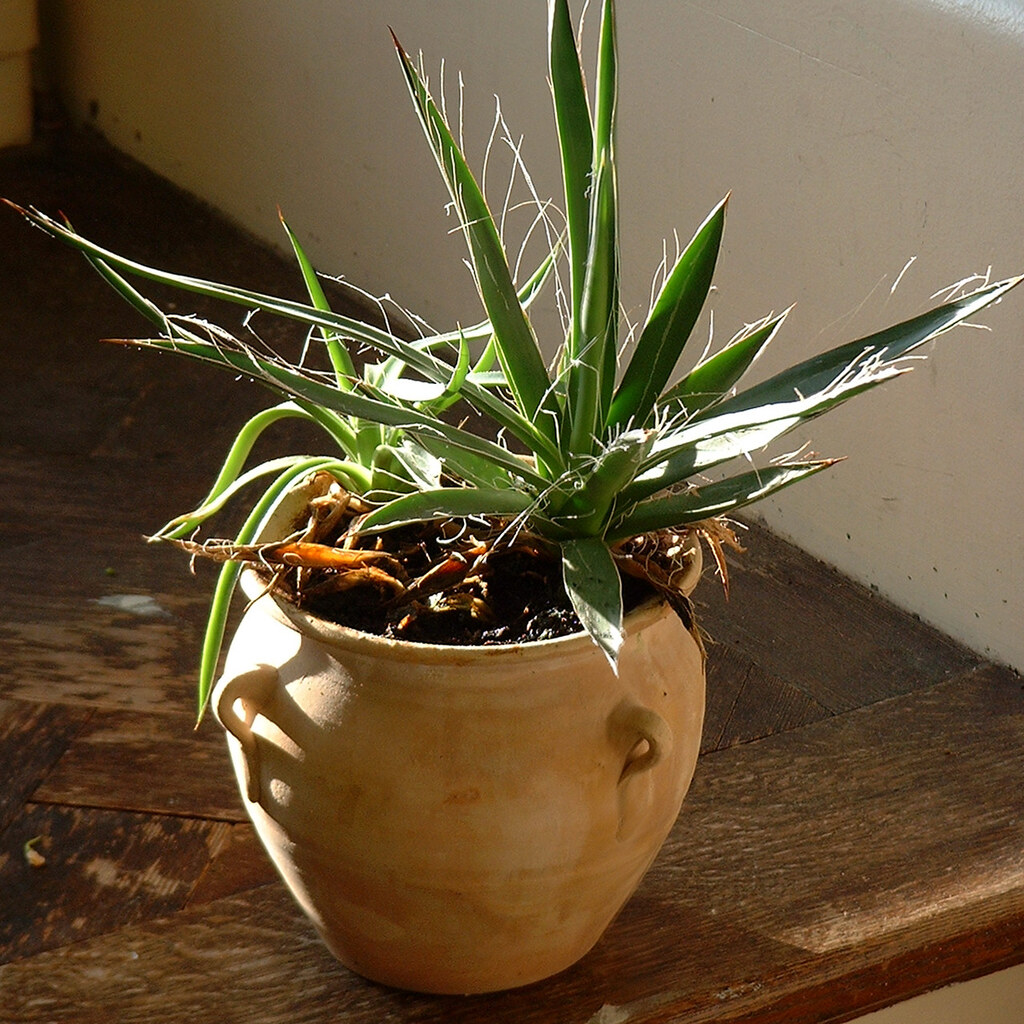
Plant is a word that covers an enormous number of living things in the world. Plants can be divided up into several groups, namely algae (that green slime you find in ponds), bryophytes (non vascular plants, or mosses and lichens - the small, often fuzzy plants that you see growing on rocks or on the ground in damp corners) and tracheophytes.
Tracheophytes, or vascular plants, are the most familiar. They include all the trees, ferns, grass and flowers you see around your neighbourhood. The plant in the picture is a vascular plant, growing in a pot.
Tracheophytes, or vascular plants, are the most familiar. They include all the trees, ferns, grass and flowers you see around your neighbourhood. The plant in the picture is a vascular plant, growing in a pot.
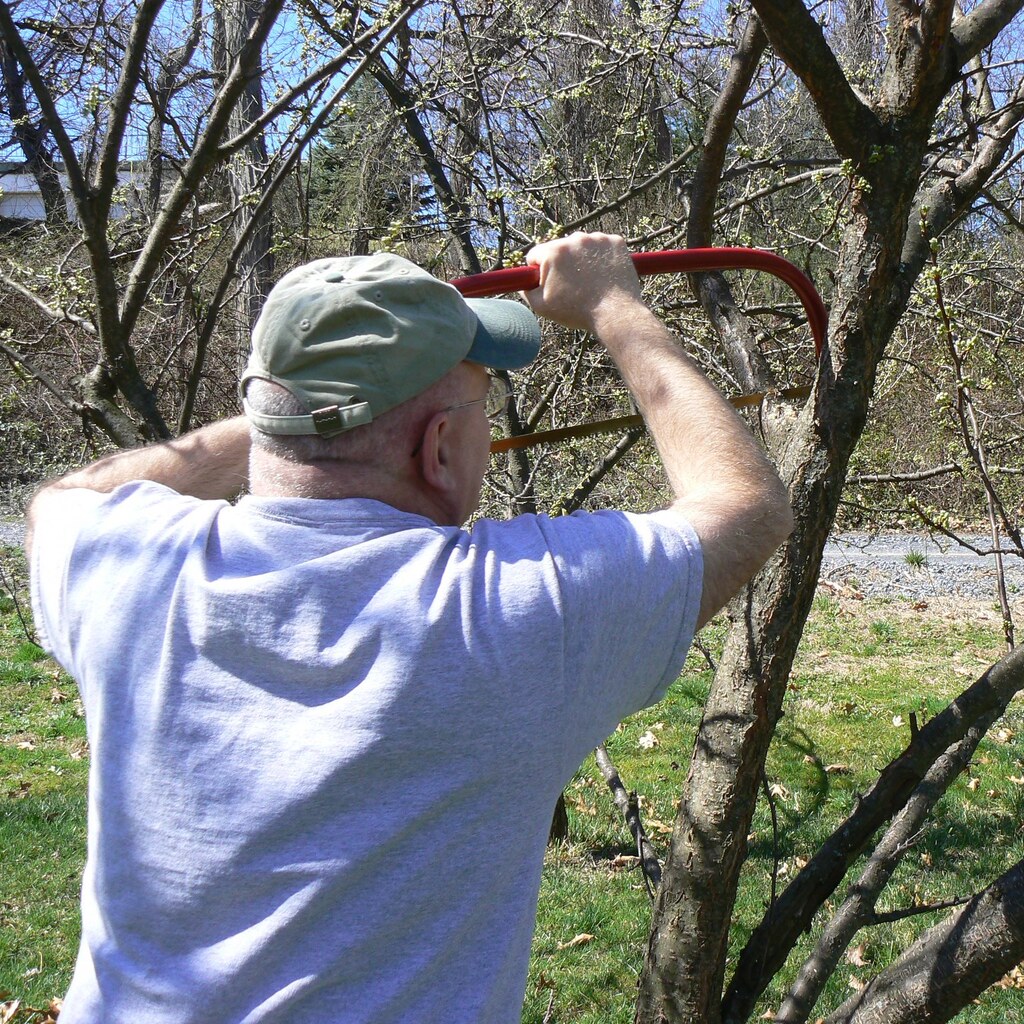
P is for Prune (Gardening)

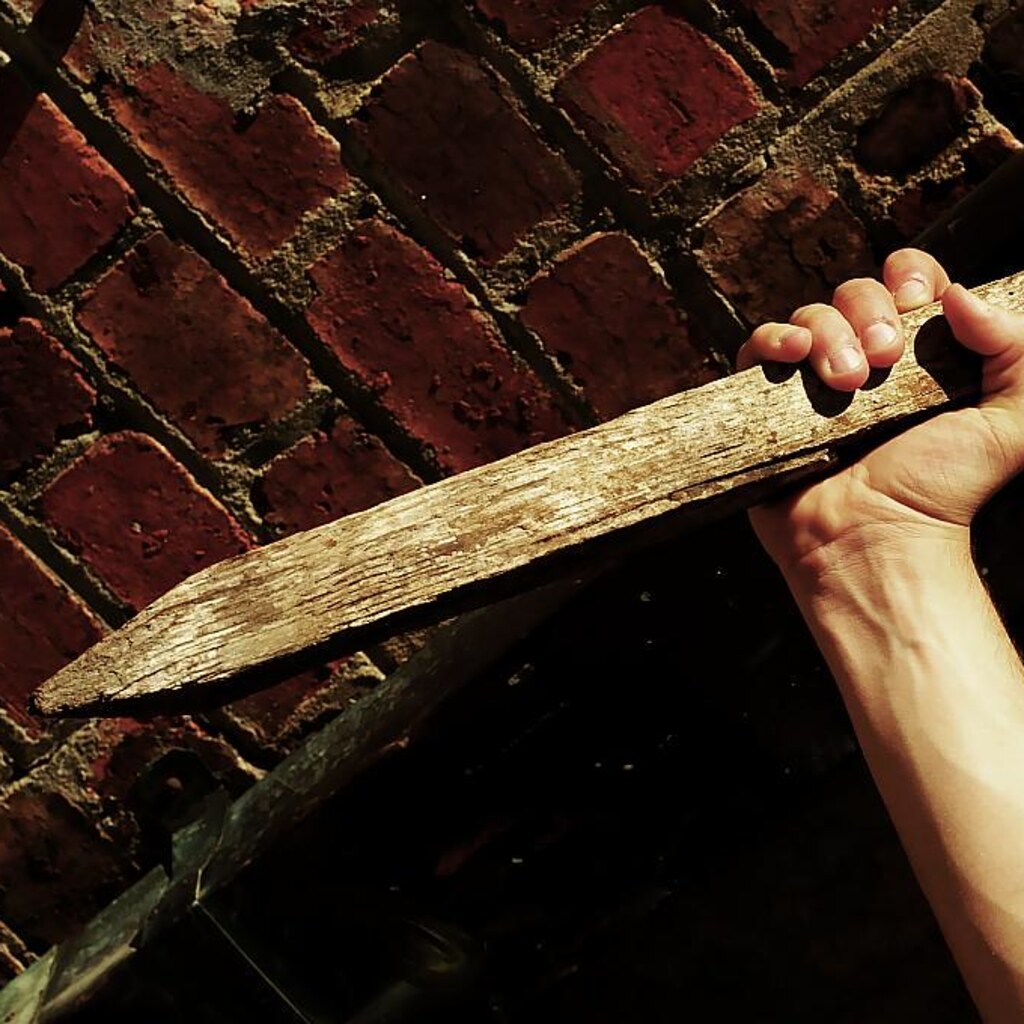
A stake is any piece of wood, or sometimes metal, that is used for supporting something else. Stakes are generally driven into the ground and are used to support plants or young trees as they grow.
Stakes usually have one end sharpened to a point, which makes it easier to drive them into the ground.
Stakes usually have one end sharpened to a point, which makes it easier to drive them into the ground.
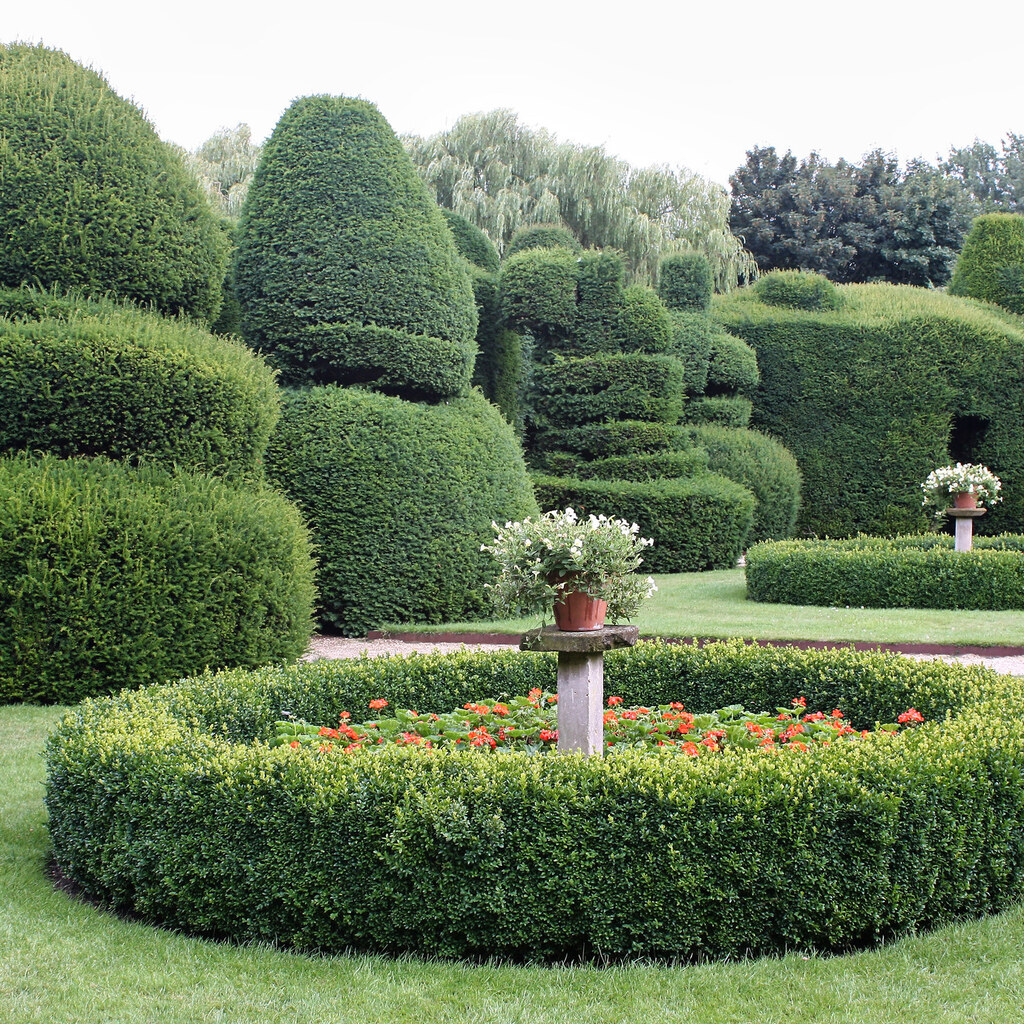
Topiary is the term for clipping a plant into a shape that it wouldn't normally grow into by itself.
You can clip a plant into the shape of a person, an animal, or just into interesting shapes like the topiary in the picture.
You can clip a plant into the shape of a person, an animal, or just into interesting shapes like the topiary in the picture.
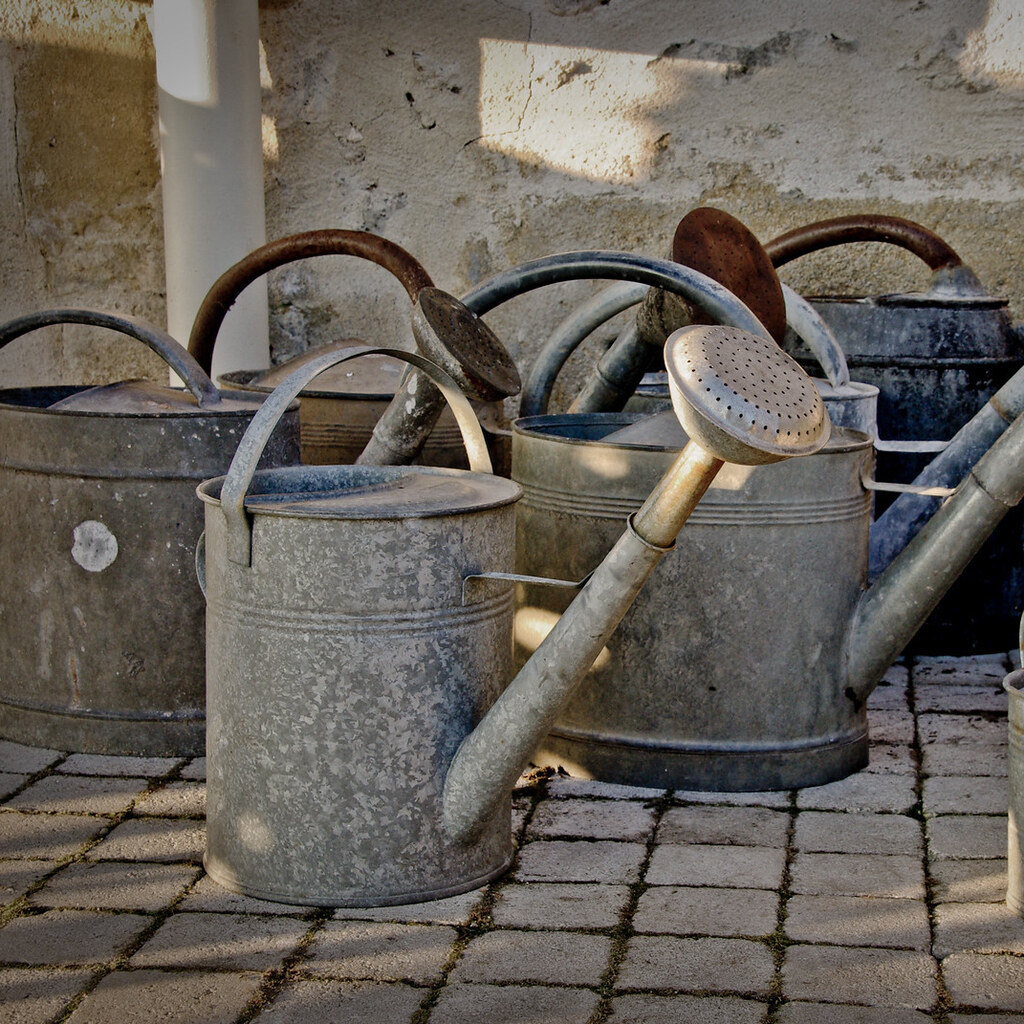
W is for Watering can
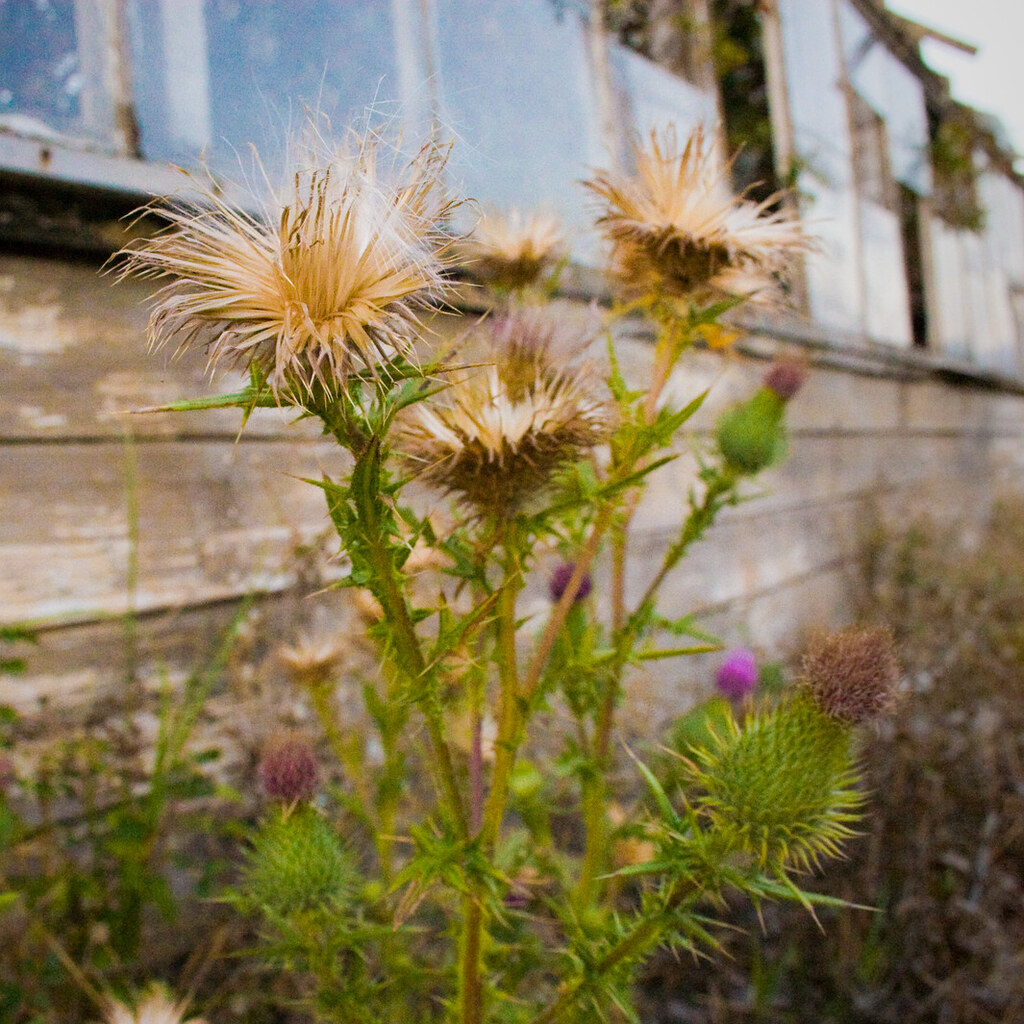
Weeds are plants growing where you do not want them. When people make a nice garden and plant flowers or vegetables in it, they do not want other plants that they did not plant there. Many weeds are prickly or thorny and do not look nice, which is why people do not want weeds in their gardens.