
Showing 31-50 of 416

Another string to your bow
To add another string to your bow means having an extra skill, talent, or resource to use as a backup, which increases your options or chances of success.This idiom originated centuries ago from the practise of medieval archers carrying a spare bowstring in case the first one broke.
I decided to do a short course at college, to add another string to my bow.

Apple of my eye
The idiom the apple of my eye means someone who is loved very much. It is often used for children or close family members. The origin is from 9th century Old English, when the pupil of the eye was called the "apple". If you called someone the apple of your eye it meant they were as precious to you as your ability to see.My daughter is the apple of my eye.

Around the corner
The phrase around the corner is used to mean something will happen soon. It can be used to talk about something close by "he lives just around the corner" or an event that will happen soon.Summer holidays are just around the corner.

As clear as day
The idiom as clear as day means very obvious and easy to understand.This phrase compares a clear solution to a clear day, where you can see a long way.
It was clear as day that she was upset.


At face value
The idiom at face value means accepting something as it appears, without looking deeper. It can be a warning to think more carefully. This phrase originated from the financial markets, where the face value of something monetary is the value printed on that item. For example, a one hundred dollar bill has a face value of one hundred dollars.Don't take his promise at face value.

At the drop of a hat
The idiom at the drop of a hat means someone is ready to start immediately, without hesitation. This came from the old American tradition of dropping a hat to signal the start of a race or fight.He would leave town at the drop of a hat.

At your wits' end
The phrase at your wits' end means feeling completely frustrated, and you do not know what to do next.It originated in the 1300s to describe scholars who were at the edge of their understanding.
I'm at my wits' end trying to get this computer program to do what I want!
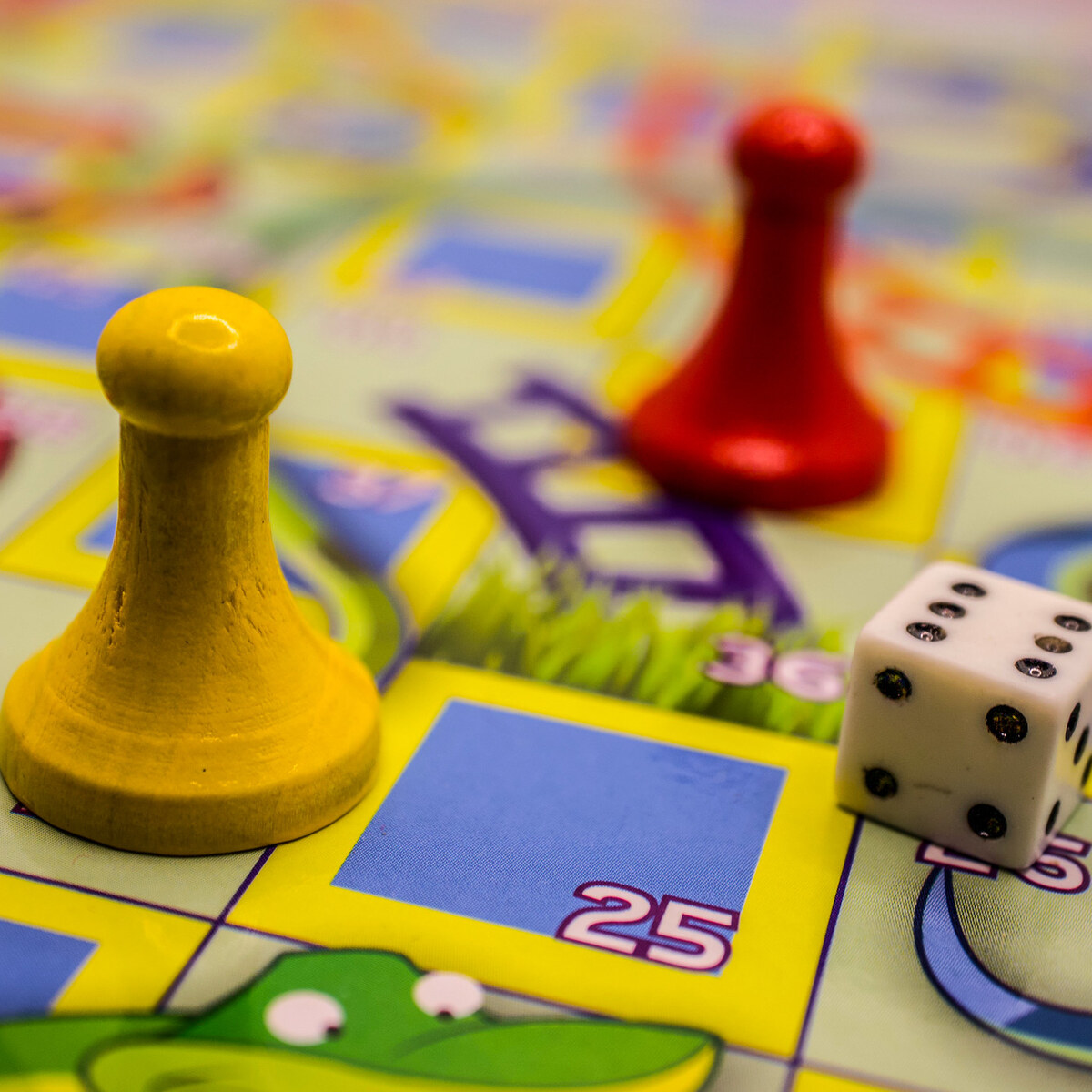
Back to square one
The phrase back to square one means returning to the beginning after a plan or attempt has failed. It suggests that progress has been lost and everything must start again. It is a reference to board games where you can be made to go back to the first square. People often use this idiom when a solution does not work as expected.When the computer crashed, they were back to square one.
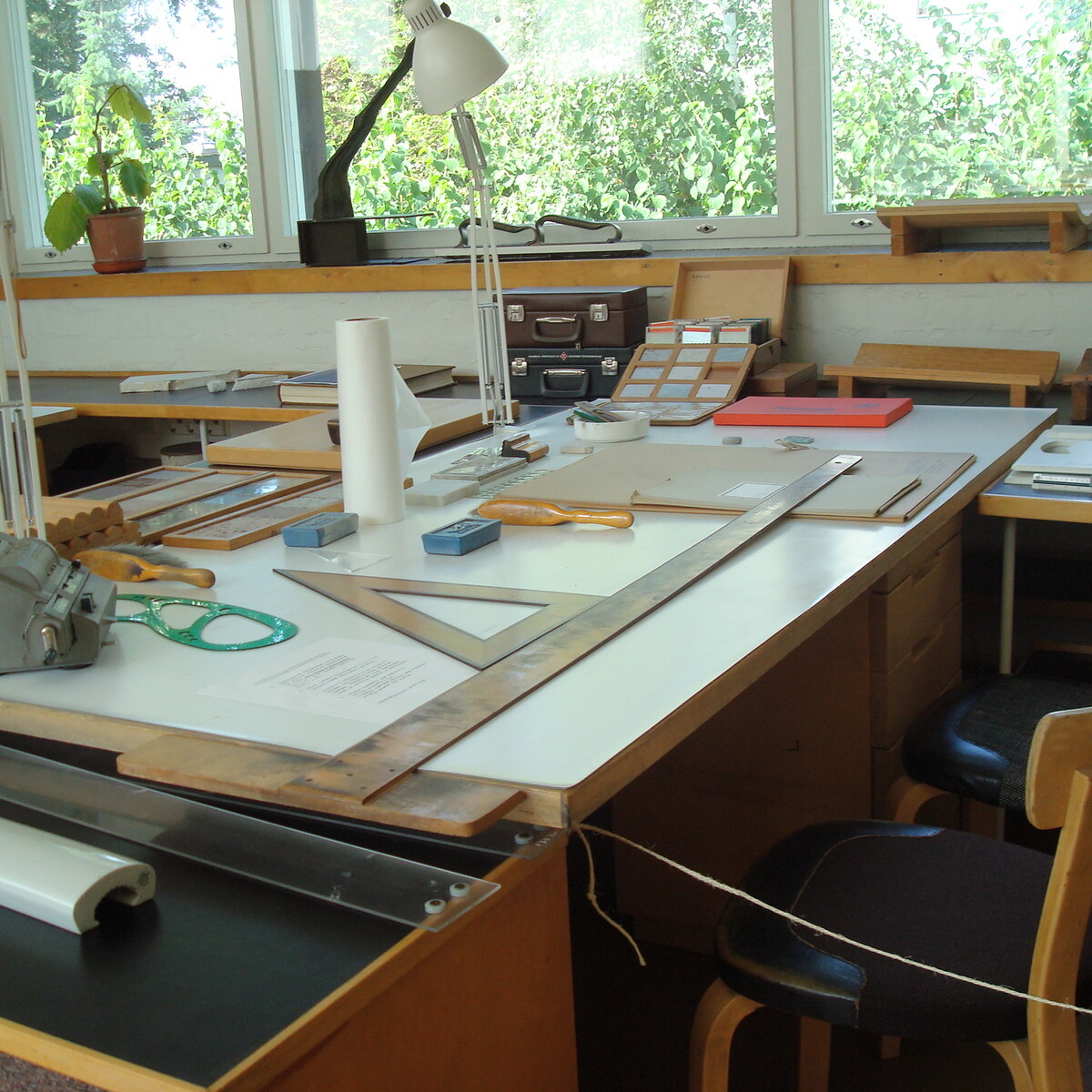
Back to the drawing board
The phrase back to the drawing board means that a plan has failed and must be started again from the beginning. It suggests that the original idea did not work and needs to be rethought or redesigned. The saying comes from engineering and design, where plans are drawn before something is built. When a design fails, the designer returns to the drawing board to create a new plan.When the experiment failed, the team went back to the drawing board.