
Showing 41-60 of 416

Bark up the wrong tree
To bark up the wrong tree means to make a wrong guess or to blame the wrong person. The phrase comes from hunting dogs that bark at the base of the wrong tree, thinking the bird they are hunting is in this tree when it is in another one. It is used to explain a misunderstanding or mistaken belief.If you think I broke it, you are barking up the wrong tree.

Between a rock and a hard place
To be between a rock and a hard place means to be stuck in a situation where both choices are difficult or unpleasant. No matter what you decide to do, neither option is good.The phrase became popular in the United States in the early 1900s and may come from stories about miners who faced dangerous working conditions and limited options. Over time it came to describe any situation where someone must choose between two bad alternatives.
She felt between a rock and a hard place when she had to choose between moving for a new job or staying close to her family.
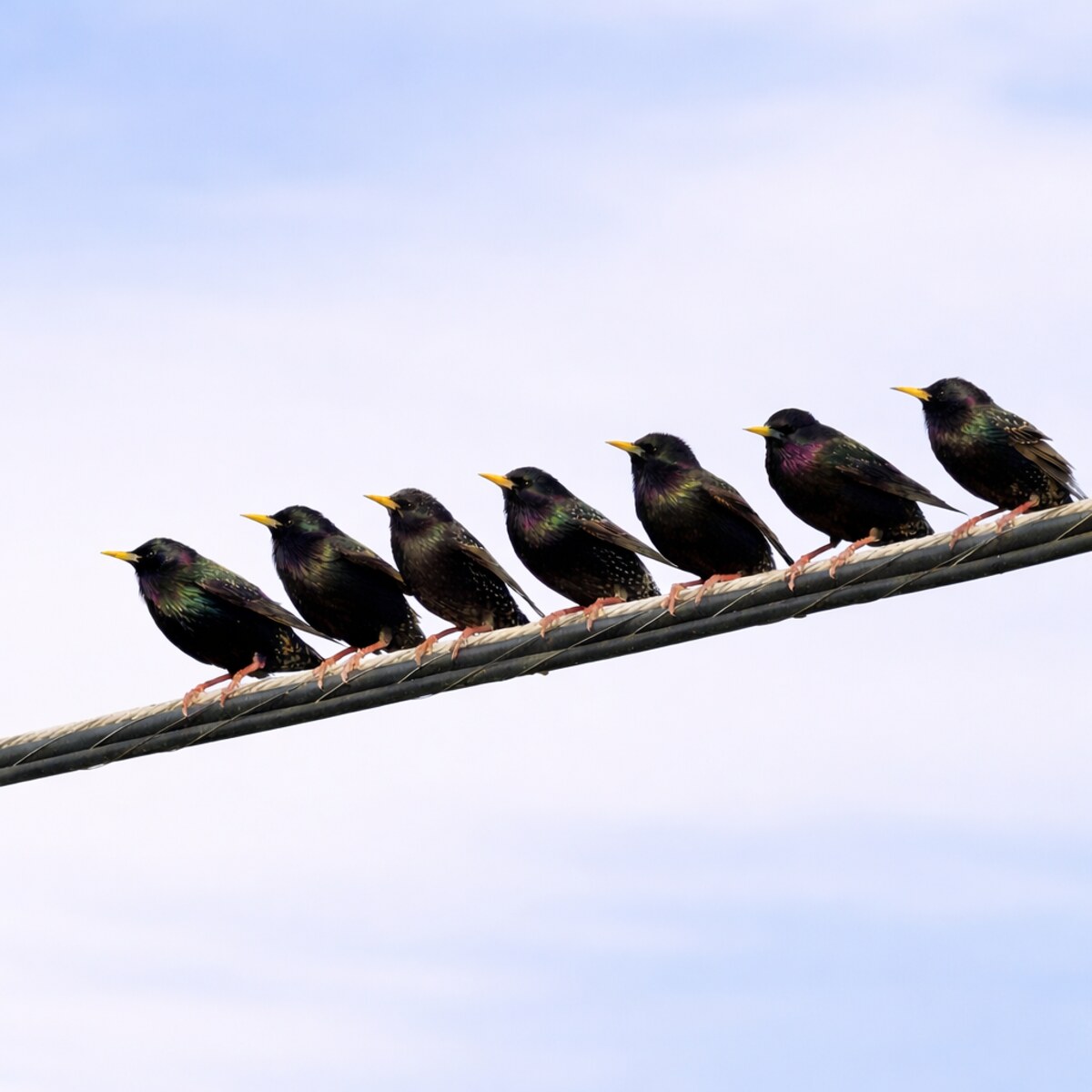
Birds of a feather
The idiom birds of a feather flock together is from the observation that birds of the same species keep together and don't mix with other kinds of birds.It means that people with similar interests or personalities tend to collect together.
Everyone at this conference are birds of a feather.

Bite off more than you can chew
To bite off more than you can chew means to take on a task that is too difficult or too large to handle. It suggests trying to do more than one is able. This idiom is often used as a warning to be realistic about limits.She bit off more than she could chew by accepting three jobs at once.

Bite the bullet
To bite the bullet means to face a difficult or unpleasant situation with courage, even if you don't want to. People often use this phrase when there is no easy way to avoid a problem.It originated from war time medicine, where an injured soldier would bite on a bullet to help deal with the pain while they were being treated.
He decided to bite the bullet and pay the fine.
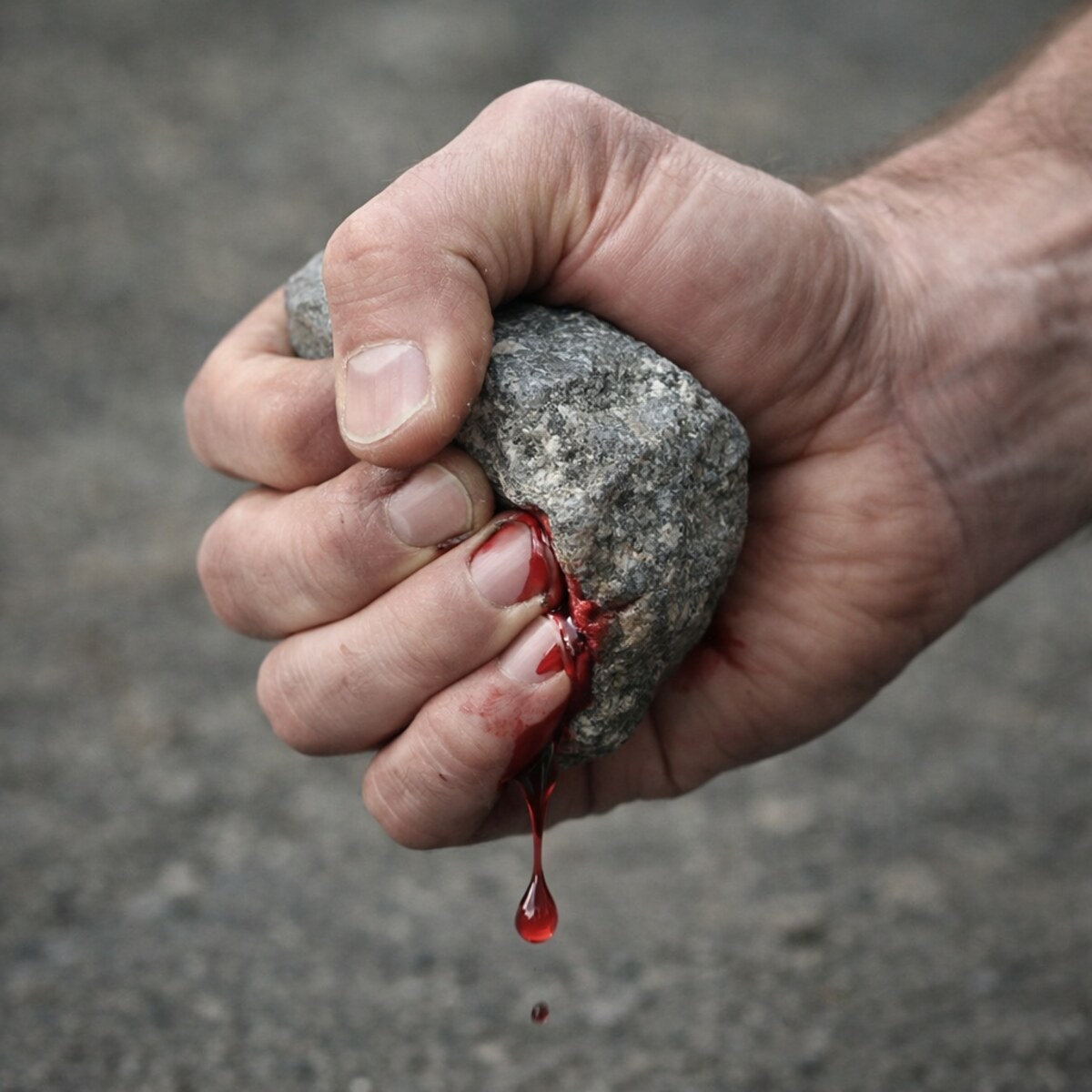
Blood from a stone
The phrase you can't get blood from a stone means to try and get something out of someone who is unwilling or unable to give it, usually referring to money.I can't pay this bill, I have too many bills already, do they think they can get blood out of a stone?
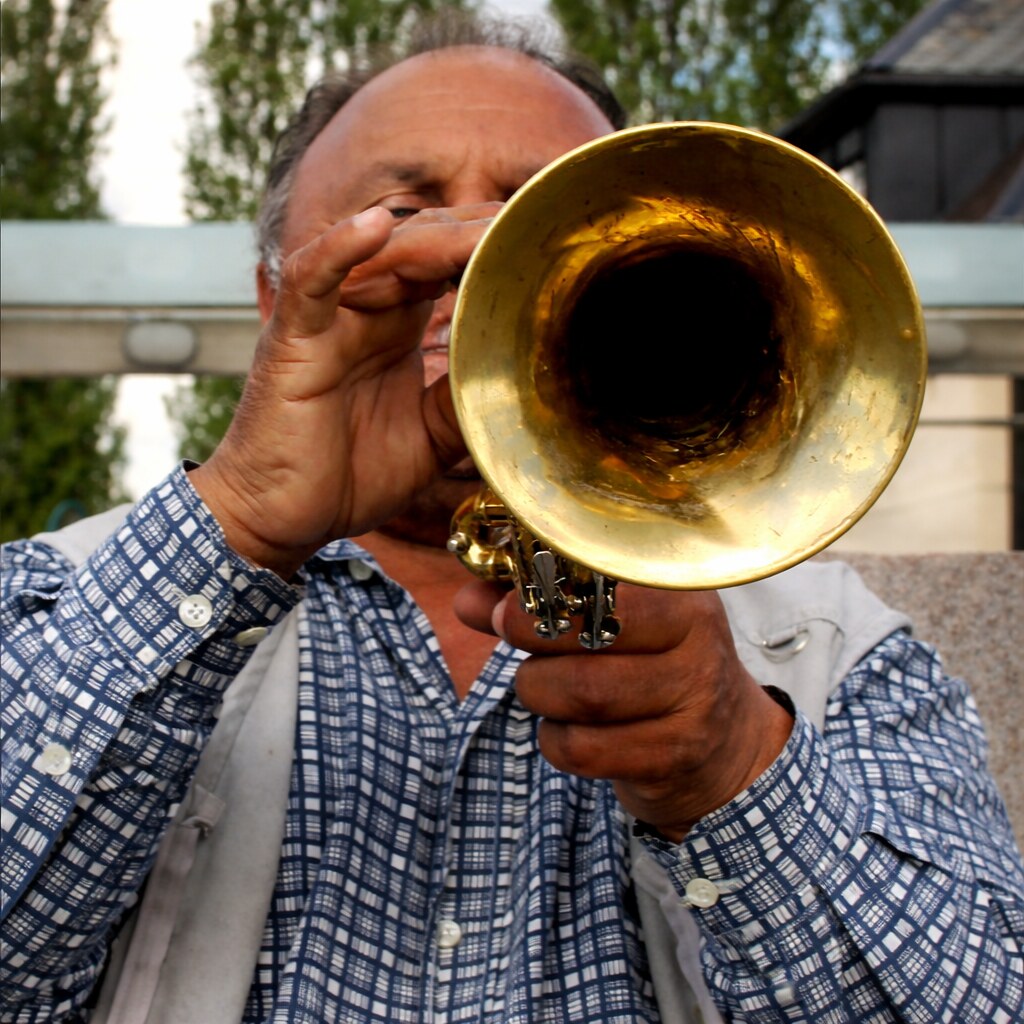
Blow your own trumpet
To blow your own trumpet means to talk proudly about your own achievements or abilities. It is used when someone tells others how good they are at something or how well they have done.The expression comes from history, where trumpets were used to announce important people or victories. In this idiom, a person is acting like the one making that announcement for themselves.
He doesn't like to blow his own trumpet, but he quietly mentioned that he finished the project weeks ahead of schedule.

Break a leg
Break a leg is a phrase used in the theater to wish a performer good luck before a show.The expression became common in English-speaking theater communities during the 1900s. One explanation is that performers avoided saying "good luck" because it was considered bad luck, so they used a joking opposite phrase instead.
Just before the curtain went up, her friend whispered "break a leg".

Break the ice
To break the ice means to do or say something that helps people feel more relaxed when they first meet or when a situation feels awkward. It is commonly used in social situations, meetings, or group activities. The phrase originated from breaking the ice around a ship so it can start to sail.She told a friendly joke to break the ice.

Breath of fresh air
The idiom a breath of fresh air means a person or a thing that is a refreshing change.Our new hire is a breath of fresh air in our office.