
Showing 51-70 of 416

Breeding like rabbits
The phrase breeding like rabbits refers to the rabbit's ability to breed at an astonishing rate. People use this idiom when they talk about something that suddenly is around in large numbers, whether it is another animal that is literally breeding, or something that is figuratively breeding, like unfinished jobs or odd socks.How do you have so many shoes? They must be breeding like rabbits!

Bring home the bacon
The phrase bring home the bacon means to earn money for your family. It can also mean achieving success.This idiom dates back to when bacon and other goods were used as payment for work.
She works hard to bring home the bacon.
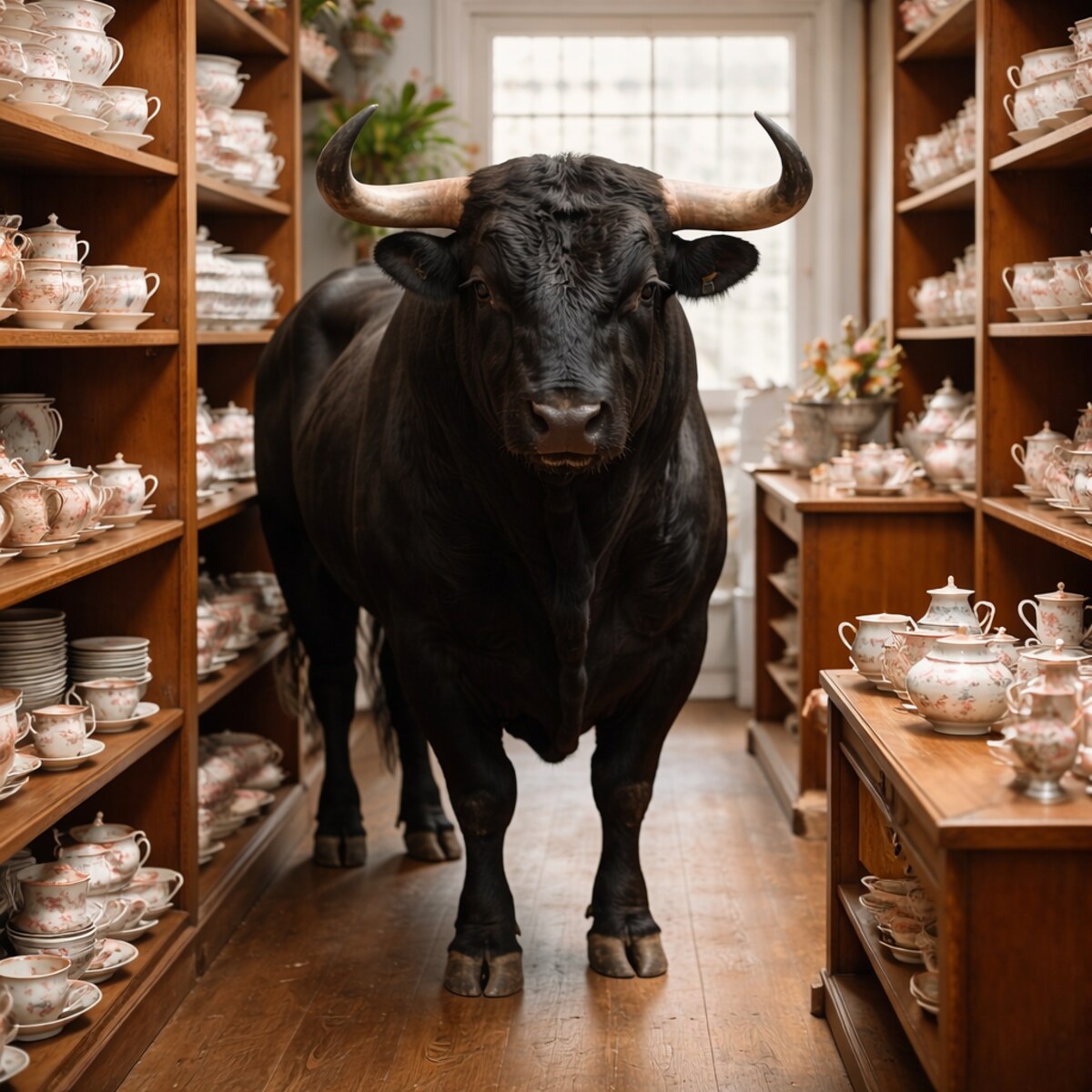
Bull in a china shop
You might be called a bull in a china shop if you are being careless or reckless in a situation that you can cause damage. It might mean someone who is physically clumsy or has tactless behaviour.He came into the meeting like a bull in a china shop and ruined all our negotiations.

Burn the midnight oil
The phrase burn the midnight oil means to work late into the night. It comes from a time when oil lamps were used for light.People use this idiom to describe studying or working long hours to finish something important.
She burned the midnight oil to finish the report.

Burning the candle at both ends
To burn the candle at both ends means to use up your energy by doing too much, especially by staying up late too often.The expression comes from the image of lighting a candle at both ends. A candle burned this way gives more light for a short time but is used up much faster.
She has been burning the candle at both ends while studying for exams and working a night job.
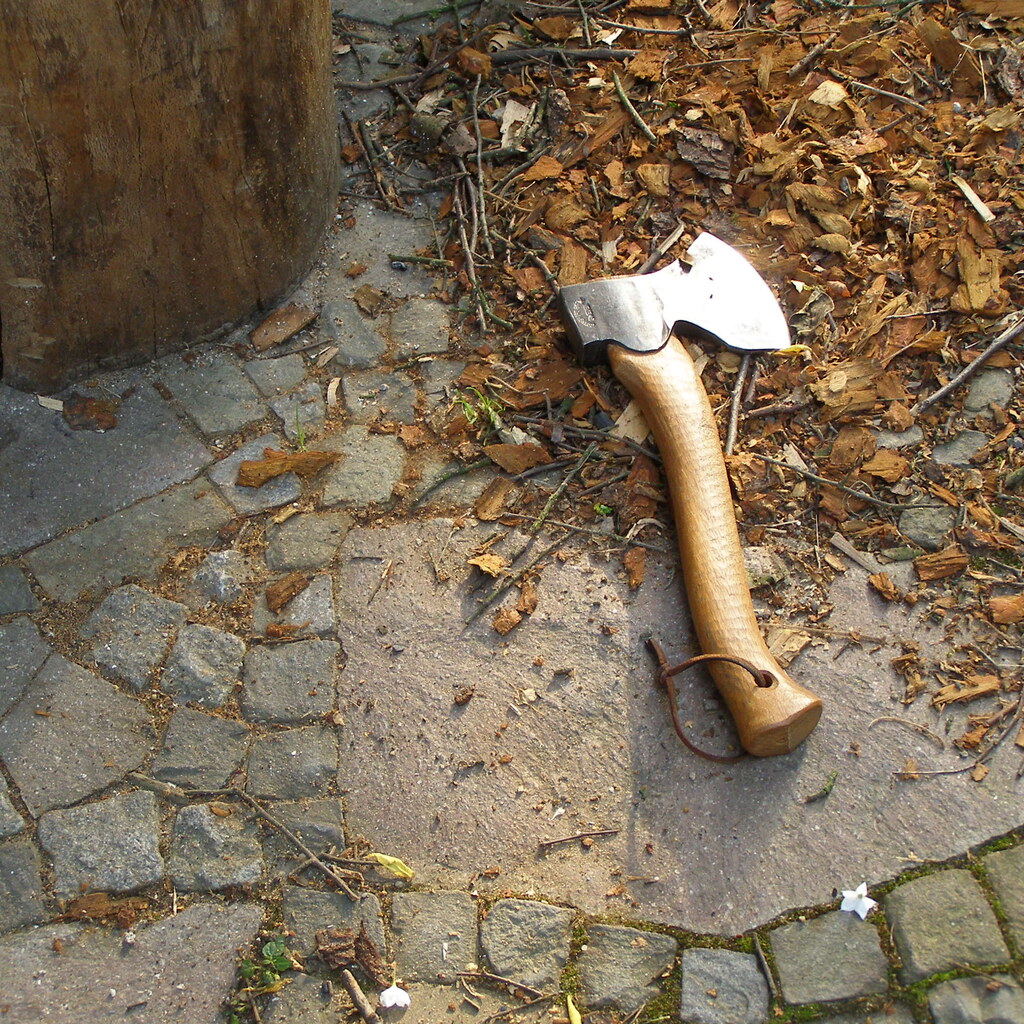
Bury the hatchet
To bury the hatchet means to stop arguing and make peace after a disagreement. This idiom is used when people decide to forgive each other and end a conflict.The expression comes from a tradition among some Native American groups, where weapons such as hatchets were buried to show that a conflict had ended and peace had been made.
After years of not speaking, the two brothers finally buried the hatchet.

Butter you up
To butter someone up means to give someone a lot of compliments or kind words so they will be flattered and agree to something you want. The person may be trying to persuade or influence you by being extra friendly.The phrase comes from an old custom in parts of India where people offered balls of butter to statues of gods as a way to ask for help or favor. Over time, the idea became a way of describing flattery used to get something.
He kept telling his boss how brilliant her ideas were, clearly trying to butter her up before asking for a raise.

By the skin of your teeth
The phrase by the skin of your teeth means barely succeeding. It could also mean to narrowly avoid disaster.Your teeth have no skin on them, so this idiom is drawn from the impossible measurement of how thick the skin on your teeth is. A similar impossible idiom is rare as hen's teeth.
I caught the bus by the skin of my teeth.

Call it a day
To call it a day means to stop working on something for now. It suggests that enough has been done and it is time to rest or continue later. This idiom is often used at the end of work or study.They finished the job and called it a day.

Calm before the storm
The phrase the calm before the storm means a quiet time before trouble begins. Things may seem peaceful right now, but a big change is coming. This idiom derives from the phenomenon where there is often a spell of quiet weather right before a storm hits.The in-laws are going to be here in an hour but everything is already clean and ready, so now it is the calm before the storm.