Showing 661-680 of 1133
1 word is below your SafeSearch level and not shown.
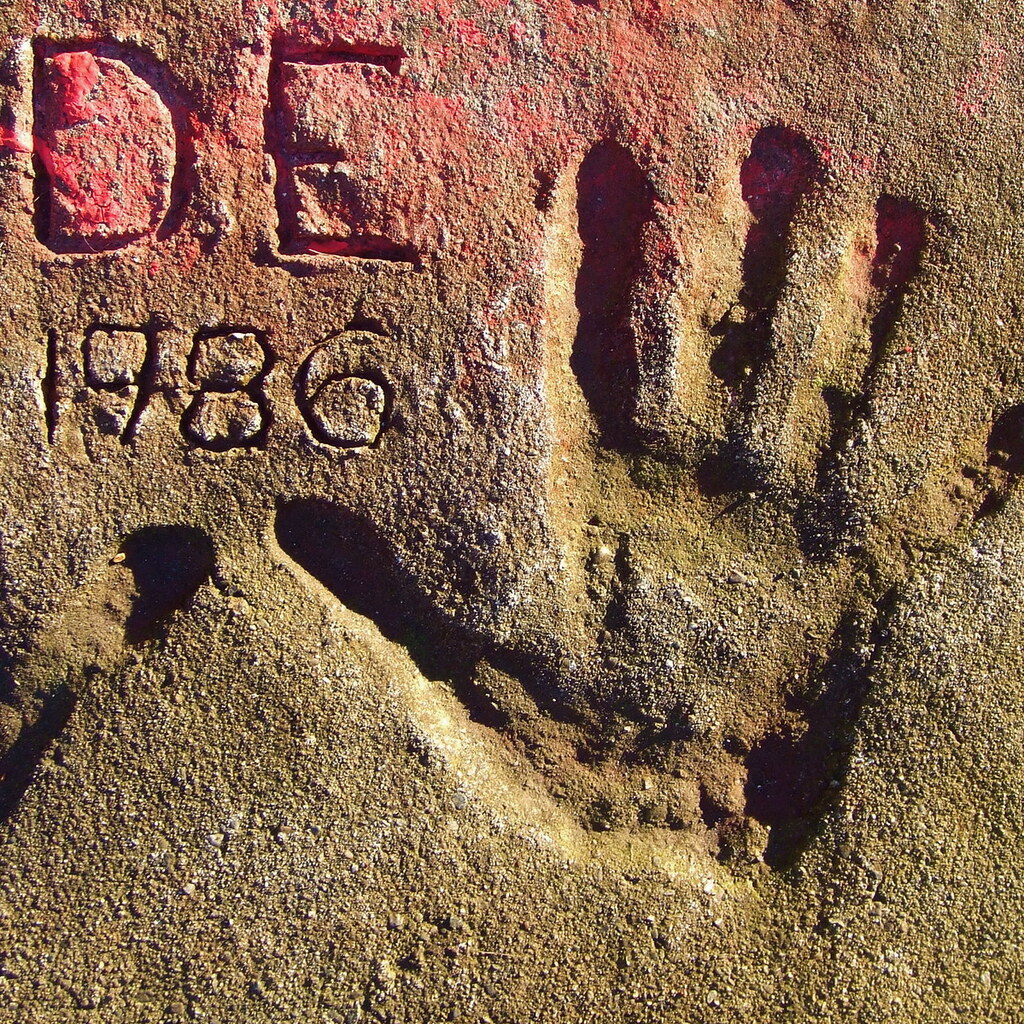
Something is permanent if it will last forever, or for a very, very long time. The hand prints made in the concrete in the picture will be there permanently.
The opposite of permanent is temporary.
The opposite of permanent is temporary.
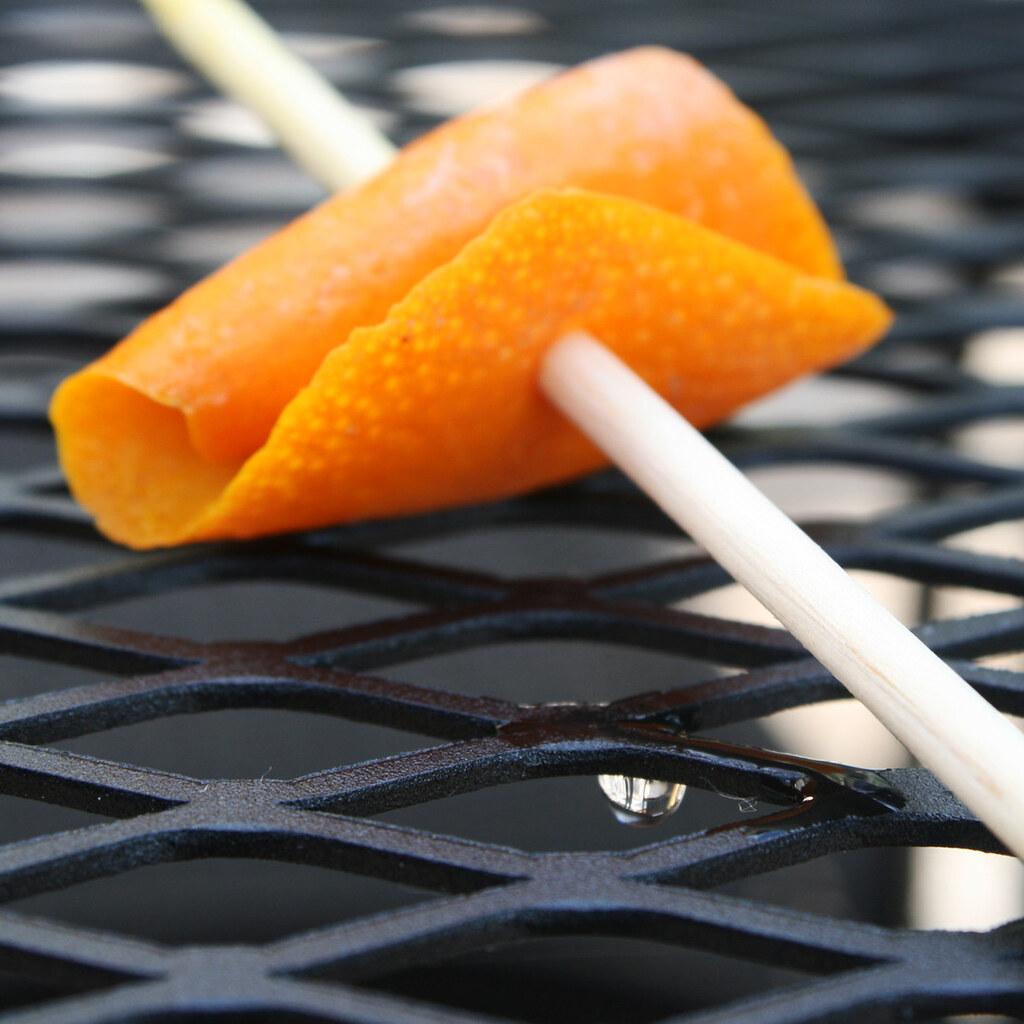
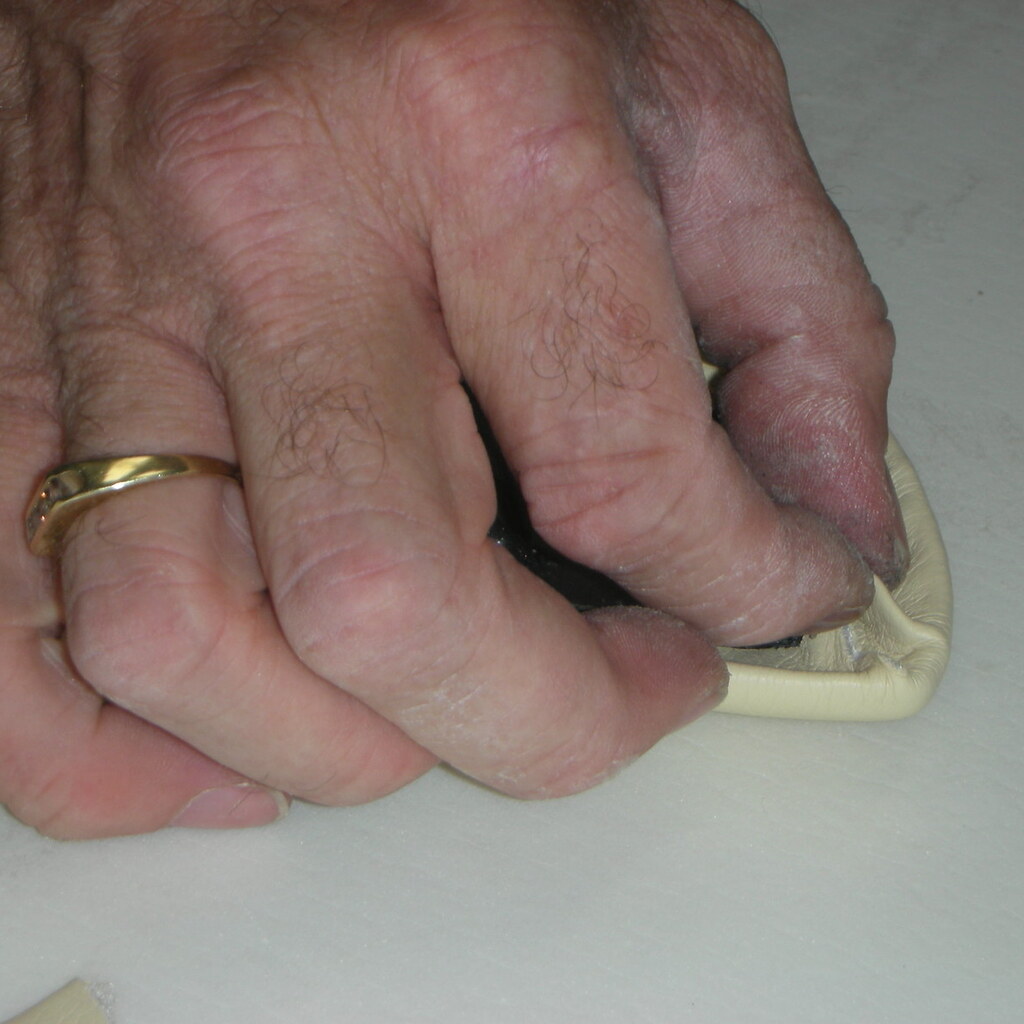
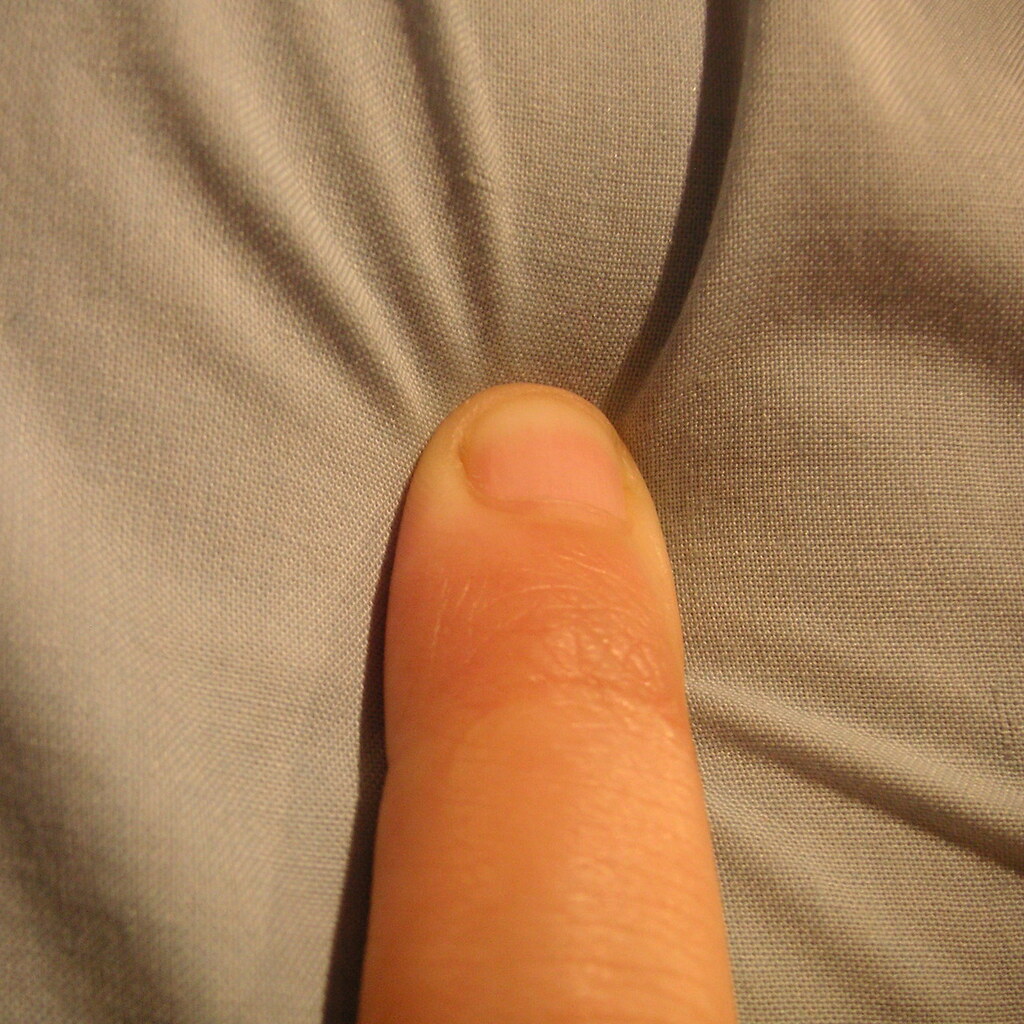
You pinch something when you grab it tightly between your forefinger and thumb.
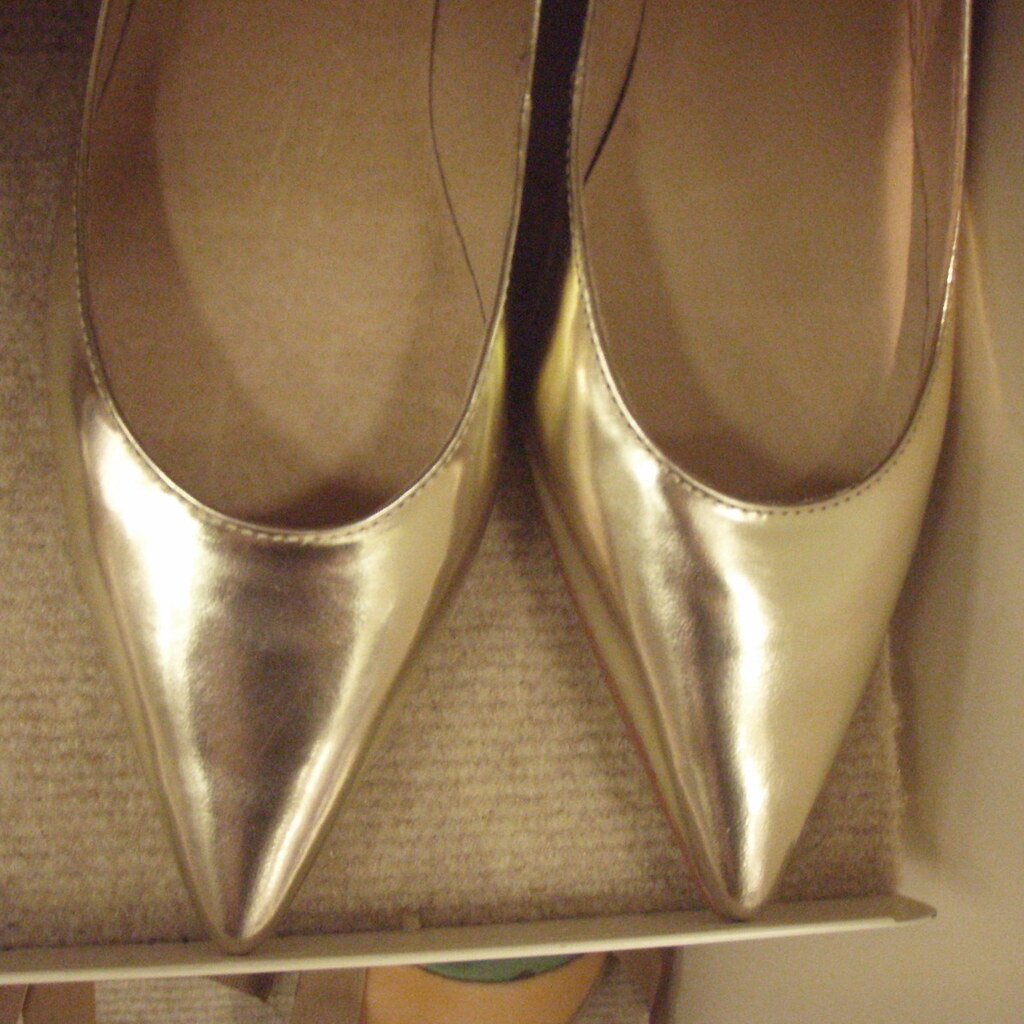
Pinching is also a word for any similar motion to pinching with your hands, or something that feels like pinching. For example, "my new shoes pinch my feet".
Pinching is also a word for any similar motion to pinching with your hands, or something that feels like pinching. For example, "my new shoes pinch my feet".

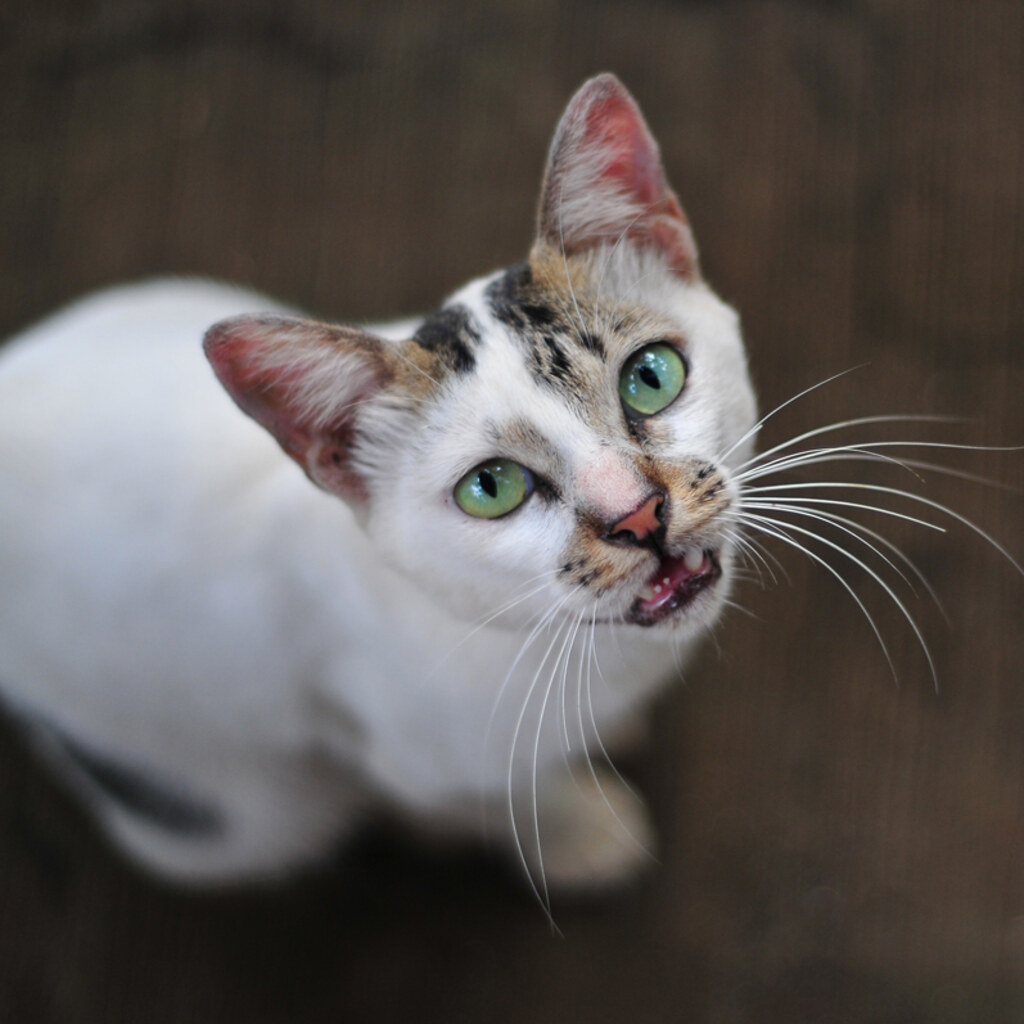

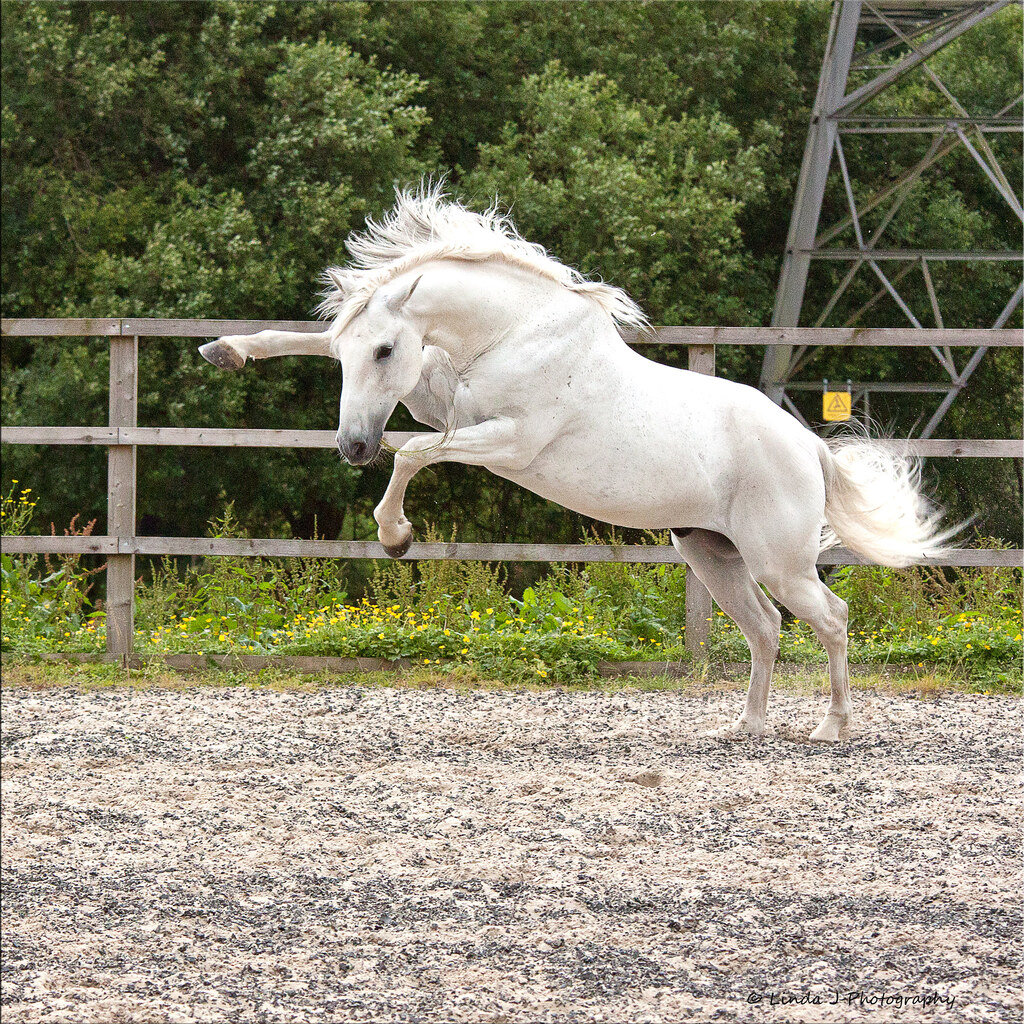
Playful means full of fun and not too serious. You may see a playful dog, child, or cat chasing a toy.
The word can also describe words or jokes that are light and friendly.
The word can also describe words or jokes that are light and friendly.
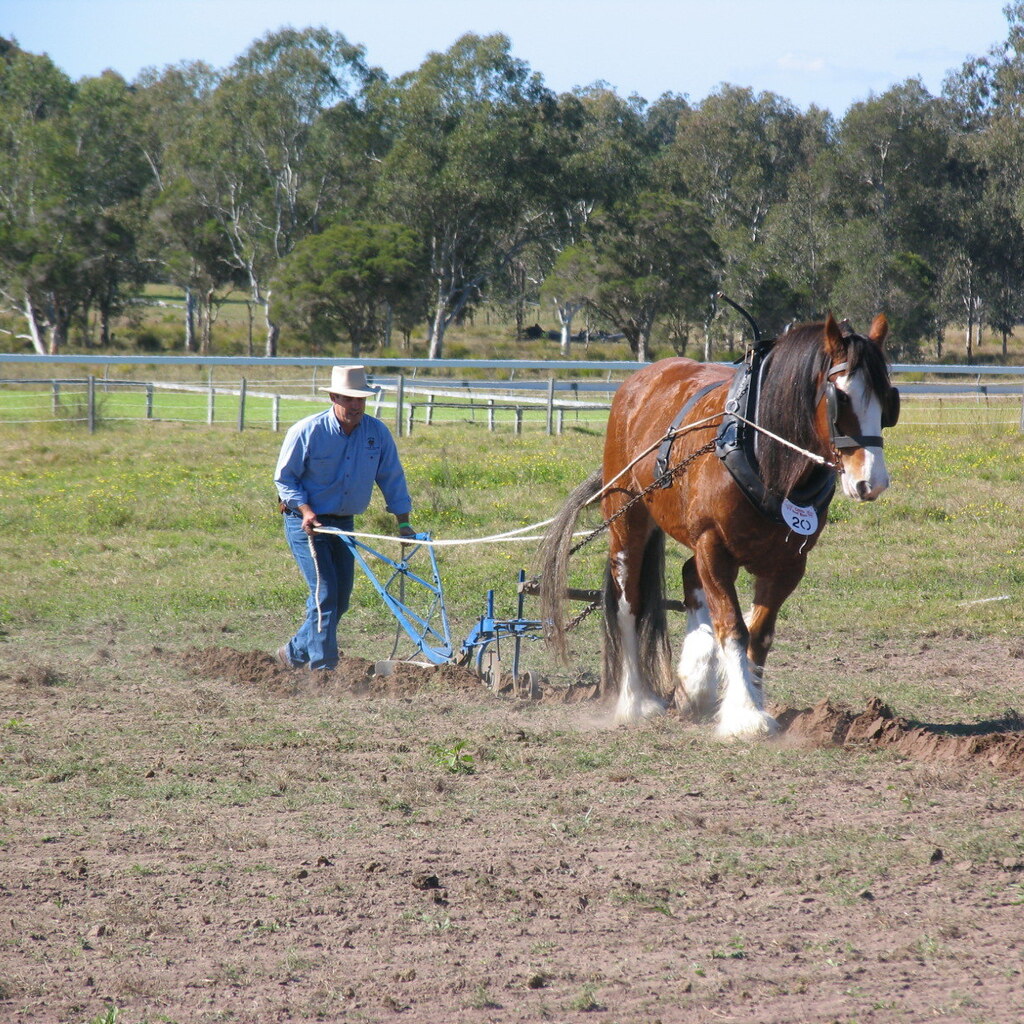
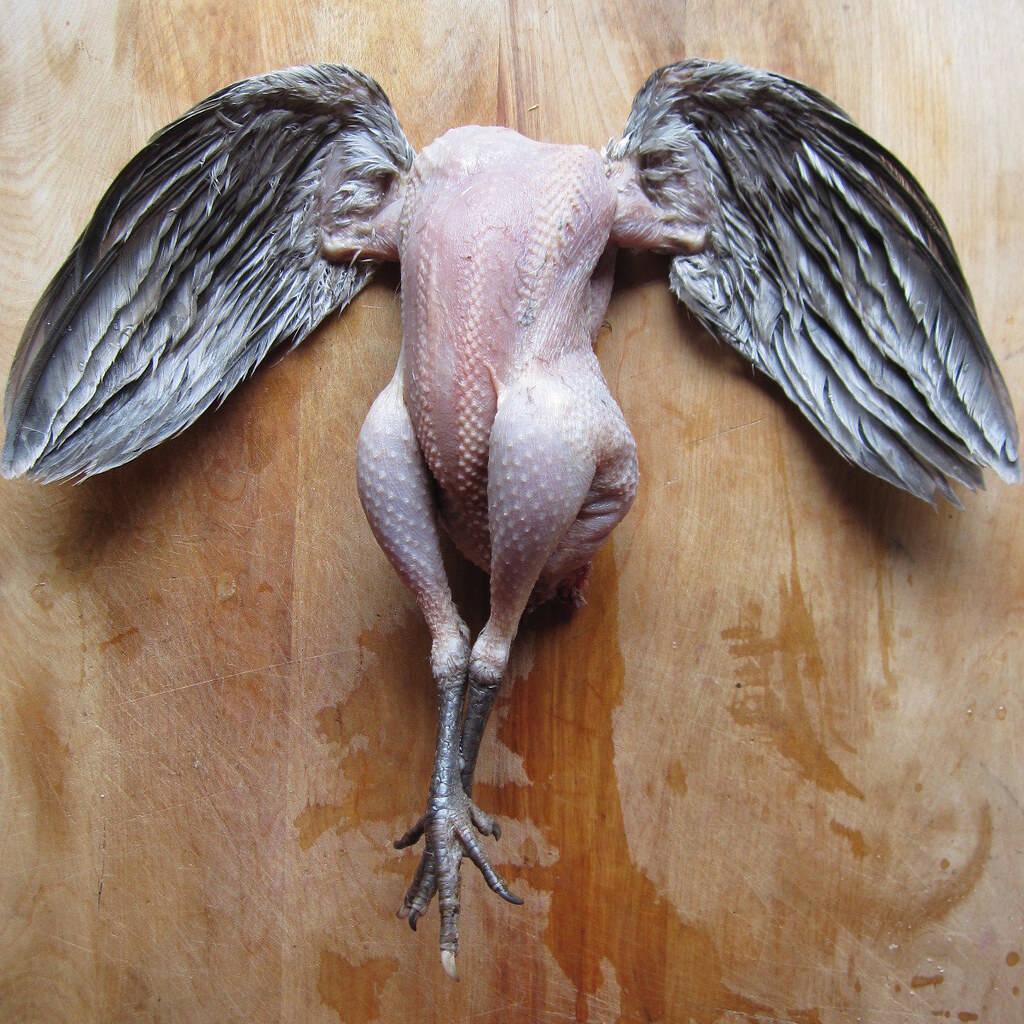
You pluck something by pulling it off at the growing point. People commonly pluck out hairs from their eyebrows, pluck fruit from a tree or vine, or most commonly pluck the feathers from a bird like a chicken to prepare it for cooking. The chicken in the picture has been plucked everywhere except its wings.
Plucking can also describe a short, sharp way of playing an instrument like a guitar, or even be used as another word for courage, as in "he has a lot of pluck".
Plucking can also describe a short, sharp way of playing an instrument like a guitar, or even be used as another word for courage, as in "he has a lot of pluck".
Something is plucked if it has had all the hair or feathers pulled out of it. Plucked is also the past tense of pluck.

Pointing is a motion you can make with your hand to indicate the presence of something. Most people point using one outstretched finger, typically their index finger, which is also called the 'pointer finger.'
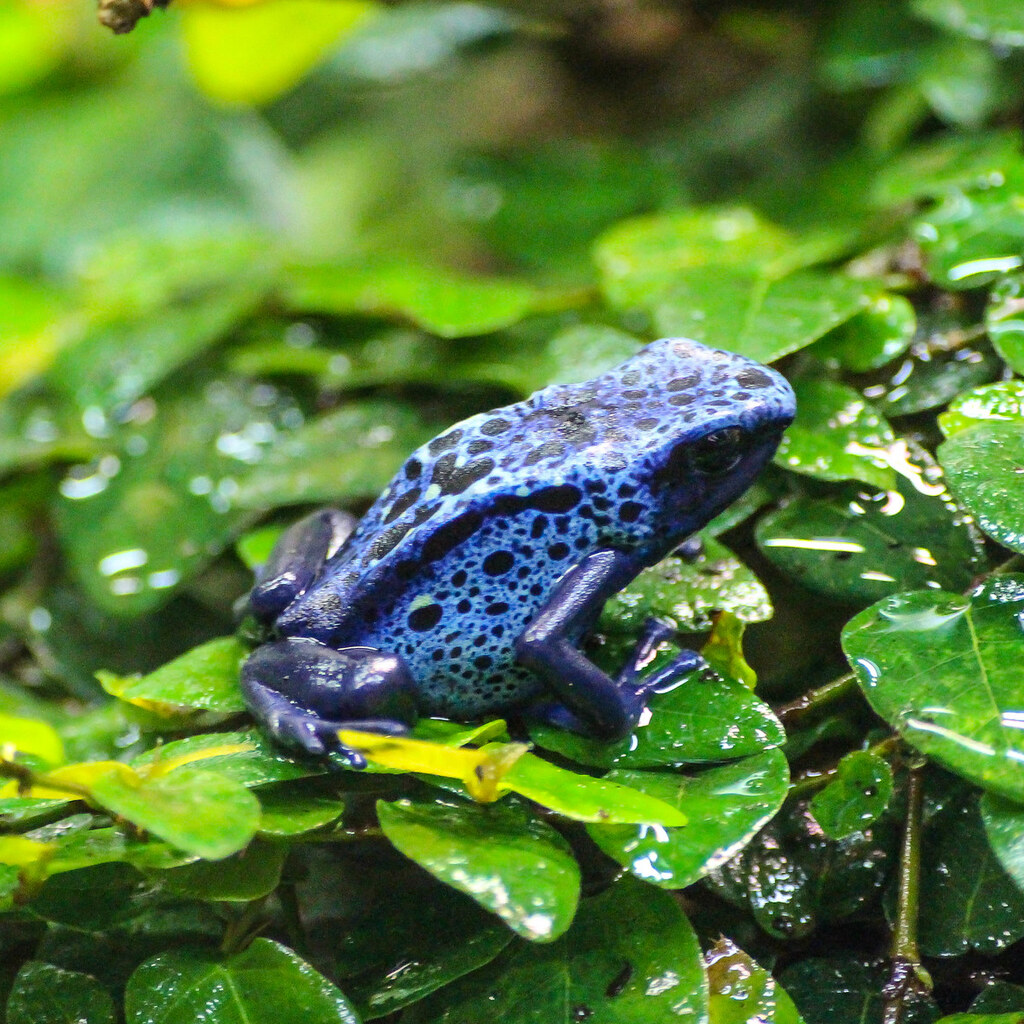
Something is poisonous if it contains poison. Poison can make you very sick, or kill you. Poison needs to get inside you somehow to be dangerous. Poisonous mushrooms and berries are usually eaten, and poisonous insects and snakes inject poison when they bite you. The frog in the picture will poison anything that eats it, and people use the poison from the frog to put on arrows and darts to help them hunt.