
Adverbs

Words that add extra meaning to verbs, adjectives or other adverbs.

Showing 1-18 of 18

Ais forAhead

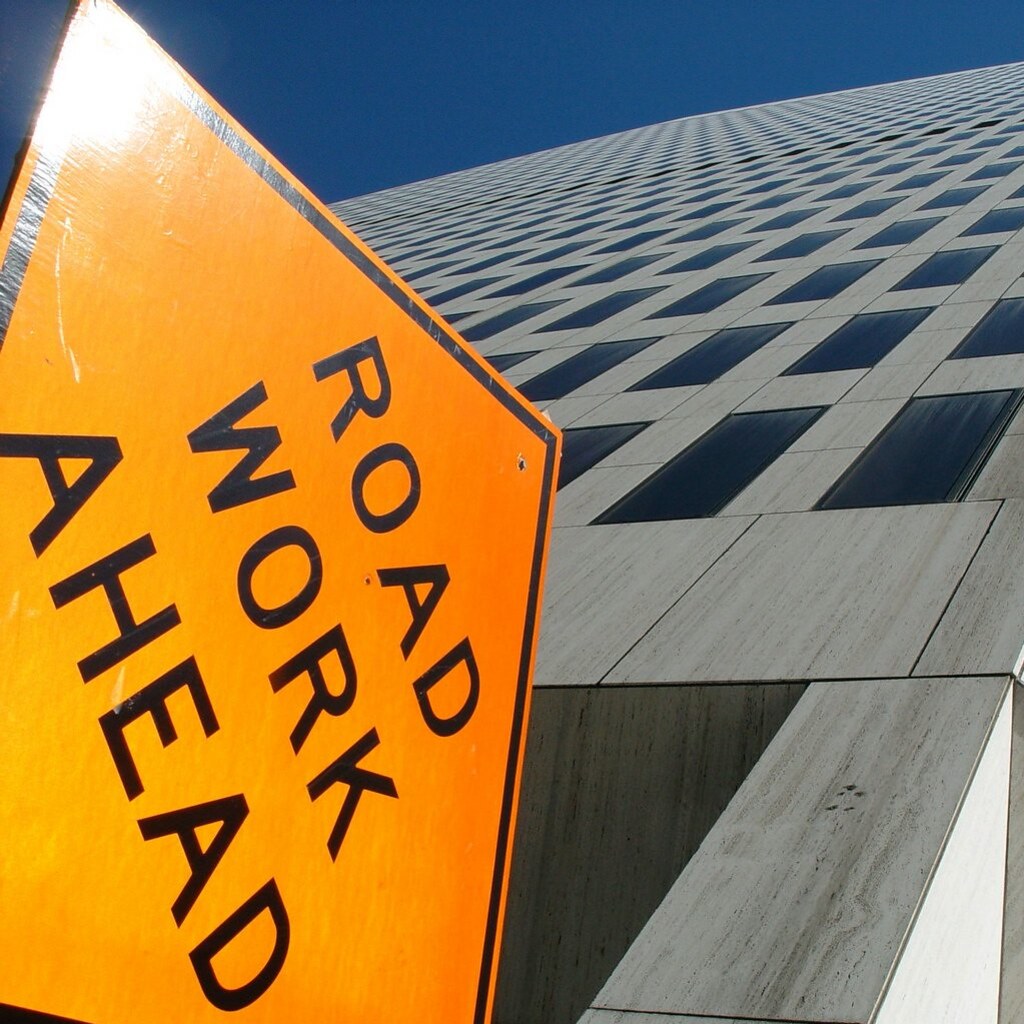
Something is ahead of you if it is in front, or perhaps in the future. For example, "you are getting too far ahead of me" or "my schedule is running ahead of time".

Ais forAlike

Alike is when some things are all very similar. The two girls in the picture are dressed alike.
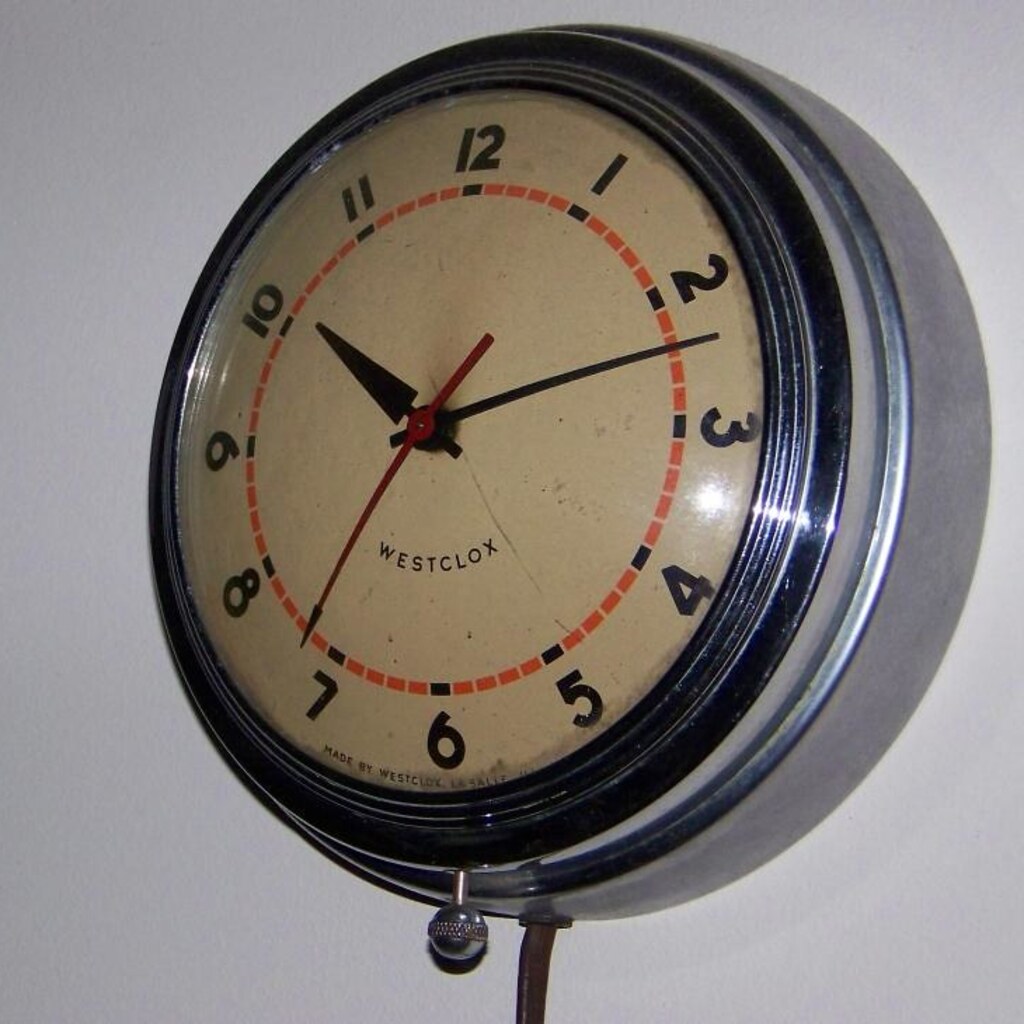
Anticlockwise, or counterclockwise is a circular direction around a central point, in the opposite direction to the way the hands on a clock turn. Anticlockwise goes towards the left.

Ais forAround

Around is in a circular way. The dog in the picture has a scarf around his neck.

Ais forAway

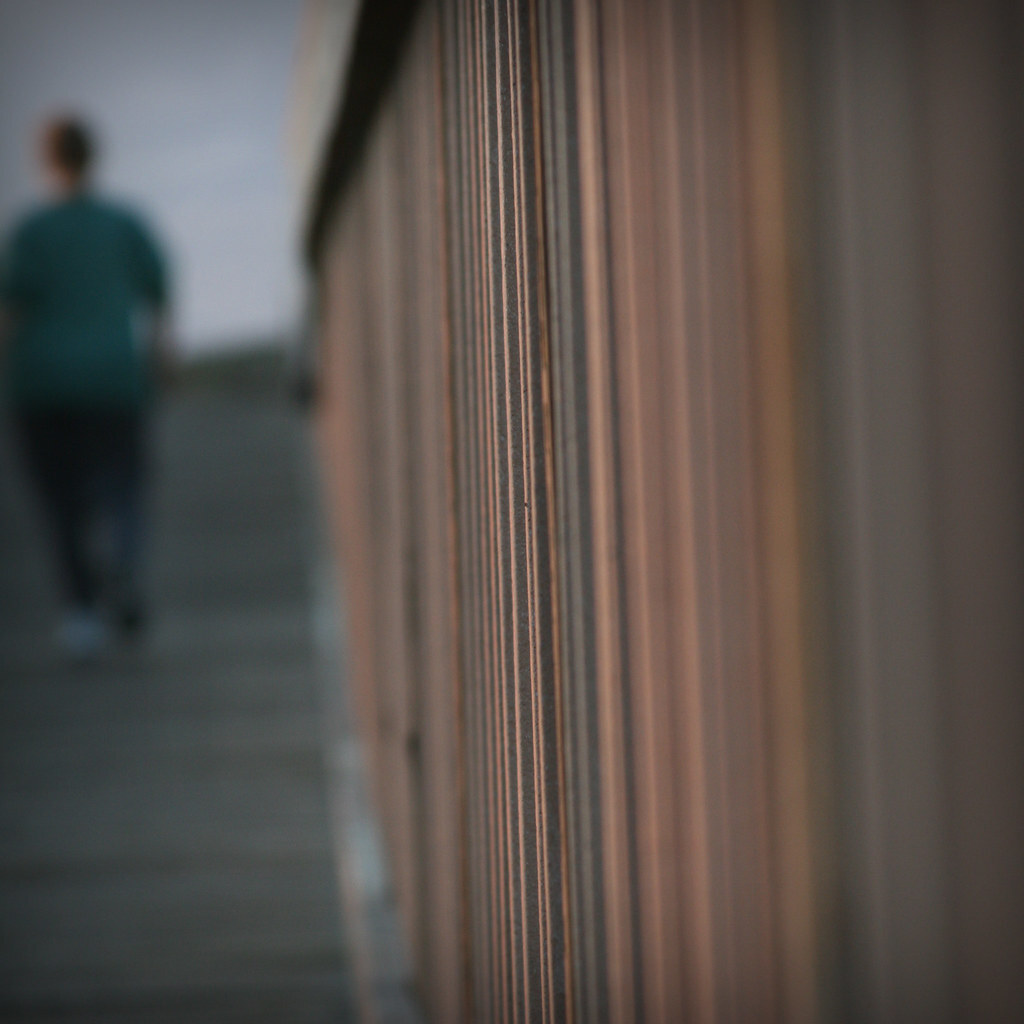
Something is away from you if it is a distance from you, or is being removed from you. The man in the picture is walking away. Parents often take toys away from children as a punishment.
Bis forBehind

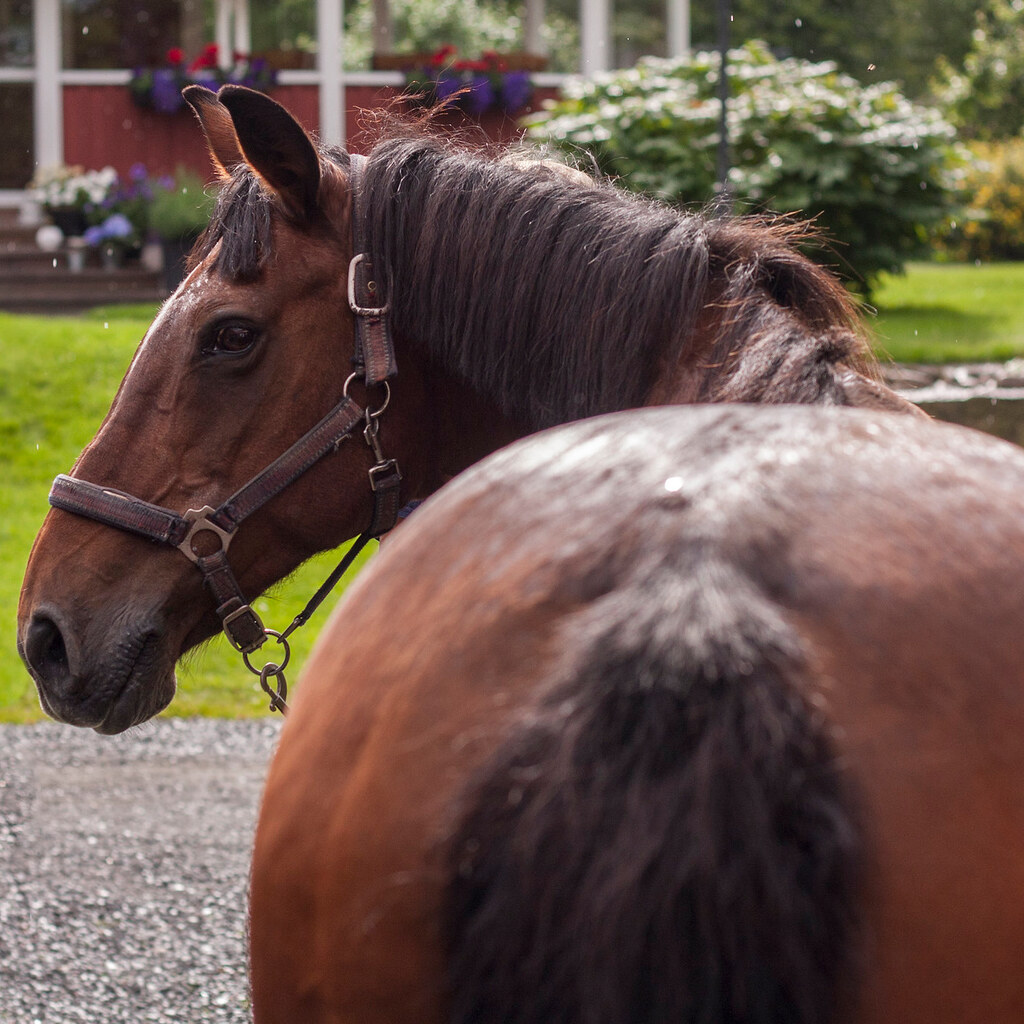
Something is behind you if you cannot see it - your back is facing it rather than your front. The horse in the picture is viewed from behind.
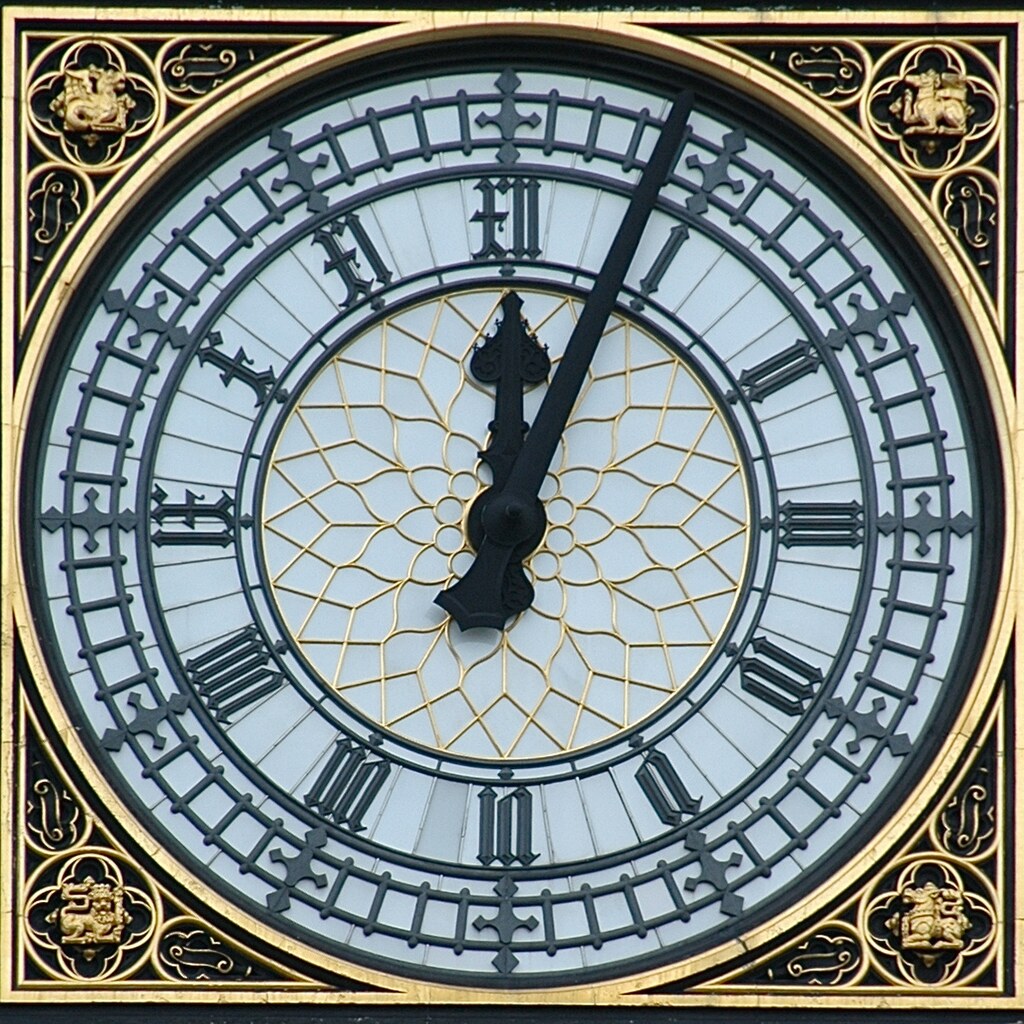
Clockwise is a circular direction around a central point, the same way the hands on a clock turn. Clockwise goes towards the right.

His forHere

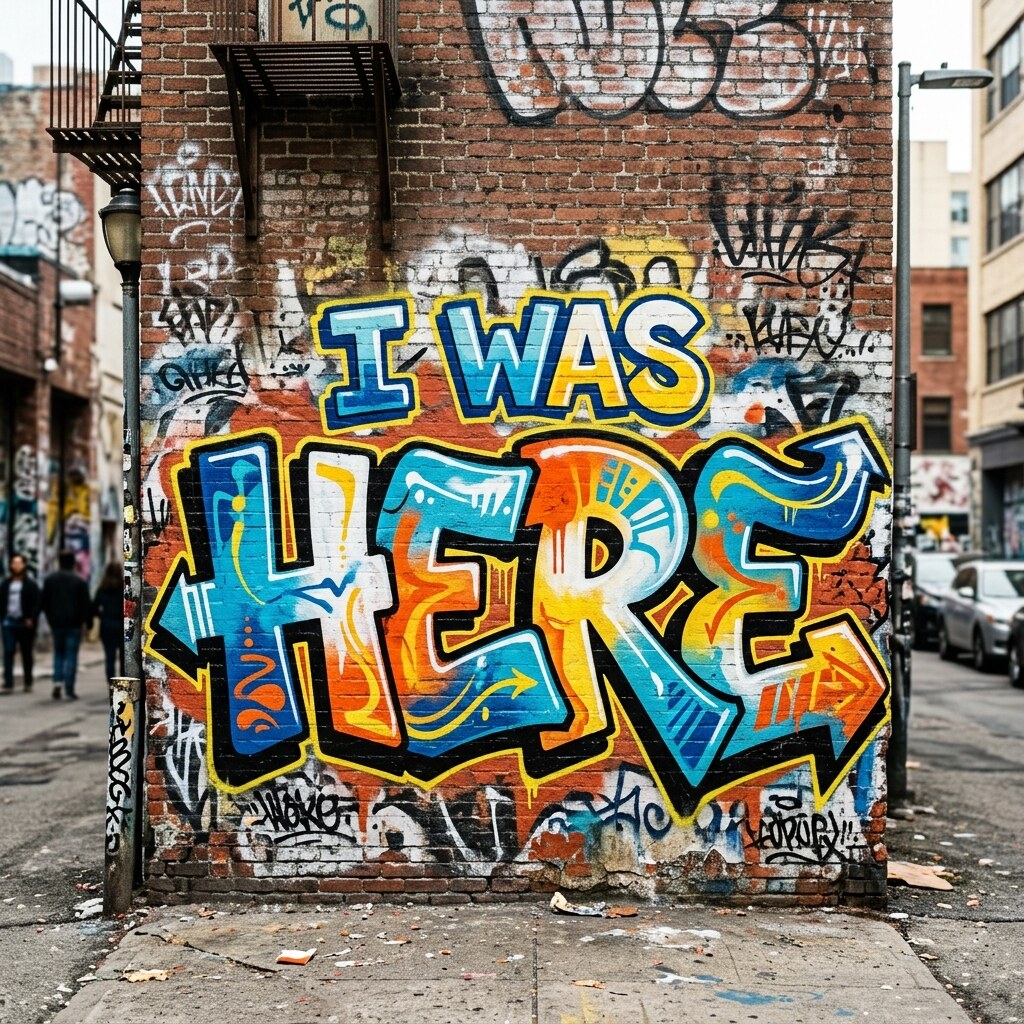
Here is the place that you currently are. If you want someone to come to you, you might call out "come here!"

Iis forIn

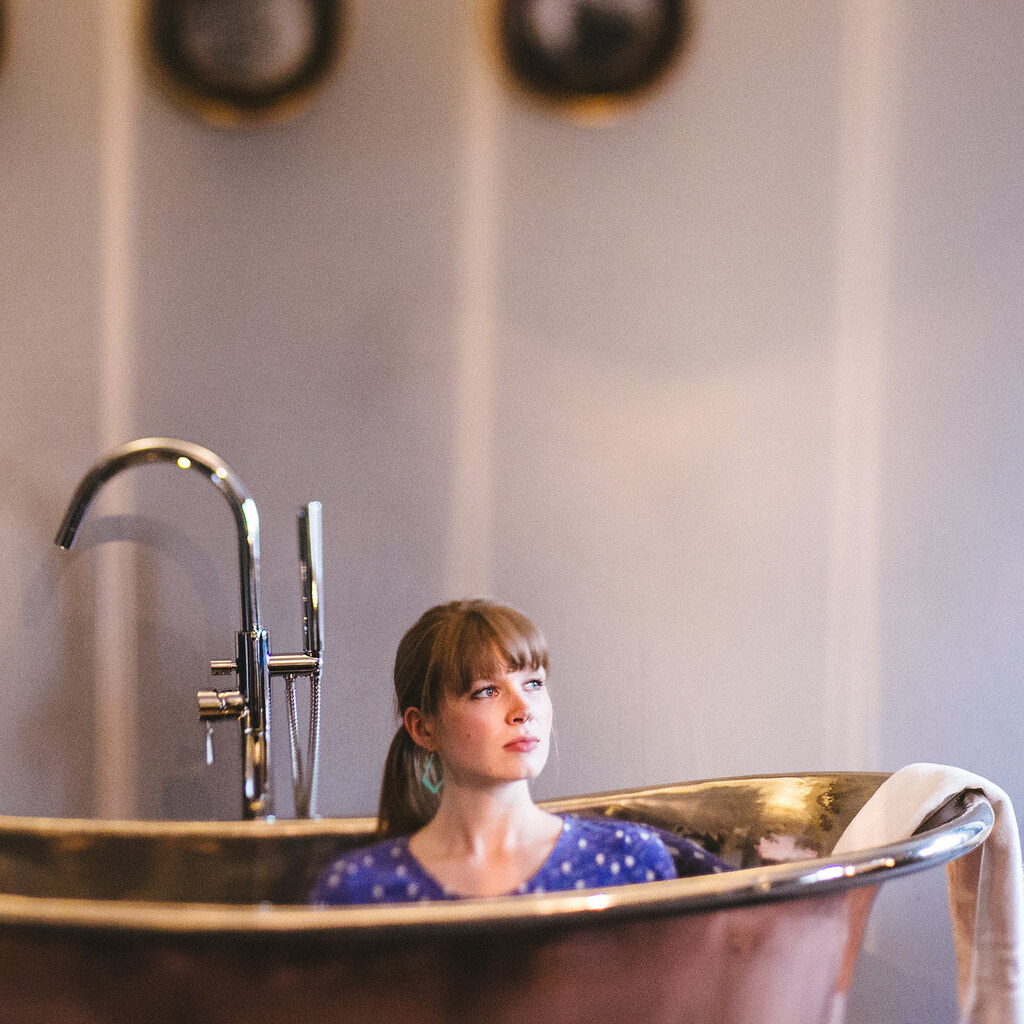
Something is in something else if it is contained in it somehow. The person in the picture is in a bath.
The opposite of in is out.

Lis forLate

Something is late if it happens after you expect it to happen. If you are late for something, you get there after it starts.

The woman in the photo is running late for work.

Lis forLater

Later is a word that means at a time after now. It can describe something that happens in the future.

Later is often used in daily talks, schedules, and instructions to show the order of events.
Nis forNo

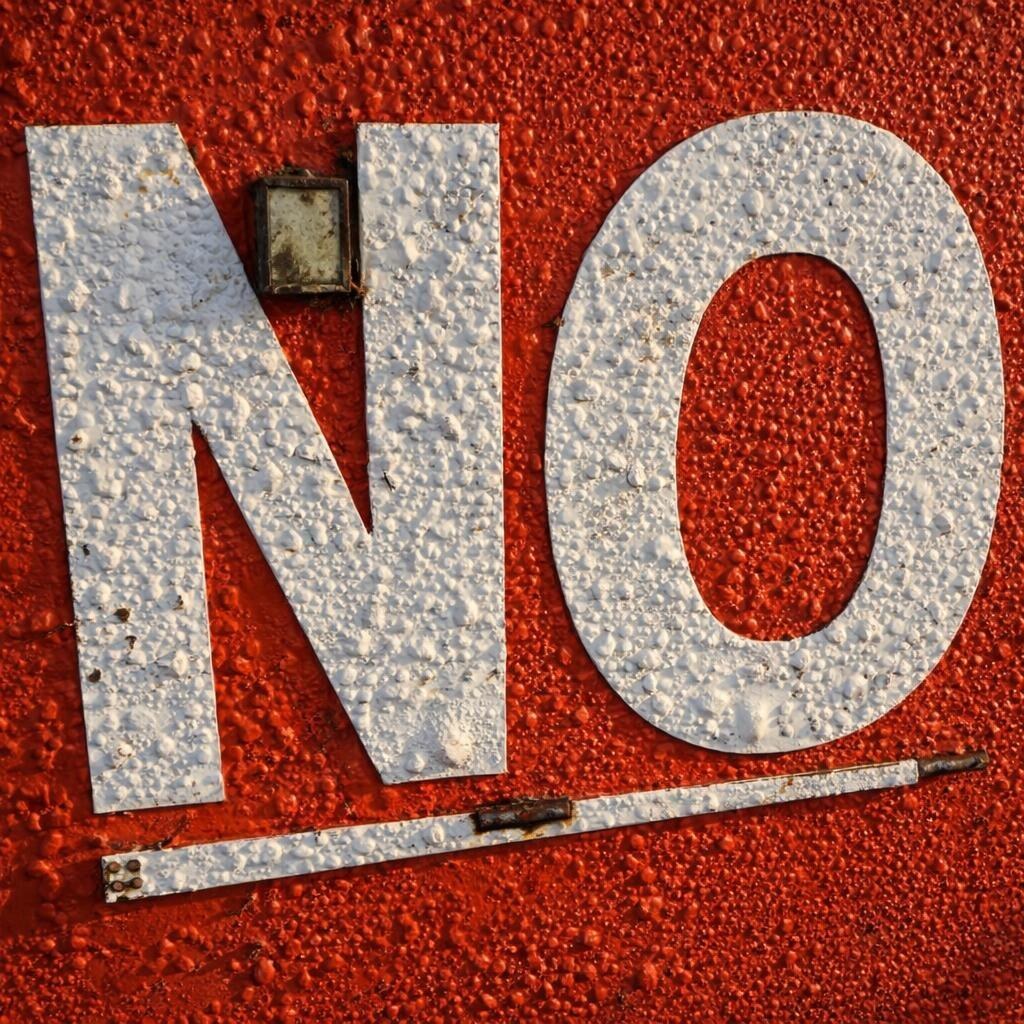
No is a word with a negative meaning. It might mean you do not want something, or that there is none of something. For example "No, I don't want to wear that dress" or "there are no ducks at the pond today".
The opposite of no is yes.

Ois forOut

You go out when you go away from something, or out from inside something. For example, you might go out to a restaurant. If you rearrange some items, they become out of order.
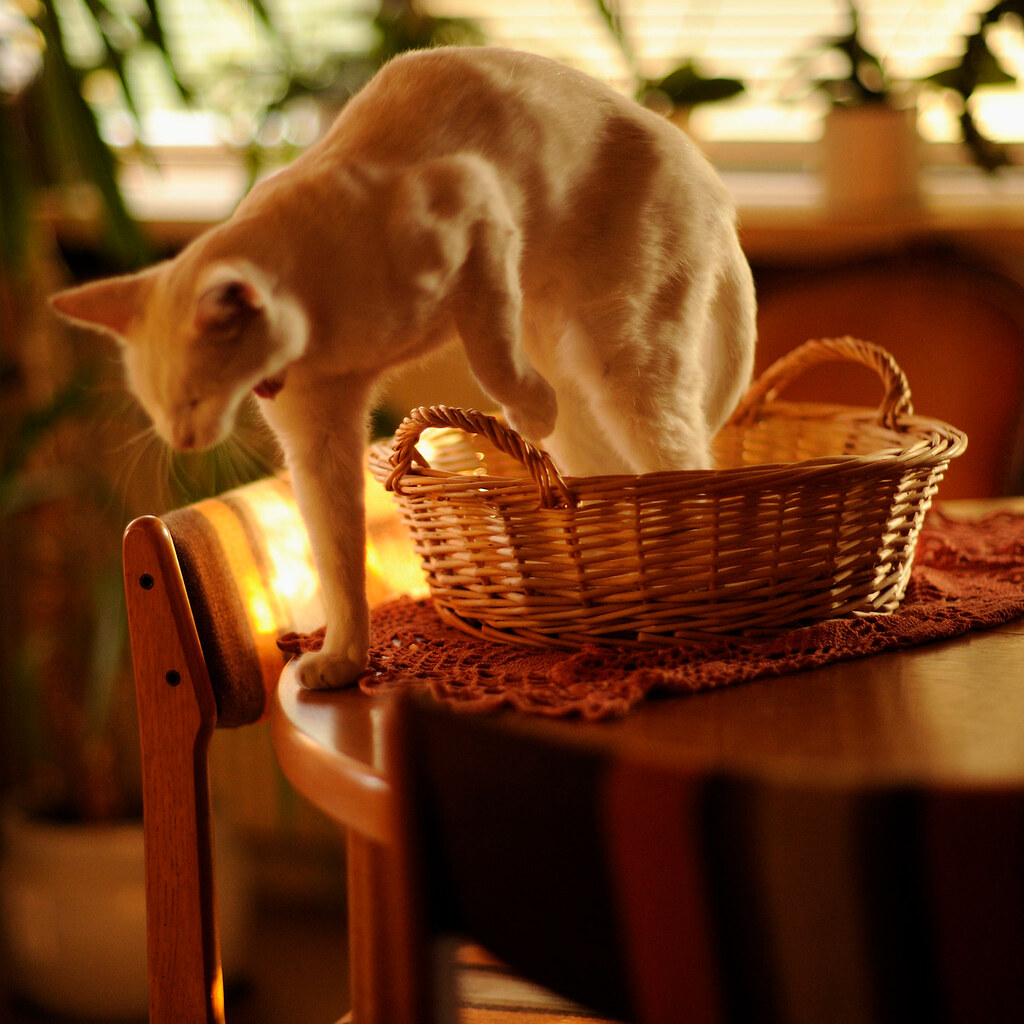
The cat in the picture is getting out of a box.
The opposite of out is in.

Pis forPlease

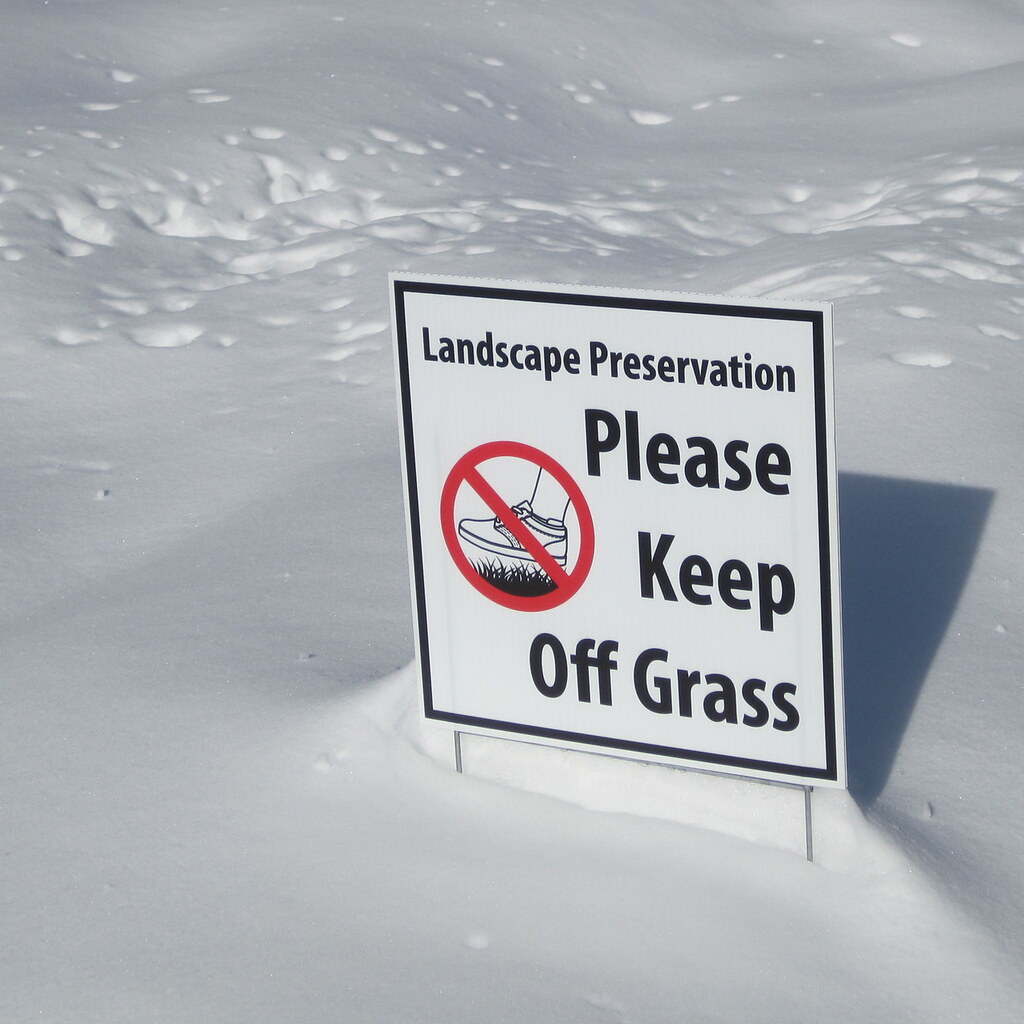
Please is a word you add to a request to make it nicer and more polite. You are more likely to get what you want if you say please.
Used as a verb, please means to make someone feel good or happy, for example "I did it just to please you".

Tis forThrough

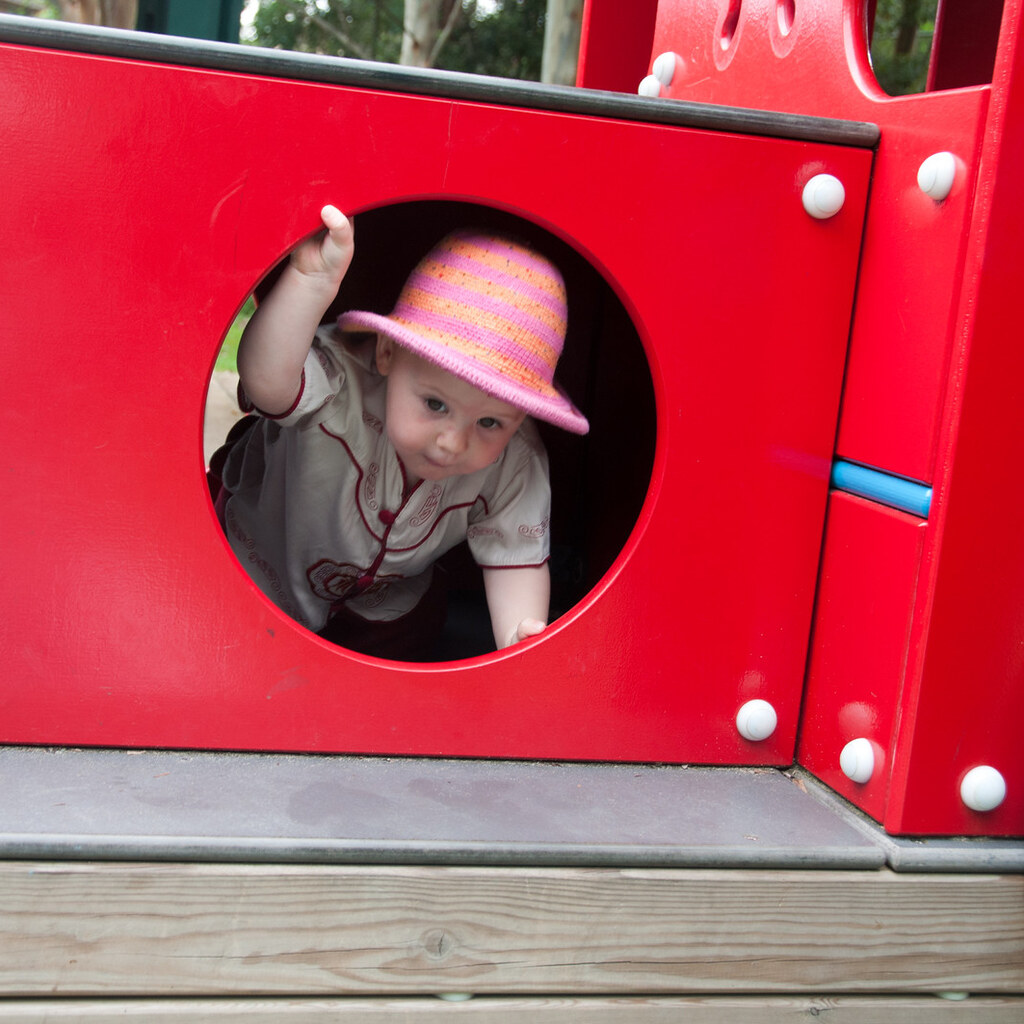
You go through something when you go in one side and out the other.
The little girl in the picture is going through a hole in a playground.

Tis forTo

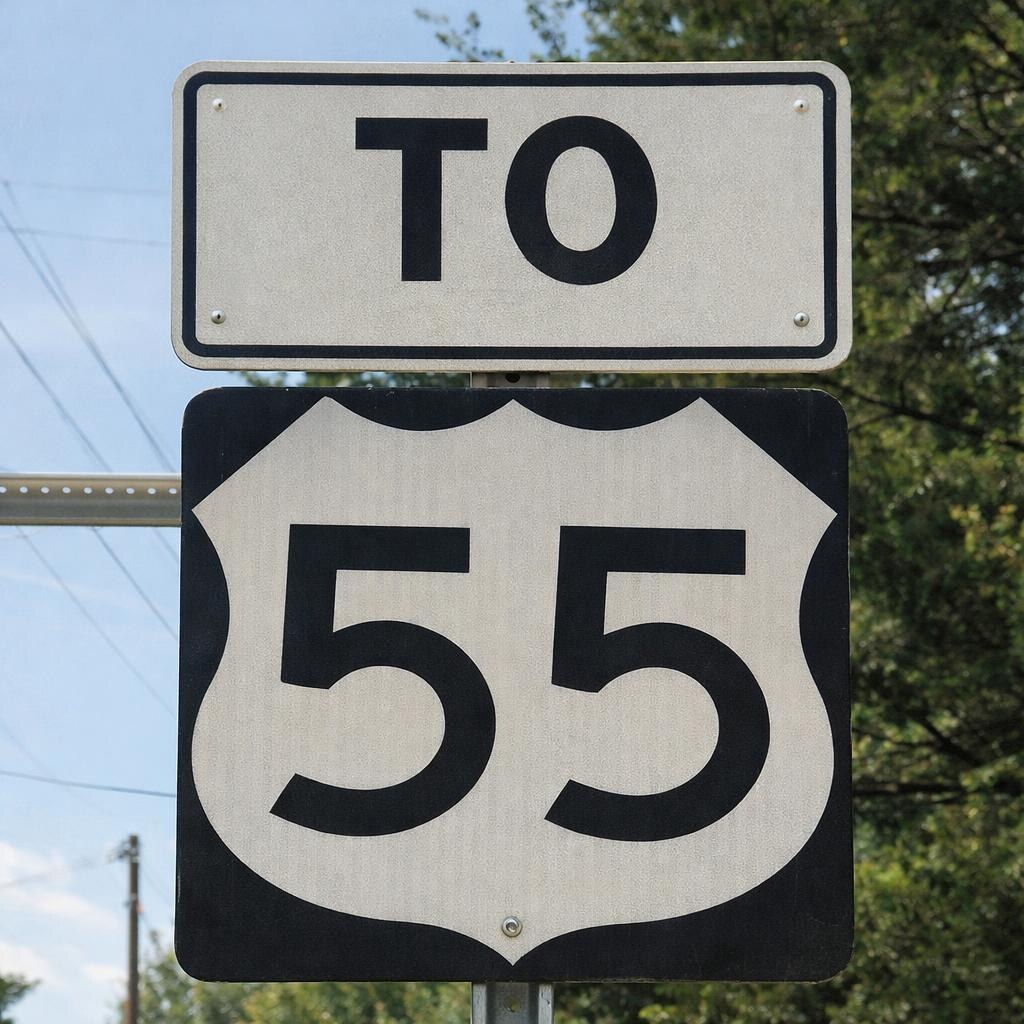
You use the word to when you are talking about going toward something, for example "I am going to the shops", "apply paint to the wall" or "the time is ten to six".
Wis forWhy

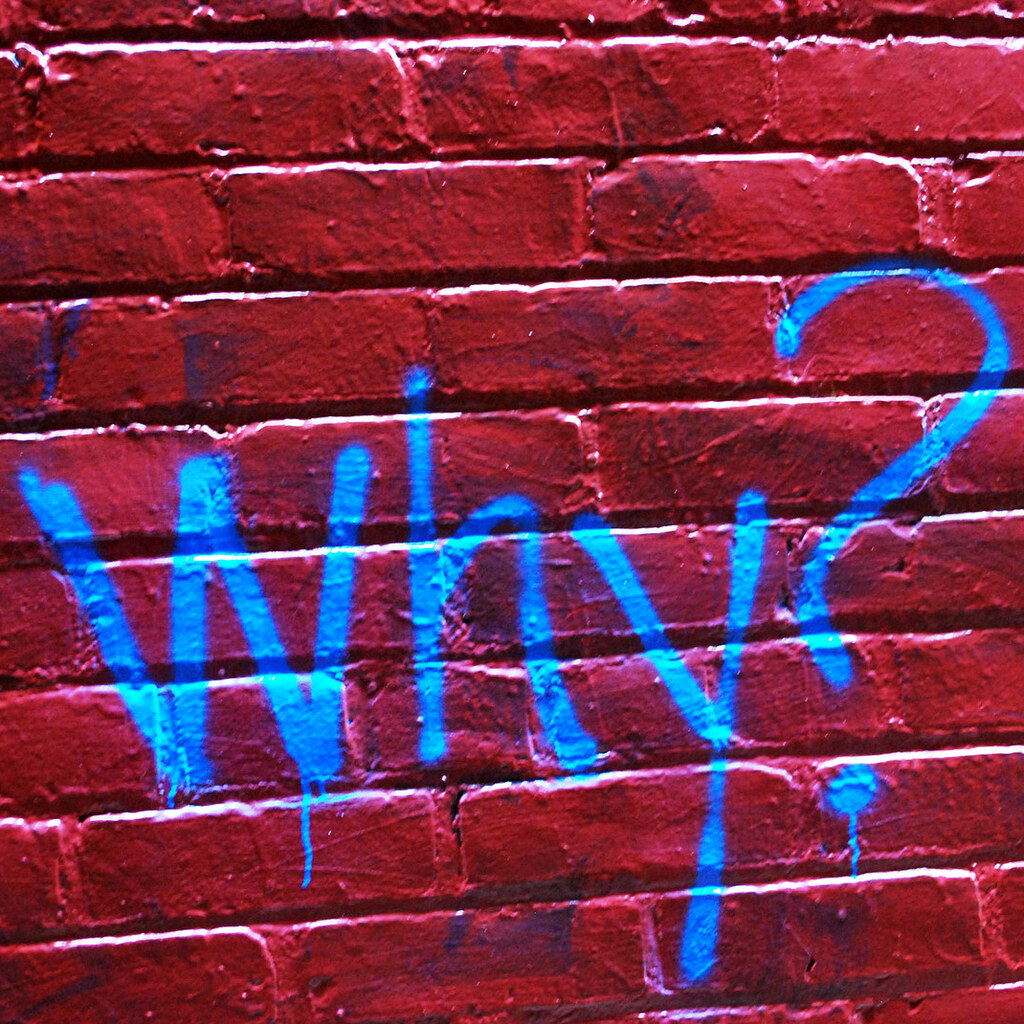
Why is the reason or purpose behind something. If you ask why something happened, you want to know the cause.

Yis forYes

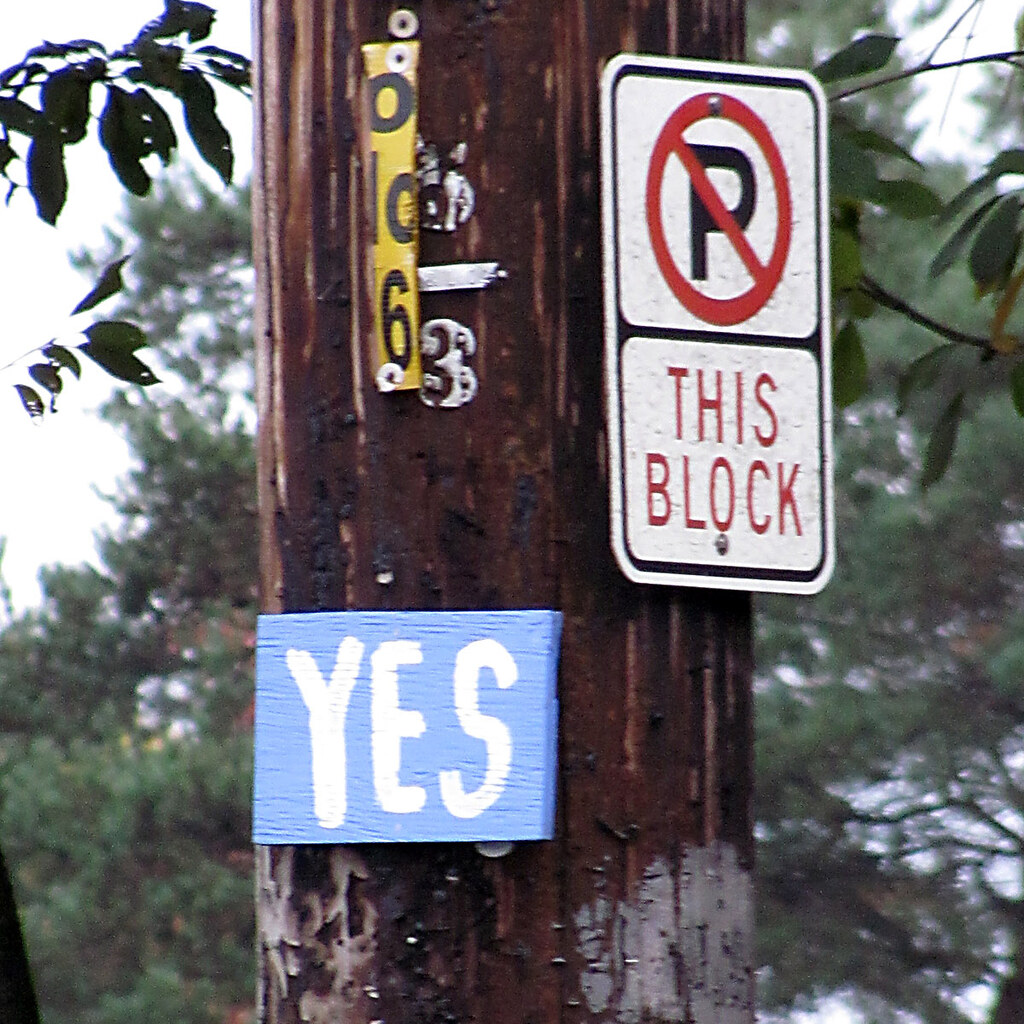
Yes is the response you make to a question or statement when you agree with it. For example, if someone asks you "do you want some icecream?" you say "yes" if you want some, and "no" if you don't.