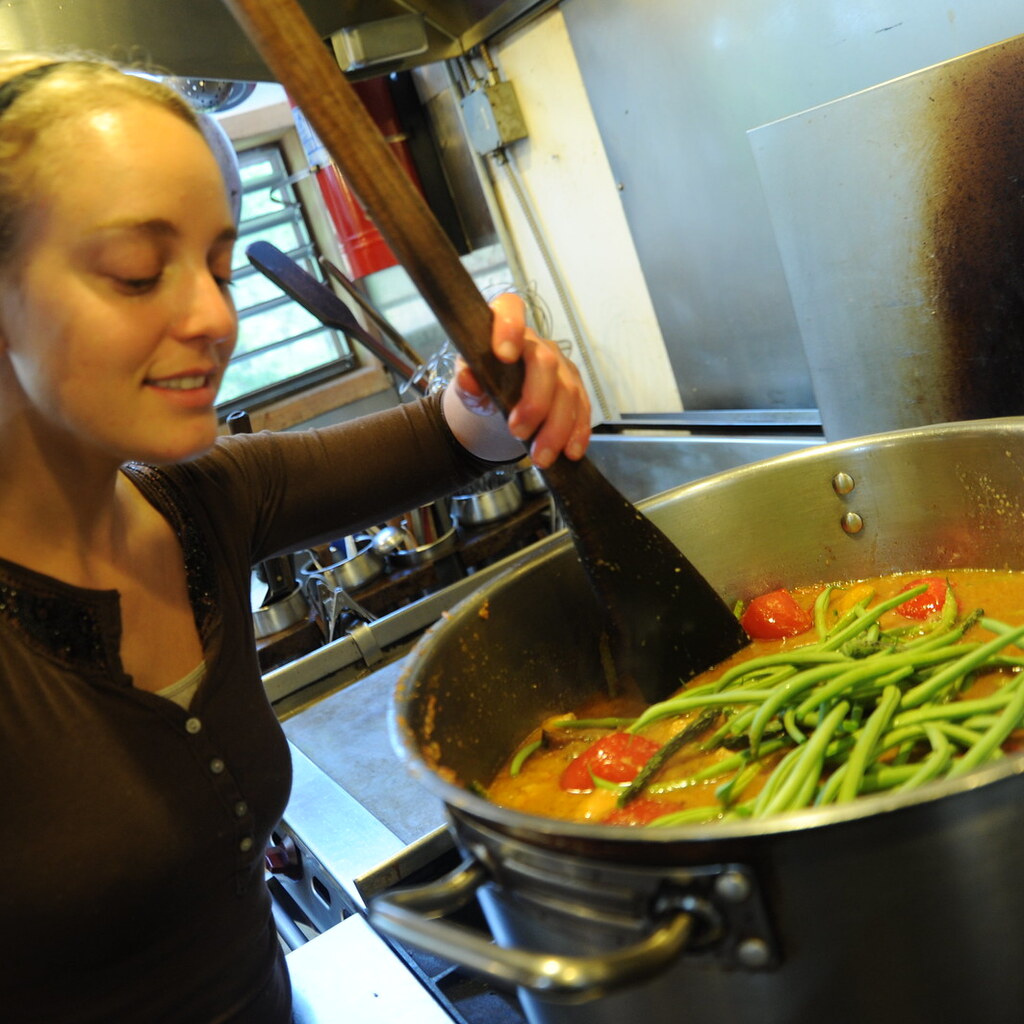
1 word is below your SafeSearch level and not shown.
Stirred is the past tense of
stir.
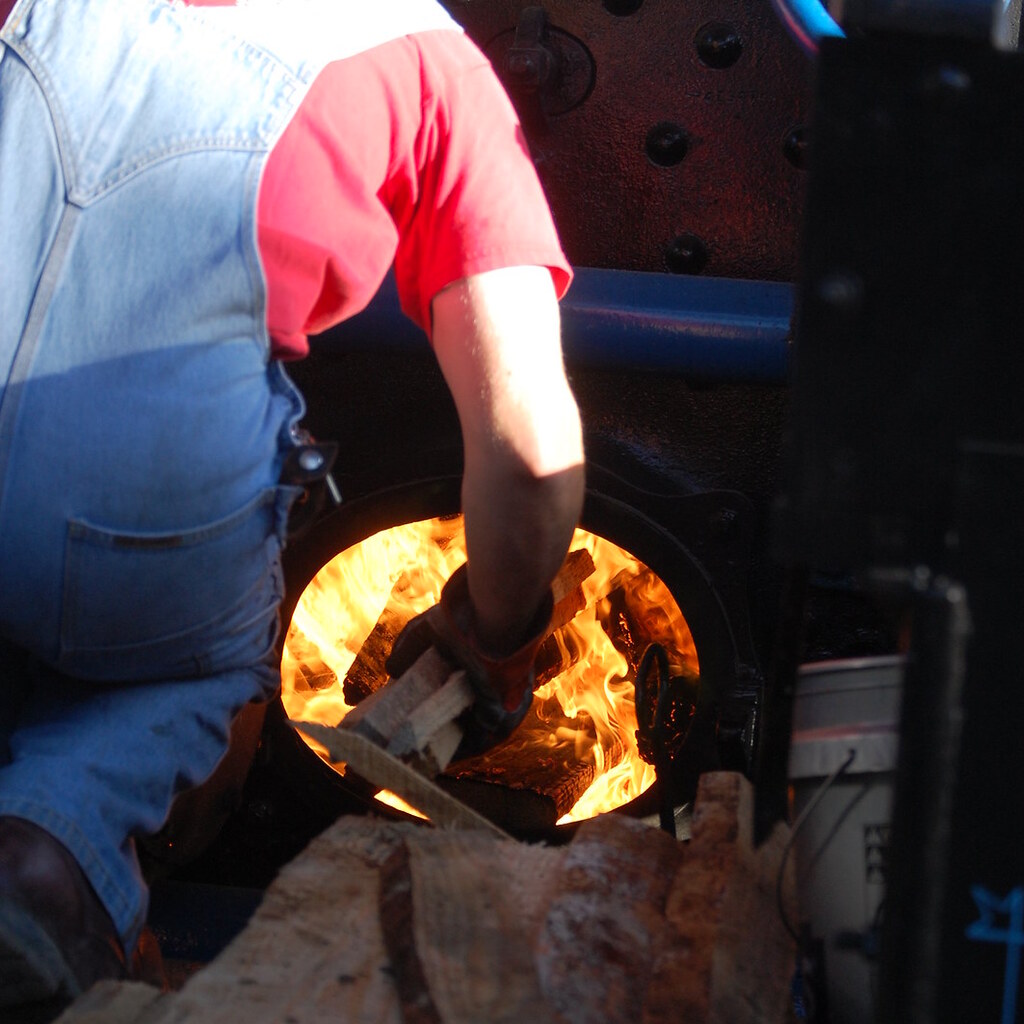
You
stoke a fire when you put more
fuel on it, to keep it
burning.
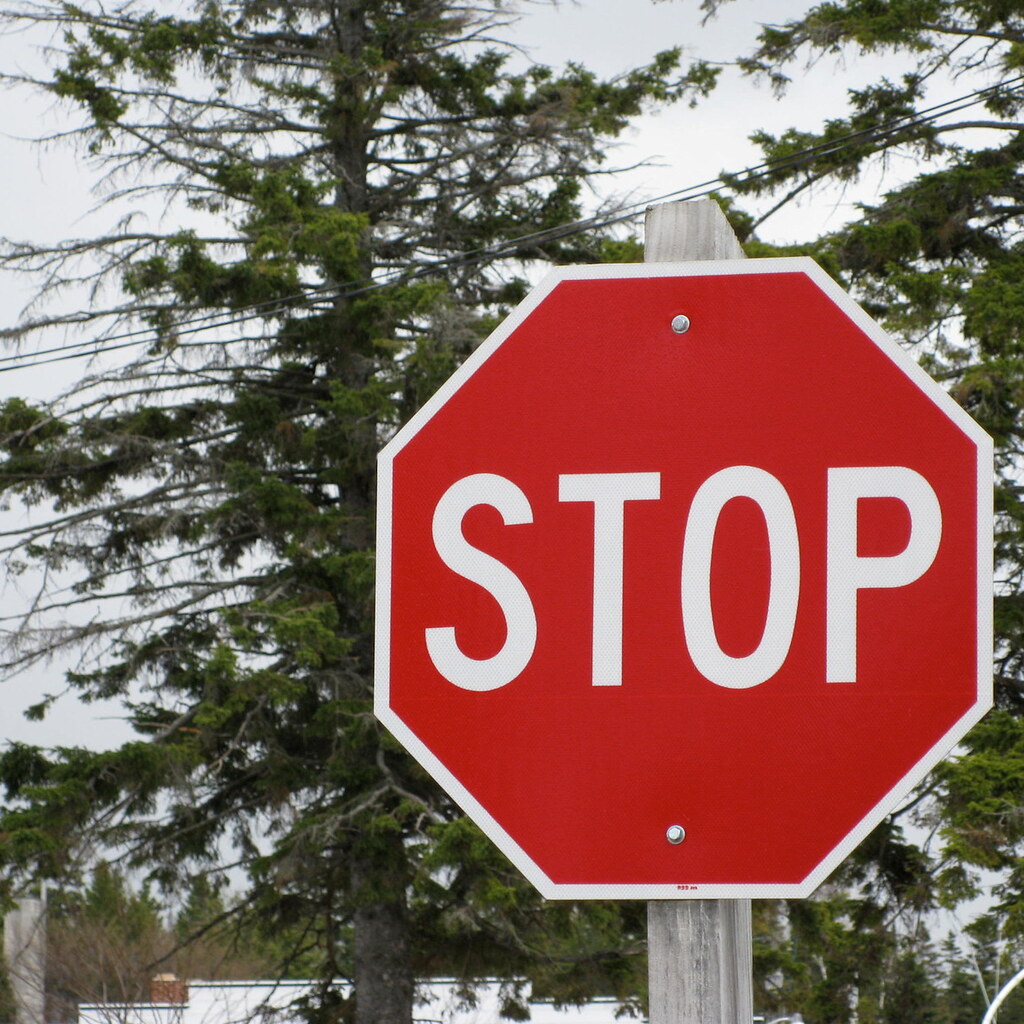
You
stop doing something when you don't do it anymore. You can also stop someone else from doing something, or stop an action and end it early. For example,
"she brought a stop to the daily meetings".
The opposite of stop is
go or
start.
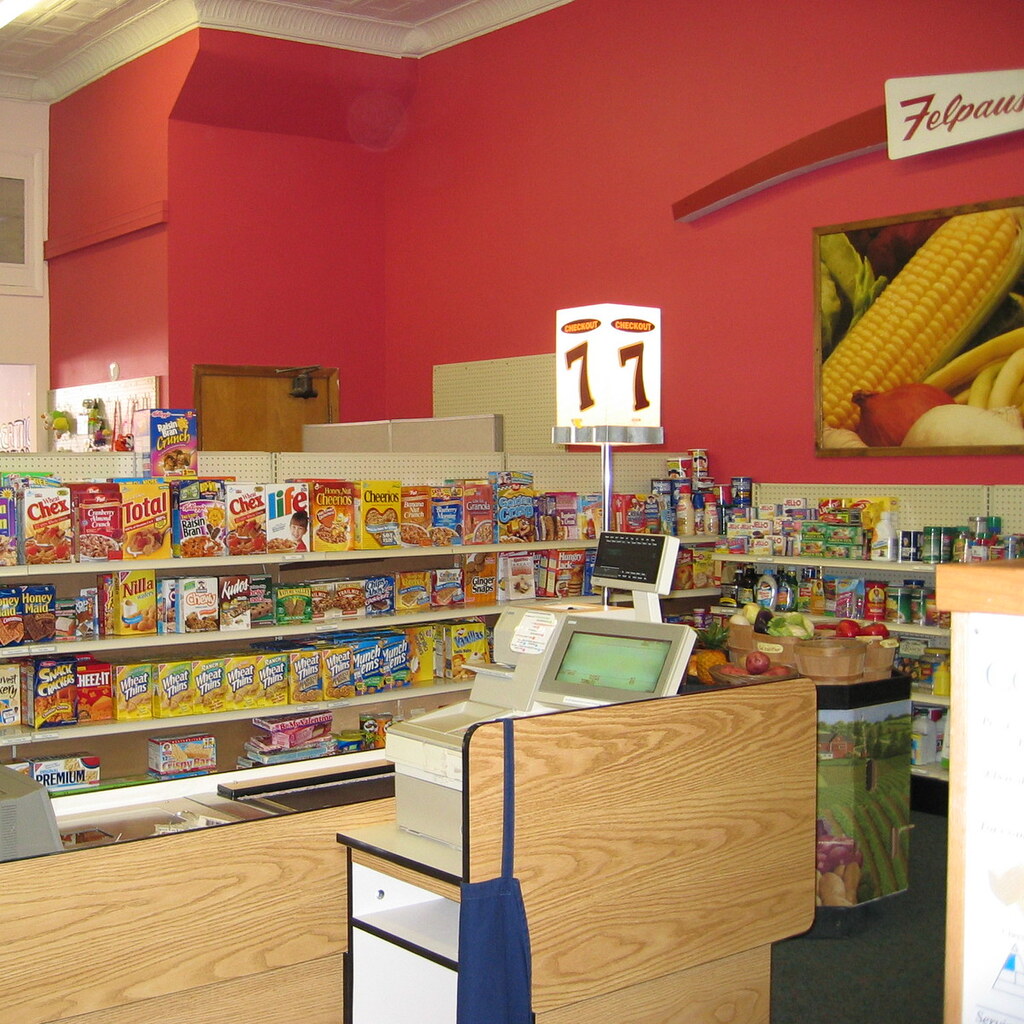
A store is a place where you can go to
buy things. Another word for store is
shop.
It is also a verb, that means to put something into
storage.
Something is straight if it has no
bends, curves or
corners in it. The
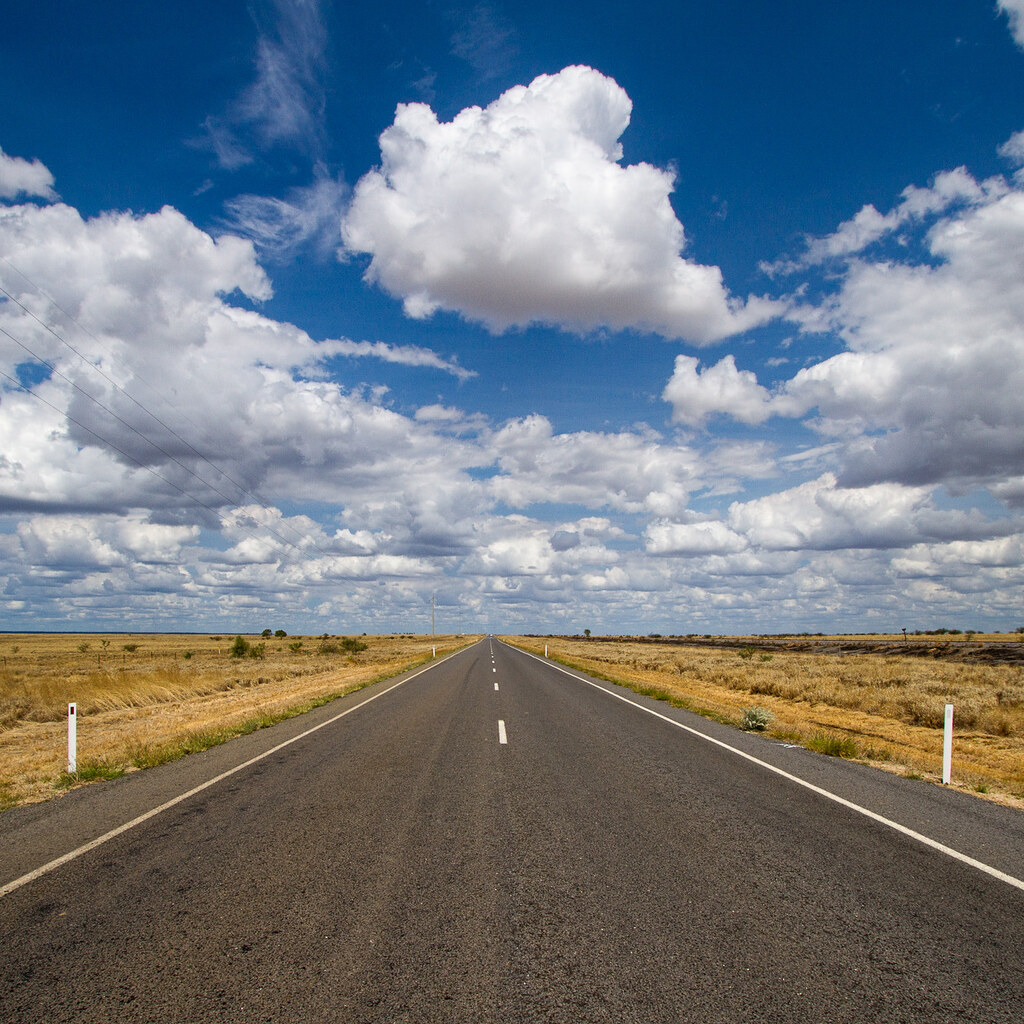
road in the picture is long and
straight.
Something is
strange if it is
unusual and not what you would normally expect.
The opposite of strange is
normal or
ordinary.
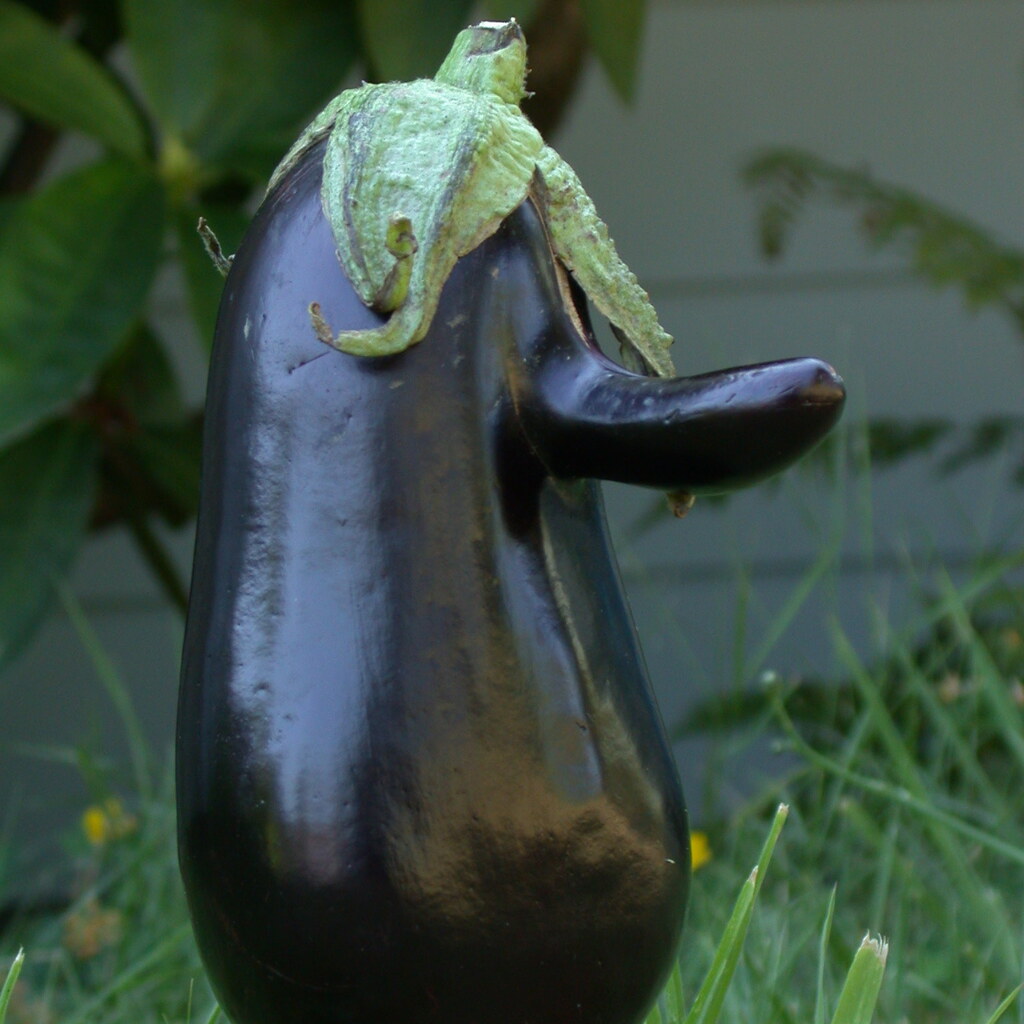
The picture is of a very strange looking vegetable.
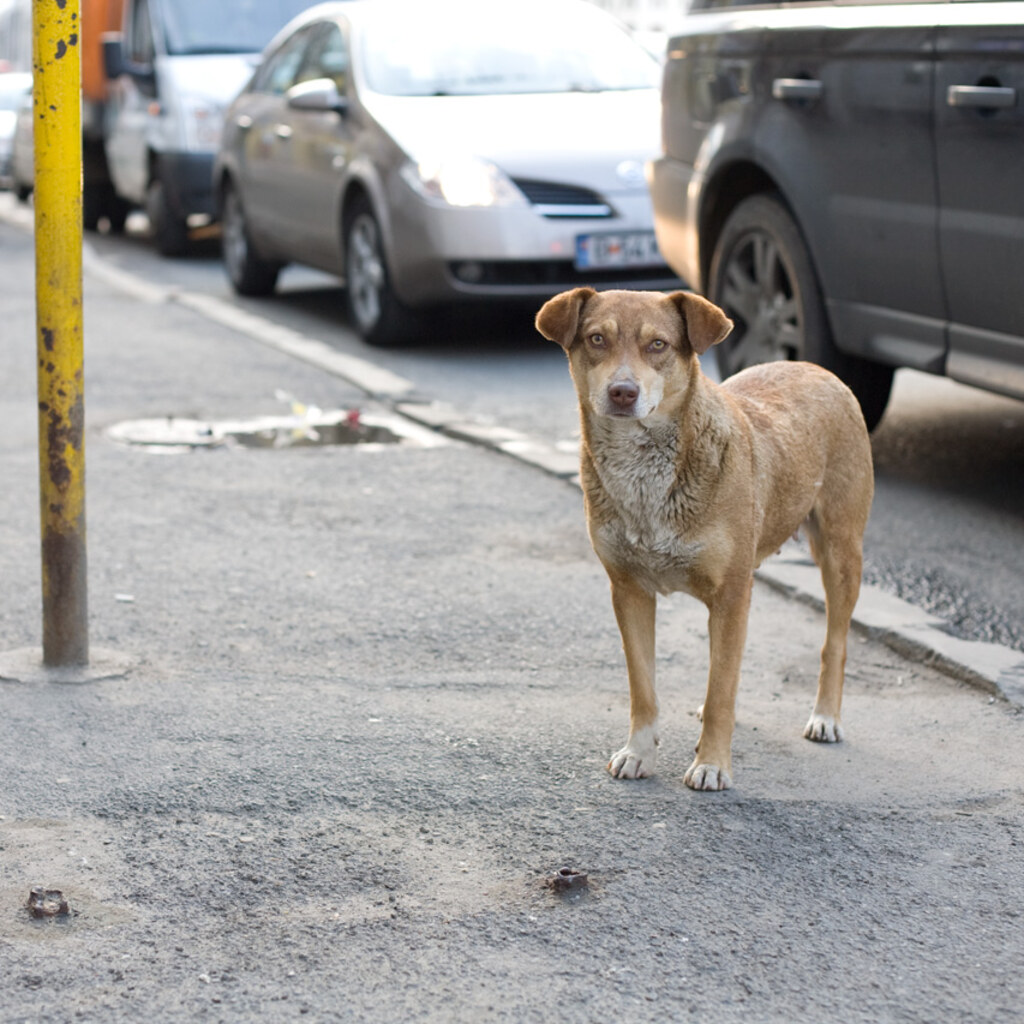
A stray animal is any
domestic animal that is wandering around with no
owner. In the city stray animals are usually
cats or
dog but larger animals like
cows can also go astray.
You
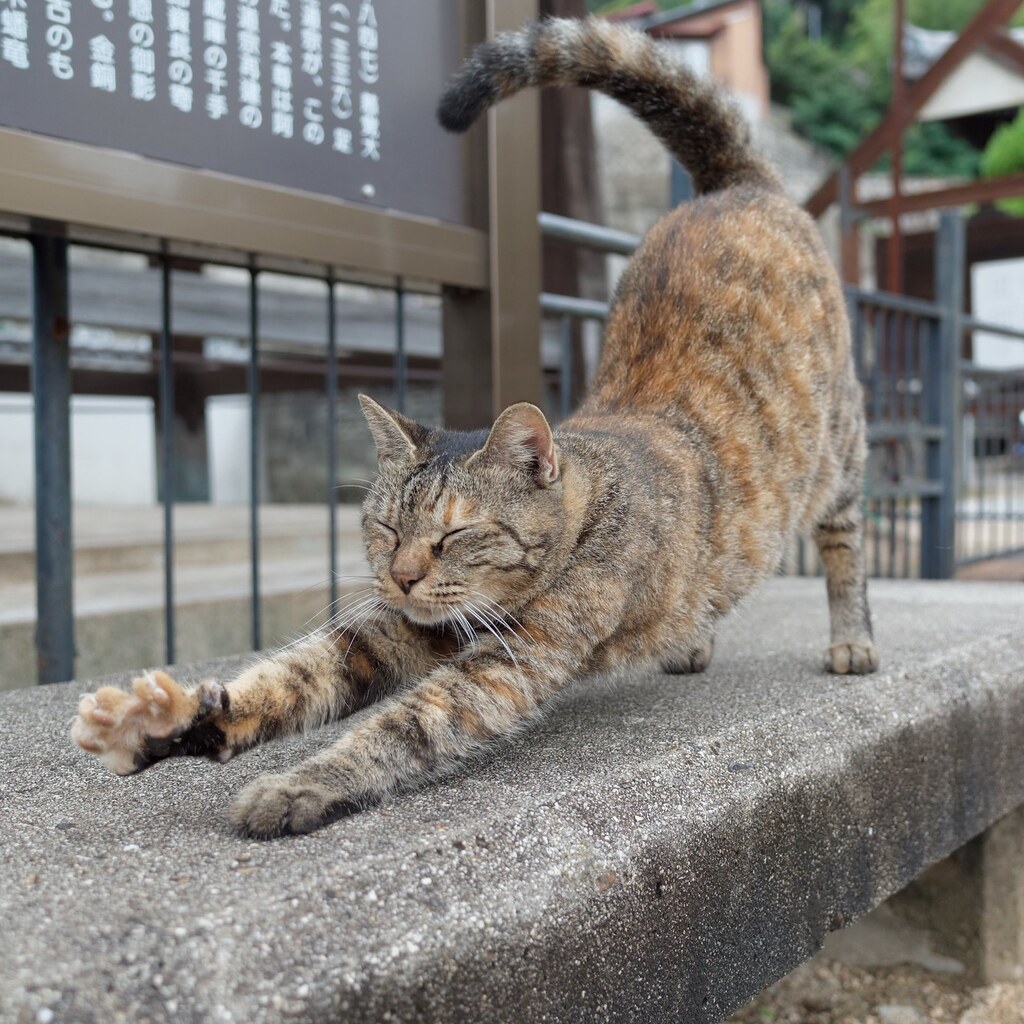
stretch something when you
pull it so it becomes longer and thinner. When you do warm-up excercises you
stretch the muscles in your body, so people call them stretching exercises.
The
cat in the picture is having a good stretch.
You
strew something if you
scatter it around, for example
"she strew hay in the stables". Once you strew something, it is
strewn.
Strewn is a similar word to
scattered. Things are
strewn if they have been spread around with no particular pattern. The
toys in the picture are
strewn.
A strike happens when workers stop doing their jobs to protest working conditions, pay, or other issues. Strikes are usually organized by groups of employees who want to pressure an employer to negotiate.
The word began to be used this way in the 1700s when sailors in London "struck" or lowered the sails of their ships to stop work and demand better pay. The term later spread to describe many kinds of labor protests.
You
stroke something when you run your
hand along it
firmly in one direction. If you move it around in lots of different directions, you would be
rubbing instead.
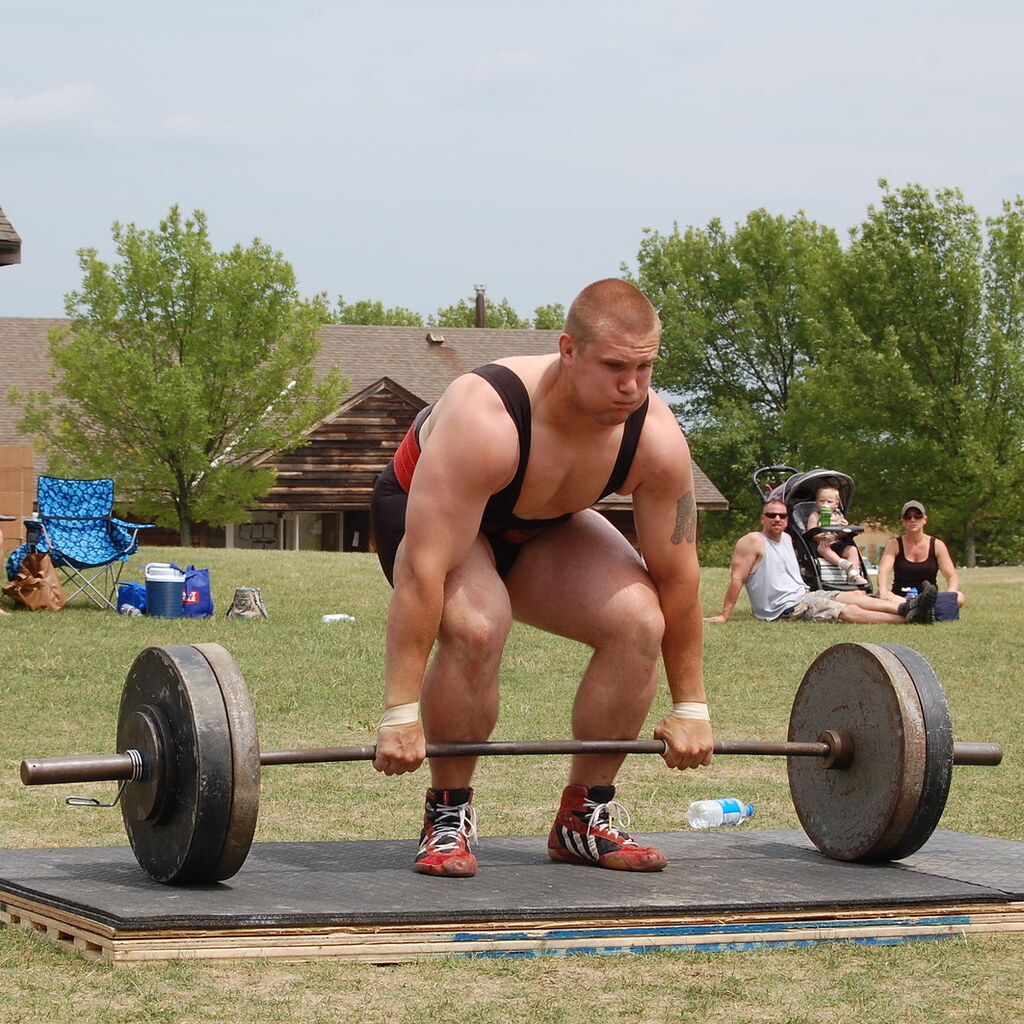
Someone is strong if they can lift or move very
heavy things. An object is strong if it is hard to
break. A color or a smell might be very strong if you can really notice it, more than ordinary colors or smells.
The man in the picture is very strong.
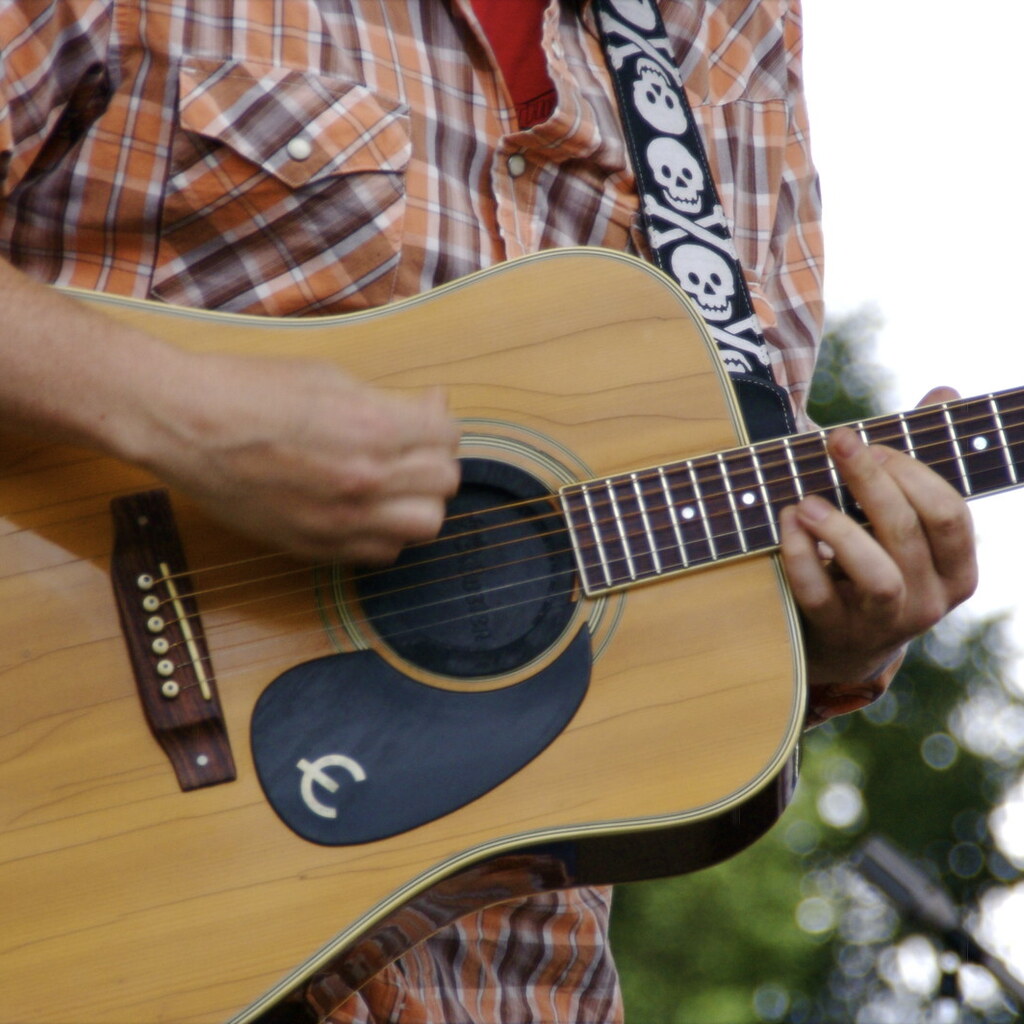
Strumming is a way of playing a stringed musical instrument, particularly a
guitar. You strum a guitar by moving your fingers or a
pick across the strings. You usually strum a guitar in a kind of rhythm.
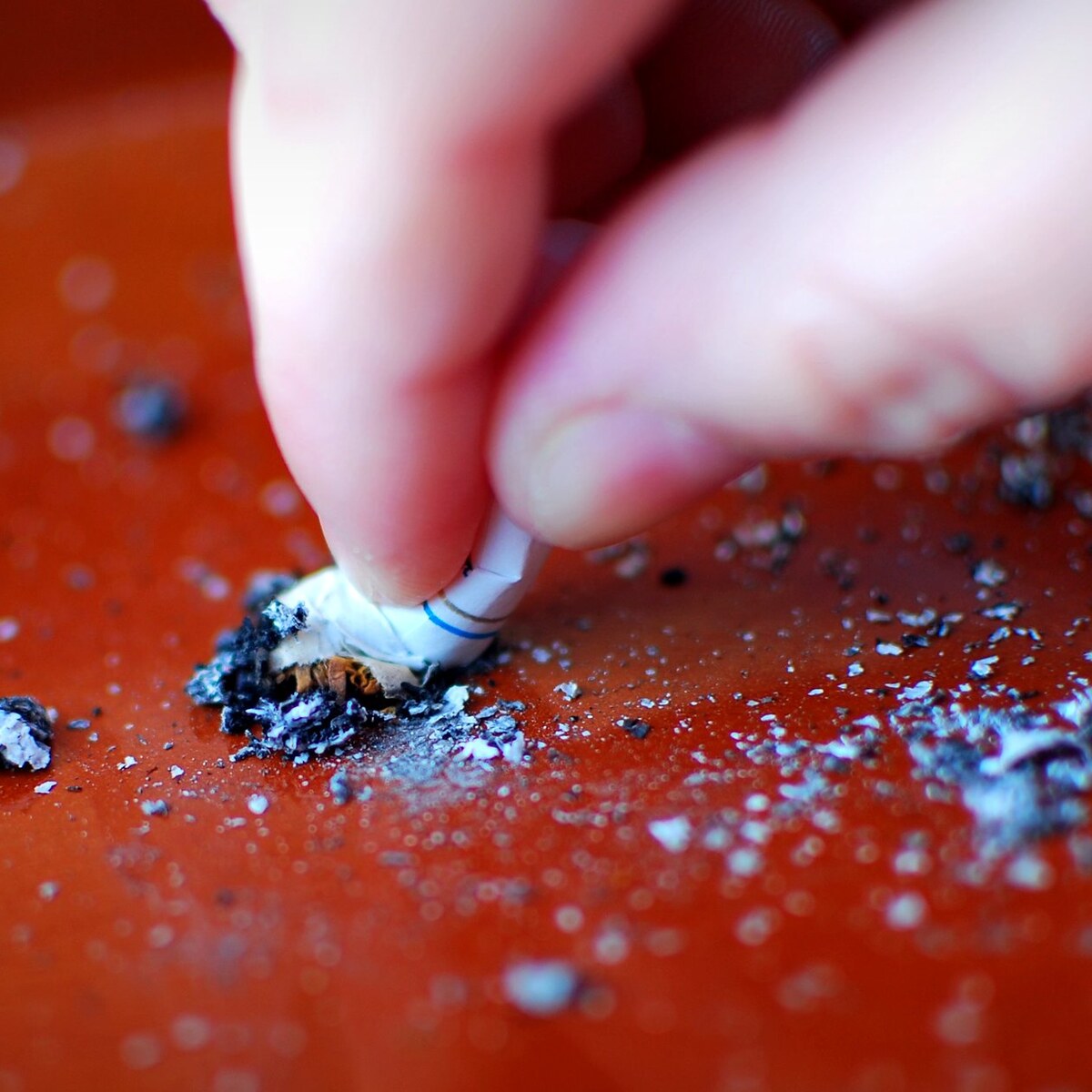
You
stub something out if you press and twist it onto a surface to stop it burning. You stub out a
cigarette or
cigar.
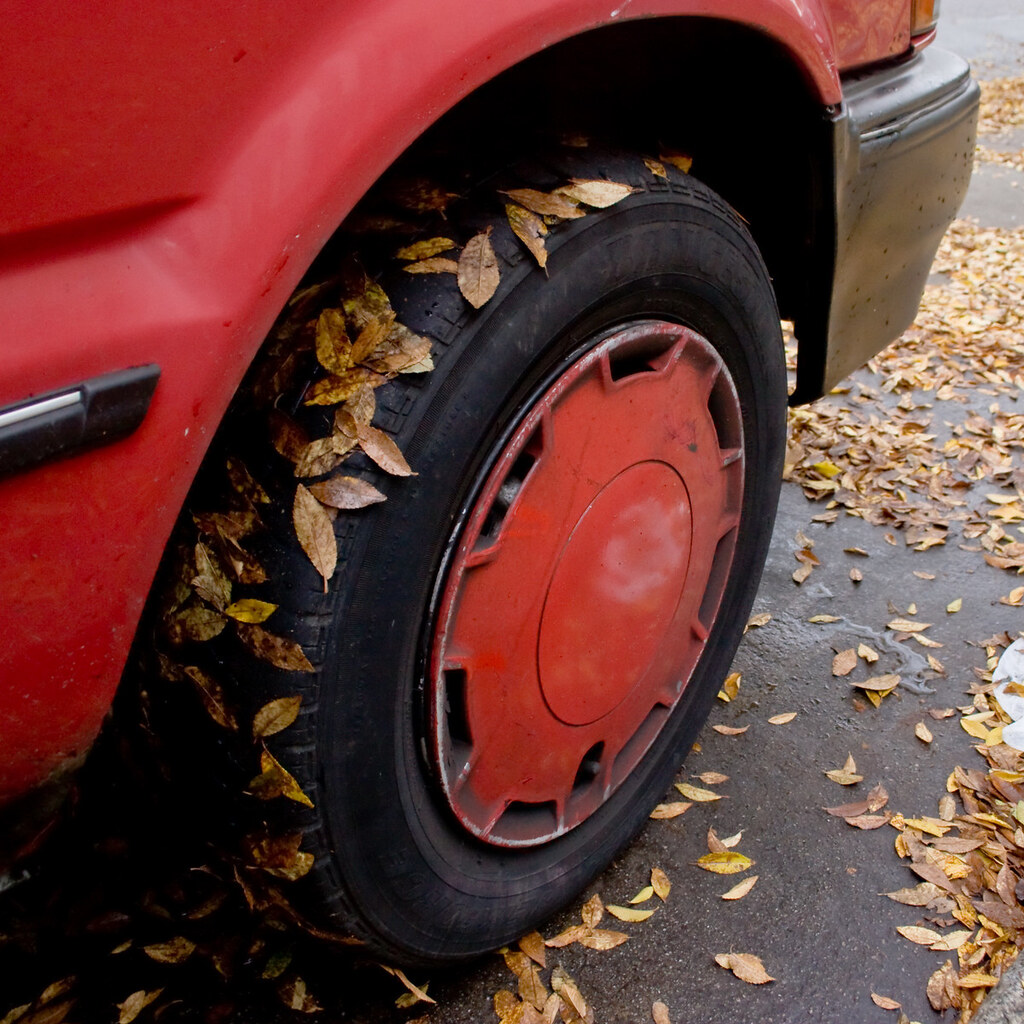
Something is
stuck to something else if it attached somehow. You can make things stick together by using
glue. The picture is of some
leaves stuck to a car
tire.
Stylish means looking neat, modern, and attractive in the way someone dresses or presents something.
You might say a person is stylish for their clothes or hair style. You can also call a room, car, or website stylish if it has a good design.