
Showing 21-40 of 197
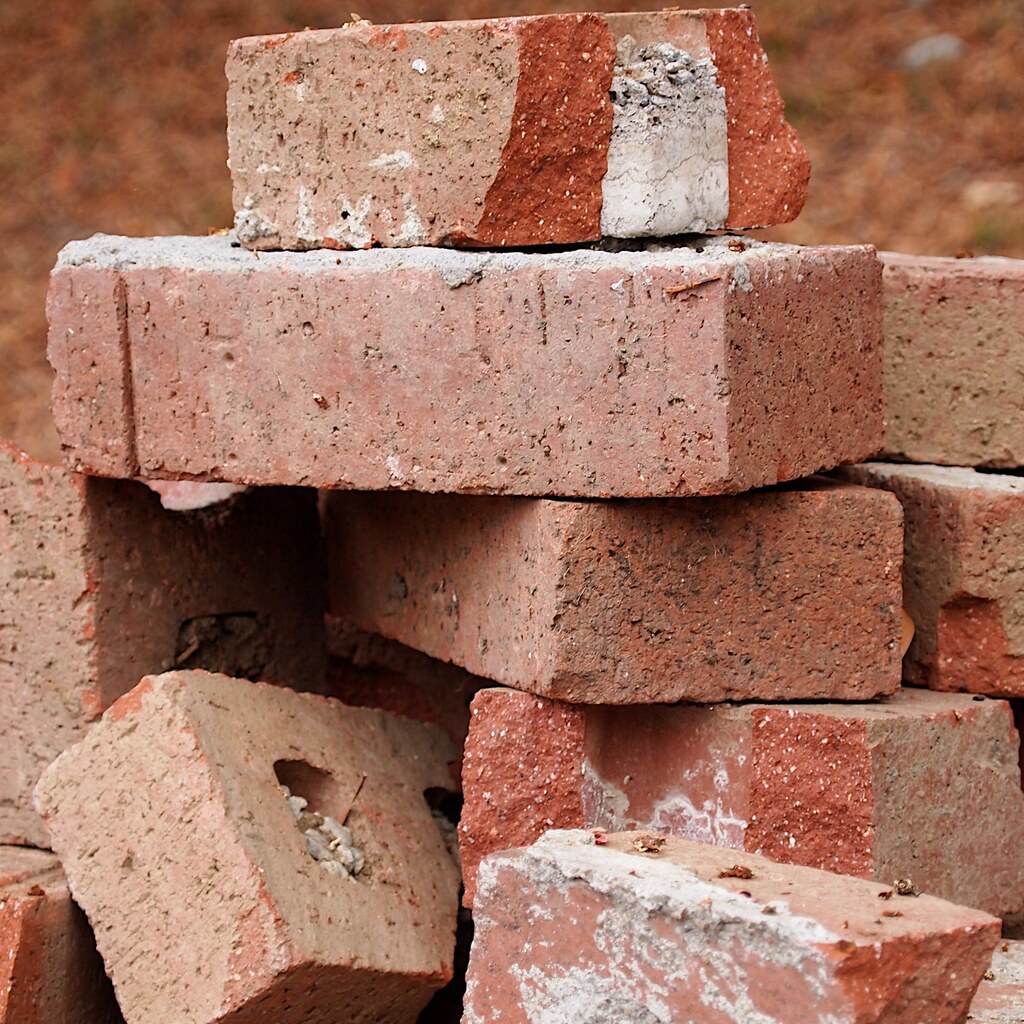
Many houses have walls that are made out of bricks. Bricks are hard, rectangular objects usually made from clay. They are very heavy.
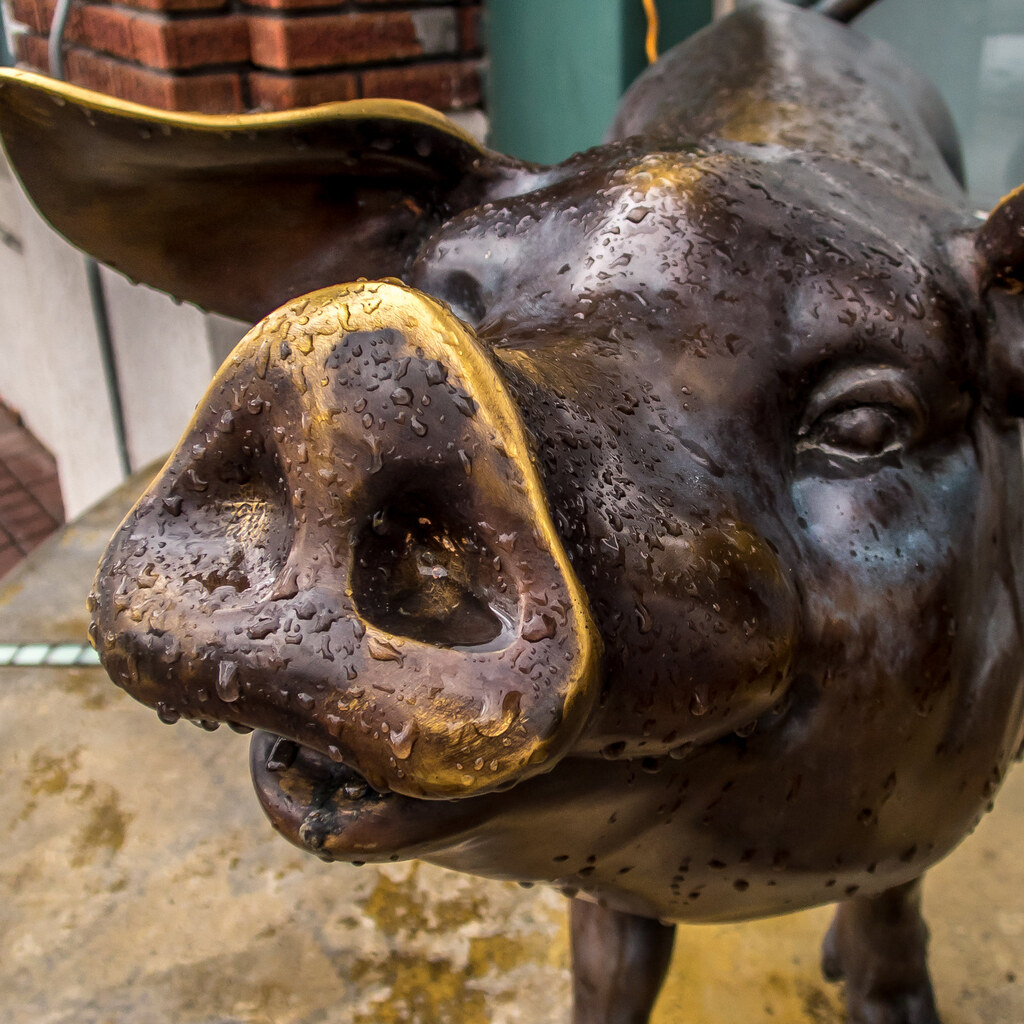
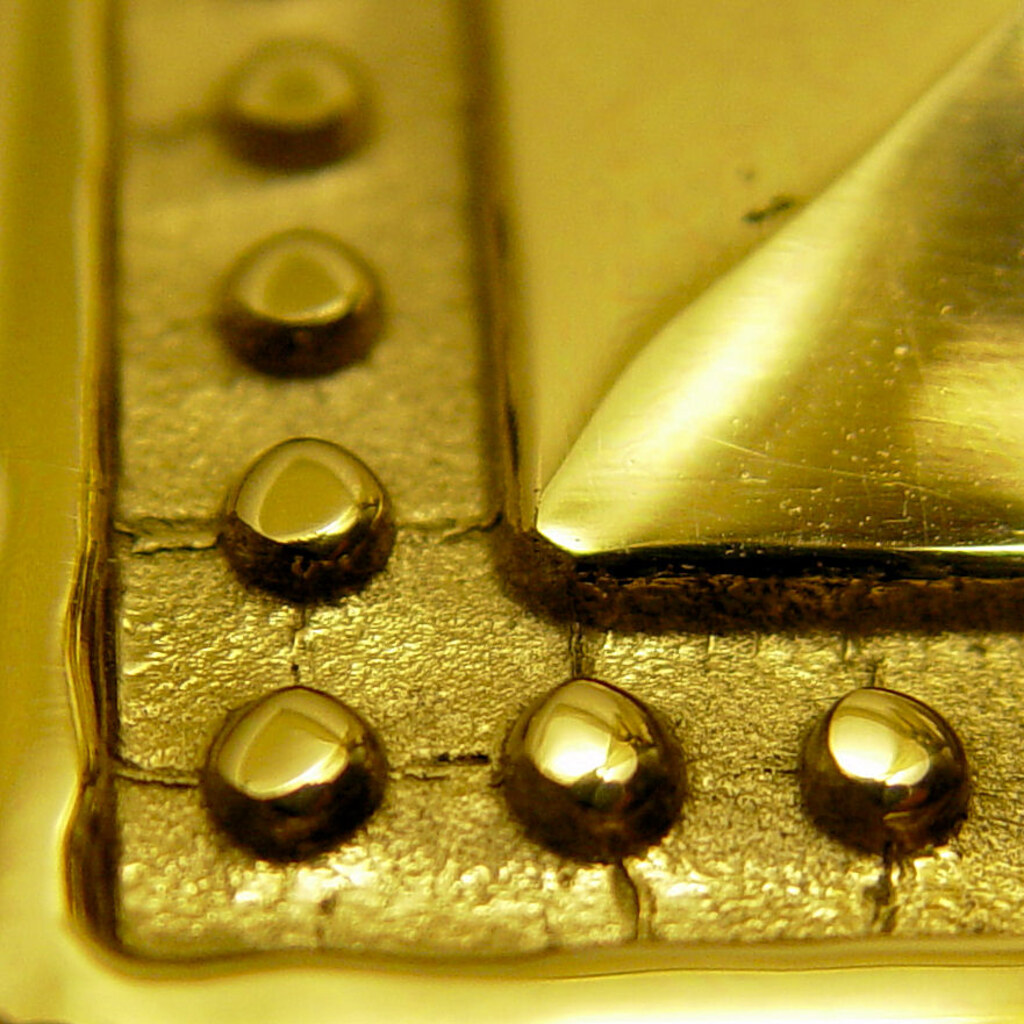
Bronze is a dark metal made from an alloy of copper and tin. Bronze was one of the earliest and most useful metals discovered by mankind. It was harder than copper, stone or wood and could be made into weapons, containers and tools.
Bronze is still widely used today to make statues, door handles and jewelry.
Bronze is still widely used today to make statues, door handles and jewelry.
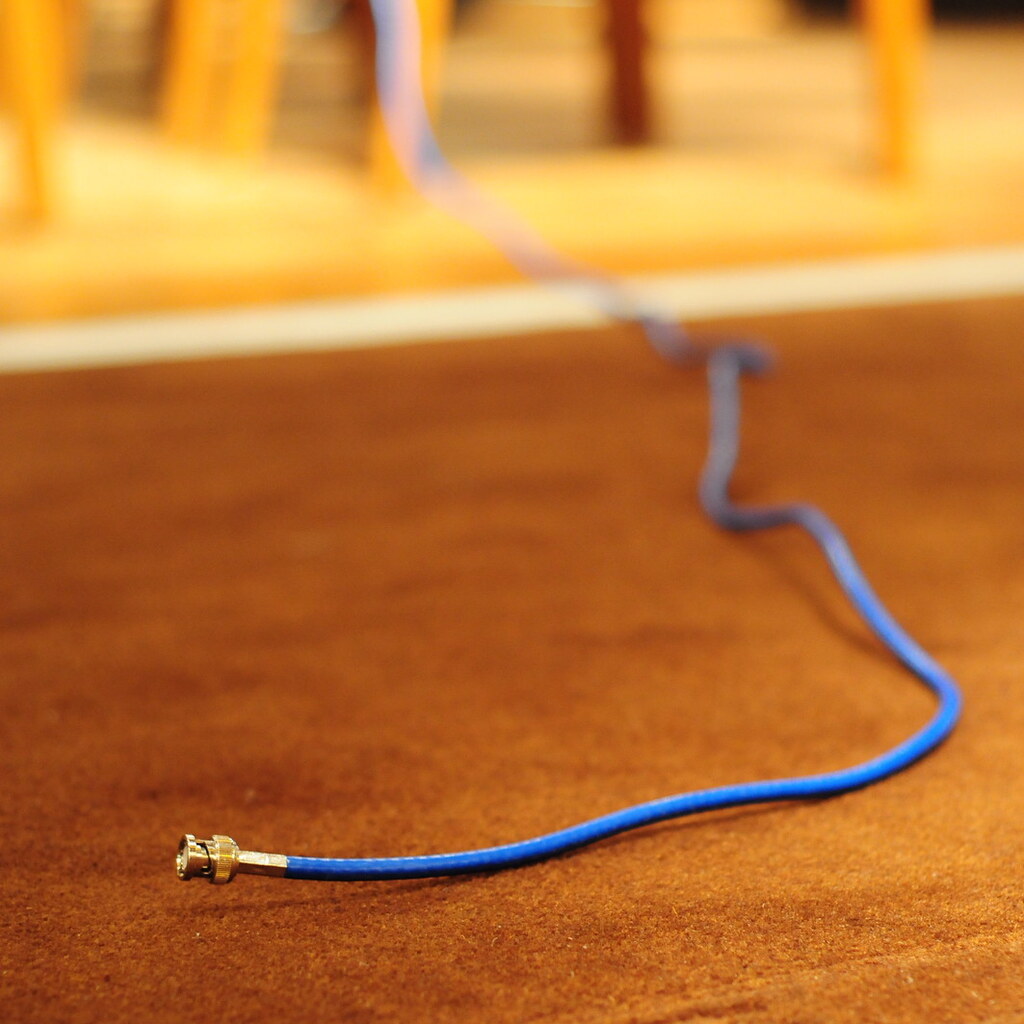
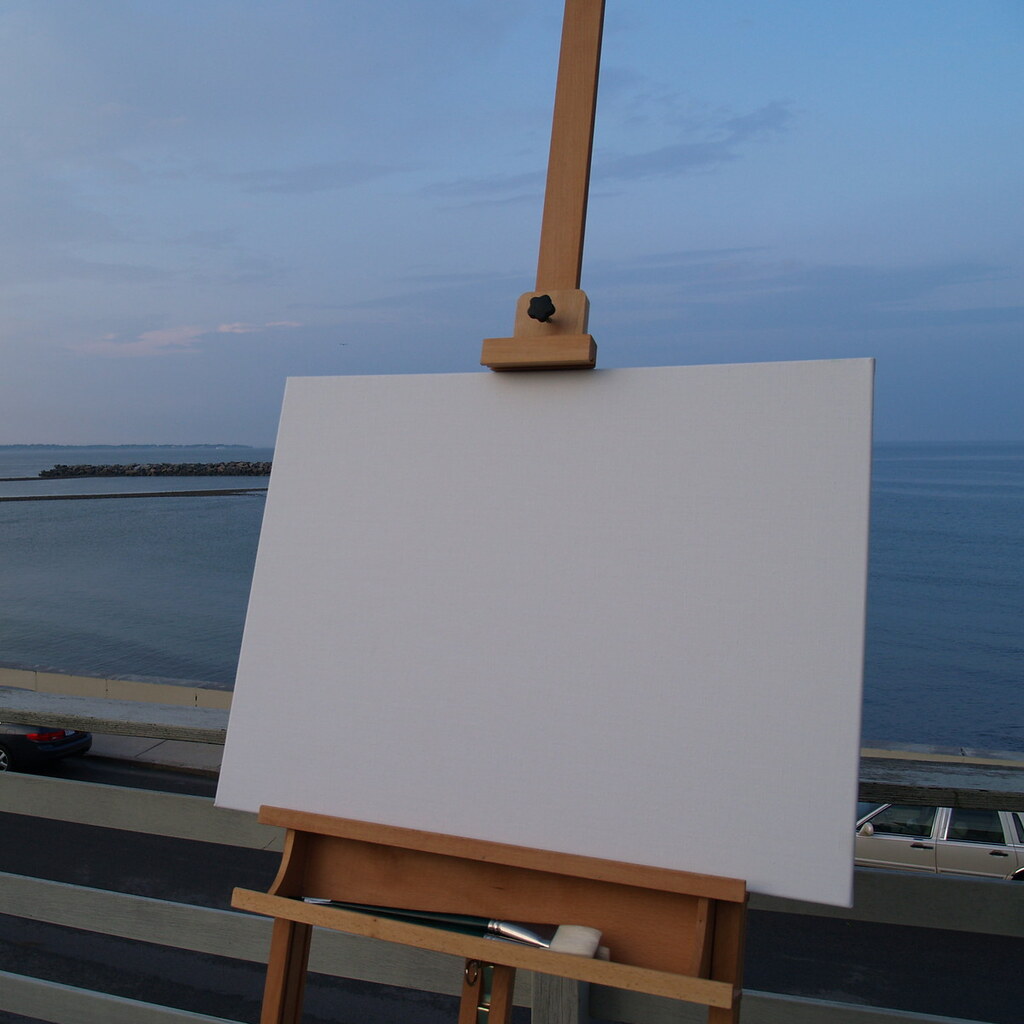
Canvas is a kind of heavy, plain woven fabric, usually made from cotton or linen. It is used to make sails, tents and other items that need to be made from strong fabric.
Artists like to stretch some canvas over a frame and use it to paint on. A piece of canvas prepared like this is also called a canvas, like the one in the picture.
Artists like to stretch some canvas over a frame and use it to paint on. A piece of canvas prepared like this is also called a canvas, like the one in the picture.
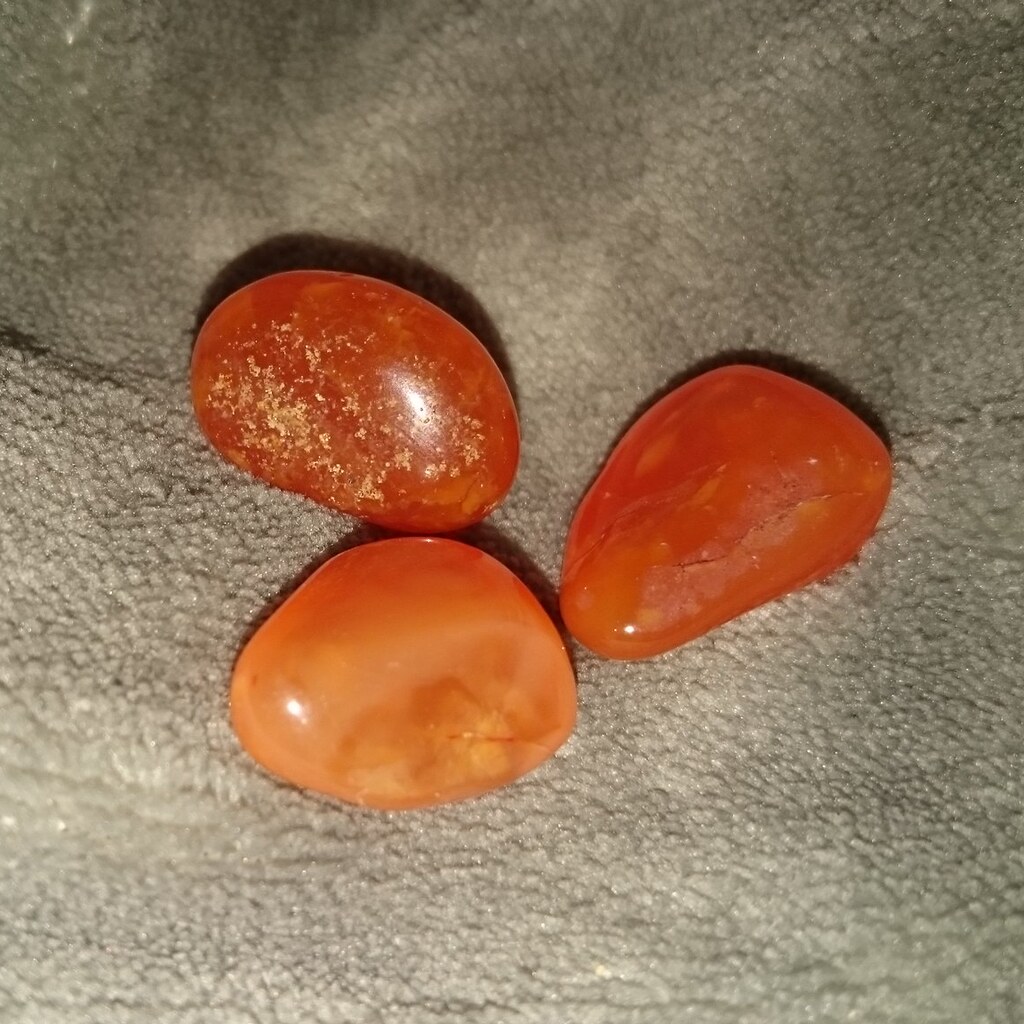
Carnelian, also called sard, is a deep red stone often used in jewelry. It is a silicate with large amounts of iron impurities.
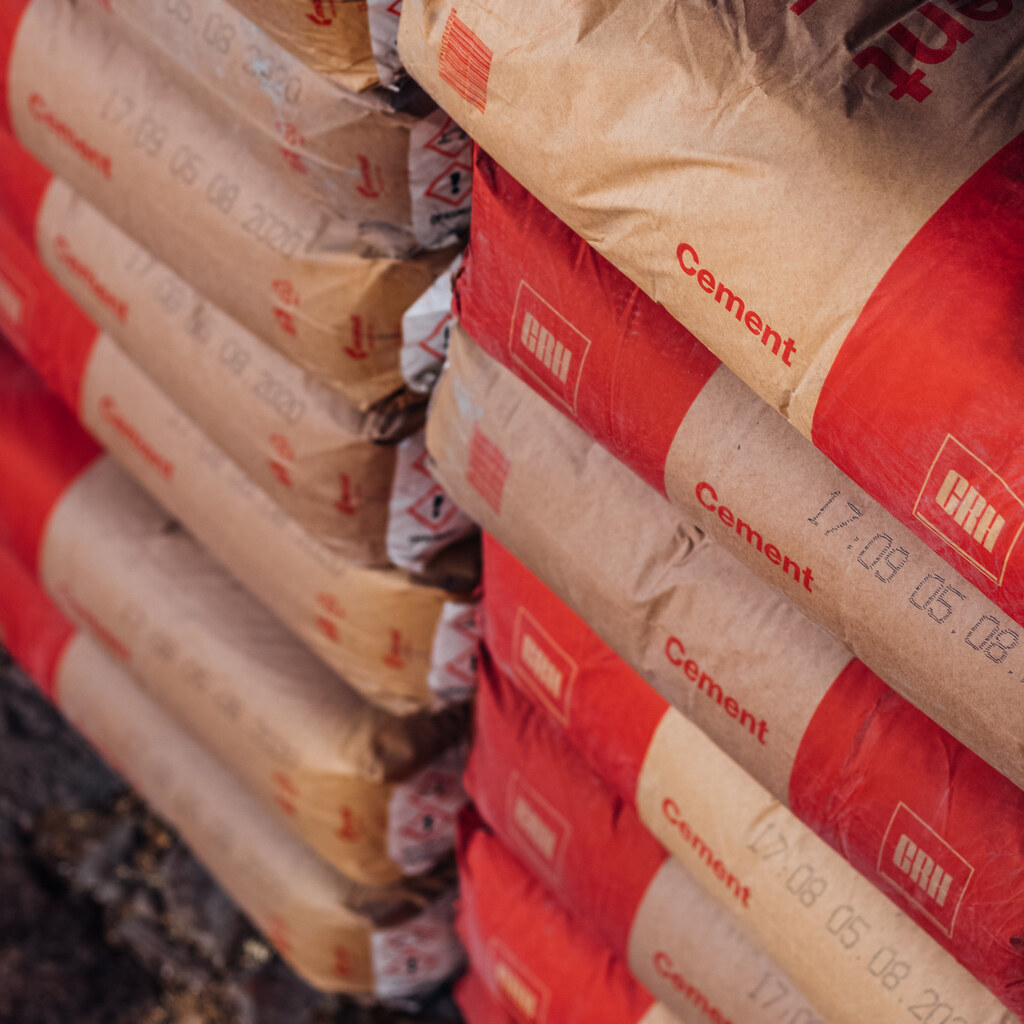
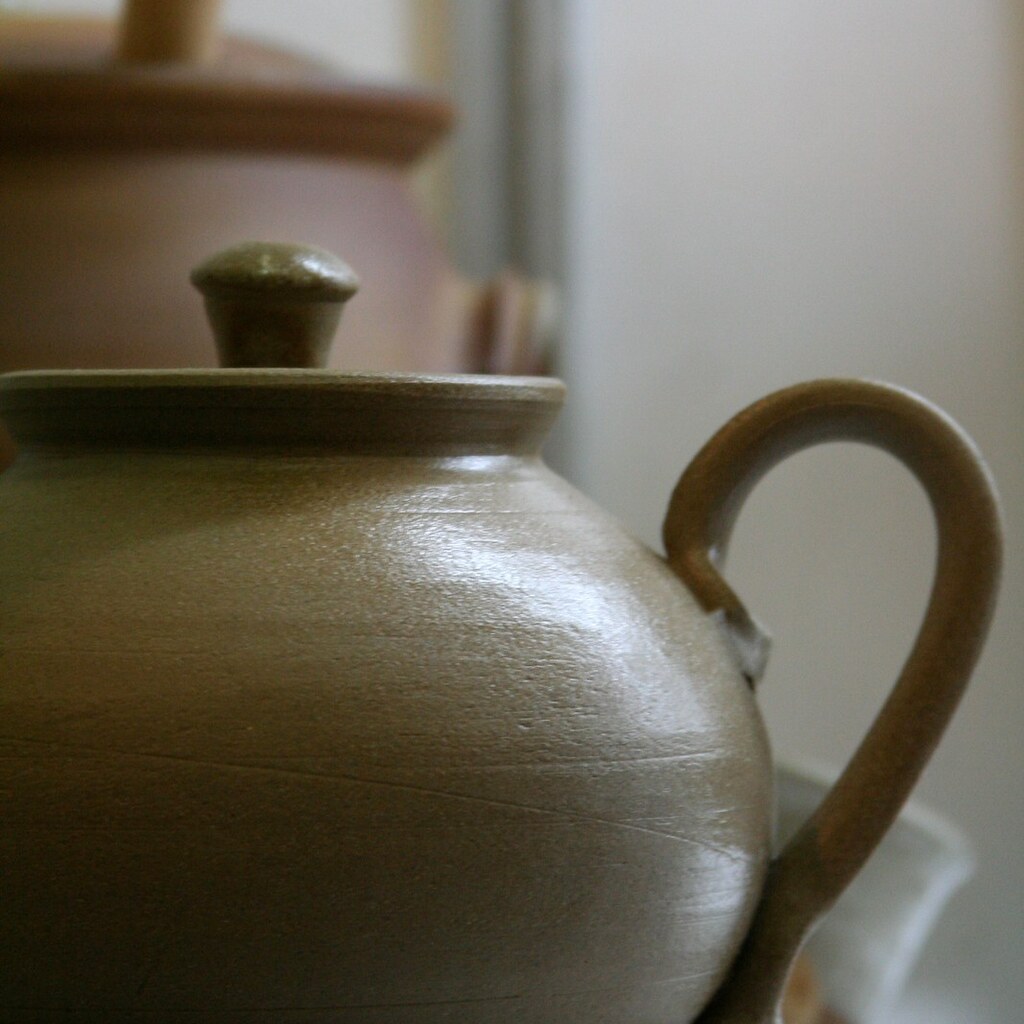
Ceramic is a material that is made from another material by heating it up so it changes its internal structure, and then letting it cool off again. Most ceramics are made from clay, which is soft and brittle before it is fired, and much harder and stronger afterwards.
Glass is another example of a ceramic. It is made by heating sand.
Glass is another example of a ceramic. It is made by heating sand.
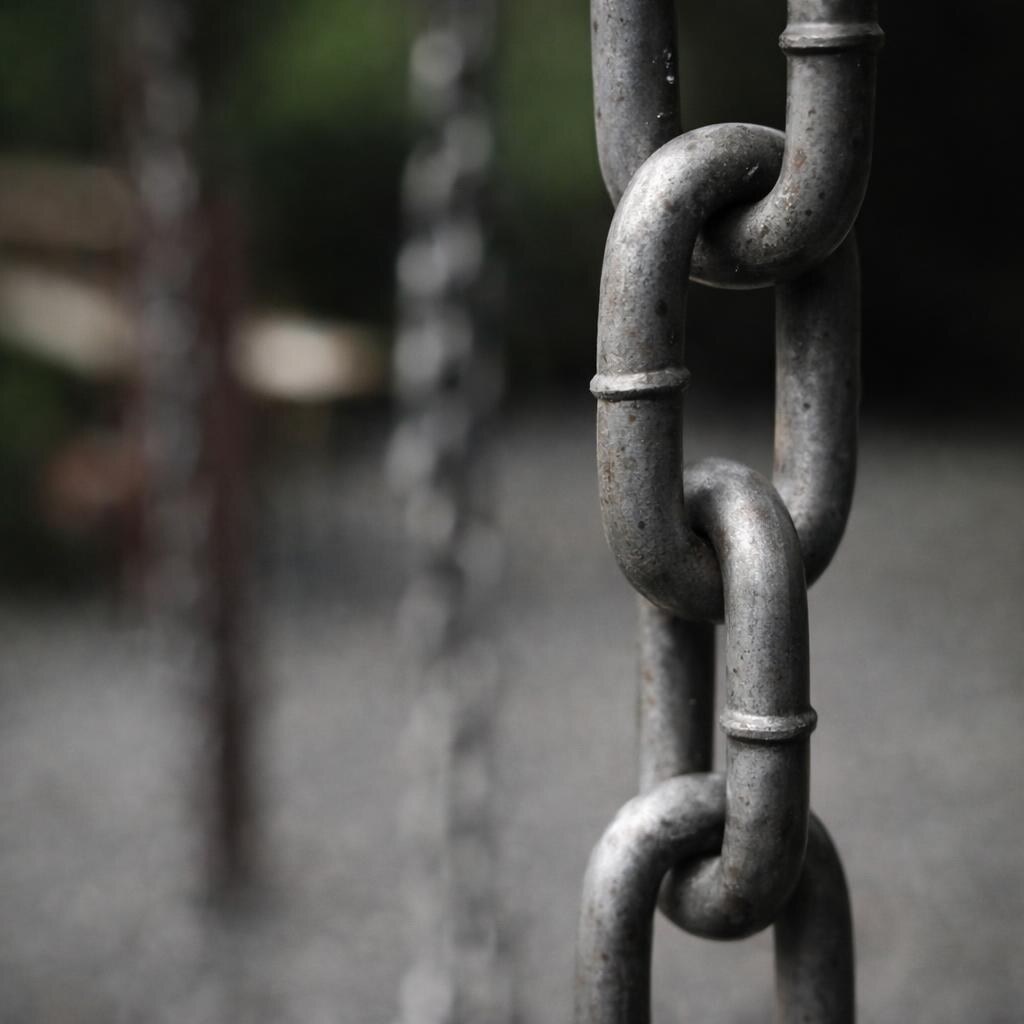
A chain is made of links - each link goes through the next link to make one long chain. Chains are usually made from a metal like steel, and are used where rope isn't strong enough. Chains are used to lift heavy containers with a crane, or to pull very heavy loads behind a truck or tractor.
Very small chains are used for jewellery. Decorative chains are usually made from gold or silver.
Very small chains are used for jewellery. Decorative chains are usually made from gold or silver.

Chalk is a soft, white rock that can be used to draw with on rough surfaces. Chalk is usually sold in small coloured sticks, for drawing on blackboards and sidewalks.

Chrome, or chromium, is a hard, very shiny metal that doesn't easily tarnish or corrode. It is most commonly used for plating things with a very thin coat of chrome to give them a decorative shiny finish.
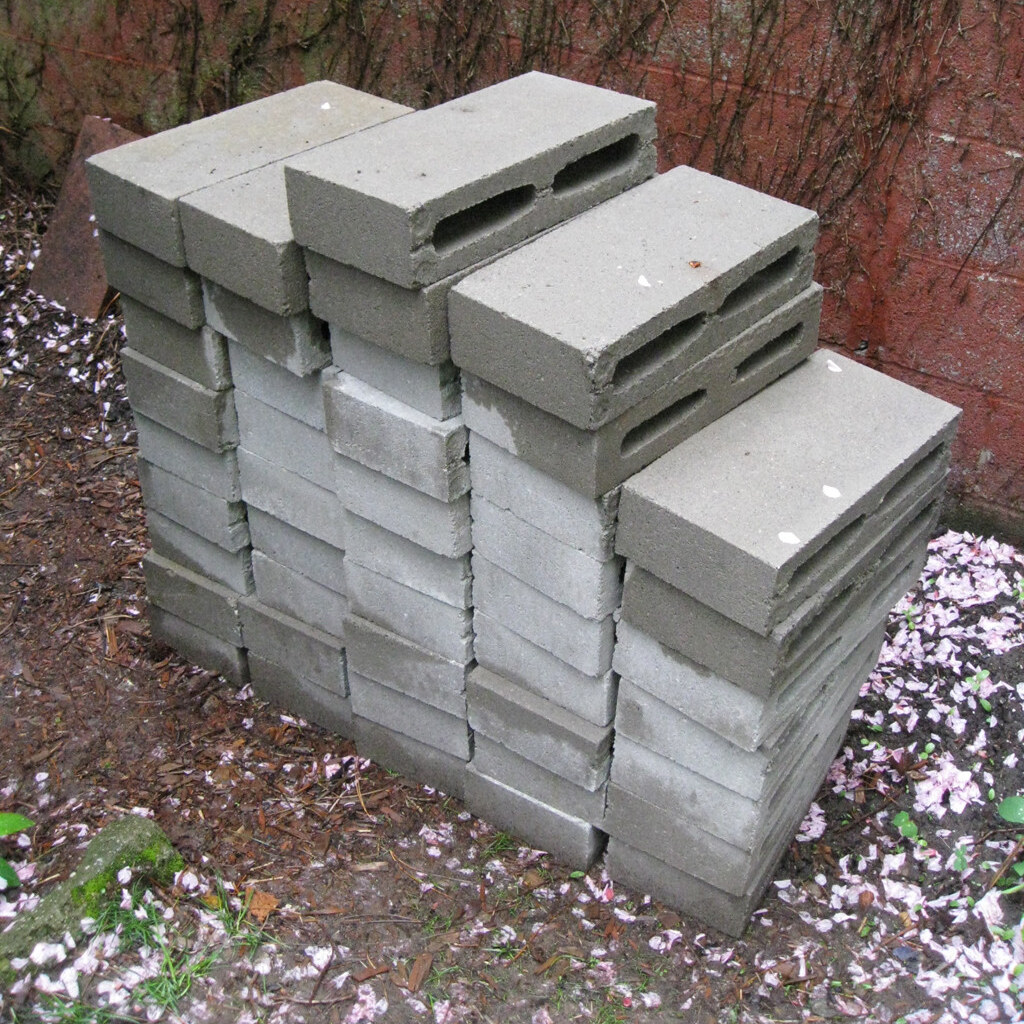
C is for Cinder block

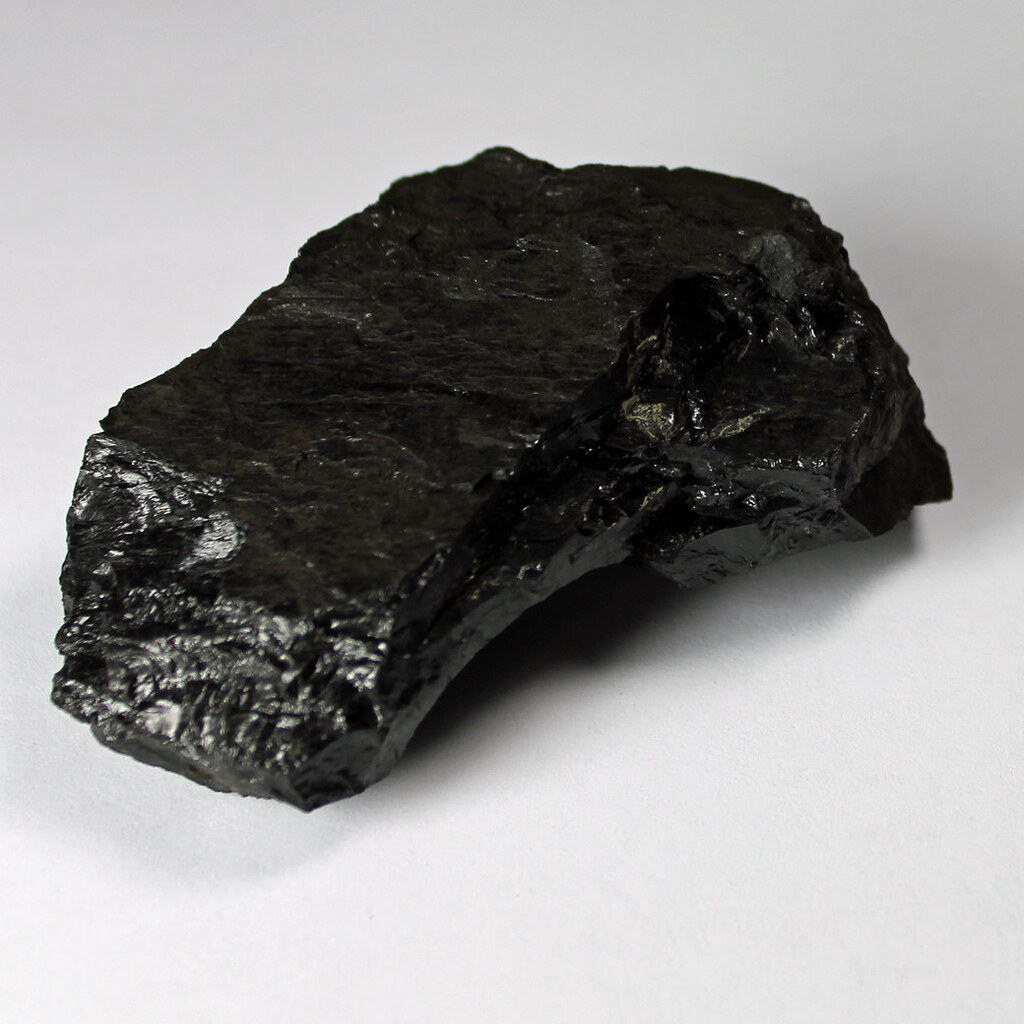
Coal is a type of black rock, made almost entirely of carbon. It is formed from old plant matter being squashed by the gradual movement of the earth over a very long time. Coal can be burnt, and is often used as the fuel for power plants. Coal is dug out of the ground, from coal mines.
Coal is not the same as charcoal, which is just the black residue after wood is burnt.
Coal is not the same as charcoal, which is just the black residue after wood is burnt.