
Showing 1-20 of 61
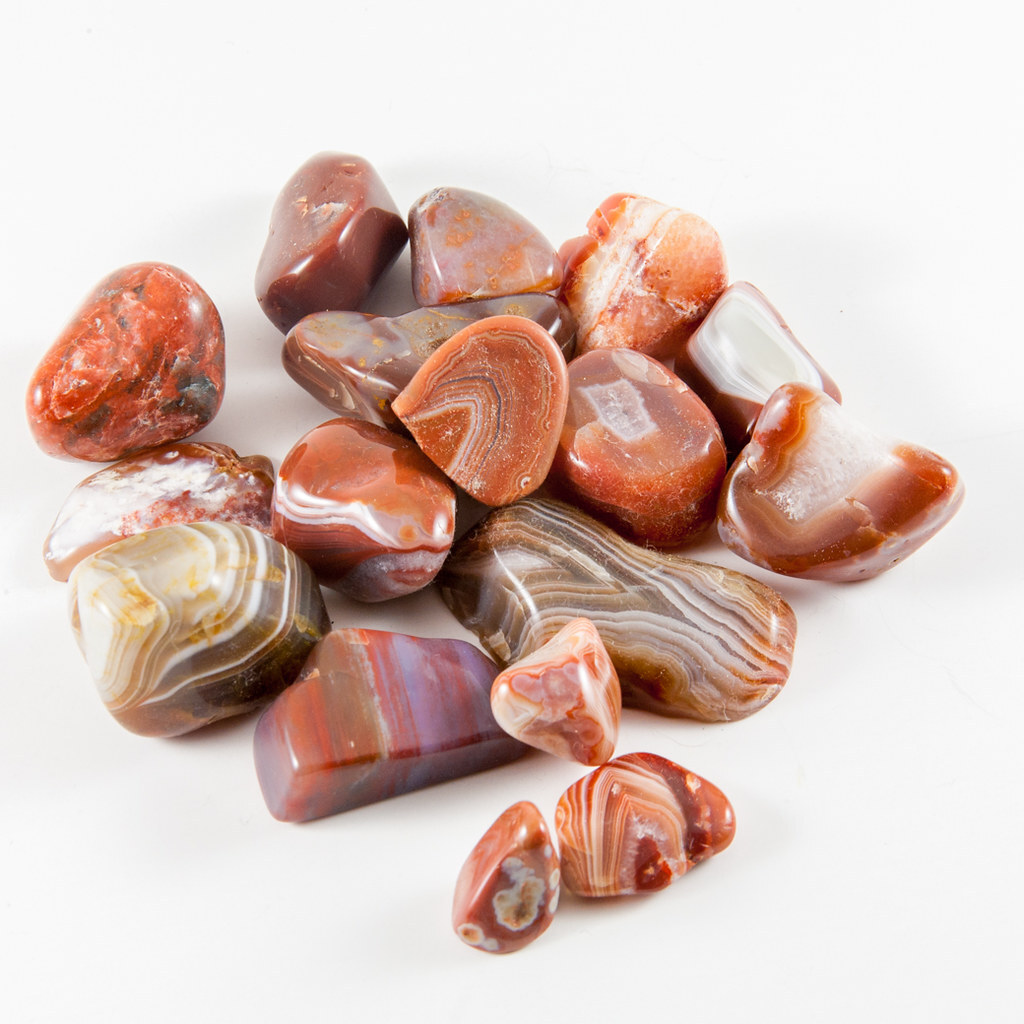
Agates are a common variety of brightly coloured quartz. They come in a range of colours depending on the mineral impurities they contain, and can be used in jewelry.
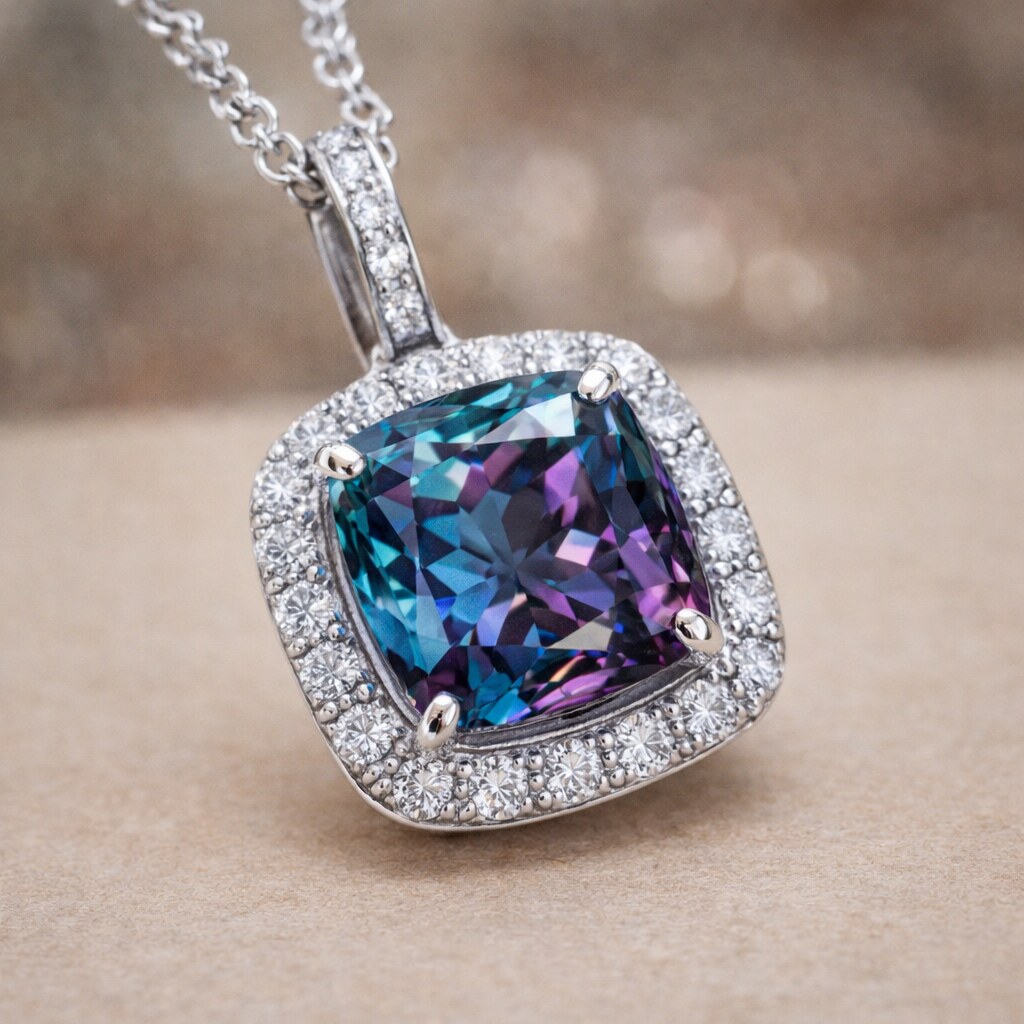
A is for Alexandrite
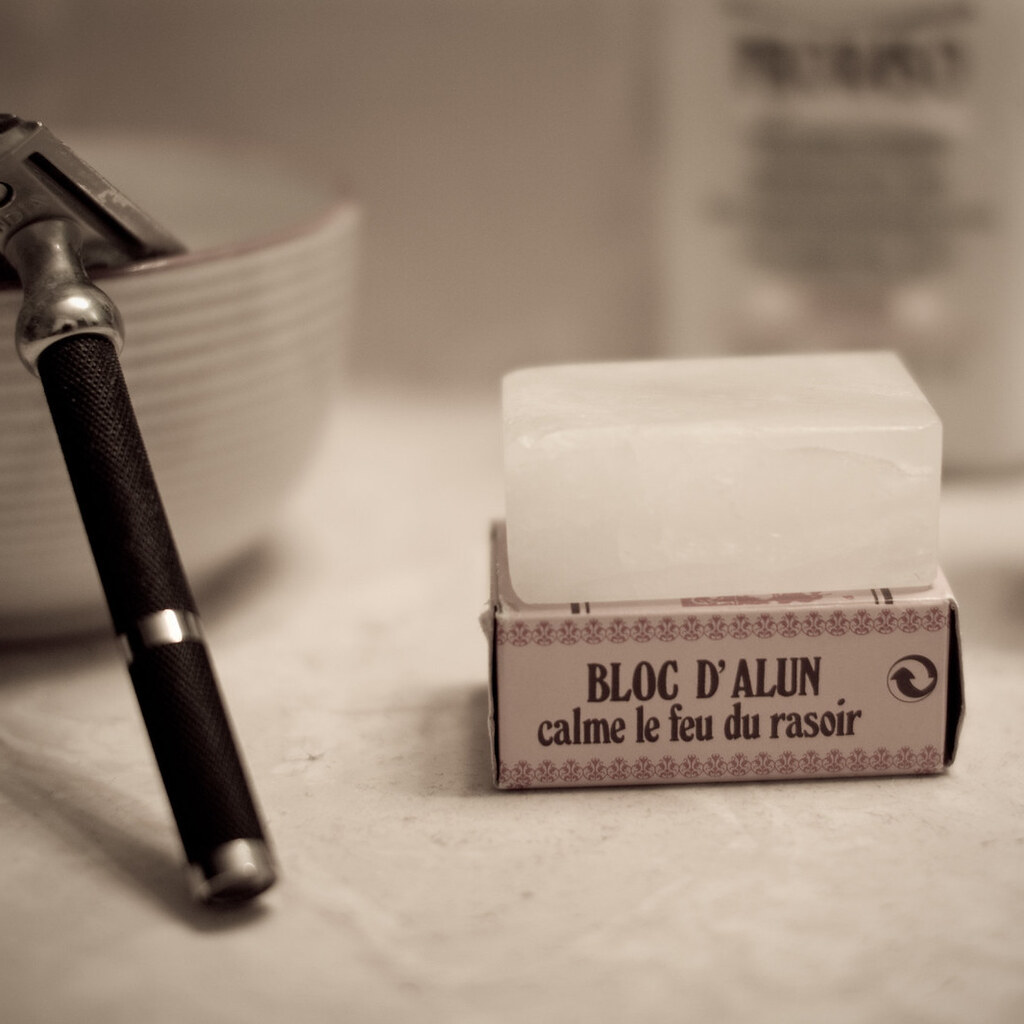
Alum could refer to either a specific mineral, or a general class of similar ones. ( /?æl?m/) is both a specific chemical compound and a class of chemical compounds. The mineral usually referred to as alum is hydrated potassium aluminium sulfate.
Alum is an effective blood coagulant, and used to be sold in blocks as part of shaving kits. You use it to stop shaving cuts from bleeding.
Alum is an effective blood coagulant, and used to be sold in blocks as part of shaving kits. You use it to stop shaving cuts from bleeding.
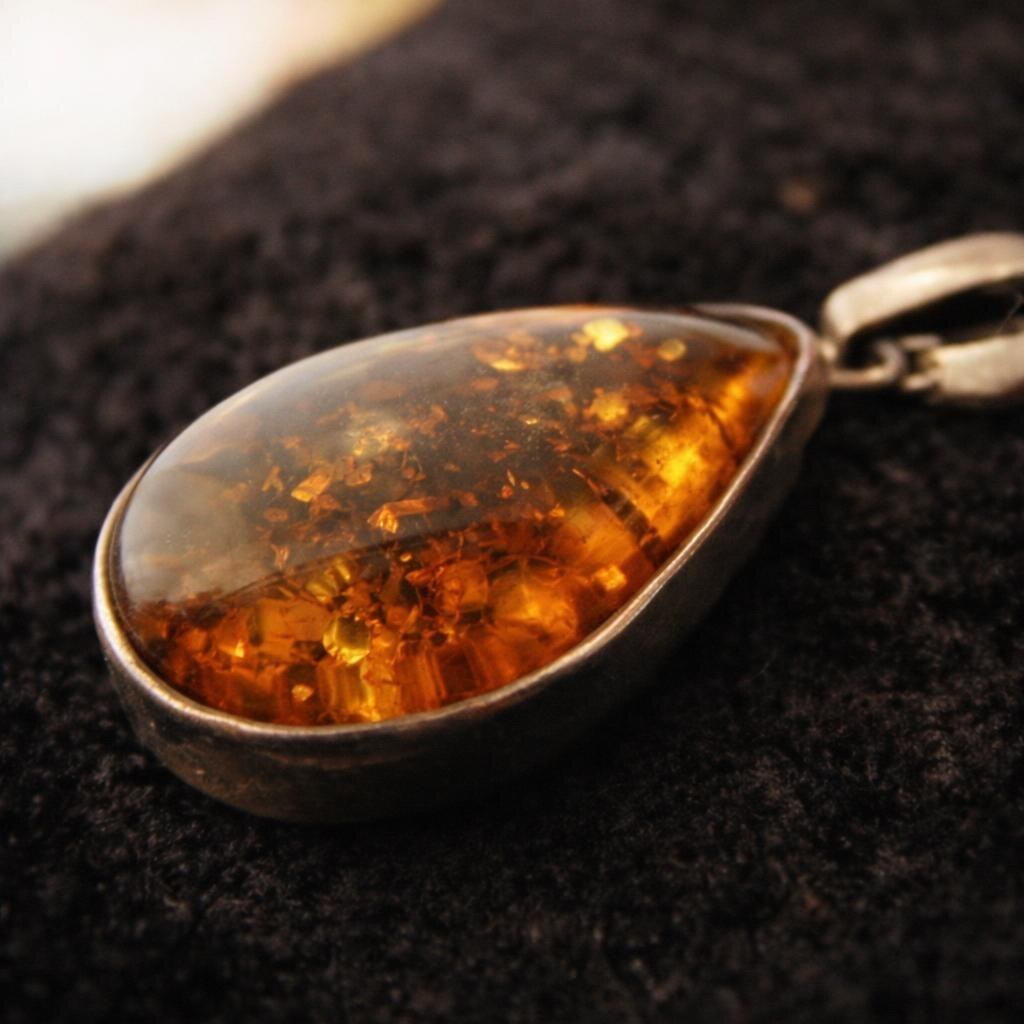
Amber is fossilised tree resin. It is a deep orange colour, and sometimes has insects trapped in it.
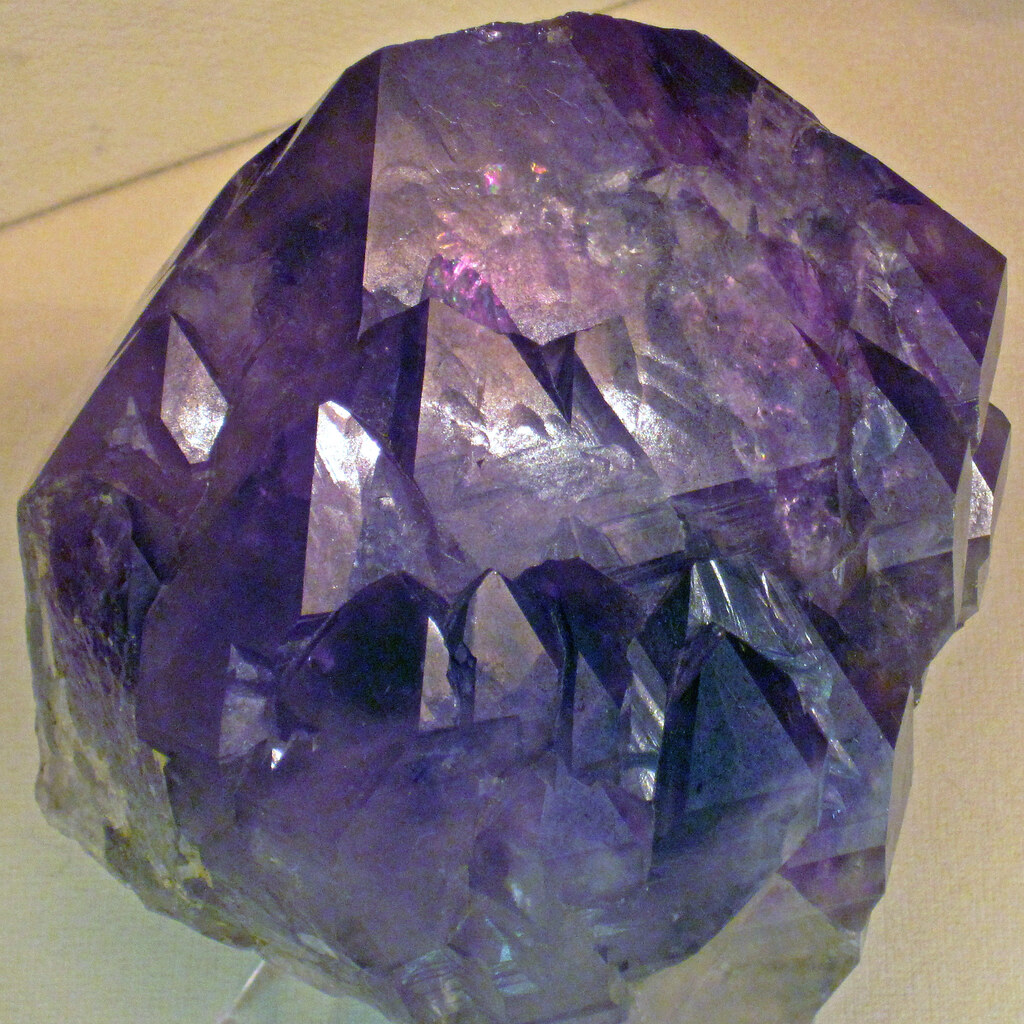
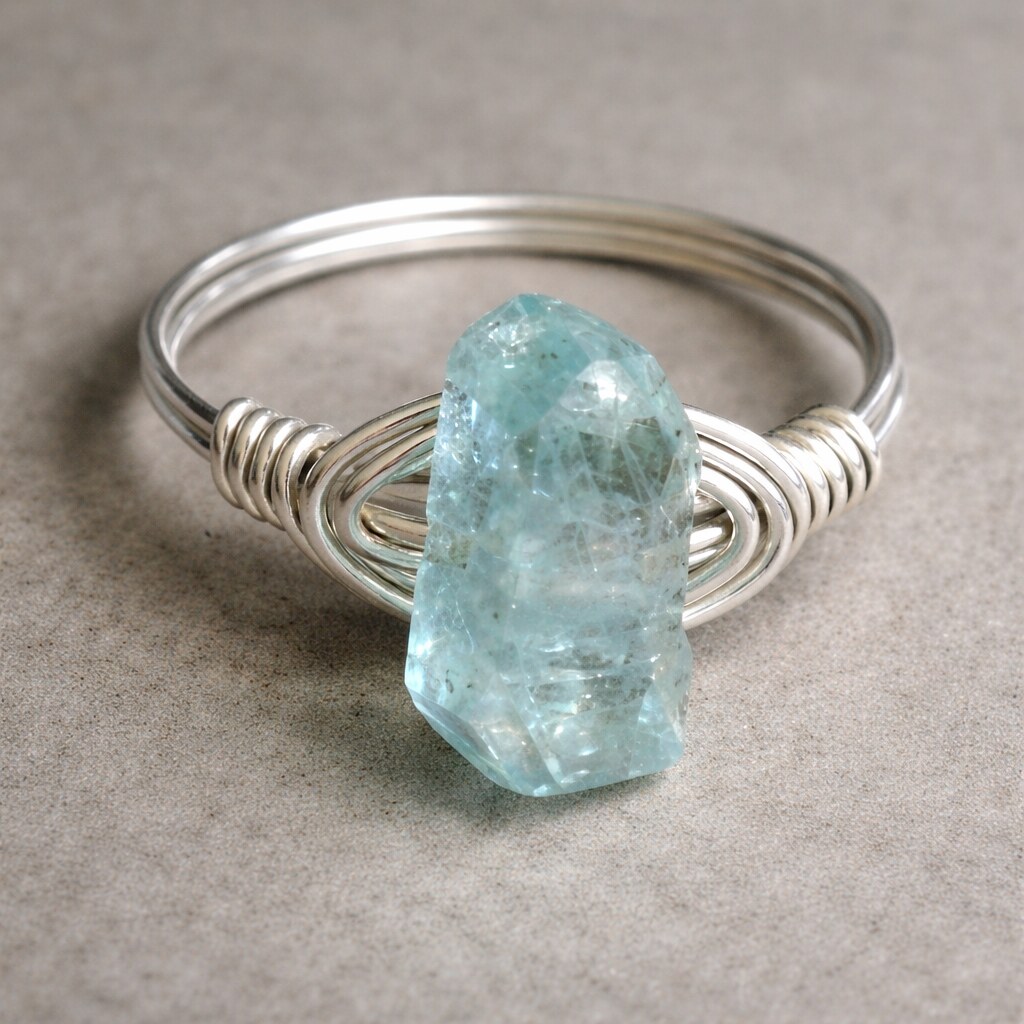
A is for Aquamarine
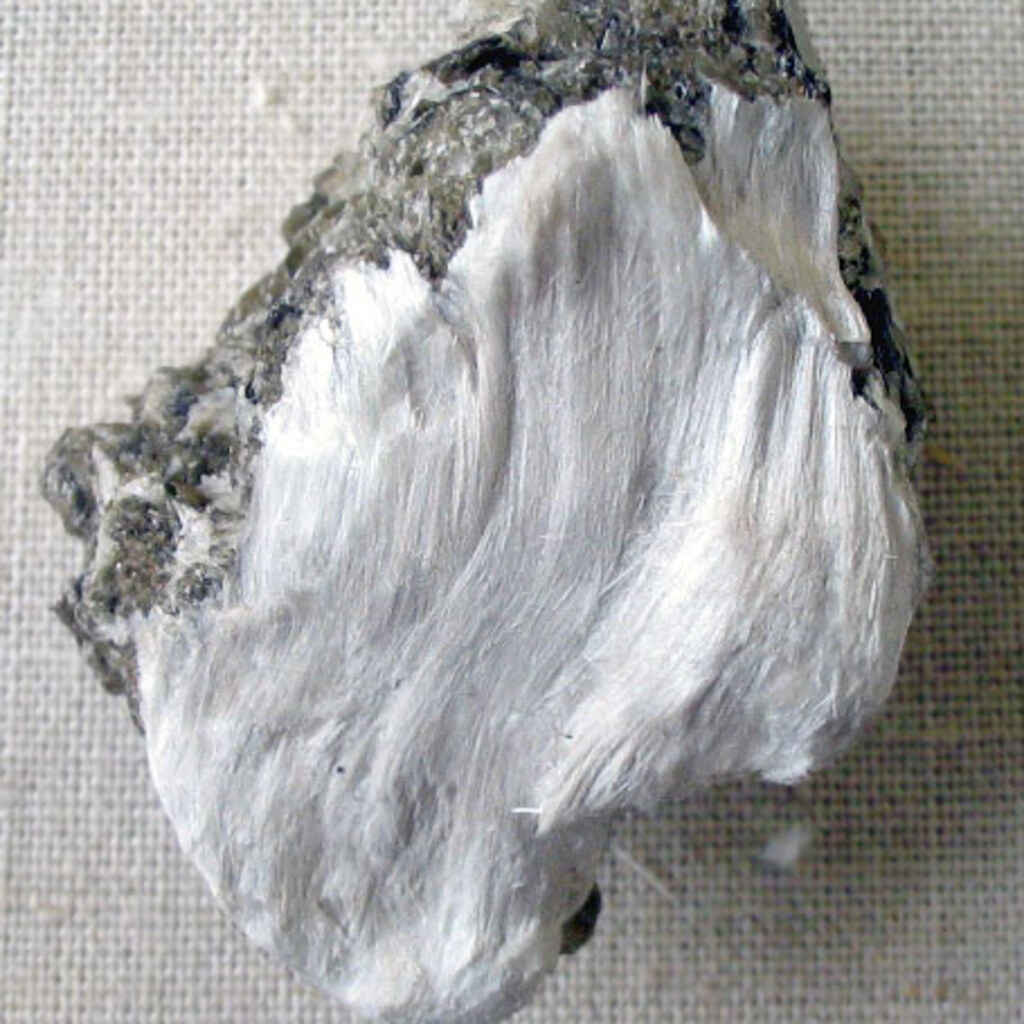
Asbestos refers to a group of silicate rocks that have the interesting property of forming long, thin fibers. Asbestos was cheap, strong, had great insulating qualities and was widely used as a building material, with its use peaking in the 1970s.
Asbestos can cause lung cancer, mesothelioma and other issues if it is inhaled, and because of this its use is currently banned in many countries.
Asbestos can cause lung cancer, mesothelioma and other issues if it is inhaled, and because of this its use is currently banned in many countries.

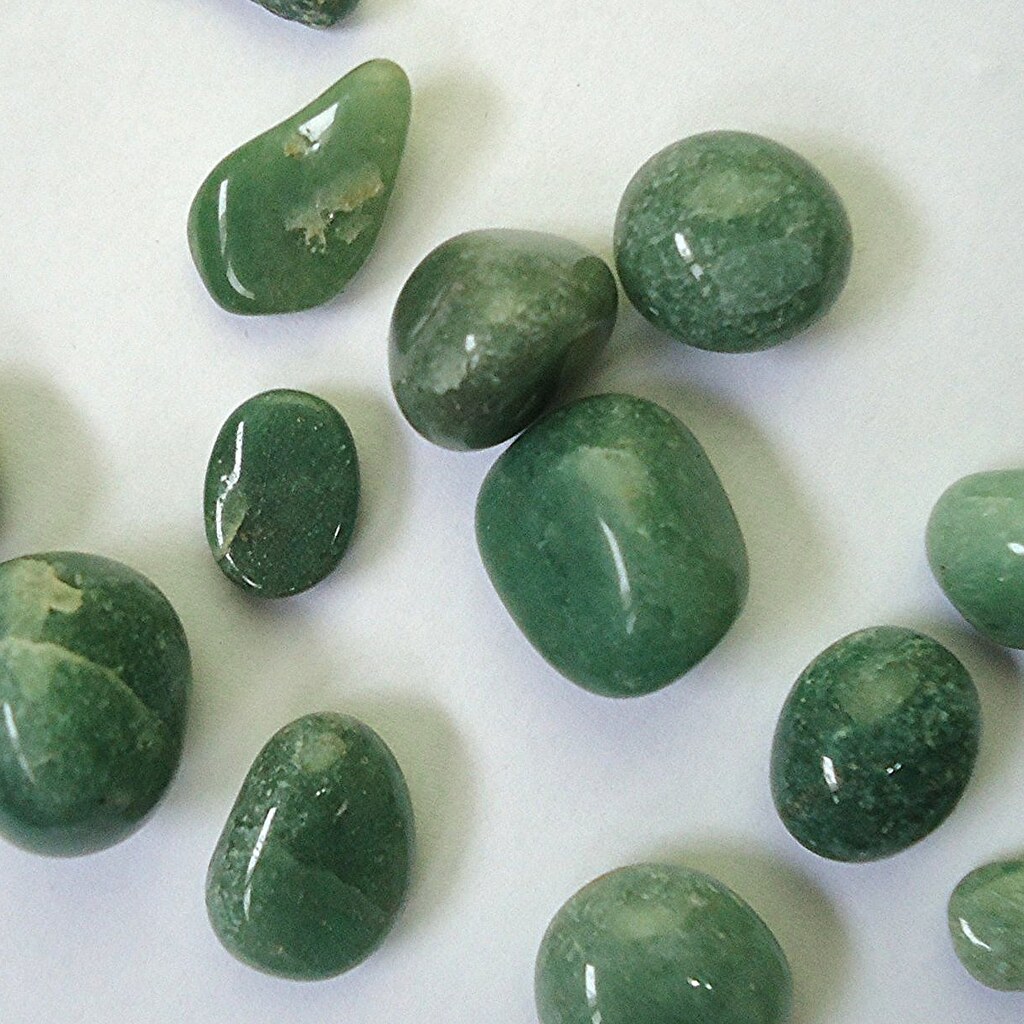
A is for Aventurine
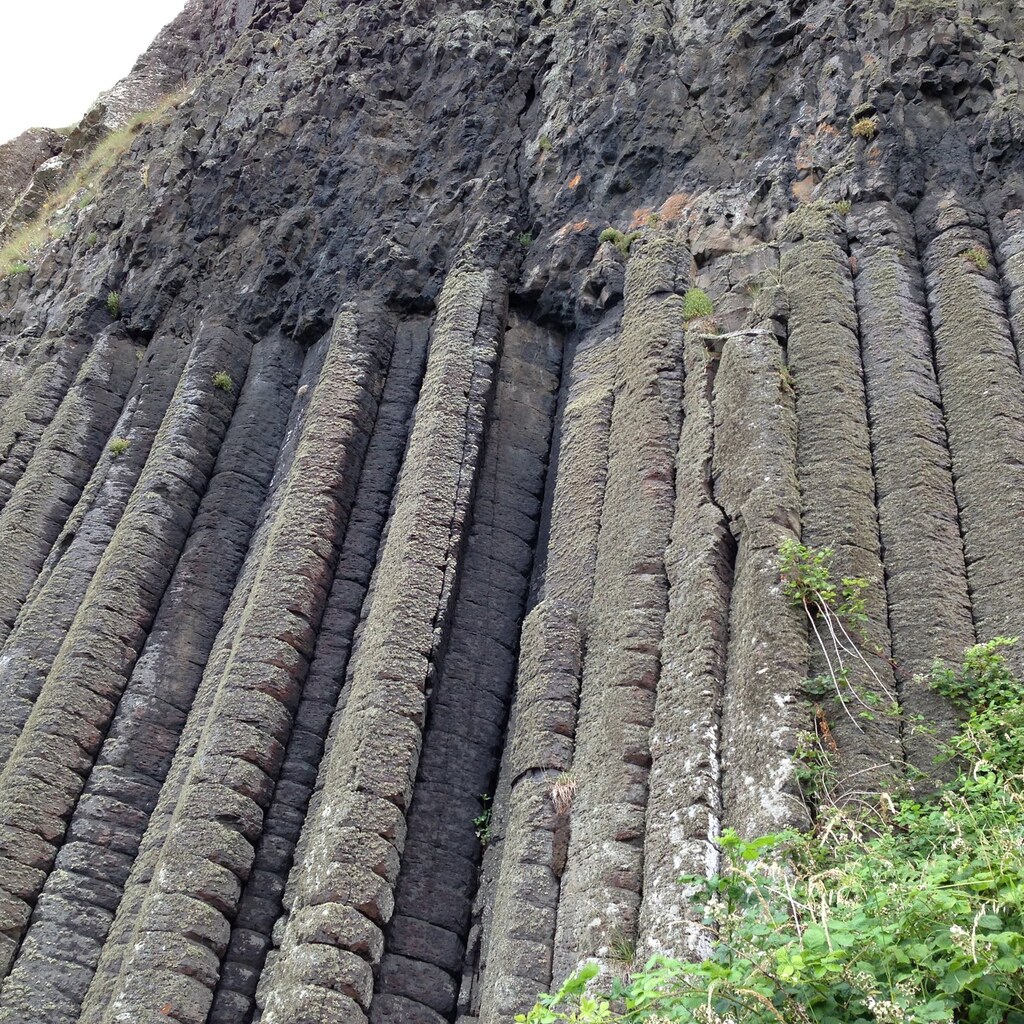
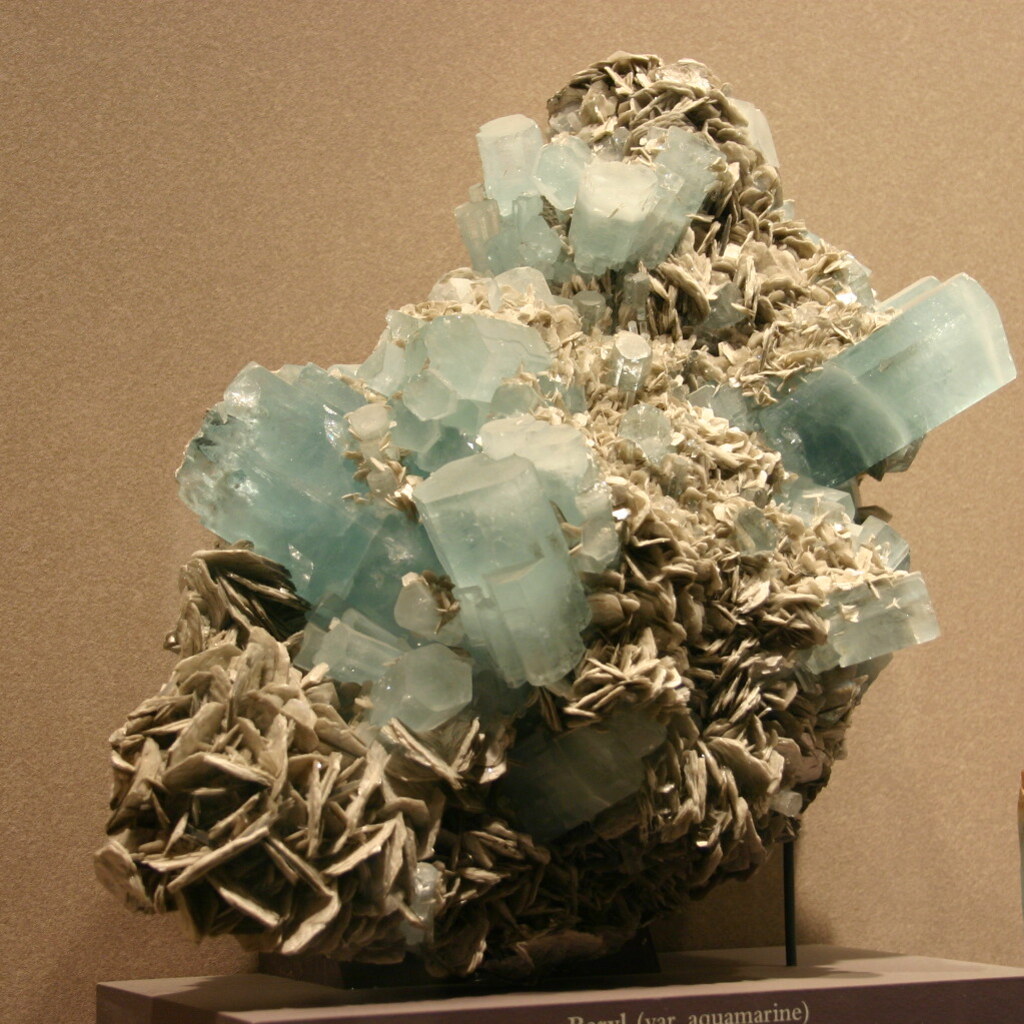
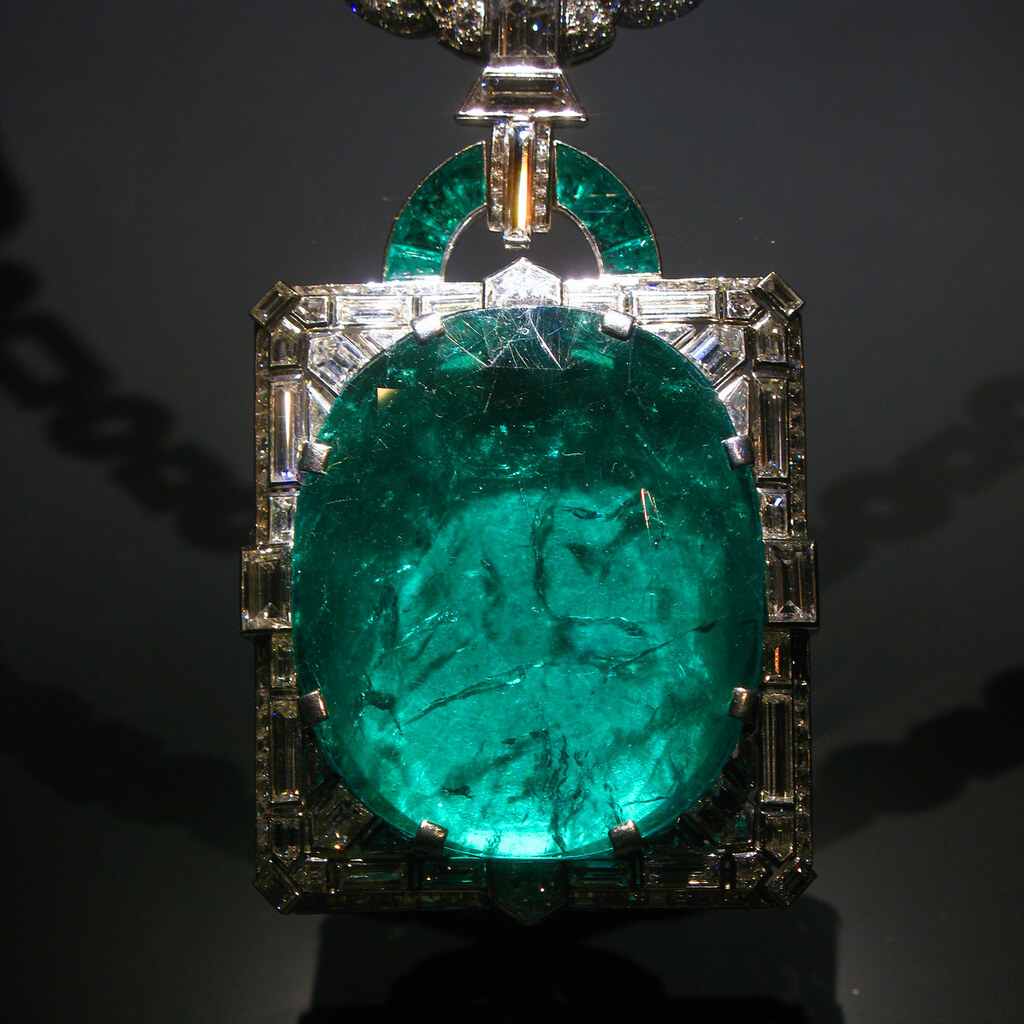
Beryl is a colorless mineral made up of beryllium aluminium cyclosilicate. It forms hexagonal crystals that can be very large. When beryl has impurities, it can have a coloured tint or be opaque. Coloured beryl has different names - green beryl is called emerald, pale blue beryl is called aquamarine and pink beryl is called morganite.
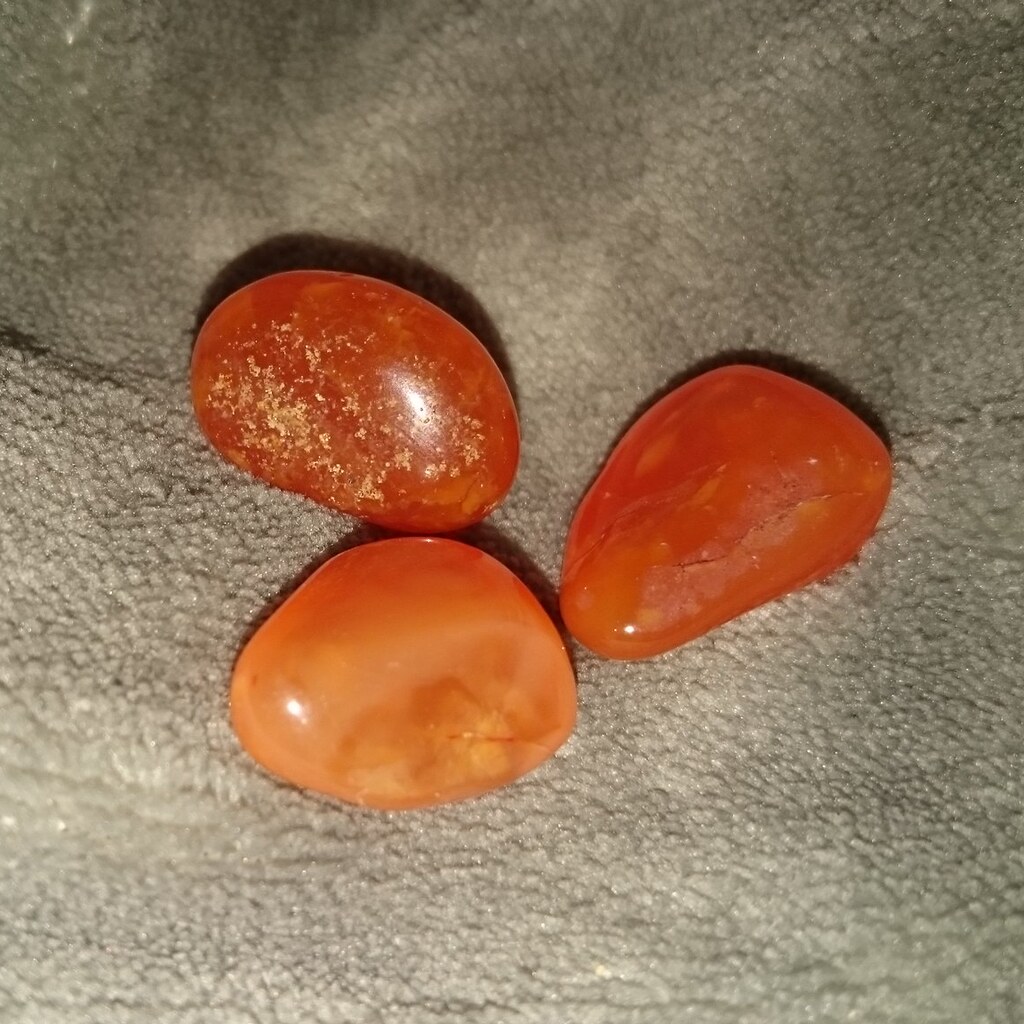
Carnelian, also called sard, is a deep red stone often used in jewelry. It is a silicate with large amounts of iron impurities.

Chalk is a soft, white rock that can be used to draw with on rough surfaces. Chalk is usually sold in small coloured sticks, for drawing on blackboards and sidewalks.
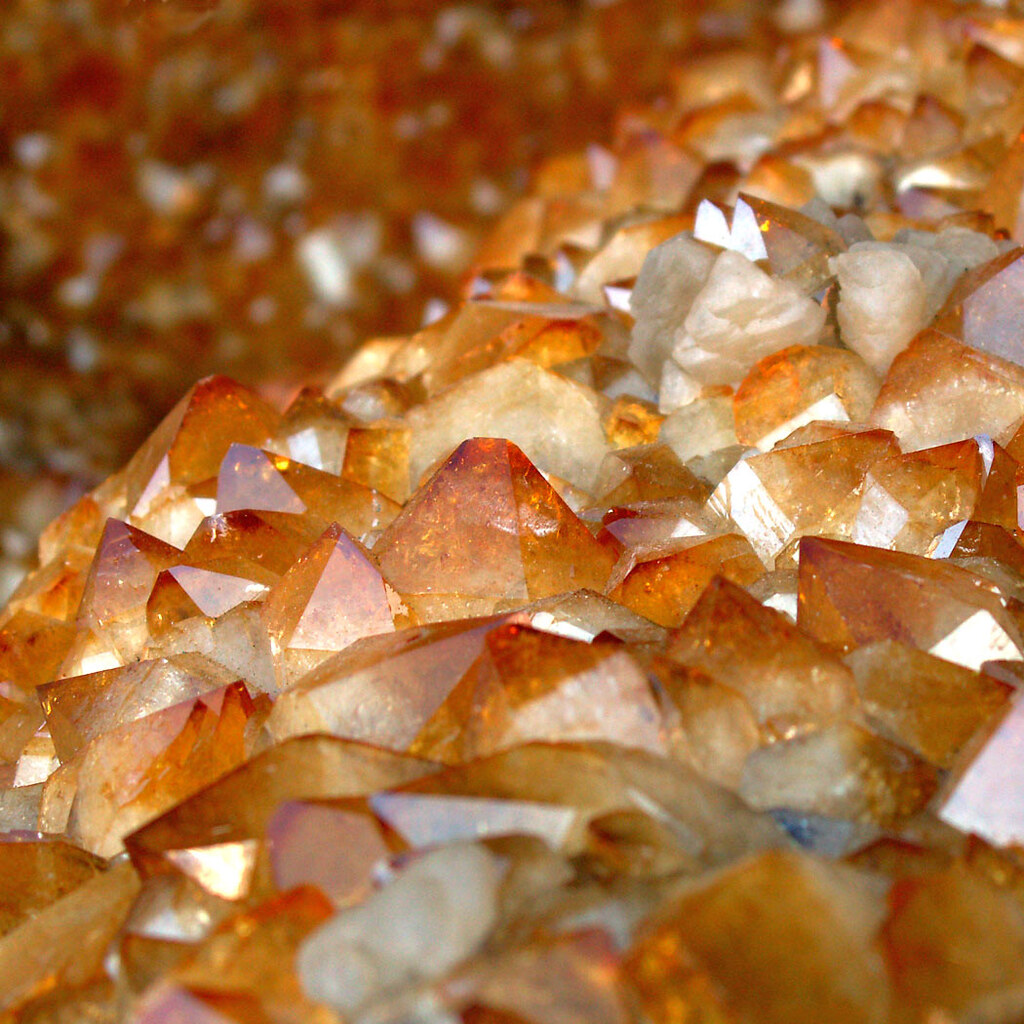
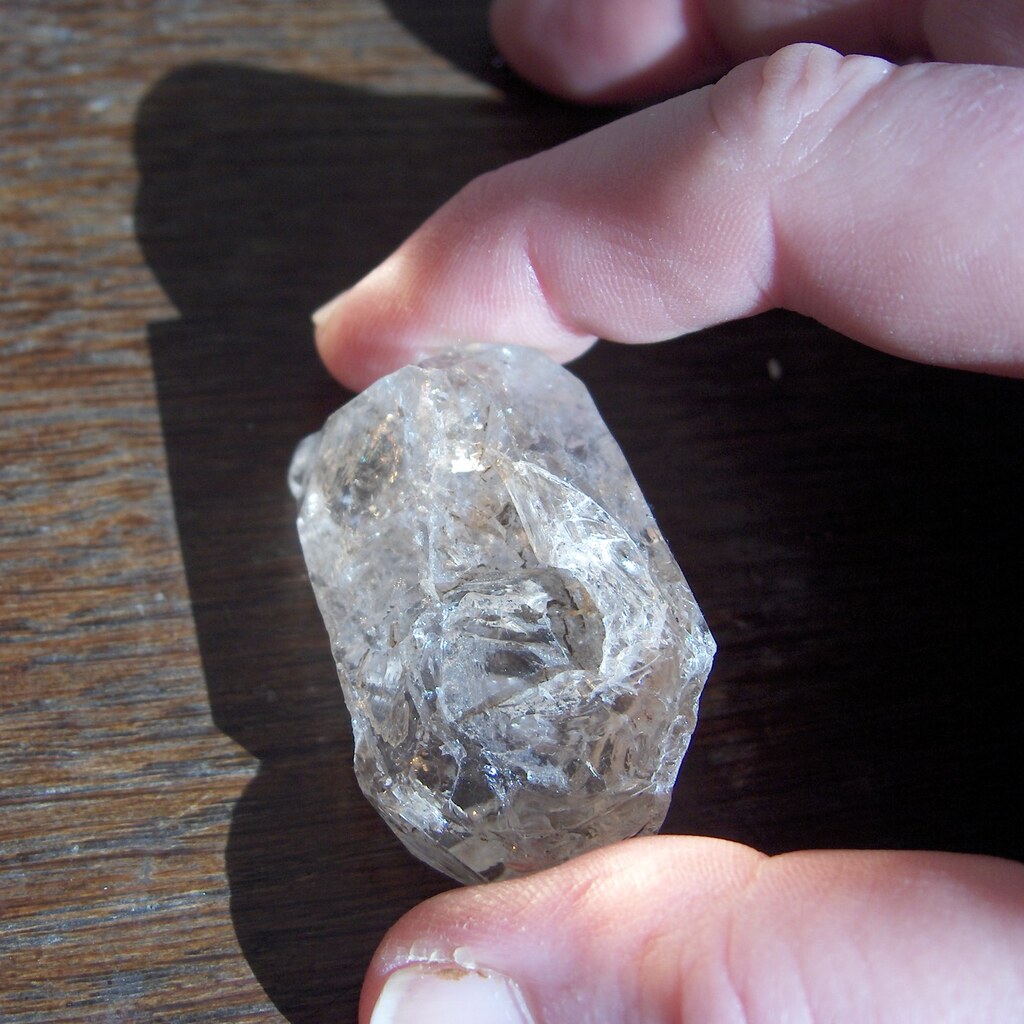
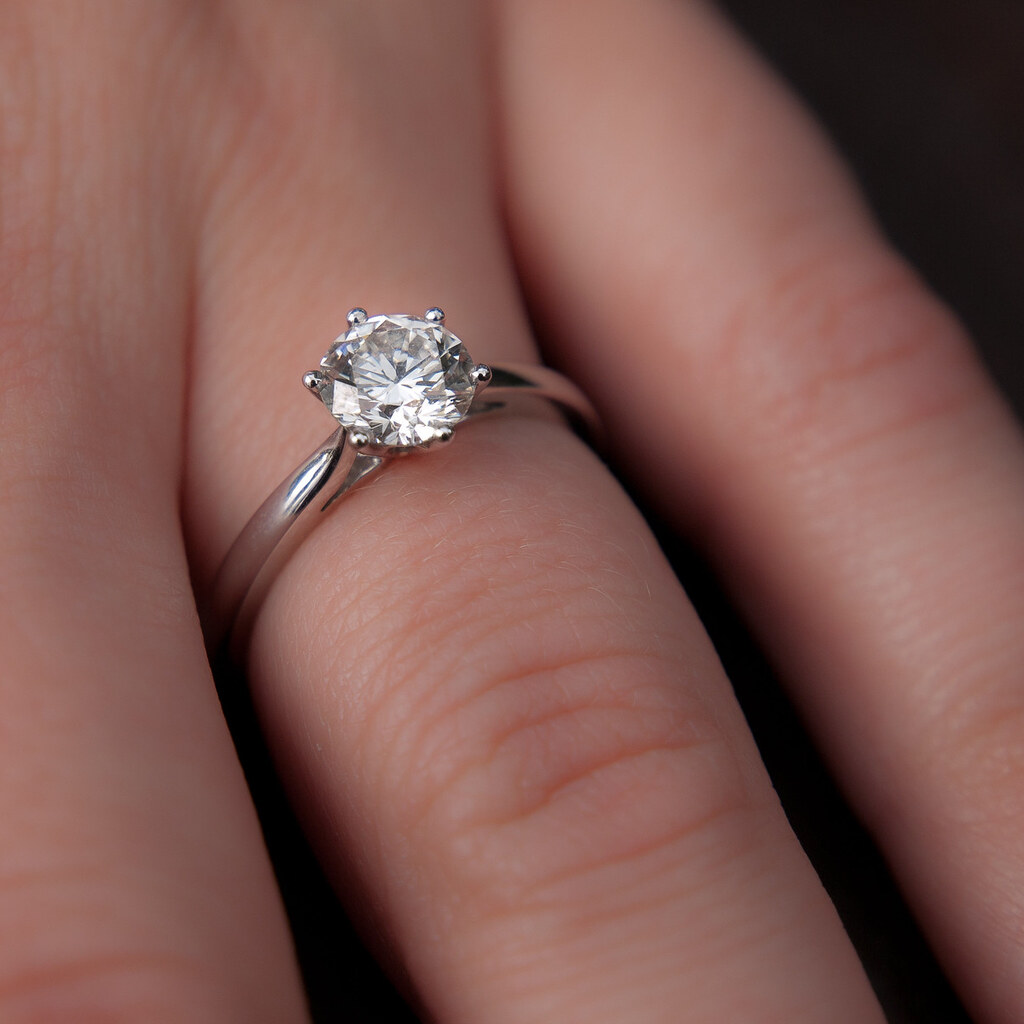
D is for Diamond (Stone)
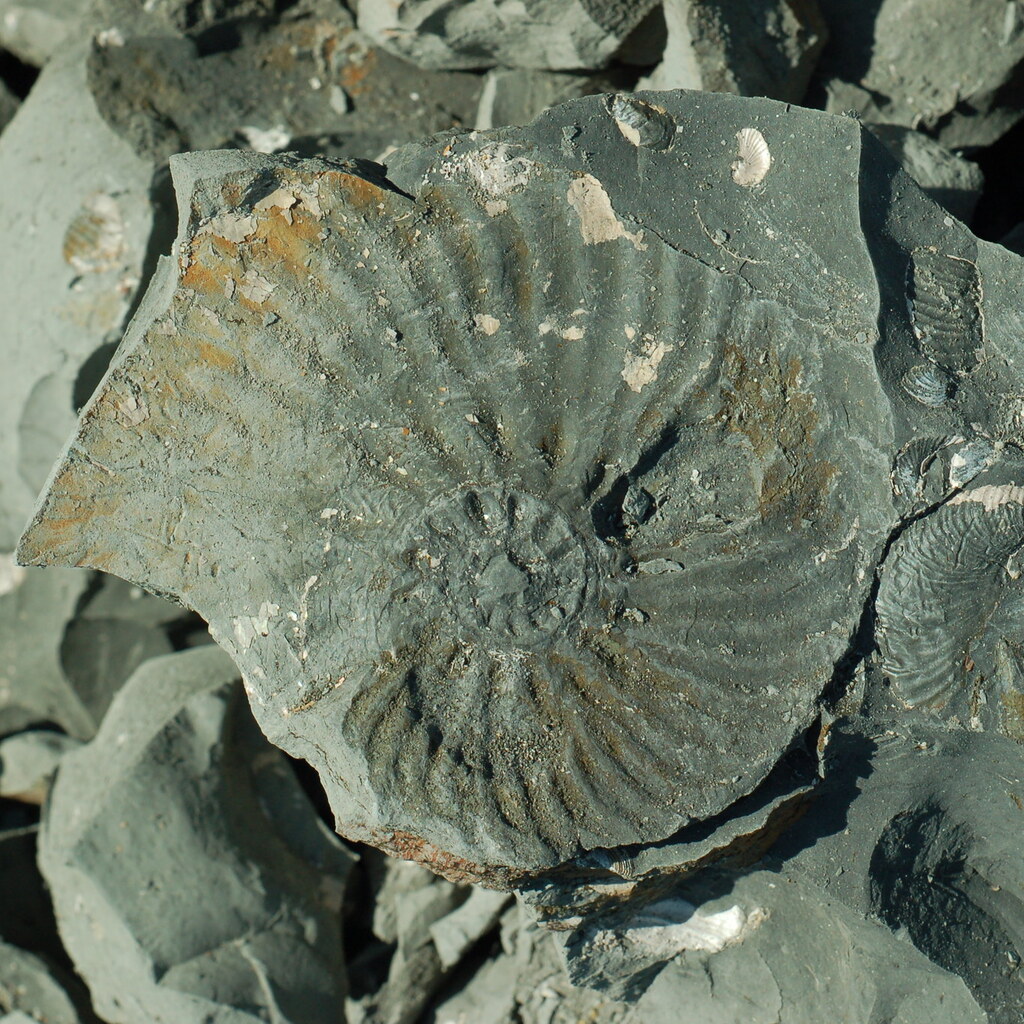
When an animal or plant dies and is buried under the ground with the right conditions for thousands or even millions of years, it turns to stone. Later when we dig them back up, we call them a fossil. When something has been turned into a fossil it is fossilised.
People have found fossils of all sized creatures, from tiny sea snails, to frogs, right up to enormous dinosaurs. Most of the creatures that people find as fossils are extinct - you can no longer see a living animal of that kind.
The fossil in the picture is a trilobite.
People have found fossils of all sized creatures, from tiny sea snails, to frogs, right up to enormous dinosaurs. Most of the creatures that people find as fossils are extinct - you can no longer see a living animal of that kind.
The fossil in the picture is a trilobite.