up to Nature

Materials

Things that you can use to make other things from.

Subcategories: Fabrics (29), Fuels (10), Metals (23), Stones (61), Wood (5)

Showing 41-60 of 195

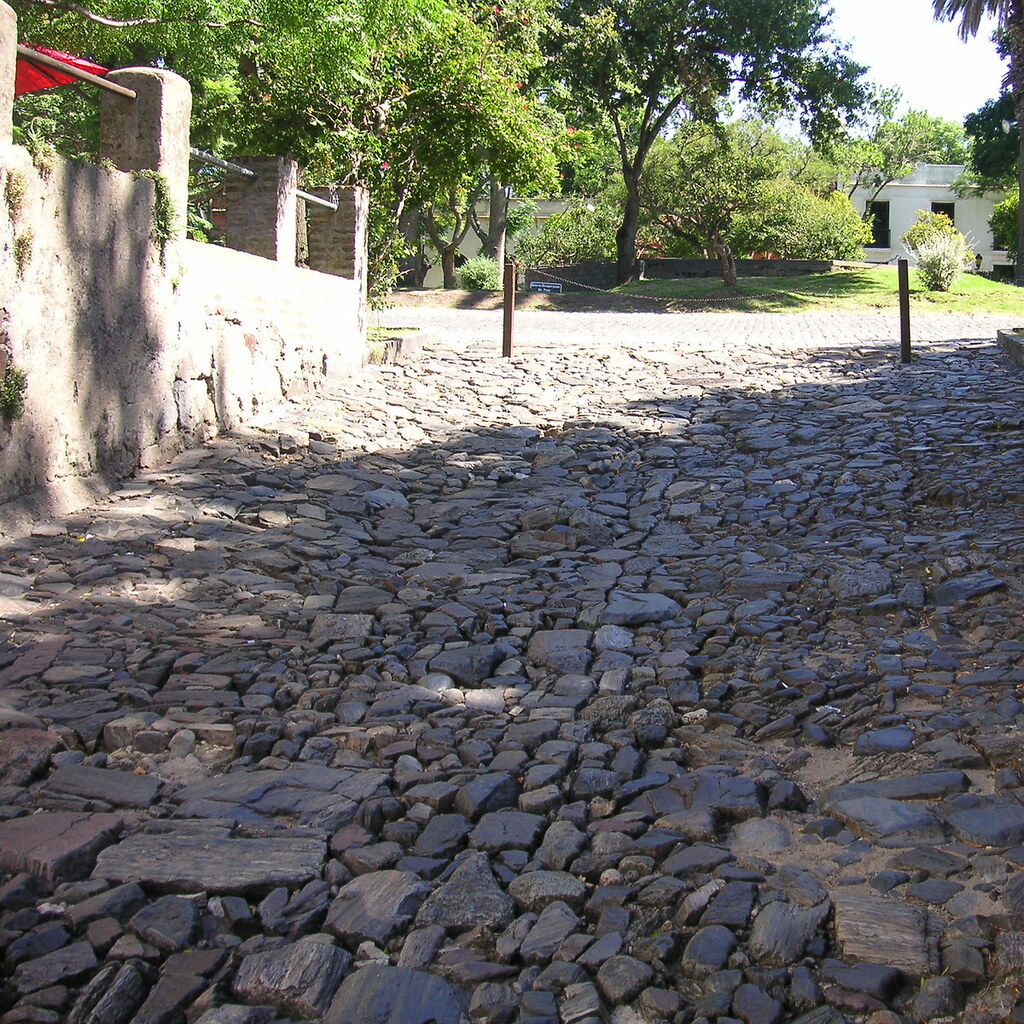
Cobblestones are stones that were used to pave streets before concrete and asphalt were invented. They were typically smooth stones found in a riverbed. Because the stones could be all different sizes and were placed so they fit together without gaps, they have given rise to the phrase "cobbled together".

Cis forCoke

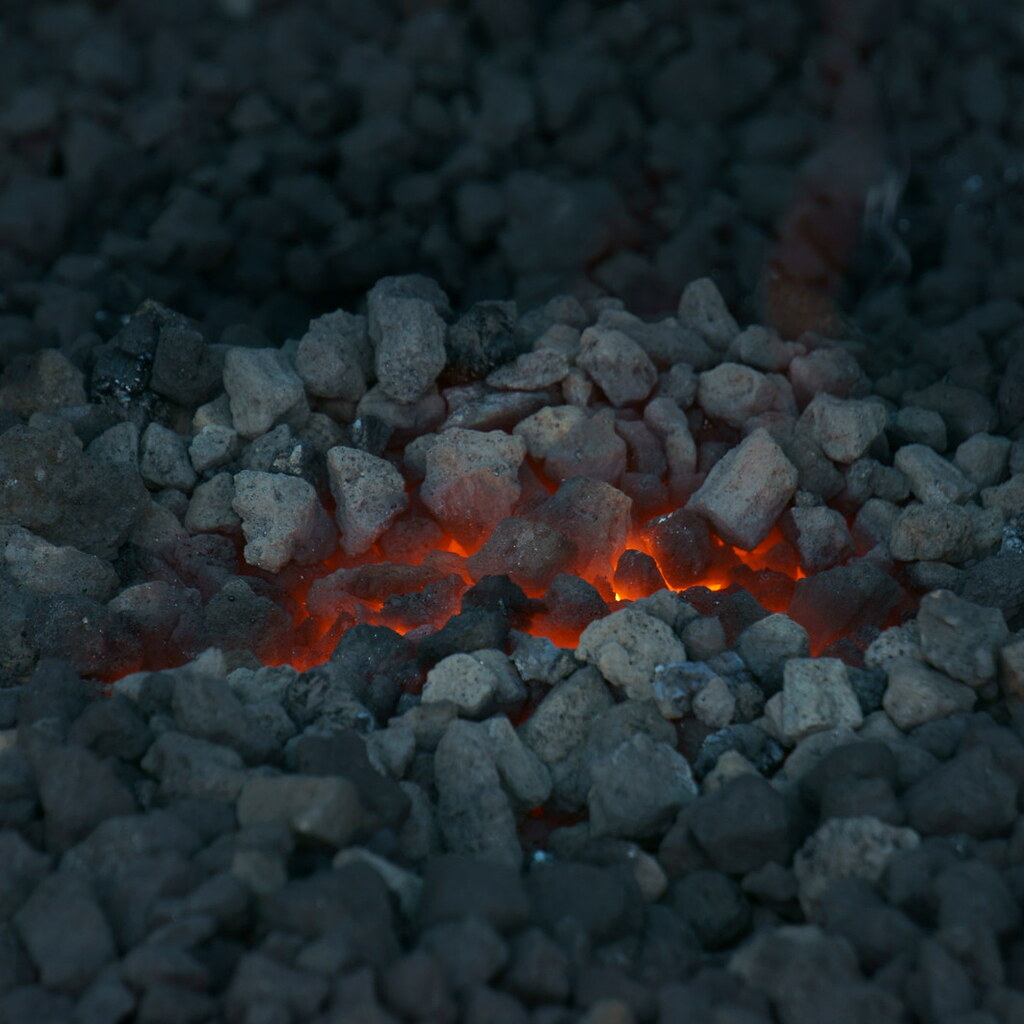
Coke is a fuel formed by burning coal or wood.

If you are looking for the drink, see cola.

It is also a slang word for cocaine.

Cis forConcrete

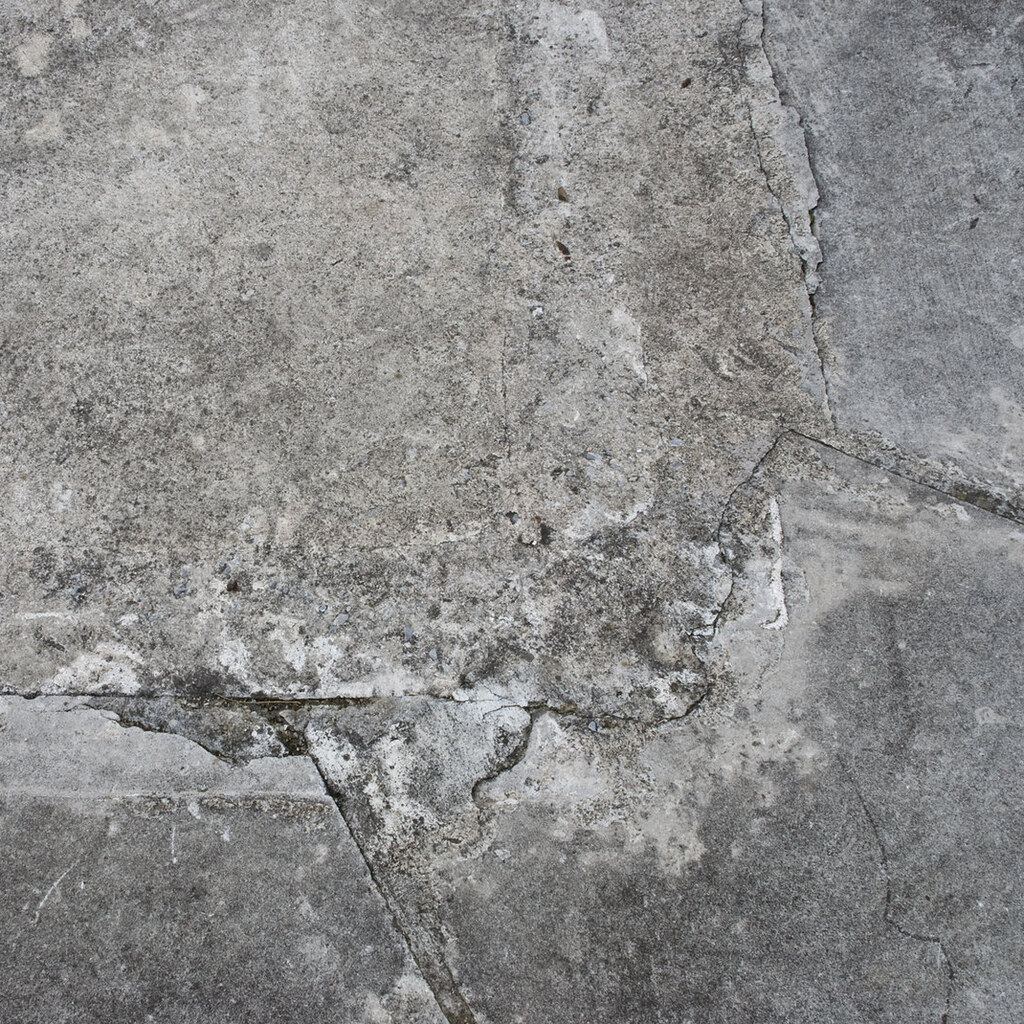
Concrete is a something you can use to make roads, buildings, parts of houses and fences out of. Concrete is used more than any other building material.
Concrete is made from cement, gravel, lime, sand and water. It starts as a dry mix of all the powders, and after water is added it will go hard within a matter of hours from a chemical reaction.
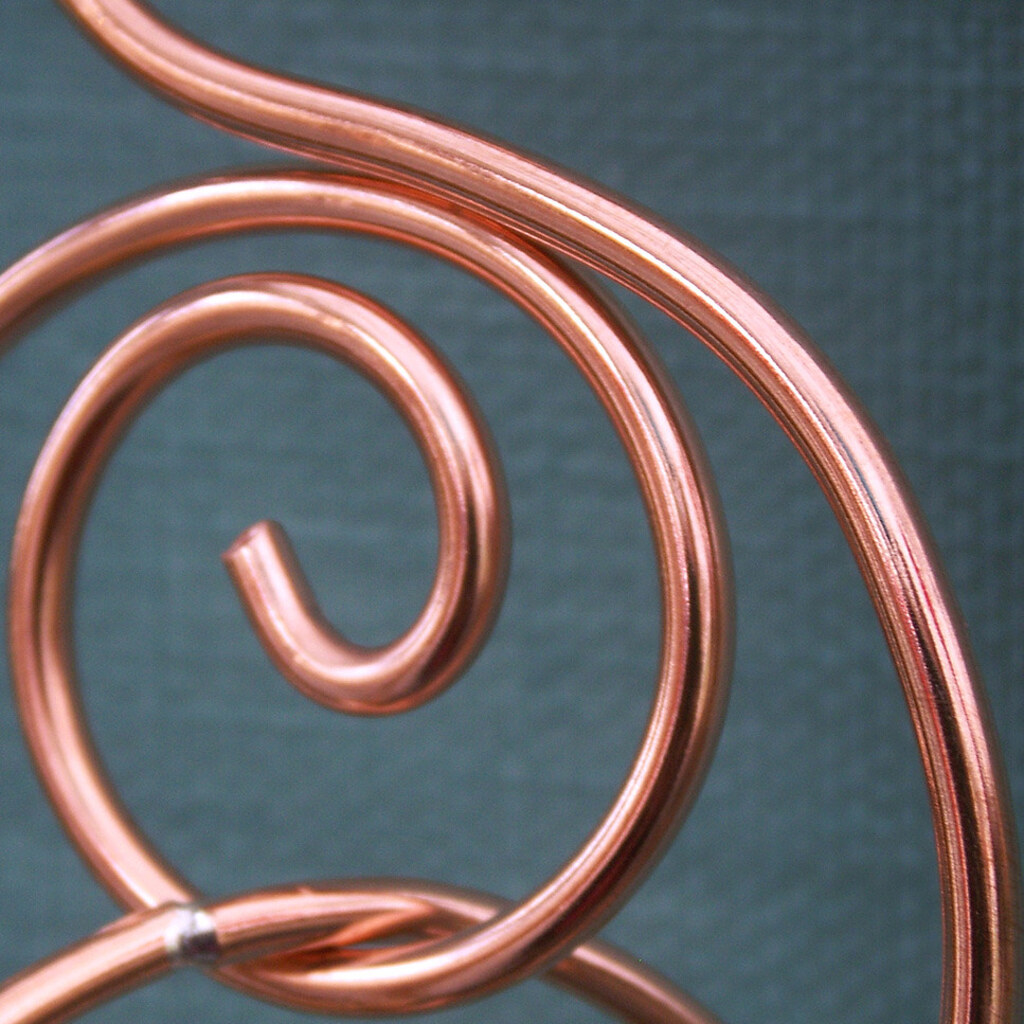
Cis forCopper

Copper is a common, reddish-coloured metal that is used for electrical wiring, and mixed with other metals into alloys like brass and bronze. Copper is an extremely good conductor of electricity.
Oxides of copper are blue and green, and have been used to colour paints and glaze pots for thousands of years.

Cis forCord

A cord is a thick string or a thin rope. The term cord is also used to describe something that looks like a cord. This includes power cords, computer cords, and umbilical cords.

Cis forCorduroy

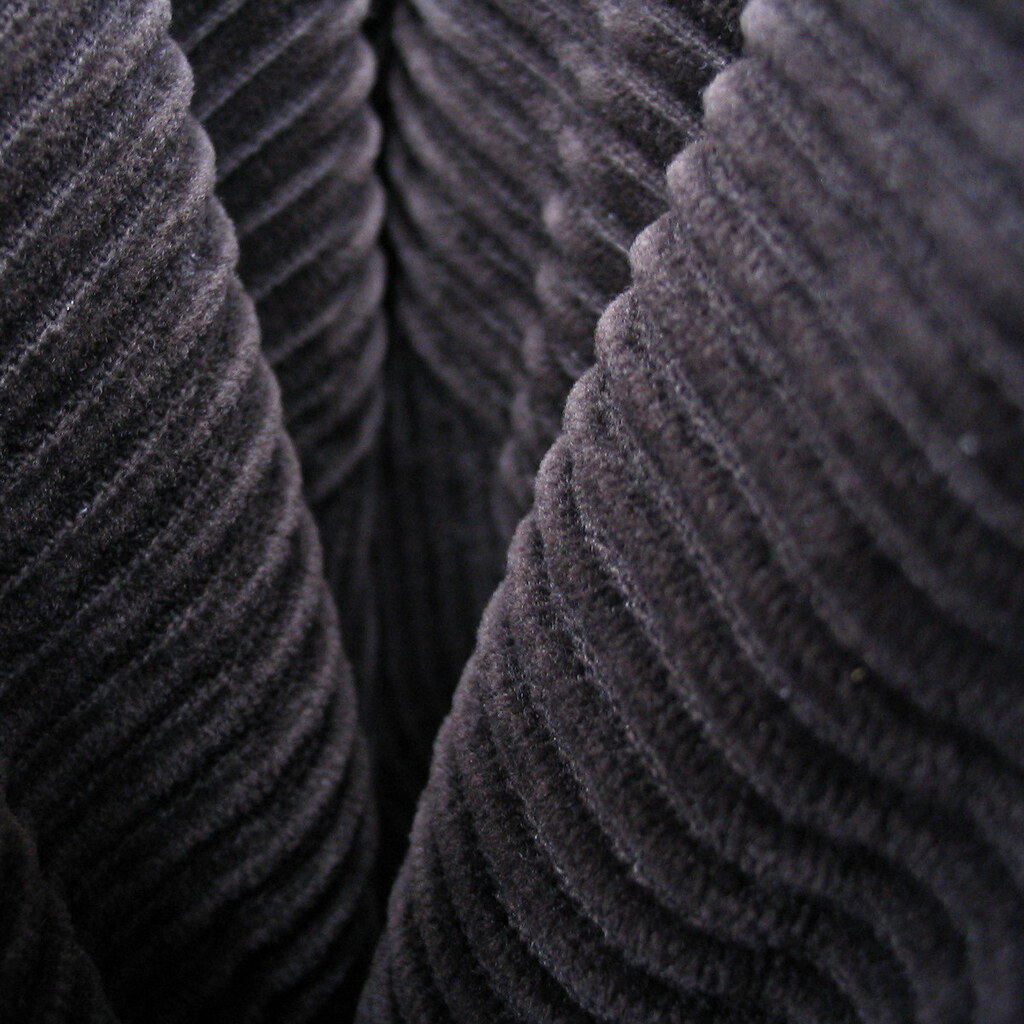
Corduroy is a type of fabric that has stripes on one side alternating between flat and slightly fluffy, which gives a ribbed effect. Corduroy is quite thick and is often used to make trousers and jackets.

Cis forCork

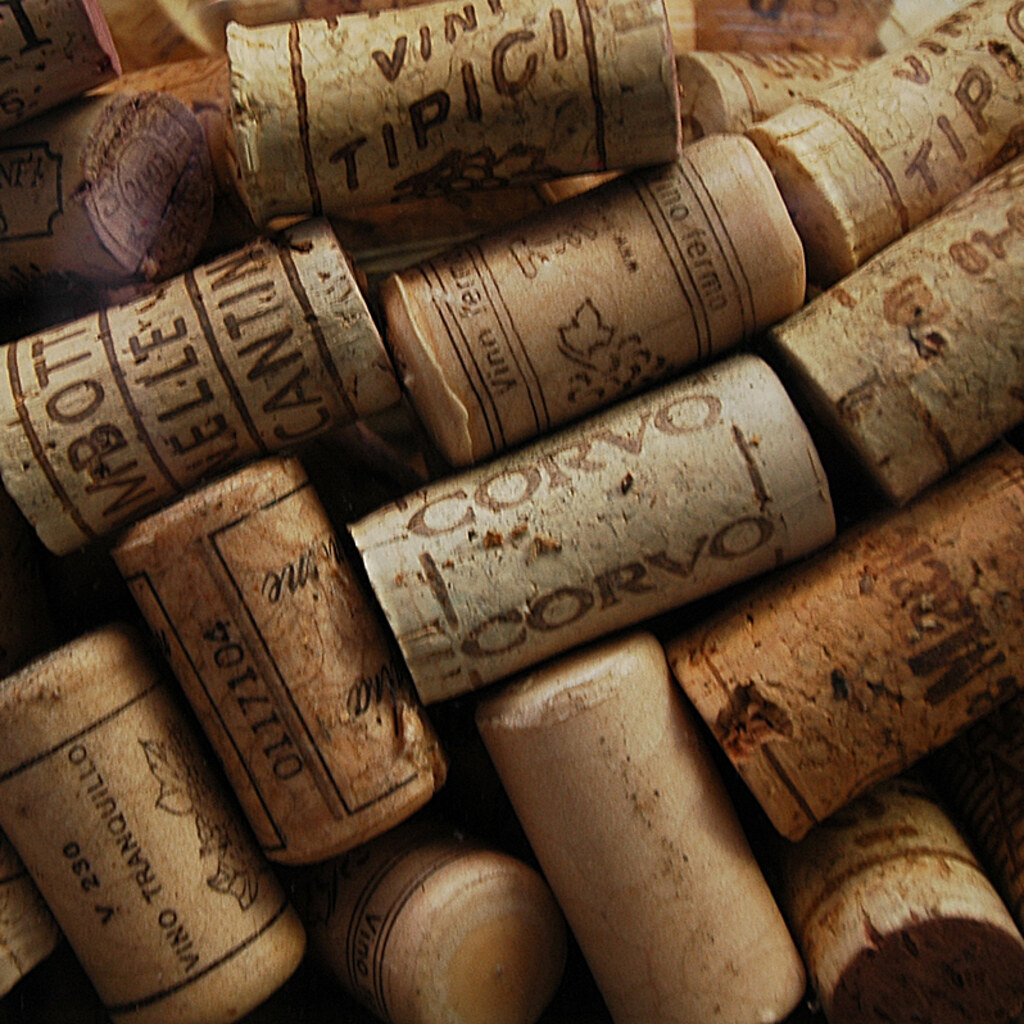
Corks are used to keep bottles tightly closed. Cork is slightly elastic, so it can be squashed smaller and will then snap back to its old size, which makes it perfect for sealing bottles and jars.
Cork is made from the bark of the cork oak, which is very closely related to the common oak tree. Cork can also be used to make floor coverings, and bulletin boards or pin boards.
Cis forCrystal

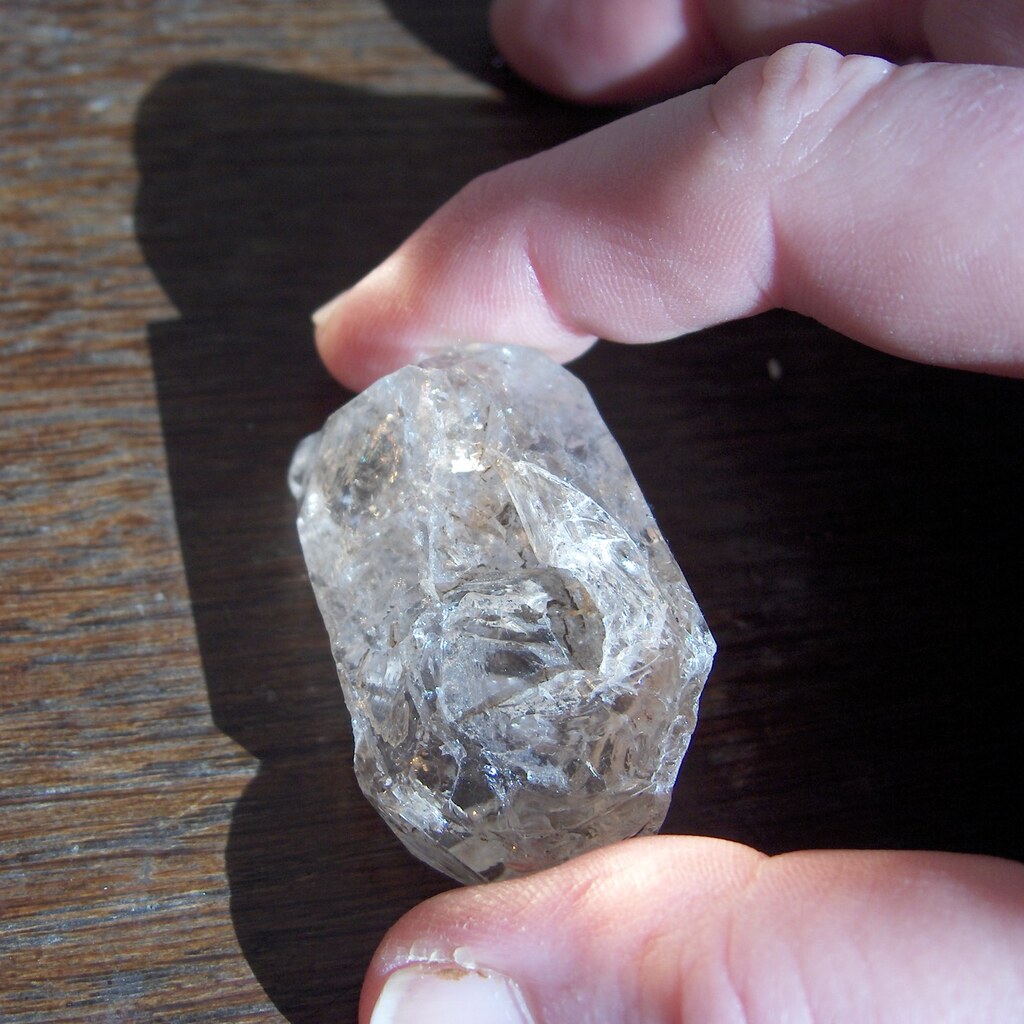
A crystal is any solid that is made up of tiny parts called molecules, aranged in a regular geometric pattern in all three dimensions. Many rocks are crystalline, and can be very pretty.
The crystals in the picture are salt crystals.

Dis forDamask

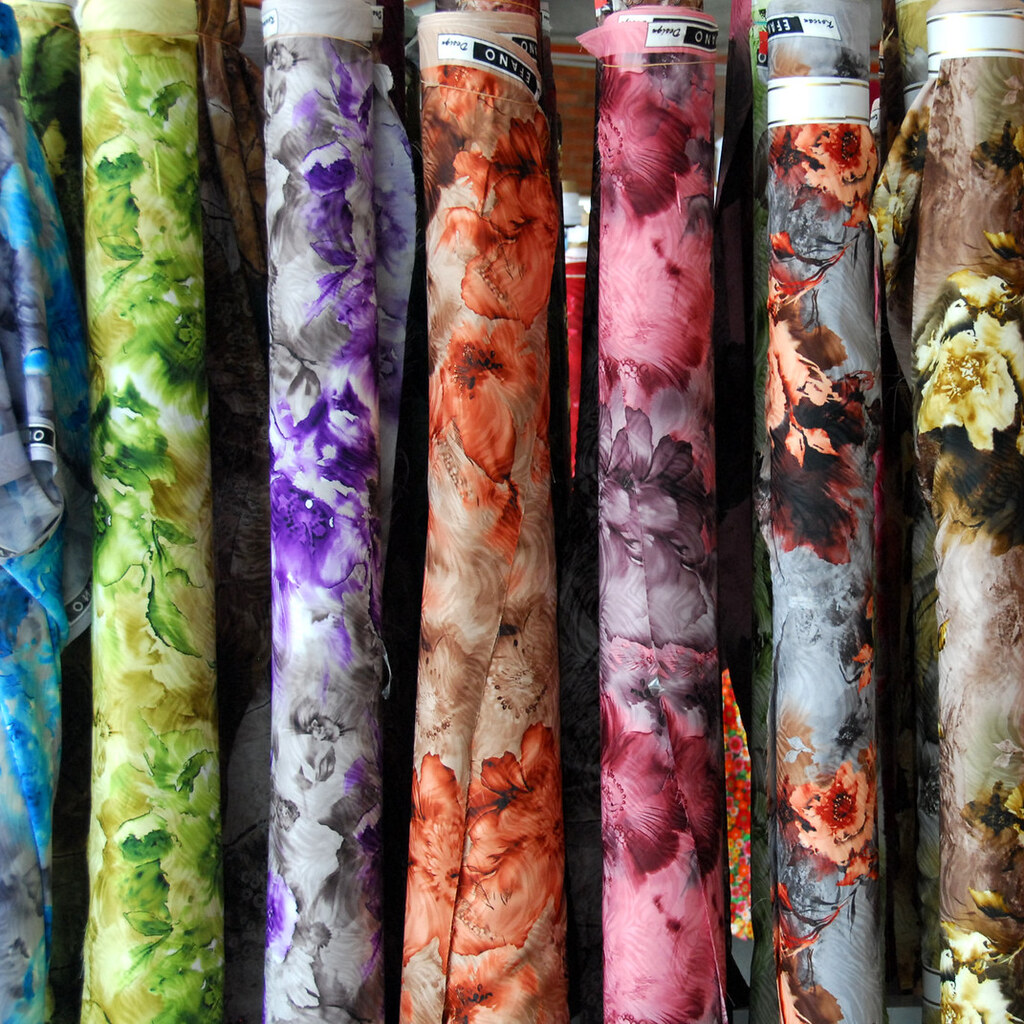
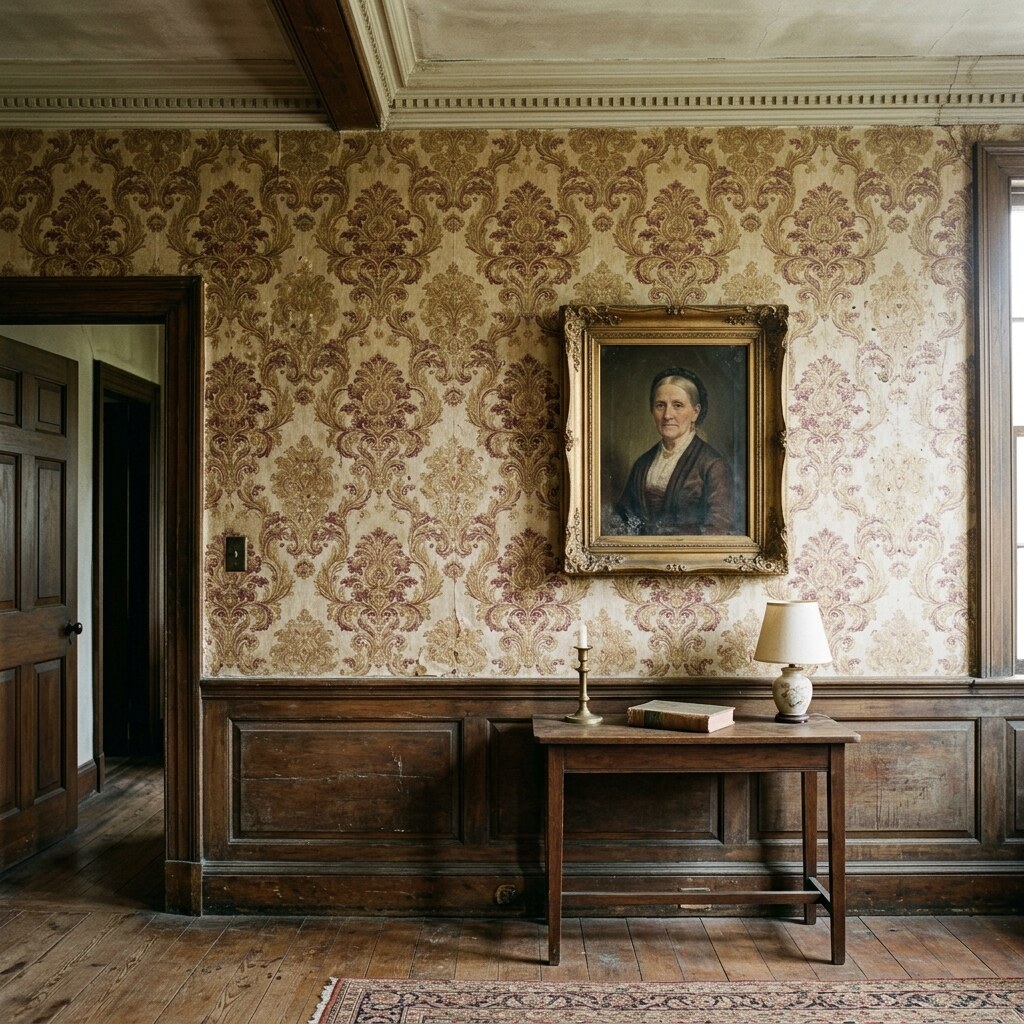
Damask is a pattern used on a variety of fabrics like silk and wallpaper. Damask patterns can come in a lot of different designs, but the most common is a damask rose pattern like the one in the picture.
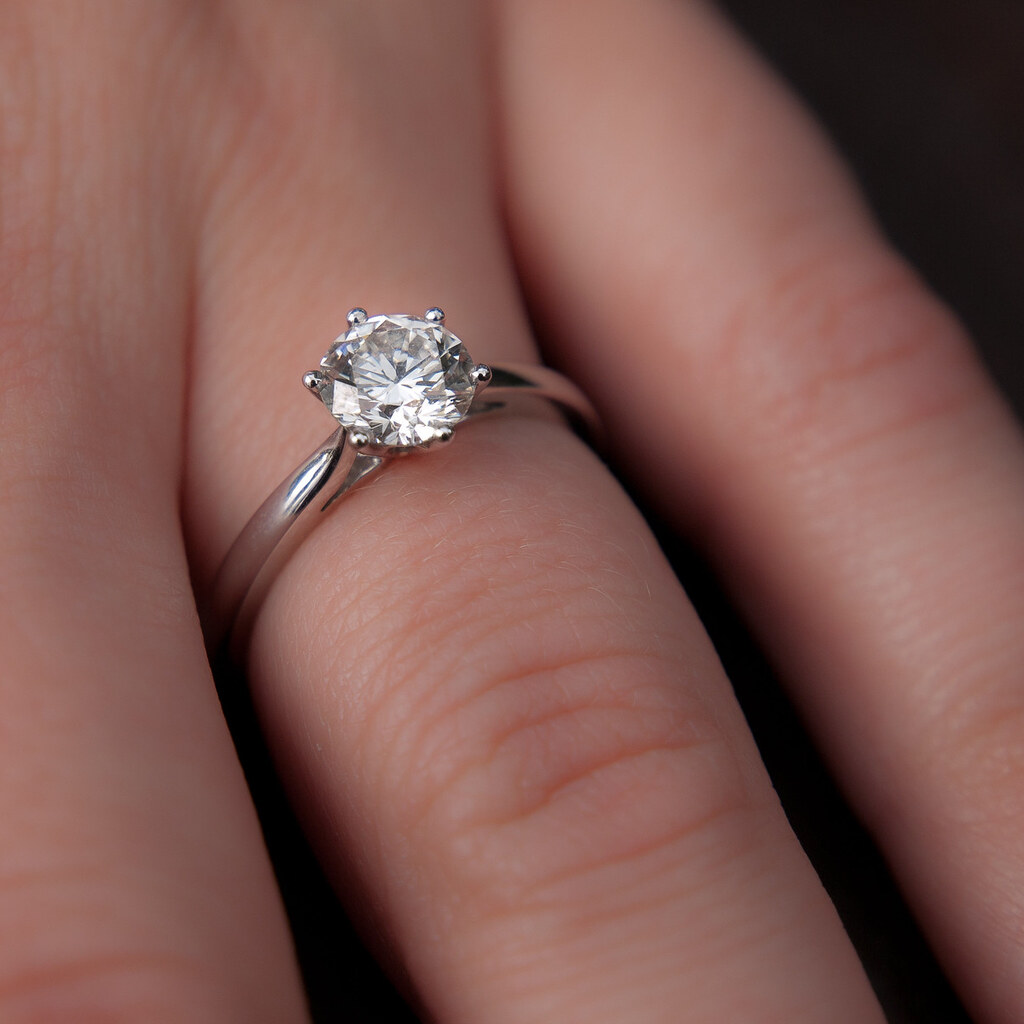
Diamonds are made from carbon arranged in a very rigid crystalline pattern. This makes diamond the hardest substance in the world. It is also very good at dispersing light, which gives diamonds their sparkle. Diamonds are very popular in jewellery like rings and necklaces.

Dis forDirt

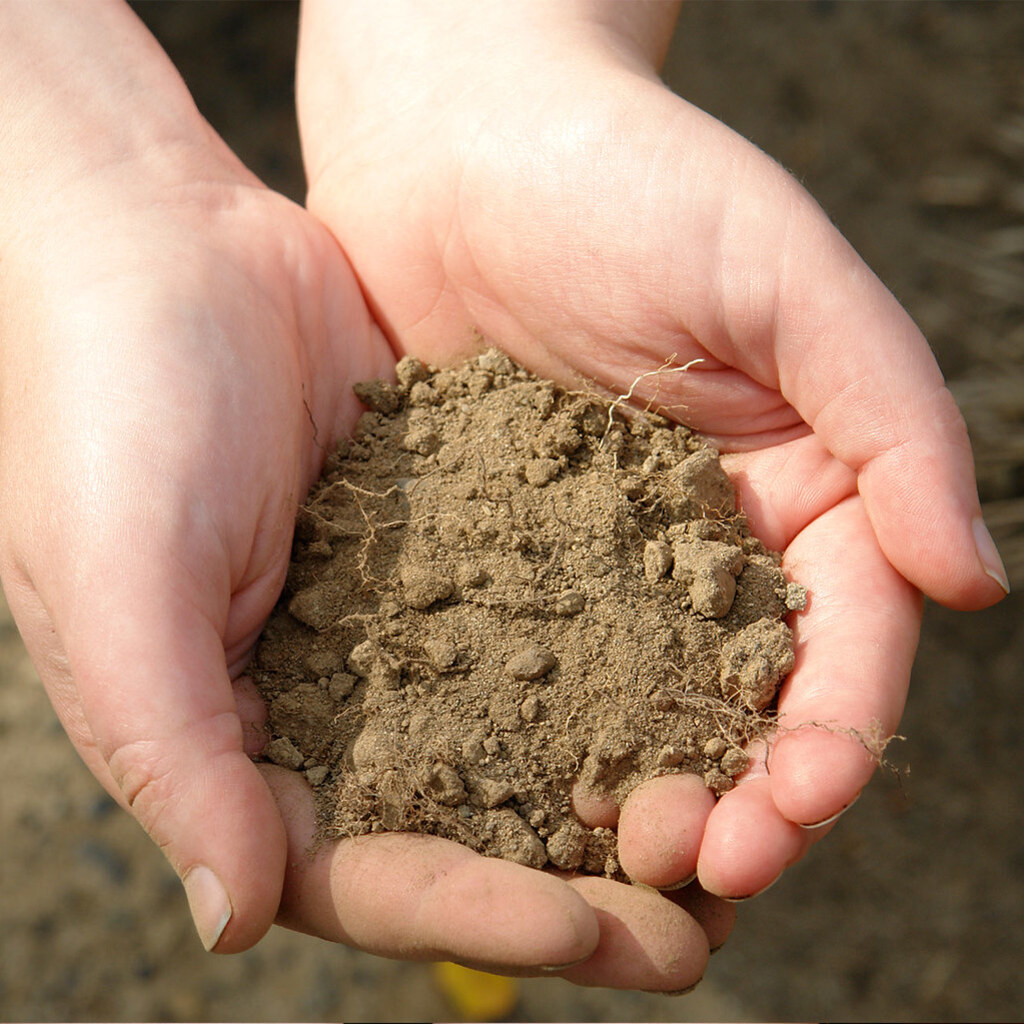
Dirt is a general name for the fine powdery stuff that is on the ground everywhere outdoors. Dirt is the name given to very ordinary sort. Rough dirt that doesn't hold water very well is usually called sand, very fine dirt that can also be used to make pottery is called clay and dirt that is good quality, either naturally or because someone improved it with compost, is called soil.
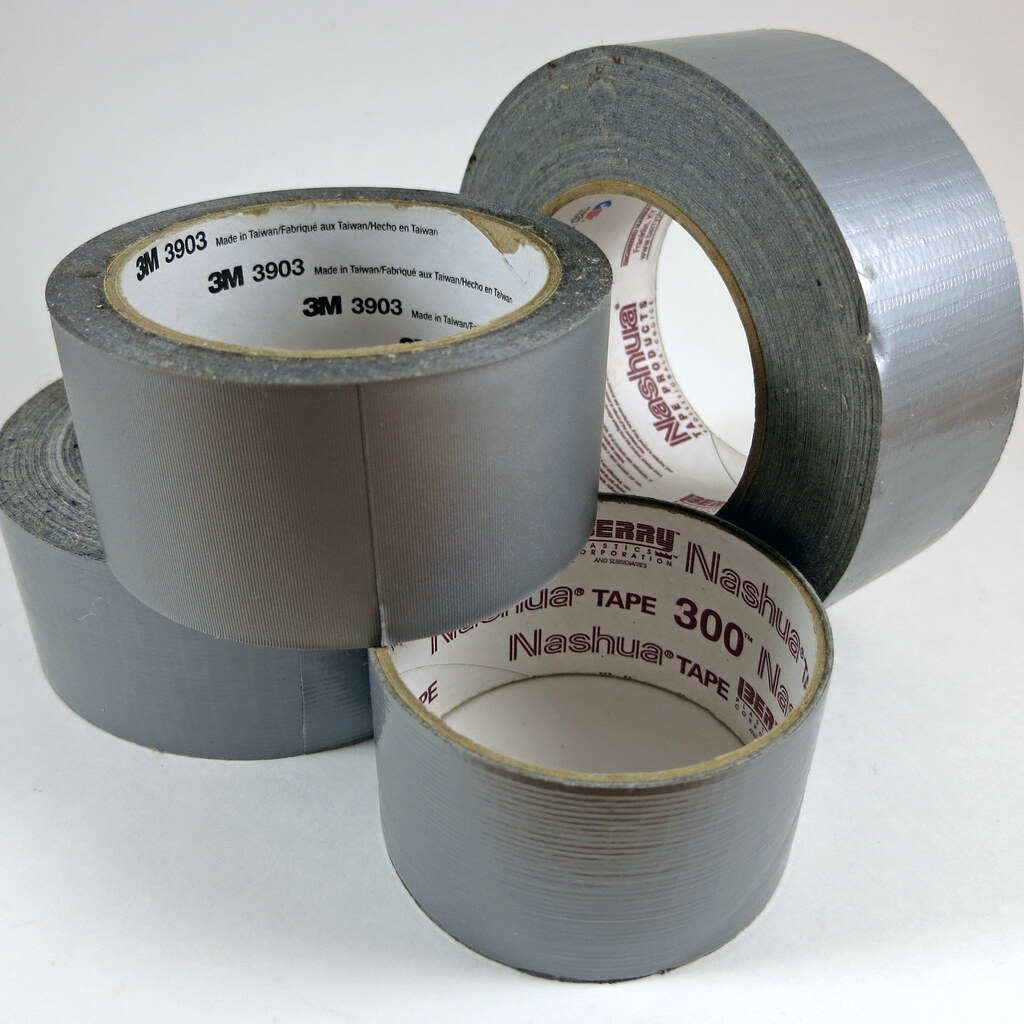
Duct tape, also called duck tape, is a type of cloth-backed tape that is often coated with plastic on the non-sticky side. Duct tape is extremely strong and sticky, and can be used to repair a huge variety of things. Some people make things like clothing out of duct tape.
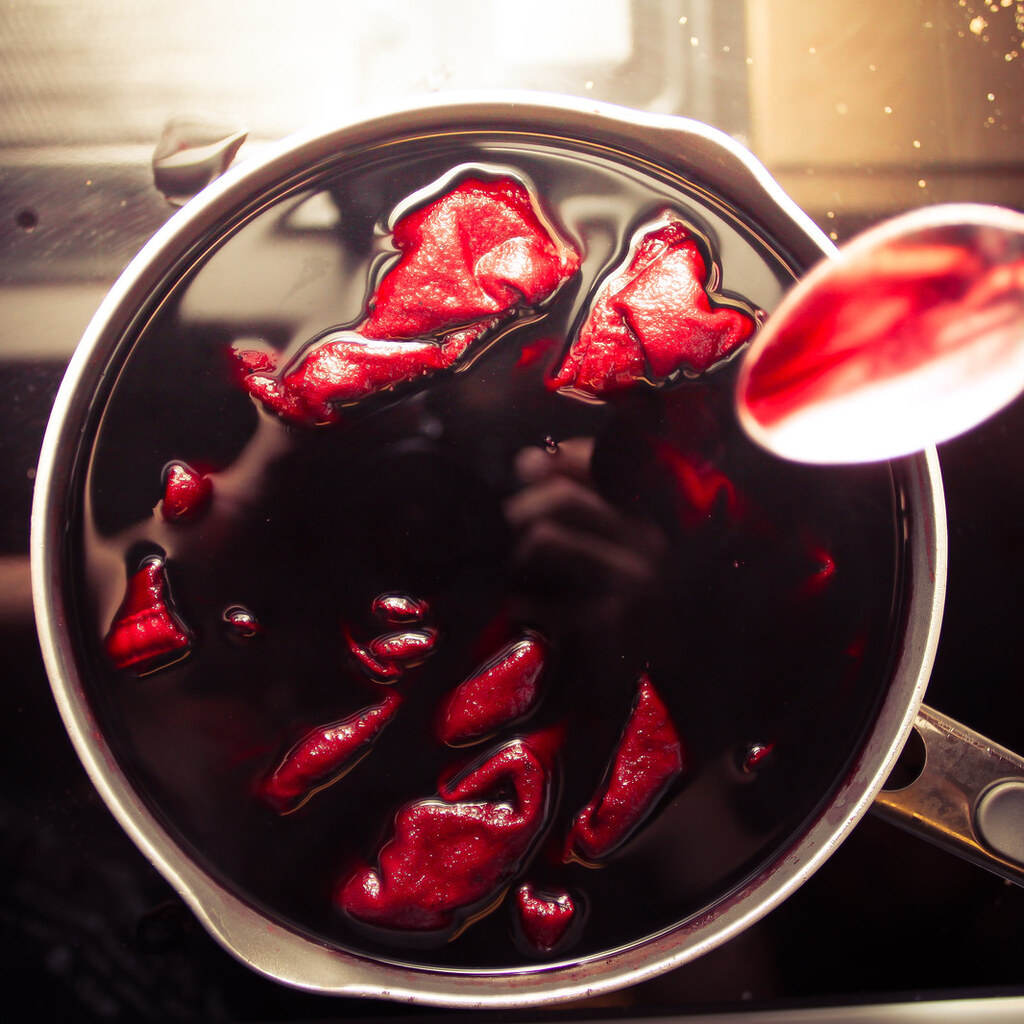
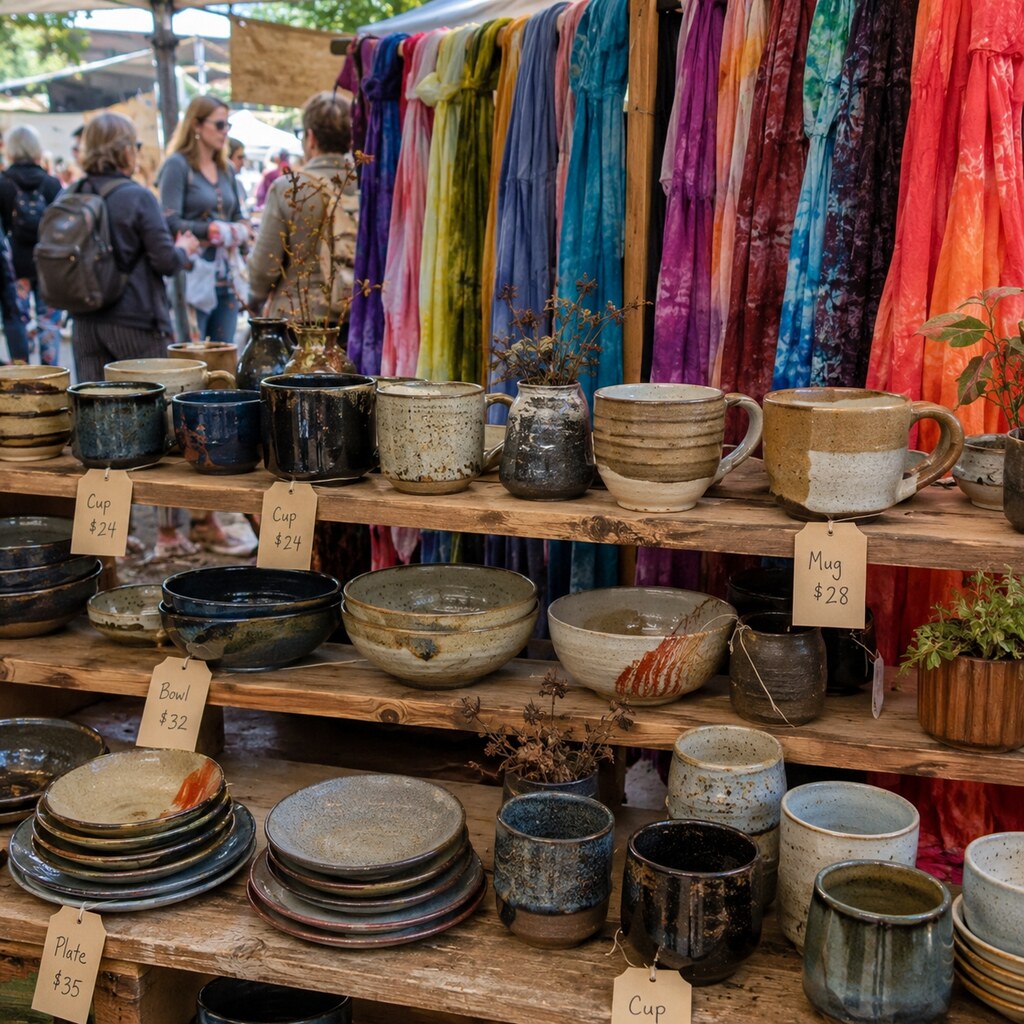
Dis forDye

Dye is a substance that is used to change the color of something else. There are many different things that are used as dyes, and dyes can be used to make a huge variety of different colors. Some dyes are permanent, some are temporary.
Earthenware is another name for pottery made from clay. It usually refers to rustic or lower grade pottery, often unfired and unglazed.

Eis forEbony

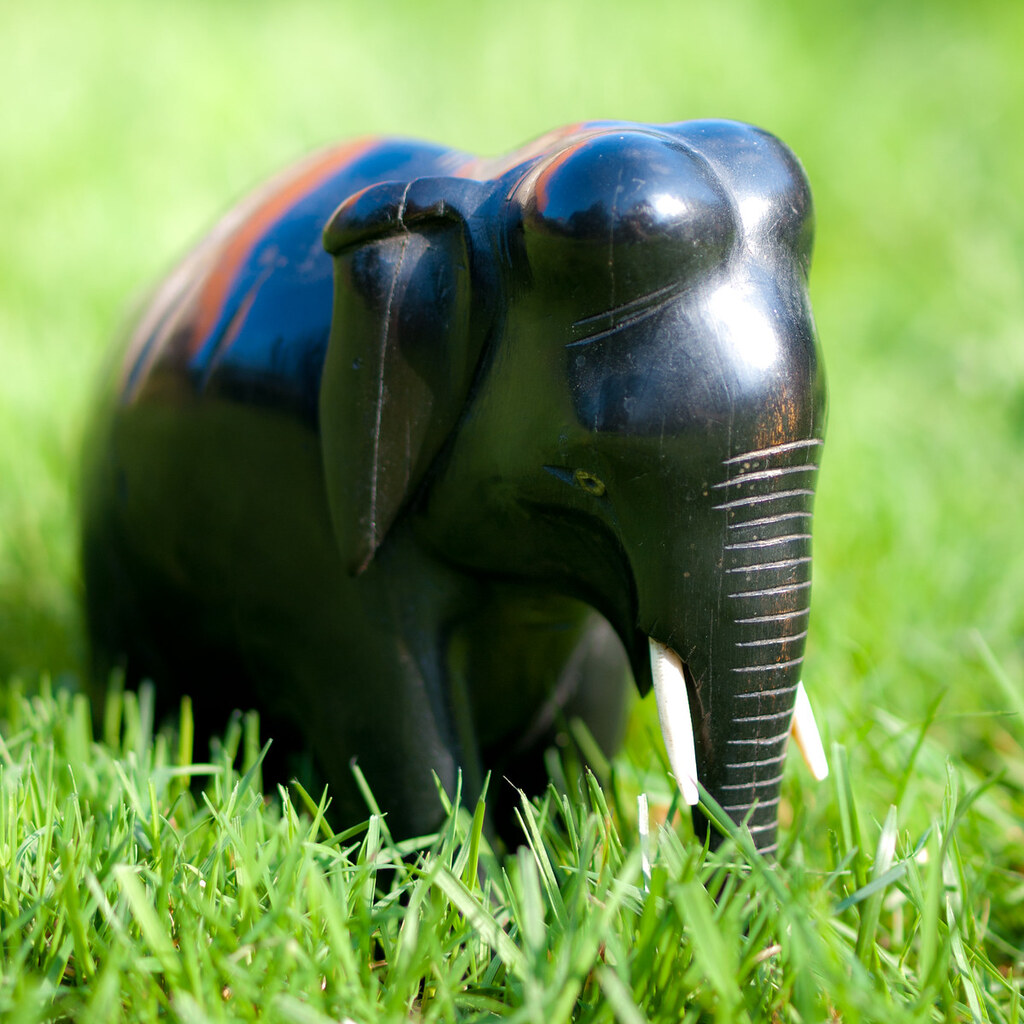
Ebony is extremely dense, fine-grained black wood. It does not float in water. Ebony is most famously used to make the black keys on a piano.

Eis forEmerald

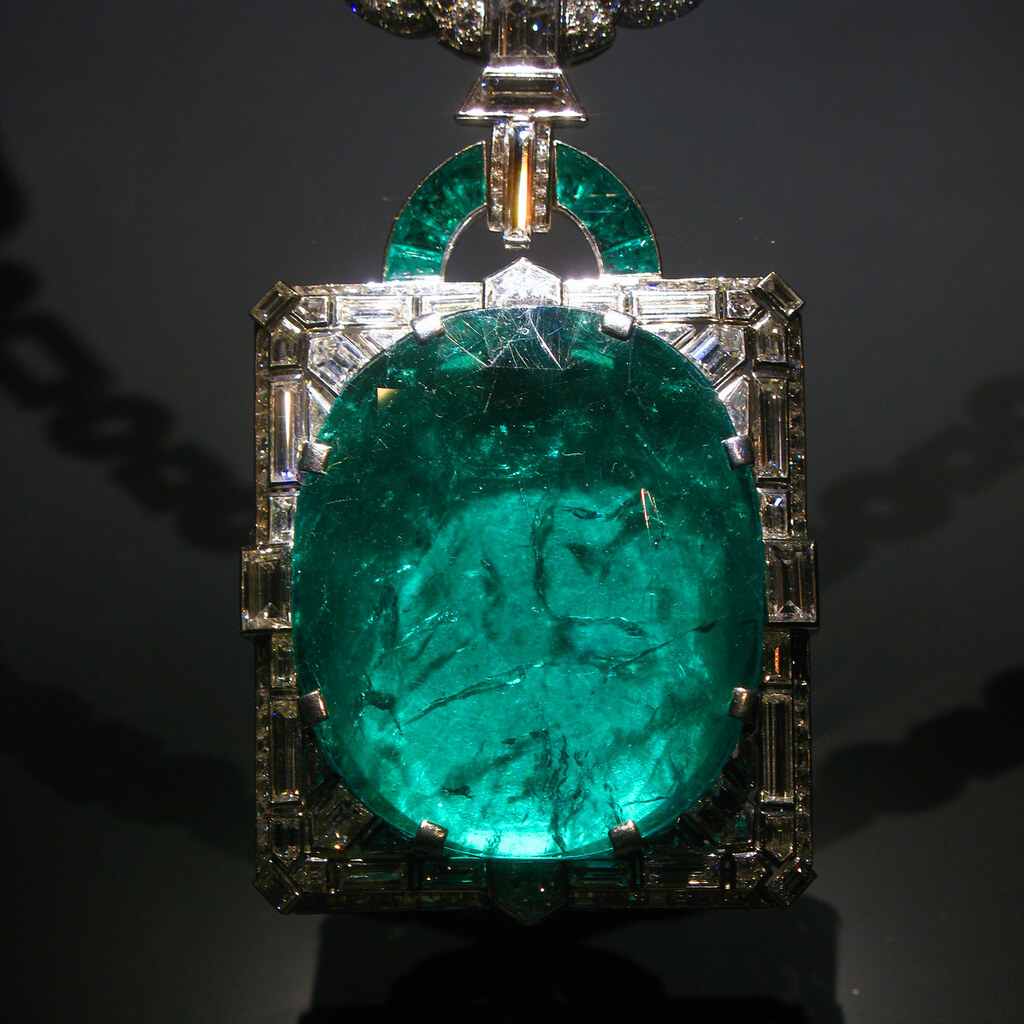
Emeralds are a gemstone quality variant of beryl, made from beryllium aluminium silicate. The deep green colour is from trace amounts of chromium. Emerald tends to be imperfect, with inclusions and fissures so while the pure stone is hard, emeralds are actually quite prone to breaking.

Fis forFabric

Fabric is another word for cloth. Fabric is used to make clothes, drapes and lots of other things.
The word fabric can also be used to describe the fundamental structure of something, as in "the fabric of society".

Fis forFeldspar

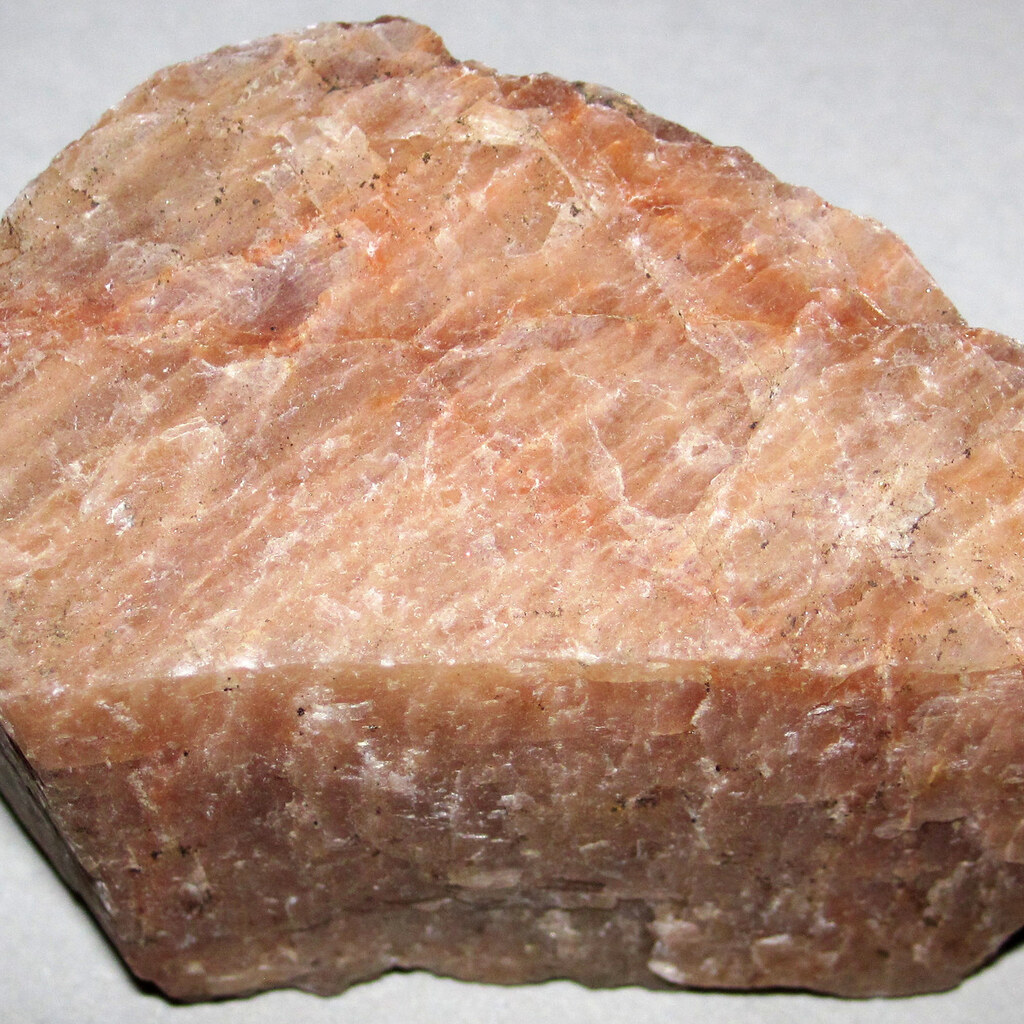
Feldspar is a group of minerals, composed of aluminium silicates mixed with either potassium, sodium, and calcium. Feldspar is a crystalline rock and makes up around 60% of the Earth's crust.

Fis forFelt

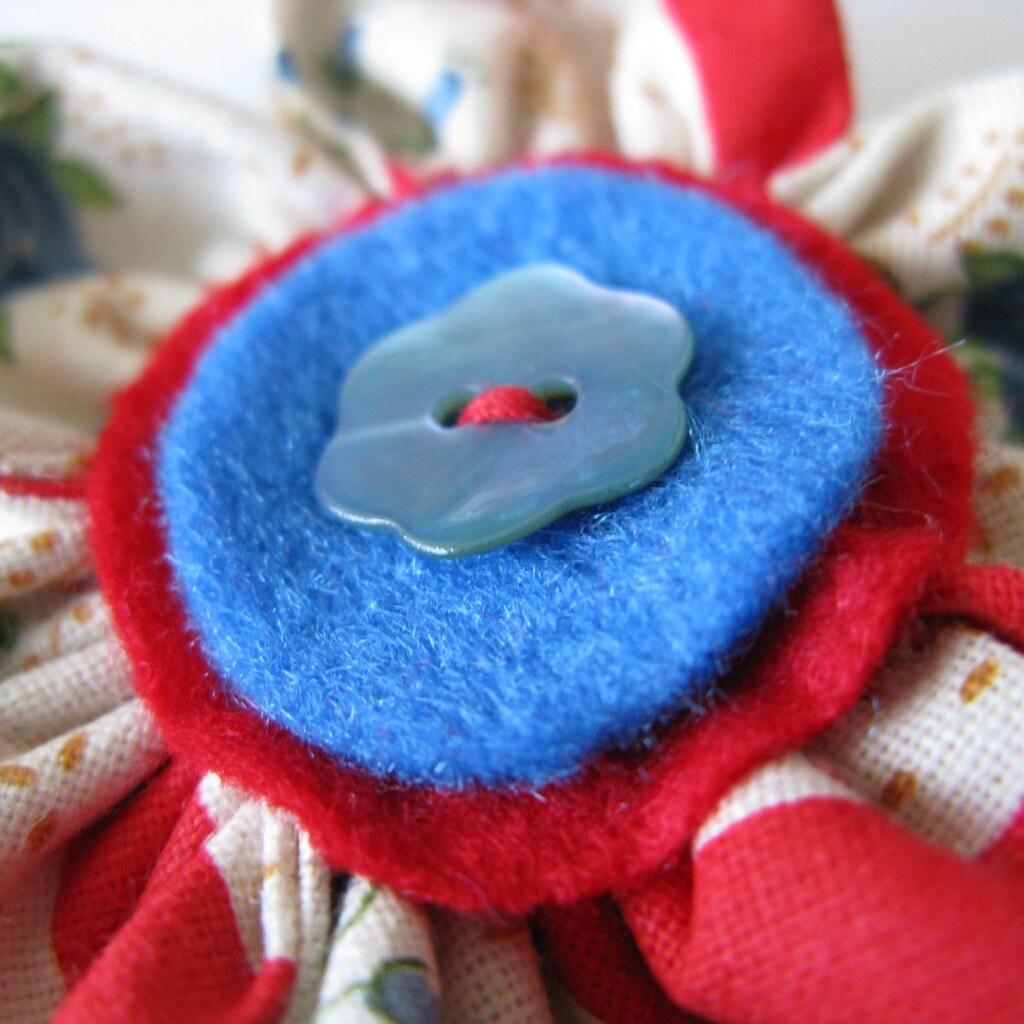
Felt is a fabric that predates weaving and knitting. Felt is made by rubbing wet fibres until they stick together in a thin, matted layer. Felt is often made from wool or hairs from an animal like a rabbit or beaver.

Fis forFiber

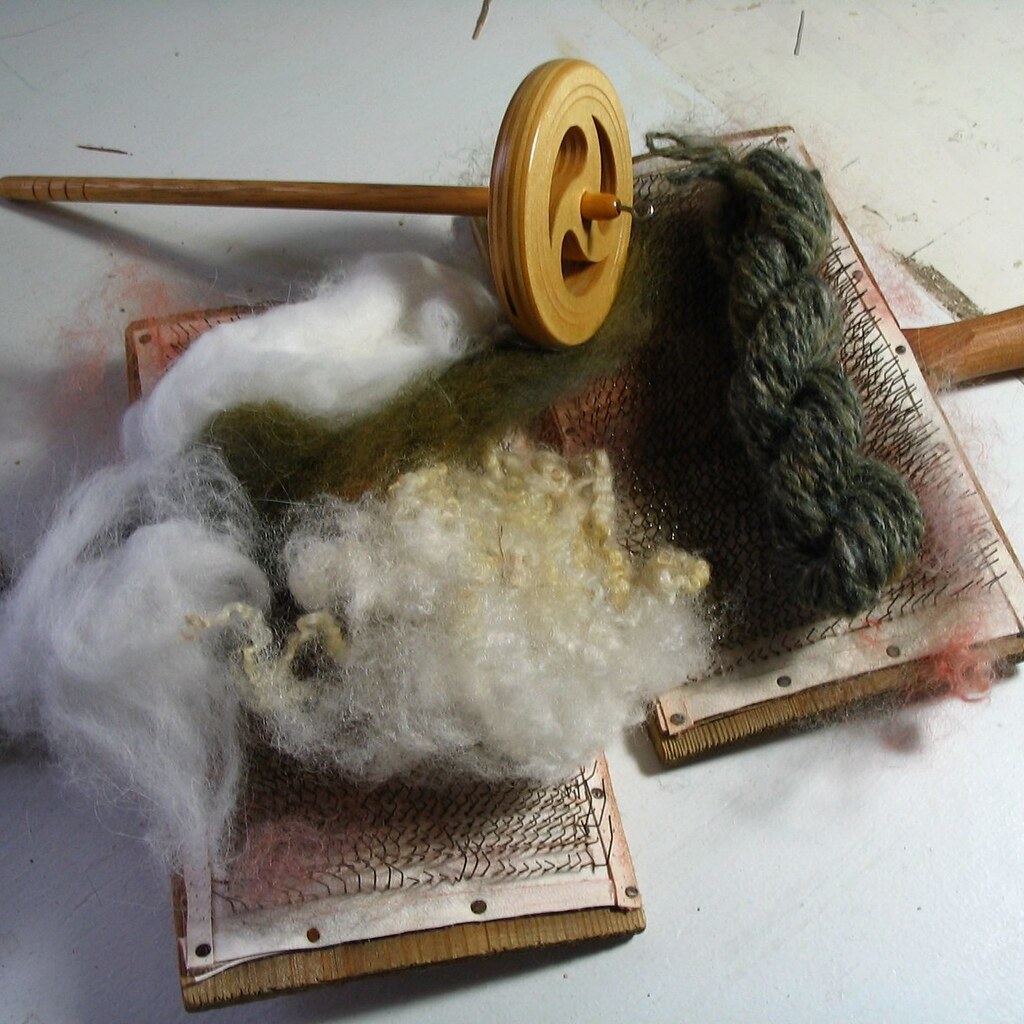
A fiber (also spelt fibre) is anything very thin and long, like a strand of hair, fur, sheep's fleece or even a strand of spider silk.
Fibers are generally twisted together to make something thicker, like yarn or are woven into cloth.