Showing 1-20 of 21
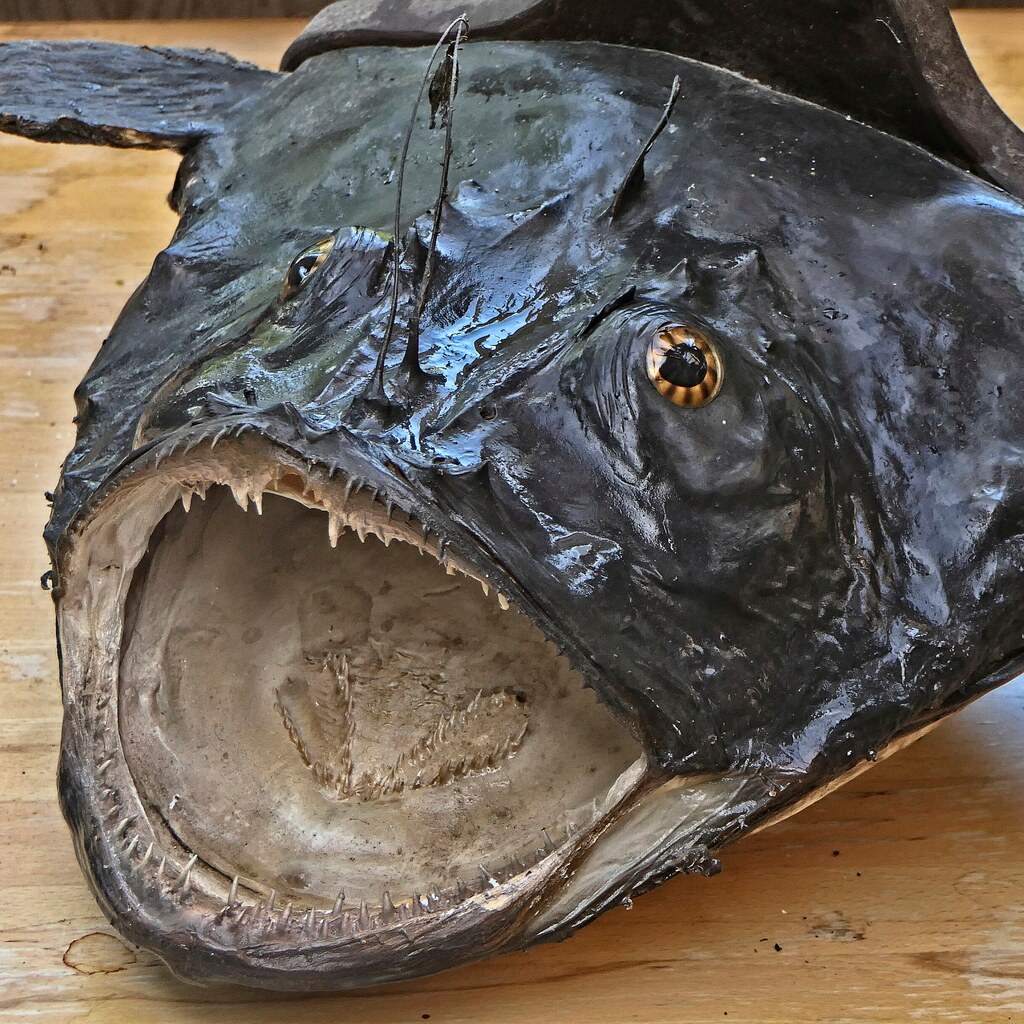
A is for Anglerfish
Anglerfish are fairly rare and have an unusual way of reproducing. Male anglerfish are much smaller than females, and when they are mature they bite onto a female and then wither away to nothing but reproductive organs. They live like parasites on the female's bloodstream.
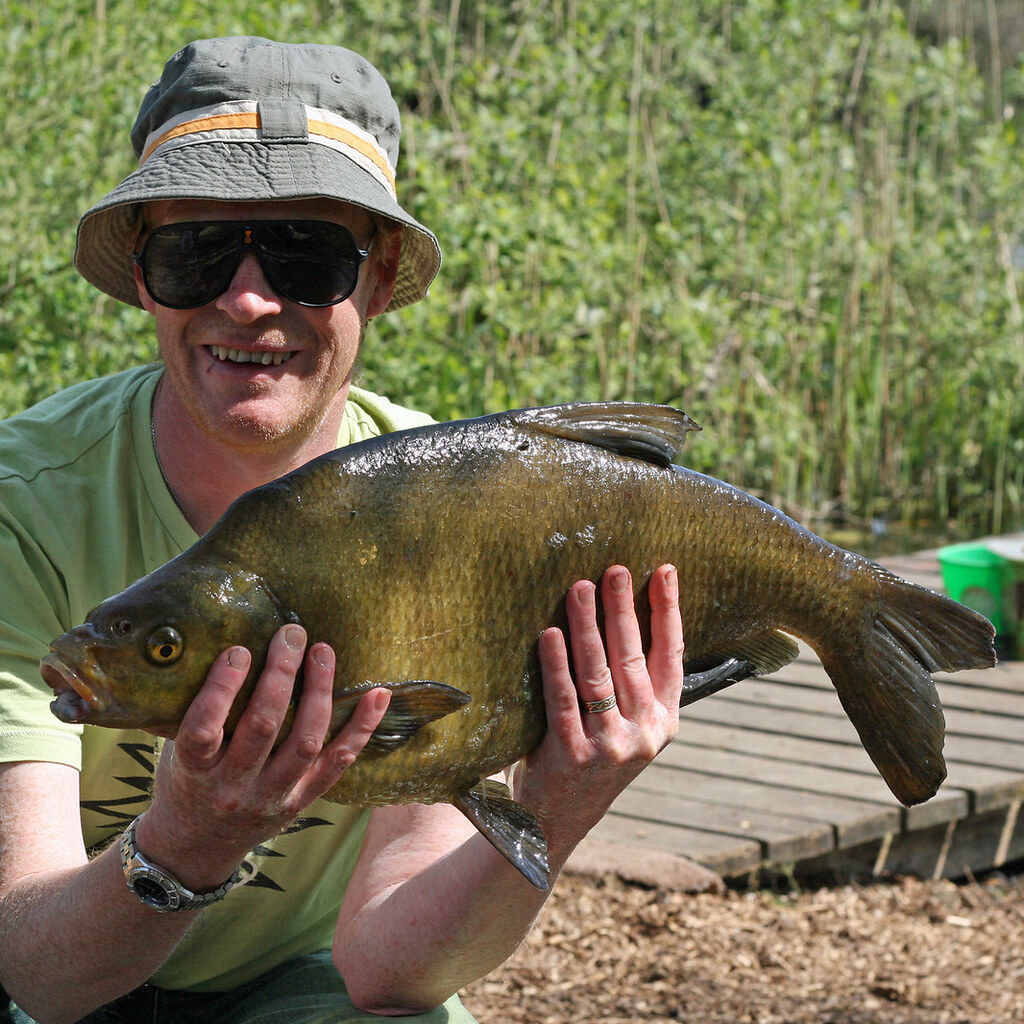
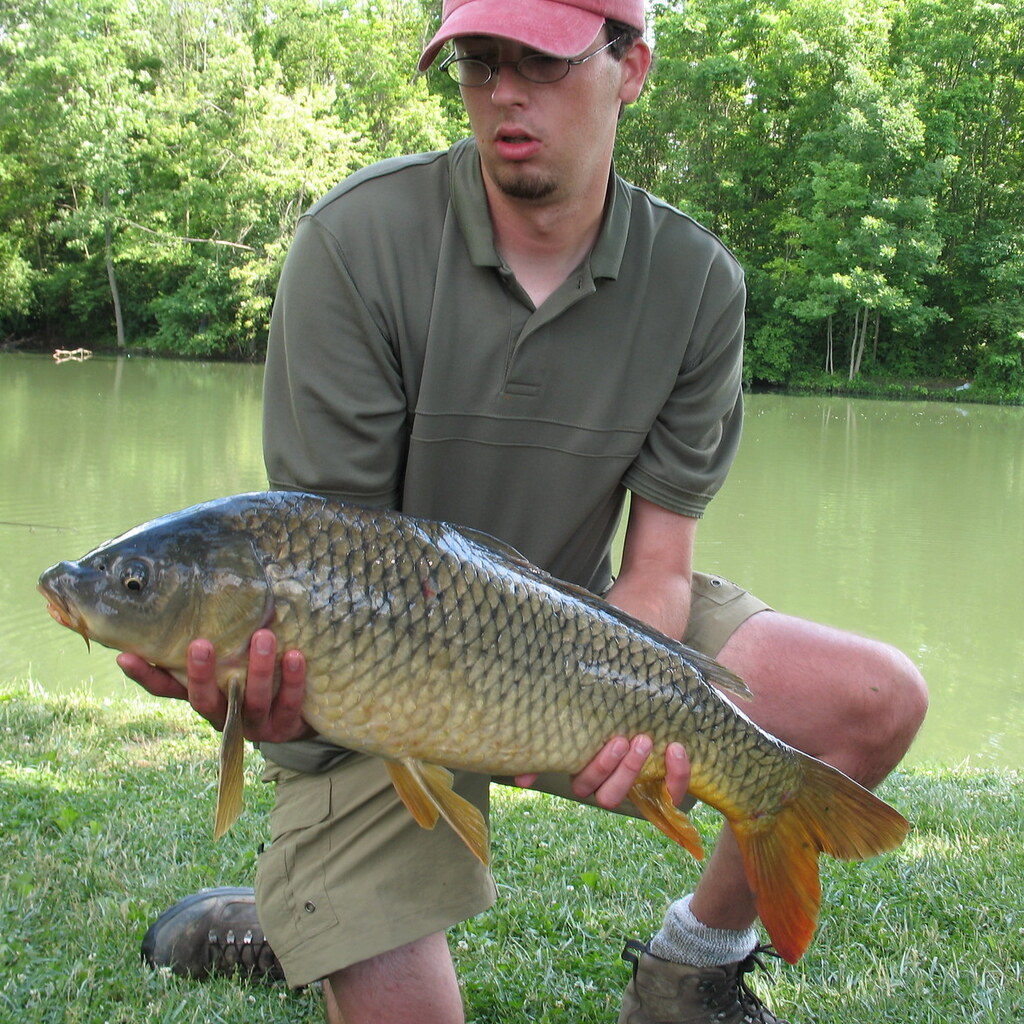
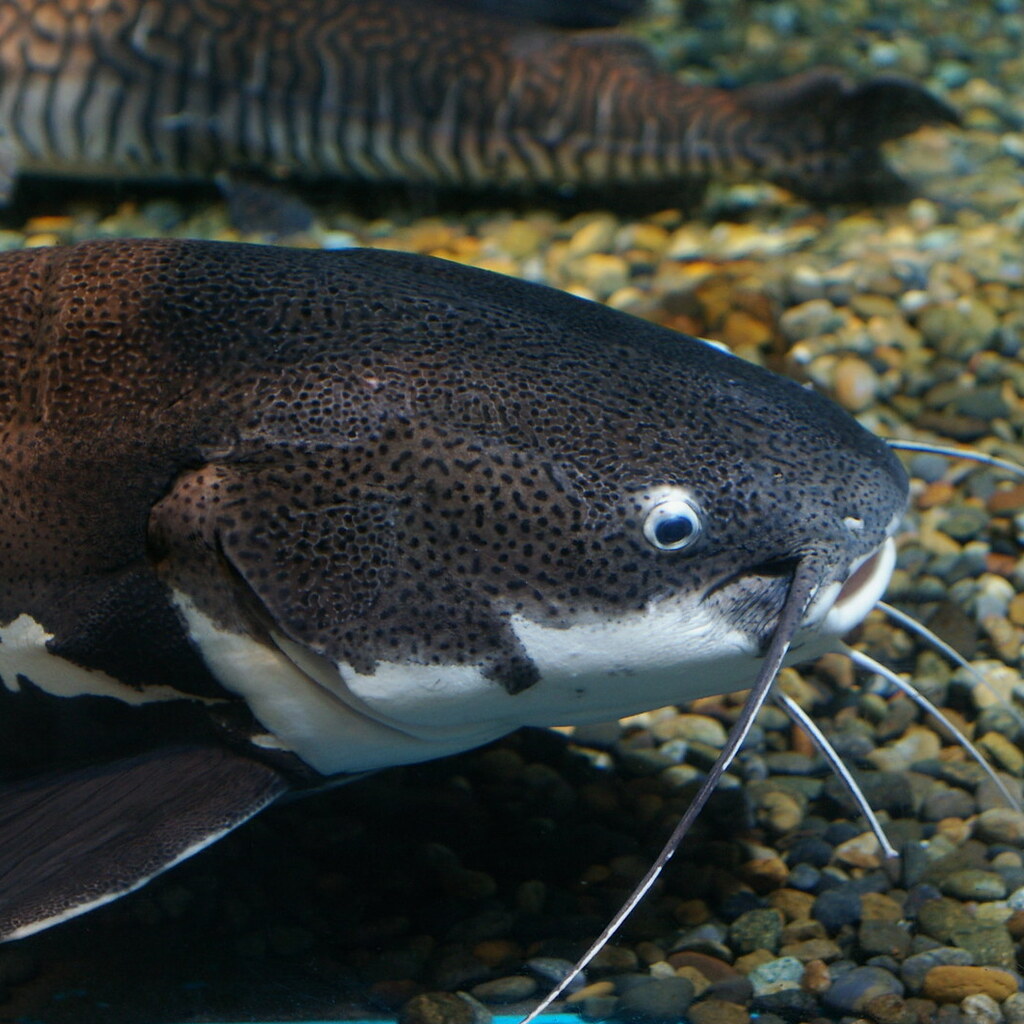
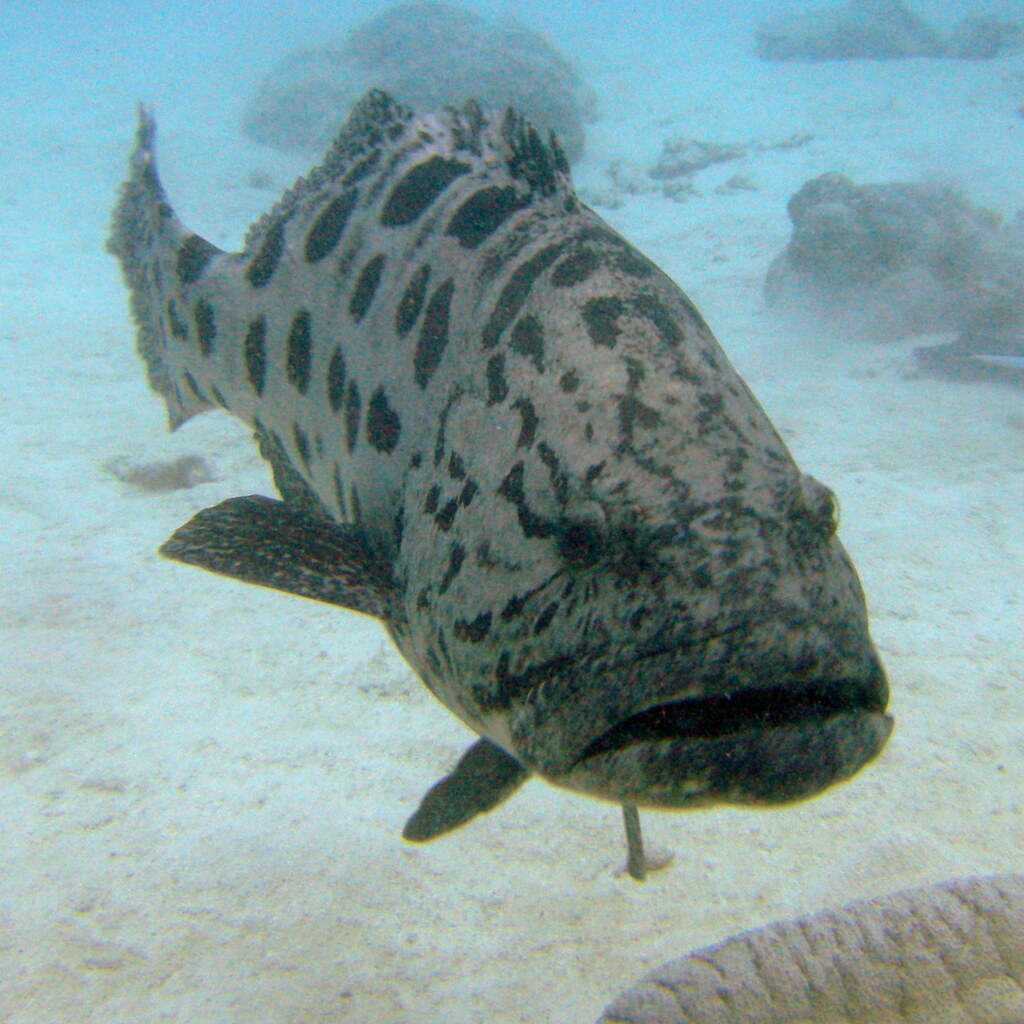
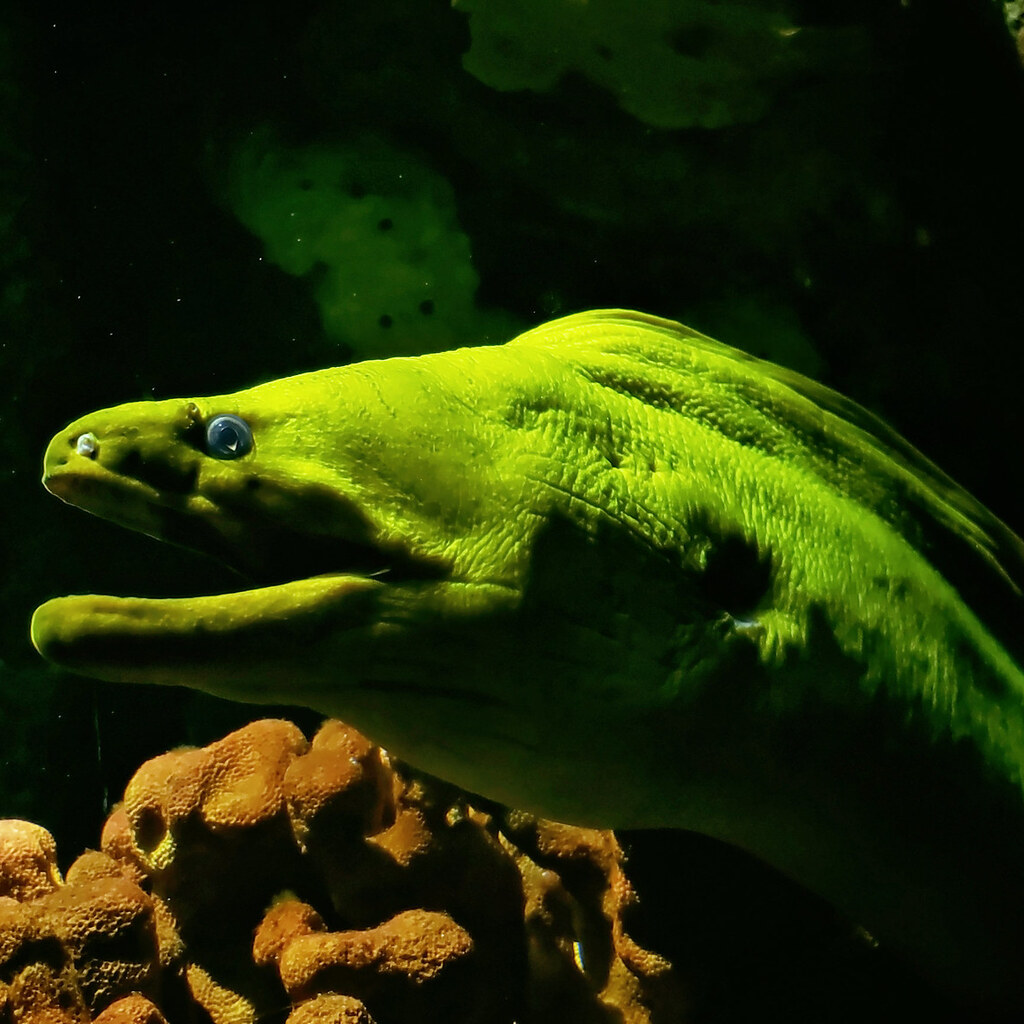
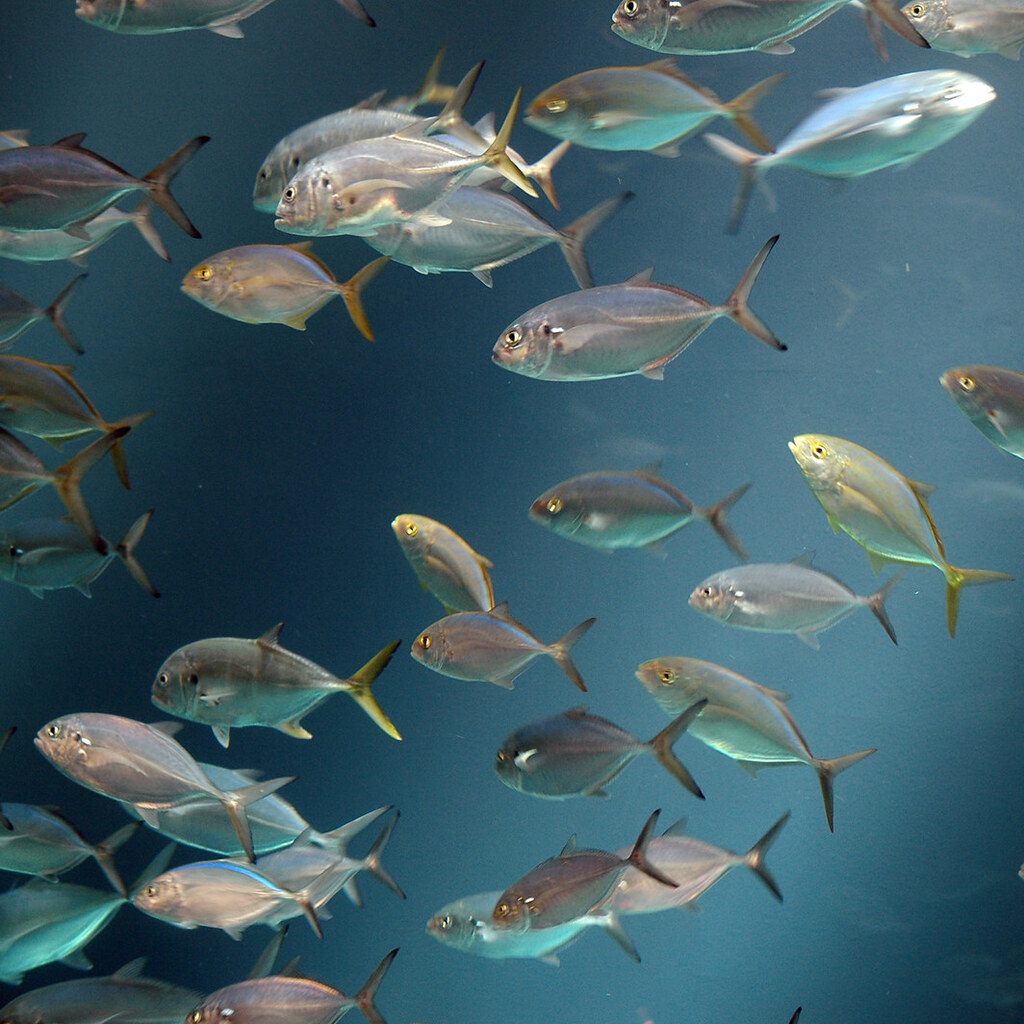
Fish live underwater, in either salt or fresh water. They can only breathe underwater, but they use gills to breathe, not lungs like we do. Fish are covered in scales. Some people keep very small fish in their houses as pets. The biggest kind of fish is a whale shark, which is just a really big kind of shark. Whales grow a lot bigger than sharks but they are not fish, as they don't have gills and have to come to the surface of the water to breathe, just like we do.
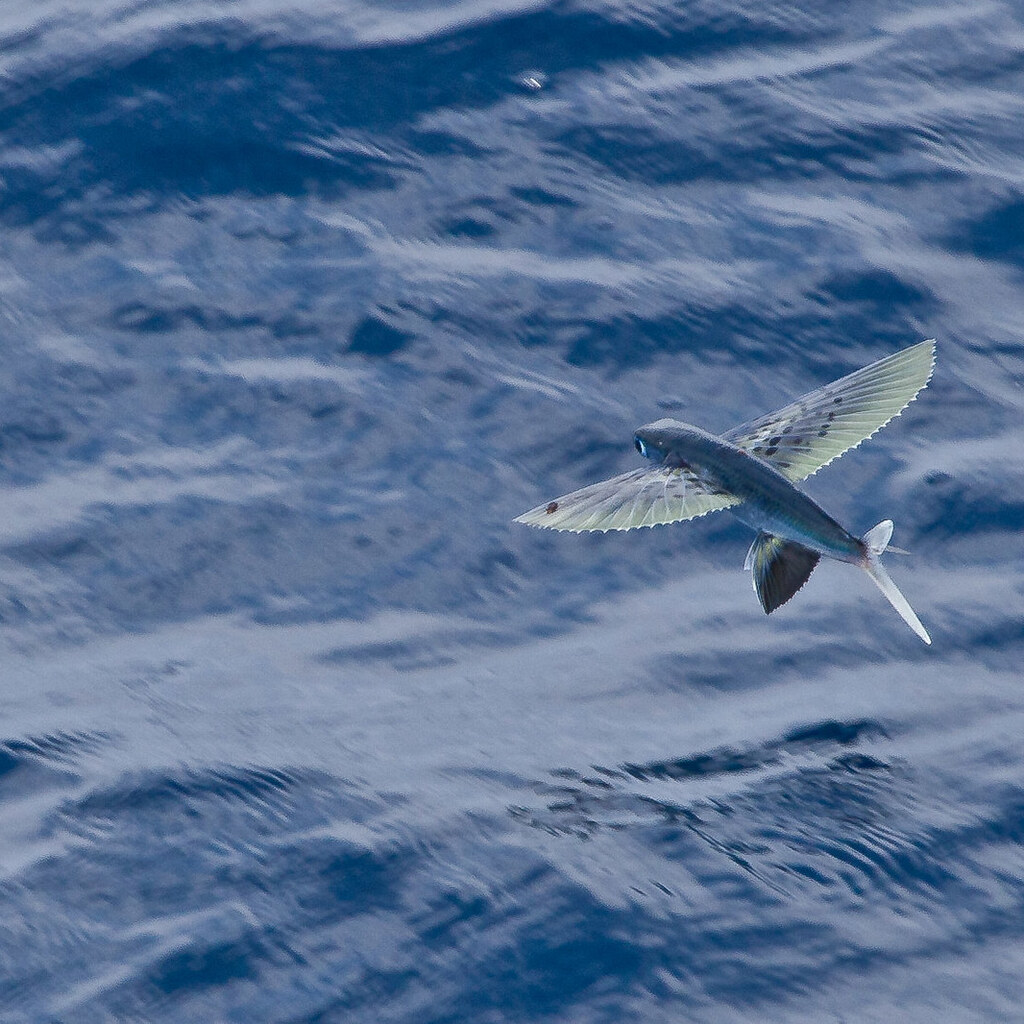
F is for Flying fish
They can glide for around 50-400 metres, and reach speeds of up to 70km/h. Flying fish eat plankton, and are themselves eaten by tuna and dolphins.
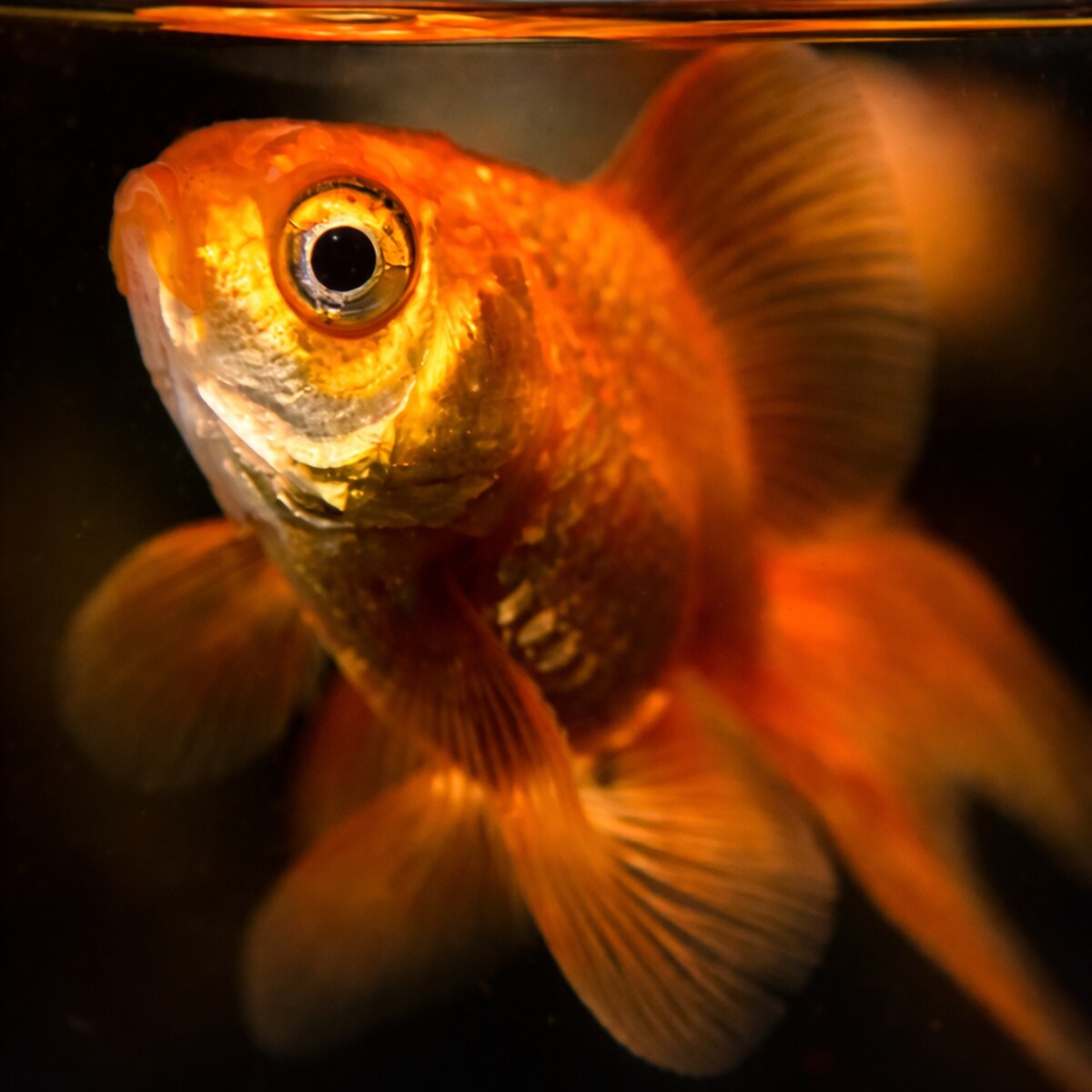
Goldfish are a kind of freshwater fish that was bred to be a pet. There is no such thing as a wild goldfish. Goldfish were descended from a kind of carp, and they were specially picked for their yellow and orange color.
Goldfish are the most popular pet fish, and are very commonly found in ponds in people's yards and in fish tanks in people's houses.
Goldfish are the most popular pet fish, and are very commonly found in ponds in people's yards and in fish tanks in people's houses.
Salmon are a type of fish that migrates to breed. Salmon live in the sea but return to rivers inland to lay their eggs. Because of this, when they migrate they are a popular food for many animals that live near rivers, like bears.
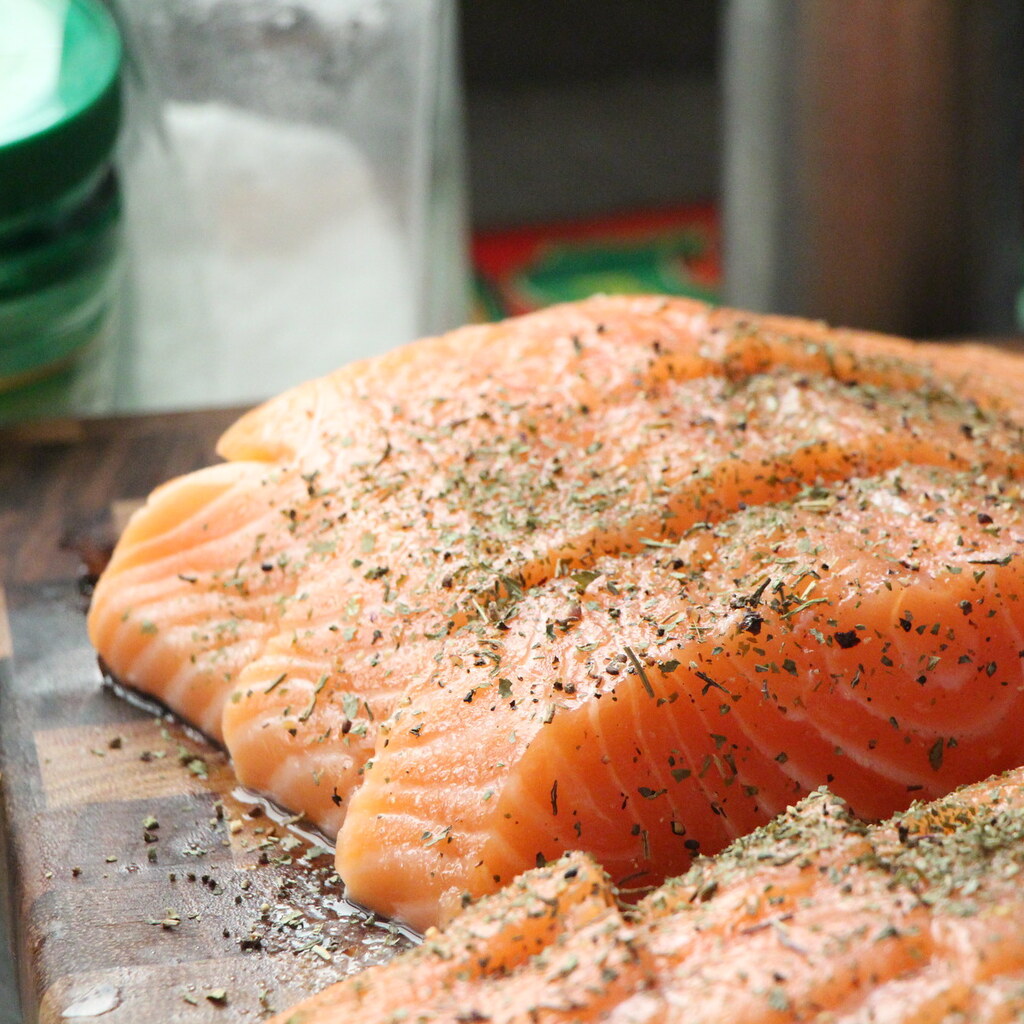
Salmon are a popular food with people too. Salmon is served canned, smoked, raw or cooked in a huge variety of ways. Salmon has a a distinctive pink colour.
Salmon are a popular food with people too. Salmon is served canned, smoked, raw or cooked in a huge variety of ways. Salmon has a a distinctive pink colour.
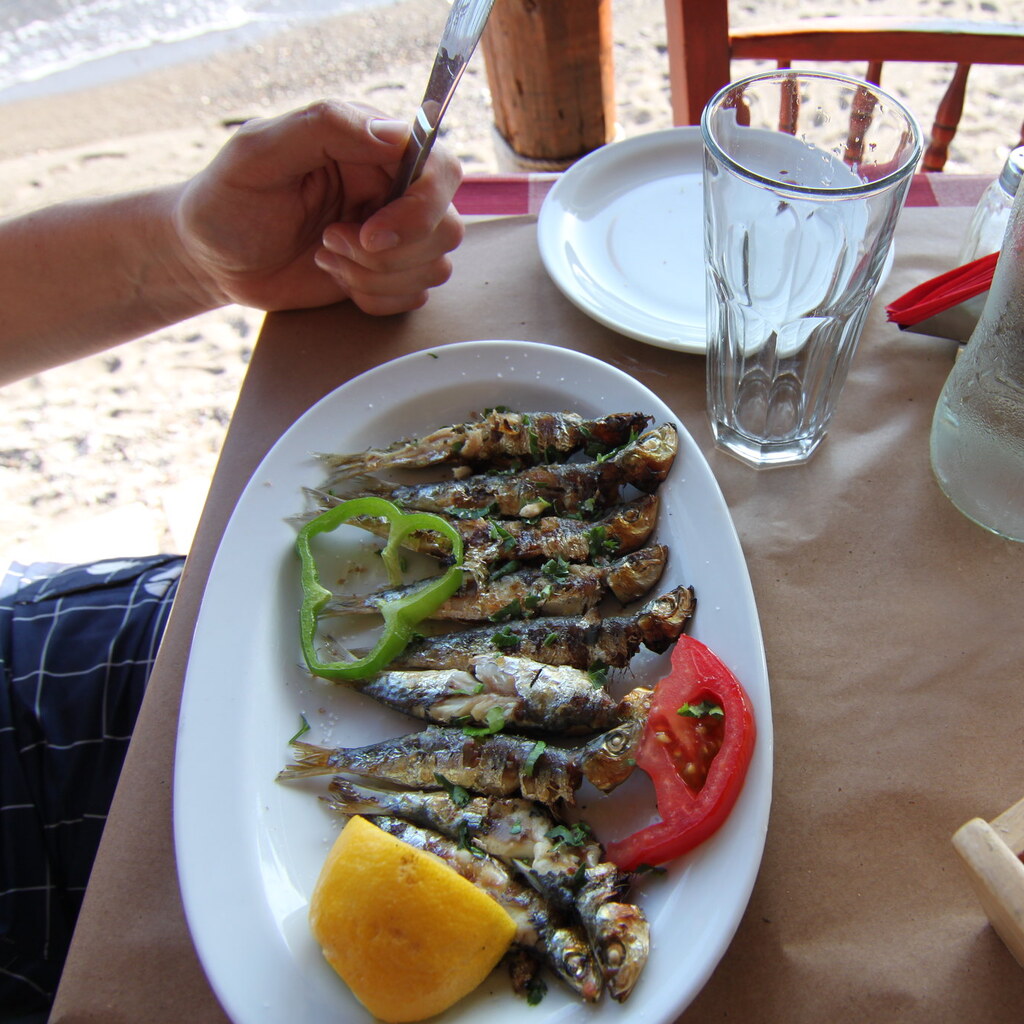
Sardines and pilchards are a group of small, oily fish. In some places, a small pilchard is called a sardine and a large sardine is called a pilchard. They can be eaten grilled, pickled or smoked. Sardines are most commonly bought in cans. They are eaten bones and all and are an excellent source of minerals.
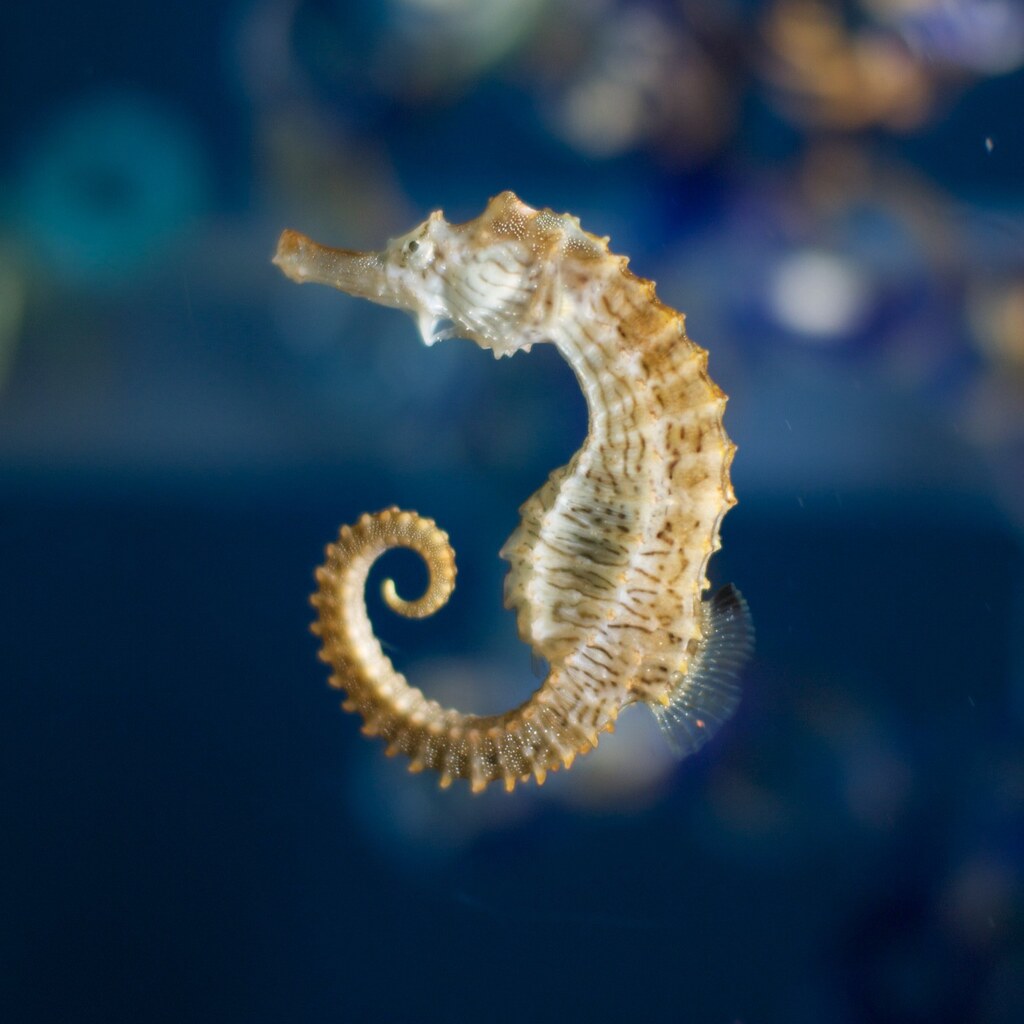
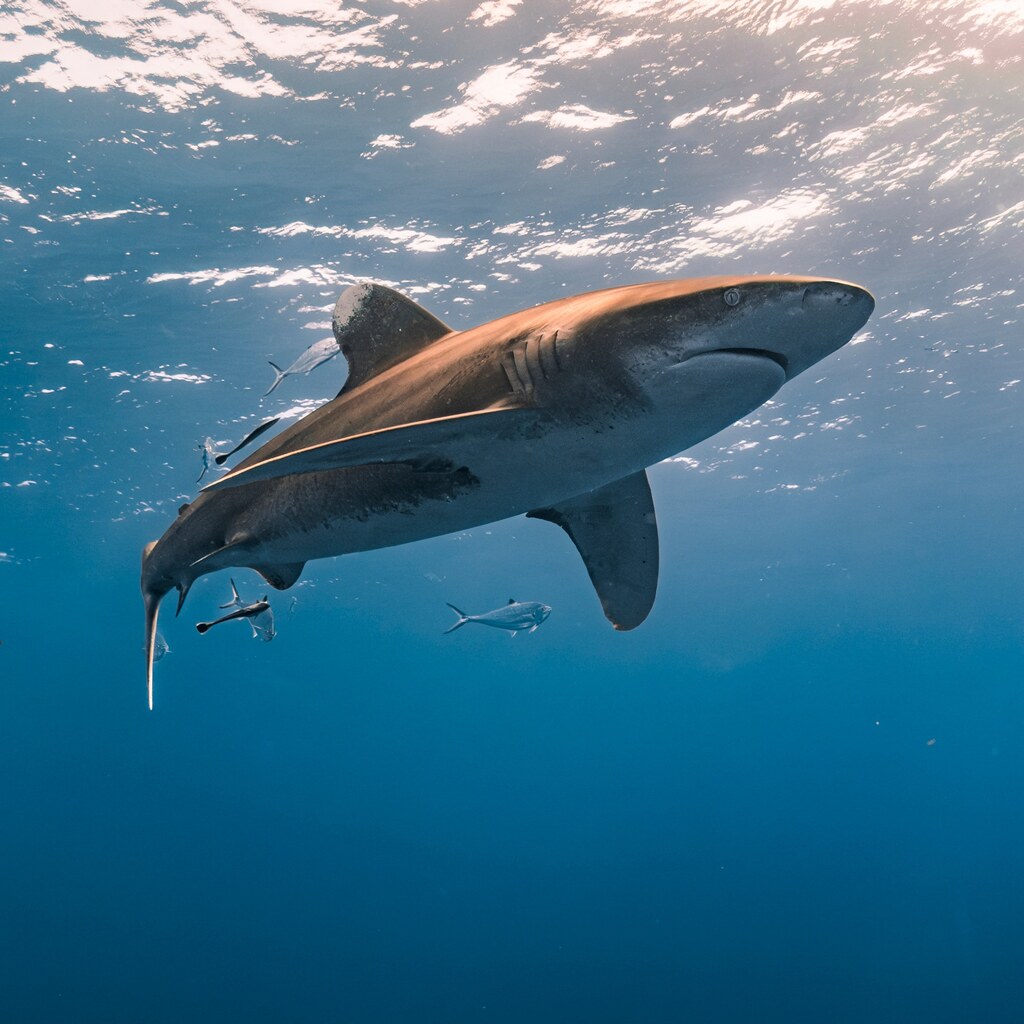
Sharks are a type of large fish that live in the sea. There are many different varieties of shark. Some eat smaller fish, some eat penguins and seals, and others eat the same way as large whales, by sifting out tiny sea animals from the water.
Sharks constantly grow new teeth, and can lose thousands in their lifetime. Their skeleton is not made of bone, unlike most fish and animals, but is made from something softer and more flexible called cartilage. In people, cartilage is found around the ends of our bones to make our joints easier to move.
Sharks constantly grow new teeth, and can lose thousands in their lifetime. Their skeleton is not made of bone, unlike most fish and animals, but is made from something softer and more flexible called cartilage. In people, cartilage is found around the ends of our bones to make our joints easier to move.
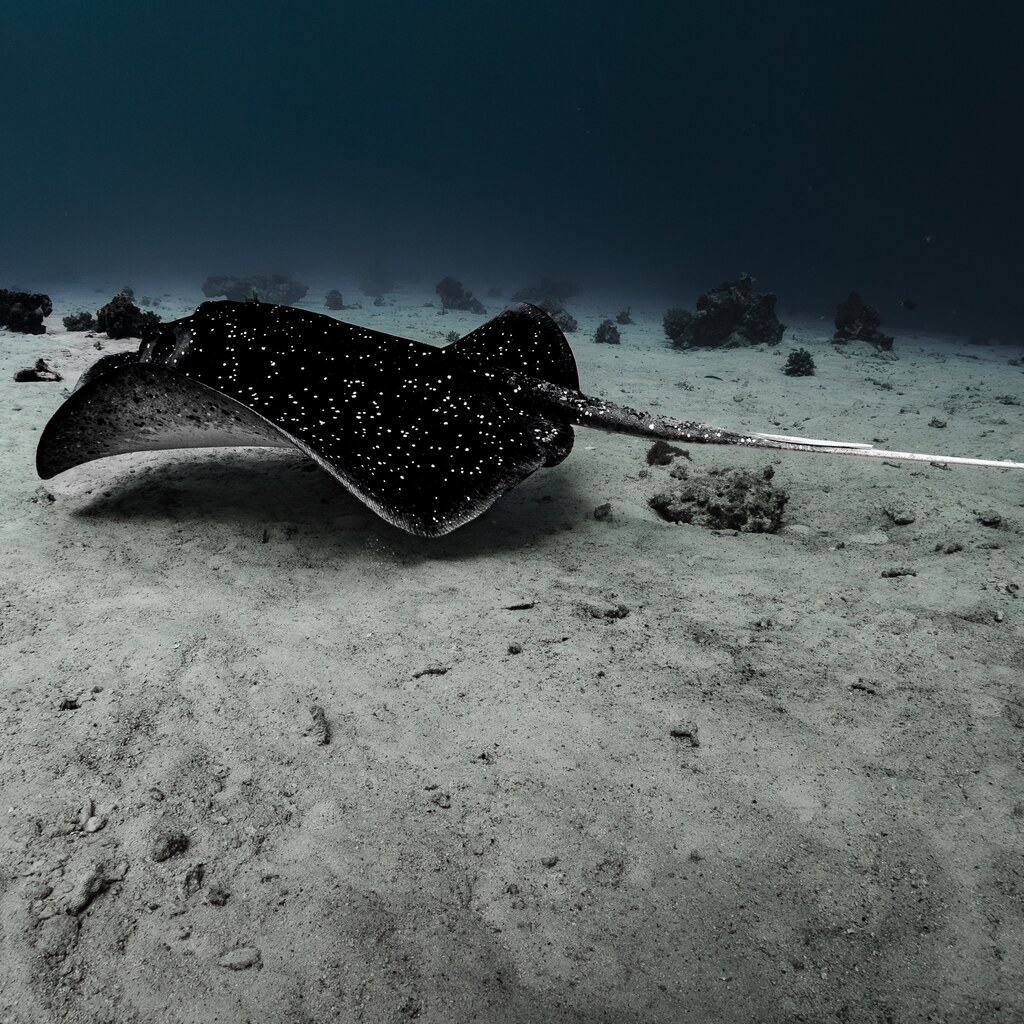
Stingrays are a type of large fish related to the shark. Stingrays do not lay eggs, but give birth to four or five baby stingrays.
Stingrays have a stinging barb that can be extremely painful, and can sometimes even kill you. The barb often breaks off and stays in the victim. Stingray injuries can be treated with very hot water.
Stingrays have a stinging barb that can be extremely painful, and can sometimes even kill you. The barb often breaks off and stays in the victim. Stingray injuries can be treated with very hot water.