
Showing 1-19 of 19
1 word is below your SafeSearch level and not shown.
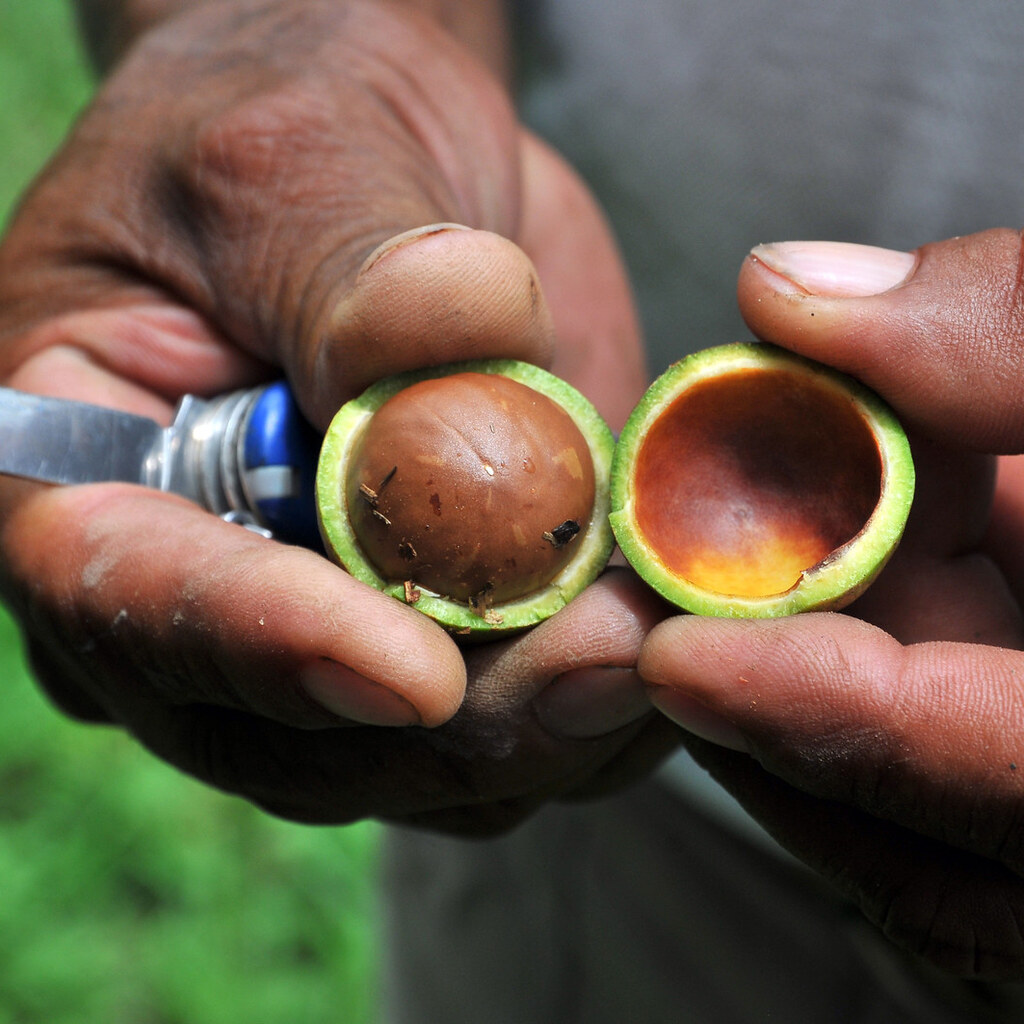
Macadamias are medium sized evergreen trees native to the northern parts of Australia. Not all macadamia trees have edible seeds, only macadamia integrifolia and macadamia tetraphylla are cultivated. The others have toxic seeds. The macadamias that people eat are toxic to dogs, and can temporarily paralyze them.
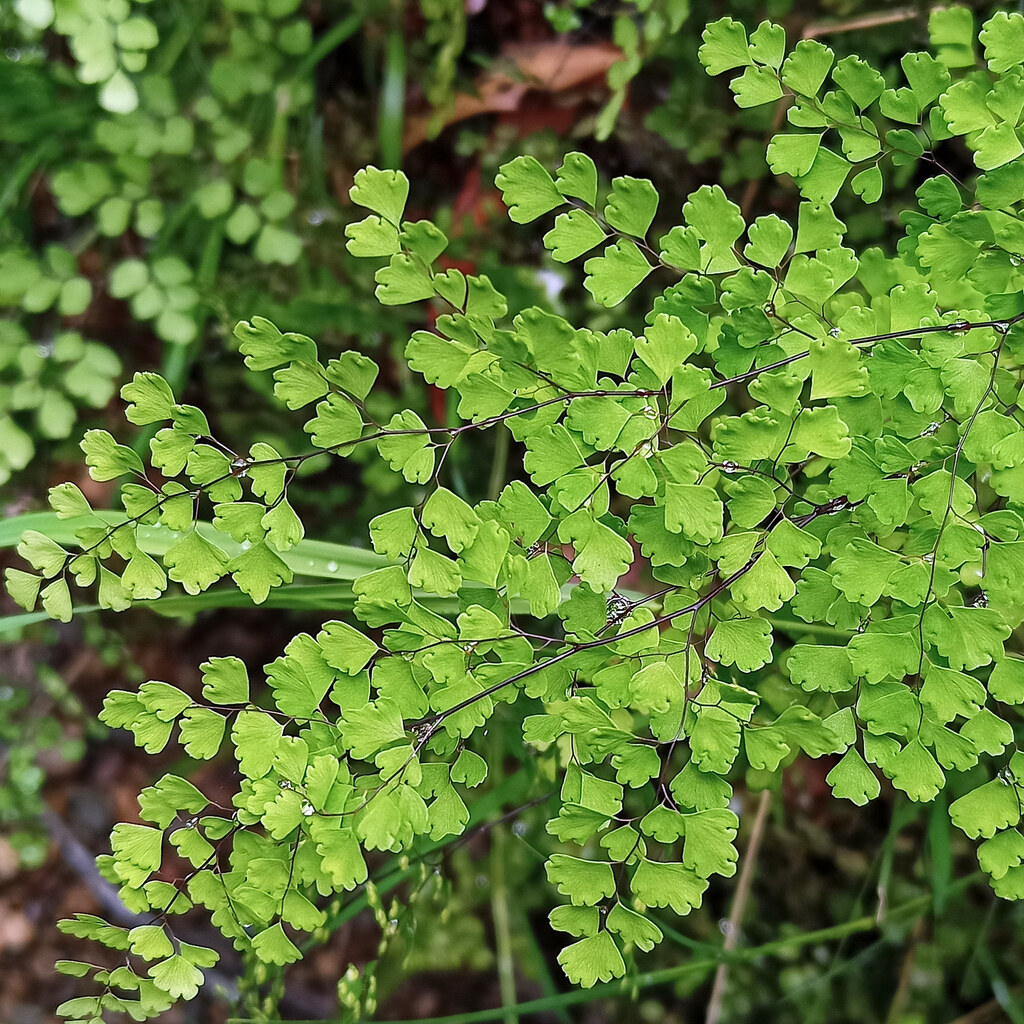
M is for Maidenhair fern
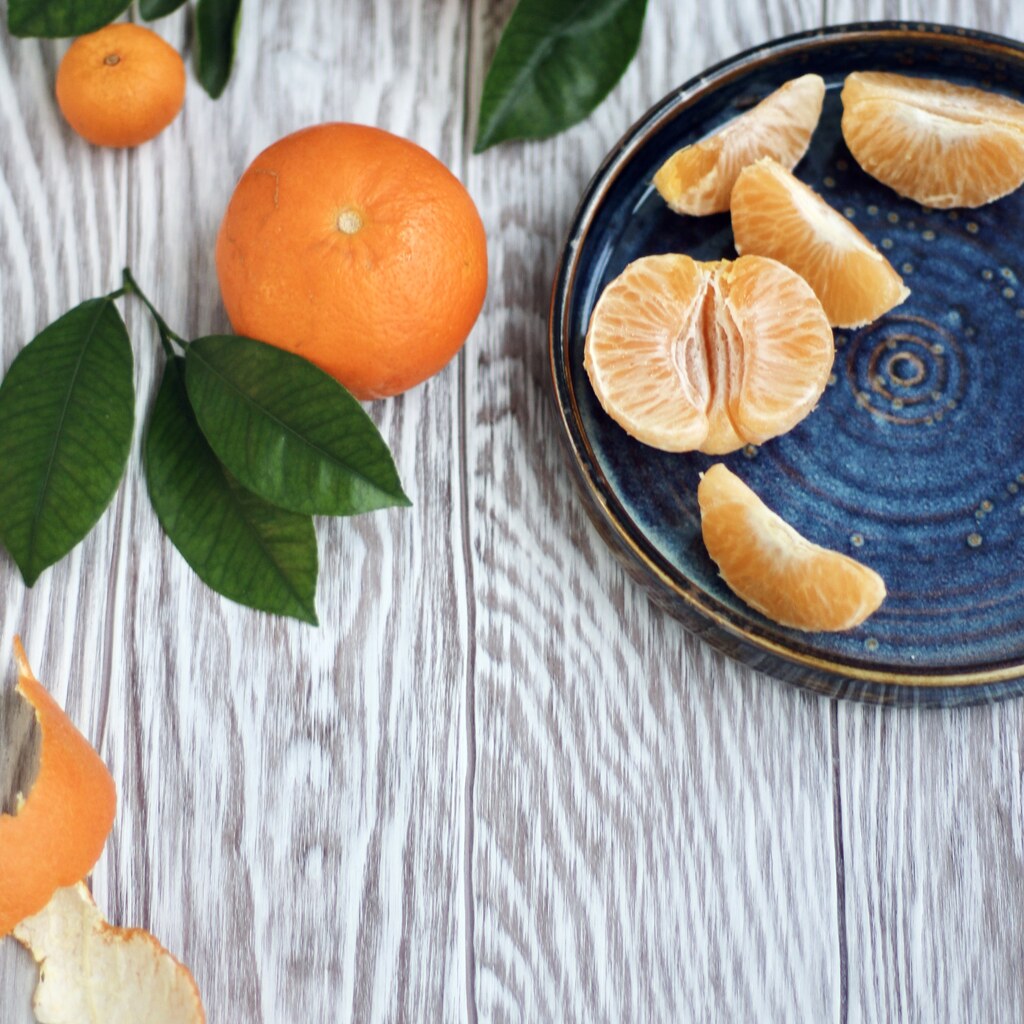

Mandrake is a poisonous plant. It has a thick root that is often shaped like a human, hence the name mandrake. There are many legends around the mandrake plant, including the myth that when you pull it up, the plant screams and kills everyone who hears the scream. Mandrake has a hallucinogenic effect and has been used in rituals and magic ceremonies for centuries.
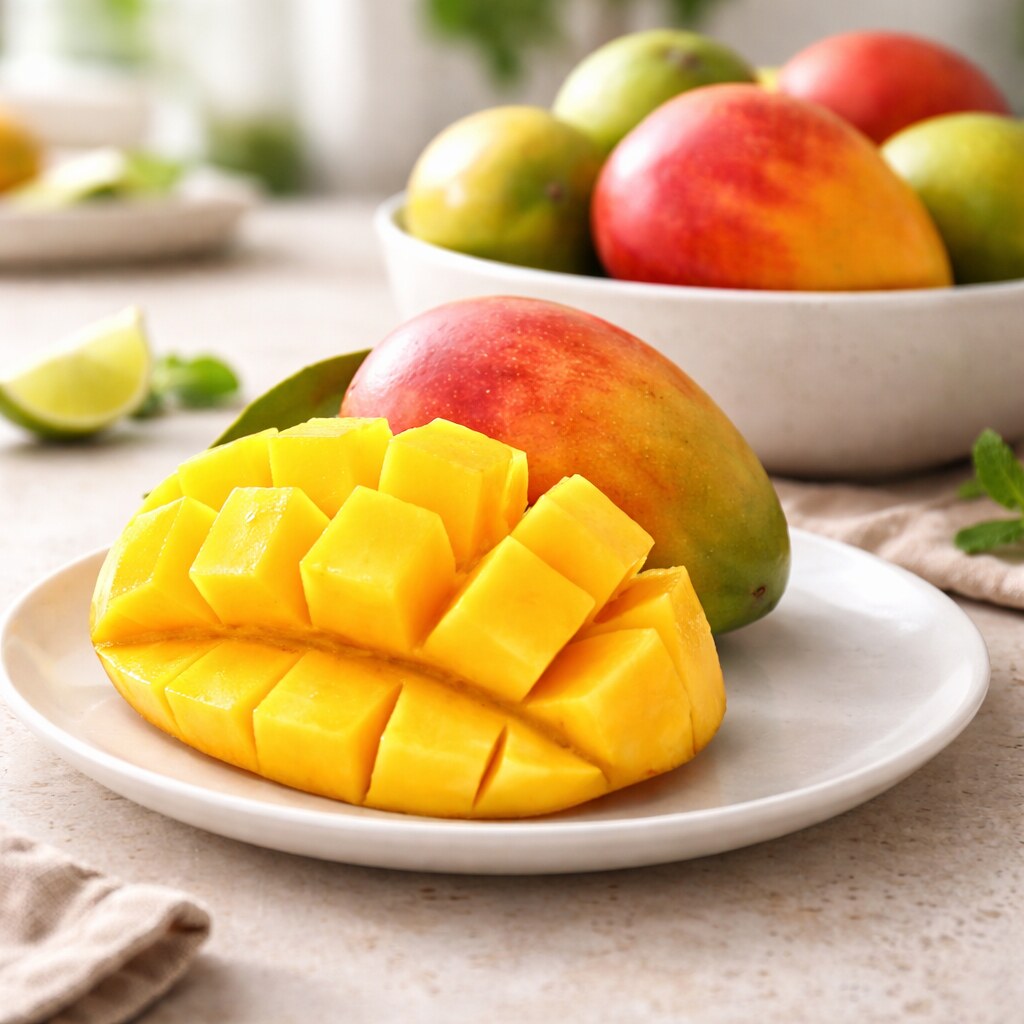
Mangoes are a medium sized, sweet fruit native to India. Mangoes grow on a tree in tropical areas. Mango trees can live to be 300 years old.
Mangoes are soft, and have bright orange flesh. Mangoes can be eaten fresh, dried, in salads and pulped for juice. Mangoes can also be picked underripe and used to make chutney or other dishes.
Mangoes are soft, and have bright orange flesh. Mangoes can be eaten fresh, dried, in salads and pulped for juice. Mangoes can also be picked underripe and used to make chutney or other dishes.

Mangroves are a kind of tree that grow along with other plants as mangals. Mangroves grow in the area where the tide flows through them, so they spend some of their time under water and some of their time dry. Many sea creatures live among the mangroves's roots, and mangroves are particularly important as a safe place for baby sea creatures when they are still very young.
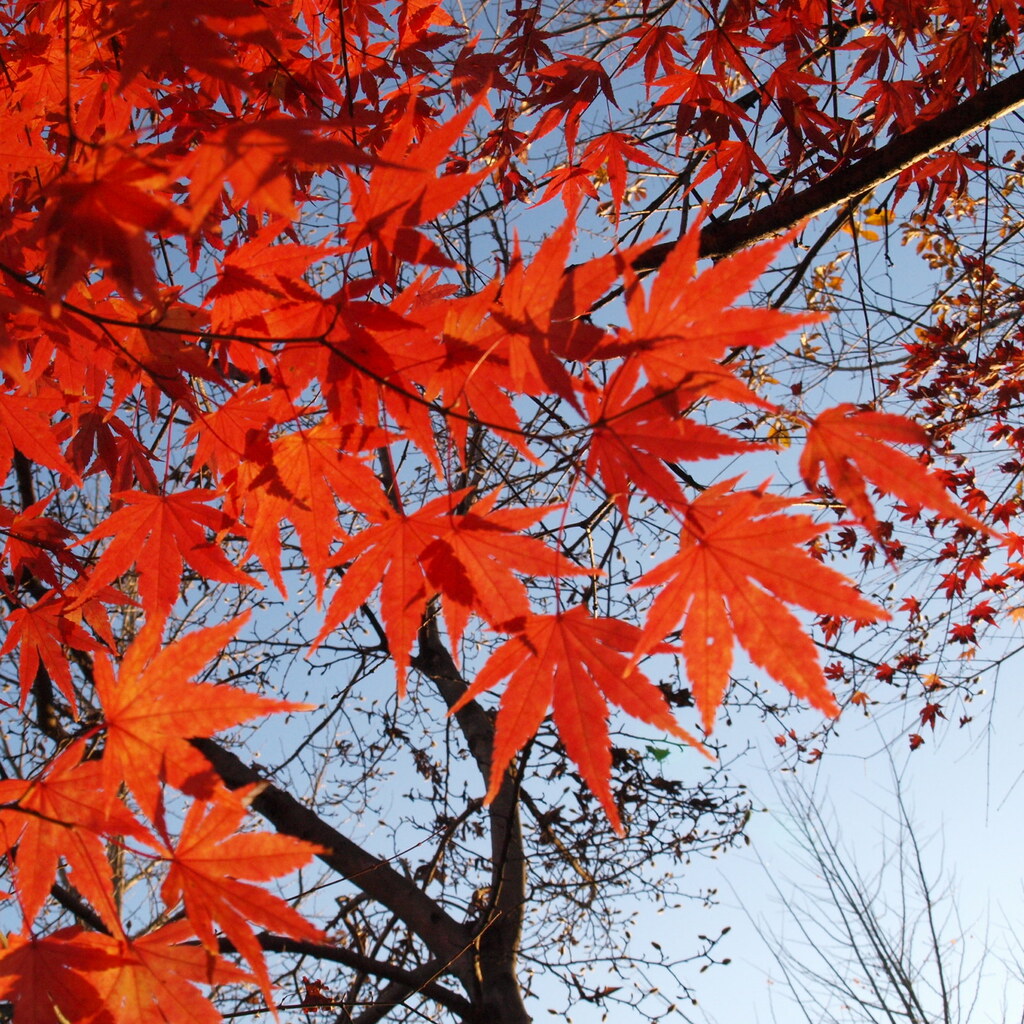
Maples are a group of deciduous trees and shrubs. They are very pretty trees, and are grown in gardens as a decorative tree or shrub, and are also used for bonsai.
One type of maple, the sugar maple, has sweet sap that can be boiled to make maple syrup. It takes about 40 litres of sugar maple sap to make a litre of syrup.
One type of maple, the sugar maple, has sweet sap that can be boiled to make maple syrup. It takes about 40 litres of sugar maple sap to make a litre of syrup.
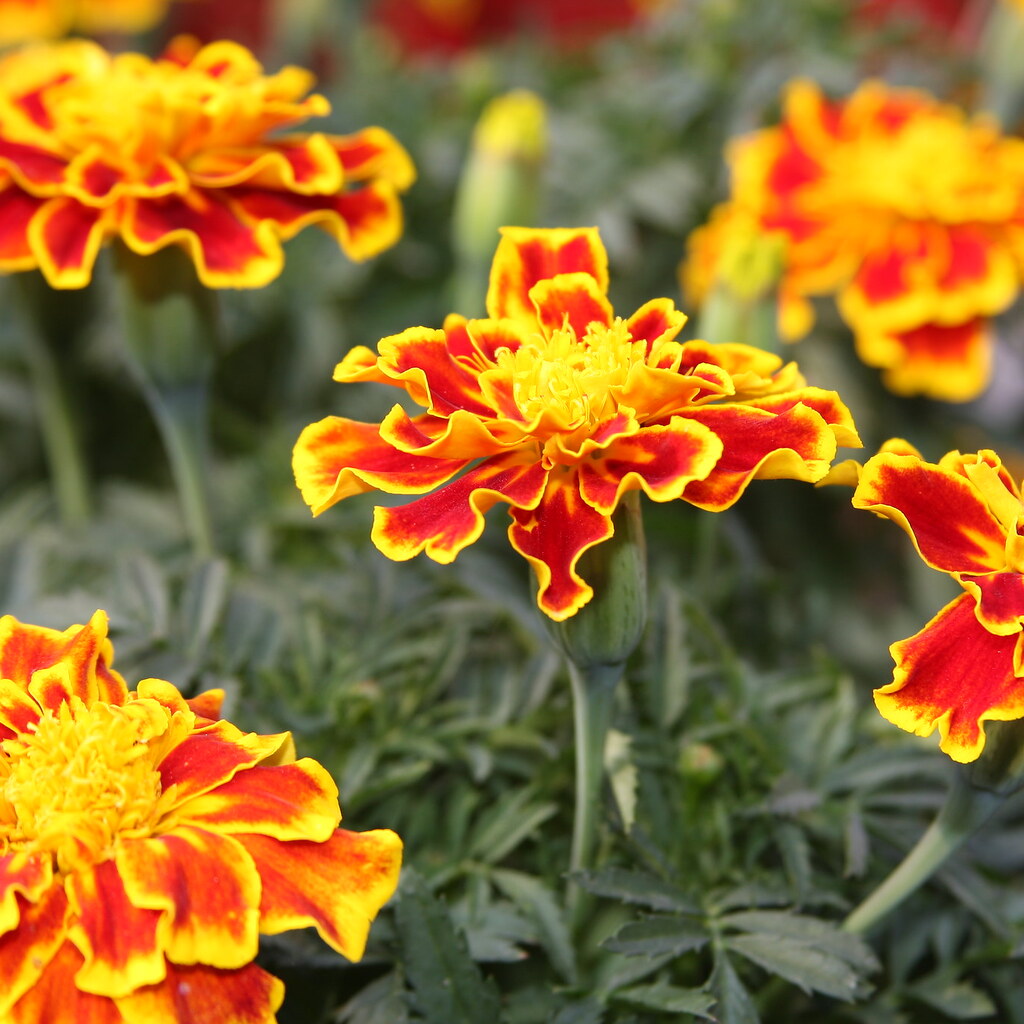
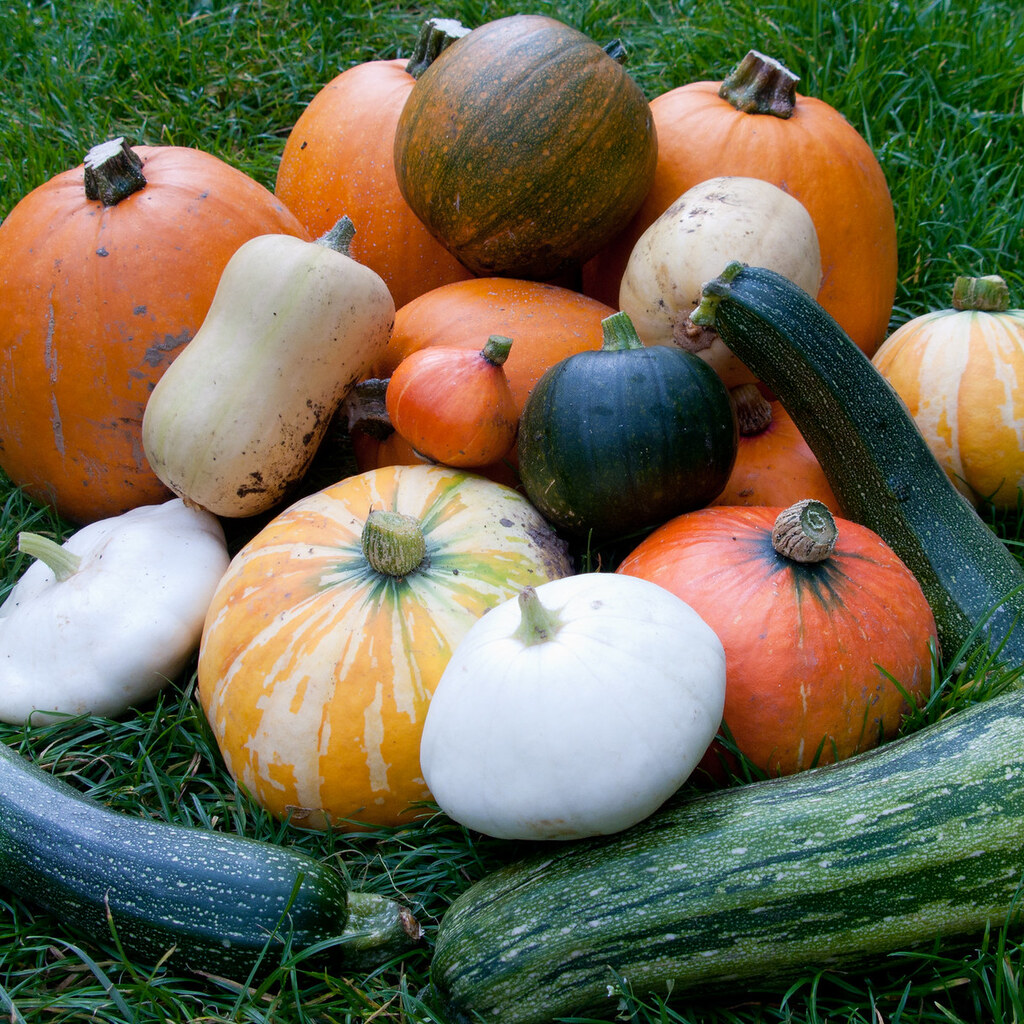
M is for Marrow (Vegetable)
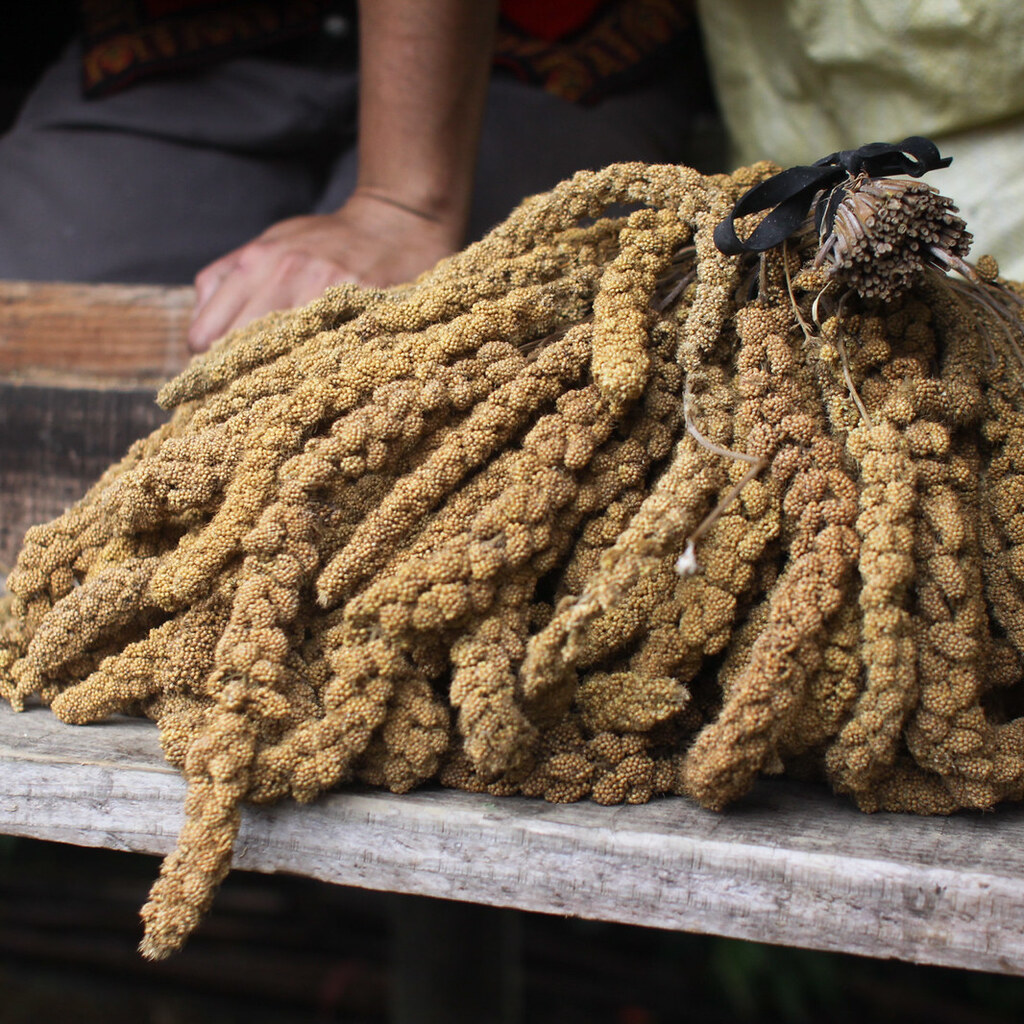

Mint is a family of small plants with a strong taste and smell. It is used most often to make tea, jellies and sweets or candy. Most chewing gums, toothpastes and breath fresheners are mint flavoured. Fresh mint can be added to drinks, salads or as a garnish on many meals. Mint is often used in sweets, biscuits or cookies along with chocolate. The leaves of the mint are used for their flavour, either fresh or dried. The flavour is carried in oil in the leaves, and the very strongly flavoured oil can be extracted and stored for later use.
Mint is an easy plant to grow. It prefers a lightly shaded spot with good, moist soil but will grow almost anywhere under almost any conditions. It grows a vigorous root system that can spread very fast. Mint is best grown in a pot so it doesn't invade the rest of the garden. You can grow new mint plants by taking a cutting of a mint runner. Just digging down a little at the edge of a clump of mint should loosen up a runner that already has roots, and can be clipped off and used to grow a new plant.
Mint is an easy plant to grow. It prefers a lightly shaded spot with good, moist soil but will grow almost anywhere under almost any conditions. It grows a vigorous root system that can spread very fast. Mint is best grown in a pot so it doesn't invade the rest of the garden. You can grow new mint plants by taking a cutting of a mint runner. Just digging down a little at the edge of a clump of mint should loosen up a runner that already has roots, and can be clipped off and used to grow a new plant.
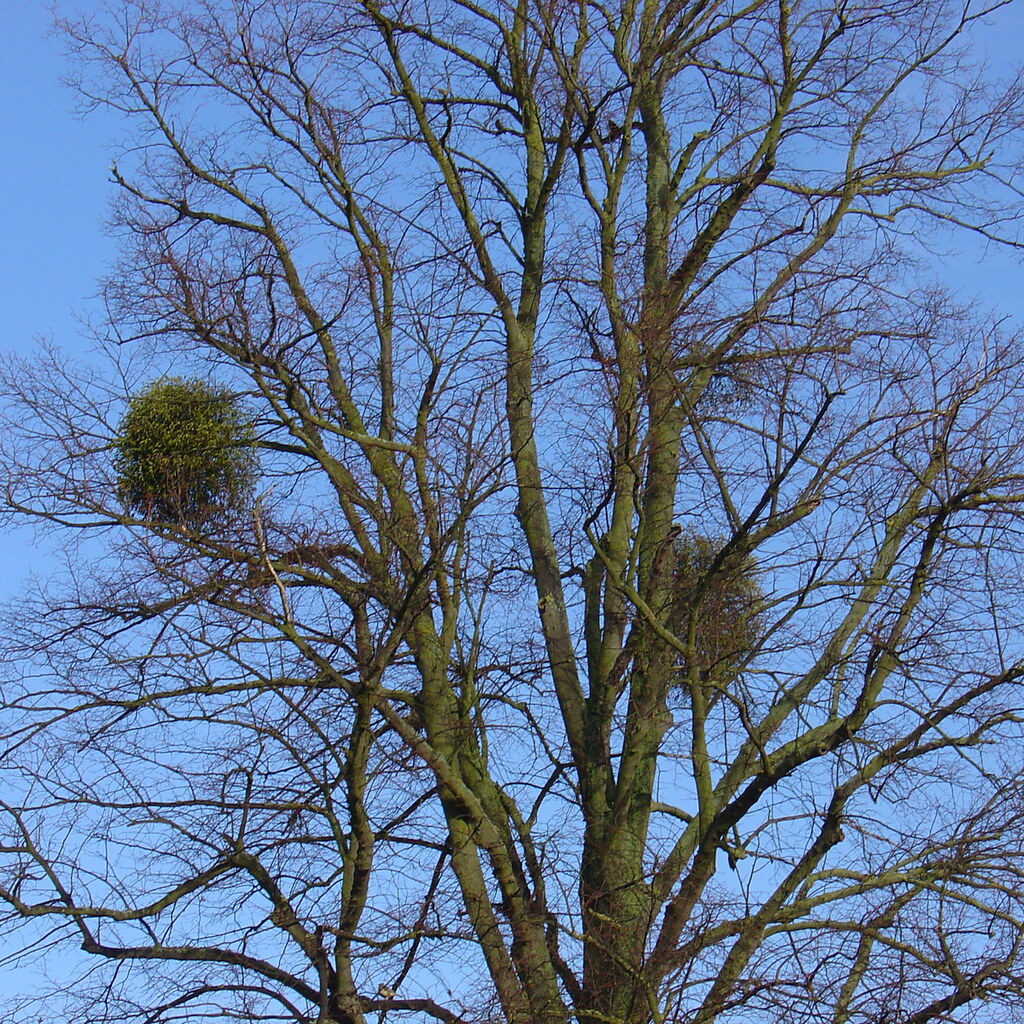
Mistletoe is a name for a group of unrelated plants that all grow the same way - by being partly parasitic on another plant. This means they grow partly inside another plant, using it as a source of nutrition. Mistletoes can also generate some of their own food from the sun like other plants.
Mistletoe is often used as a Christmas decoration. It is a tradition that any male and female who meet under the mistletoe must kiss.
Mistletoe is often used as a Christmas decoration. It is a tradition that any male and female who meet under the mistletoe must kiss.
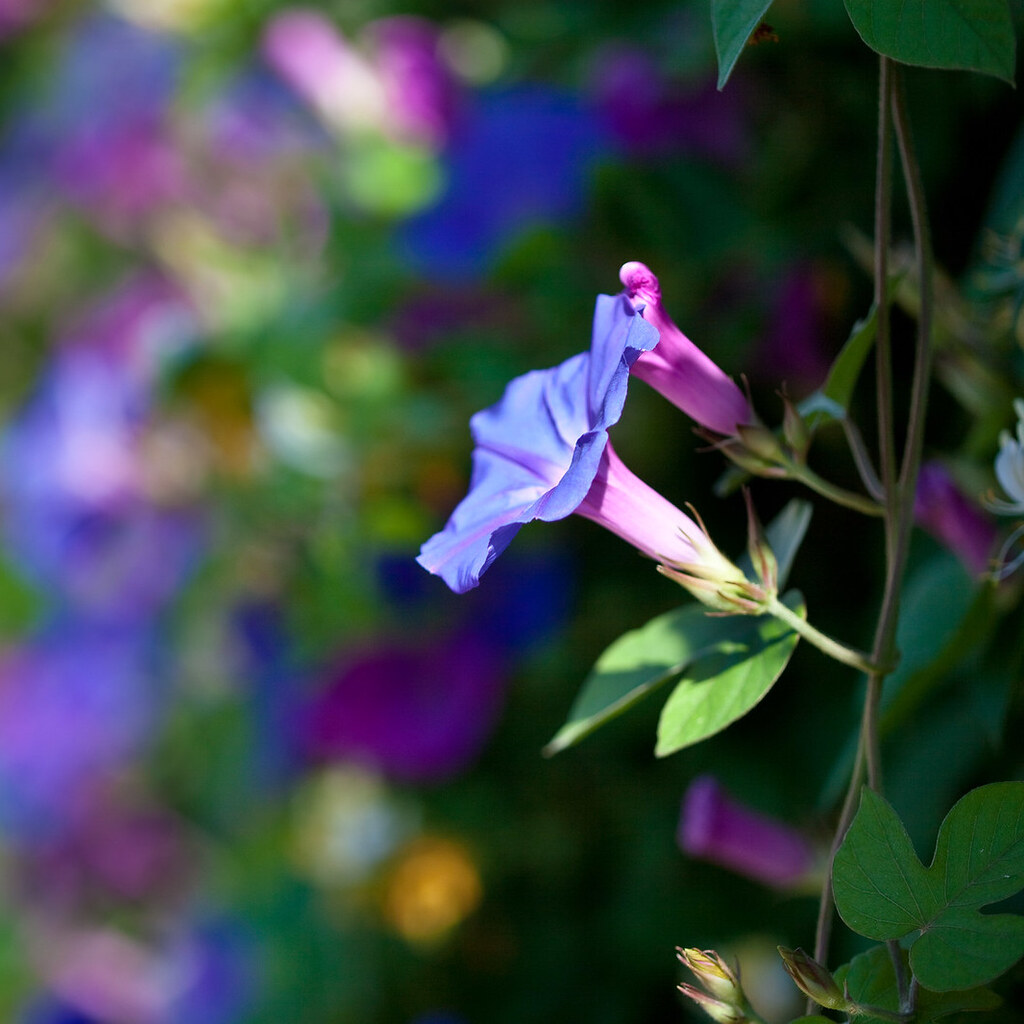
M is for Morning glory
Morning glories get their name because their flowers open in the early morning, and then close up. In some countries, morning glories have been declared an invasive weed.
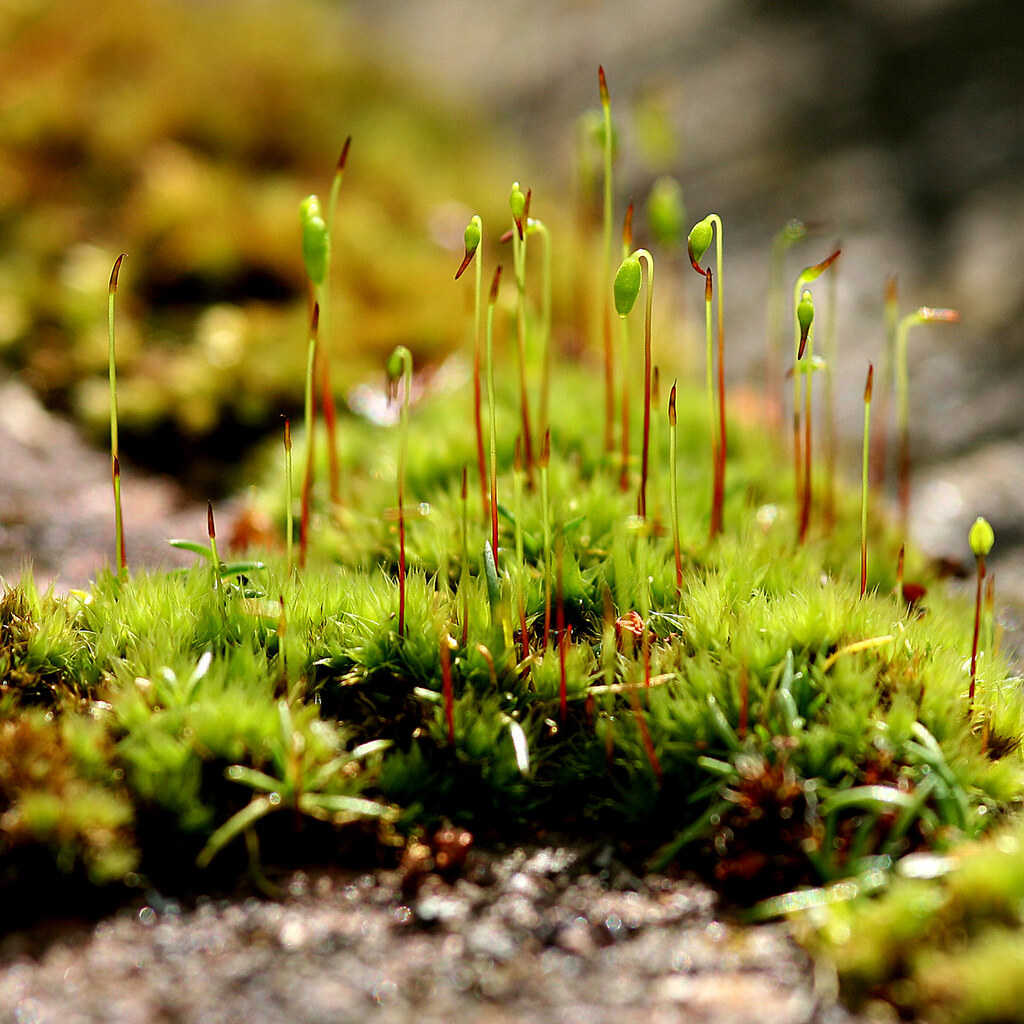
Mosses are tiny plants, usually around a centimeter tall. They grow in damp, shady places in clumps, so they often form large green mats.
Mosses don't have flowers or seeds. Instead, they grow spores just like mushrooms and ferns do.
The picture is taken very close up of some moss that is barely 1cm tall. You can clearly see the spore pods sticking up from the moss.
Mosses don't have flowers or seeds. Instead, they grow spores just like mushrooms and ferns do.
The picture is taken very close up of some moss that is barely 1cm tall. You can clearly see the spore pods sticking up from the moss.
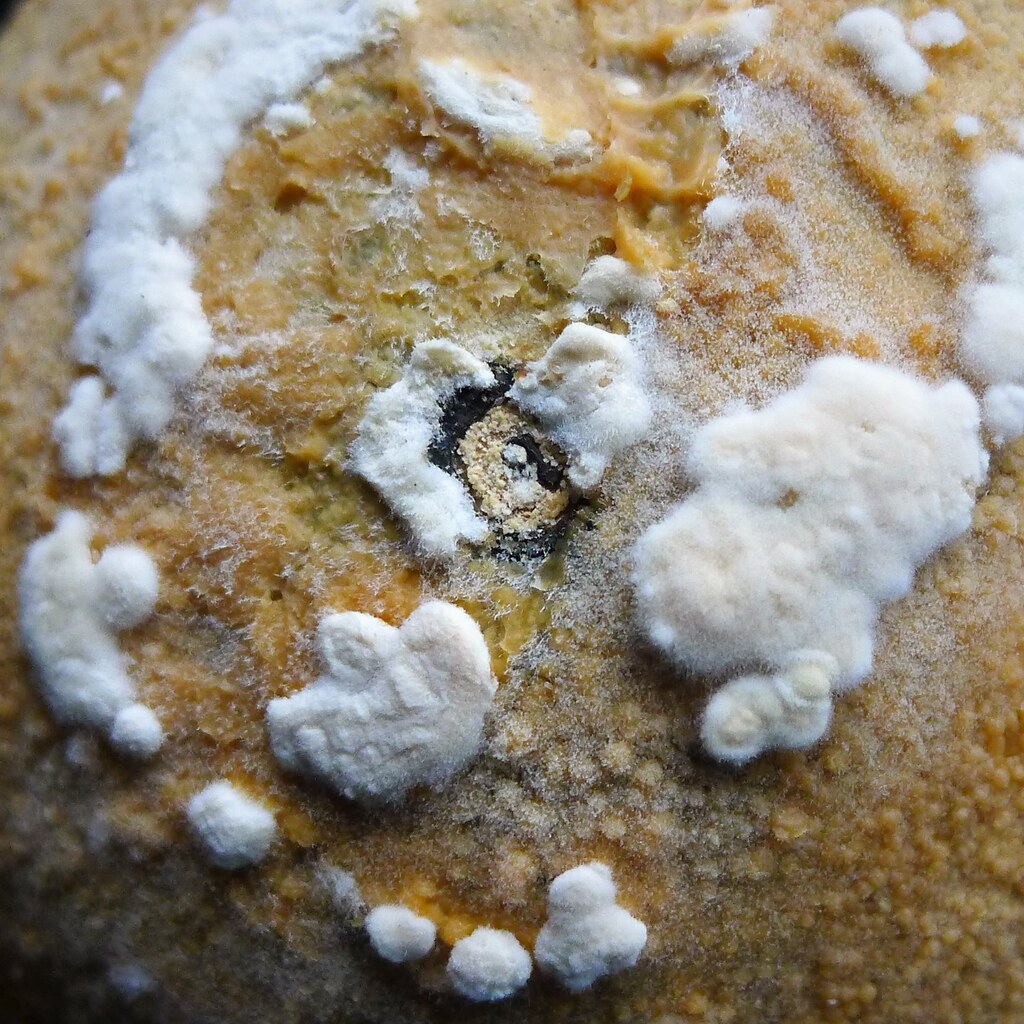
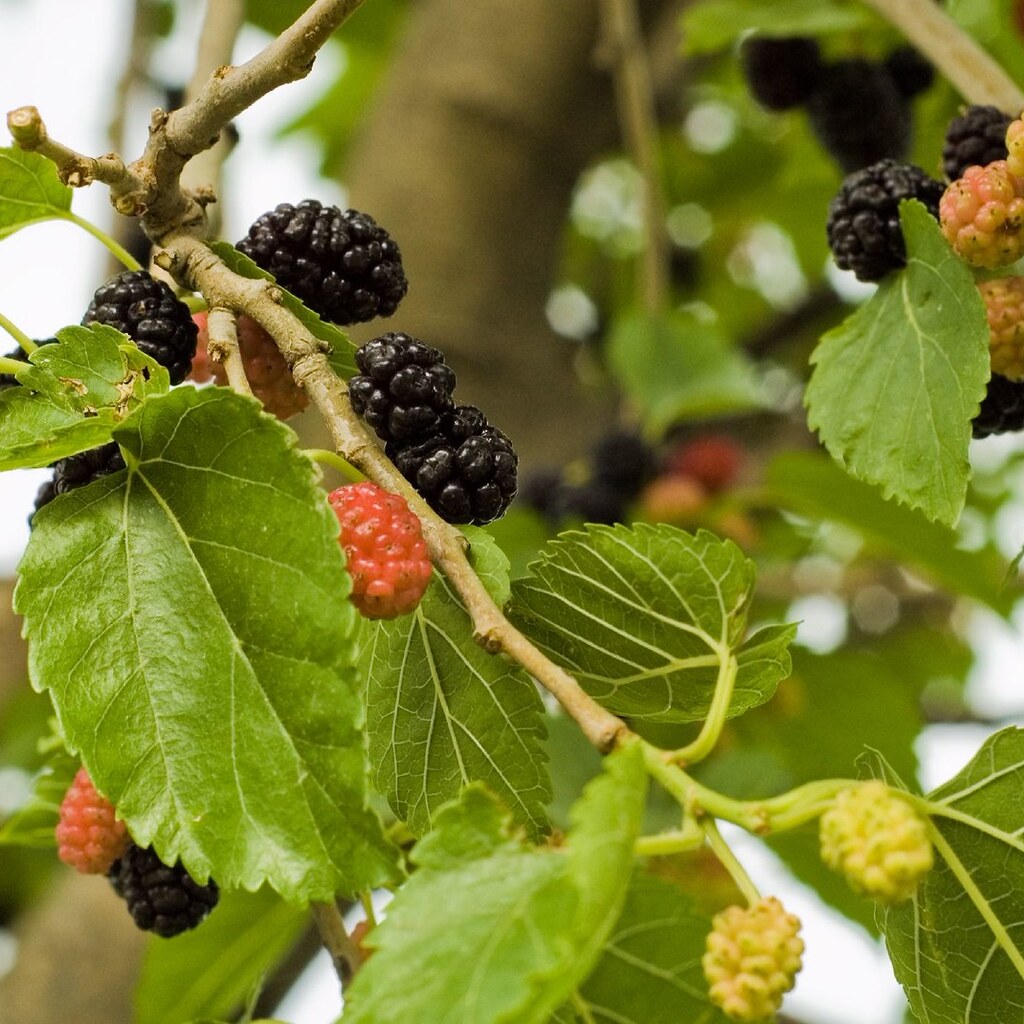
Mulberries are a small deciduous tree that likes temperate to tropical climates. Most varieties have black fruit that is red when it is underripe, but some have white fruit that is green when it isn't ripe yet.
Mulberries can be eaten fresh or used to make jam or pies. Black mulberries are the only plant that the silkworm eats.
Mulberries can be eaten fresh or used to make jam or pies. Black mulberries are the only plant that the silkworm eats.
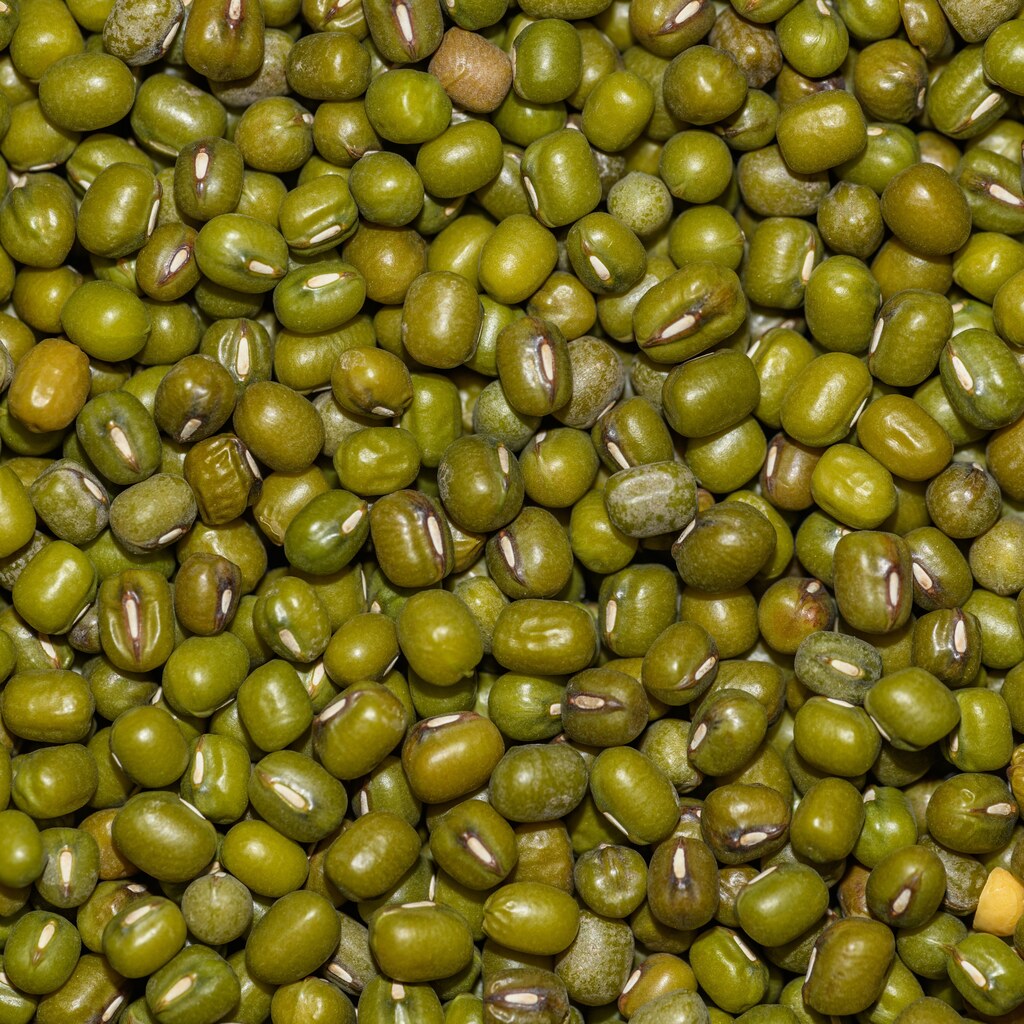
A mung bean is a small, round seed from a plant in the legume family. They are usually green, although some varieties are yellow or black inside. Mung beans also called green gram or moong beans.
Mung beans are commonly cooked in soups, curries, and other dishes. They can also be soaked in water to make crunchy bean sprouts. Mung beans first grew in India and are now grown in many warm parts of Asia and other regions. The word "mung" comes from an Indian language.
Mung beans are commonly cooked in soups, curries, and other dishes. They can also be soaked in water to make crunchy bean sprouts. Mung beans first grew in India and are now grown in many warm parts of Asia and other regions. The word "mung" comes from an Indian language.
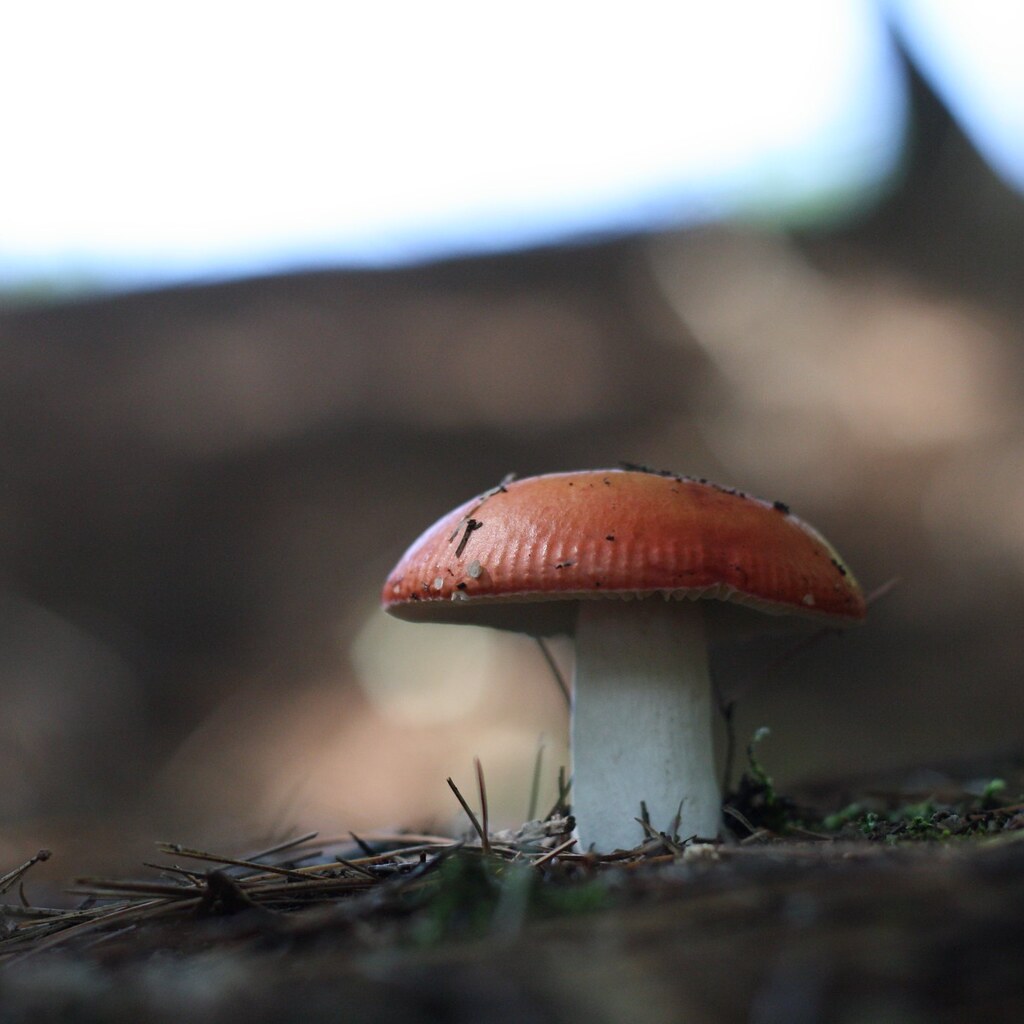
Mushrooms are a type of fungus, and are not a plant. They come in a variety of sizes and colours. Some mushrooms are edible, but others are poisonous - poisonous mushrooms are often called toadstools. The top part of a mushroom is called the cap and the stem at the bottom is called the stalk.
Mushrooms reproduce in a similar way to ferns. They grow spores in gills under the cap, which gradually opens from a ball to a disc as the mushroom matures. Some mushrooms release their spores in an explosive puff. Spores look like fine black dust.
Mushrooms reproduce in a similar way to ferns. They grow spores in gills under the cap, which gradually opens from a ball to a disc as the mushroom matures. Some mushrooms release their spores in an explosive puff. Spores look like fine black dust.
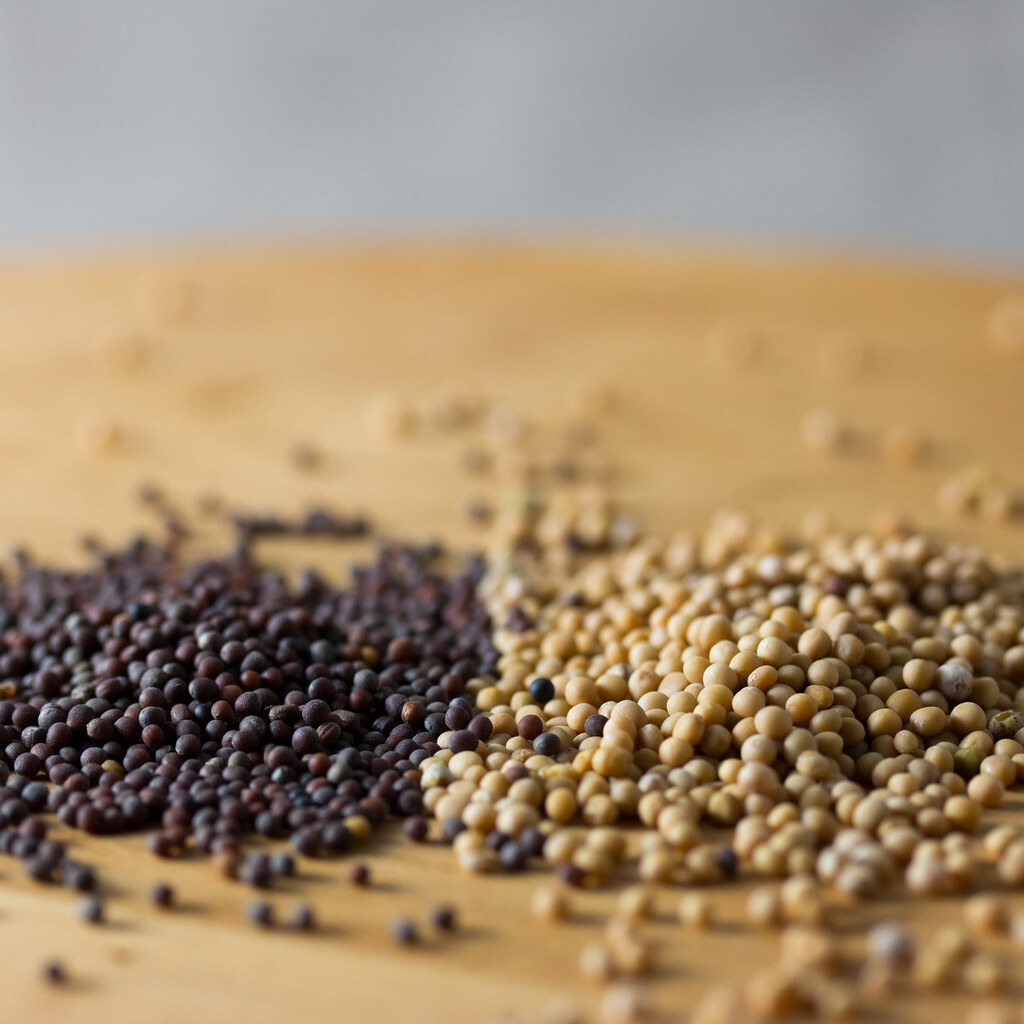
There are several different kinds of mustard plant. They are in the same family as canola, turnips and cabbages. A field of mustard flowering looks very much like a field of canola flowering.
Mustard is grown mainly for its seeds, although the leaves can be eaten too. Mustard seeds are ground up and mixed with vinegar and sometimes other spices to make the mustard you can buy in shops. Depending on the type of mustard used, mustard paste can be very sharp or very mild. Sometimes mustard, called wholegrain mustard, is made from the whole seeds of the mustard plant and a little oil instead of crushing the seeds to a paste.
Mustard is grown mainly for its seeds, although the leaves can be eaten too. Mustard seeds are ground up and mixed with vinegar and sometimes other spices to make the mustard you can buy in shops. Depending on the type of mustard used, mustard paste can be very sharp or very mild. Sometimes mustard, called wholegrain mustard, is made from the whole seeds of the mustard plant and a little oil instead of crushing the seeds to a paste.