up to Nature

Landscape

Large natural geographic formations and environments.

Subcategories: Natural structures (9), Oceans (5), Waterways (19)

Showing 1-20 of 88

Bis forBeach

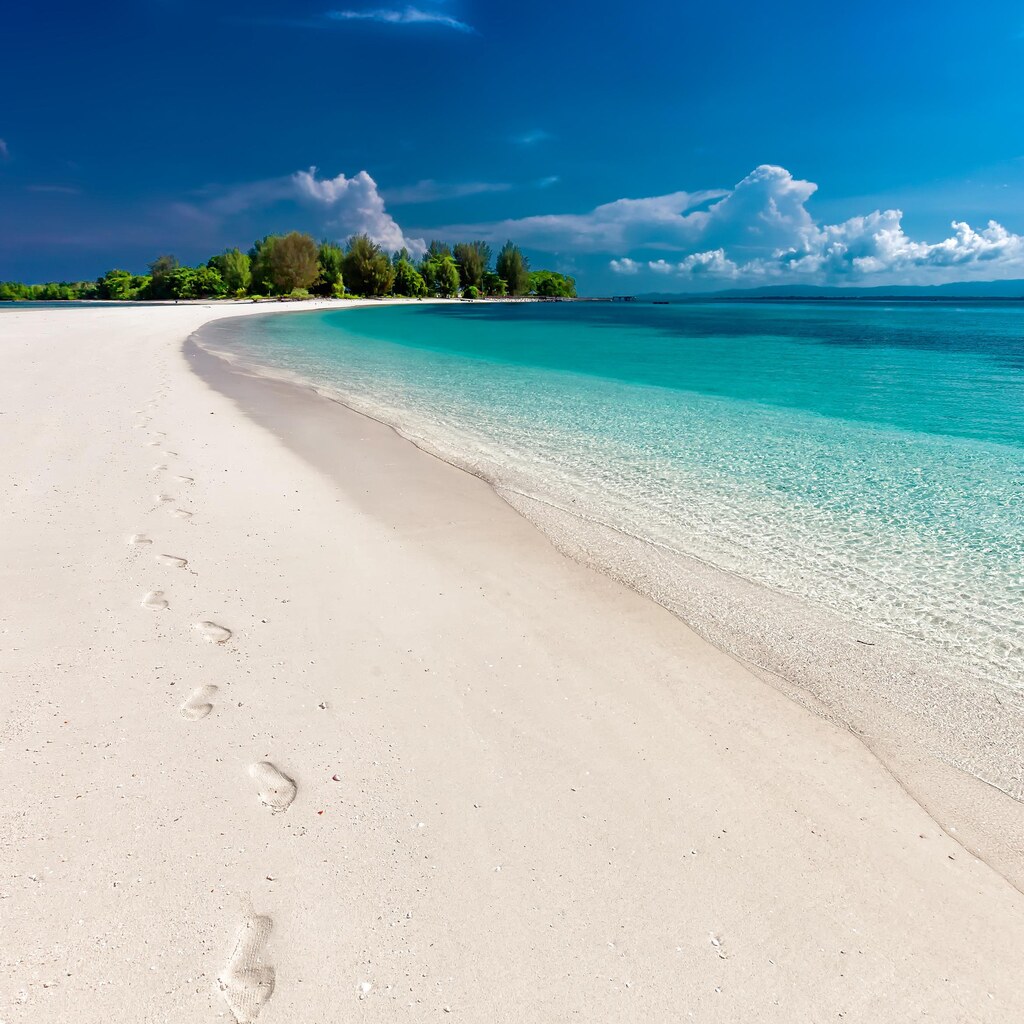
A beach is the sandy edge of the sea or a lake. A beach is sometimes called the shore. People like to go down to the beach and sit in the sun, make sandcastles or go swimming.
Bis forBluff

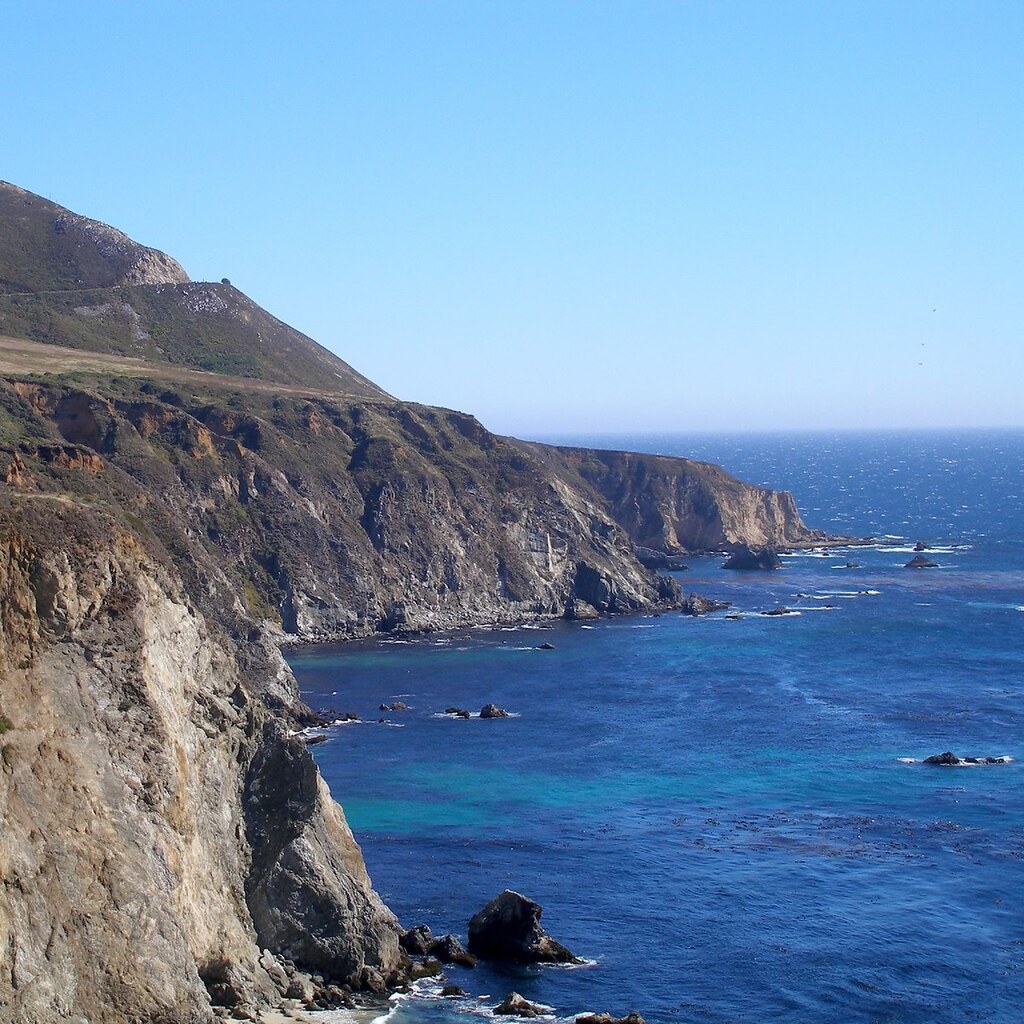
A bluff is a hill or coastline that has a wide, steep side.

Bis forBog

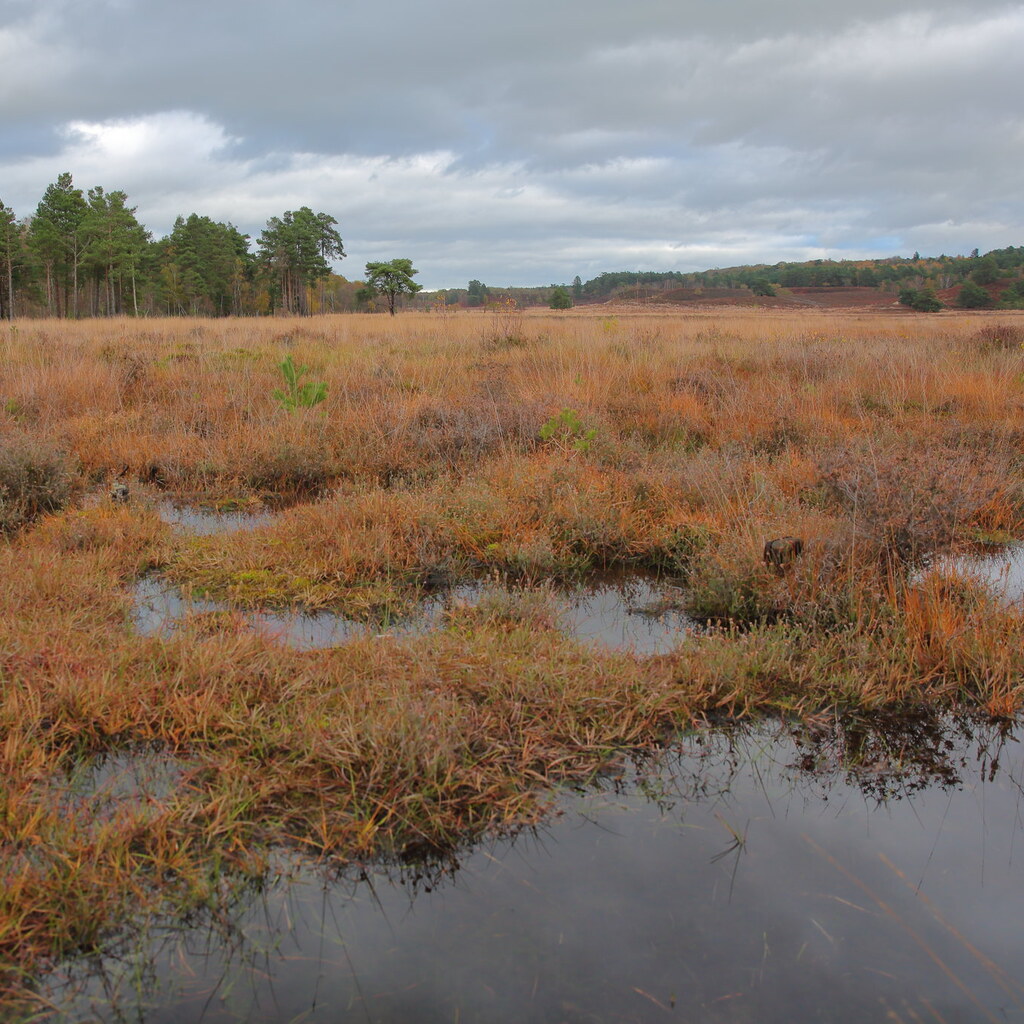
A bog is an area where the soil is very wet and is mostly made up of rotting plant matter.
A bog is similar to a moor or swamp.

Bis forBoulder

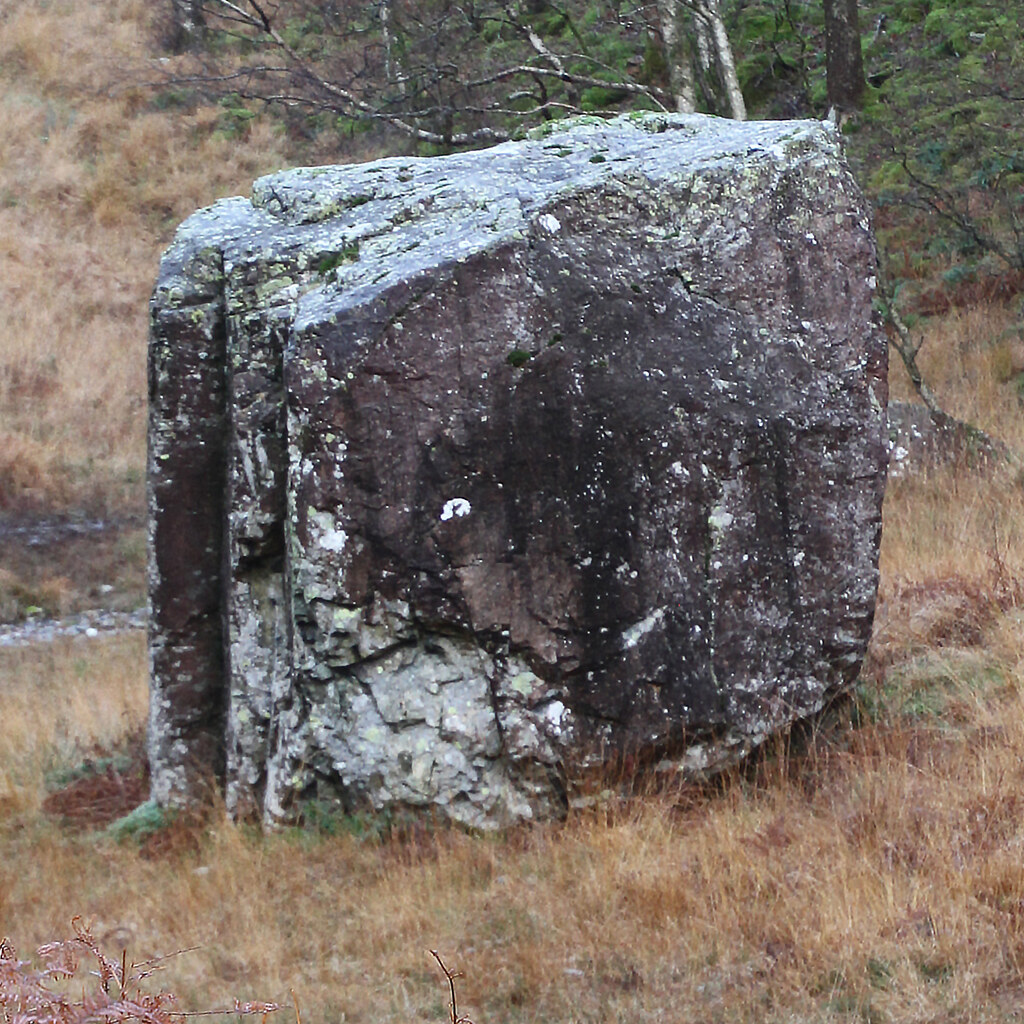
A boulder is a large, weathered rock that is not attached to other rocks. The picture is of a pile of boulders.

Bis forBrine

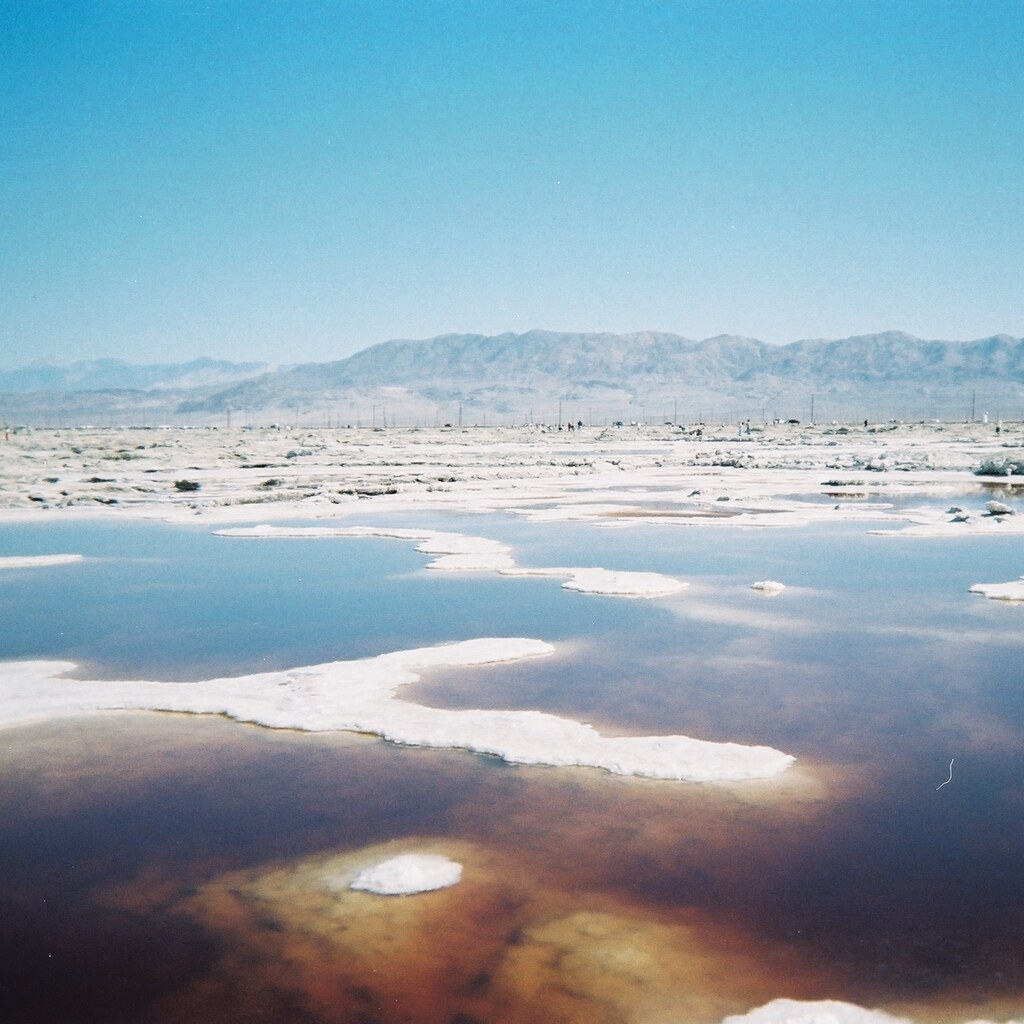
Brine is salty water. You can use brine to preserve things like olives. People describe the sea as brine.
Salty water used for medical purposes is called saline.

Bis forBrook

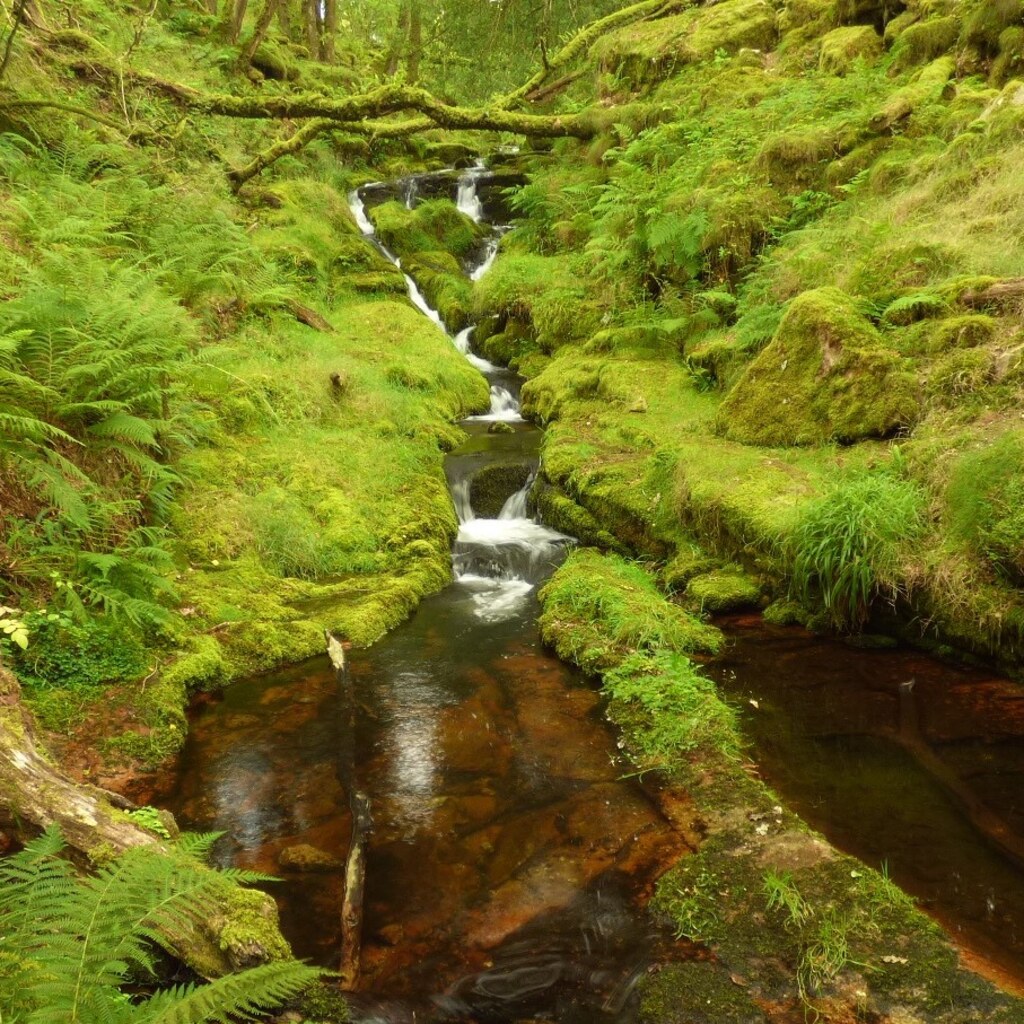
A brook is a very small, running stream of fresh water. Brooks often come from a spring.

Bis forBubble

Bubbles are a pocket of air surrounded by a thin coating of something else. Bubbles are usually made from blowing air into soapy water. They are round, and float through the air. There are pretty colours on the surface of the bubble.

Bis forBurrow

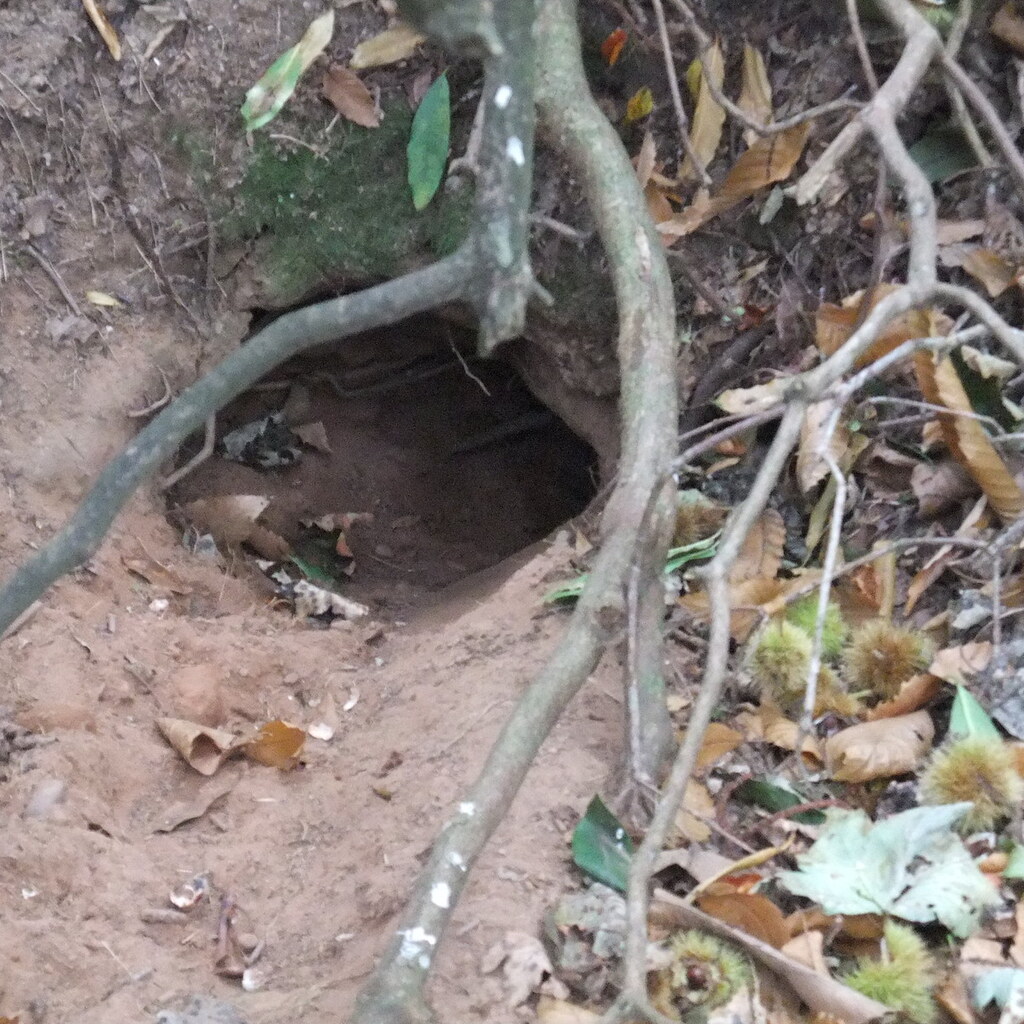
A burrow is a hole in the ground that animals like foxes and badgers dig as homes for themselves.
Burrowing can also be used as a verb, as in "the rabbit was burrowing into the side of the hill".

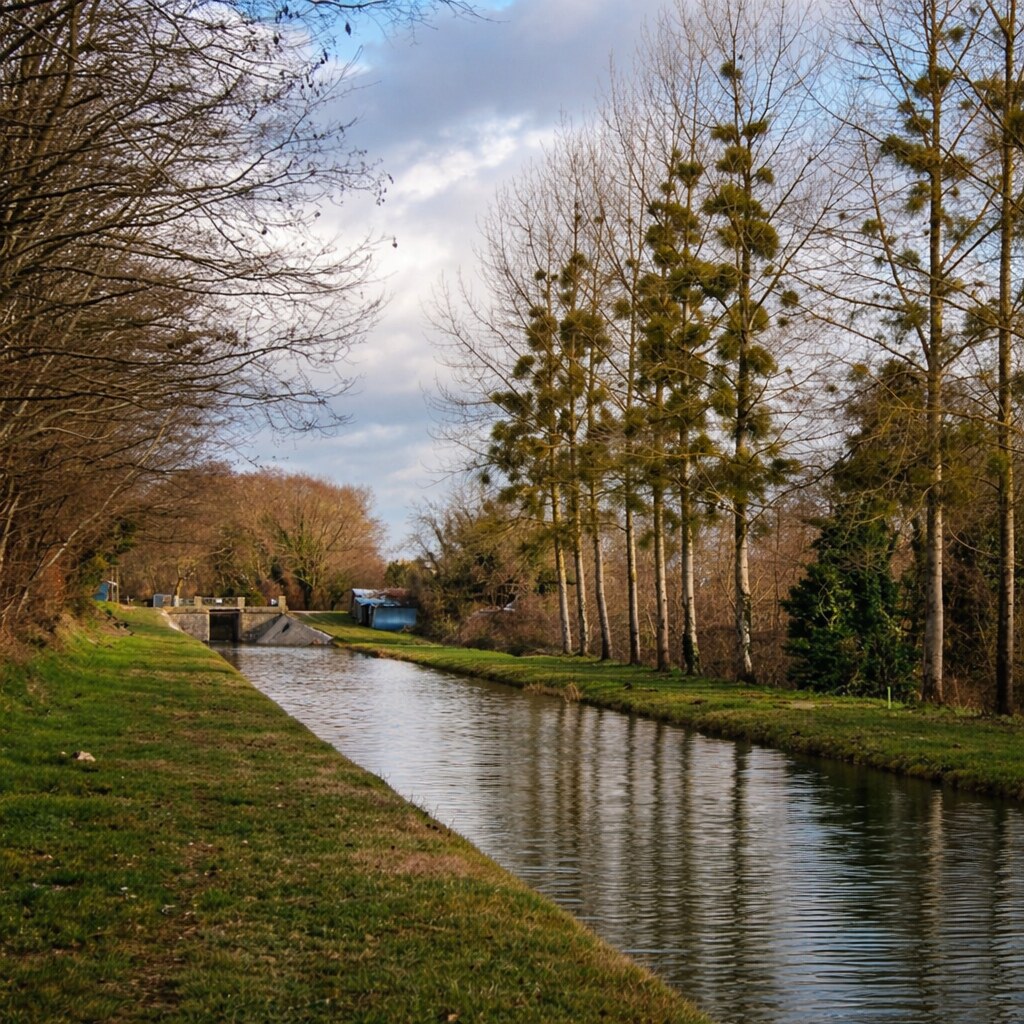
Cis forCanal

A canal is a watercourse that has been made by people rather than a natural watercourse. Canals are generally cut to make a transportation path, for boats to travel along.

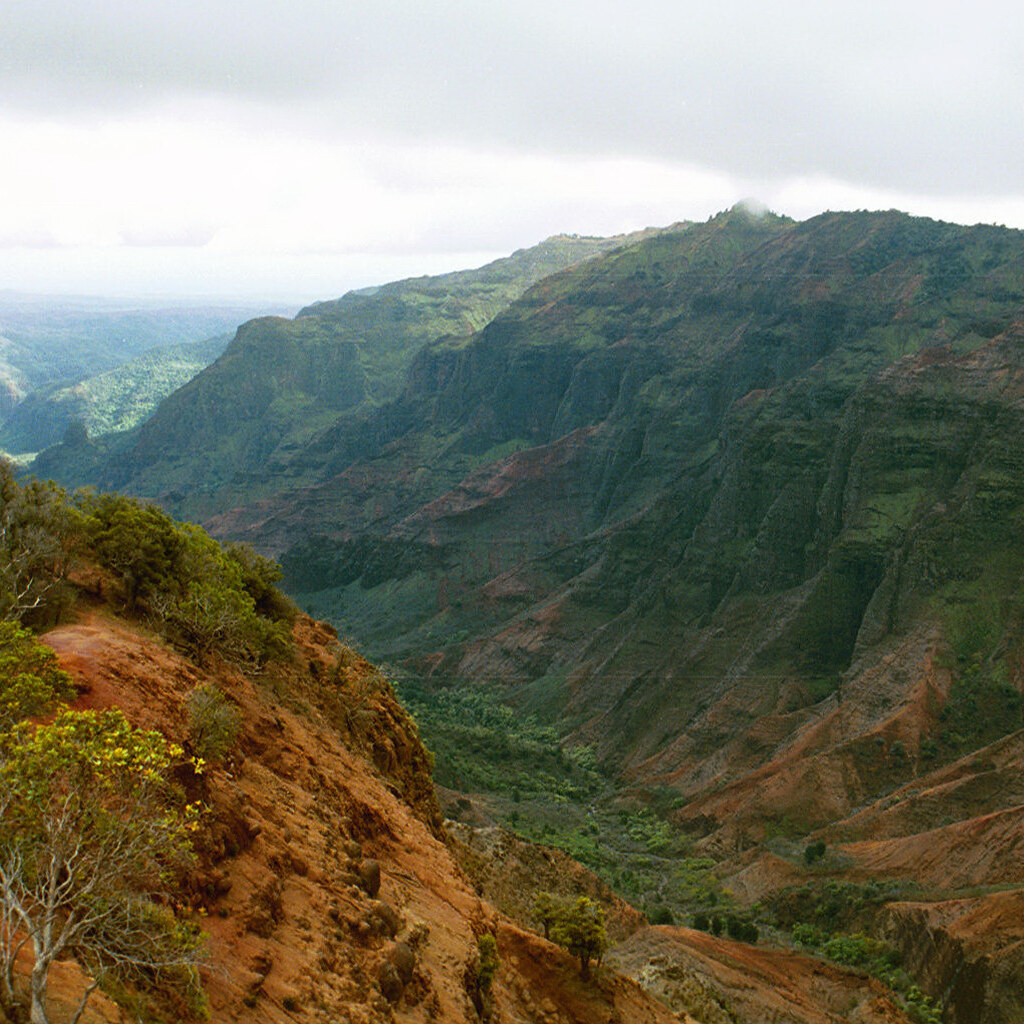
Cis forCanyon

A canyon is a large, deep path that has been cut through the landscape by a watercourse like a river over many years.

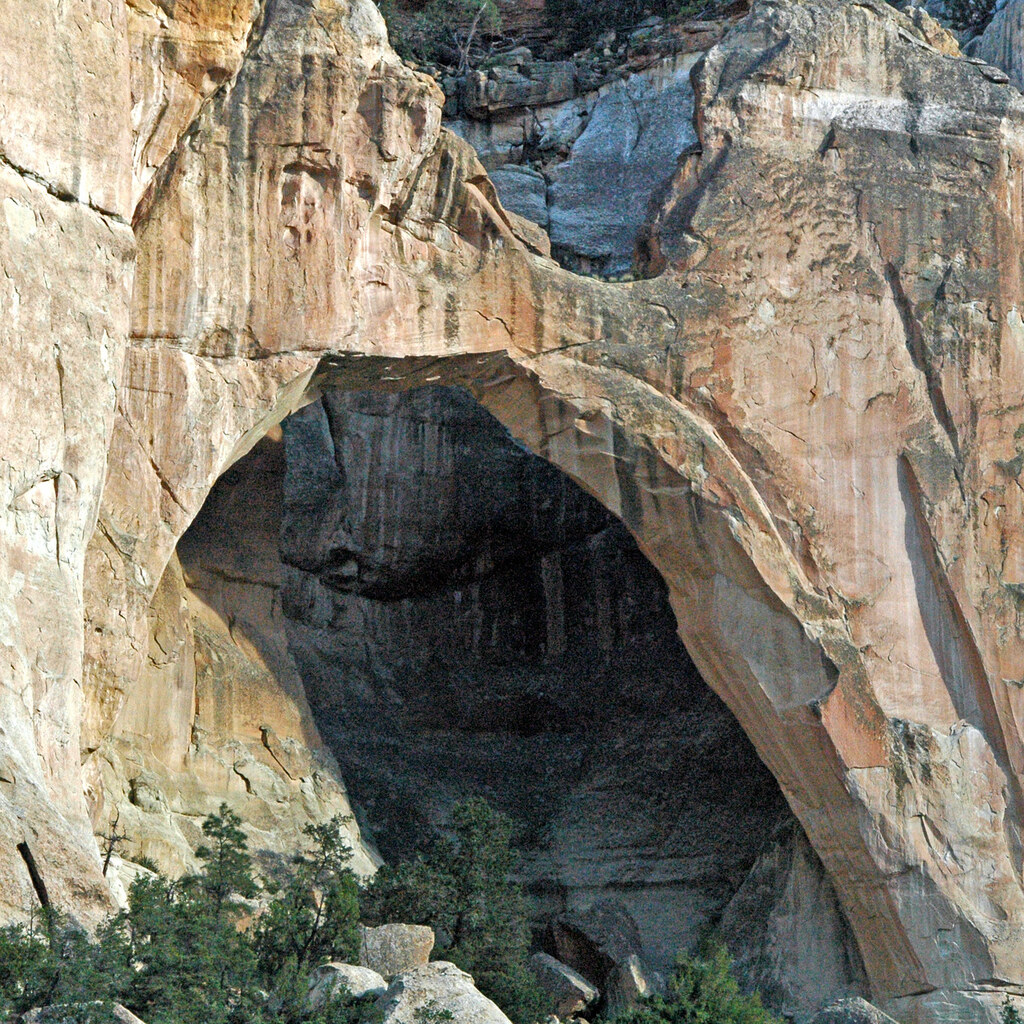
Cis forCave

A cave is a hole in the side of a hill or mountain that is big enough for people or animals to get inside. Many animals, like bears and bats live in caves.
Limestone caves are often full of stalactites and stalagmites.
Cis forChannel

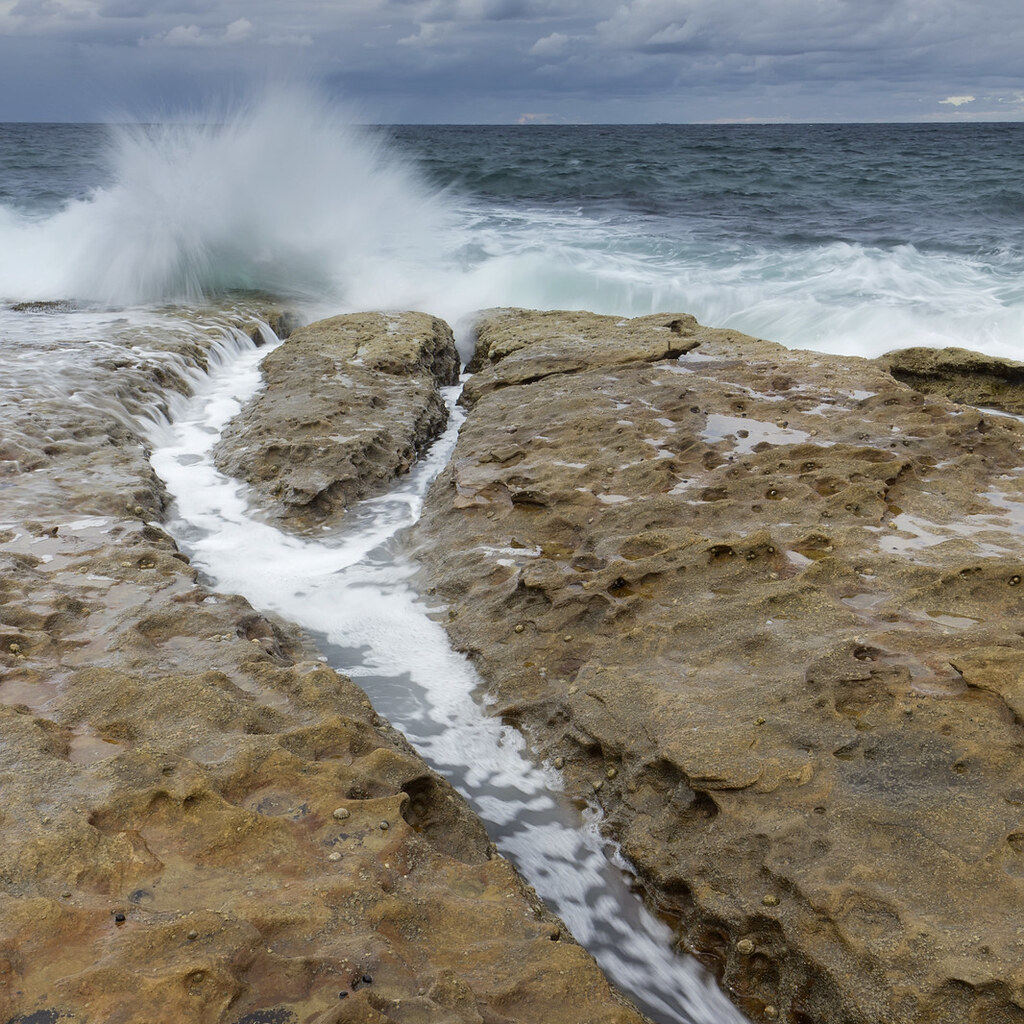
A channel is a waterway, or a path that has been worn by water. Channels can be so large you can't see the other side, or quite small, like a gutter by the side of a road.
The picture is of a channel that has been worn into the rock by the waves of the sea.

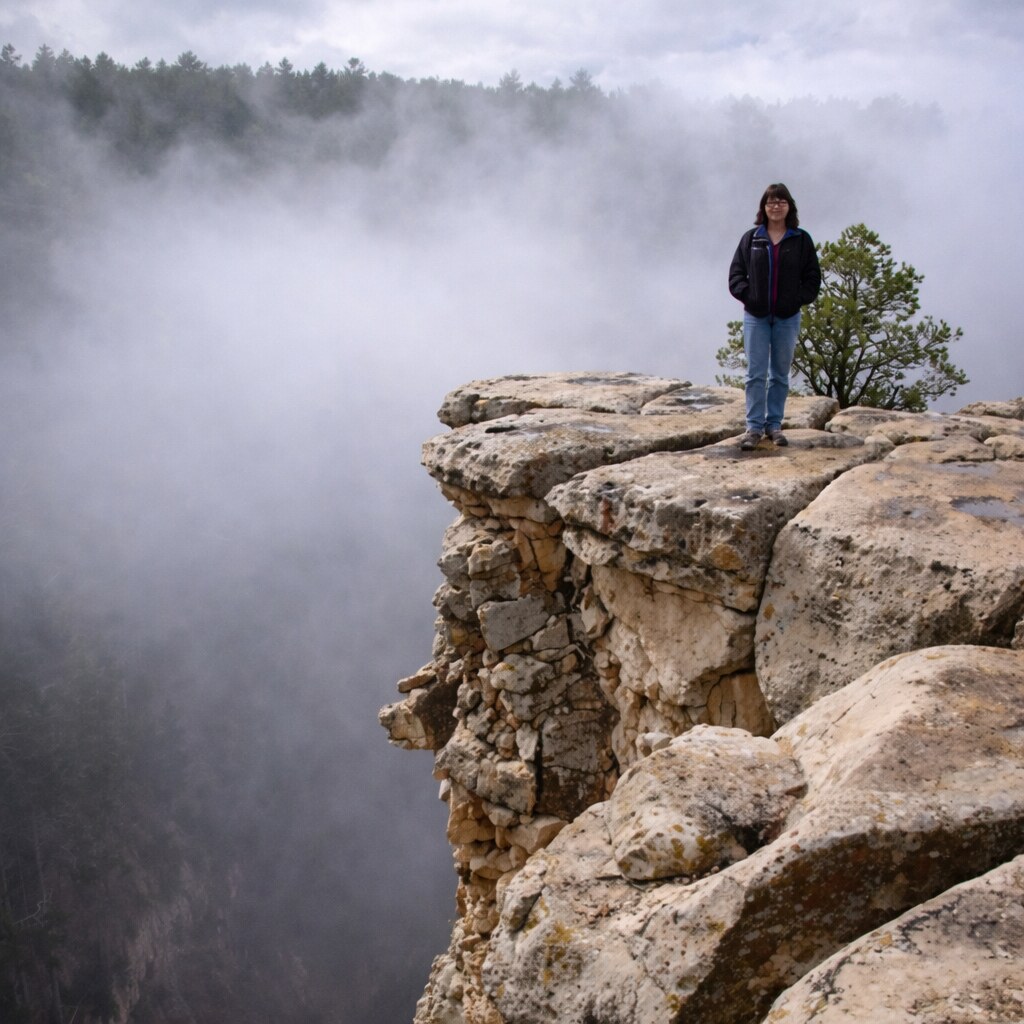
Cis forCliff

A cliff is a near-vertical expanse of rock, usually found next to the sea or by the side of a river. Cliffs are usually caused by erosion.
A lot of people like to climb up cliffs, and many more people just like to look at them, or take photographs.

Cis forCoast

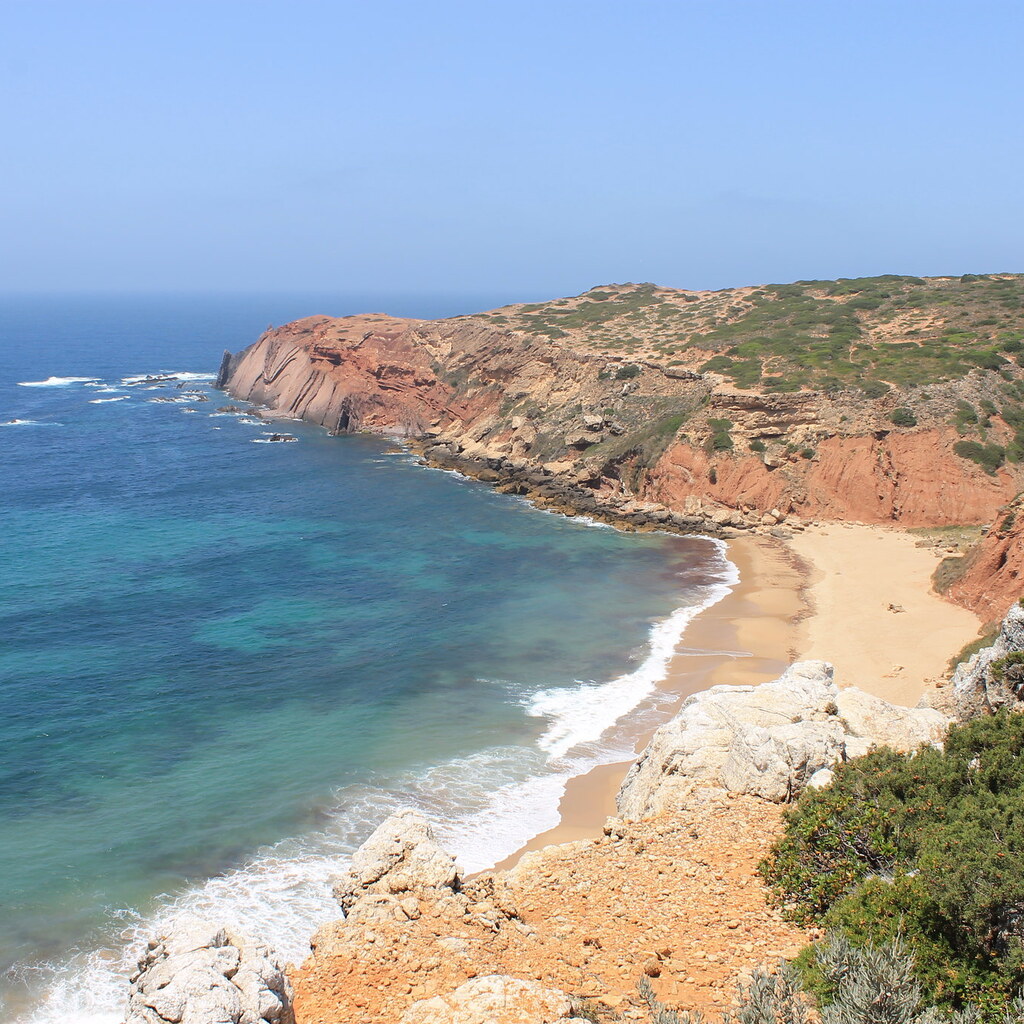
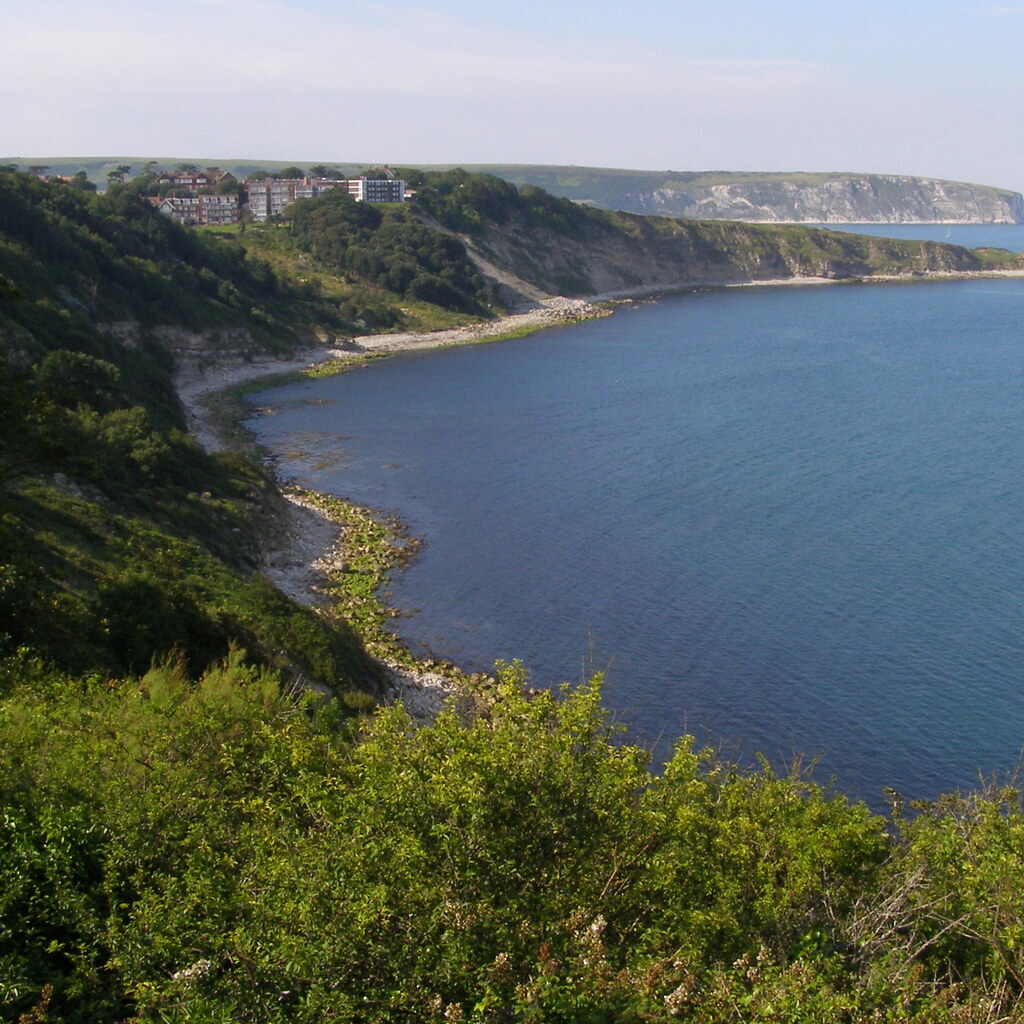
The coast is where land meets the sea.
Some other words you can use instead of coast are shore and beach.

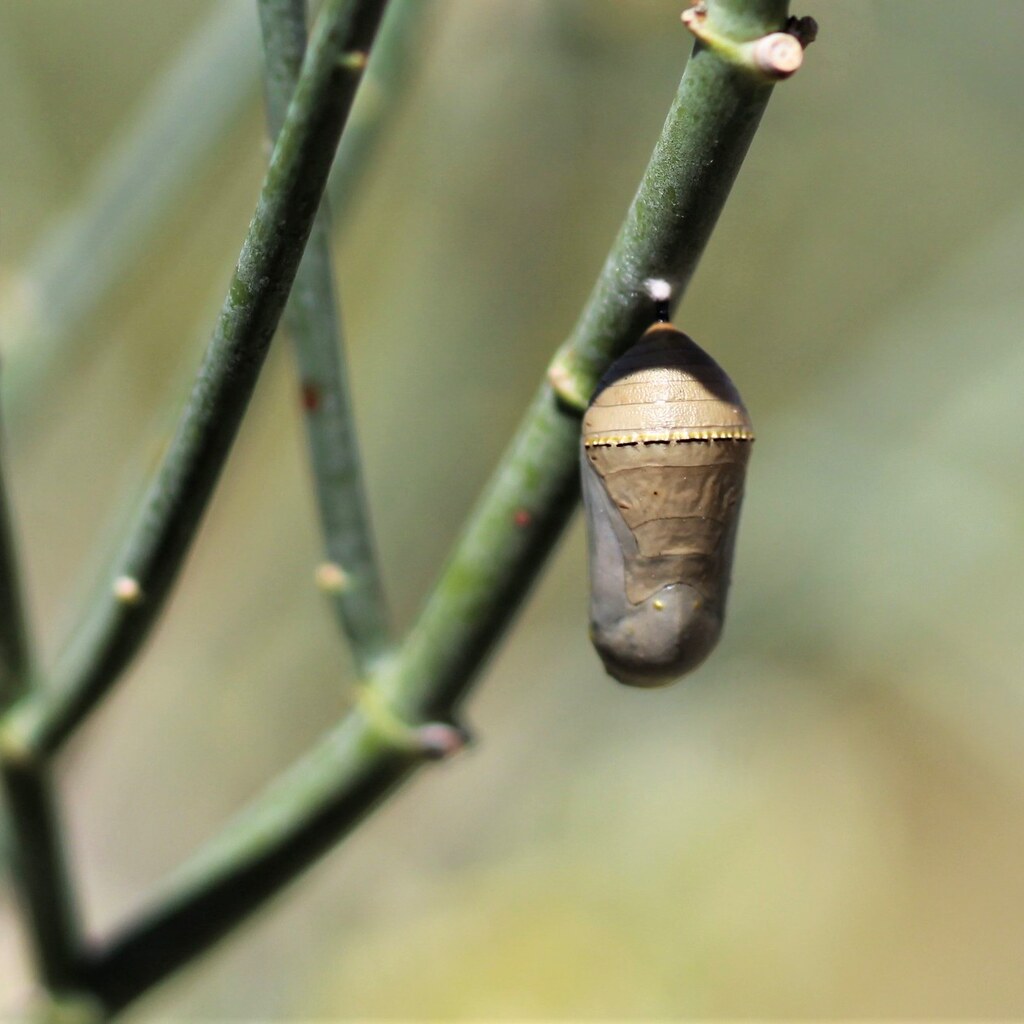
Cis forCocoon

A cocoon is a place a caterpillar makes for itself. The caterpillar goes to sleep inside it for some time and then comes out as a butterfly.
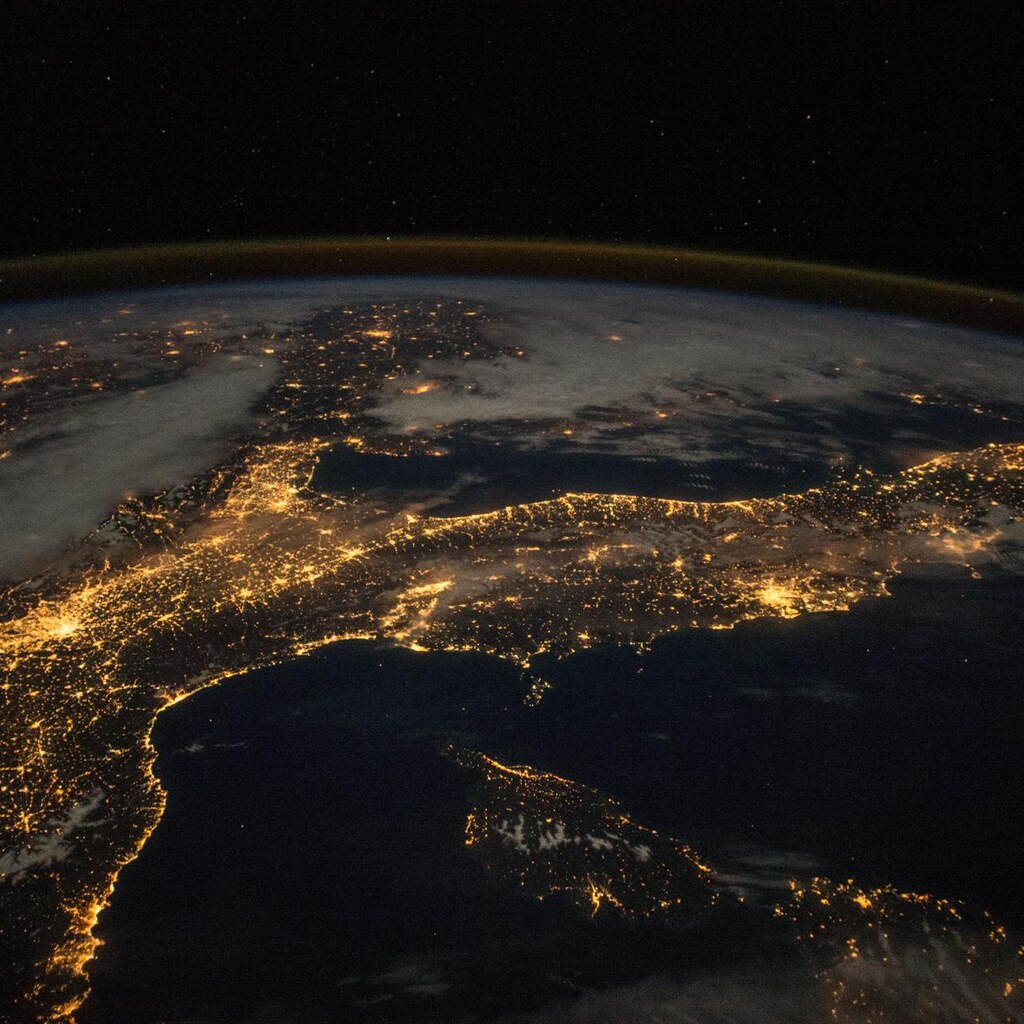
A continent is a very large mass of land surrounded by ocean. There are seven continents: Europe, Asia, Africa, North America, South America, Oceania and Antarctica.
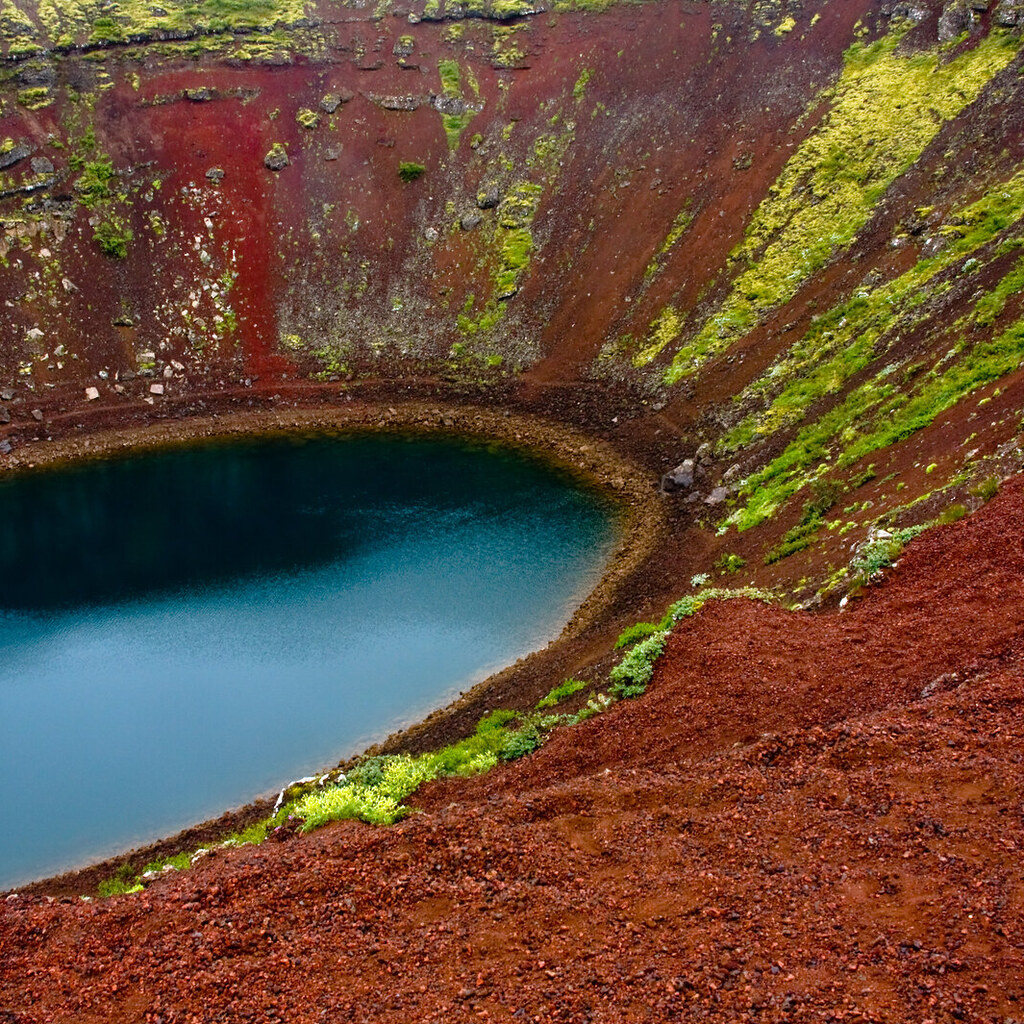
Cis forCrater

A crater is a large, circular hole in the ground that could have been caused by several different things. Craters can be many kilometers wide and very deep.
Craters are found on top of volcanoes, and they can be caused by meteors hitting the Earth. They are sometimes caused when the ground collapses above a large underground chamber like an old mine or a cave.
Cis forCreek

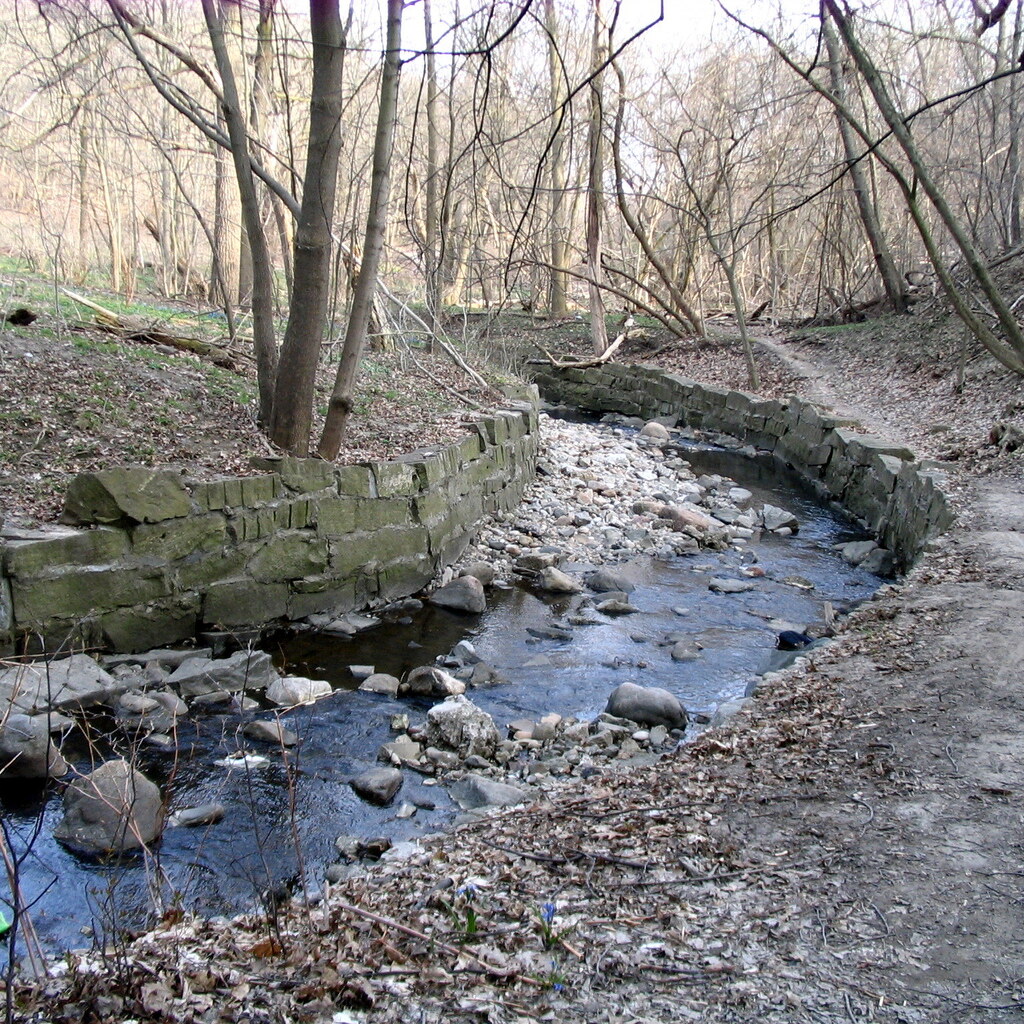
A creek is a type of small river.
Another word for a creek is a stream.

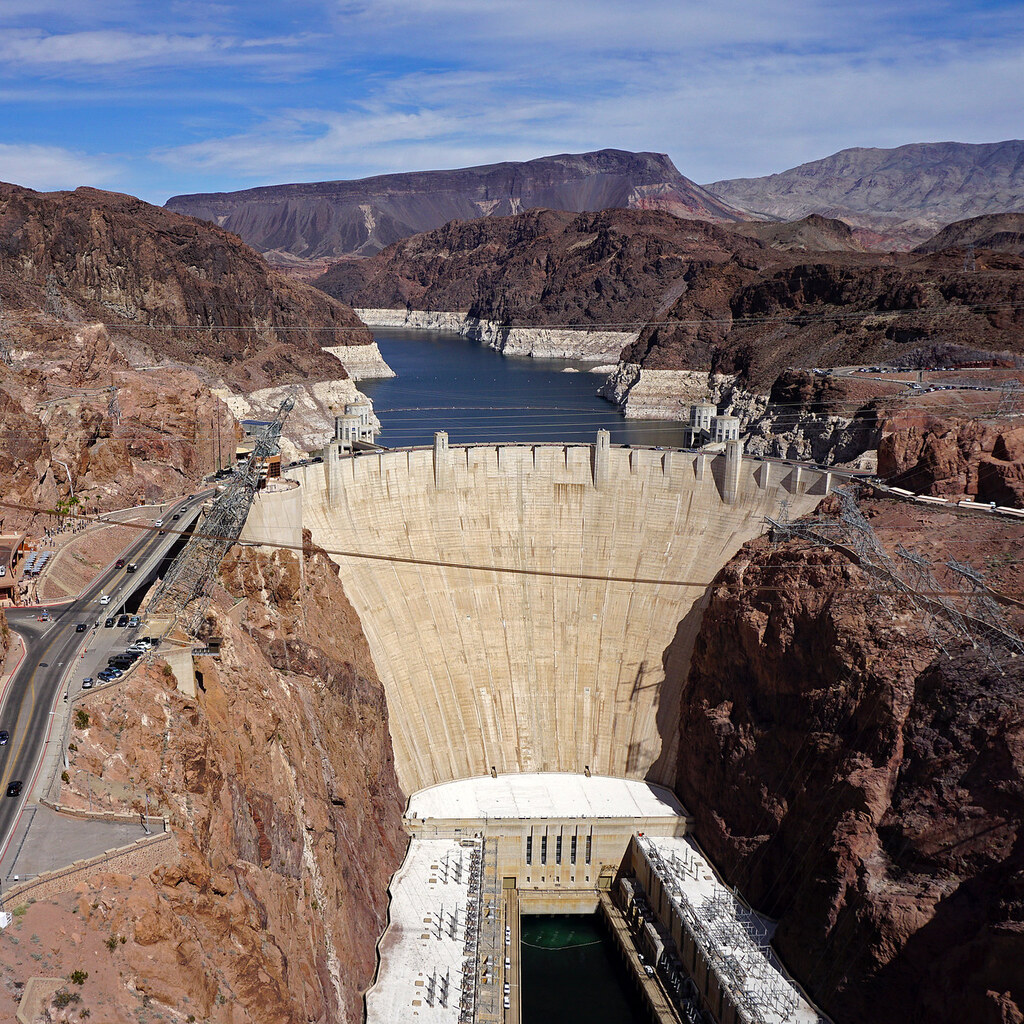
Dis forDam

A dam is a large wall built across a river to change the natural flow of water and make a deep lake form behind the wall. The water from dams is often used to water farm or supply water to a city, or to make electricity.