Showing 41-60 of 61
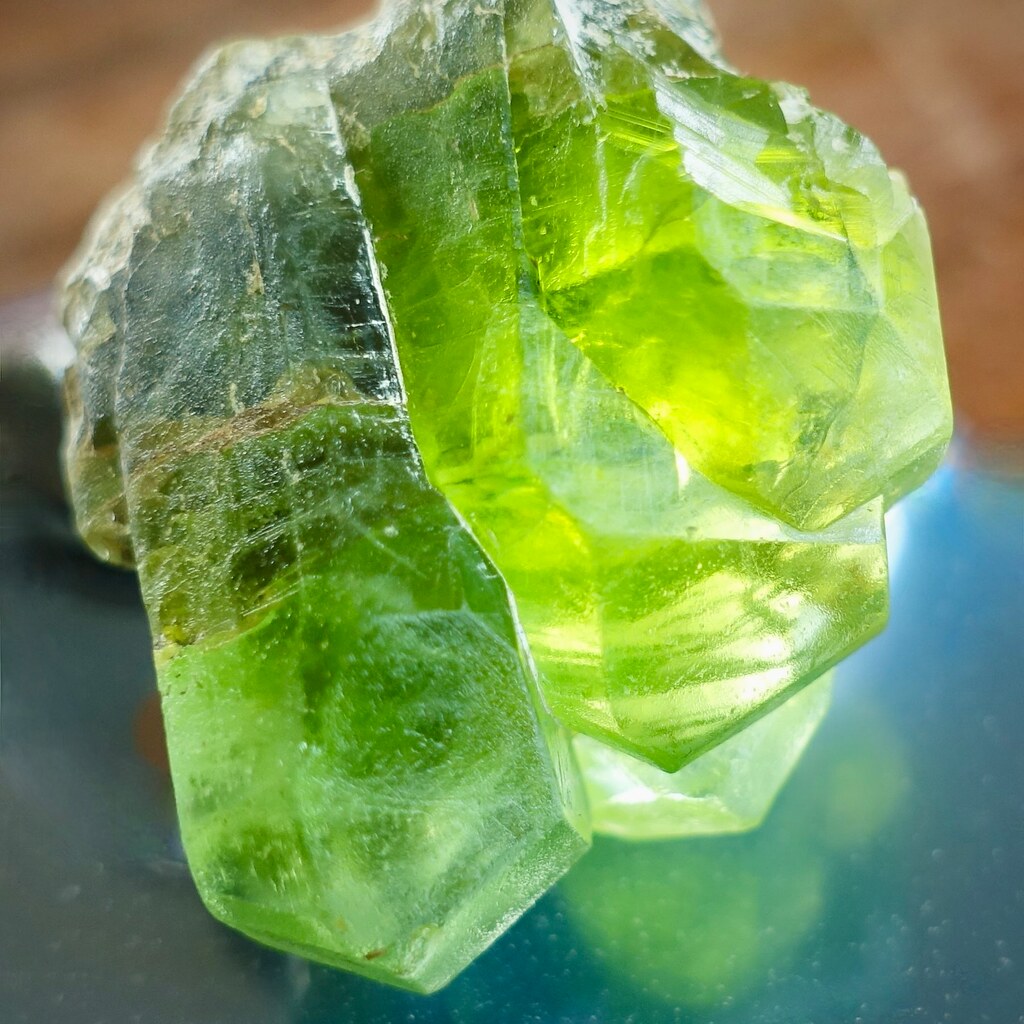

Quartz is the second most common mineral on the surface of the Earth after feldspar. It is made of silicon dioxide in a crystalline structure. Quartz naturally forms colourless six-sided crystals, and is transparent or slightly translucent. Quartz that is milky or is coloured has impurities in it. Quartz that is a pretty colour is usually given a different name, like amethyst.
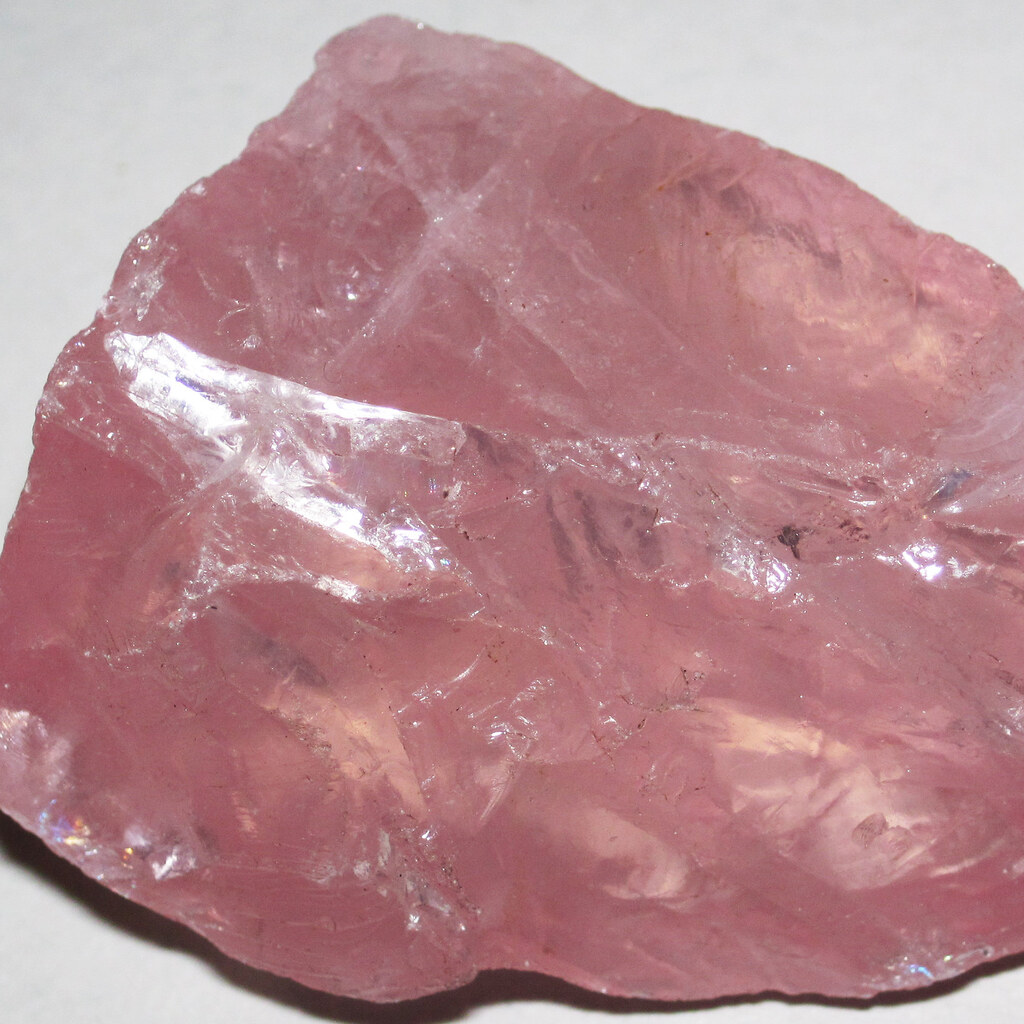
R is for Rose quartz
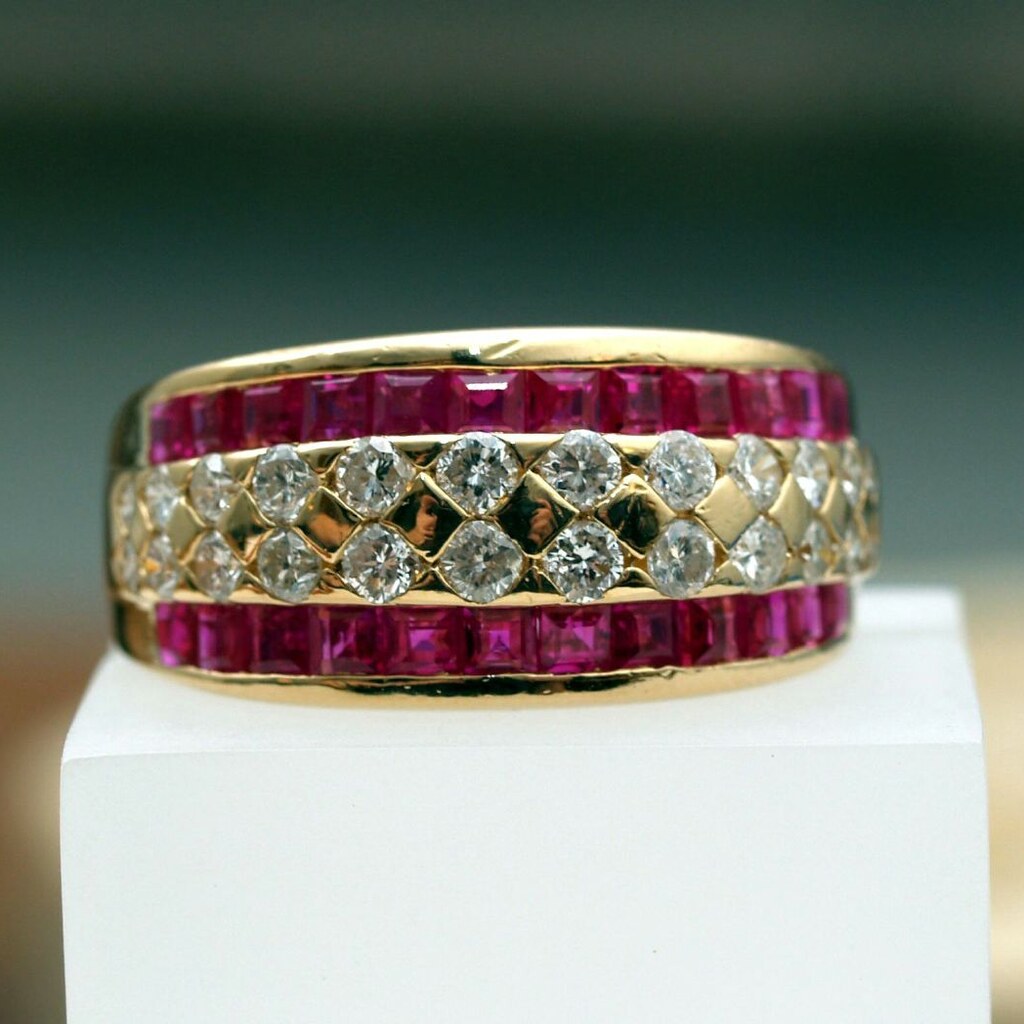
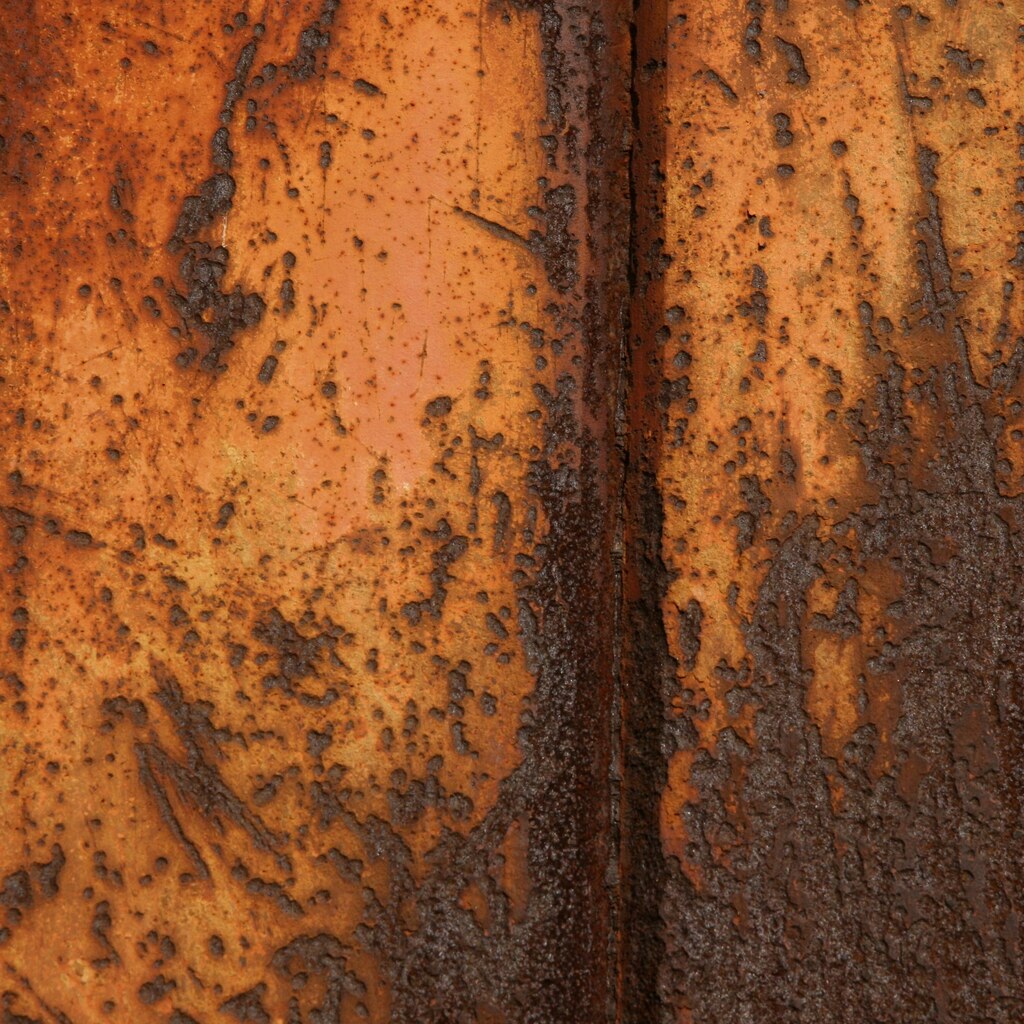
Rust is what happens to iron when there is moisture around. Things will rust faster if there is any salt in the water, which happens often near the sea or if salt has been used to de-ice roads or
href="/s/sidewalk">sidewalk.
Rust is a distinctive reddish-brown. It is common to see old cars falling apart from rust.
Rust is a distinctive reddish-brown. It is common to see old cars falling apart from rust.
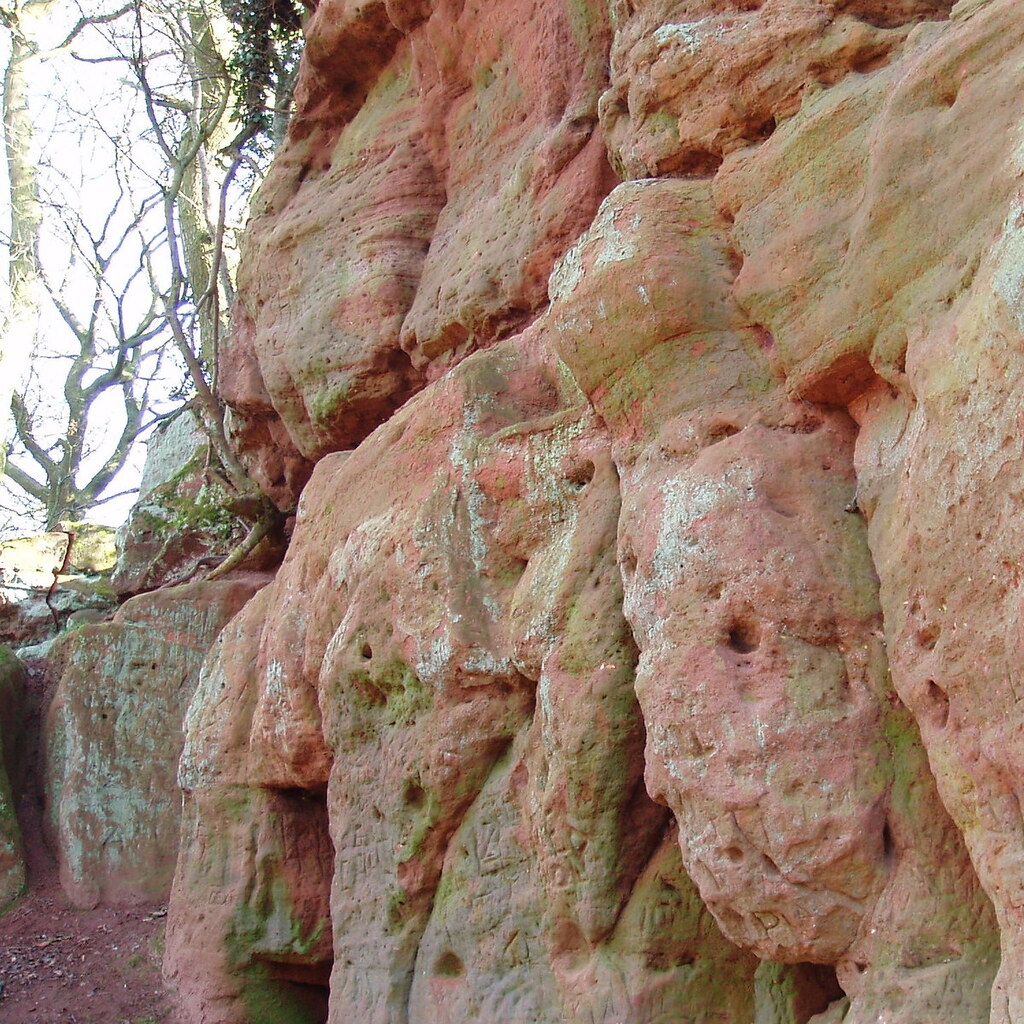
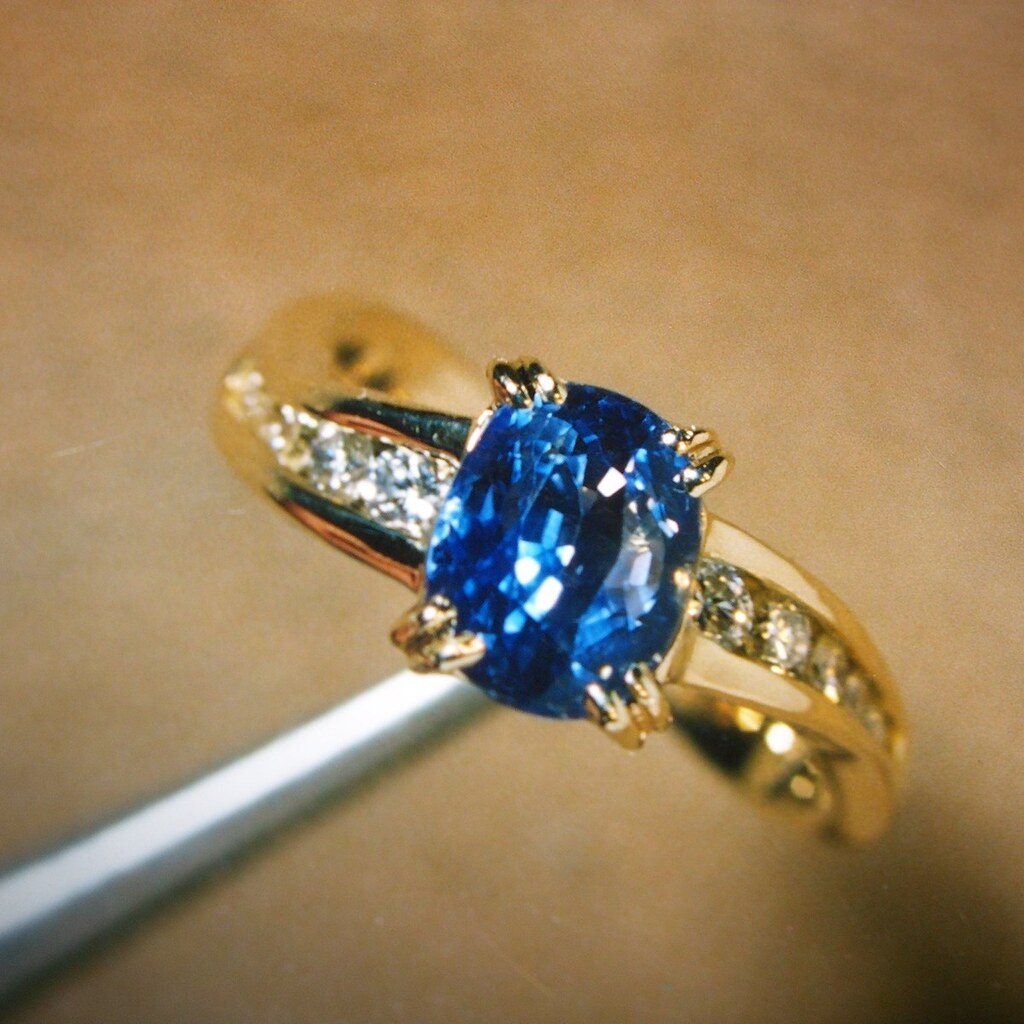
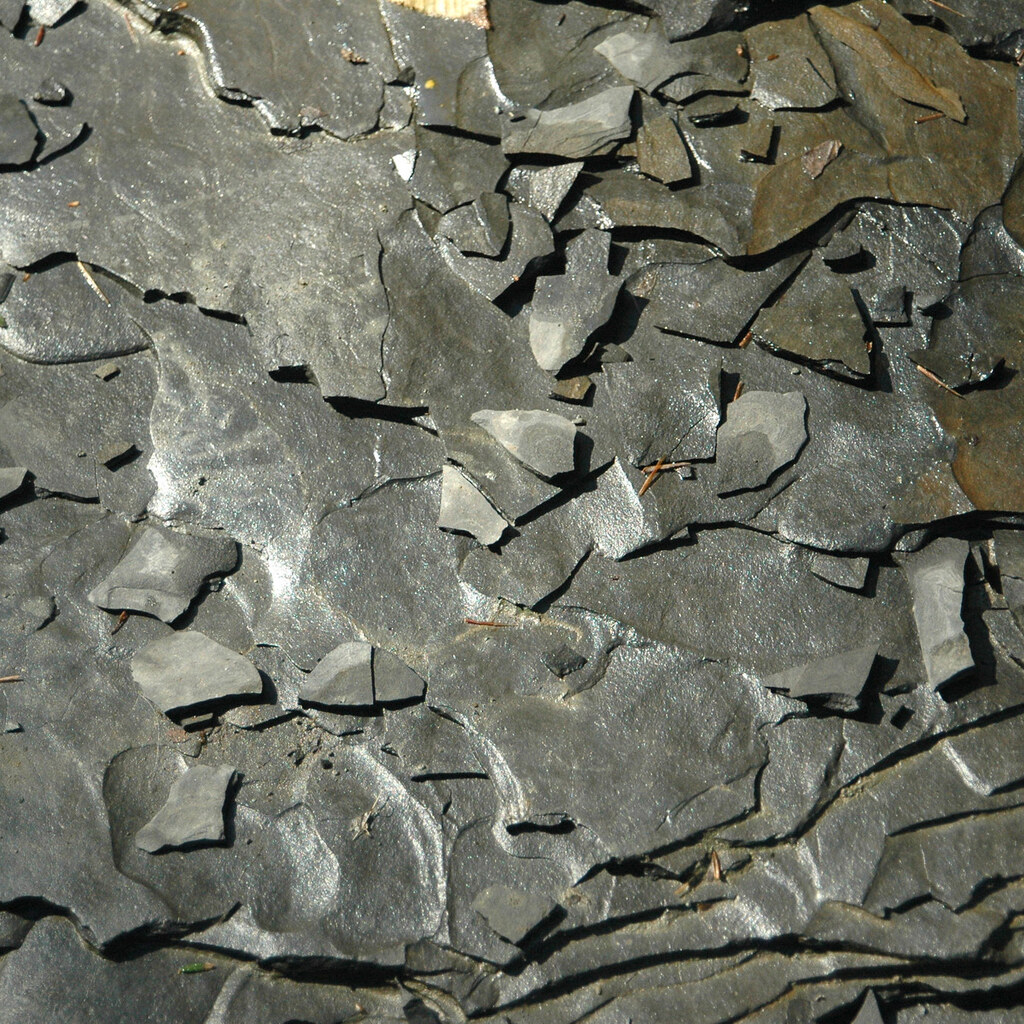
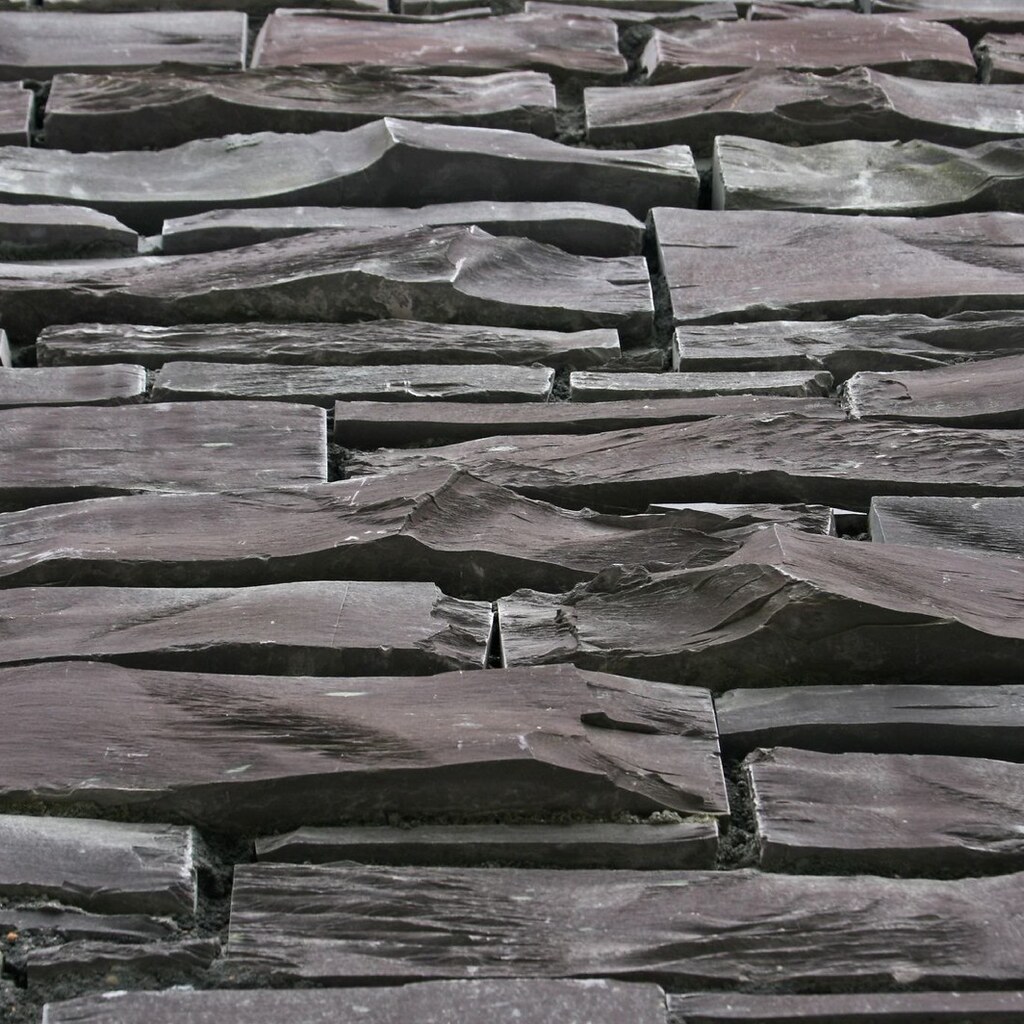
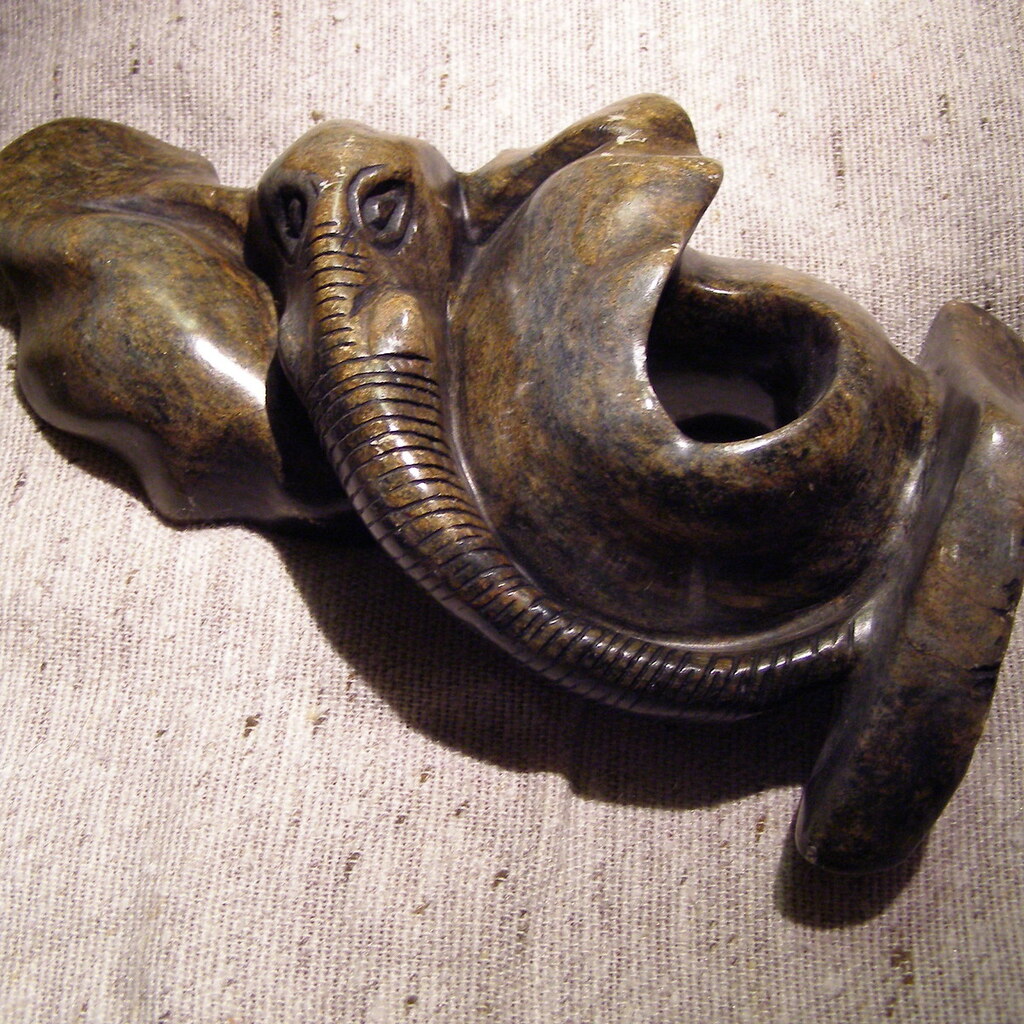
Soapstone is a soft stone that is made up mostly of talc. It feels slightly soapy to touch, hence the name. Because soapstone is so soft, it is often used to carve sculptures and household items from.
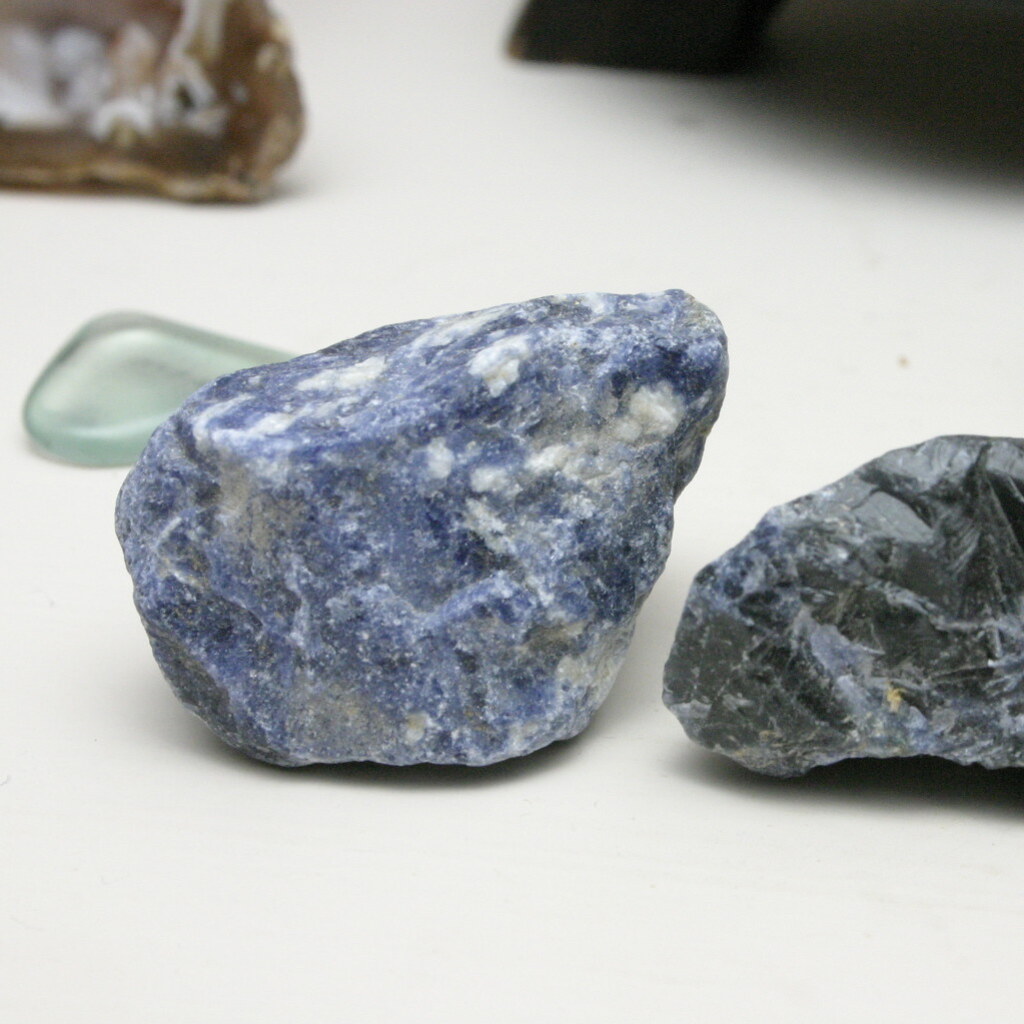
Sodalite is a blue stone that is found in large veins. It is one of the minerals found in lapis lazuli. Large quantities of sodalite are opaque but the individual small crystals are transparent.
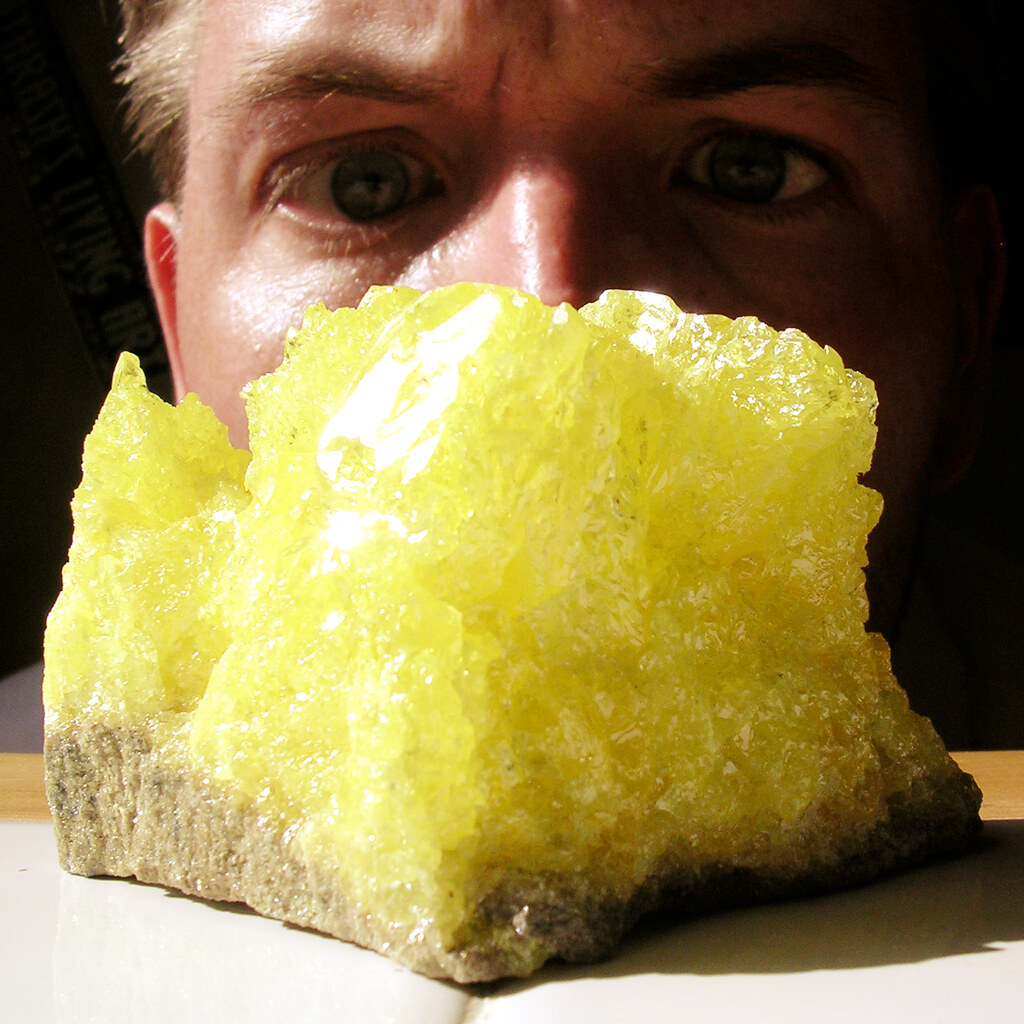
Sulfur, also spelt sulphur, is a bright yellow element that is commonly found in nature. It is found in pure form around volcanoes and can also be mined.
Sulfur is essential to life, and is used in a variety of ways. It is a component of gunpowder, it is used as a preservative, in the head of matches, is found in fertilizer and many other uses. Many things that contain sulfur smell bad, and sulfur is found in skunk smell and garlic.
Sulfur is essential to life, and is used in a variety of ways. It is a component of gunpowder, it is used as a preservative, in the head of matches, is found in fertilizer and many other uses. Many things that contain sulfur smell bad, and sulfur is found in skunk smell and garlic.
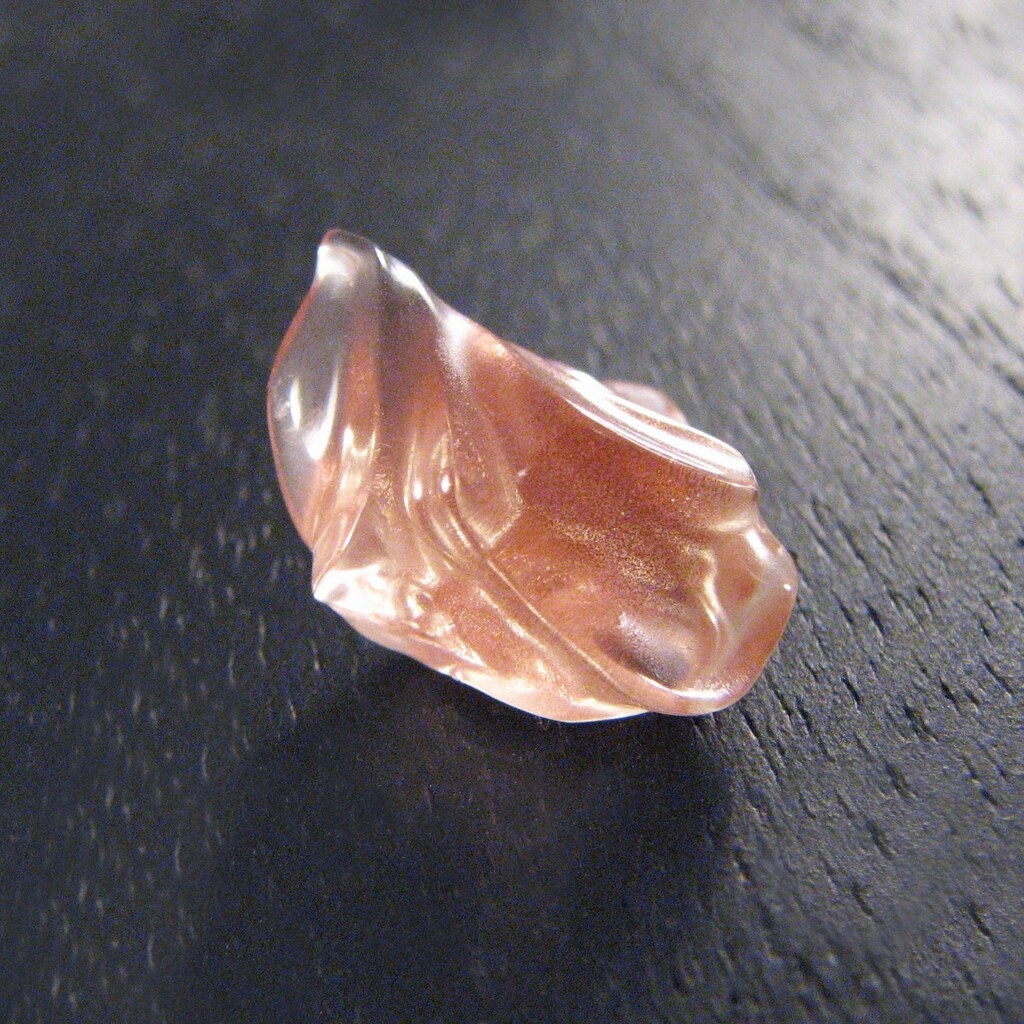
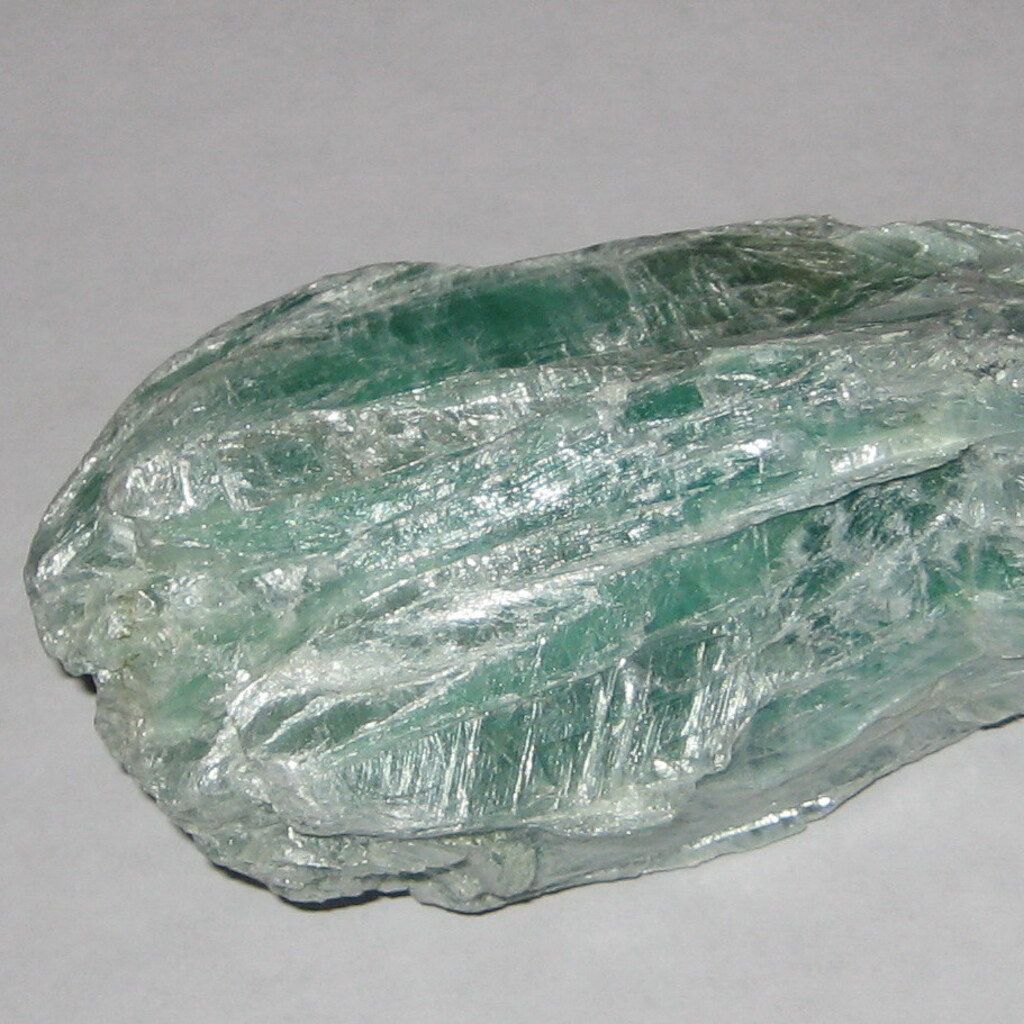
Talc is the softest stone there is. It can be ground up and turned into talcum powder. The chemical composition of talc is hydrated magnesium silicate. Talc is typically found as a translucent grey-green stone.
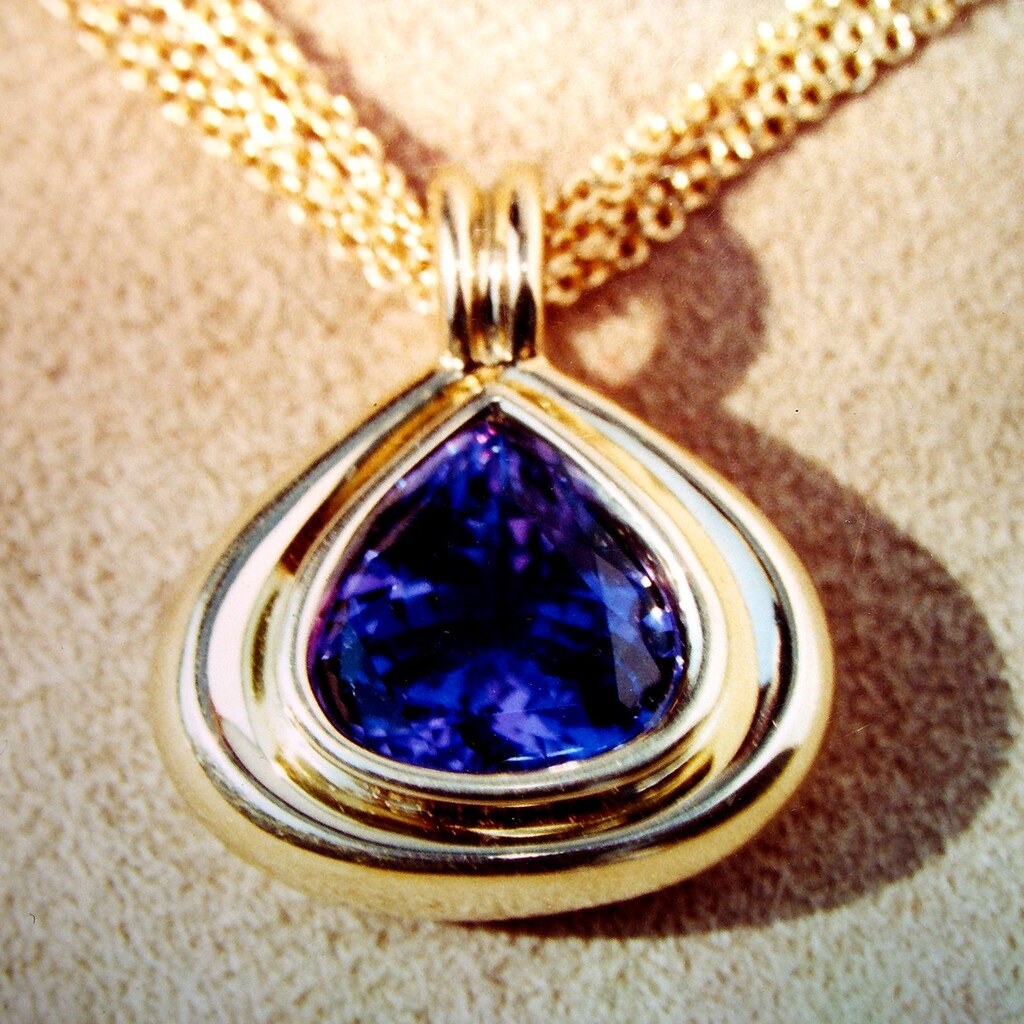
Tanzanite is a mineral that looks a different colour depending on what angle you look at it from - it can be sapphire blue, violet, or burgundy. Tanzanite is a rare gem, found mostly in the foothills of Mount Kilimanjaro.
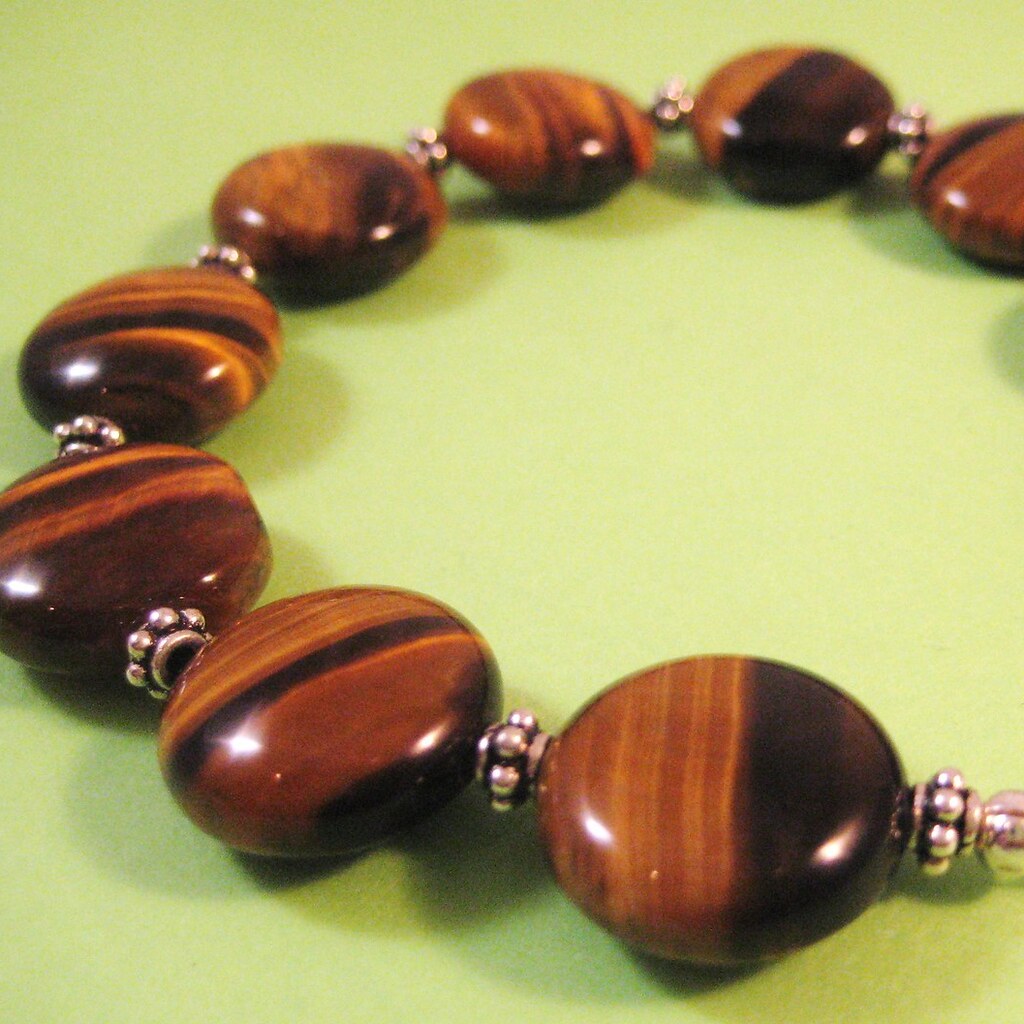
T is for Tiger's eye
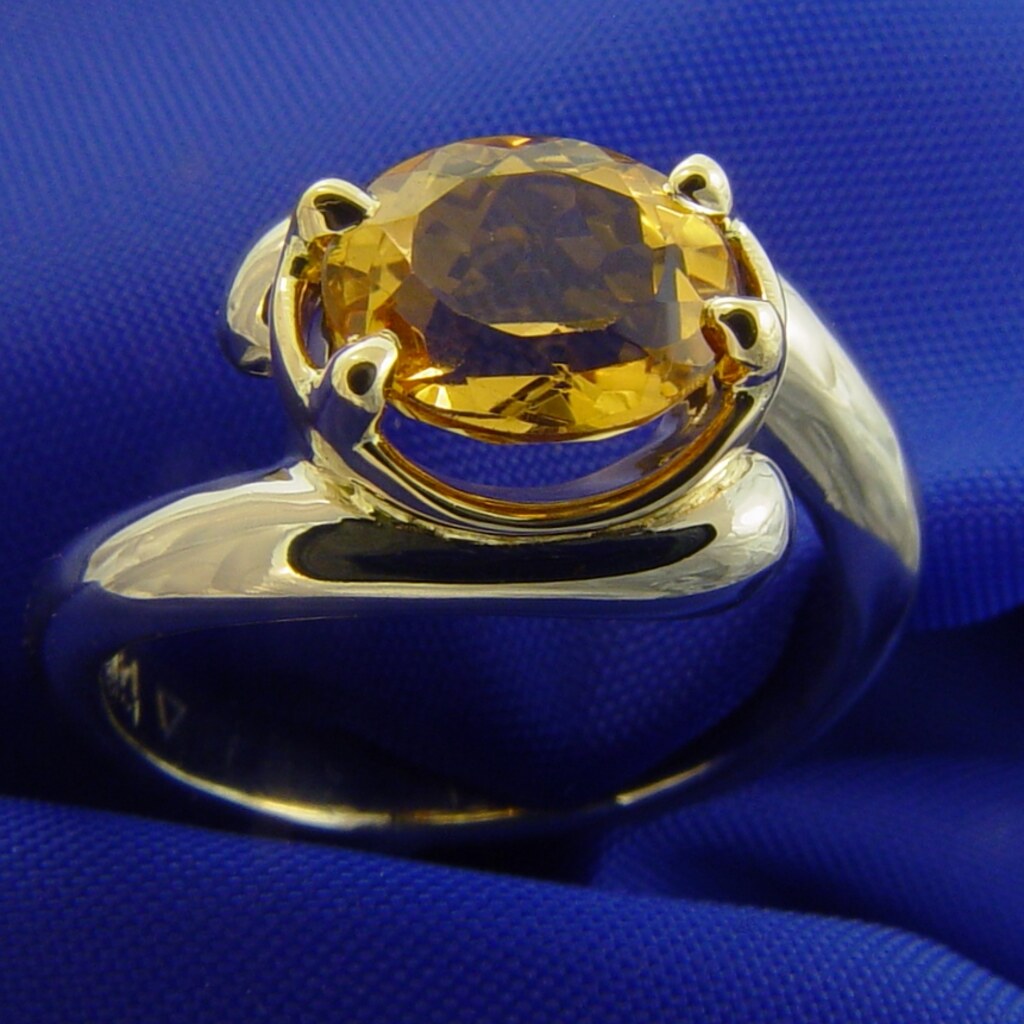
Pure topaz is made from crystalline silicate of aluminium and fluorine. When it is pure it has no colour, but can be coloured pale yellow, brown, pale green, reddish or even rare instances blue if the stone contains impurities.
Topaz has been used in jewellery for thousands of years, and originally any clear yellow stone was called topaz. Now only stones that are the correct chemical composition can be called topaz.
Topaz has been used in jewellery for thousands of years, and originally any clear yellow stone was called topaz. Now only stones that are the correct chemical composition can be called topaz.