up to Nature

Weather

Rain and snow, hail and fog, and natural disasters too. Some weather you can enjoy, some you should be afraid of.

Showing 1-20 of 27

Ais forAurora

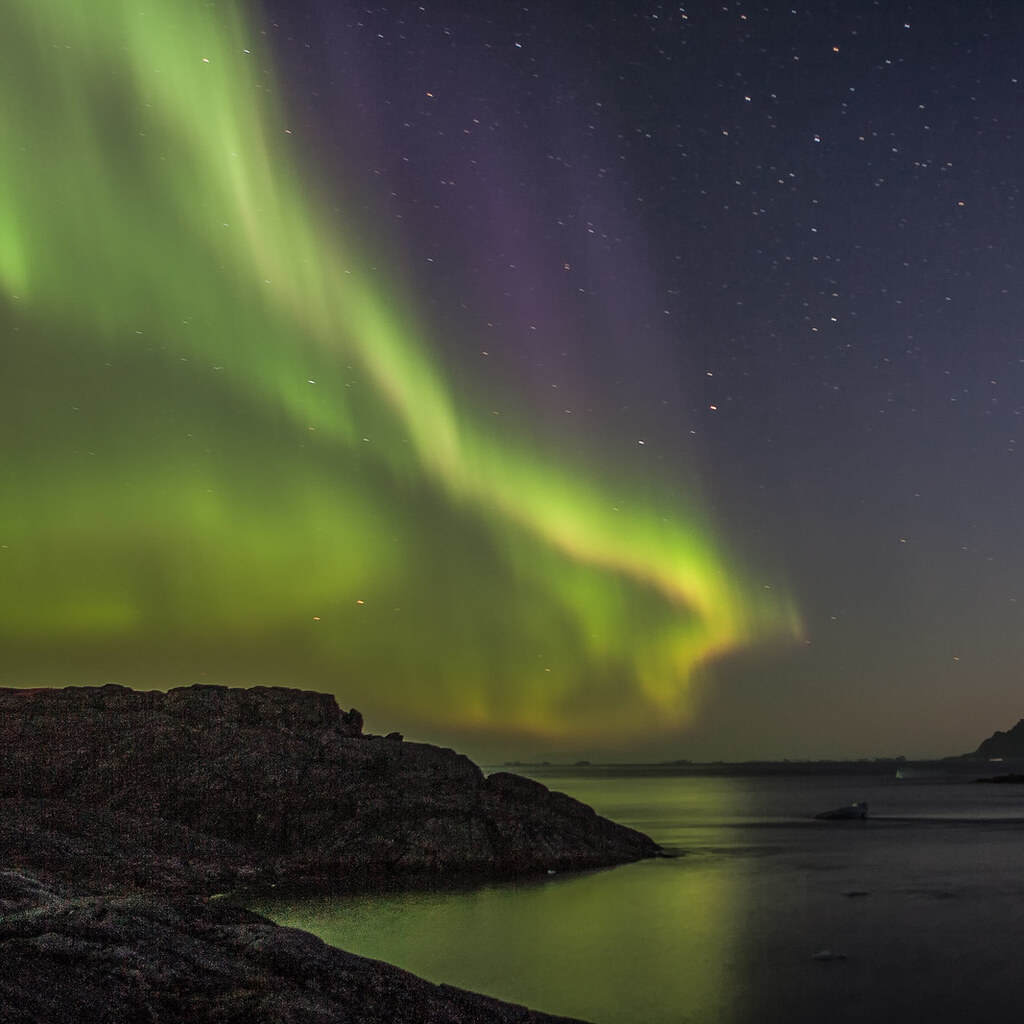
Auroras, sometimes called the Northern Lights or Aurora Borealis, are lights that are seen in the sky in areas close to the north pole. They occur when solar winds from the sun pass through the Earth's atmosphere. The shape of the lights follows the Earth's magnetic field.
Cis forCloud

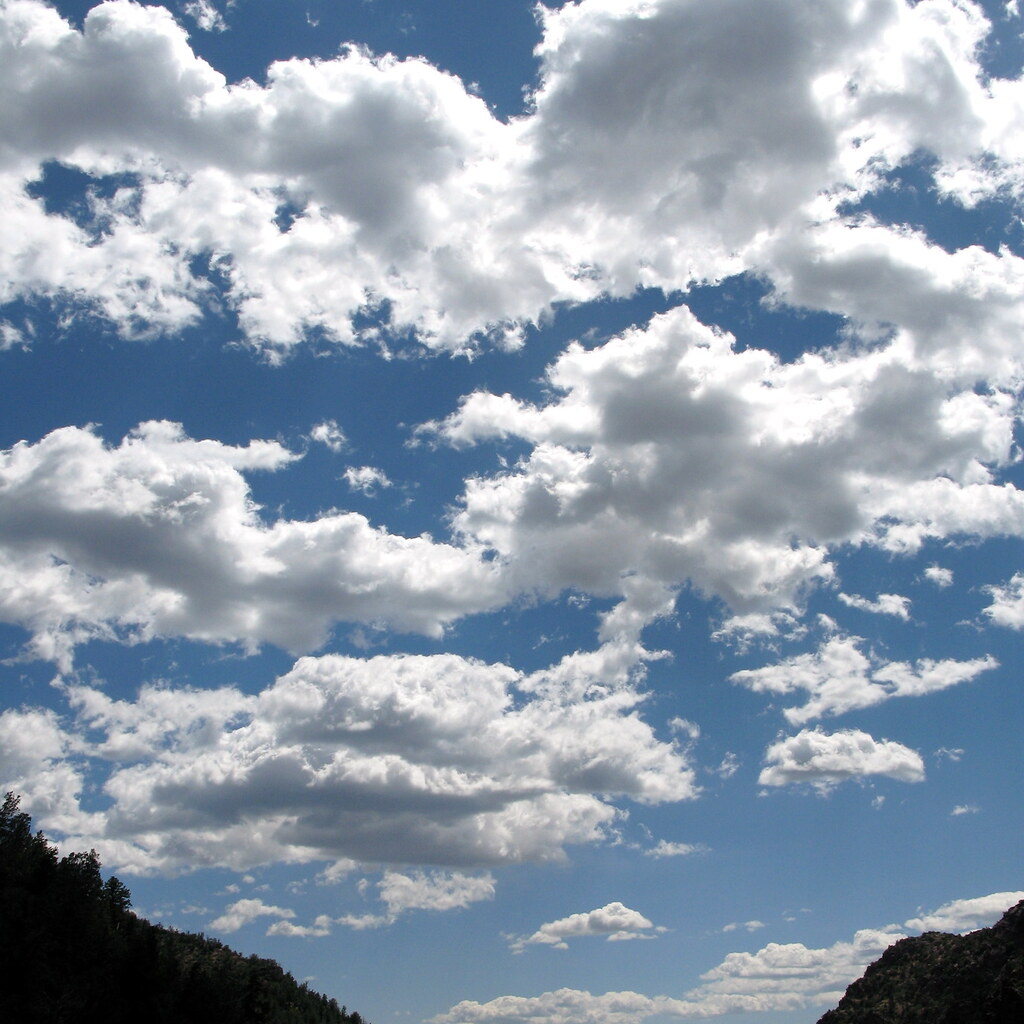
Clouds are found in the sky. They are made from water. When they get too big and too full of water, it rains.

Cis forCyclone

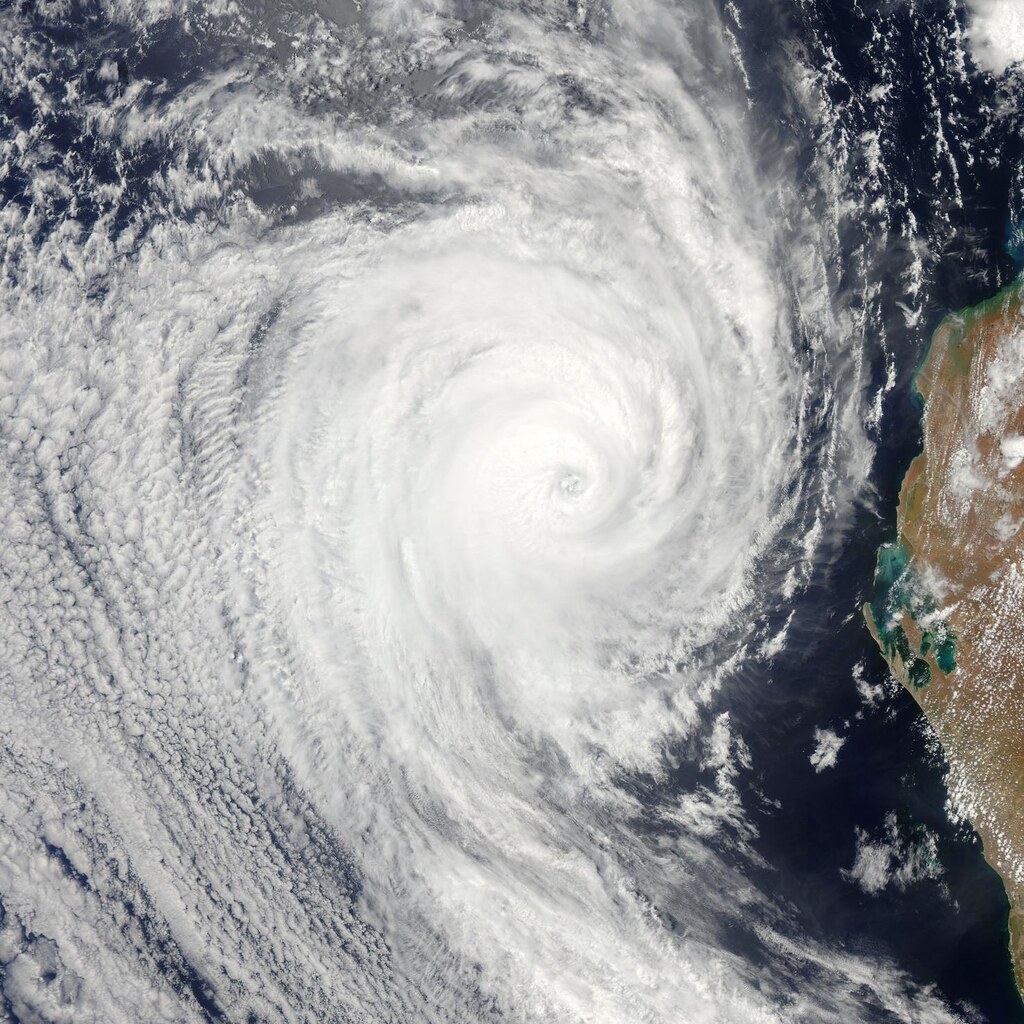
A cyclone is a very large weather event, which has low pressure at the center with winds that go around the center point. Cyclones turn anticlockwise in the northern hemisphere and clockwise in the southern.
Dis forDew

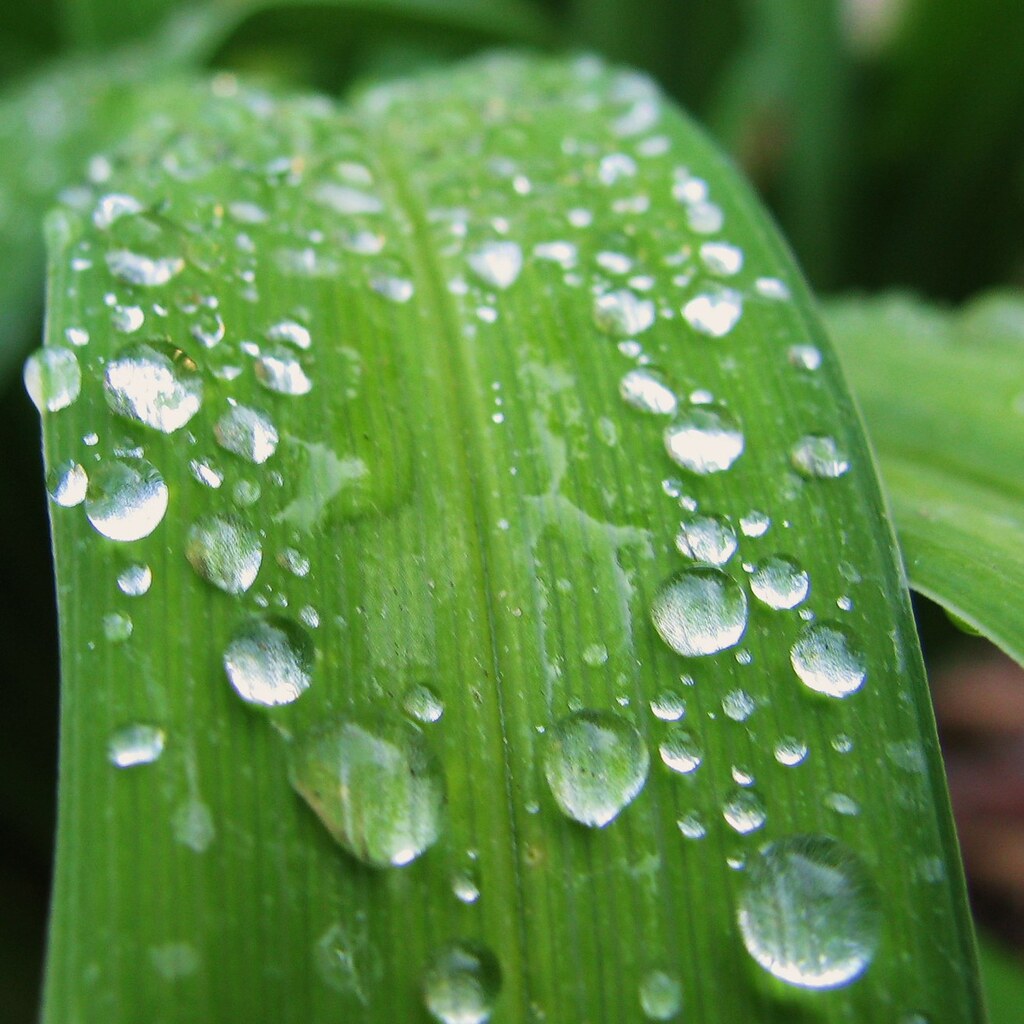
Dew forms in the early hours of the morning, before sunrise. Moisture from the air condenses onto surfaces like leaves as the air cools down.

Dis forDrought

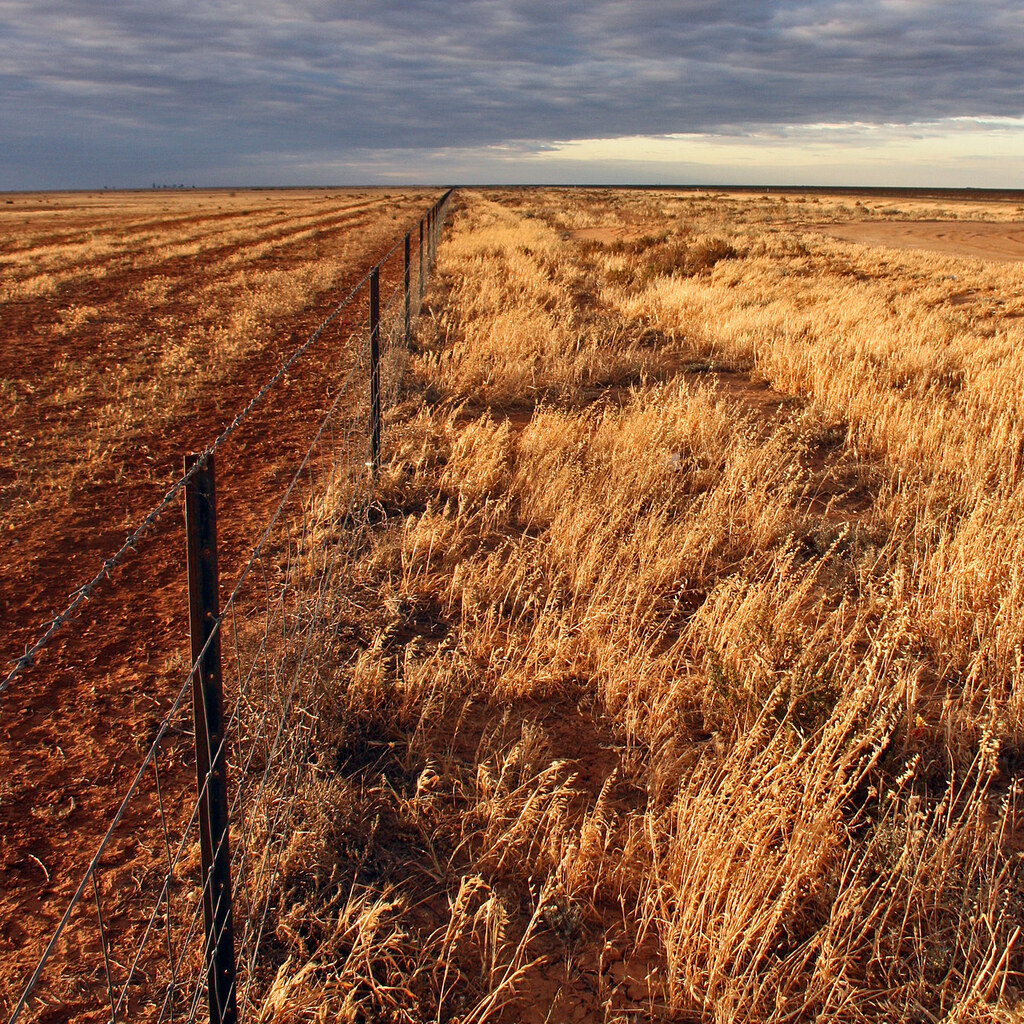
A drought is an extended time where lower than normal amounts of rain falls. During a drought, rivers and lakes can dry up, and many plants and animals die.
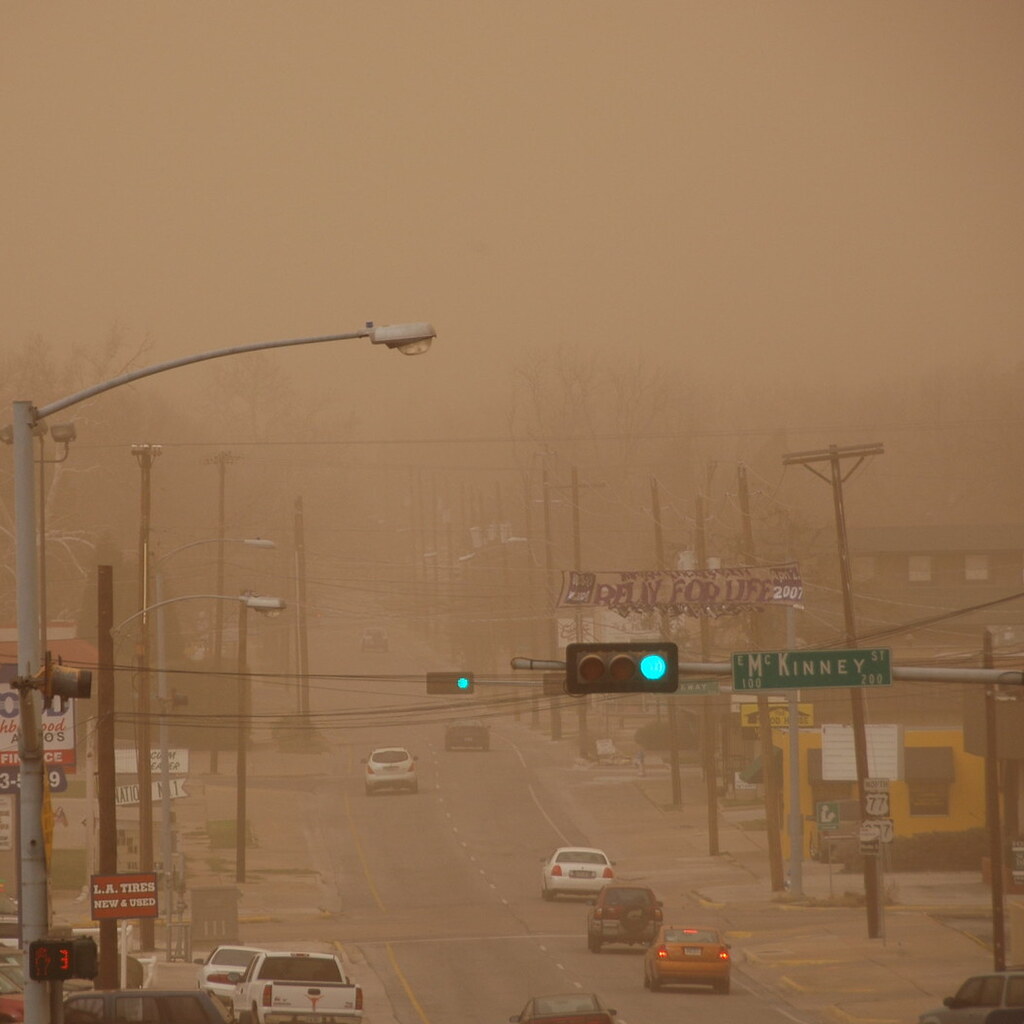
A very windy storm without much rain can blow a lot of dirt up off the ground and into the air. This is called a dust storm. Sometimes there is so much dust in the air you cannot see very far at all.

Fis forFlood

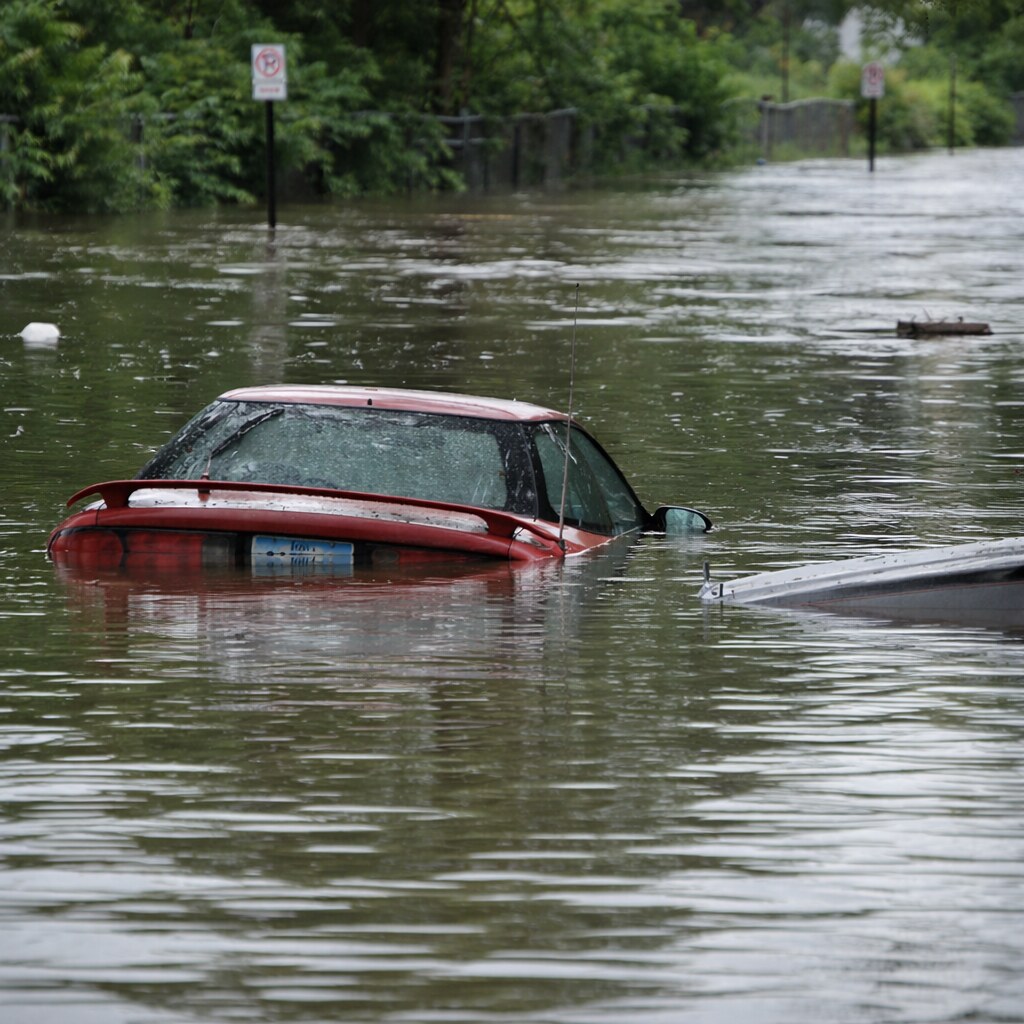
A flood is water covering or submerging land. Floods can happen when it rains faster than the ground can soak up the water or let it run away, or by a rising river that bursts its banks. Floods can also be caused by very high tides or storms that push seawater inland.

Fis forFog

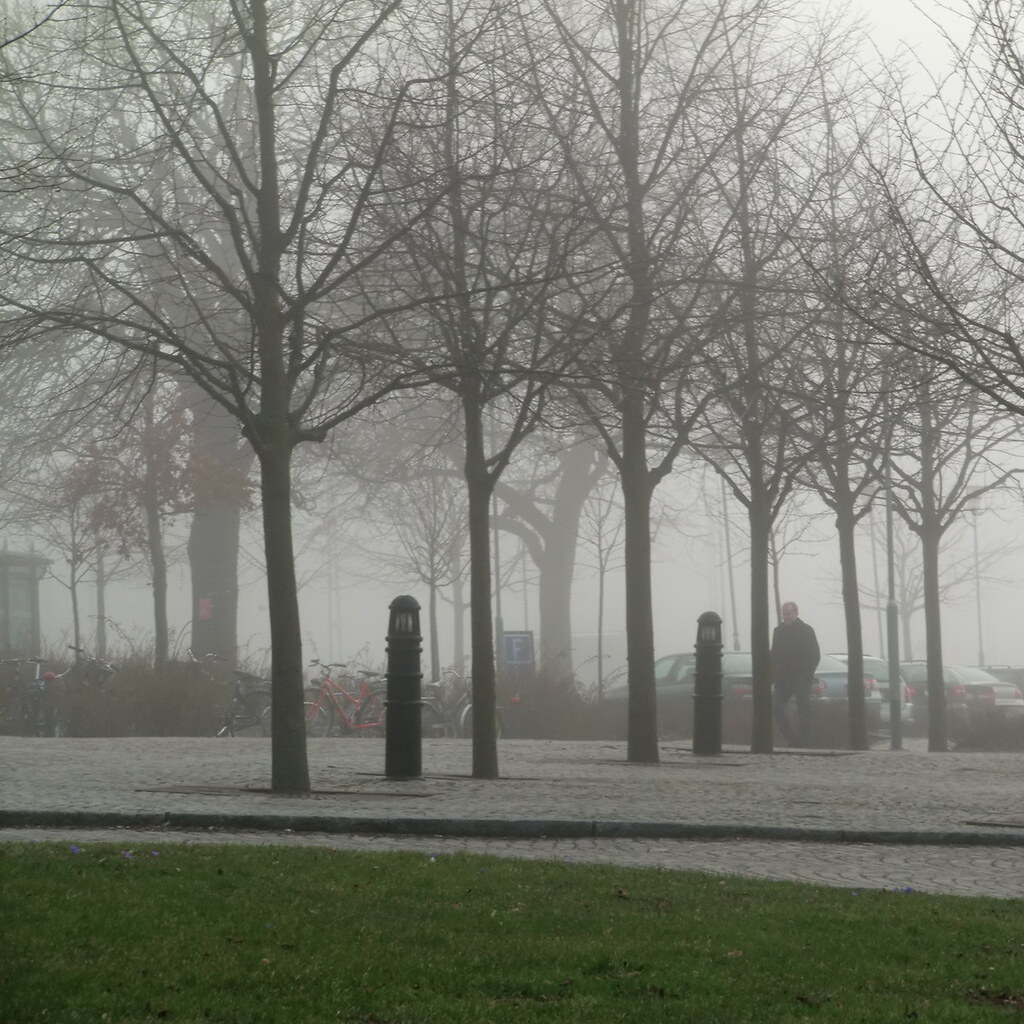
Fog happens when a cloud is down at ground level. Fog covers everything in white mist, and you won't be able to see very far if you are in fog.

Fis forFrost

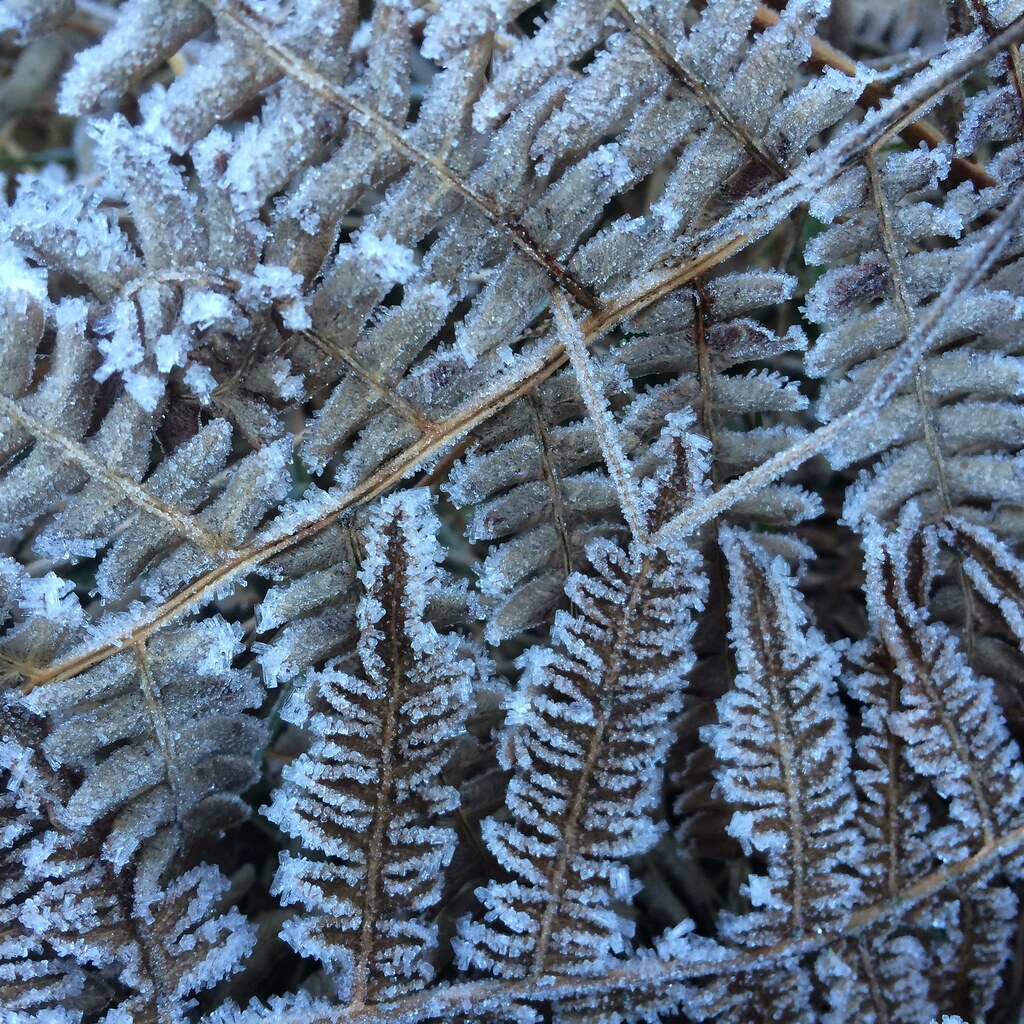
Frost happens when something gets cold enough for water in the air to freeze on it. Frosts usually happen overnight, and in the morning there will be small ice crystals covering everything.
Frost can kill many kinds of plants, especially young seedlings.

Gis forGale

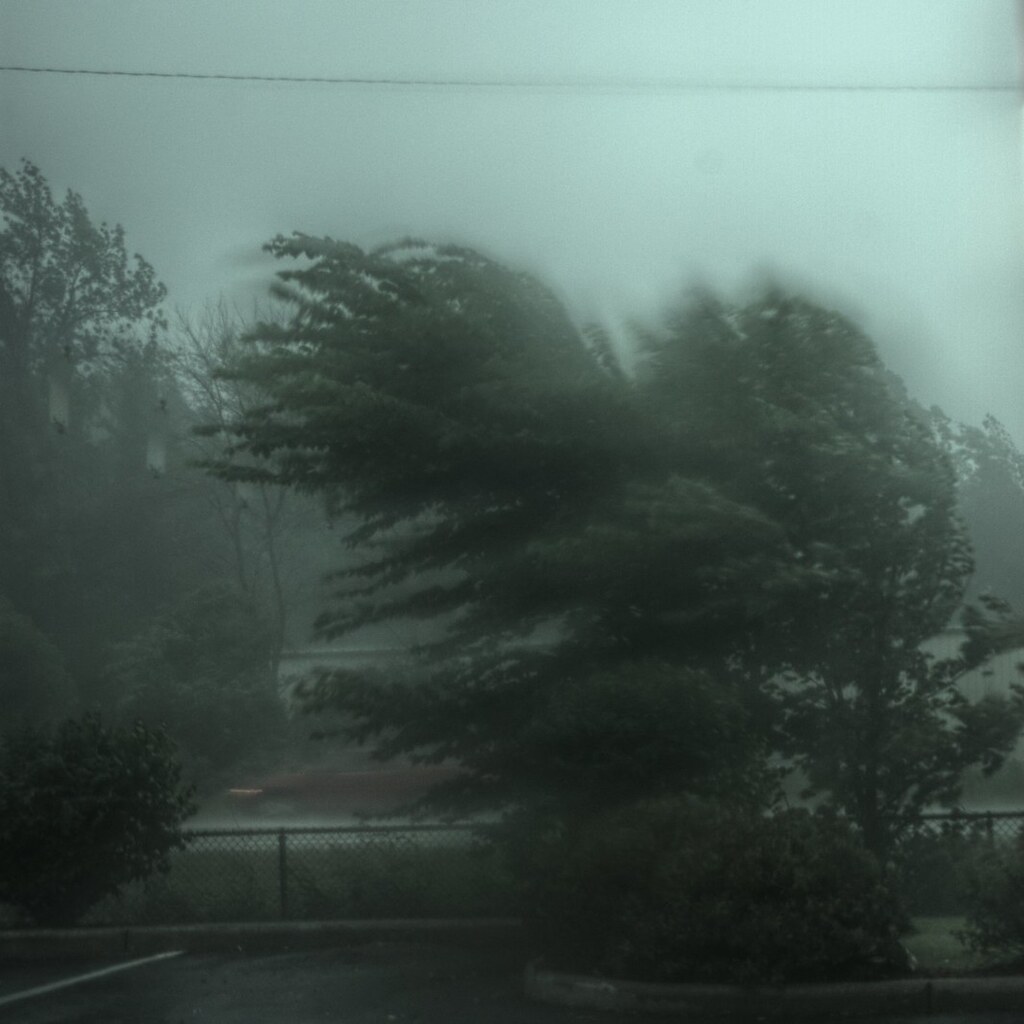
A gale is a very strong wind. Specifically, a gale is winds between 32 and 63 miles per hour, or 14–28 meters per second.

His forHail

Hail happens during very cold storms. Hailstones are lumps of ice that fall from the clouds. Hailstones can be quite big and can do a lot of damage to things they hit.

His forHaze

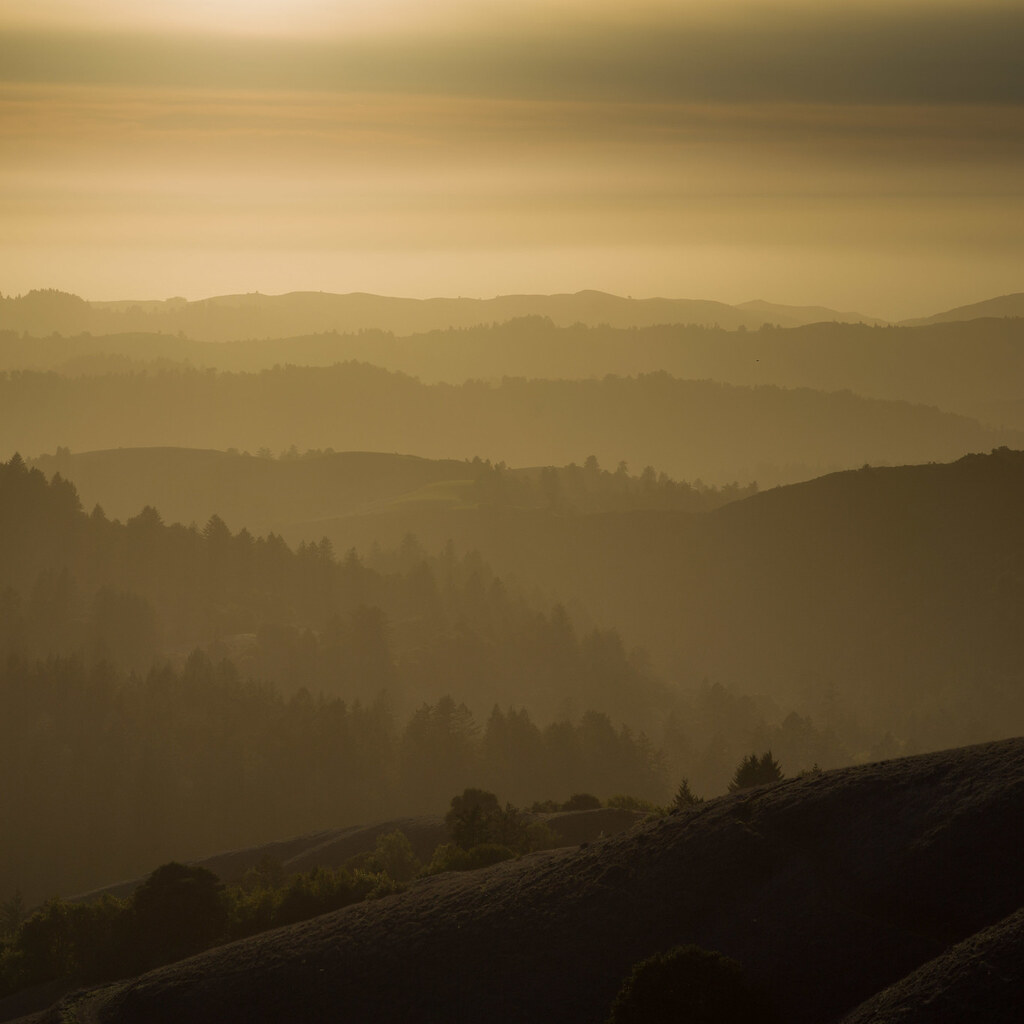
A haze is a lot of small particles floating in the air that give the air a slightly opaque effect. When there is a haze in the air you can't see as far as you usually can.
Hazes are often made out of suspended dust or smog. Hazes made from water droplets are usually called fog.

His forHumidity

Humidity is a measure of how much water is in the air. It is often very humid when it is hot, and it has been raining. Tropical parts of the world are humid.
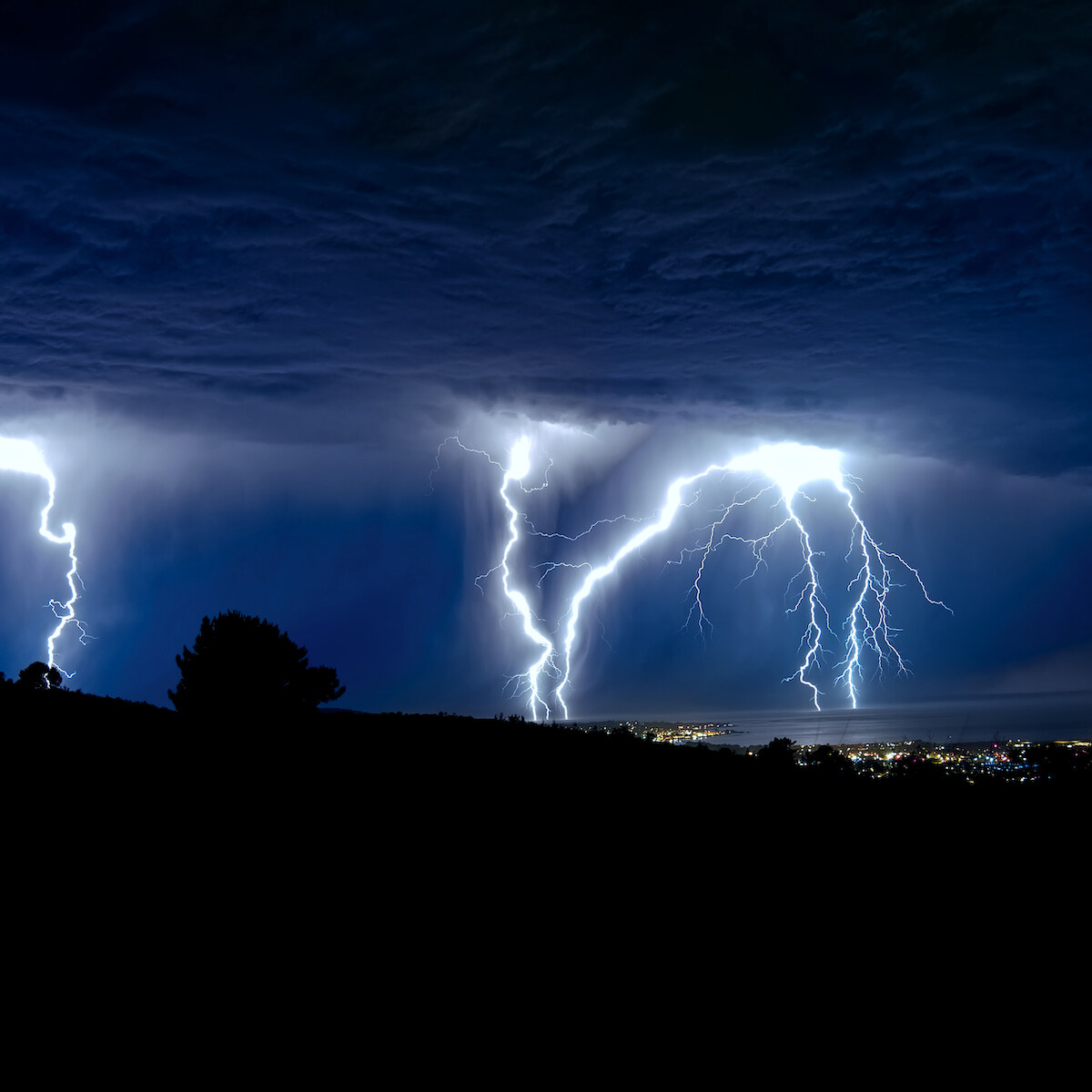
Lightning is a discharge of static electricity during a thunderstorm. Thunder is actually the sound of the lightning, but if you are a long way away from the lightning it may take a while for the thunderclap to reach you.
Lightning is caused by a similar process to being 'zapped' when you touch a car after a drive, or if you scuff your feet along carpet and then touch someone. Lightning is on a much larger scale though, and being hit by lightning can kill you.
Mis forMist

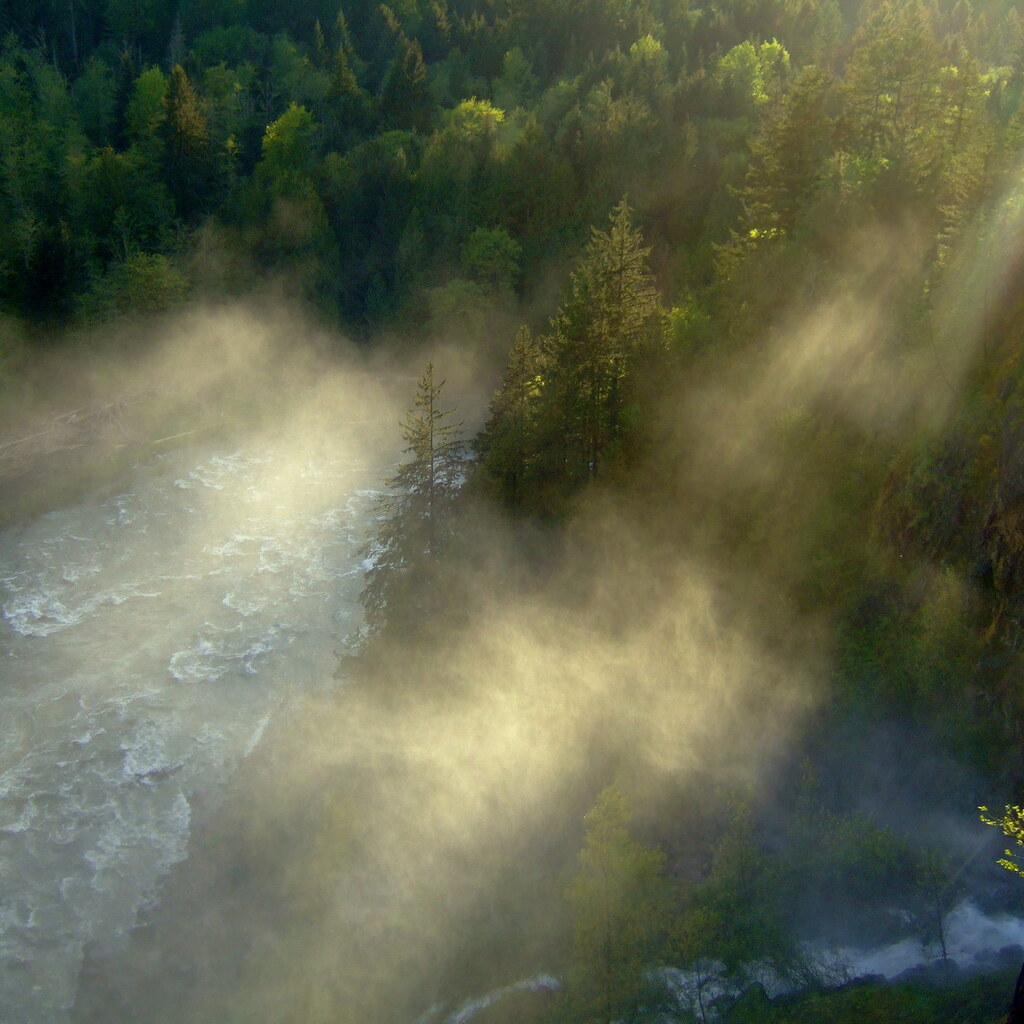
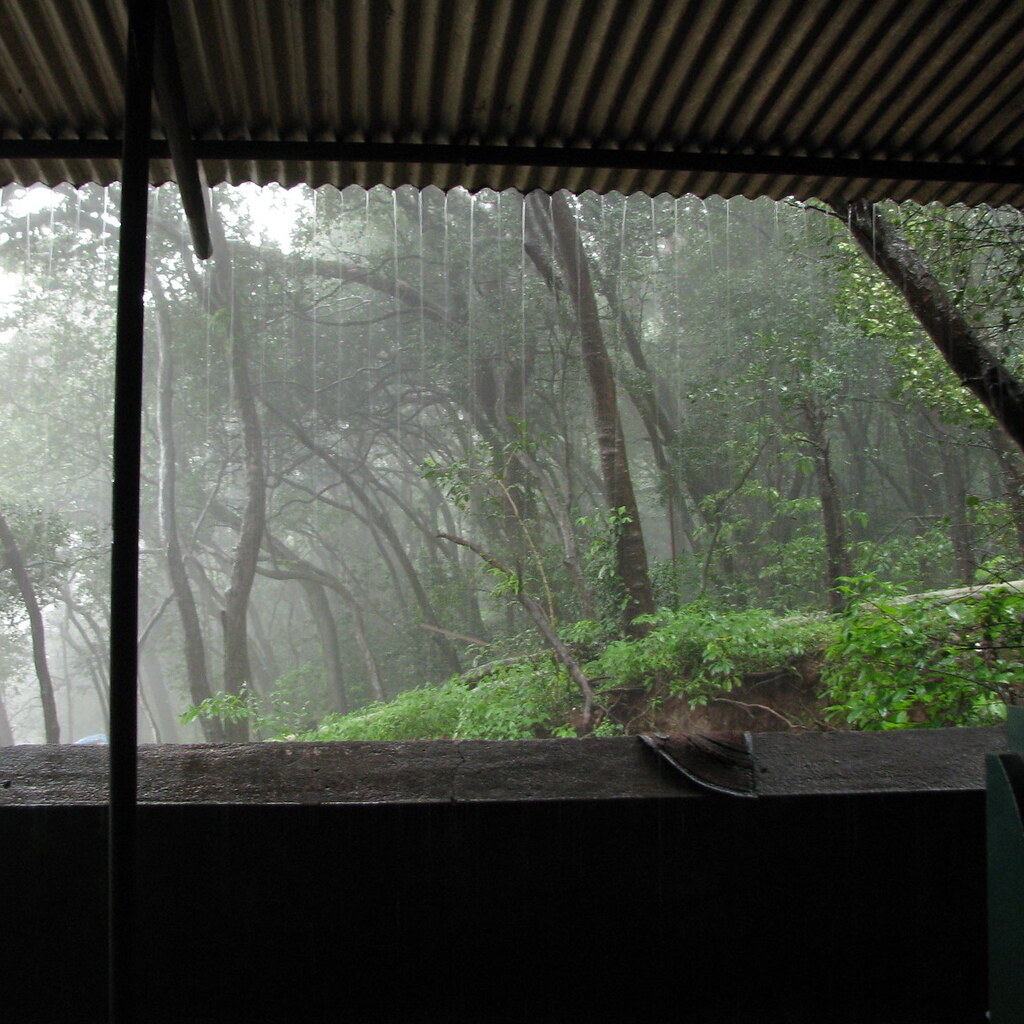
Mist is made from tiny droplets of water hanging in the air. You see mist when it is foggy outside, or around a waterfall or anywhere else that water is being sprayed.

Mis forMonsoon

A monsoon is a seasonal heavy rain brought about by wind from the Indian Ocean. The monsoon season typically lasts for part of the year, with the rest of the year being quite dry.

Ois forOvercast

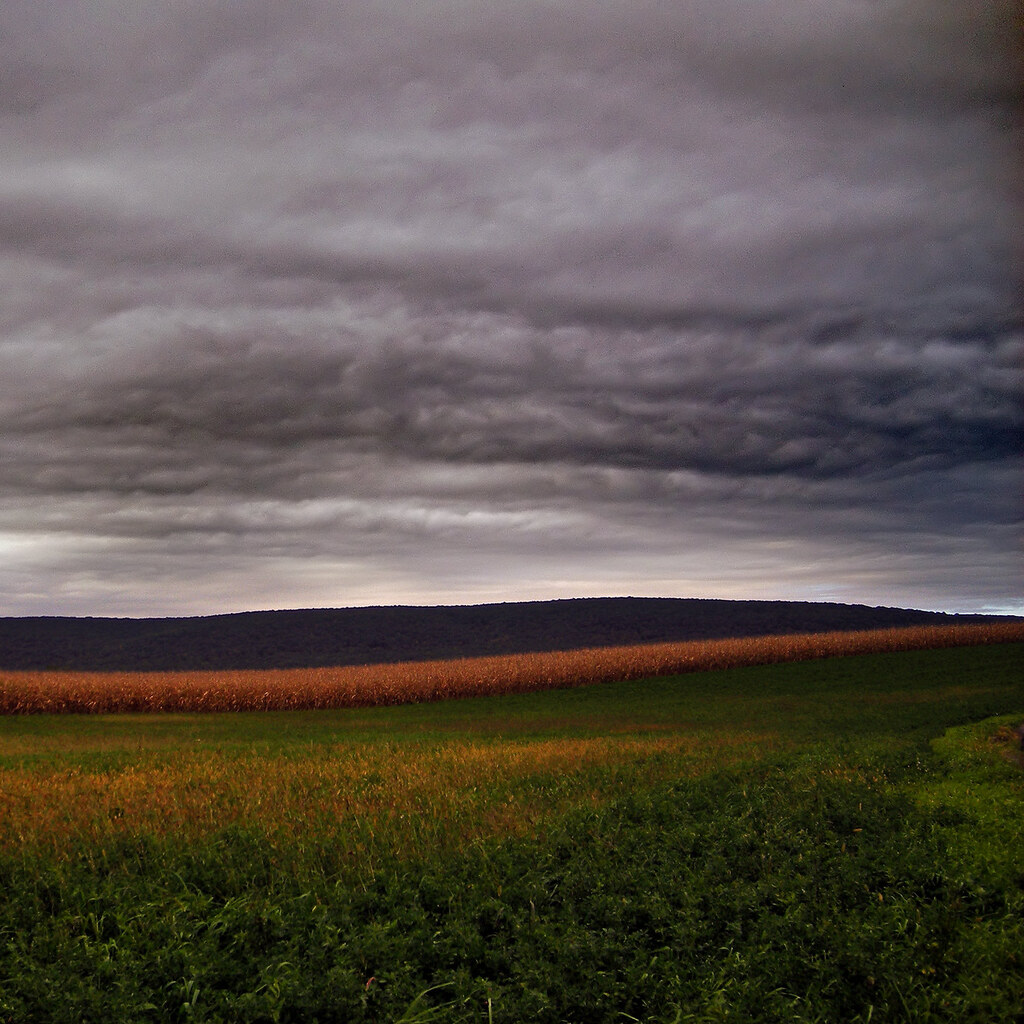
The sky is overcast if it is almost entirely covered in clouds.
On an overcast day, there is often a high chance of rain.

Ris forRain

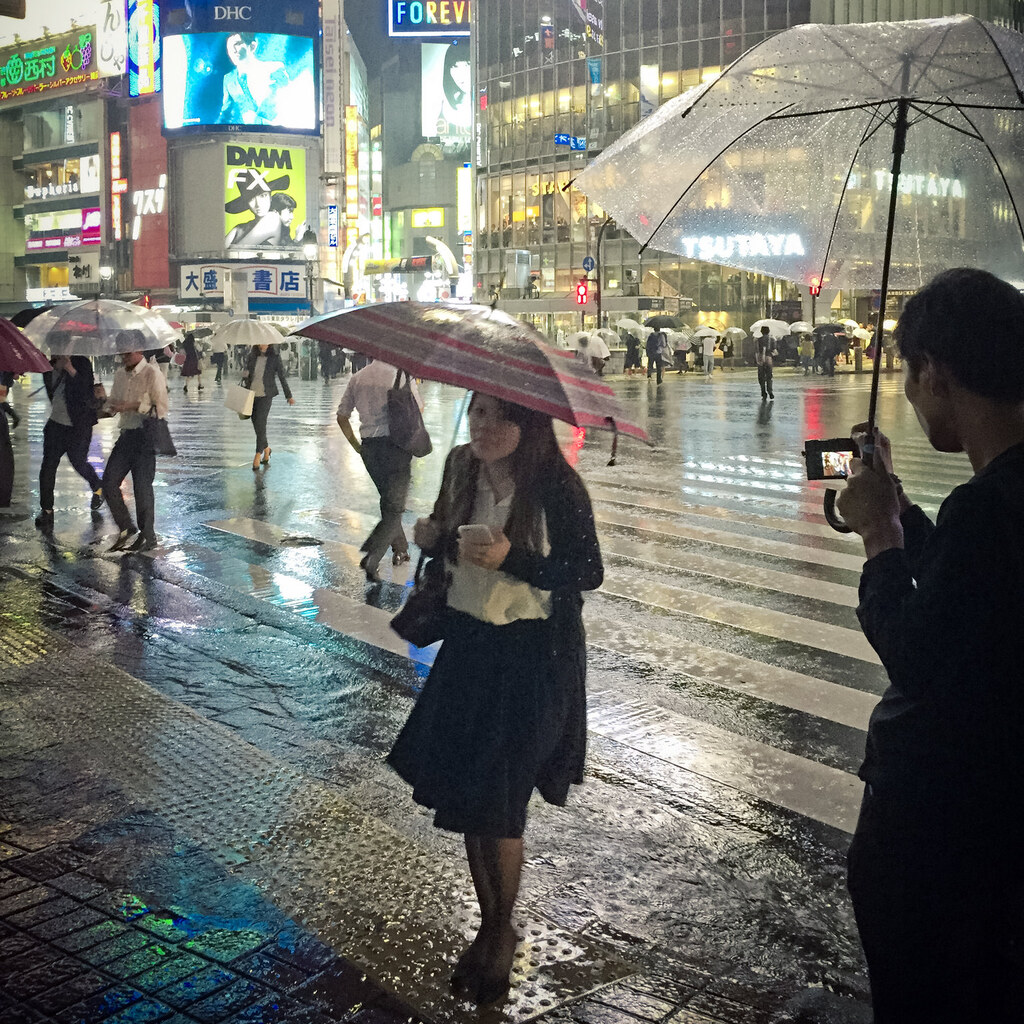
Clouds are made out of tiny droplets of water. As a cloud gets bigger and bigger, the droplets join up and become bigger too. Eventually the droplets get too big and heavy to stay up in the air, and they fall as rain.
Words that sound the same as rain but are spelt differently are reign and rein.

Ris forRainbow

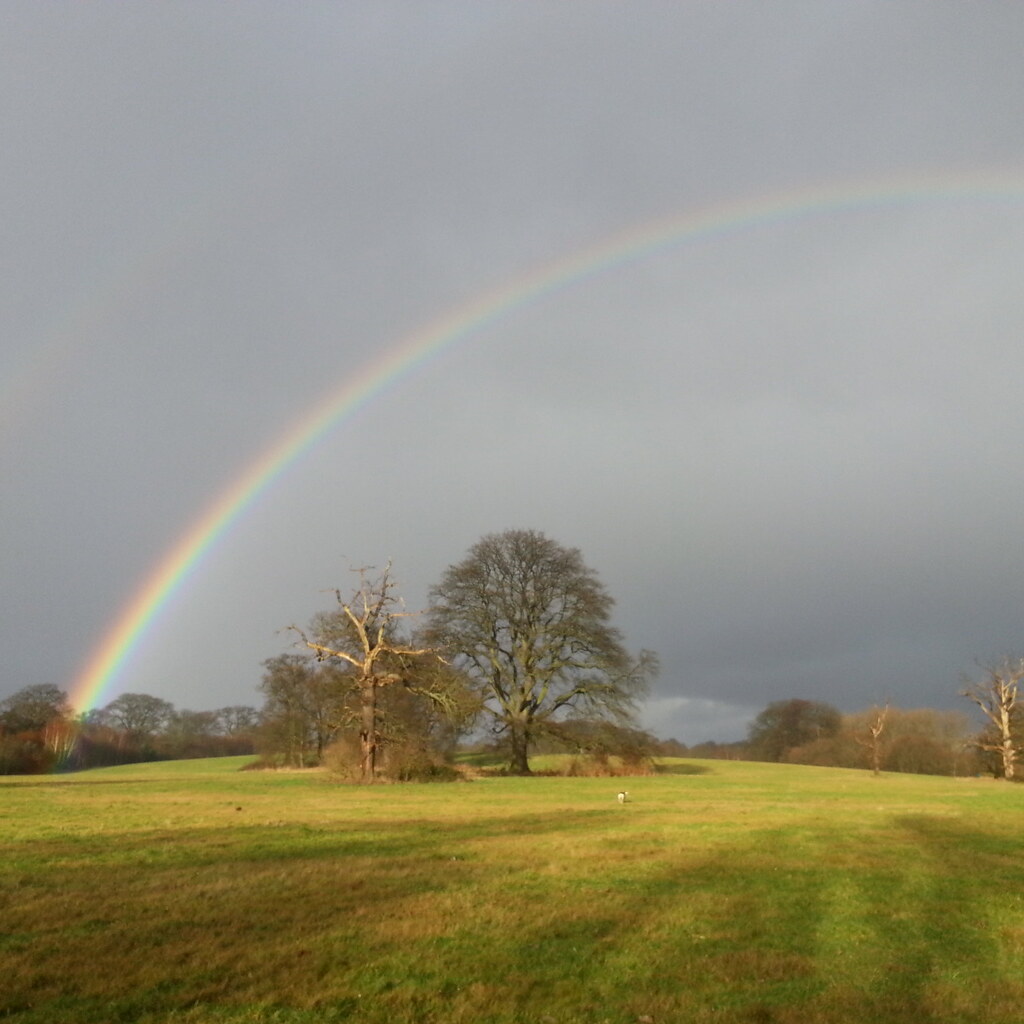
Rainbows happen when the sun shines through a very fine spray of water, like rain in the air or the spray from a garden hose or even from a waterfall.
The rainbow is colourful because as sunlight travels through the water spray, it splits into a spectrum of colours. All the colours you see in a rainbow are there all the time in normal light, but they are mixed up together so you only see white light.
You can also see the colours of the rainbow by shining light through a prism.
Ris forRaindrop

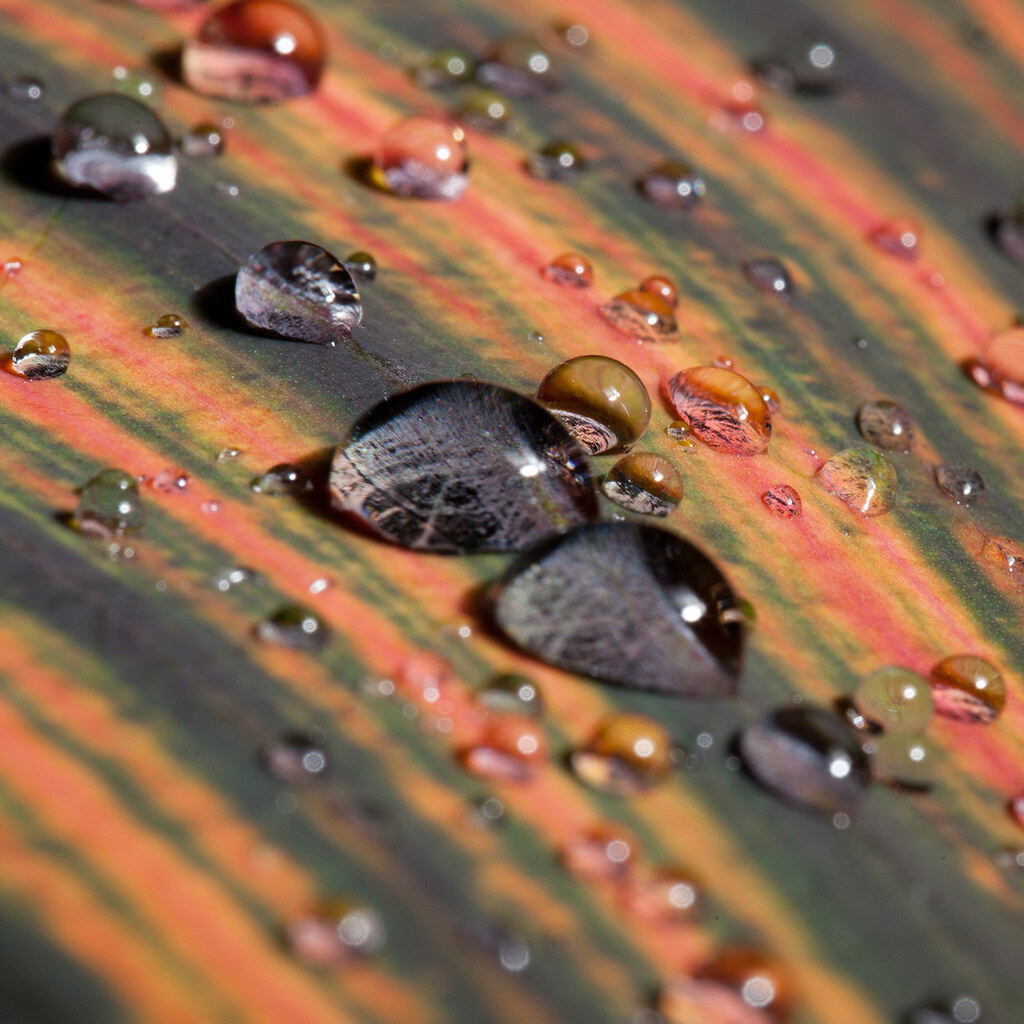
A raindrop is a droplet of water that has fallen to the ground during the rain. The picture is of some raindrops on a leaf.