
Showing 21-32 of 32
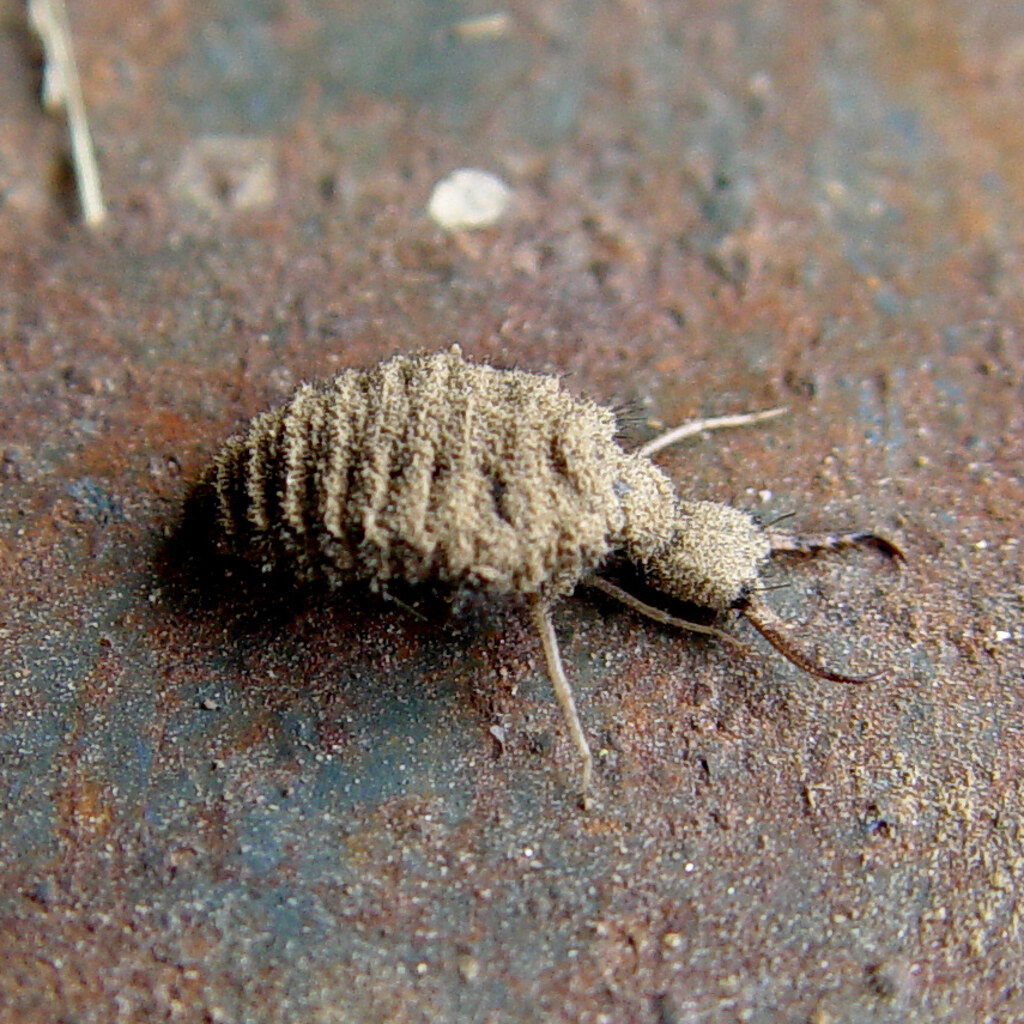
The antlion is the larval stage of a kind of flying insect often called a lacewing. Antlions get their name because they eat mostly ants. They live in dry, sandy areas and make their cocoons out of sand stuck together with silk. They catch ants to eat by digging small pits in the sand. Ants fall into the pits and have trouble getting back out, and the antlion comes out from hiding at the centre of the pit and eats them.
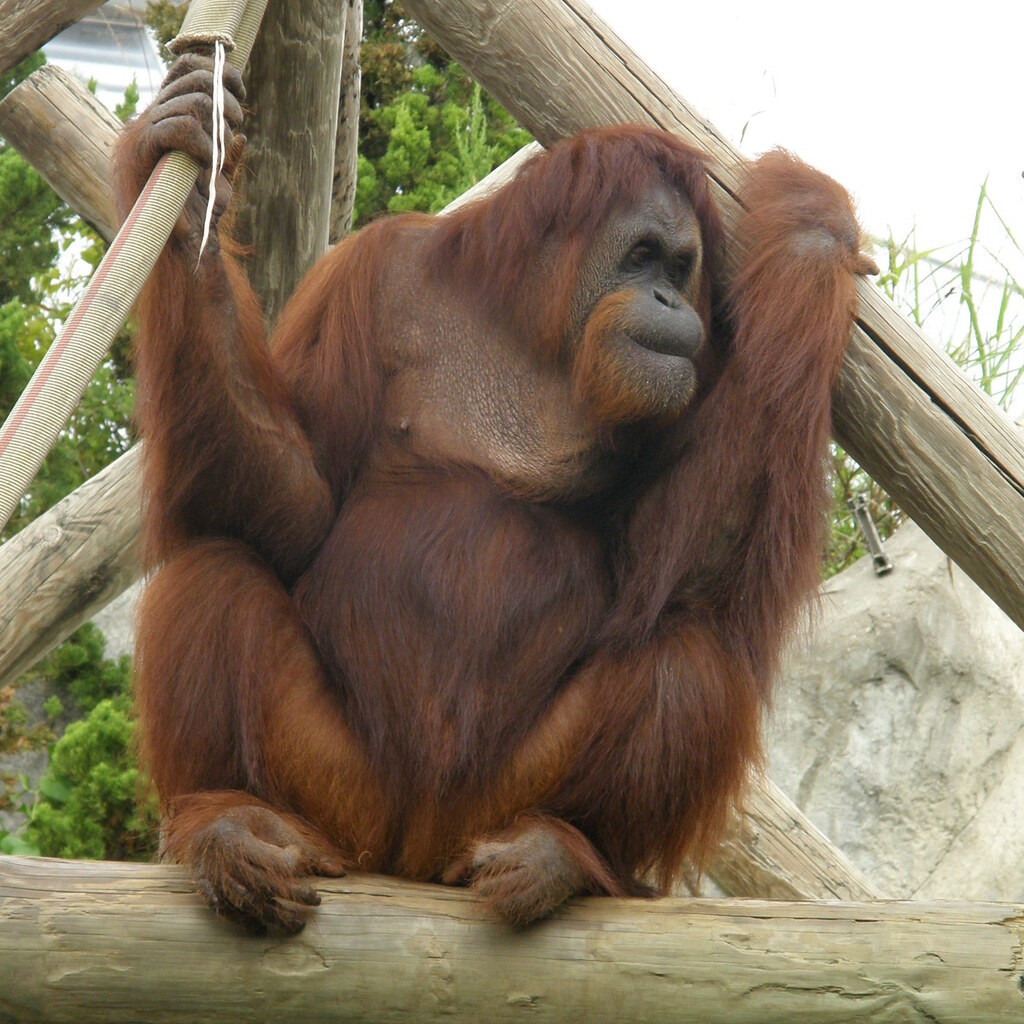
Apes are creatures closely related to humans. Unlike monkeys, apes have no tails. Apes include gorillas, chimpanzees and orangutans.
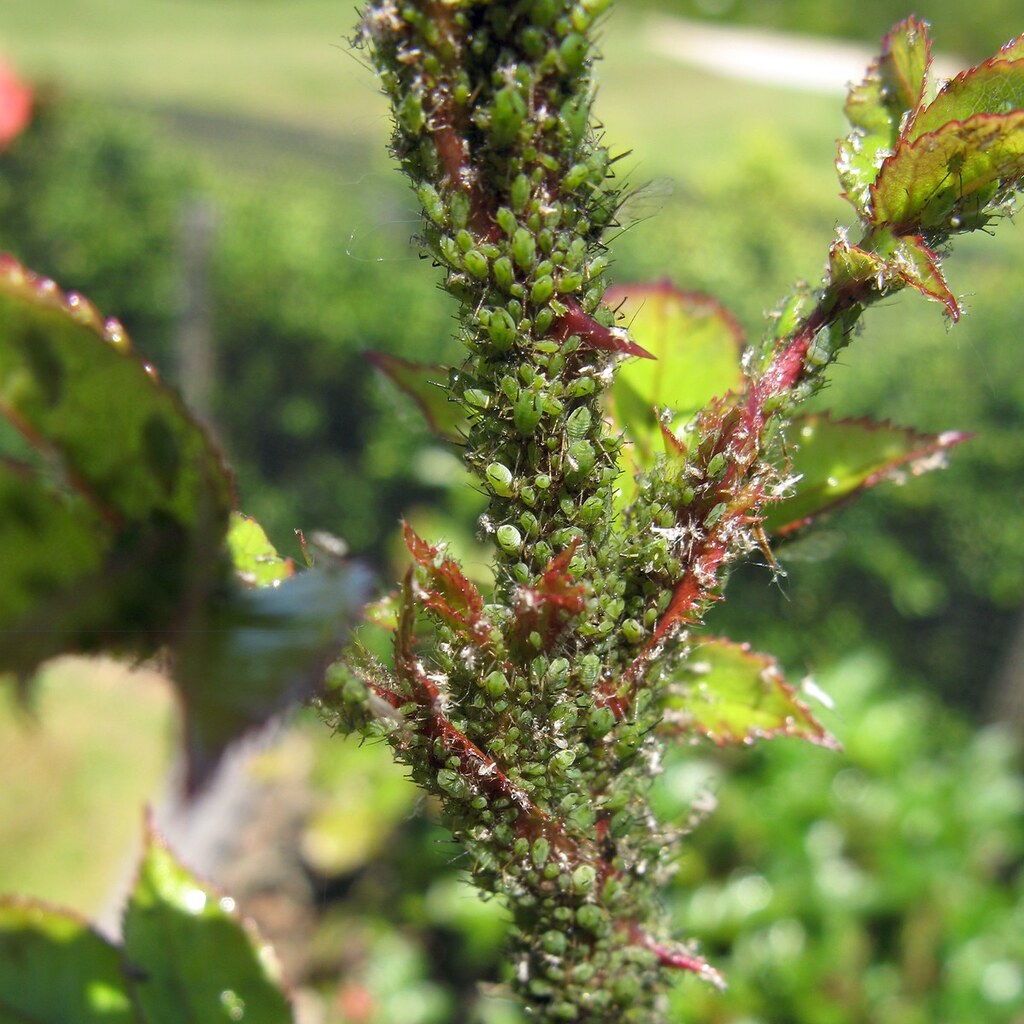
Aphids, also called plant lice, are a tiny, sapsucking insect. They are attracted to fresh new shoots of plants, especially developing fruit and flowerbuds. They can do a lot of damage to crops, and gardeners do not like them. Aphids can be killed by poison, removed by squirting them off with water from a hose, or their numbers can be reduced naturally by encouraging aphid-eaters like ladybugs and wasps into your garden.
The aphids in the picture are on a the developing flower bud of a rose.
The aphids in the picture are on a the developing flower bud of a rose.
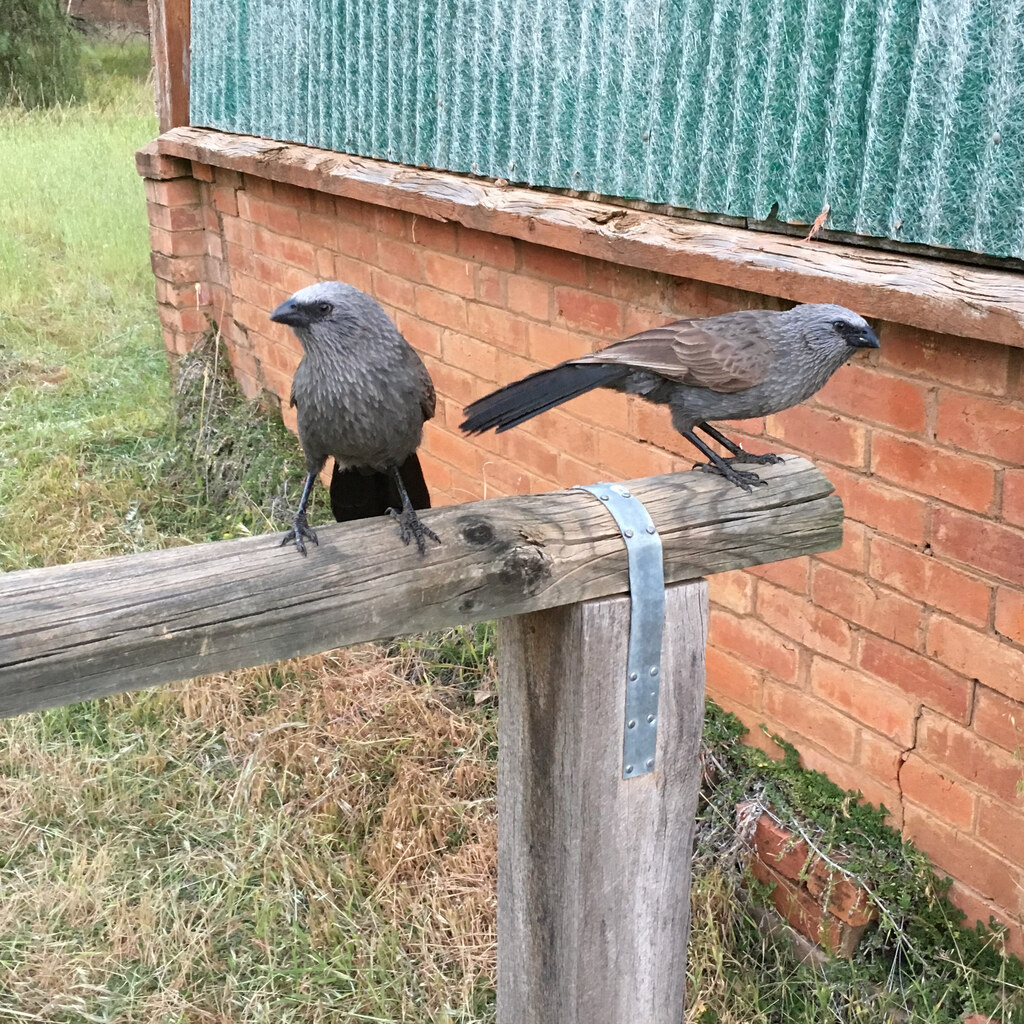
A is for Apostlebird
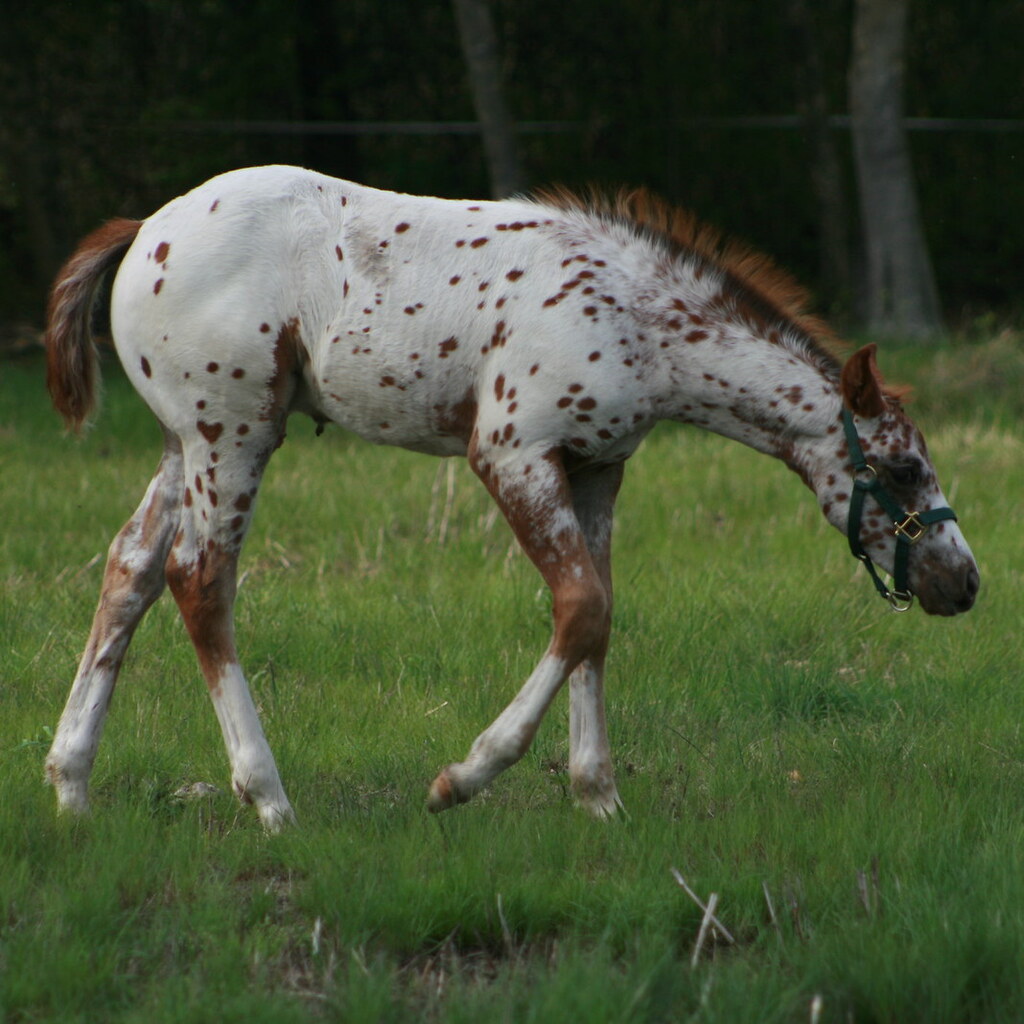
An appaloosa is a breed of horse with a distinctive spotty coat. Appaloosas are usually used as a stock horse.
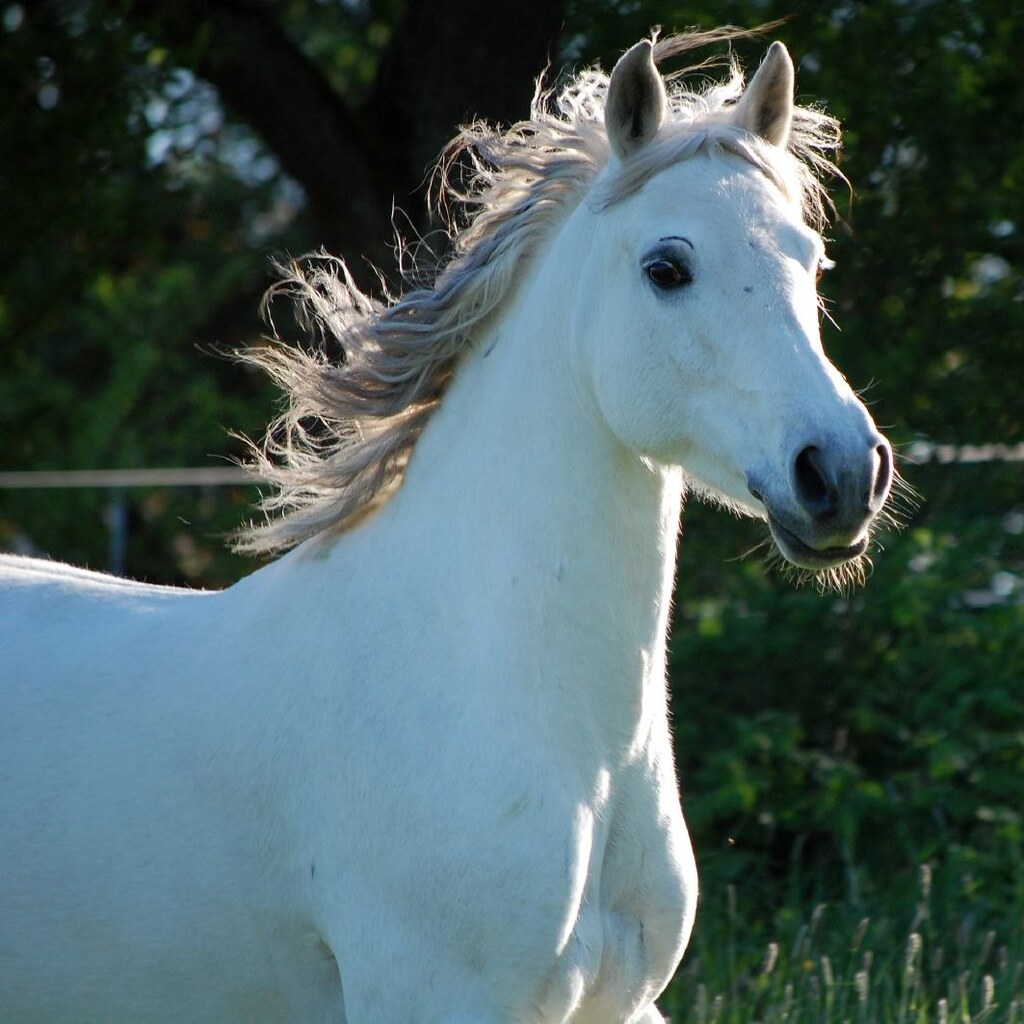
Arabian horses are an ancient breed from the desert of the Middle East. They are fairly small horses with a distinctive shape and carriage. Arabians are elegant, gentle and affectionate.
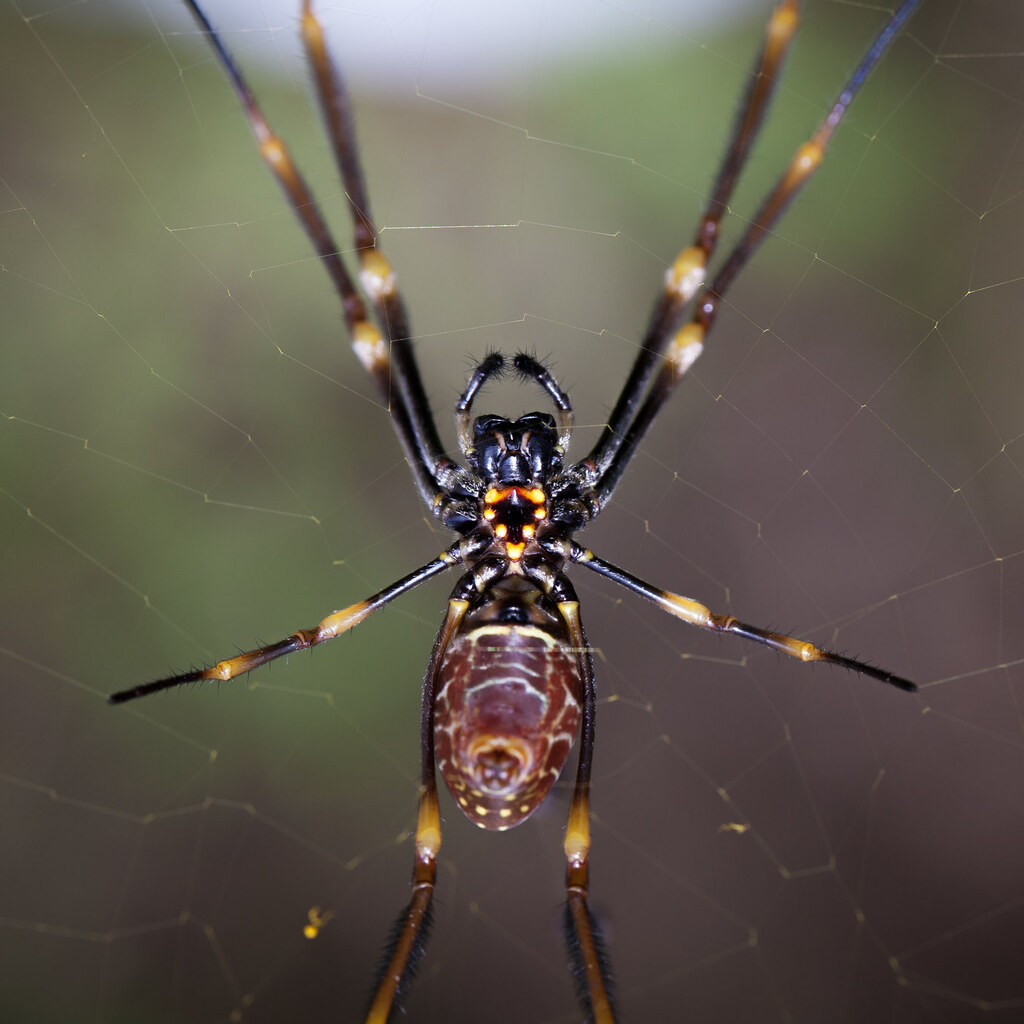
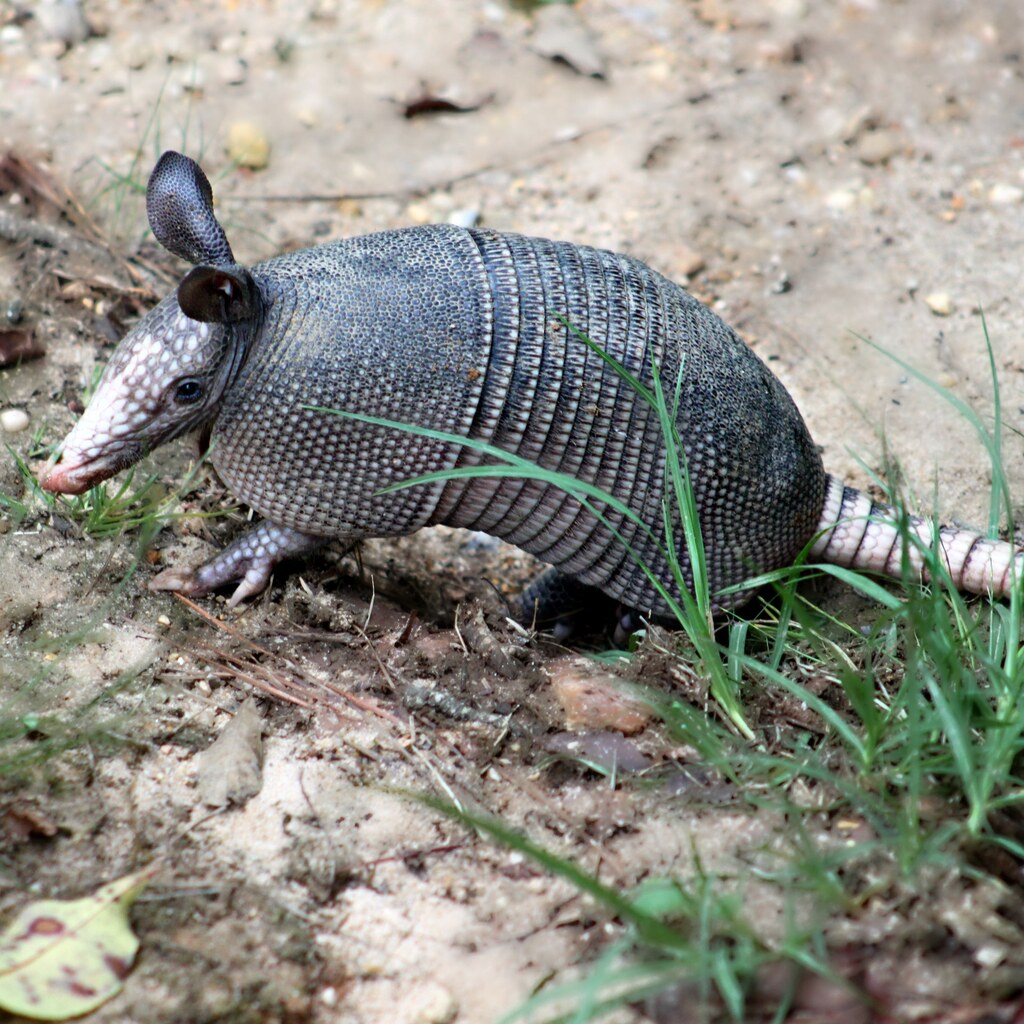
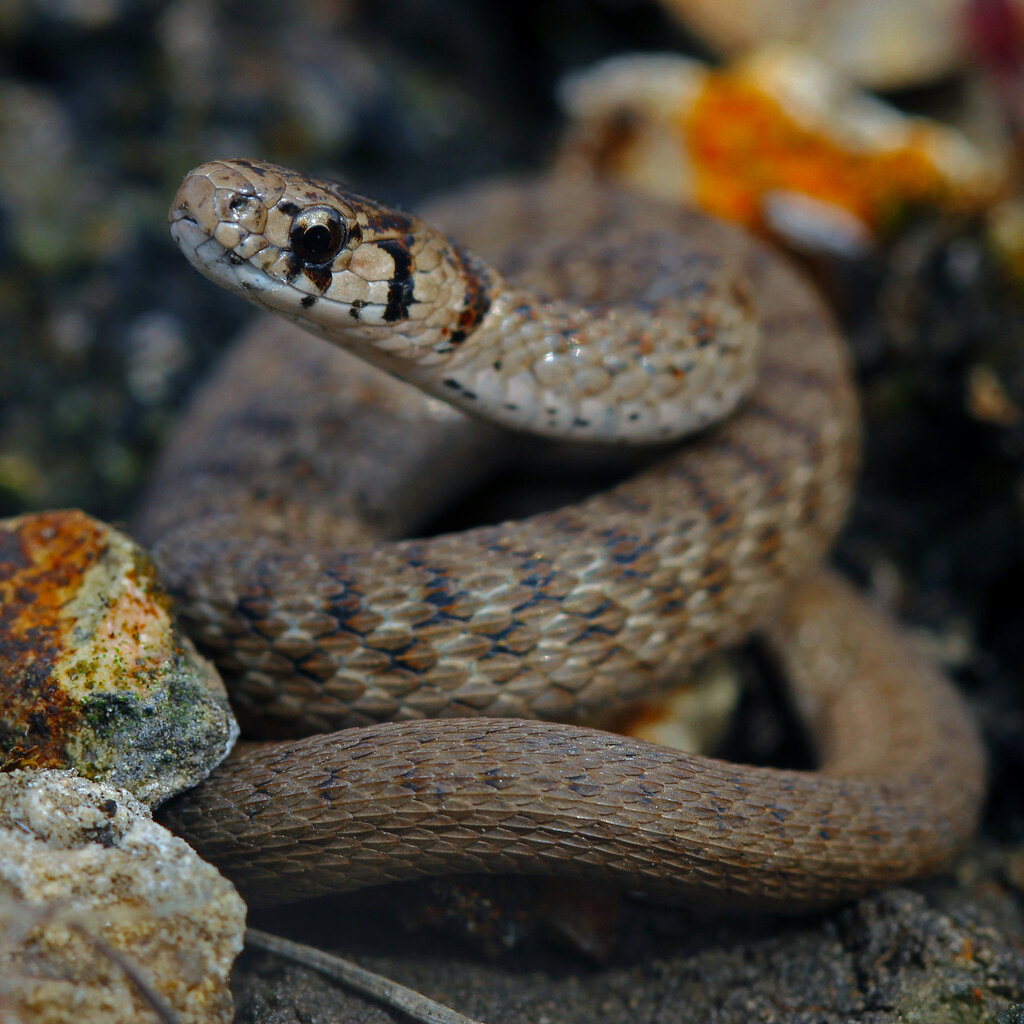
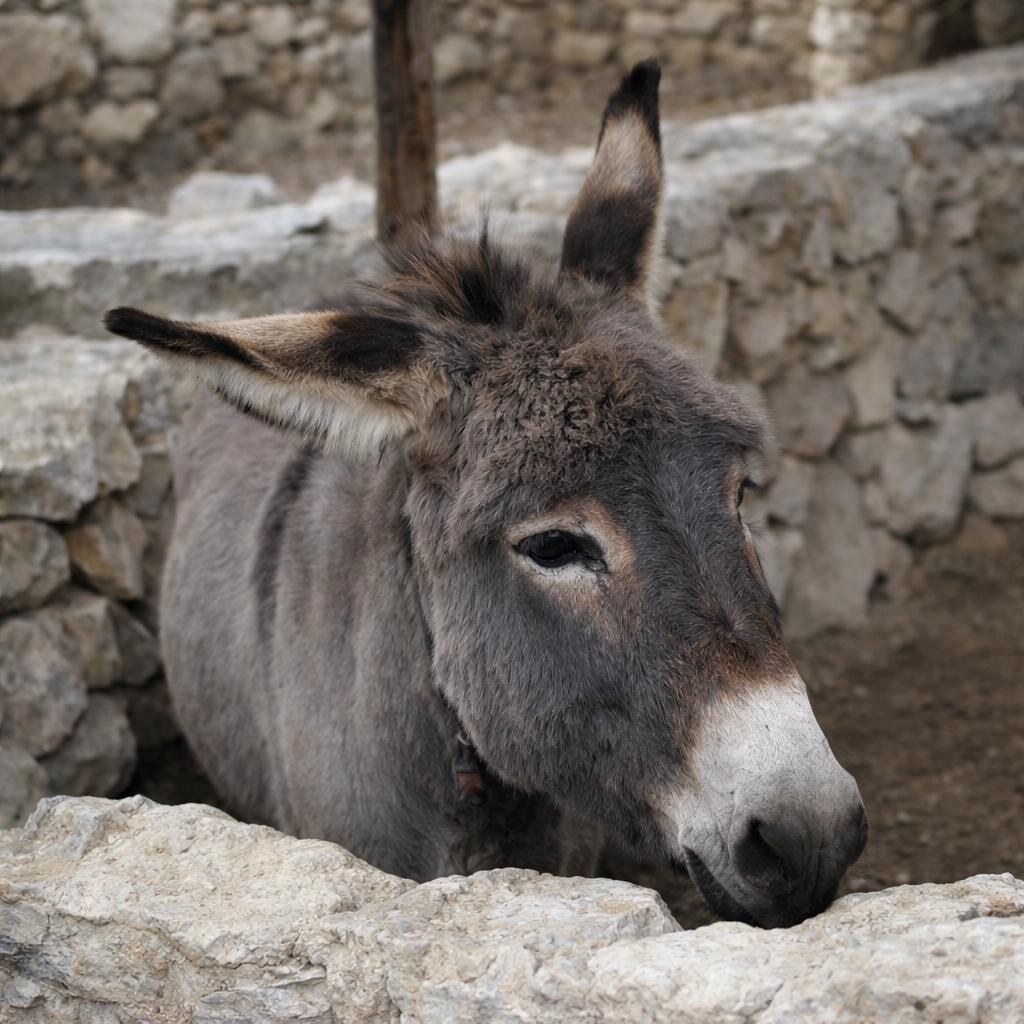
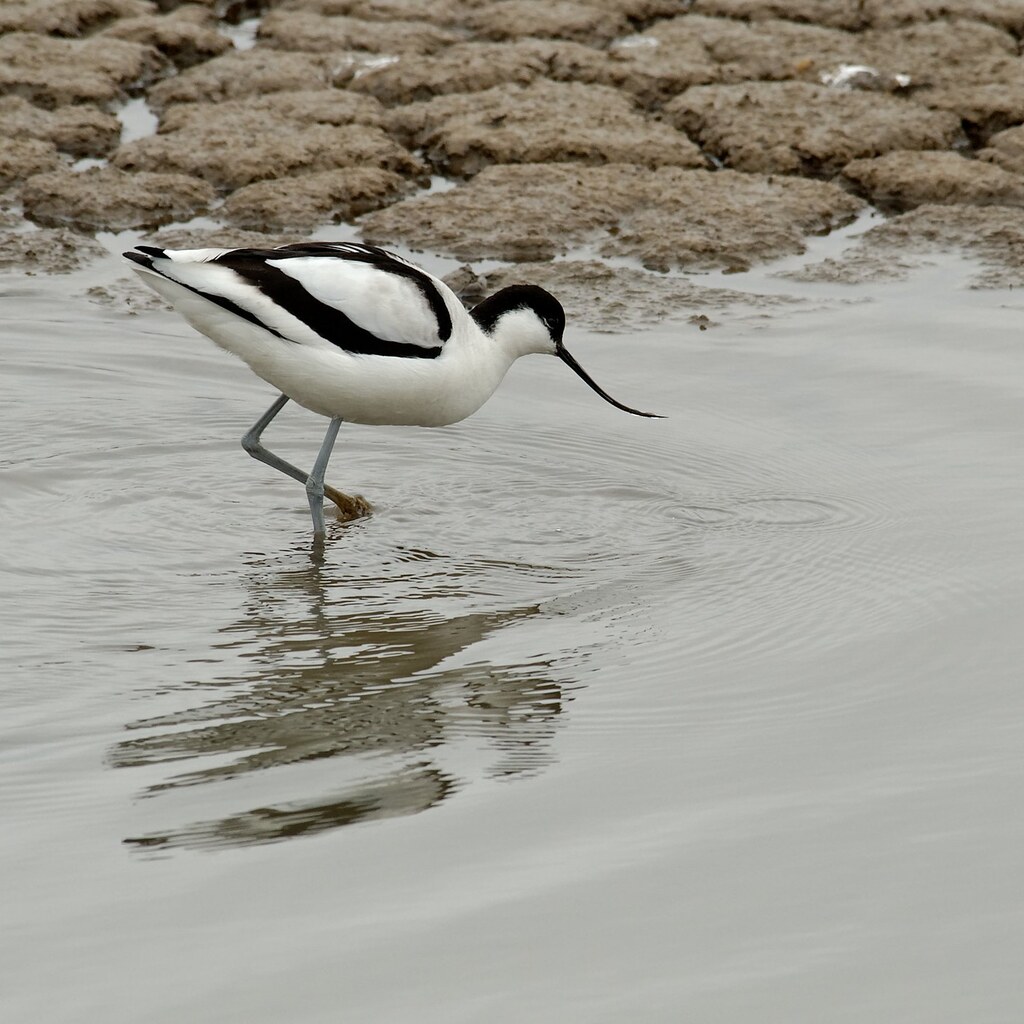
An avocet is a wading bird with long, thin legs and a upwards curving bill. It lives near shallow wetlands such as mudflats, salt pans, and lakeshores, where it can walk and feed. It uses its long bill to find insects and small animals in the water.
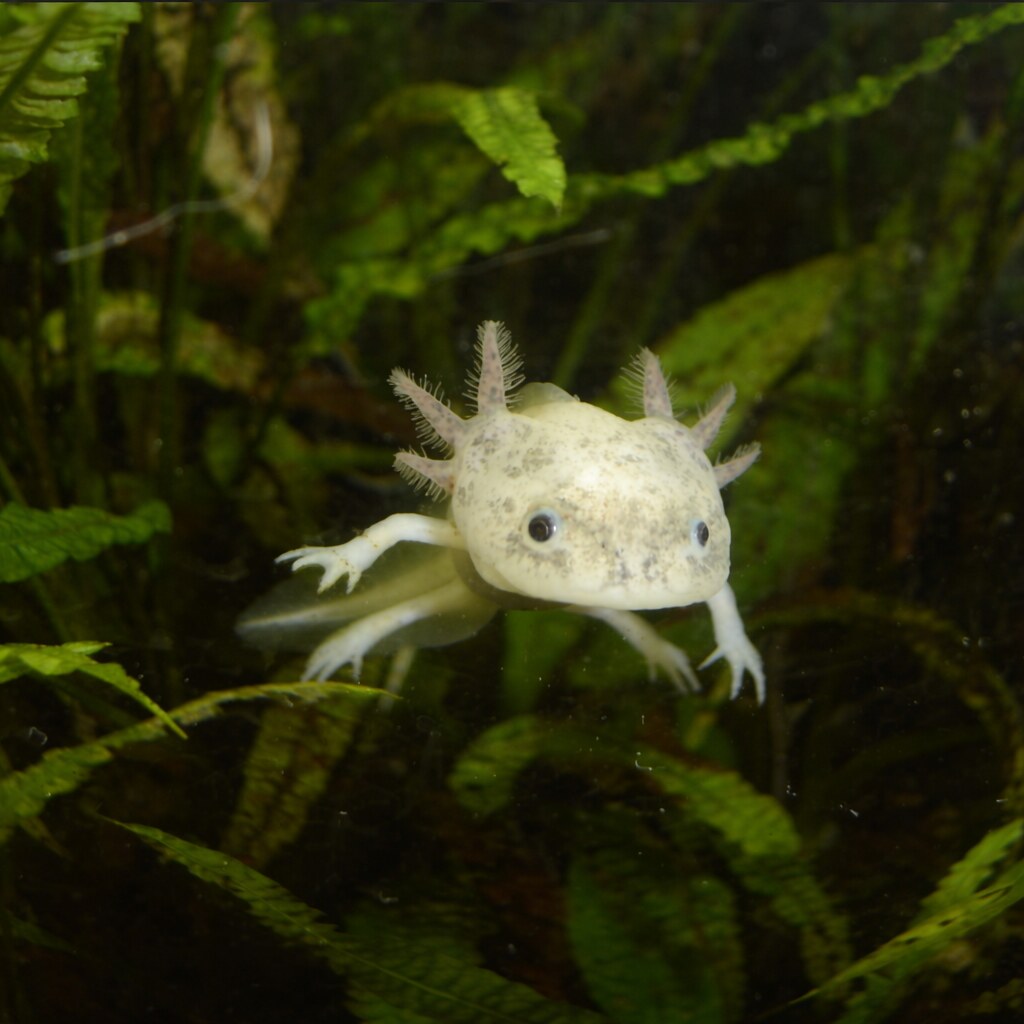
Axolotls, sometimes called Mexican walking fish, are the larval stage of salamanders, in the same way that tadpoles are the larval stage of frogs. Axolotls are a special case where they don't need to grow to the adult stage to breed. Axolotls come from a lake in Mexico, and they can live for about 15 years. They eat small water creatures that they suck into their mouths.