
Showing 1-20 of 32
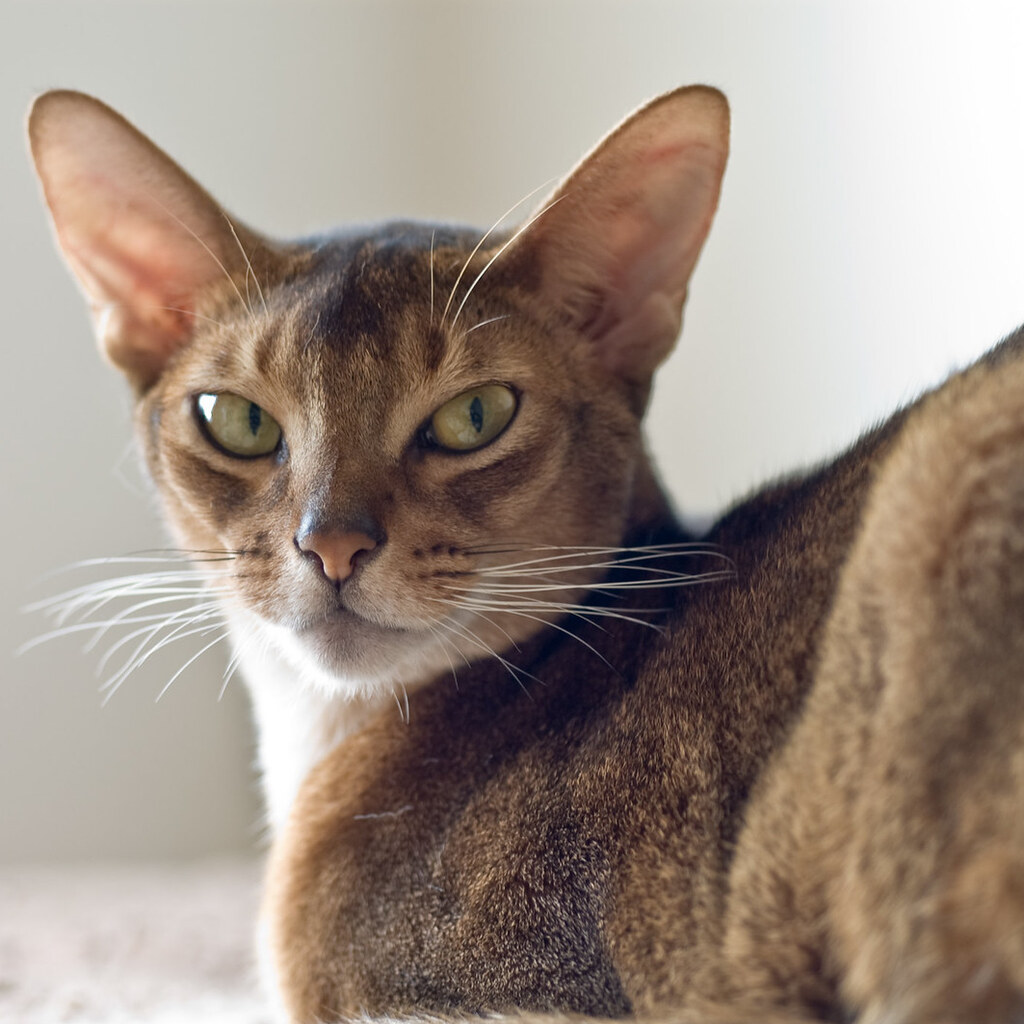
A is for Abyssinian
They are active, intelligent, curious cats. They make good pets, but need constant attention or they get bored and unhappy. They are excellent hunters, so this needs to be taken into consideration if you live near a wildlife reserve and want an Abyssinian as a pet.
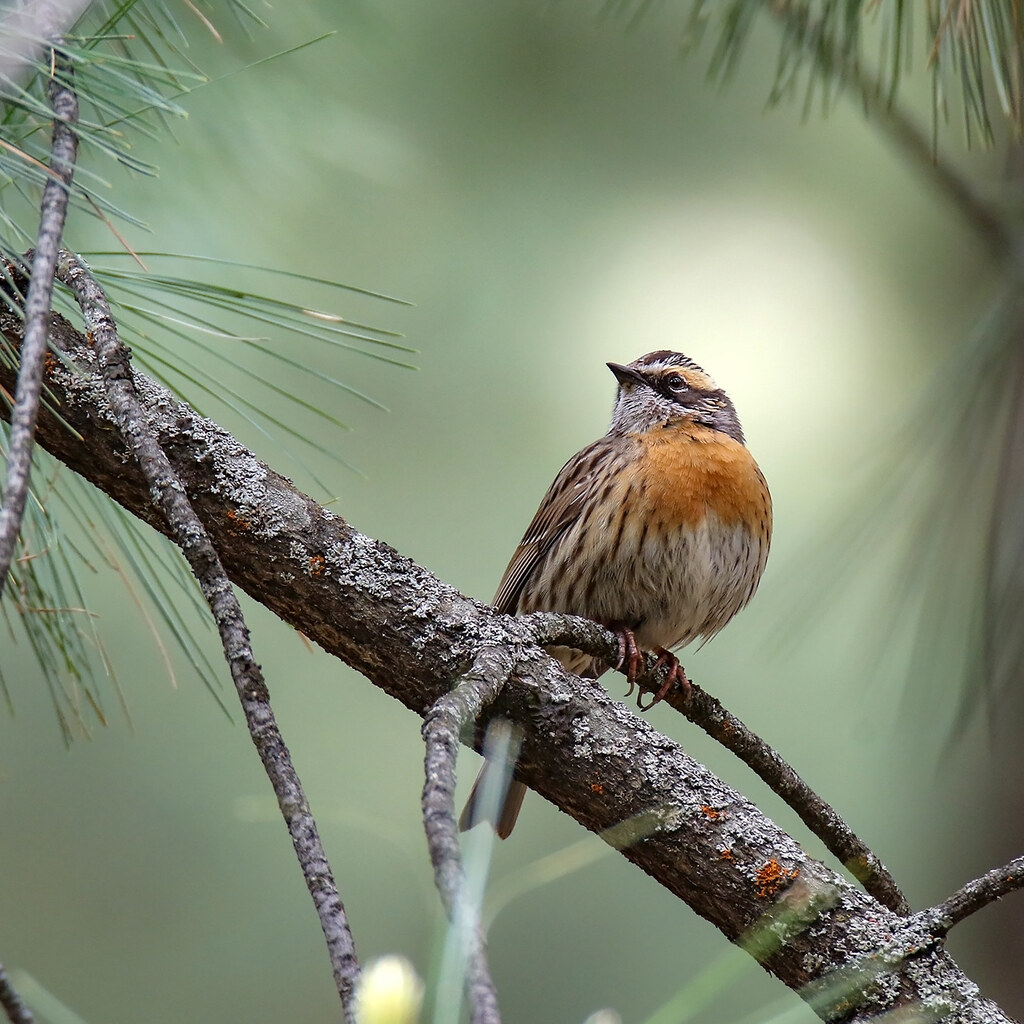
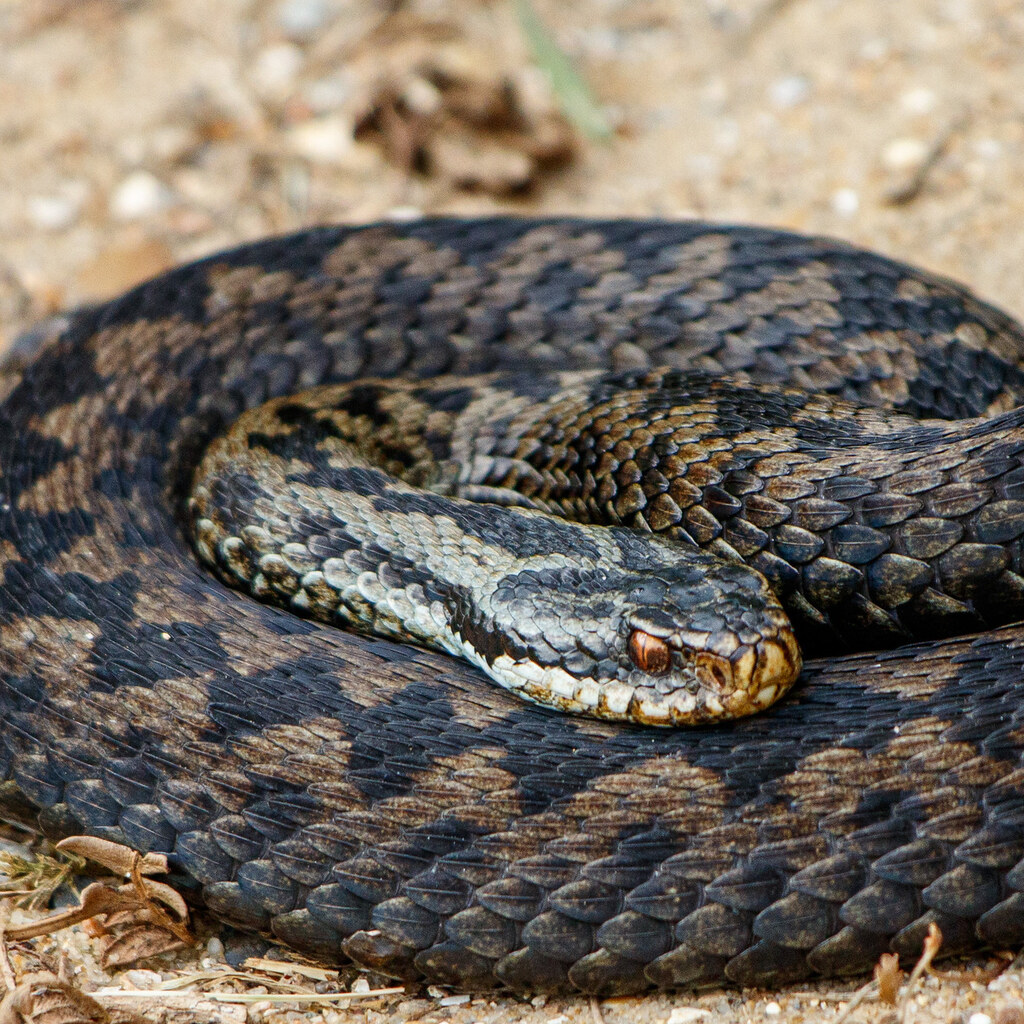
The accentor is a small, compact songbird. It lives in many parts of Europe and Asia, often in shrubby areas, forests, or rough grasslands. They hop around on the ground looking for insects and seeds.
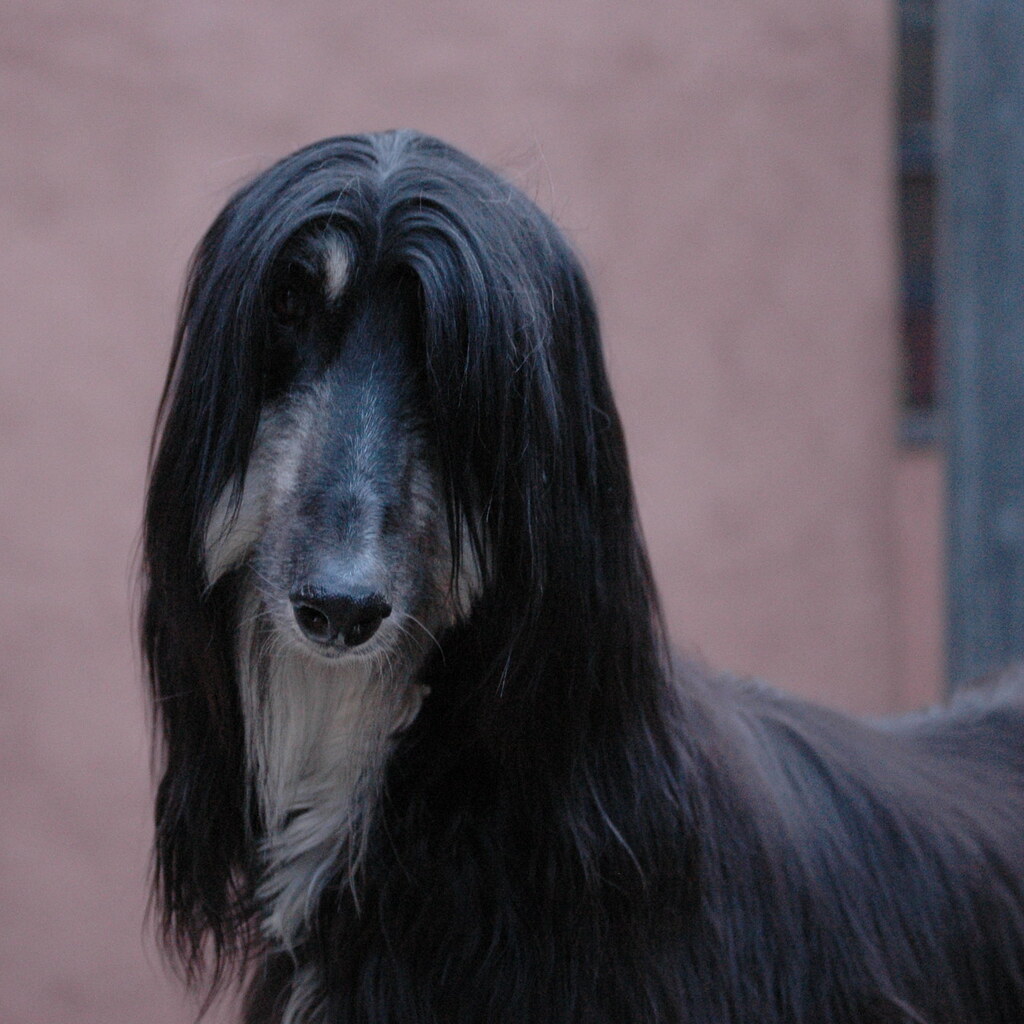
A is for Afghan Hound
They are an independant dog, and are not easily trained. Even when trained, they aren't always obedient and will ignore commands they don't feel like obeying.

A is for Airedale Terrier
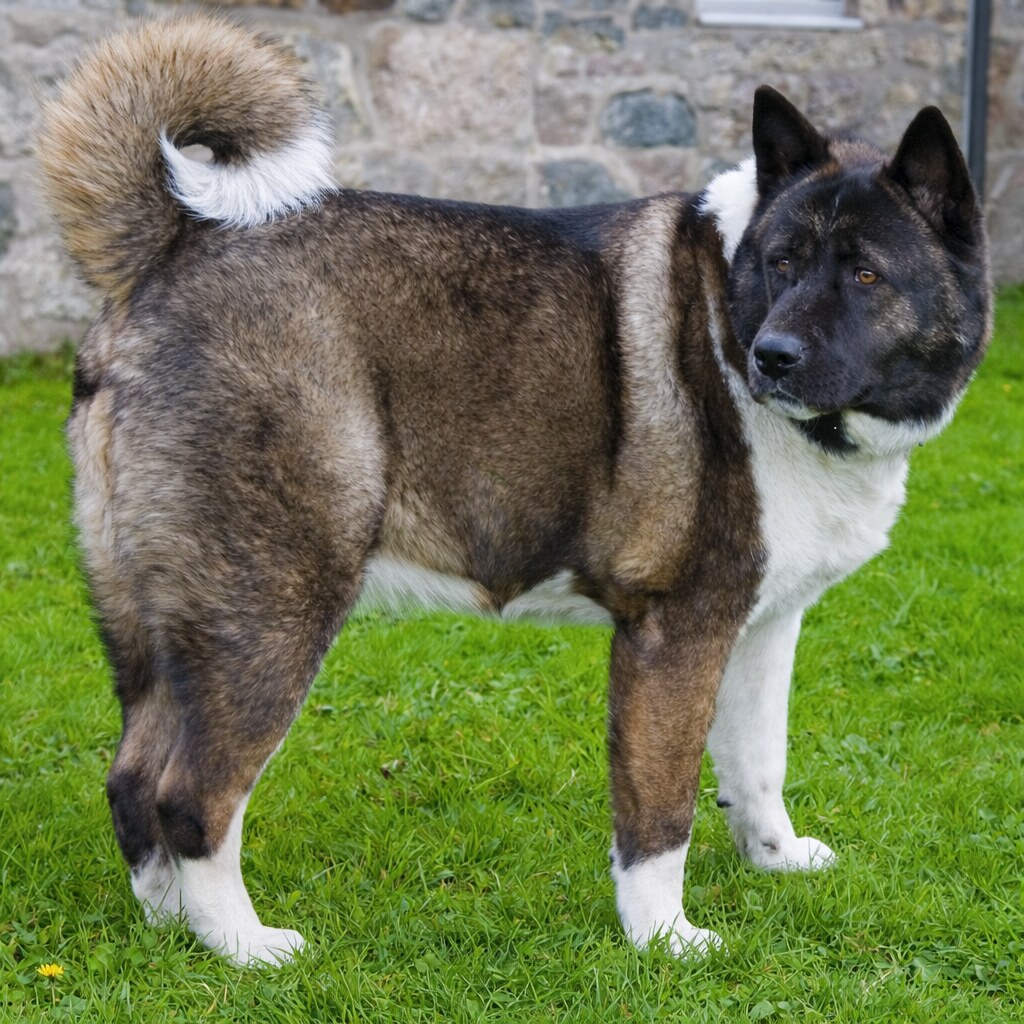
Akitas are large dogs originally from Japan, and are descended from one of the oldest dog breeds. The breed is currently split into two - the American Akita and the Akita Inu. The American breed is larger, and a lot more colours are allowed.
Akitas are a friendly, playful dog that needs lots of exercise. They can be boisterous around children, and can also be dominant so they need to be well-trained.
Akitas are a friendly, playful dog that needs lots of exercise. They can be boisterous around children, and can also be dominant so they need to be well-trained.
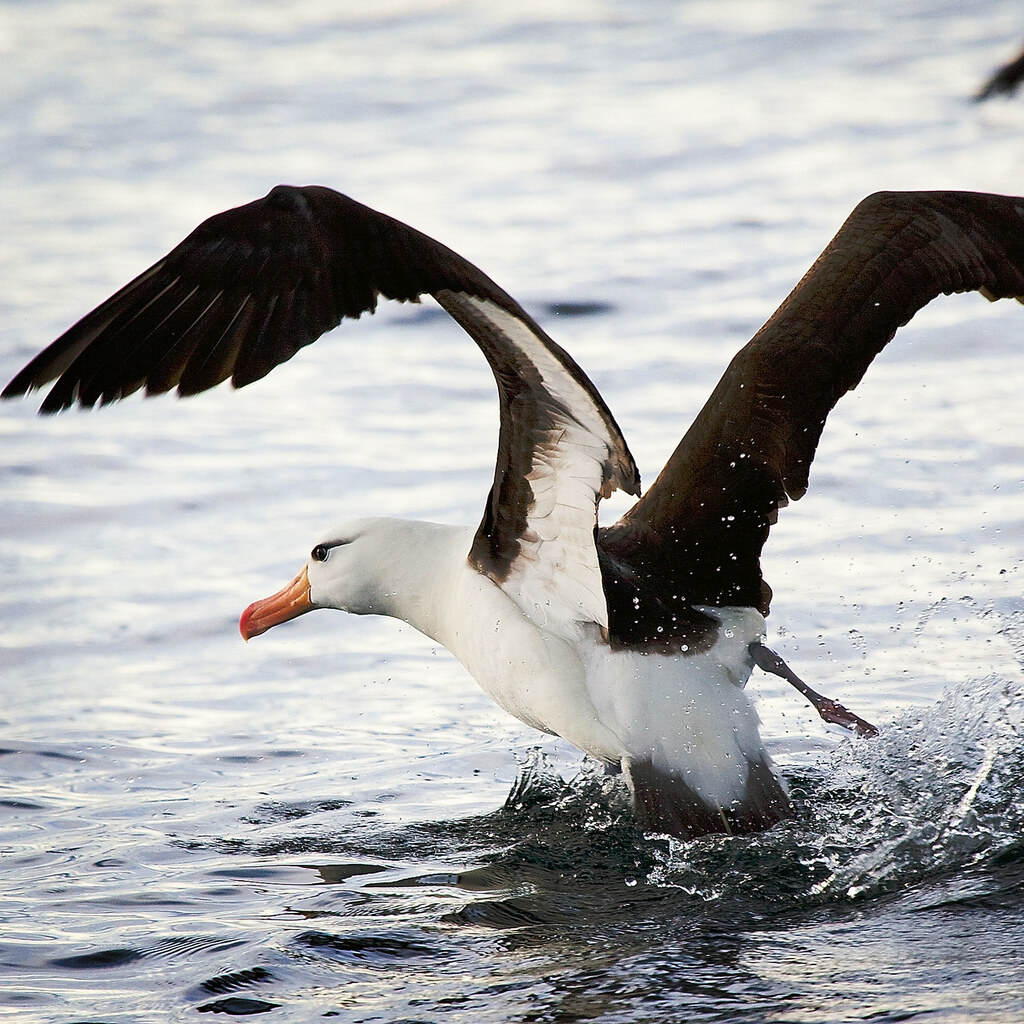
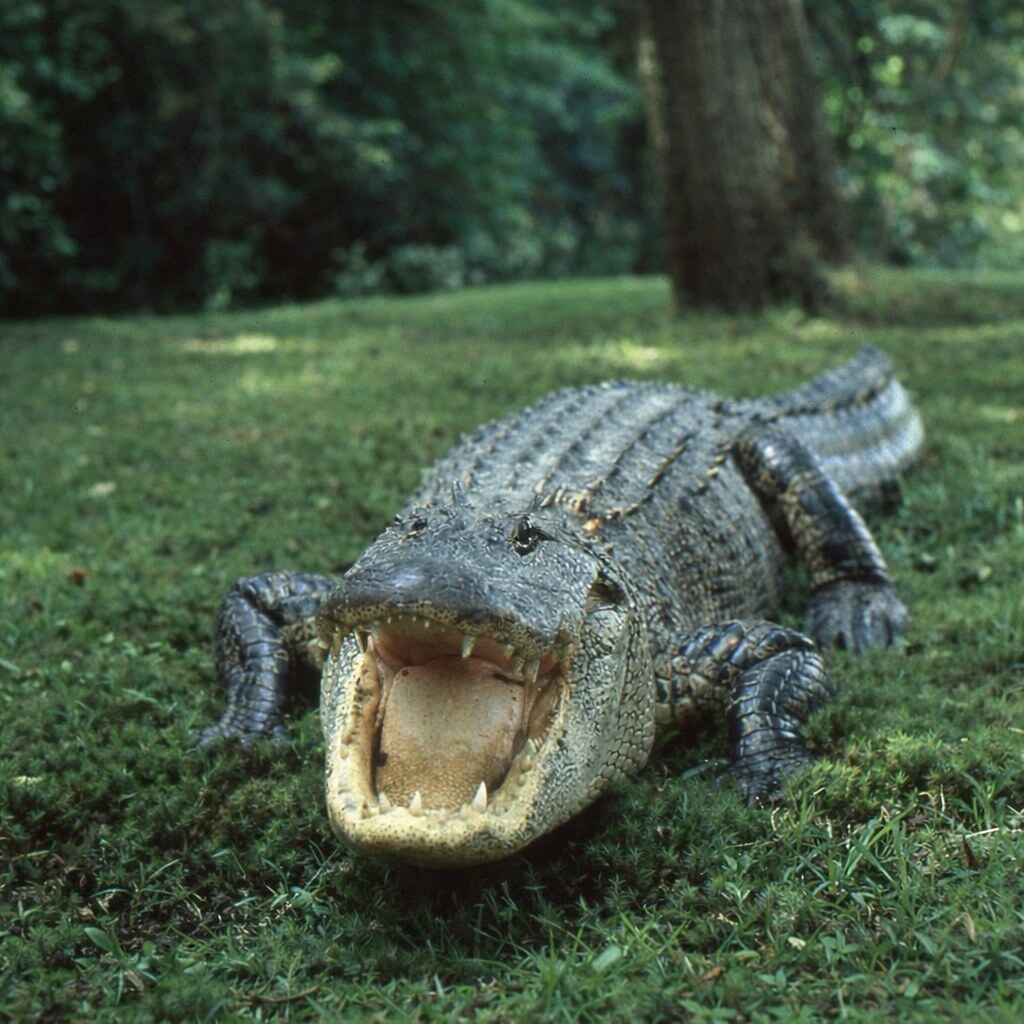
An alligator is a very large reptile, found in China and America. They are related to crocodiles but are generally darker in colour and have a broader snout. Alligators live in fresh water.
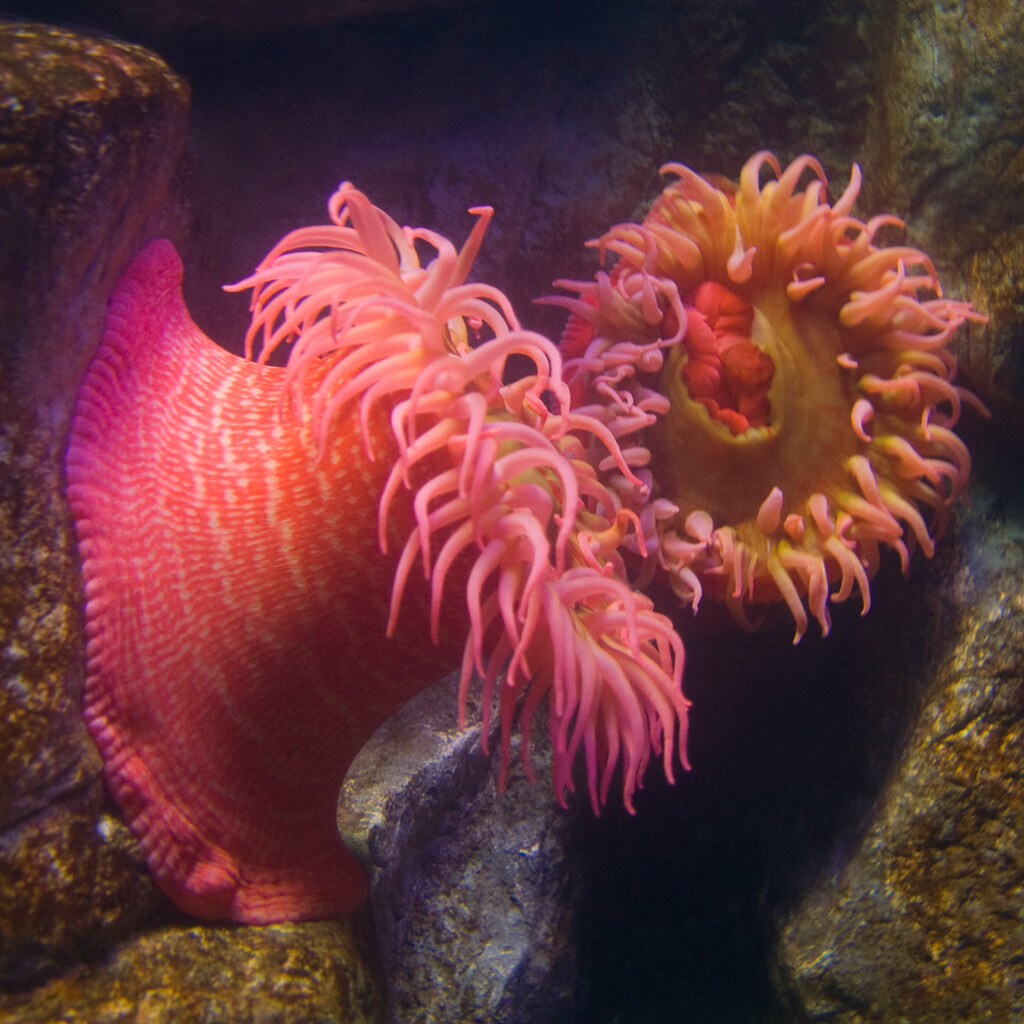
Sea anemones are closely related to coral and jellyfish. They eat small sea creatures and small fish that drift past them into their tentacles. The tentacles have poison in them, and the anemone stings them to kill them before it eats them.
Sea anemones spend most of their lives stuck to the same rock or other surface, but can unstick themselves and swim to a new rock if conditions aren't good for them, such as if their rock dries out for too long or something is trying to eat or damage the anemone.
Sea anemones can reproduce in the usual way by releasing eggs and sperm, but they can also reproduce by budding off new anemones or by splitting themselves in half to form a new anemone.
Sea anemones spend most of their lives stuck to the same rock or other surface, but can unstick themselves and swim to a new rock if conditions aren't good for them, such as if their rock dries out for too long or something is trying to eat or damage the anemone.
Sea anemones can reproduce in the usual way by releasing eggs and sperm, but they can also reproduce by budding off new anemones or by splitting themselves in half to form a new anemone.
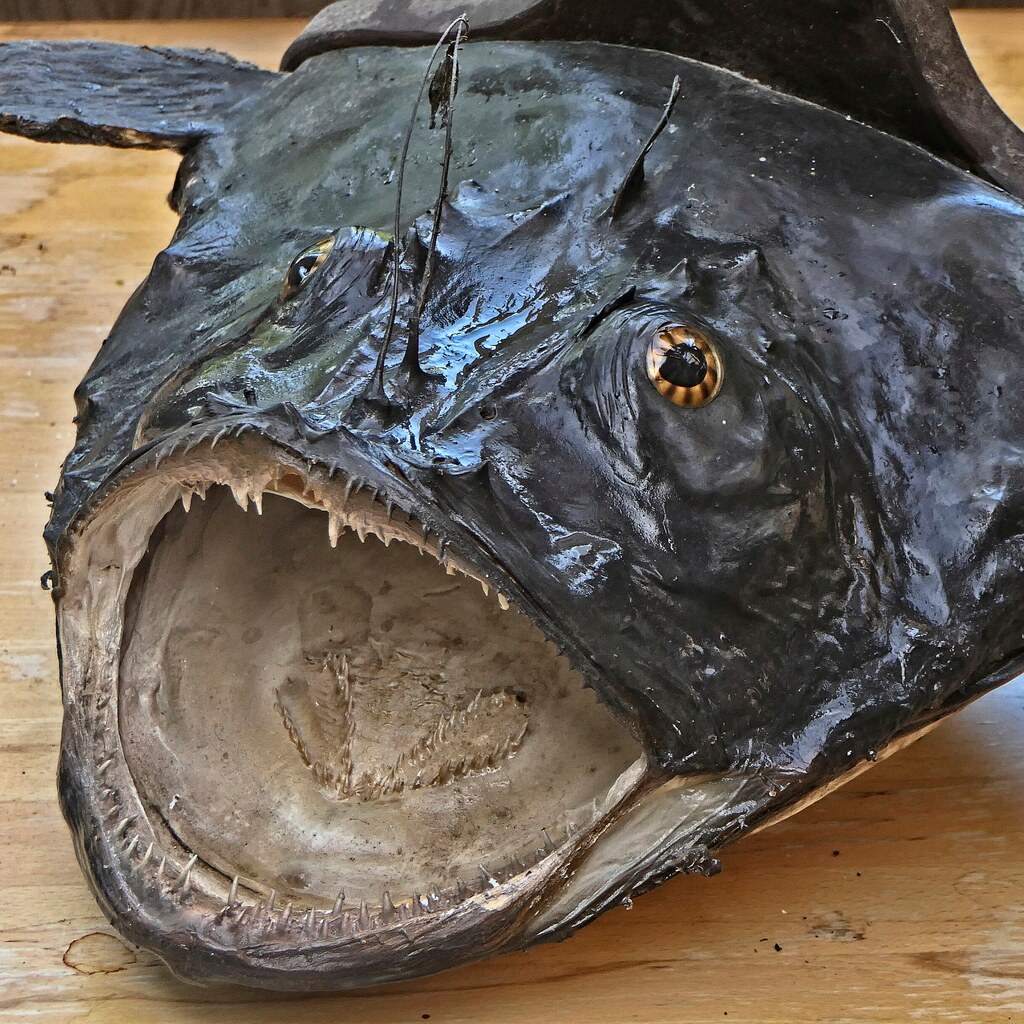
A is for Anglerfish
Anglerfish are fairly rare and have an unusual way of reproducing. Male anglerfish are much smaller than females, and when they are mature they bite onto a female and then wither away to nothing but reproductive organs. They live like parasites on the female's bloodstream.

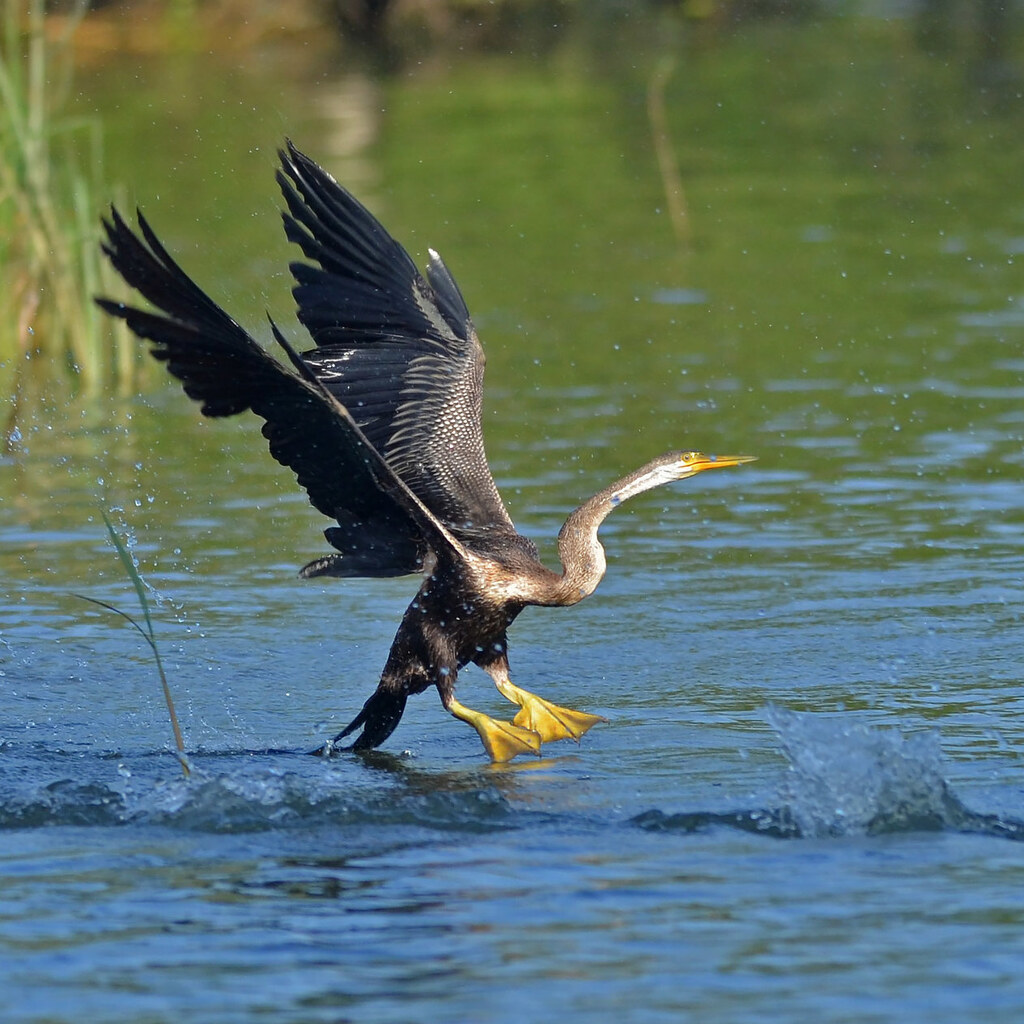
The anhinga is a long-necked water bird that looks similar to a heron. It lives around freshwater wetlands and slow-moving rivers, especially in warmer parts of the Americas and beyond. They dive to spear fish with their sharp beak.
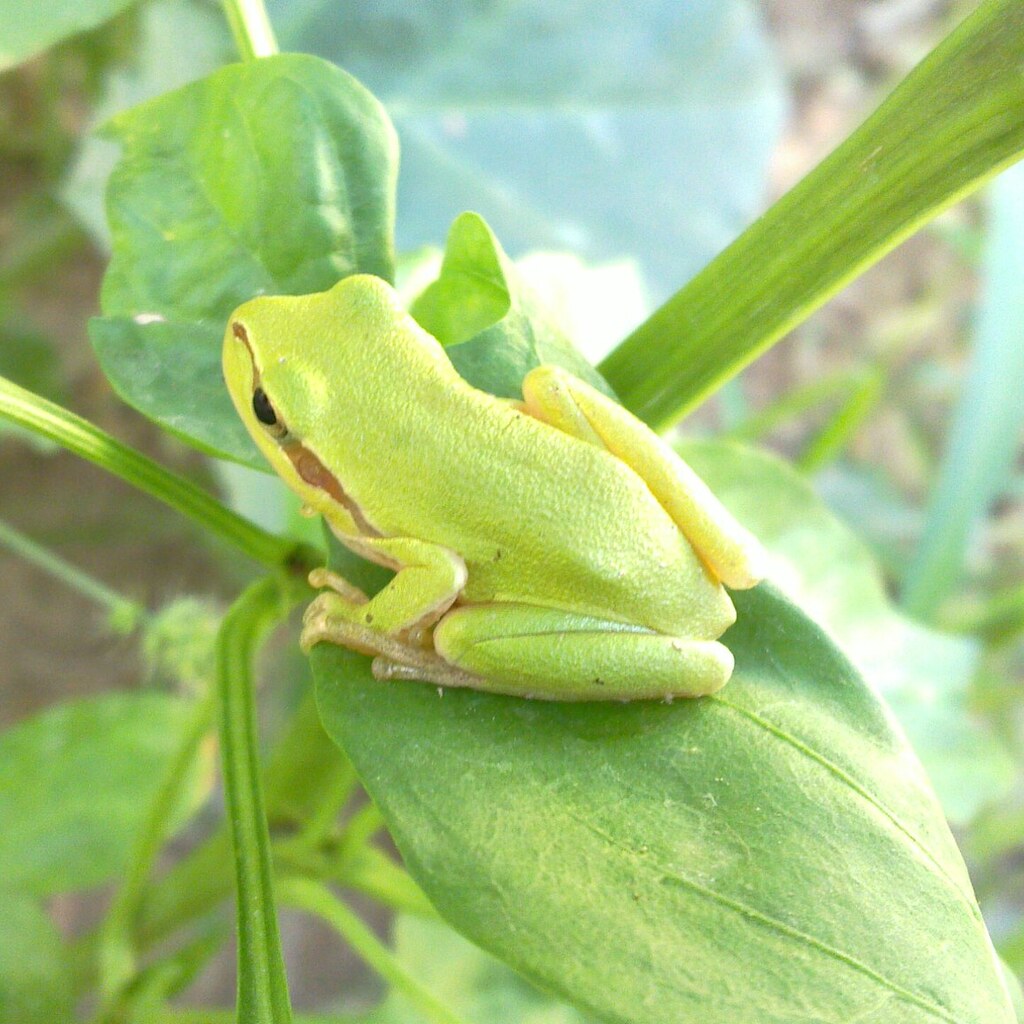
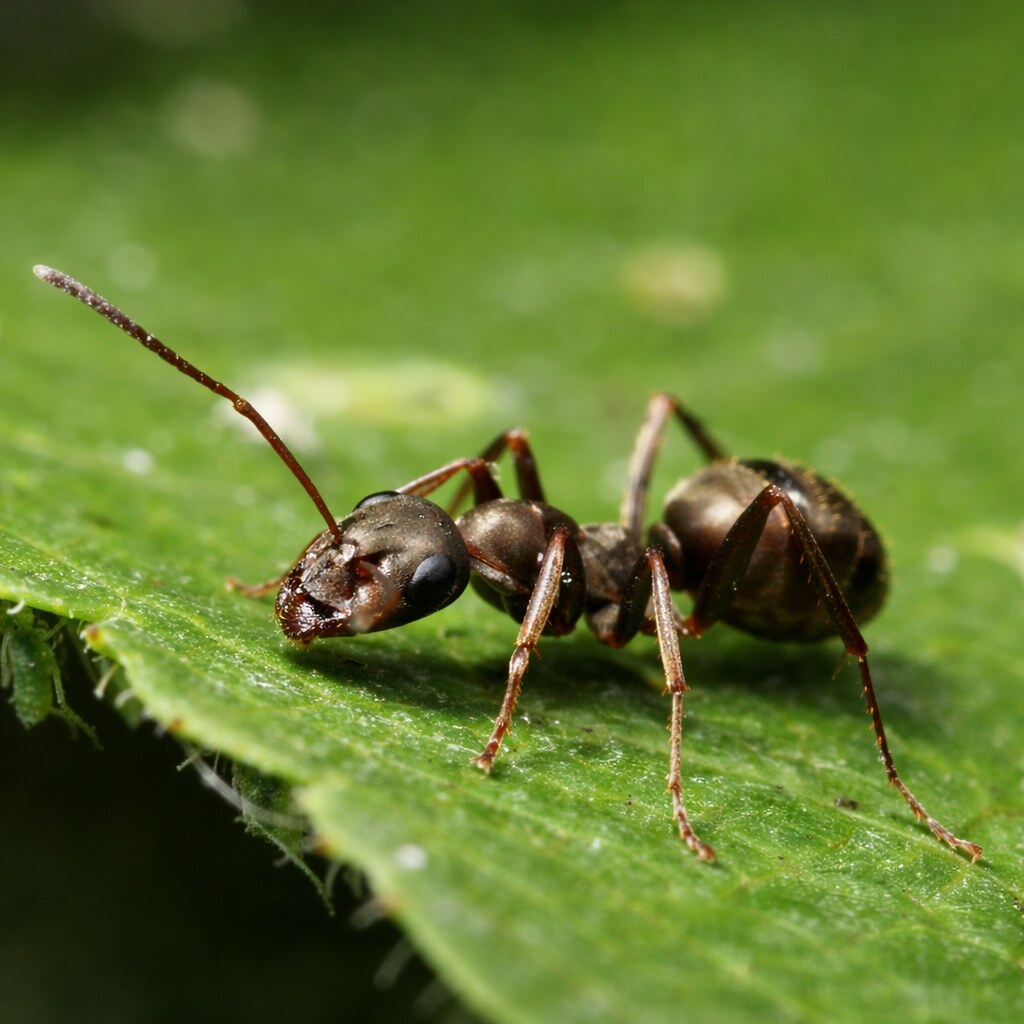

The anteater is an animal that, as its name suggests, eats mainly ants and termites. They have a long, sticky tongue that they flick into ant nests. There are four different types of anteater, the anteater in the picture is the giant anteater. They are related to sloths. Giant anteaters can grow up to 2.4 metres long, including their tail. Baby anteaters ride on their mother's back.
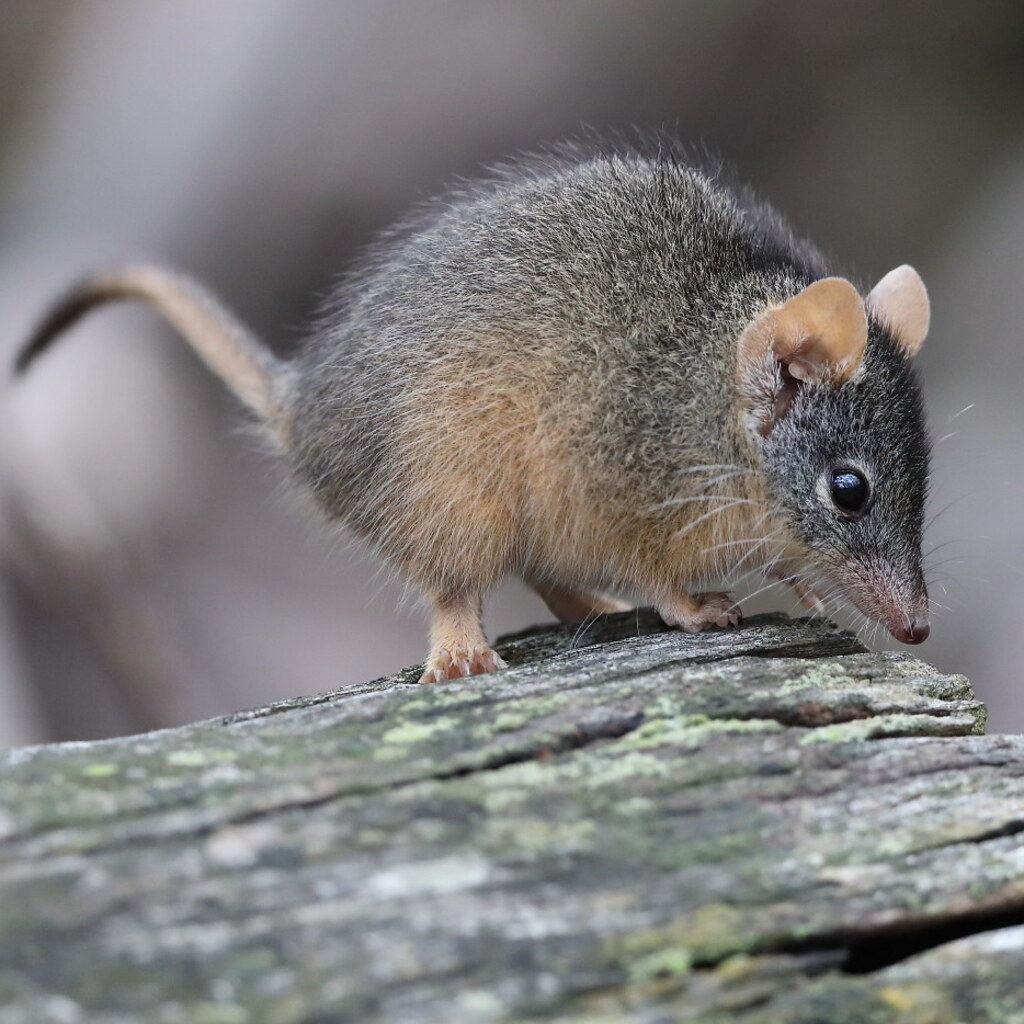
A is for Antechinus

Antelope is a word used for any one of a large group of animals that are related to goats, sheep and cows. Many antelopes look like deer but are actually not closely related - antelopes keep their horns through their lifetime and deer shed their horns every year.
The antelope in the picture is an eland.
The antelope in the picture is an eland.