Showing 1-20 of 156
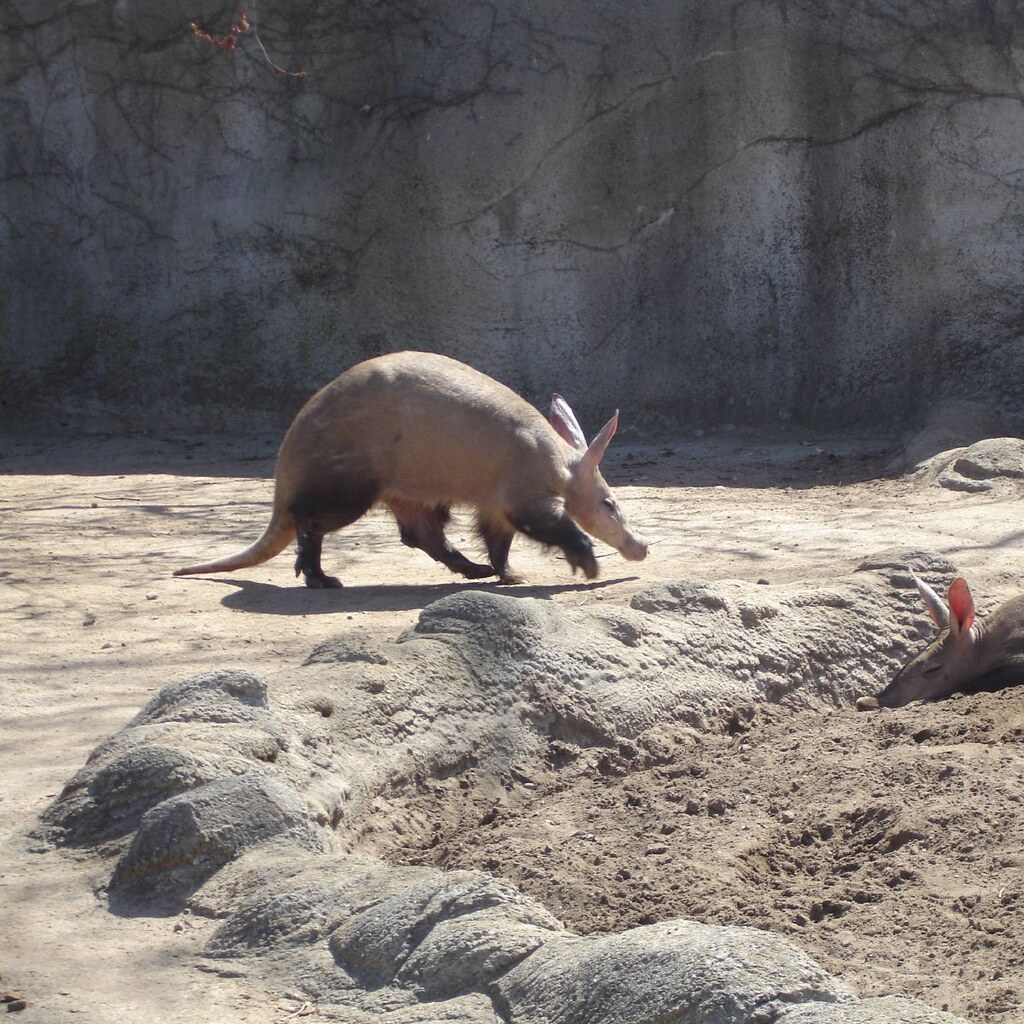

The anteater is an animal that, as its name suggests, eats mainly ants and termites. They have a long, sticky tongue that they flick into ant nests. There are four different types of anteater, the anteater in the picture is the giant anteater. They are related to sloths. Giant anteaters can grow up to 2.4 metres long, including their tail. Baby anteaters ride on their mother's back.
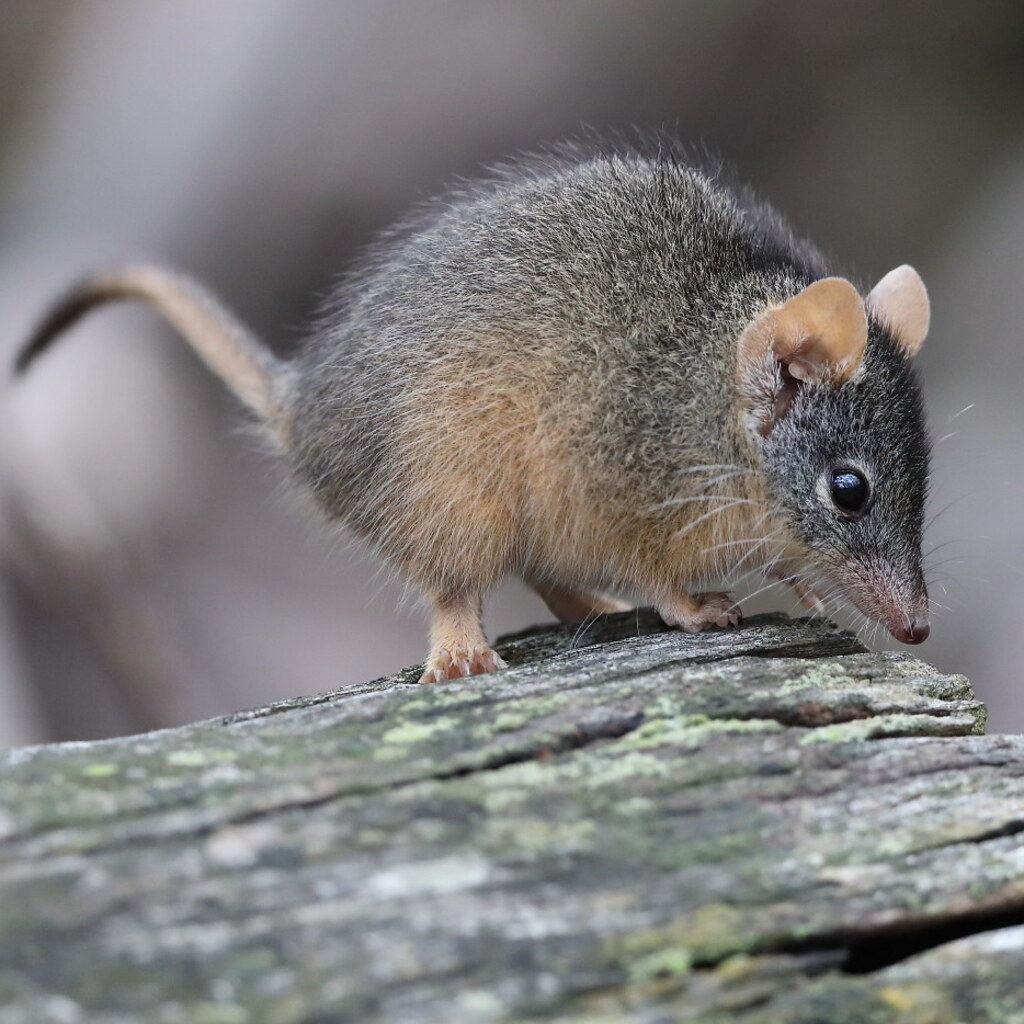
A is for Antechinus

Antelope is a word used for any one of a large group of animals that are related to goats, sheep and cows. Many antelopes look like deer but are actually not closely related - antelopes keep their horns through their lifetime and deer shed their horns every year.
The antelope in the picture is an eland.
The antelope in the picture is an eland.
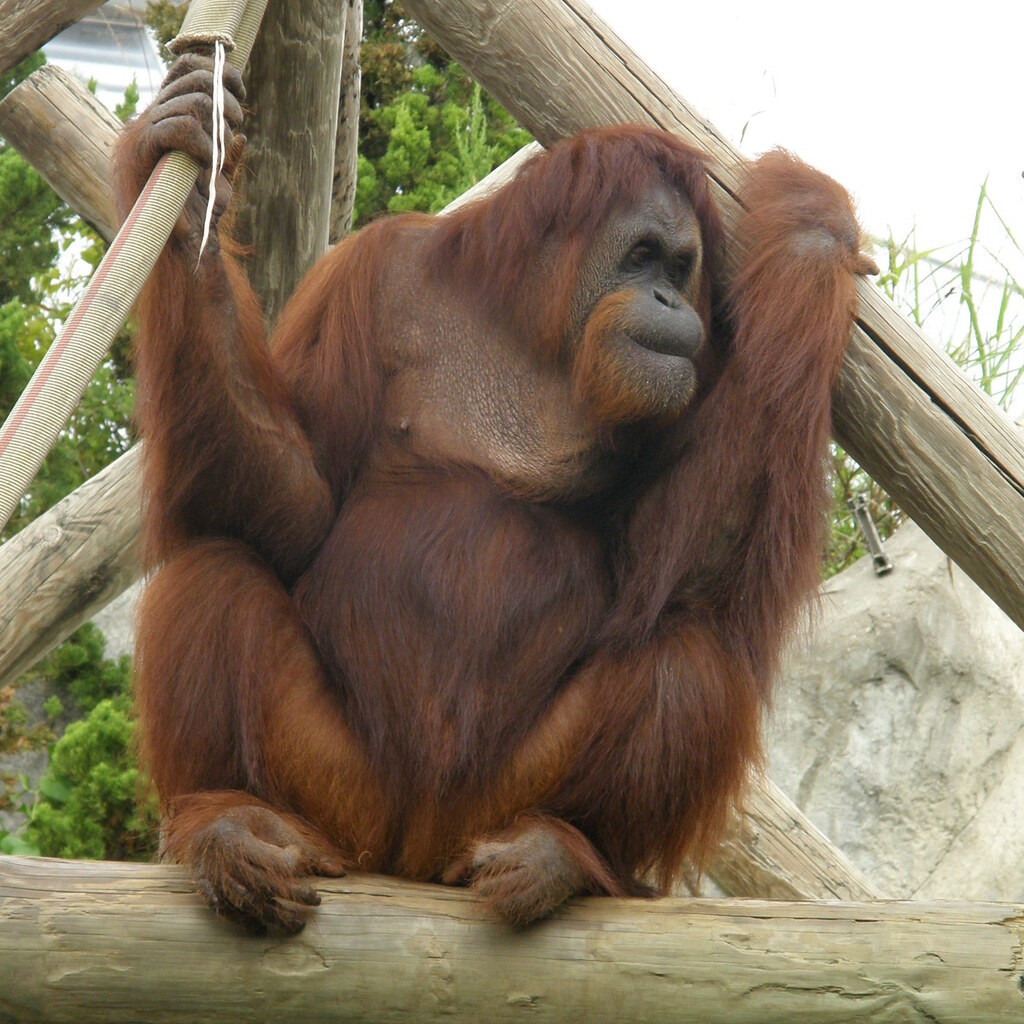
Apes are creatures closely related to humans. Unlike monkeys, apes have no tails. Apes include gorillas, chimpanzees and orangutans.

B is for Bactrian camel
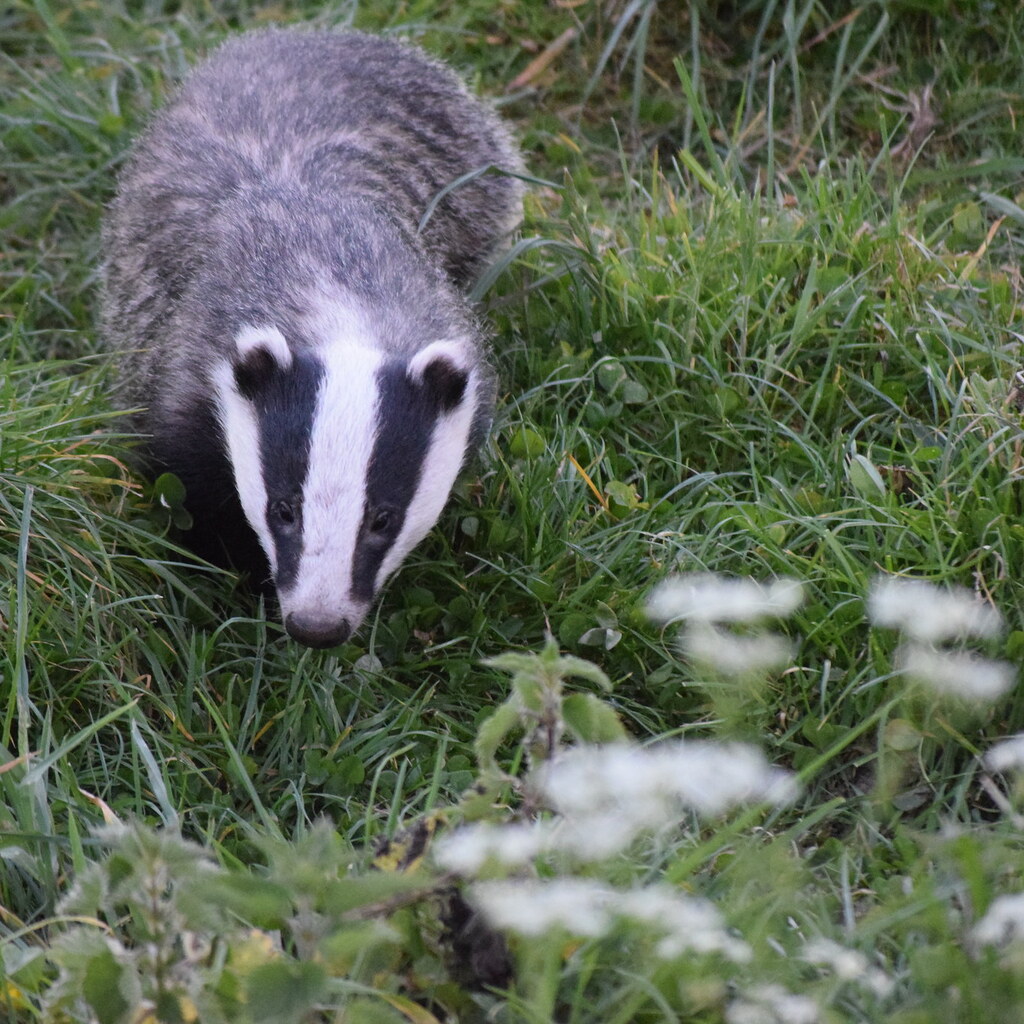
Badgers are related to weasels, otters, wolverines and ferrets. They eat small animals and sometimes insects. Badgers come from Europe. They are excellent diggers, and make themselves burrows called setts.
A male badger is a boar, a female badger is a sow and a baby badger is a cub. The collective name for a group of badgers is a cete.
A male badger is a boar, a female badger is a sow and a baby badger is a cub. The collective name for a group of badgers is a cete.
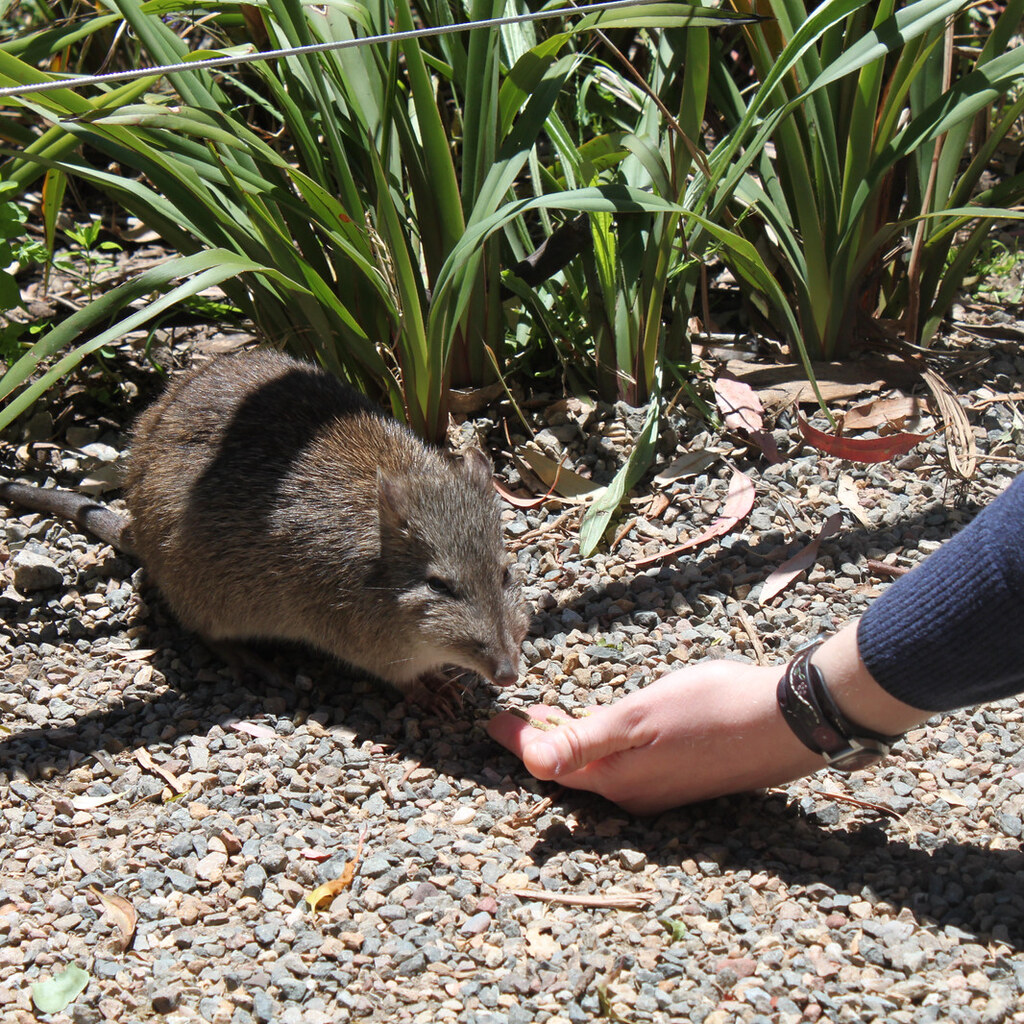
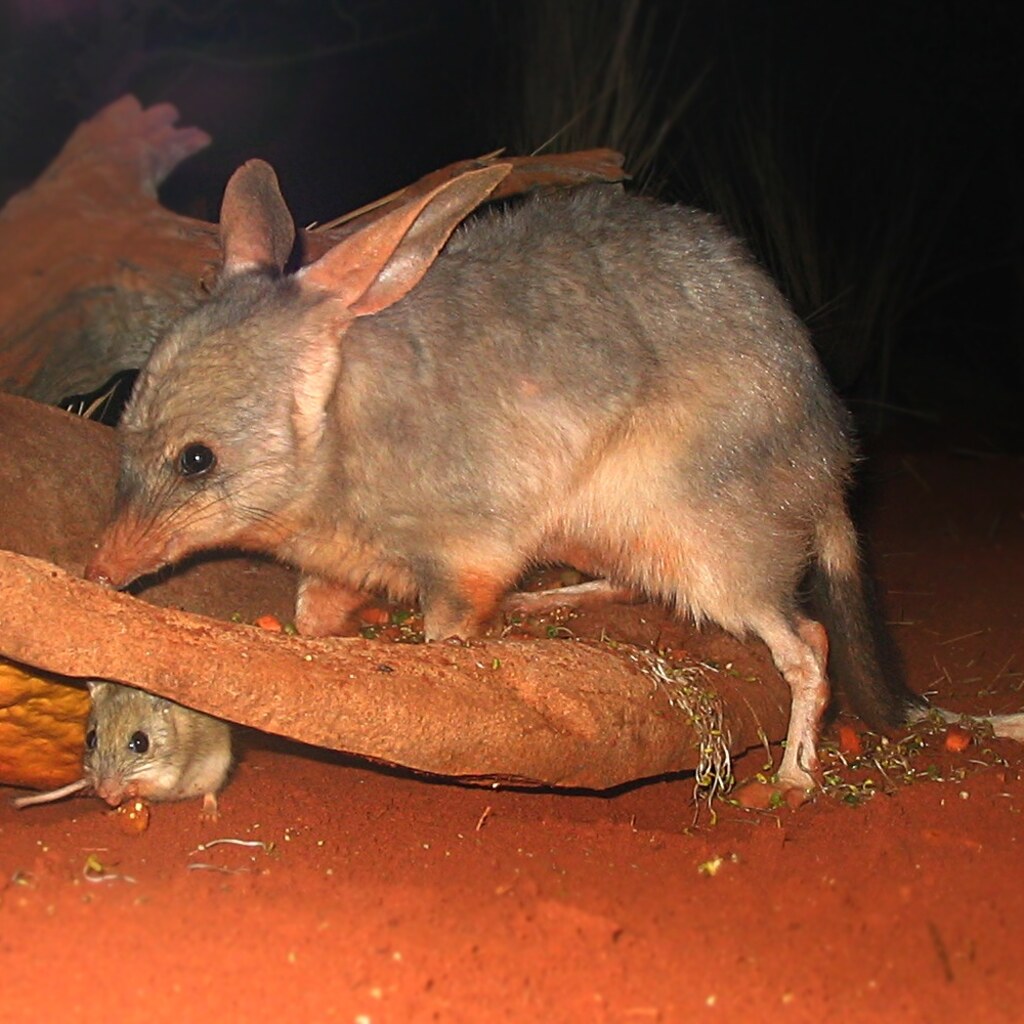
Bandicoots are small marsupials from Australia. Most bandicoots are about the same size as a rabbit. They eat plants as well as insects and small animals. There are around 20 different species of bandicoot.
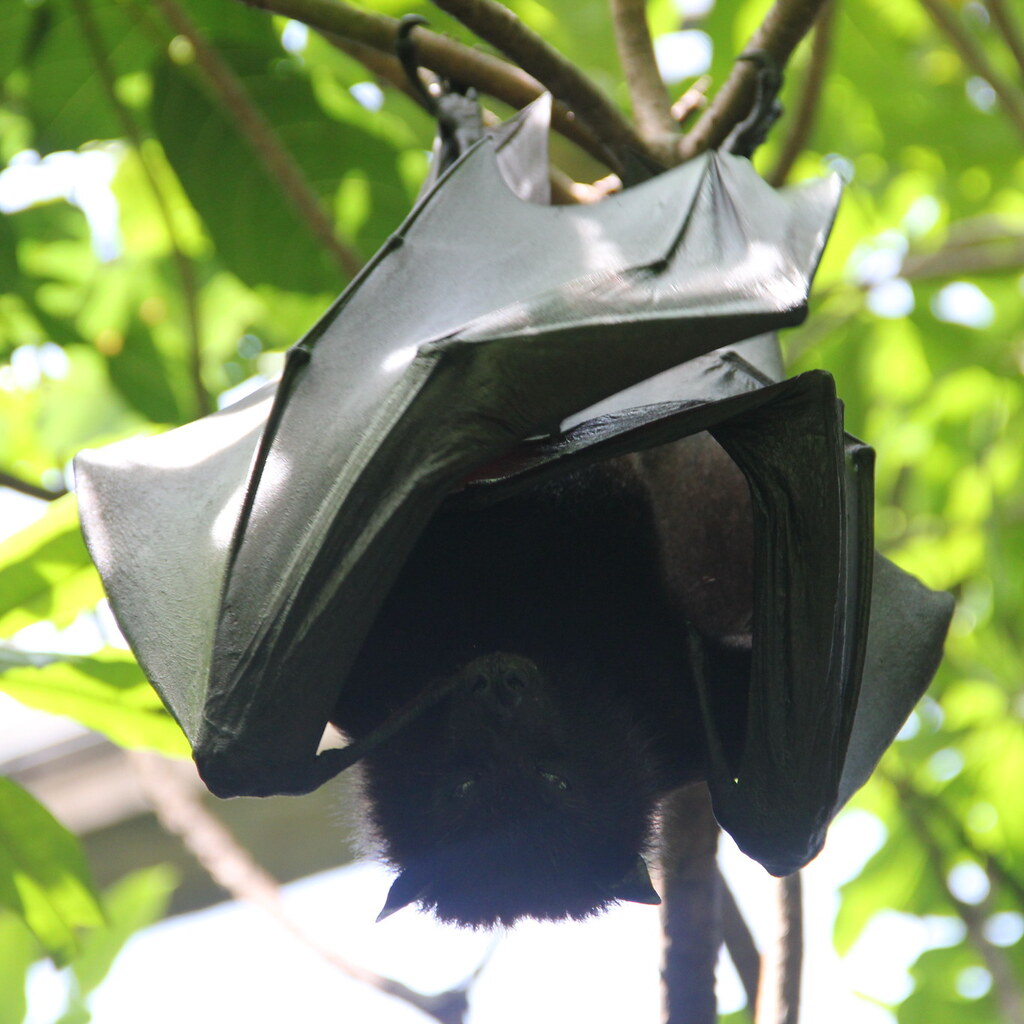
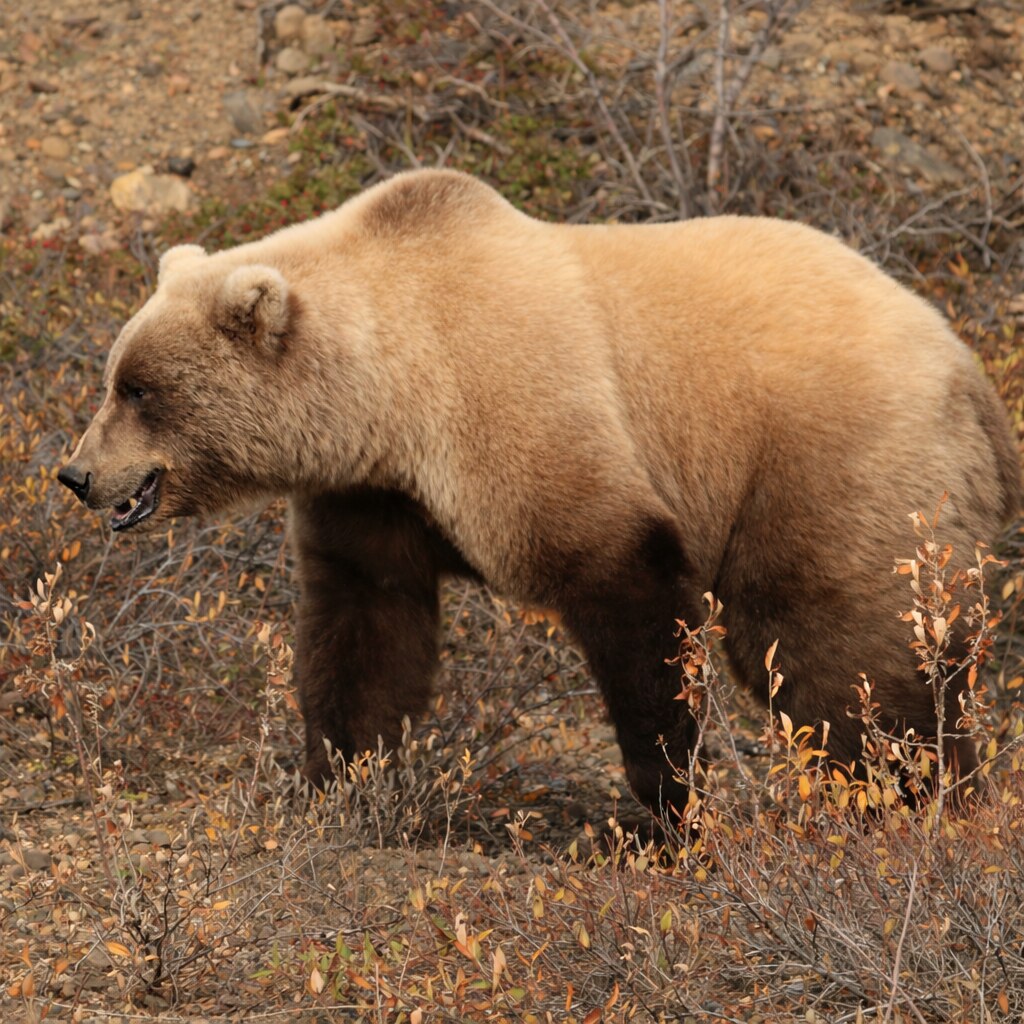
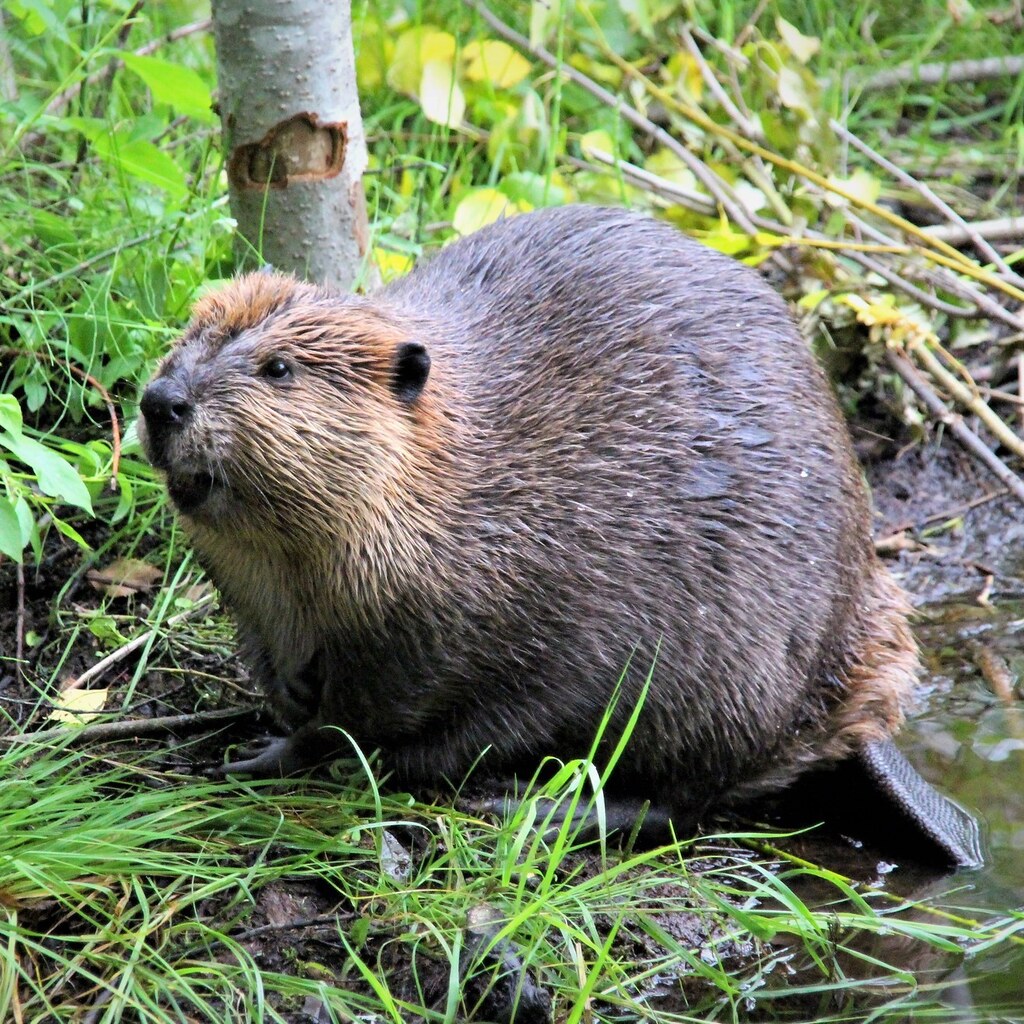
Beavers are a small, brown animal related to the squirrel. They are found in America and Europe. They spend their time in and around water, and are excellent swimmers.
Beavers are best known for their ability to build dams. They cut down trees with their sharp teeth and drag the logs to where they need them, and stack them up to make a dam. They end up with their own ponds that they tend to, which protects their den. Beavers eat waterlilys.
Beavers are best known for their ability to build dams. They cut down trees with their sharp teeth and drag the logs to where they need them, and stack them up to make a dam. They end up with their own ponds that they tend to, which protects their den. Beavers eat waterlilys.
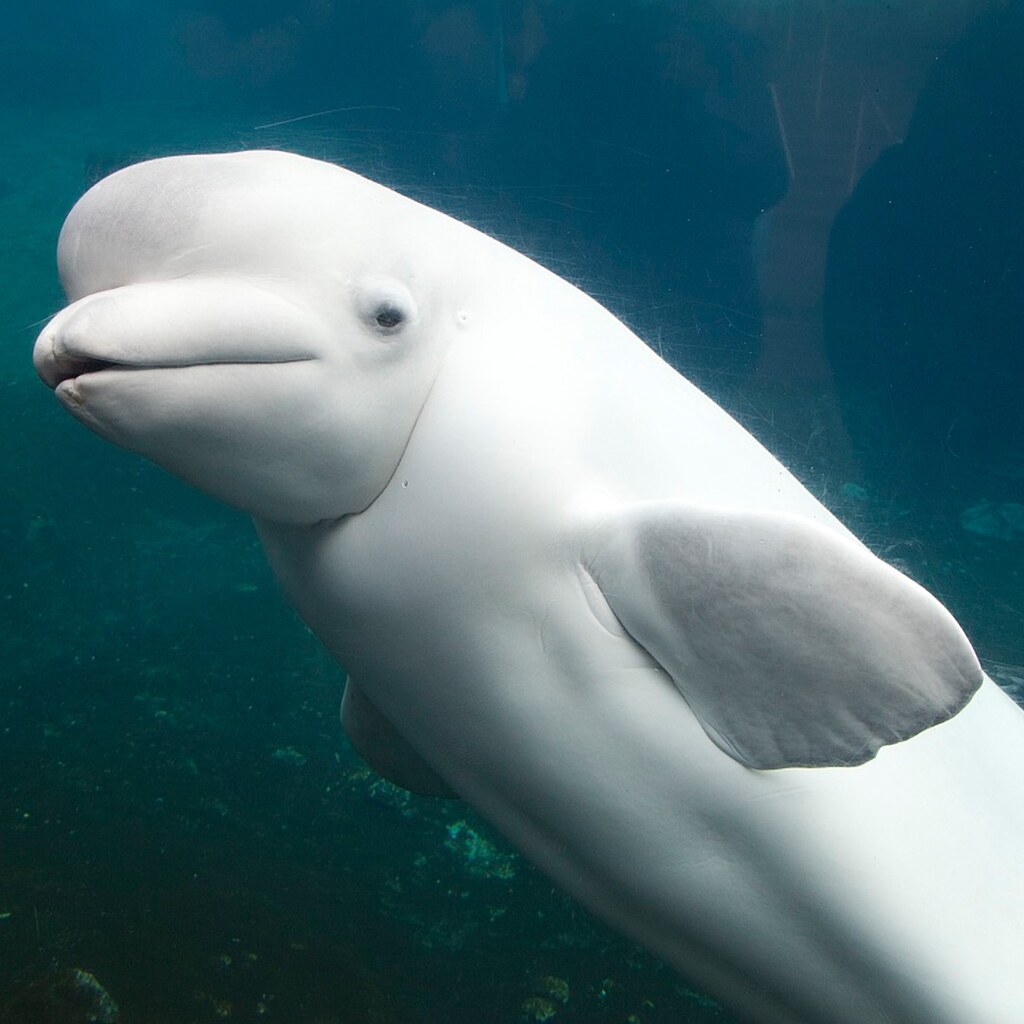
A beluga is a type of whale with a smooth, white body and a rounded forehead, called a melon. It lives mainly in cold Arctic and subarctic waters.
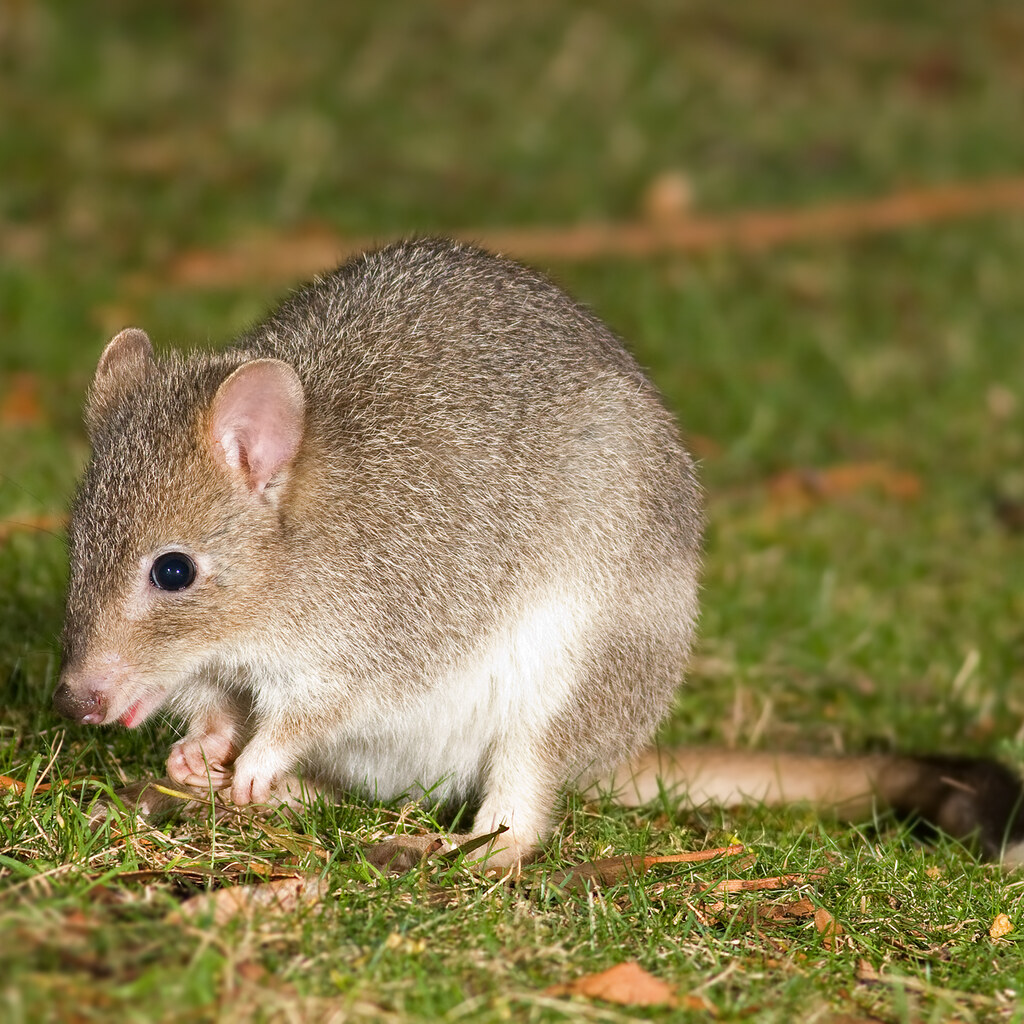
A bettong is a small marsupial from Australia. Many people also call it a kangaroo rat because it looks a bit like a small rodent.
Bettongs hop on long back legs and have a pouch like other marsupials. They dig in the ground to find food, such as roots and insects. You can find them in dry areas and grasslands.
Bettongs hop on long back legs and have a pouch like other marsupials. They dig in the ground to find food, such as roots and insects. You can find them in dry areas and grasslands.

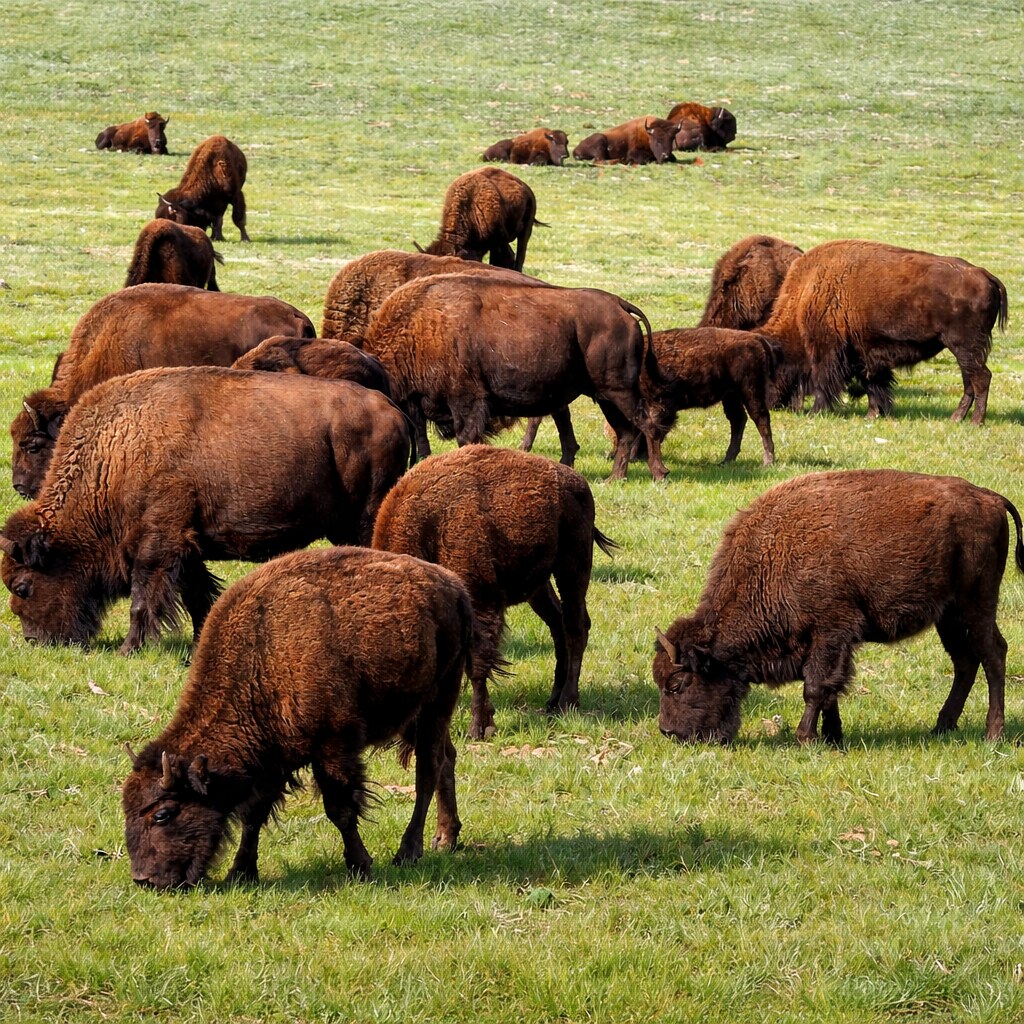
The American Bison is a very large type of cow. They once travelled in massive herds over America, but they were killed almost to extinction by people in the 19th century.
A bison has a shaggy, long, dark brown winter coat, and a lighter weight, lighter brown summer coat. Bison can reach up to 2 meters (6.6 ft) tall, 3 meters (10 ft) long, and weigh 400 kilograms (882 lb) to 1,000 kilograms (2,205 lb).
A bison has a shaggy, long, dark brown winter coat, and a lighter weight, lighter brown summer coat. Bison can reach up to 2 meters (6.6 ft) tall, 3 meters (10 ft) long, and weigh 400 kilograms (882 lb) to 1,000 kilograms (2,205 lb).