Showing 41-60 of 117
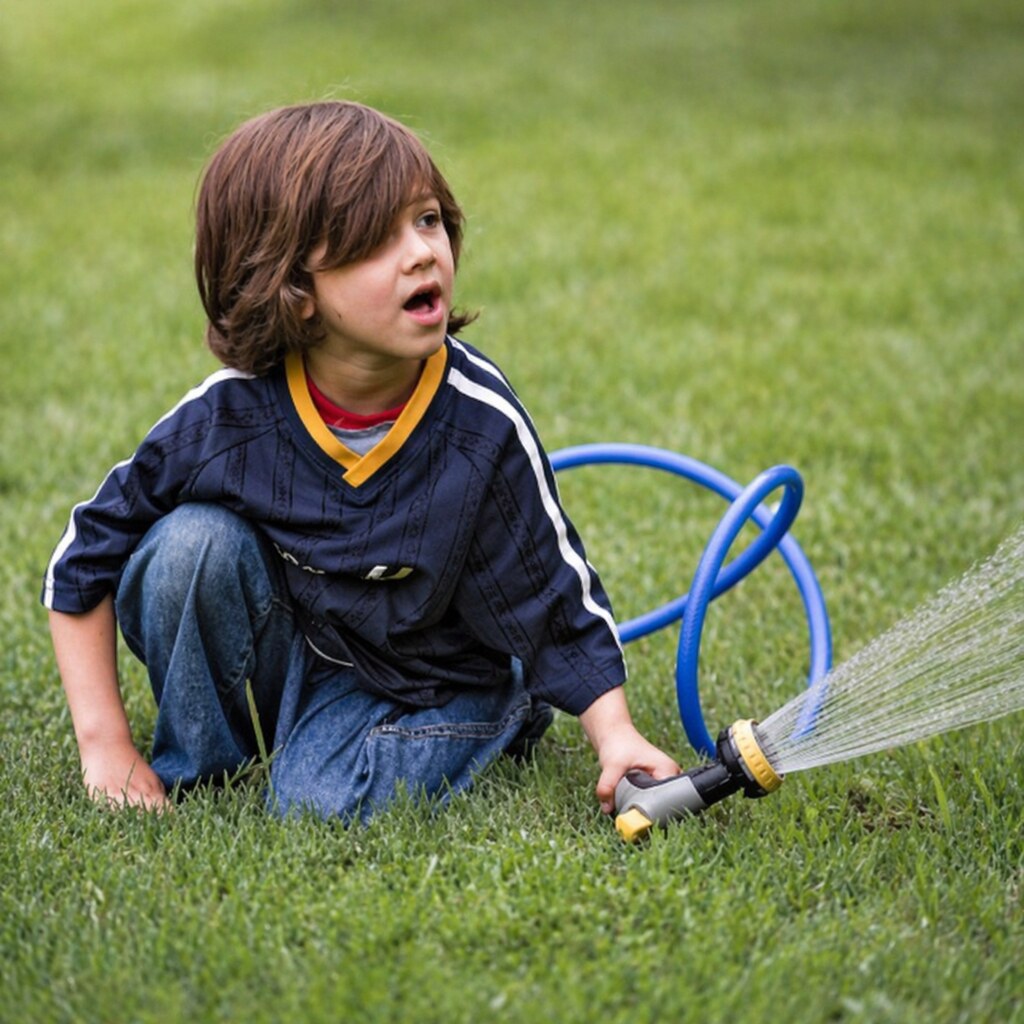
A hose is a long, thin, hollow object that is used for putting water through. Hoses are usually attached to taps. People use hoses to water their gardens, to fill their swimming pools or to wash their cars. The boy in the picture is holding a blue hose.
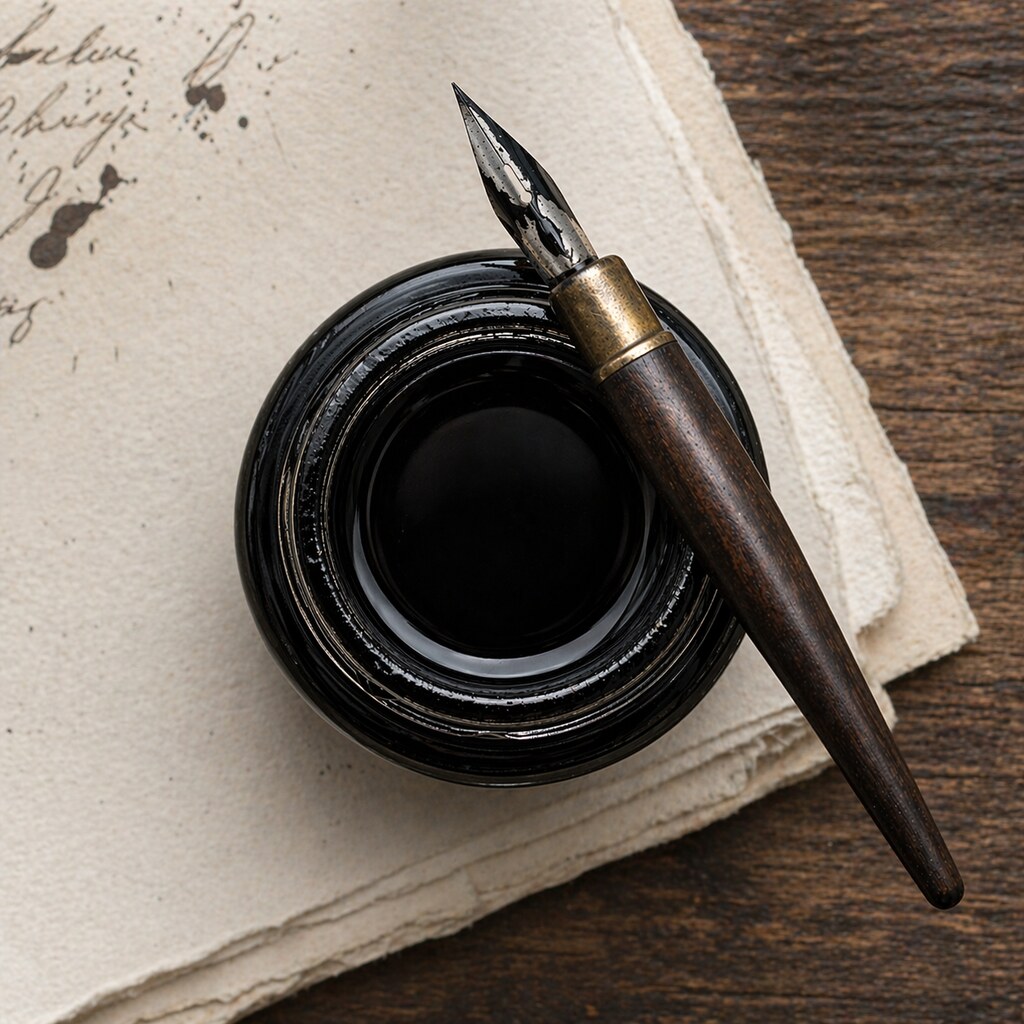

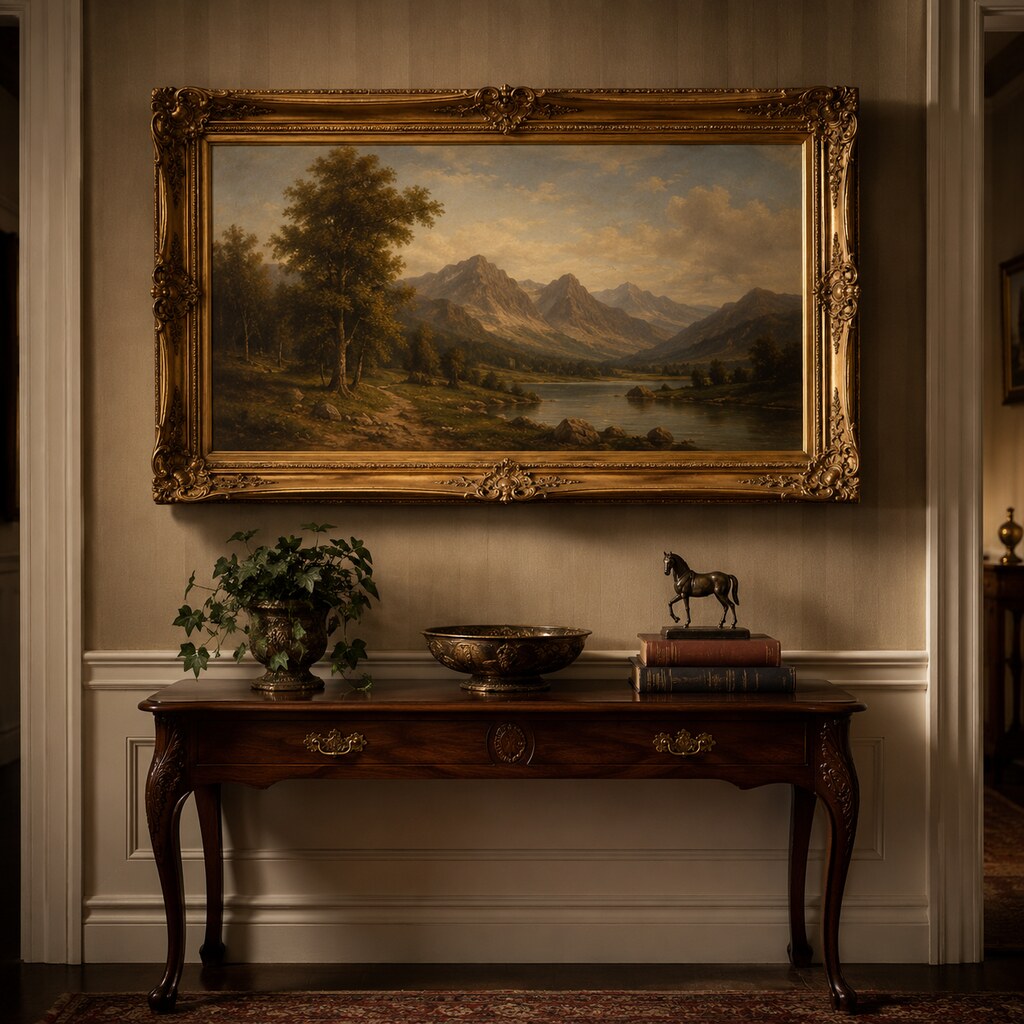
A landscape is a wide view of scenery that is generally farmland or wilderness, not a cityscape. Paintings of landscapes are generally done with the paper or canvas wider than it is tall, which has given rise to the name landscape for any paper in the same format.
The opposite of landscape is portrait.
The opposite of landscape is portrait.
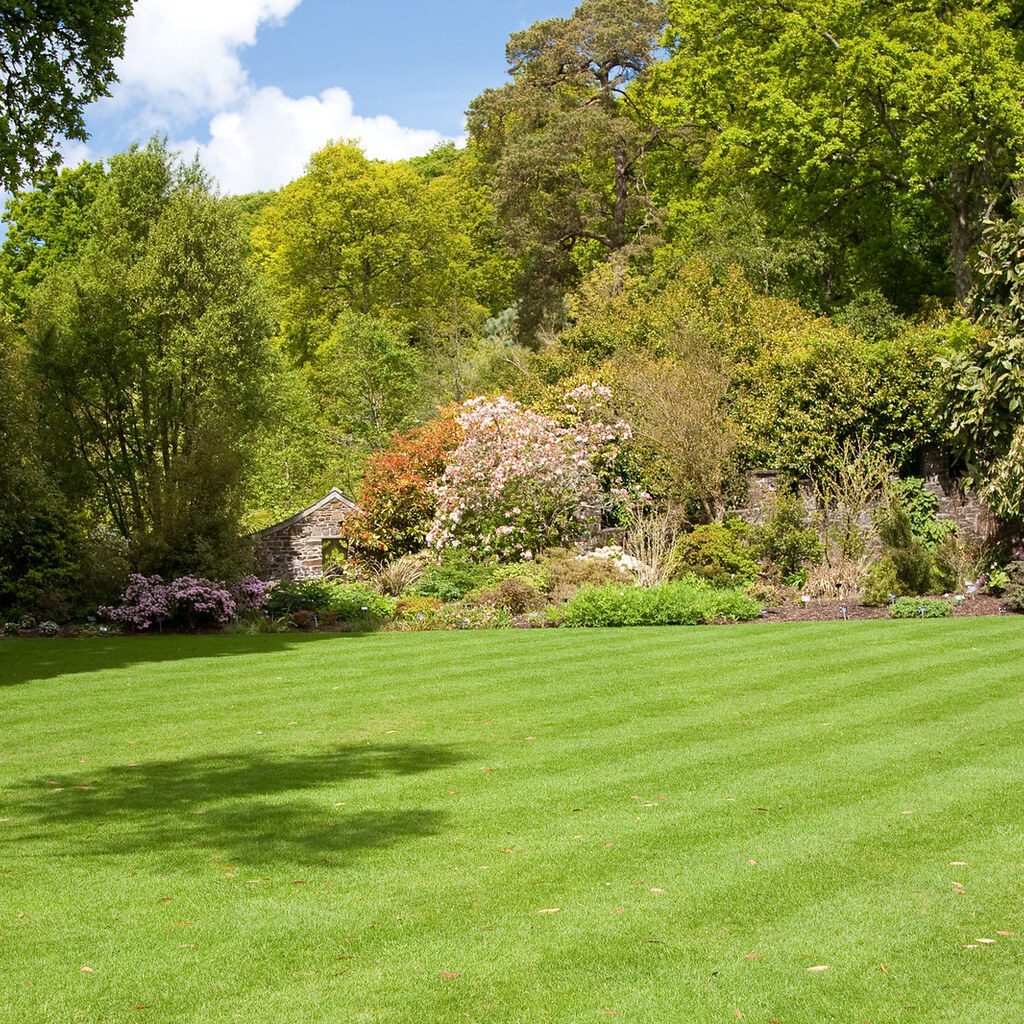
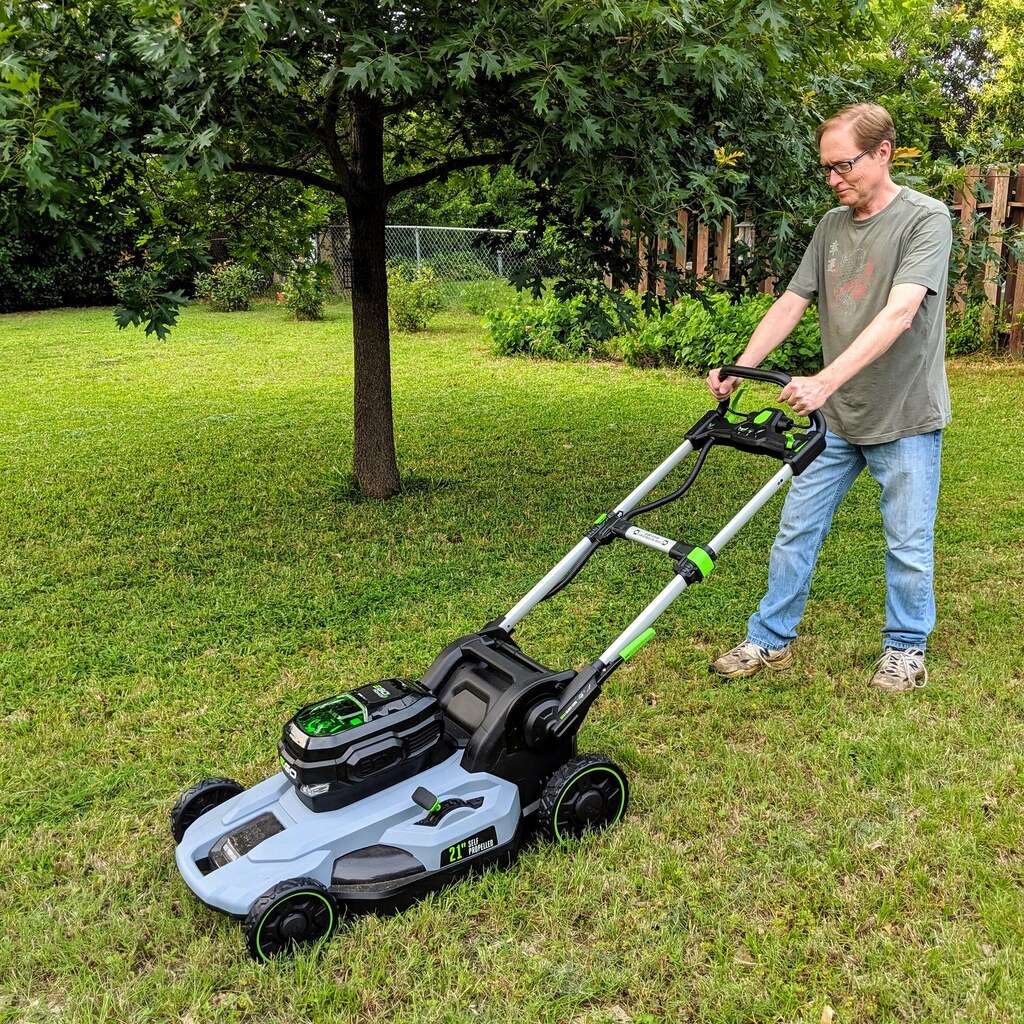
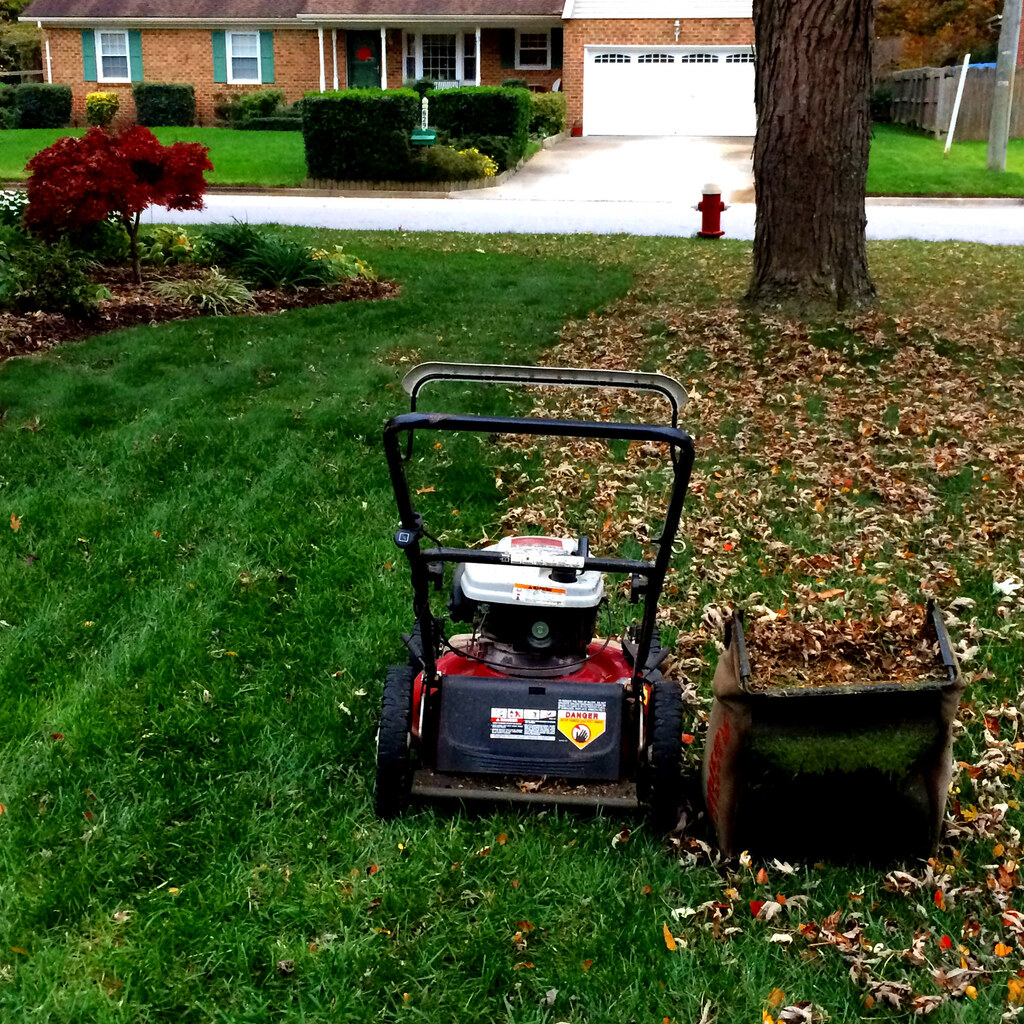
A lawnmower is a tool for cutting the grass in your lawn. Lawnmowers come in several different types.
Lawnmowers can be ride-on like a small car, and you drive them around over your lawn. This kind is good for really, really big lawns.
Then there are push-mowers that don't have an engine and rely on you pushing them to spin a blade that cuts the grass. This kind are hard to use and are not very common anymore.
The most common is the kind in the picture, where you push it to make it go where you want, but the blade is powered by a petrol or electric motor.
Lawnmowers can be ride-on like a small car, and you drive them around over your lawn. This kind is good for really, really big lawns.
Then there are push-mowers that don't have an engine and rely on you pushing them to spin a blade that cuts the grass. This kind are hard to use and are not very common anymore.
The most common is the kind in the picture, where you push it to make it go where you want, but the blade is powered by a petrol or electric motor.
Layering is a technique for propogating plants. It works best for plants that grow roots slowly, and plants that would naturally grow roots where a stem touches the ground.
To layer a plant, you usually take a stem and bend it down towards the ground, or into a pot, and hold it in place. You damage the stem where it touches the ground by cutting it part way through, adding some rooting hormone if you want. After some time, the plant will grow roots and shoots at the cut and it can be removed from the parent plant.
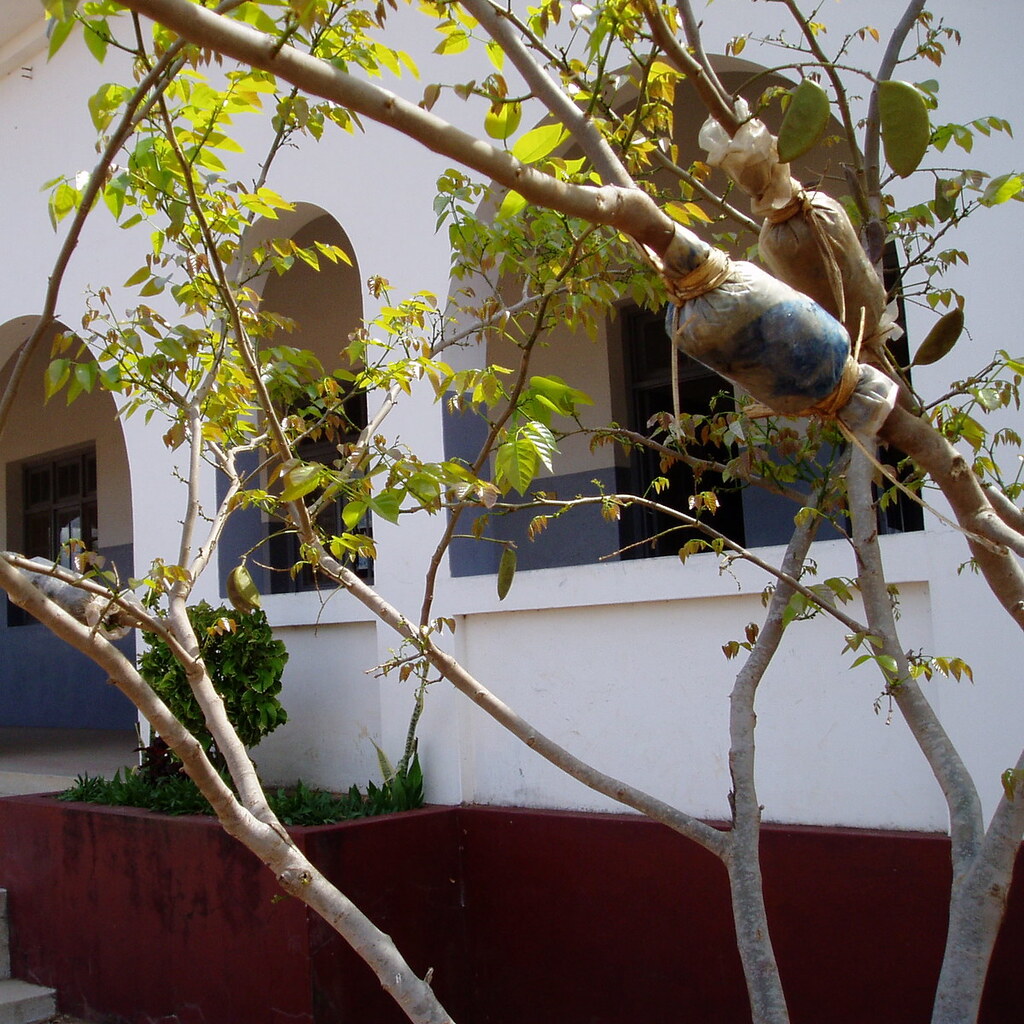
Layering can also be done in the air by cutting a stem part way through, adding the rooting hormone, and bundling up some damp potting soil or peat moss around the cut. The plant will grow roots into the bundle of soil, and then it can be removed from the parent plant. This works best with plants that aren't flexible enough to be bent to the ground.
To layer a plant, you usually take a stem and bend it down towards the ground, or into a pot, and hold it in place. You damage the stem where it touches the ground by cutting it part way through, adding some rooting hormone if you want. After some time, the plant will grow roots and shoots at the cut and it can be removed from the parent plant.
Layering can also be done in the air by cutting a stem part way through, adding the rooting hormone, and bundling up some damp potting soil or peat moss around the cut. The plant will grow roots into the bundle of soil, and then it can be removed from the parent plant. This works best with plants that aren't flexible enough to be bent to the ground.

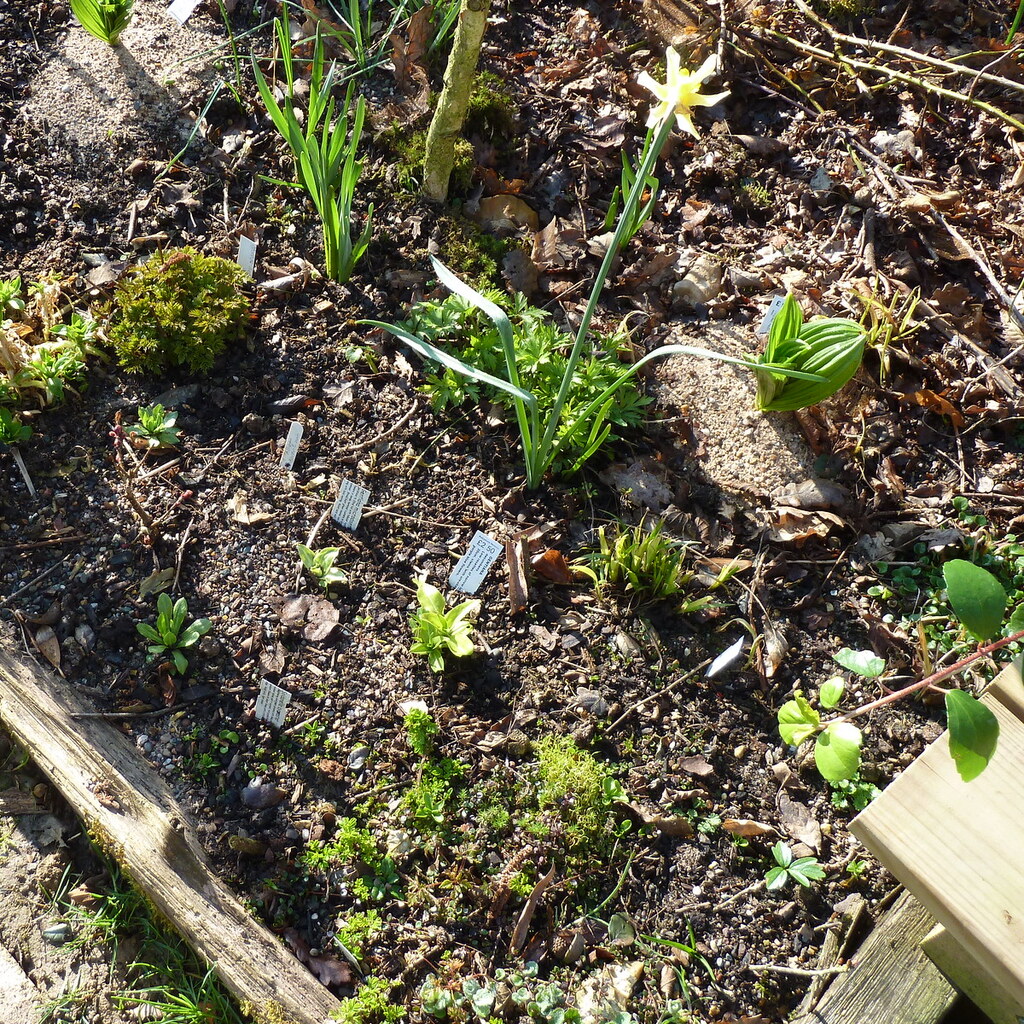
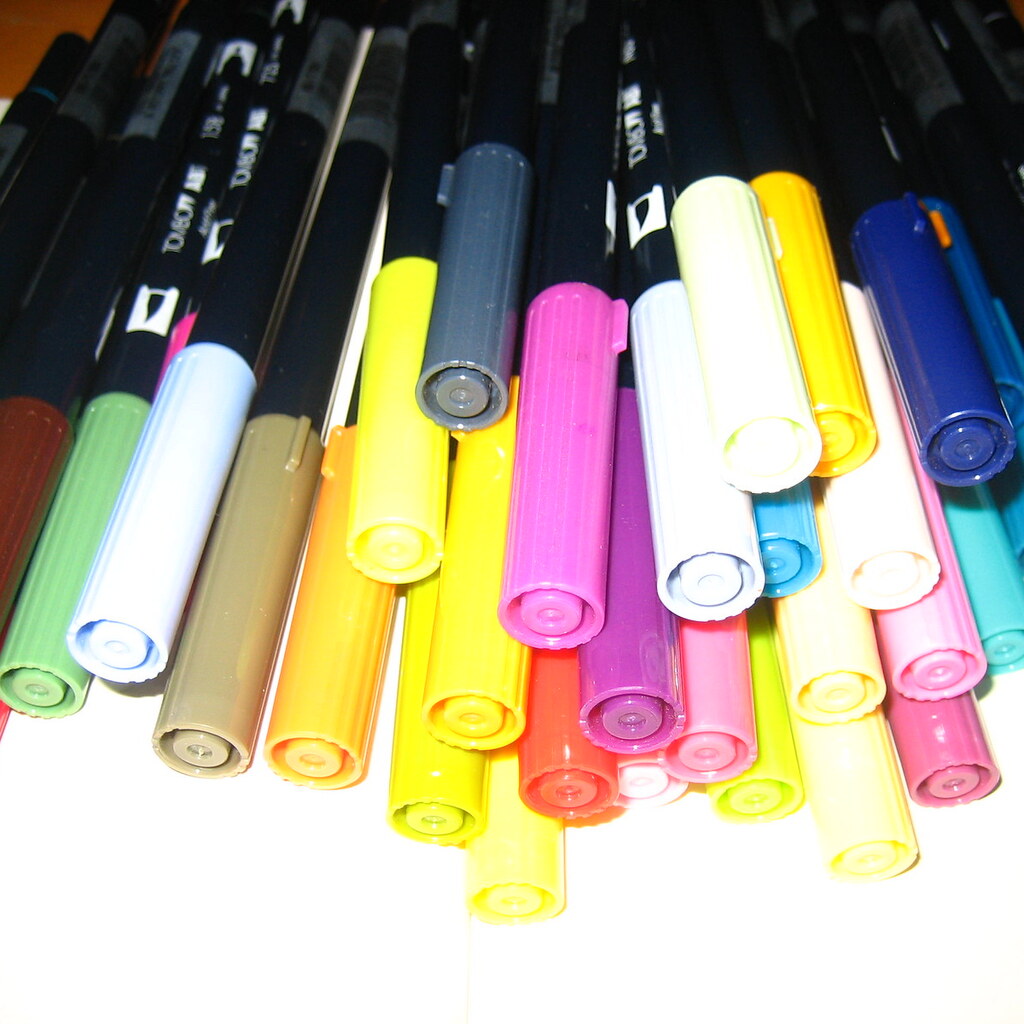
A marker, marking pen, felt-tip pen or branded as a Texta or Sharpie in some countries, is something you use to draw or write with.
Markers have their own source of ink, and a soft tip. There are lots of different kinds of marker, for writing on whiteboards, overhead transparencies, paper, glass, and of course permanent markers versus erasable markers.
Markers have their own source of ink, and a soft tip. There are lots of different kinds of marker, for writing on whiteboards, overhead transparencies, paper, glass, and of course permanent markers versus erasable markers.

M is for Measuring tape
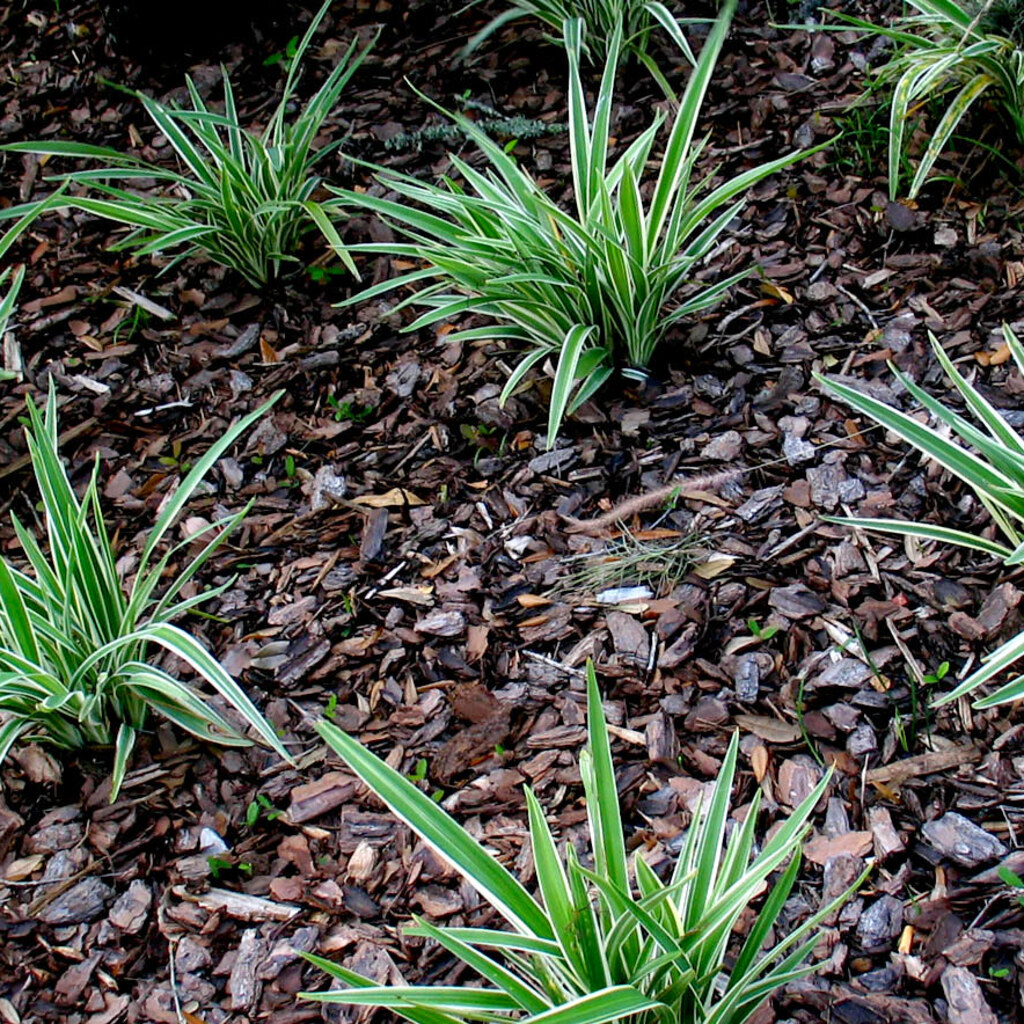
Mulch is a layer of material that you put on the ground around plants. Mulch keeps the soil from drying out, and can help keep it from getting too hot or cold.
Mulches can be made from many things, but the most common kinds of mulch are decorative gravels, pebbles, bark, wood chips and leaves. Mulches made from bark or leaves will slowly break down and make the soil better.
Mulches can be made from many things, but the most common kinds of mulch are decorative gravels, pebbles, bark, wood chips and leaves. Mulches made from bark or leaves will slowly break down and make the soil better.