
Showing 61-80 of 117
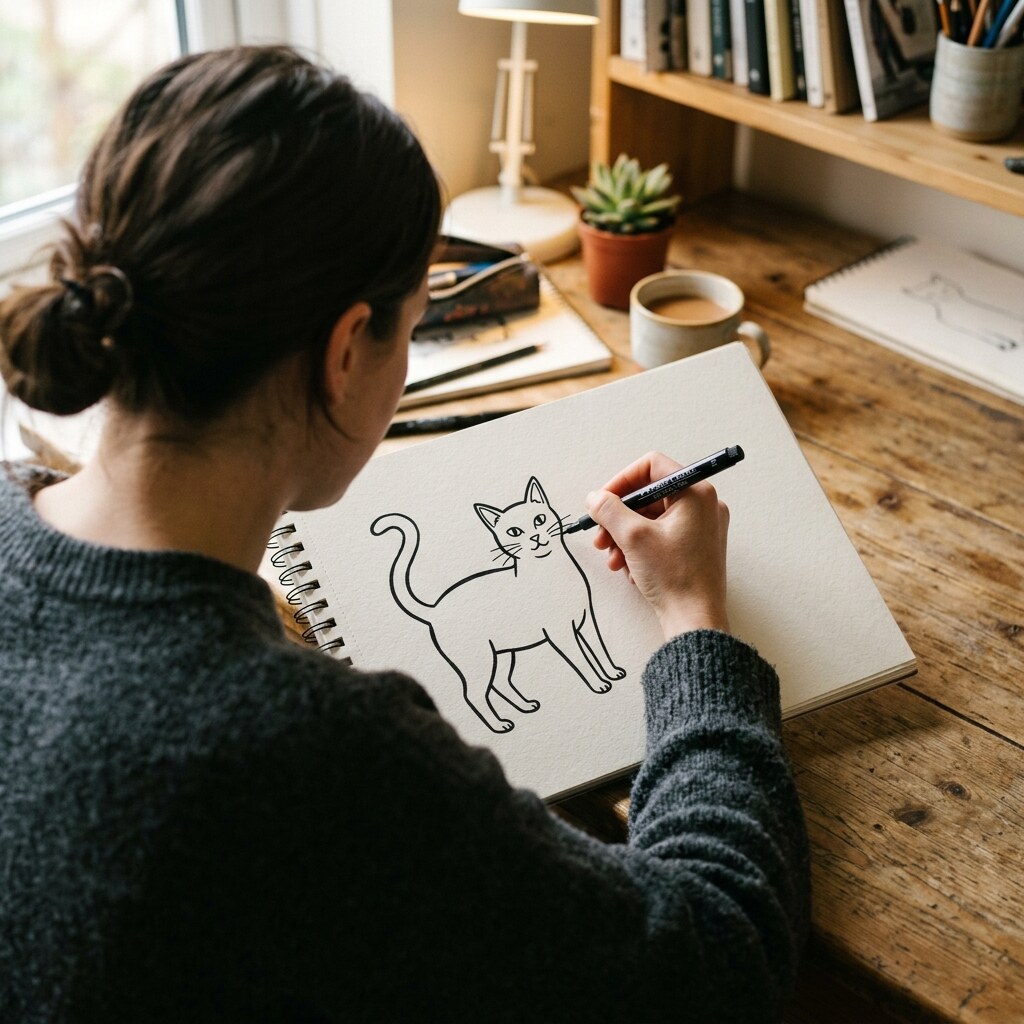
An outline is a type of drawing where thin lines are used to define the edges of what you are drawing a picture of. Artists often start a picture by drawing the outline in lead pencil, and then coloring or shading it in.
An outline is also the way of describing an event or situation by giving only the most essential details, as in "here's an outline for Monday's telecast".
An outline is also the way of describing an event or situation by giving only the most essential details, as in "here's an outline for Monday's telecast".

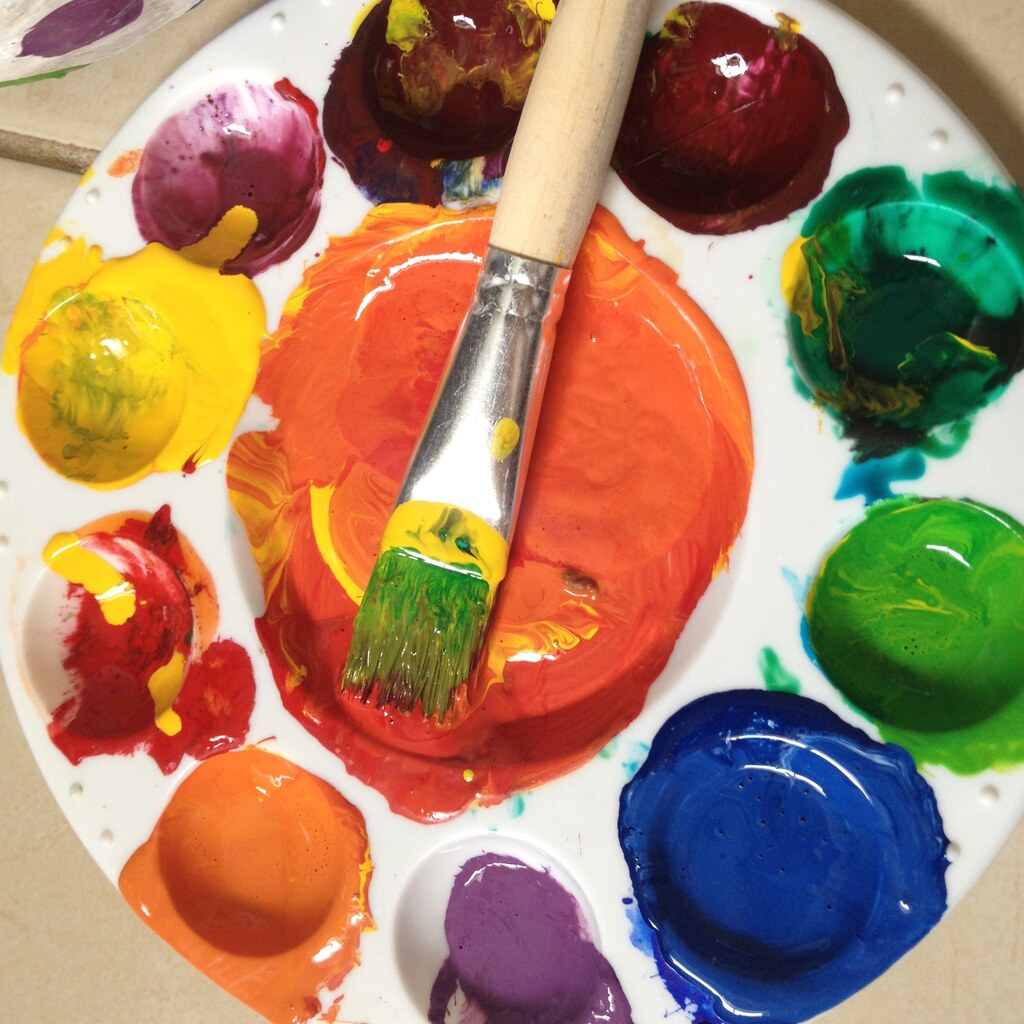
Paint is a liquid you can buy that you can use to change the colour of something. Paint goes on when it is wet, so you need to wait for it to dry. Some paints come in small, dry blocks and you need to wet them with water to be able to use them. You use a paintbrush to paint with.
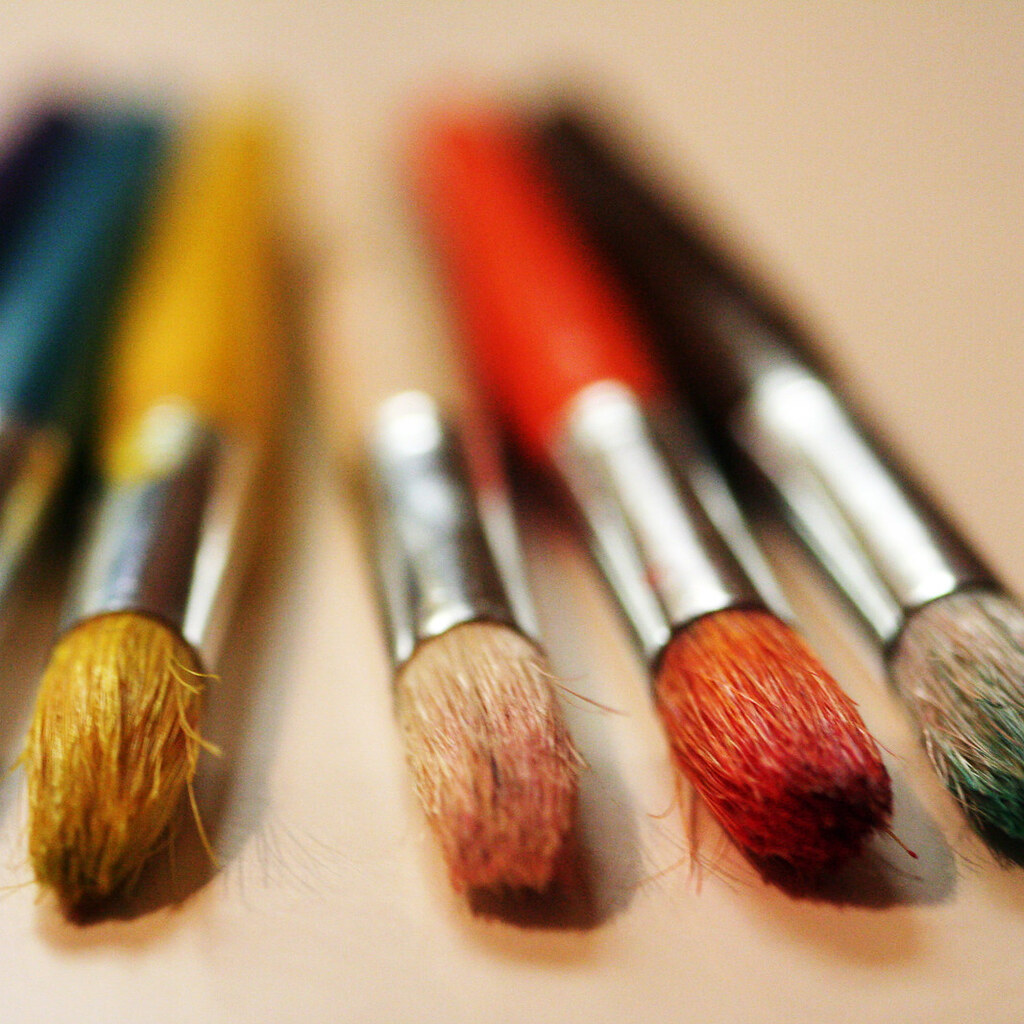
P is for Paintbrush
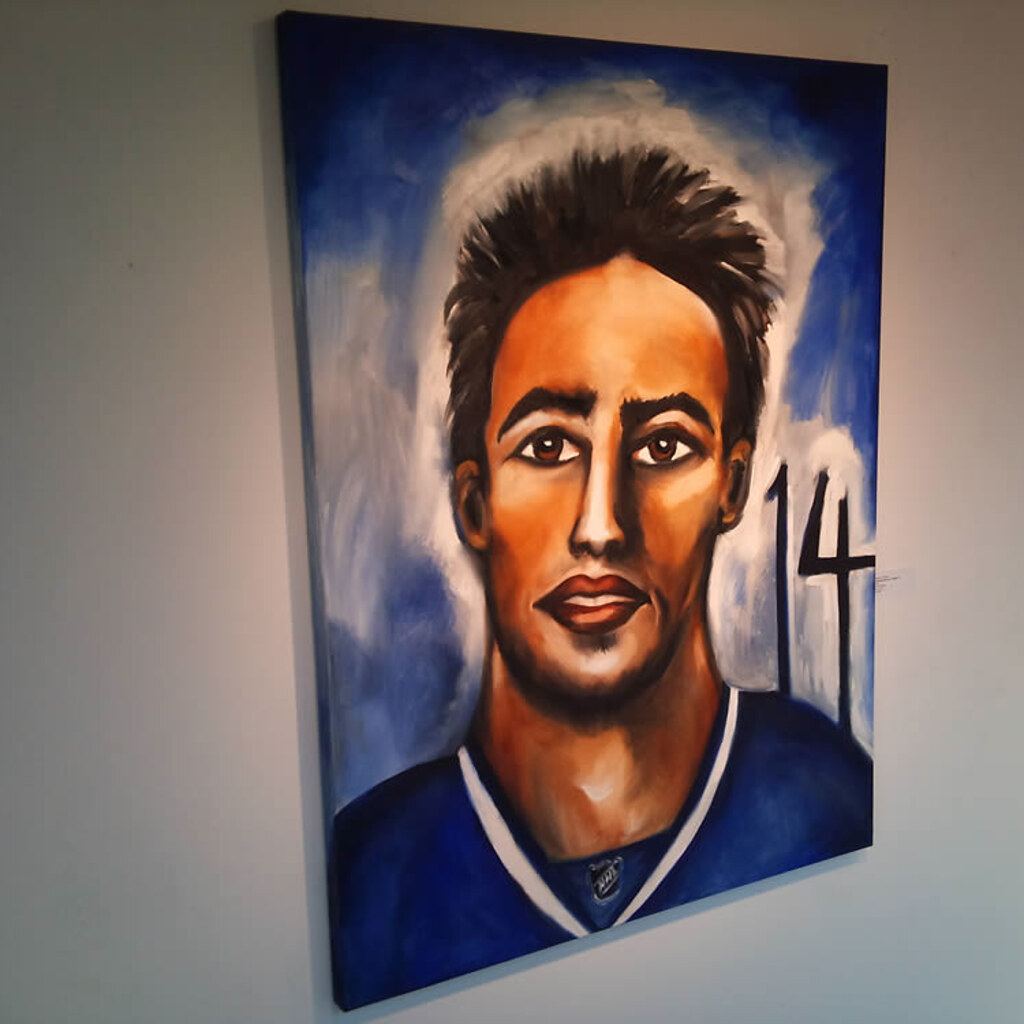
P is for Painting (Noun)
Paintings can be very realistic, almost as good as photographs or abstract and you have trouble telling what they are pictures of.
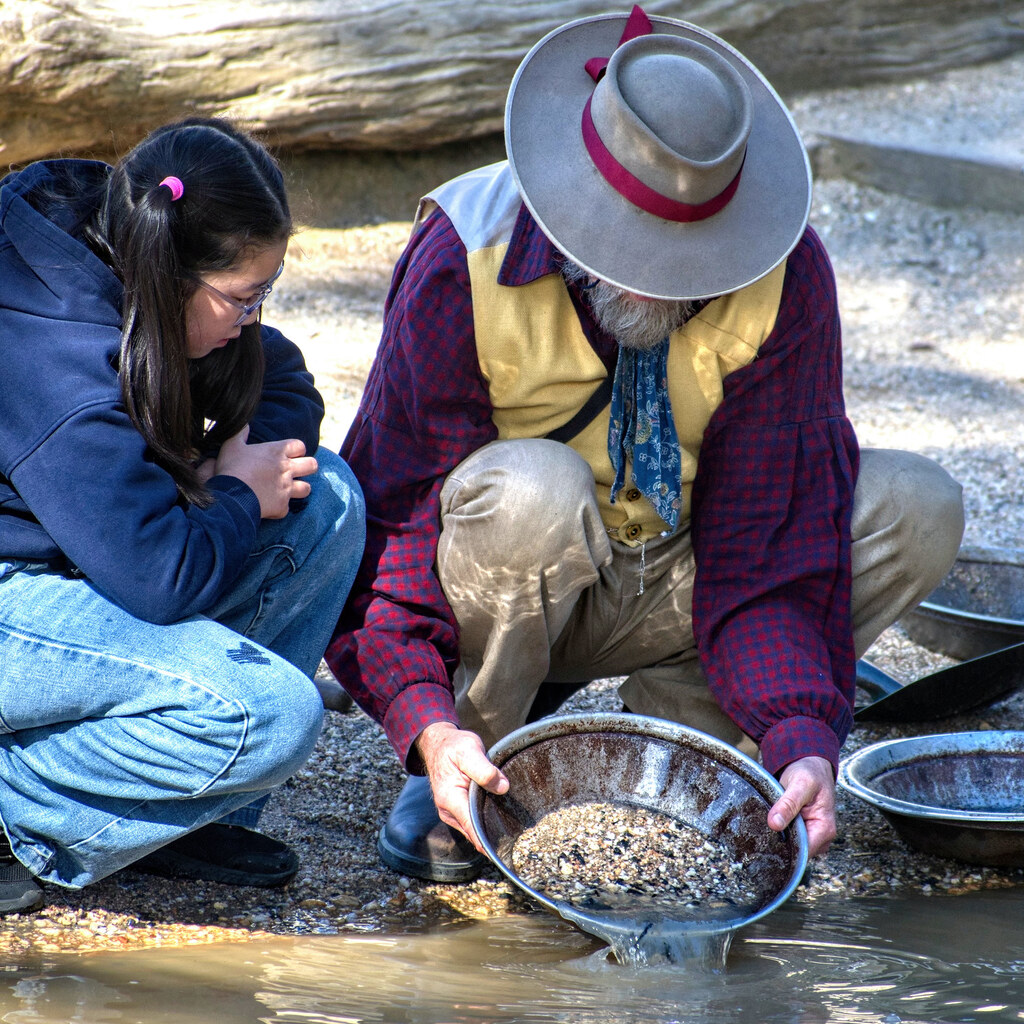
Panning for gold means looking for gold by using a shallow metal pan filled with water and sand. You gently swirl the mixture so heavier gold pieces settle at the bottom.
People often do this in rivers and streams where gold dust or small nuggets may be found.
People often do this in rivers and streams where gold dust or small nuggets may be found.
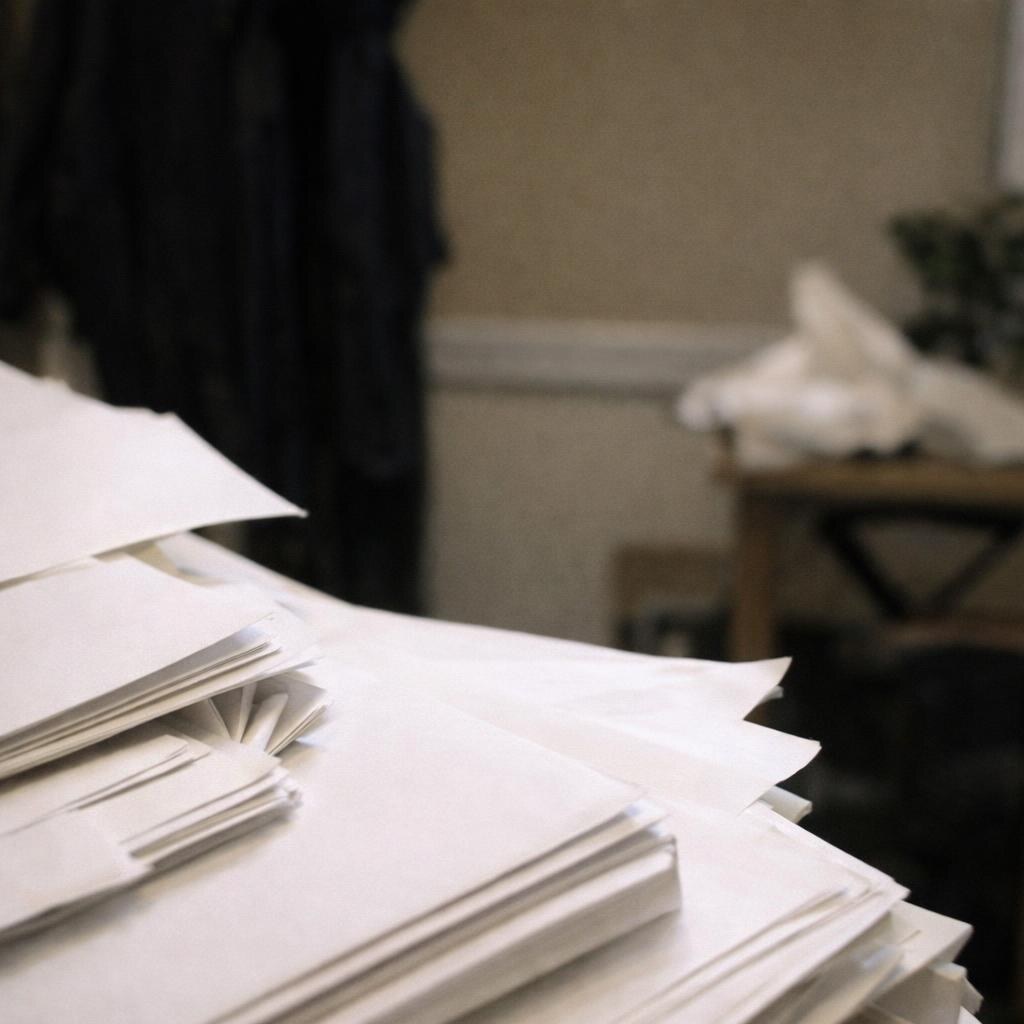
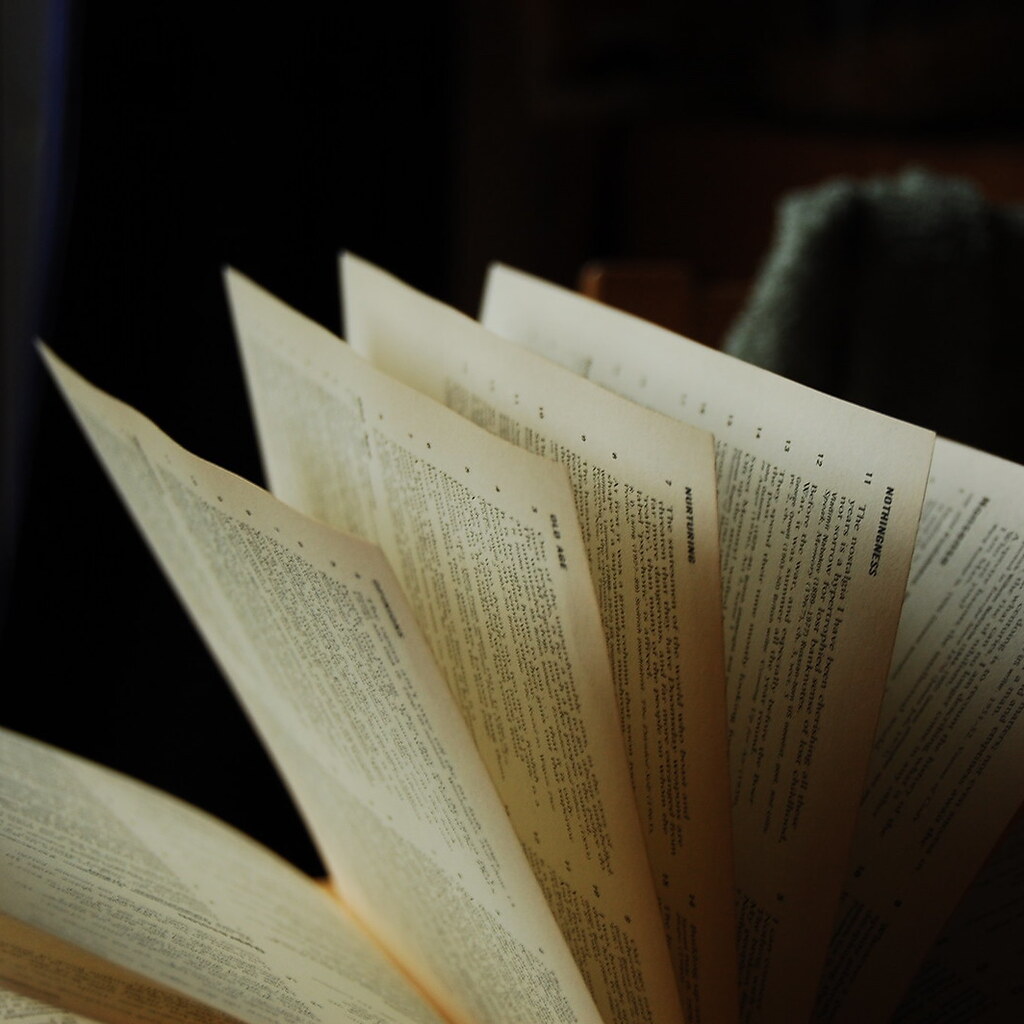
Paper is usually made from very finely ground up wood, bleached white. Paper is thin, usually smooth, and is used to make books, newspapers, magazines and of course you can buy blank or lined paper to draw or write on.
Pieces of paper come in lots of different sizes, textures and colours. Rougher paper is better for drawing on in pencil or charcoal. Paper can be cut or folded into different shapes, for crafts like origami.
Pieces of paper come in lots of different sizes, textures and colours. Rougher paper is better for drawing on in pencil or charcoal. Paper can be cut or folded into different shapes, for crafts like origami.
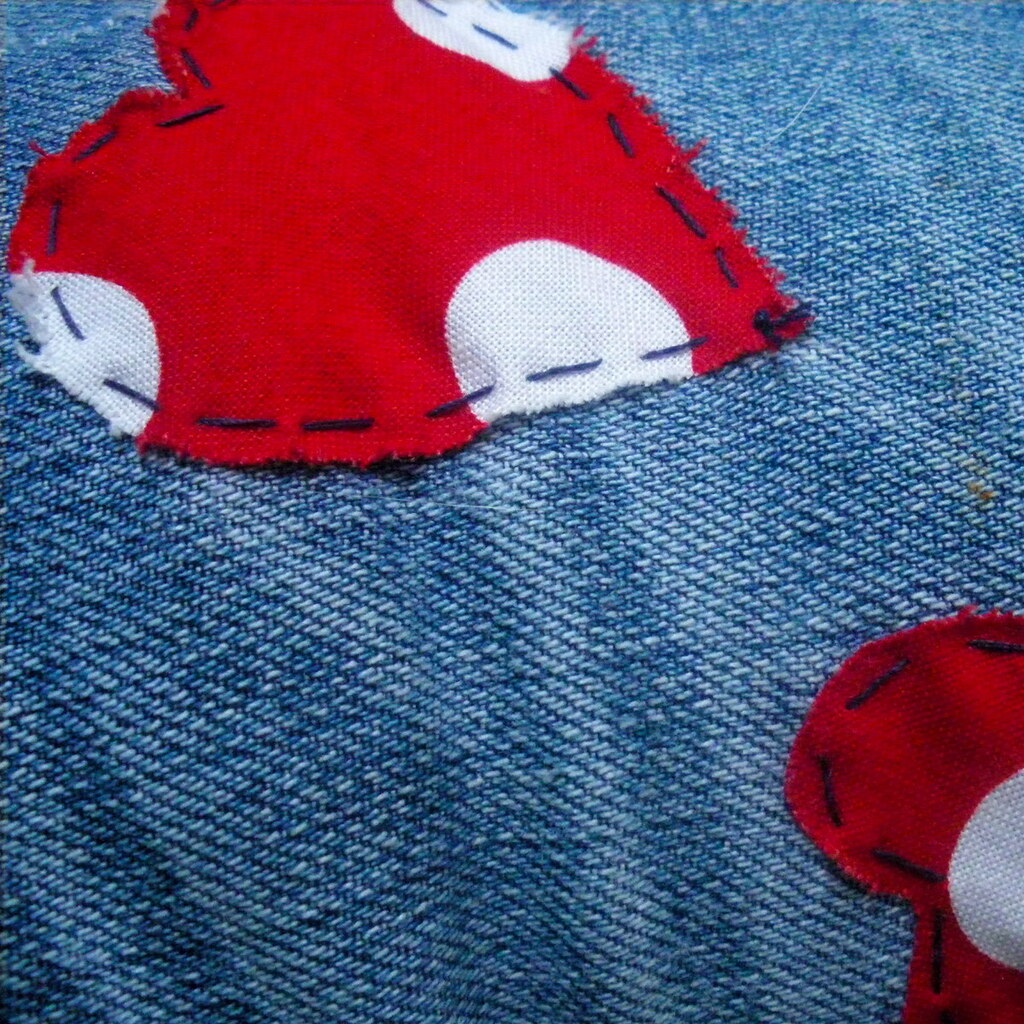
A patch is a way of mending something that is broken by sticking a piece of something over the hole, and has given rise to the phrase "to patch something up". If you get a hole in the knee of your jeans they can be fixed by stitching a patch over the hole.
When something is made entirely of patches, it is called patchwork. Quilts are often made of patchwork.
A patch is also the name for a place you grow pumpkins or other vegetables.
When something is made entirely of patches, it is called patchwork. Quilts are often made of patchwork.
A patch is also the name for a place you grow pumpkins or other vegetables.

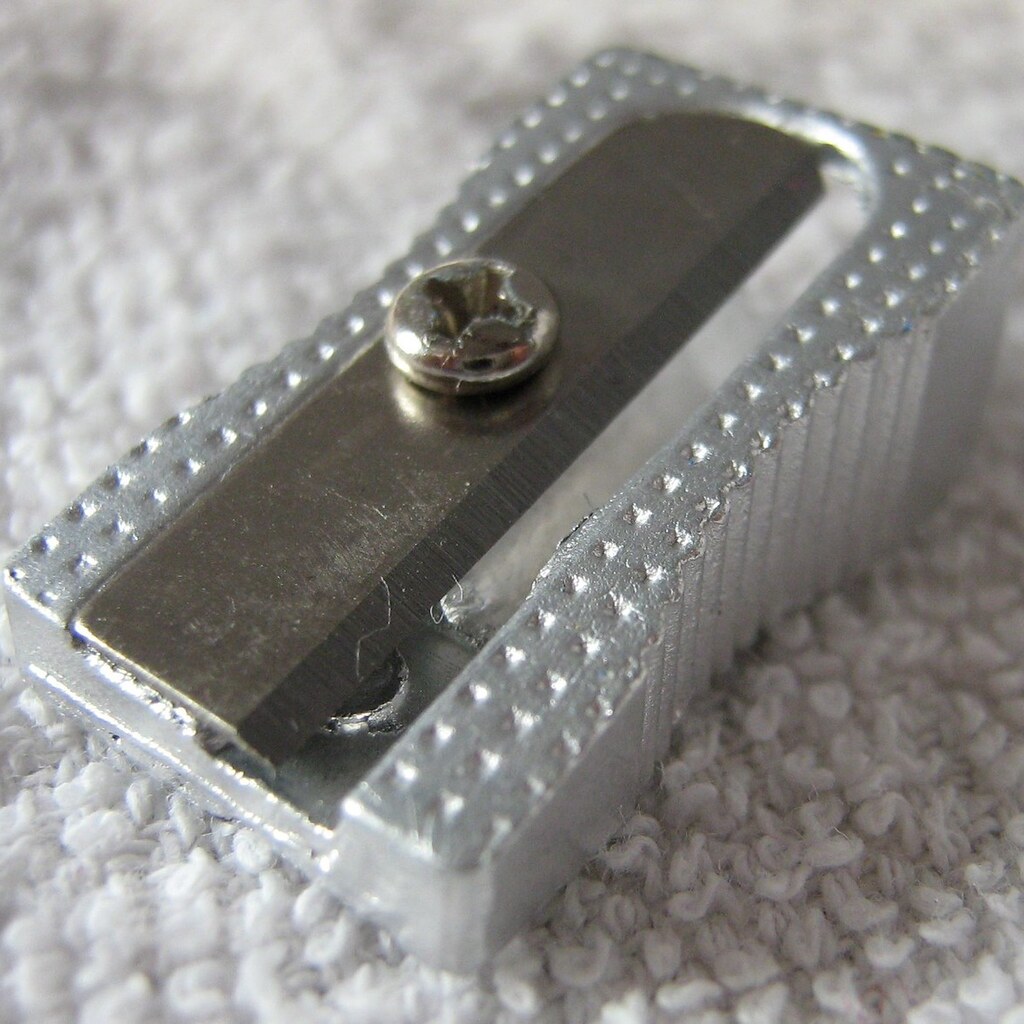
P is for Pencil sharpener
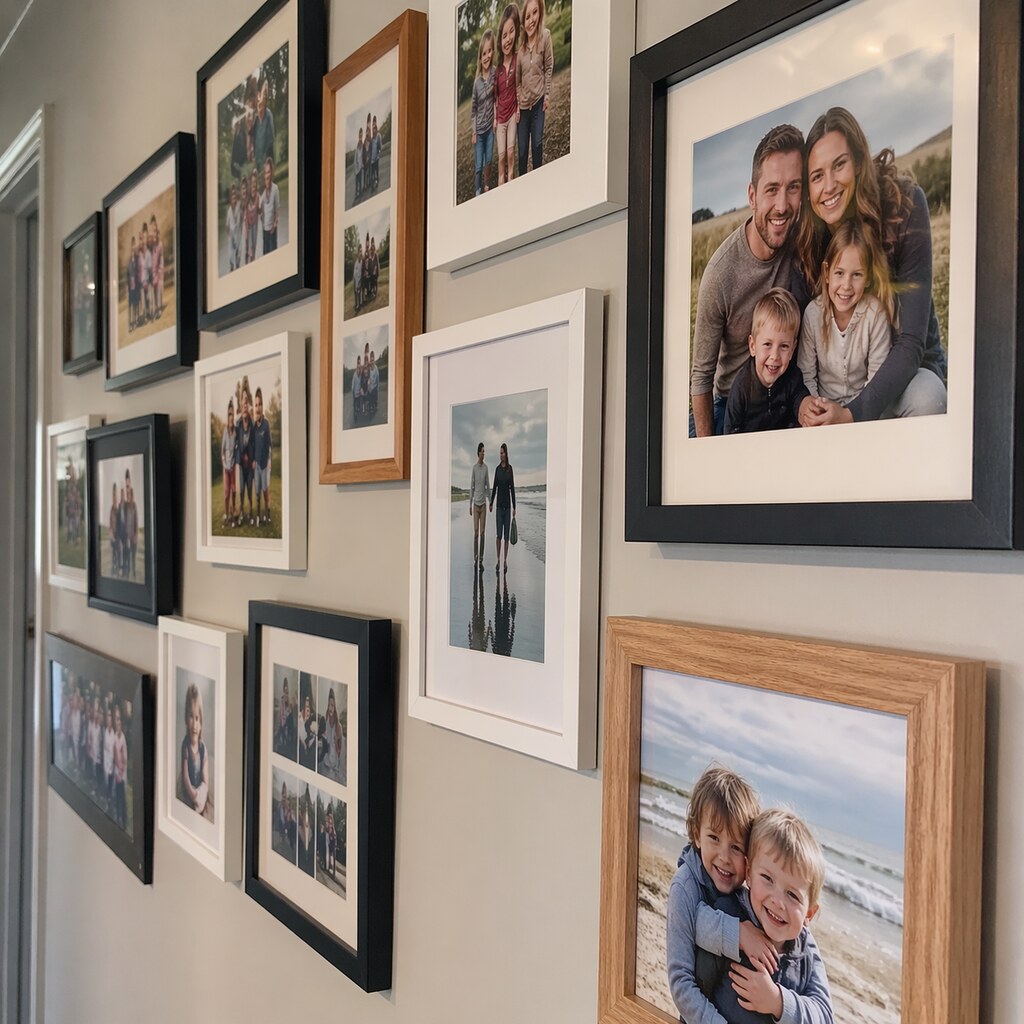
P is for Photograph
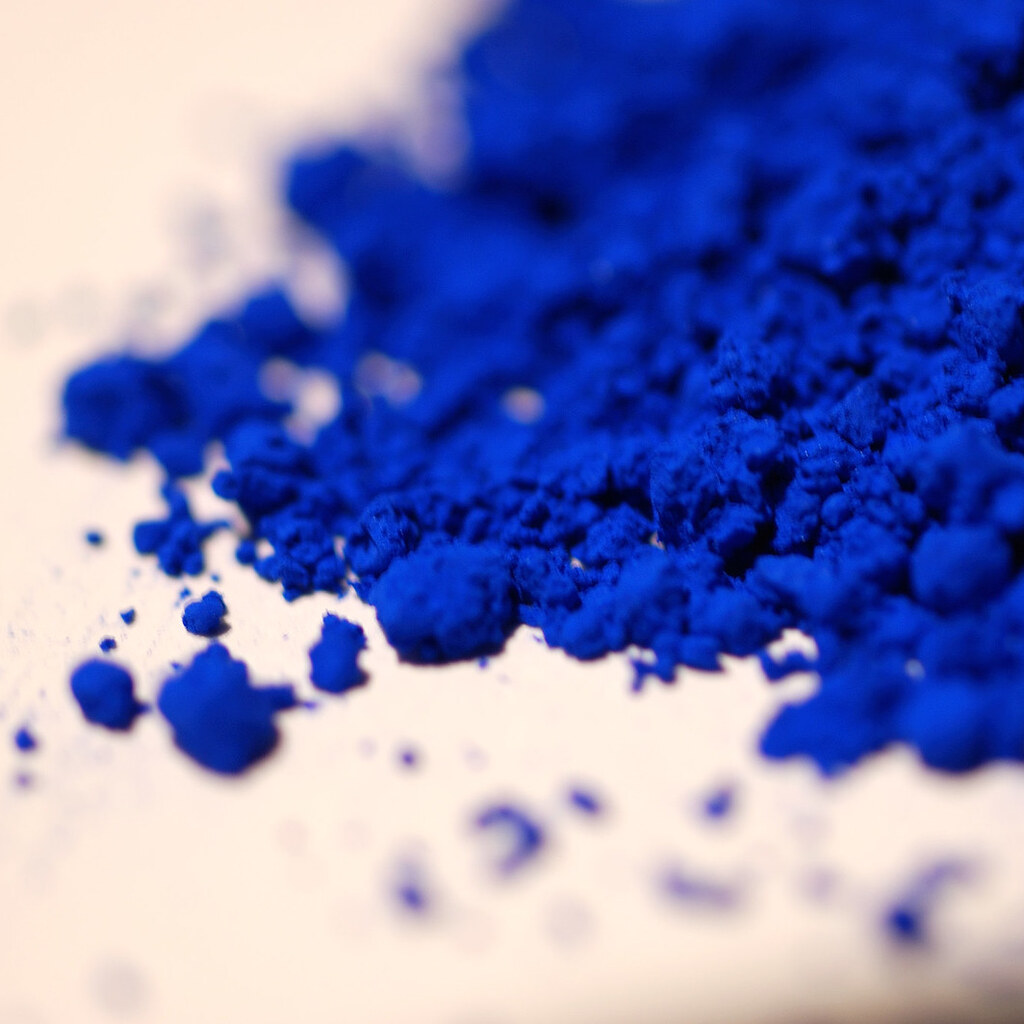
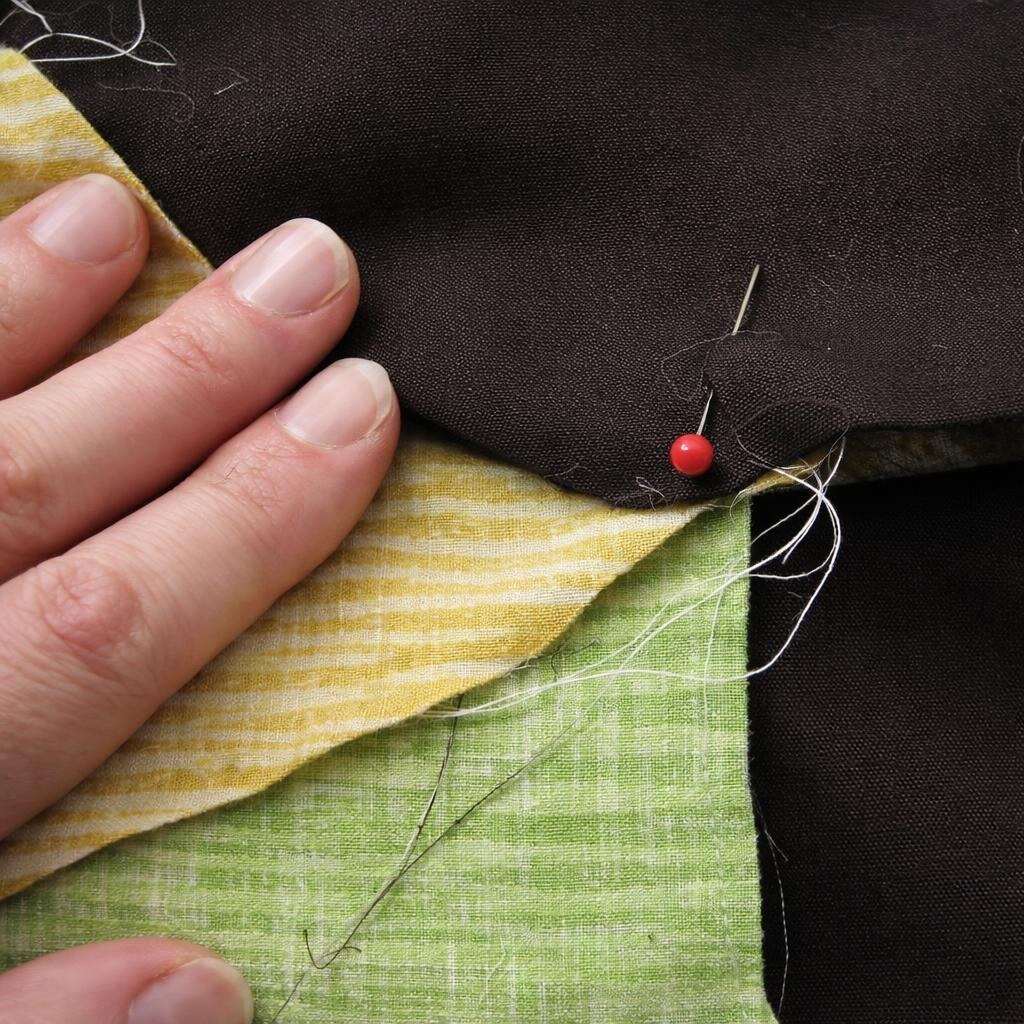
A pin is a small piece of metal that is sharp at one end and has a small bump at the other end. It is used for holding pieces of cloth together when you are making something, but before they are properly stitched together.
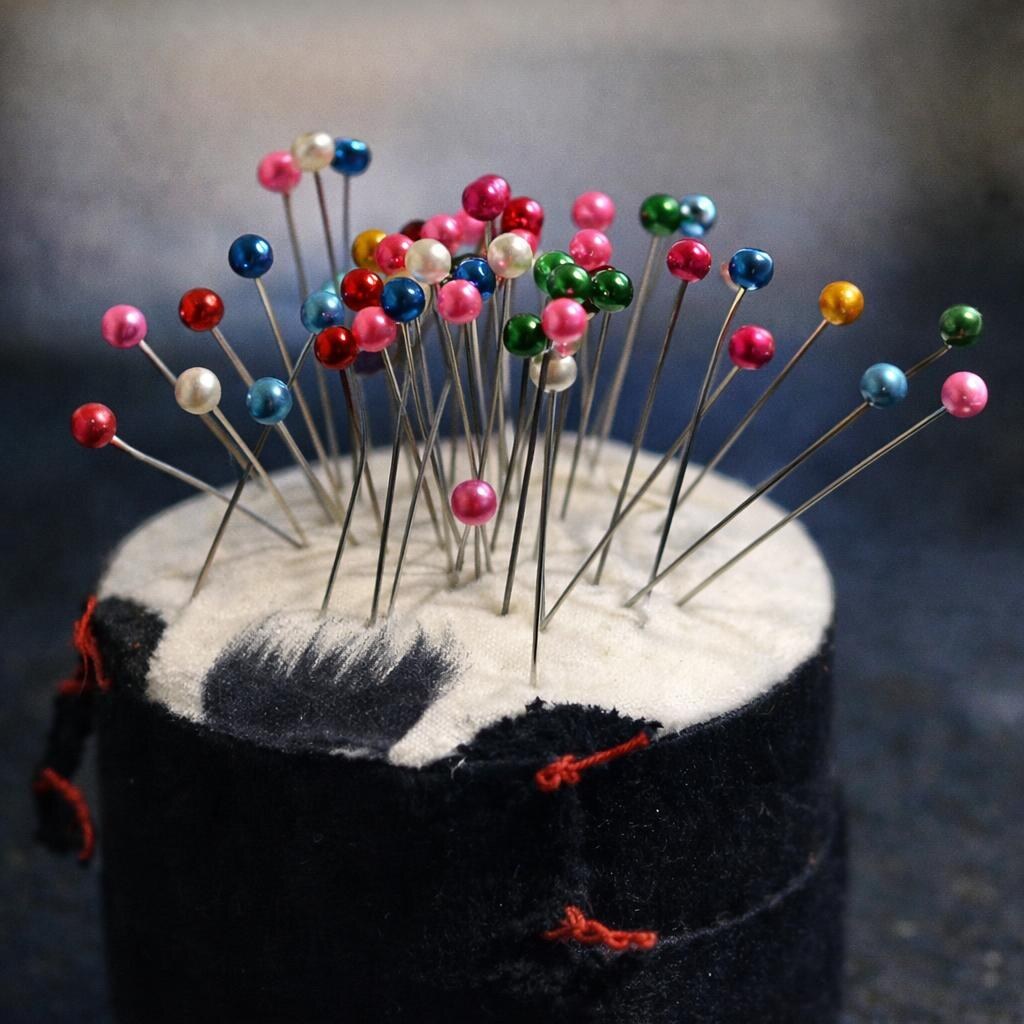
P is for Pin cushion
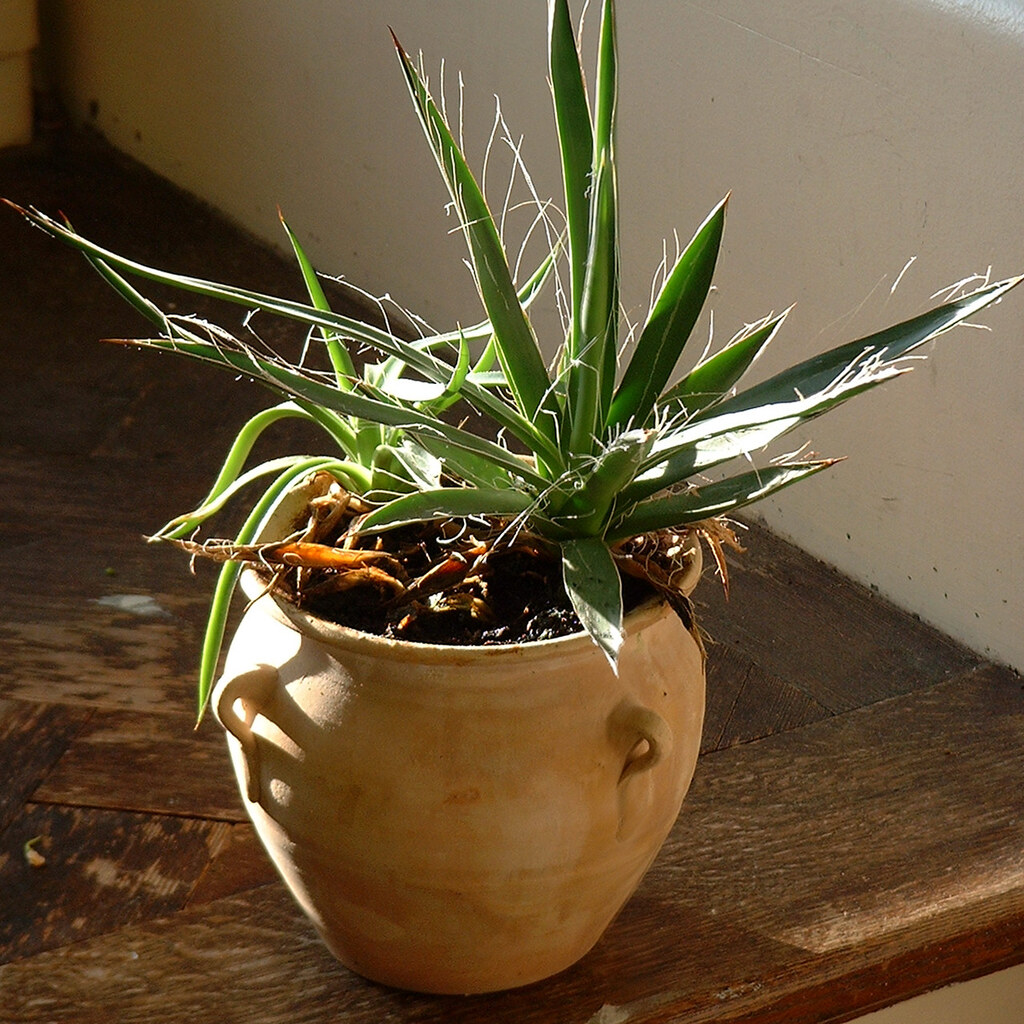
Plant is a word that covers an enormous number of living things in the world. Plants can be divided up into several groups, namely algae (that green slime you find in ponds), bryophytes (non vascular plants, or mosses and lichens - the small, often fuzzy plants that you see growing on rocks or on the ground in damp corners) and tracheophytes.
Tracheophytes, or vascular plants, are the most familiar. They include all the trees, ferns, grass and flowers you see around your neighbourhood. The plant in the picture is a vascular plant, growing in a pot.
Tracheophytes, or vascular plants, are the most familiar. They include all the trees, ferns, grass and flowers you see around your neighbourhood. The plant in the picture is a vascular plant, growing in a pot.
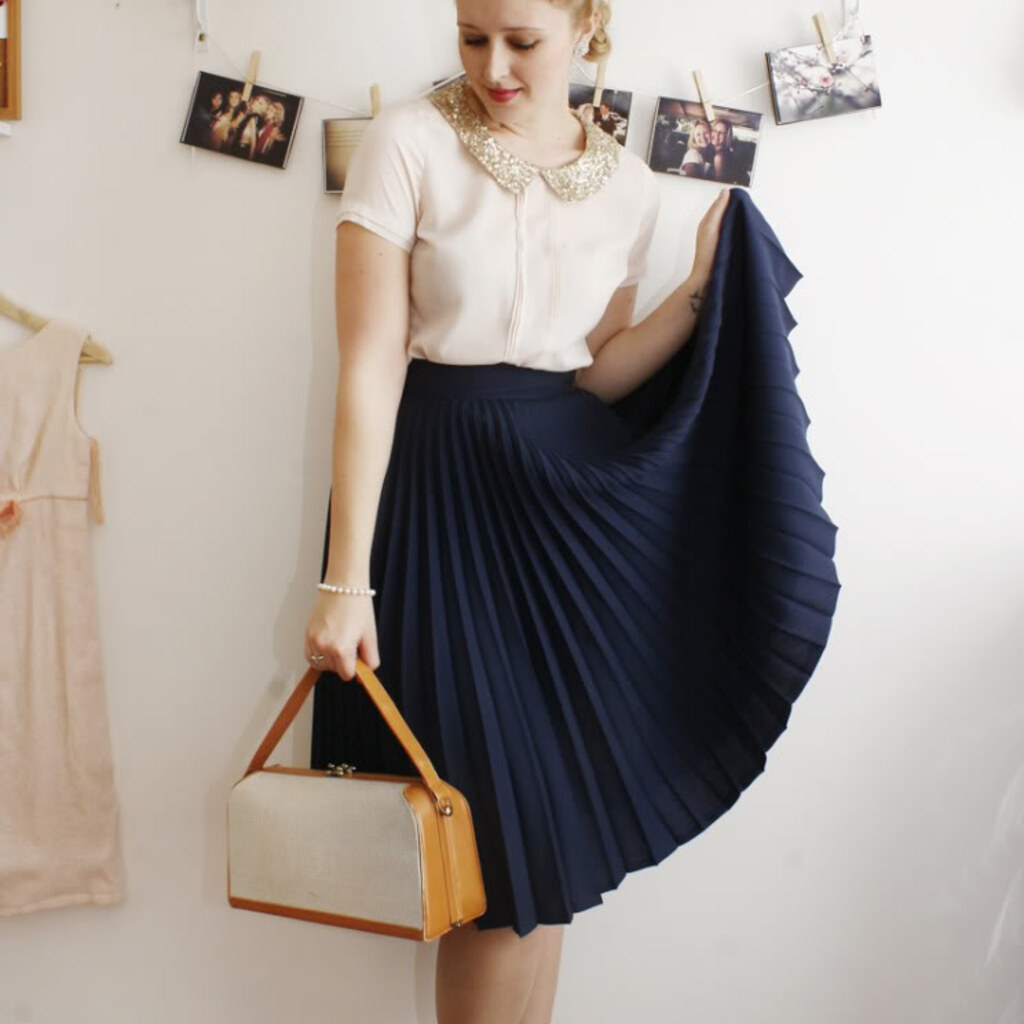
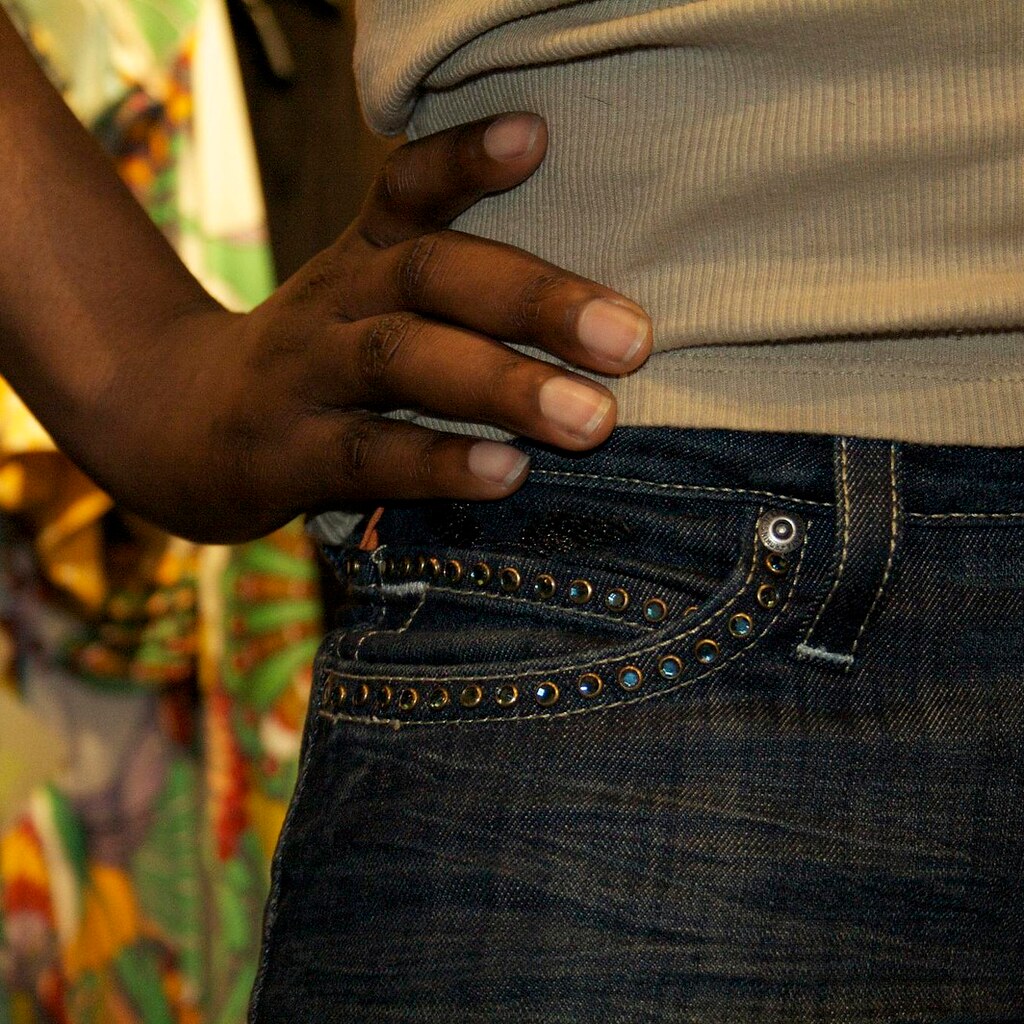
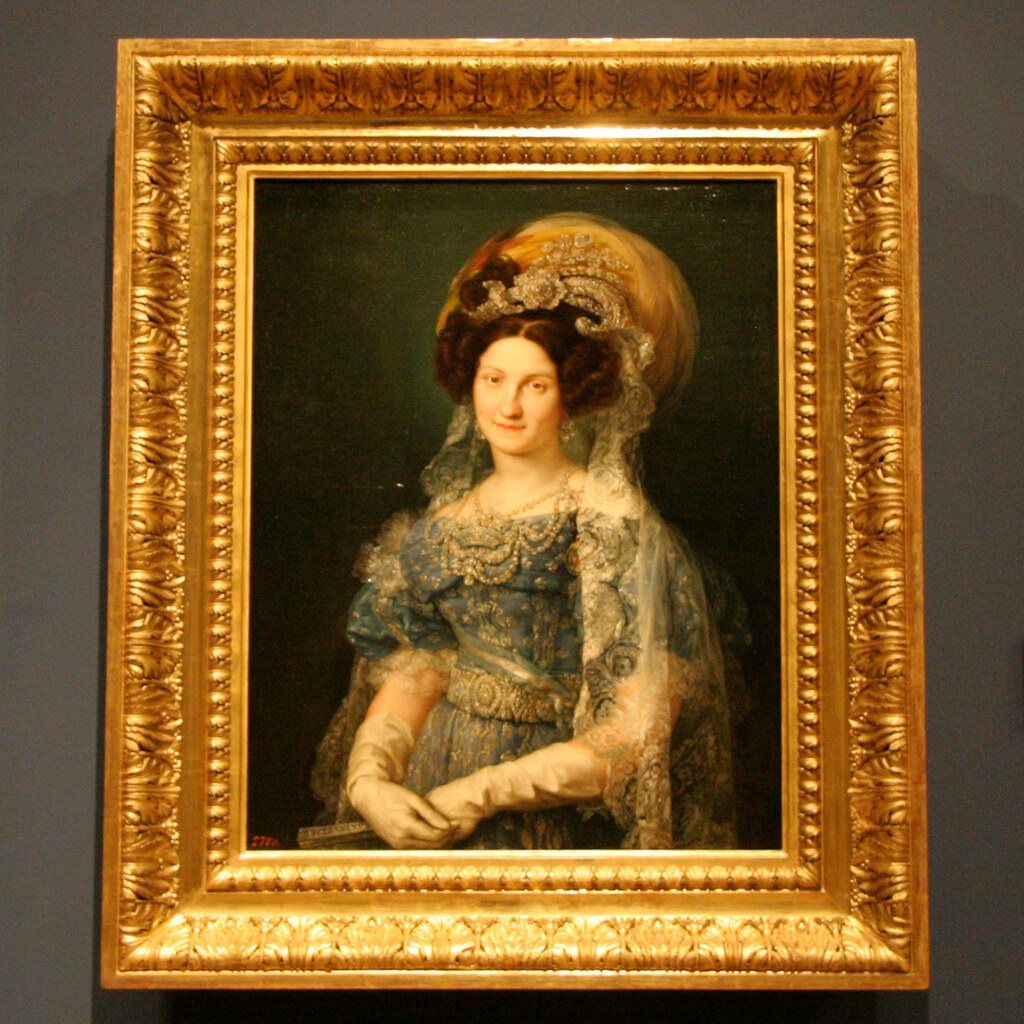
A portrait is a painting, drawing or photo of someone. A portrait is often just of someone's head and shoulders, or from their waist up.
Portrait can also refer to any picture or a blank canvas or piece of paper that is vertical, that is with the long sides on the left and right, which is the best way to put your paper to draw a portrait of someone. The opposite of portrait in this case is landscape, which is the best way to put a piece of paper to draw a landscape.
Portrait can also refer to any picture or a blank canvas or piece of paper that is vertical, that is with the long sides on the left and right, which is the best way to put your paper to draw a portrait of someone. The opposite of portrait in this case is landscape, which is the best way to put a piece of paper to draw a landscape.